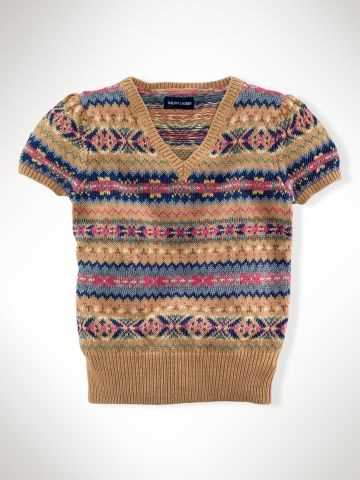
Are you looking for a new knitting project that will keep you warm and stylish this winter? Look no further than the Fair Isle sweater pattern. Fair Isle knitting is a traditional knitting technique that originated in the Fair Isle, a small island in Scotland. It is known for its intricate patterns and use of multiple colors in each row.
The Fair Isle sweater pattern is a classic design that never goes out of style. The pattern typically features a main color and several contrasting colors to create a striking design. Knitting a Fair Isle sweater can be a challenging project for beginners, but with the right pattern and some practice, you can create a beautiful and unique piece of clothing.
One of the key features of a Fair Isle sweater is the way the colors are used in the pattern. Traditionally, only two colors are used in each row, with the unused color strands carried along the back of the work. This creates a double-layered fabric that is warm and cozy. The colorwork also gives Fair Isle sweaters their distinct and eye-catching appearance.
There are many different Fair Isle sweater patterns available, ranging from simple and geometric designs to more intricate motifs. Whether you prefer a traditional or modern style, there is sure to be a pattern that fits your taste and skill level. So why not give Fair Isle knitting a try and create your own cozy, stylish sweater?
What is a fair isle sweater?

A fair isle sweater is a type of knitted garment that features a traditional, colorful colorwork pattern. It takes its name from Fair Isle, a small island in Scotland known for its distinctive knitting technique. The pattern typically consists of small, repeated motifs, often inspired by nature, and is created by alternating multiple colors of yarn.
One of the key features of a fair isle sweater is the use of stranded knitting. This technique involves carrying two or more colors of yarn across the back of the work while knitting with one color at a time. The resulting floats of yarn on the wrong side of the fabric help create the unique texture and warmth associated with fair isle knitting.
The origins of fair isle knitting date back centuries, with evidence of similar colorwork patterns found in ancient textiles from various cultures. However, it gained widespread popularity in the early 20th century when members of the British royal family, including the Duke of Windsor, started wearing fair isle sweaters. Since then, fair isle knitting has become a beloved technique among knitters and is associated with cozy winter fashion.
Key characteristics of fair isle sweaters:
- Colorful, repeating patterns
- Stranded knitting technique
- Small motifs inspired by nature
- Warm and cozy texture
Whether you’re a seasoned knitter or just starting out, knitting a fair isle sweater can be a rewarding challenge. It requires careful attention to color placement and tension to ensure an even fabric. But the end result is a timeless piece of clothing that showcases the beauty of traditional knitting techniques. So grab your needles and explore the world of fair isle knitting!
The History of Fair Isle Knitting
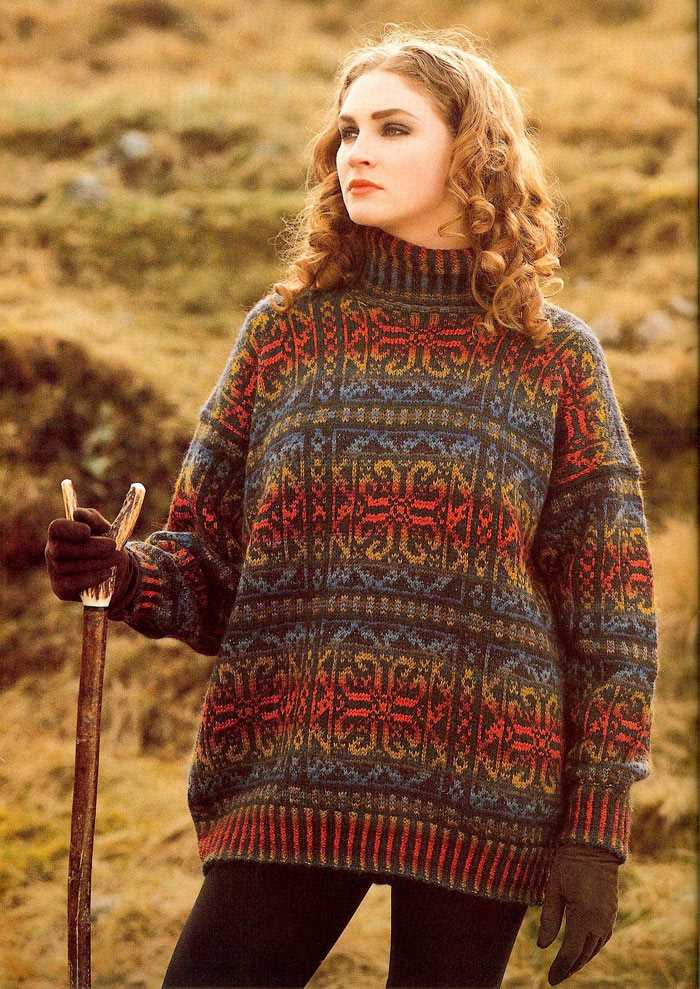
Fair Isle knitting is a traditional knitting technique that originated in the Fair Isle, a small island located in the Shetland archipelago in Scotland. It is known for its intricate patterns and use of multiple colors, making it a popular choice for creating beautiful and unique garments. The history of Fair Isle knitting dates back to the 19th century, although similar knitting techniques have been practiced in the region for centuries.
The distinctive Fair Isle patterns are believed to have been influenced by the Scandinavian knitting techniques and motifs that were brought to the region by Viking settlers. Over time, the local knitters on Fair Isle developed their own unique style, incorporating their own motifs and patterns. Traditionally, the patterns were passed down through generations, creating a rich knitting heritage on the island.
One of the defining characteristics of Fair Isle knitting is its use of multiple colors in each row. This technique, known as stranded colorwork, requires the knitter to carry multiple strands of yarn throughout the row, creating a double layer of yarn. This not only adds warmth and durability to the knitted fabric, but also allows for the creation of intricate and colorful patterns.
Another important aspect of Fair Isle knitting is the use of a limited color palette. Traditionally, the knitters on Fair Isle would use a maximum of five or six colors in each garment, choosing colors that complemented each other and created a harmonious overall design. This limitation not only adds to the challenge and artistry of Fair Isle knitting, but also gives the finished garments a timeless and classic appeal.
Today, Fair Isle knitting continues to be cherished and practiced by knitters all over the world. The intricate patterns and colorful designs make it a beloved technique for creating stylish and unique garments, including the popular fair isle sweaters. Whether you’re a seasoned knitter or just starting out, exploring the history and techniques of Fair Isle knitting can be a fascinating journey into the world of this traditional craft.
Choosing the Right Yarn for Your Fair Isle Sweater
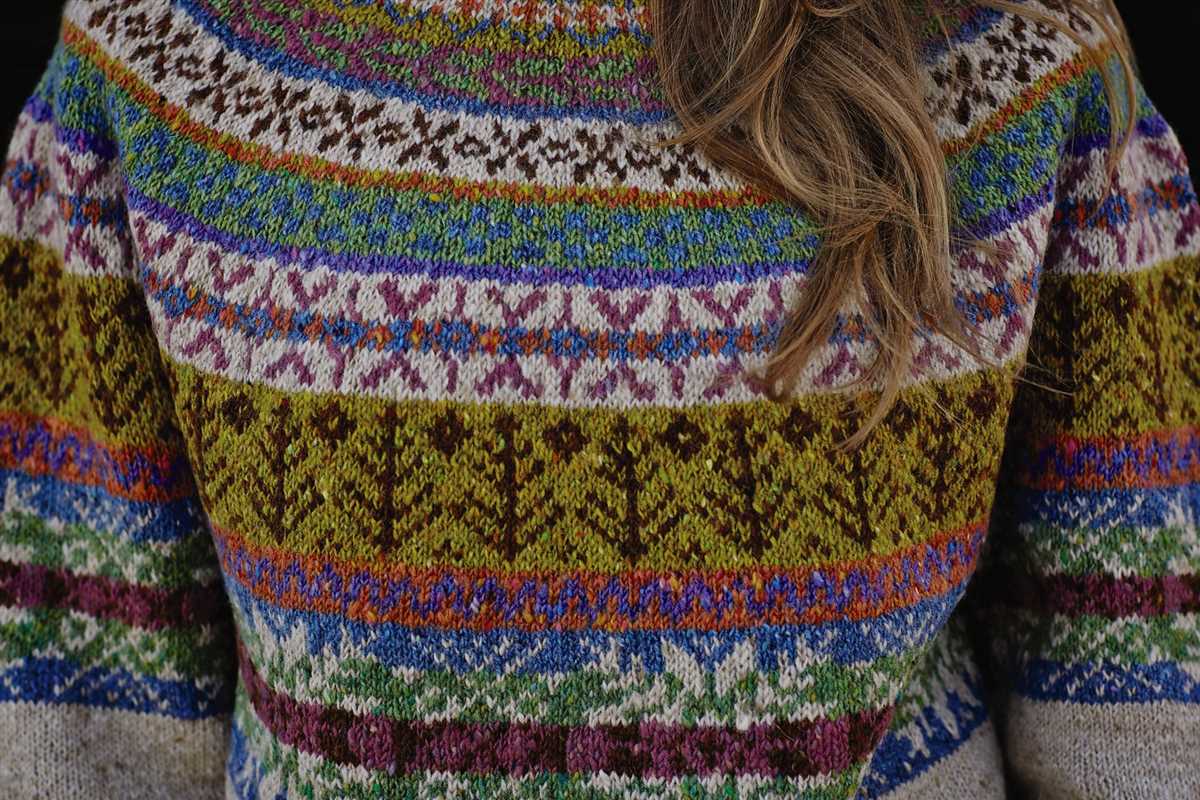
When it comes to knitting a fair isle sweater, choosing the right yarn is an essential step that can greatly impact the final result. The yarn you choose will affect the drape, texture, and overall appearance of your sweater. Here are some factors to consider when selecting the perfect yarn for your fair isle project.
Fiber content:
The fiber content of the yarn plays a crucial role in determining the characteristics of your fair isle sweater. Traditional fair isle sweaters are often made with wool, as it provides warmth, durability, and excellent stitch definition. Wool blends or yarns with added fibers such as alpaca or silk can enhance the softness and drape of the sweater. Consider the qualities you desire in your finished garment and choose the yarn accordingly.
Weight and gauge:
The weight of the yarn will determine the thickness and warmth of your fair isle sweater. Look for yarns with a weight that matches the desired gauge specified in your pattern. The gauge is crucial for achieving the correct size and fit of your sweater. Pay attention to the recommended needle size as well, as it will affect the tension and overall appearance of your fair isle design.
Color selection:
Fair isle knitting is known for its intricate colorwork patterns. Choosing the right colors is essential to achieving the traditional fair isle aesthetic. Look for yarns that offer a wide range of colors in the same weight and fiber content to ensure consistency in your colorwork. Consider the contrast and harmony of the colors you choose, as they will greatly impact the overall design of your fair isle sweater.
Remember, selecting the right yarn for your fair isle sweater is a personal choice that should align with your preferences and the vision you have for your project. Take the time to consider these factors and explore different yarn options to find the perfect match for your fair isle knitting adventure.
Understanding Fair Isle Sweater Patterns

Fair Isle knitting is a traditional technique that originated in the Fair Isle of Scotland. It is characterized by its distinctive colorwork patterns, often featuring multiple colors in intricate designs. To create a fair isle sweater, knitters use two or more colors of yarn and work with both hands, alternating between colors to create the pattern.
The fair isle sweater pattern typically consists of a repeating motif that is worked across the sweater. These motifs can be geometric, floral, or even themed, such as animals or symbols. The pattern is created by following a chart or written instructions, which indicate which color to use for each stitch. Some patterns may also include colorwork techniques like shaping, where stitches are increased or decreased to create a specific shape or design element.
When working on a fair isle sweater, it is important to have a good understanding of color dominance. Color dominance refers to which color appears more prominently in the design. The dominant color is usually the background color, while the non-dominant color is used for smaller motifs or accents. By understanding color dominance, knitters can create a more balanced and visually appealing fair isle pattern.
Tips for Knitting Fair Isle Sweaters
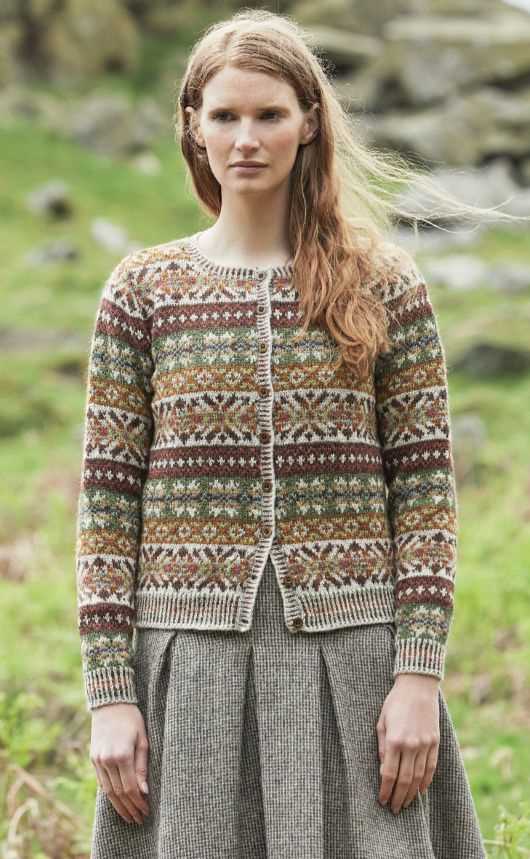
- Choose the right yarn: Fair isle patterns work best with lightweight yarns, such as fingering or sport weight, to achieve a fine stitch definition and drape.
- Practice tension control: Maintaining consistent tension is crucial in fair isle knitting to ensure an even fabric. Take your time and practice to achieve an even tension between color changes.
- Use a colorwork guide: When following a fair isle chart, it can be helpful to use a colorwork guide, such as a magnetic board or highlighter tape, to keep track of which color should be used for each stitch.
- Block your finished sweater: After completing your fair isle sweater, blocking is essential to even out the stitches and allow the colorwork pattern to shine. Follow the blocking instructions for your specific yarn to achieve the best results.
By understanding fair isle sweater patterns and following these tips, knitters can create beautiful and intricate garments that showcase their skill and creativity.
Reading a Fair Isle Chart
When knitting a fair isle sweater, one of the most important aspects is understanding how to read the fair isle chart. The fair isle chart is a visual representation of the pattern you will be creating using different colored yarns. It is essentially a grid that shows each stitch and color placement.
To read a fair isle chart, you will start by understanding the symbols used in the chart. Each symbol represents a specific stitch or color change. For example, a dot might indicate a knit stitch in one color, while a circle might indicate a purl stitch in another color. It is important to familiarize yourself with these symbols before starting your project.
Once you understand the symbols, you will read the fair isle chart row by row, following the pattern from right to left. Each row of the chart corresponds to a single row of knitting, and each square on the chart represents a single stitch. As you work each row, you will refer to the chart to know which color yarn to use and which stitches to make.
It is helpful to use a highlighter or colored pencils to mark off each row as you complete it, so you can easily keep track of your progress. Additionally, some fair isle charts may have numbers along the sides of the chart to indicate specific rows or repeats.
By carefully following the fair isle chart, you can create beautiful, intricate patterns in your knitting. It may take some practice to get used to reading the chart, but with time, you will become more comfortable and confident in your fair isle knitting skills.
Different Fair Isle Stitch Patterns
Fair Isle knitting is known for its intricate colorwork and beautiful designs. Different Fair Isle stitch patterns can create unique and eye-catching sweaters, hats, and accessories. These patterns originated from the Fair Isle, a small island in Scotland, where knitters used multiple colors of yarn to create intricate designs.
One popular Fair Isle stitch pattern is the “Peerie” pattern, which consists of small, repeating motifs. These motifs are typically geometric in nature, and the pattern is often used to create borders or stripes on a garment. The Peerie pattern is a great choice for beginners, as it is relatively simple and easy to follow.
Another popular Fair Isle stitch pattern is the “Star” pattern, which features larger motifs in the shape of stars. This pattern is more complex and requires some experience with colorwork knitting. The Star pattern can be used to create a focal point on a sweater or hat, or it can be used to create an all-over design.
The “Lusekofte” pattern is another well-known Fair Isle stitch pattern. This pattern features a repeating motif that resembles X’s or crosses. The Lusekofte pattern is often used to create traditional Norwegian sweaters and is a great option for those who enjoy a more traditional style.
Other Fair Isle stitch patterns include the “Snowflake” pattern, which features snowflake motifs, and the “Wave” pattern, which creates a wavy, ocean-like design. These patterns offer endless possibilities for creating unique and beautiful knitted garments.
When knitting with Fair Isle stitch patterns, it’s important to pay attention to tension and gauge. Since multiple colors of yarn are used in each row, it’s important to make sure the tension is consistent throughout the project. By using different Fair Isle stitch patterns, knitters can create their own unique designs and showcase their skills in colorwork knitting.
Tools and materials needed for knitting a fair isle sweater
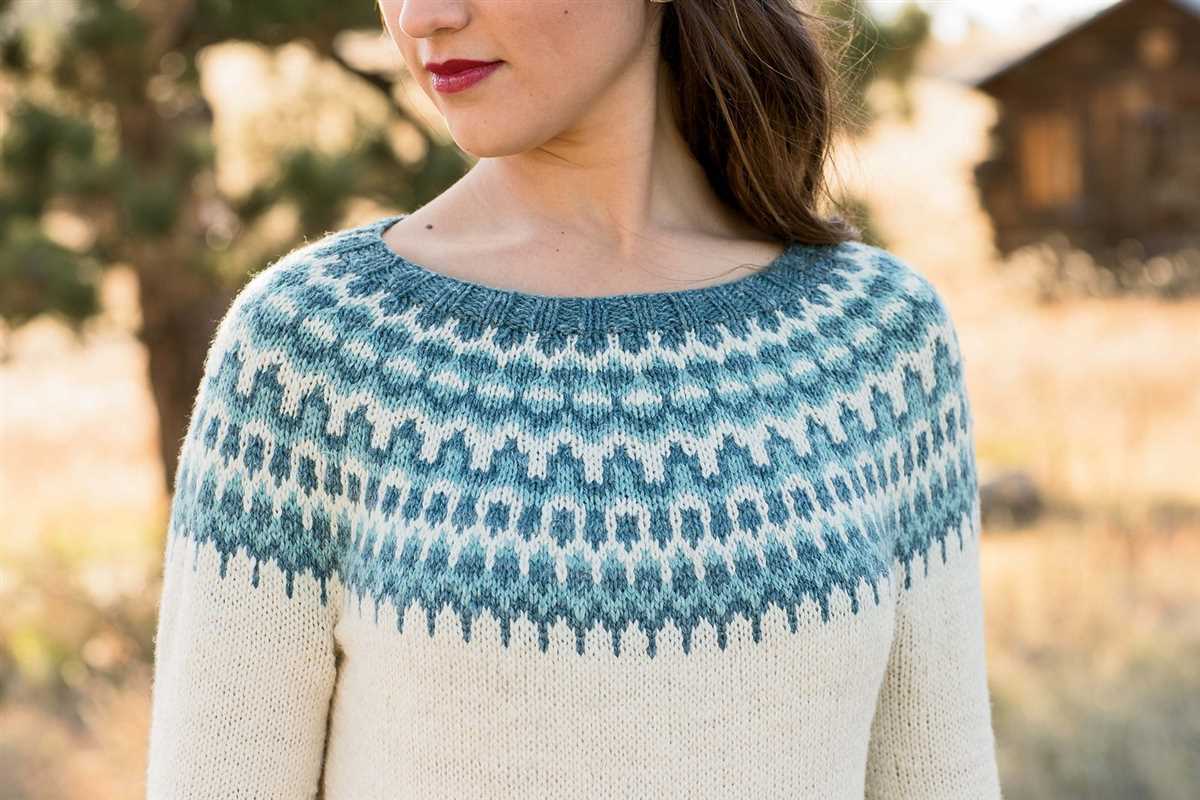
Knitting a fair isle sweater requires a few essential tools and materials to ensure success and achieve the desired result. Here is a list of items you will need:
- Knitting Needles: Start by selecting the appropriate knitting needles for your project. The size of the needles will depend on the yarn weight you choose for the sweater. It’s important to use the correct needle size to achieve the desired gauge and ensure a comfortable fit.
- Fair Isle Pattern: You will need a fair isle pattern that specifies the colorwork design you want to create on the sweater. Make sure to choose a pattern that matches your skill level and includes clear instructions for the fair isle technique.
- Yarn: Selecting the right yarn is crucial for a fair isle sweater. You will need at least two colors of yarn, one for the main body and another for the colorwork. Make sure to choose a yarn that is suitable for your pattern and provides the desired drape and stitch definition.
- Stitch Markers: Stitch markers are essential for keeping track of the different sections and pattern repeats in your fair isle sweater. They help ensure accuracy and prevent mistakes in the colorwork design.
- Tapestry Needle: A tapestry needle is necessary for weaving in ends and finishing touches on your fair isle sweater. Choose a needle with a blunt end that can easily pass through the knitted fabric without damaging it.
- Scissors: A pair of sharp scissors is essential for cutting yarn and trimming any excess threads. Make sure to have a dedicated pair of scissors for your knitting projects to keep them sharp and ready for use.
- Row Counter: A row counter is a helpful tool for keeping track of your progress and ensuring accuracy in your fair isle sweater. Whether you prefer a physical counter or a digital app, having a reliable way to count your rows will make the knitting process much easier.
With these tools and materials in hand, you’ll be well-equipped to begin knitting your fair isle sweater and create a beautiful and intricate colorwork design.
Knitting techniques used in fair isle knitting
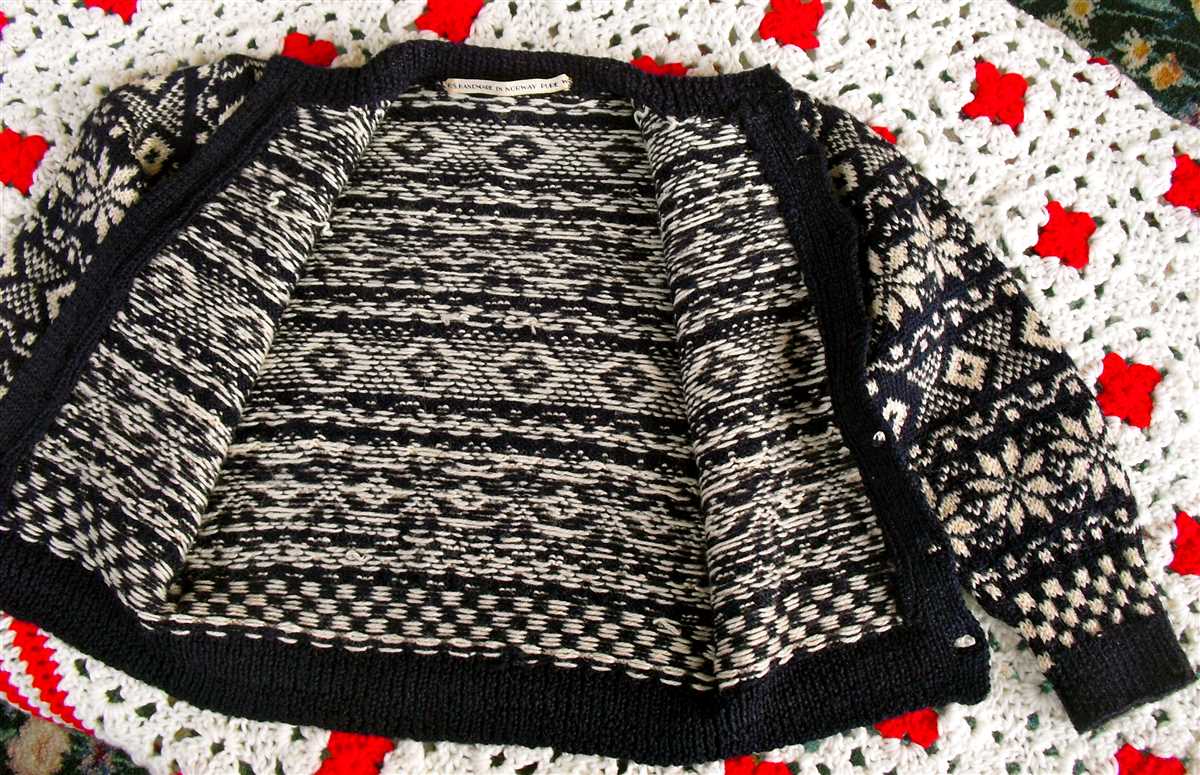
Fair Isle knitting is a traditional technique that originated in the Fair Isle, a small island in Scotland. This technique involves creating colorful patterns by using multiple colors in each row of the knitting project. The patterns are created by carrying the yarn behind the work and picking up the desired color when needed.
One of the key techniques used in fair isle knitting is stranded knitting. Stranded knitting involves working with two or more colors of yarn in the same row. The unused color is carried across the back of the work while the active color is used for the stitches. This technique creates floats of the carried yarn on the wrong side of the fabric, giving the project its characteristic texture and warmth.
When working fair isle patterns, another technique commonly used is knitting in the round. Knitting in the round allows for continuous knitting without the need to turn the work. This is especially useful in fair isle knitting as it eliminates the need to purl and allows the knitter to easily carry the floats behind the work.
Fair isle knitting also involves the use of charts or colorwork patterns. These charts are used as guides to create the desired pattern by following the color changes and stitch placements. The charts are typically read from right to left and from bottom to top, mirroring the knitting process.
To keep the fair isle pattern neat and tidy, a few additional techniques are often employed. These include catching floats on the wrong side of the work every few stitches to prevent long floats, and blocking the finished project to even out any tension issues and enhance the overall appearance of the pattern.
- Stranded knitting
- Knitting in the round
- Charts or colorwork patterns
- Catching floats
- Blocking
Tips for knitting a successful fair isle sweater
Fair isle knitting is a beautiful technique that involves using multiple colors to create intricate patterns. Knitting a fair isle sweater can be a challenging but rewarding project. Here are some tips to help you knit a successful fair isle sweater:
1. Choose the right yarn
When knitting a fair isle sweater, it is important to choose a yarn that is suitable for colorwork. Look for a yarn that is smooth and has good stitch definition. Wool or wool-blend yarns are ideal as they have a good amount of stretch and provide warmth.
2. Practice your tension

Tension is crucial when knitting fair isle patterns. The tension should be even and consistent throughout the sweater to ensure that the pattern looks smooth and the fit is right. Practice knitting swatches to get a feel for the tension required for the pattern.
3. Use a colorwork chart

A colorwork chart is a helpful tool for keeping track of the different colors and stitches in a fair isle pattern. It provides a visual representation of the pattern and makes it easier to follow along. Use the chart as a guide while knitting to ensure accuracy.
4. Carry floats behind
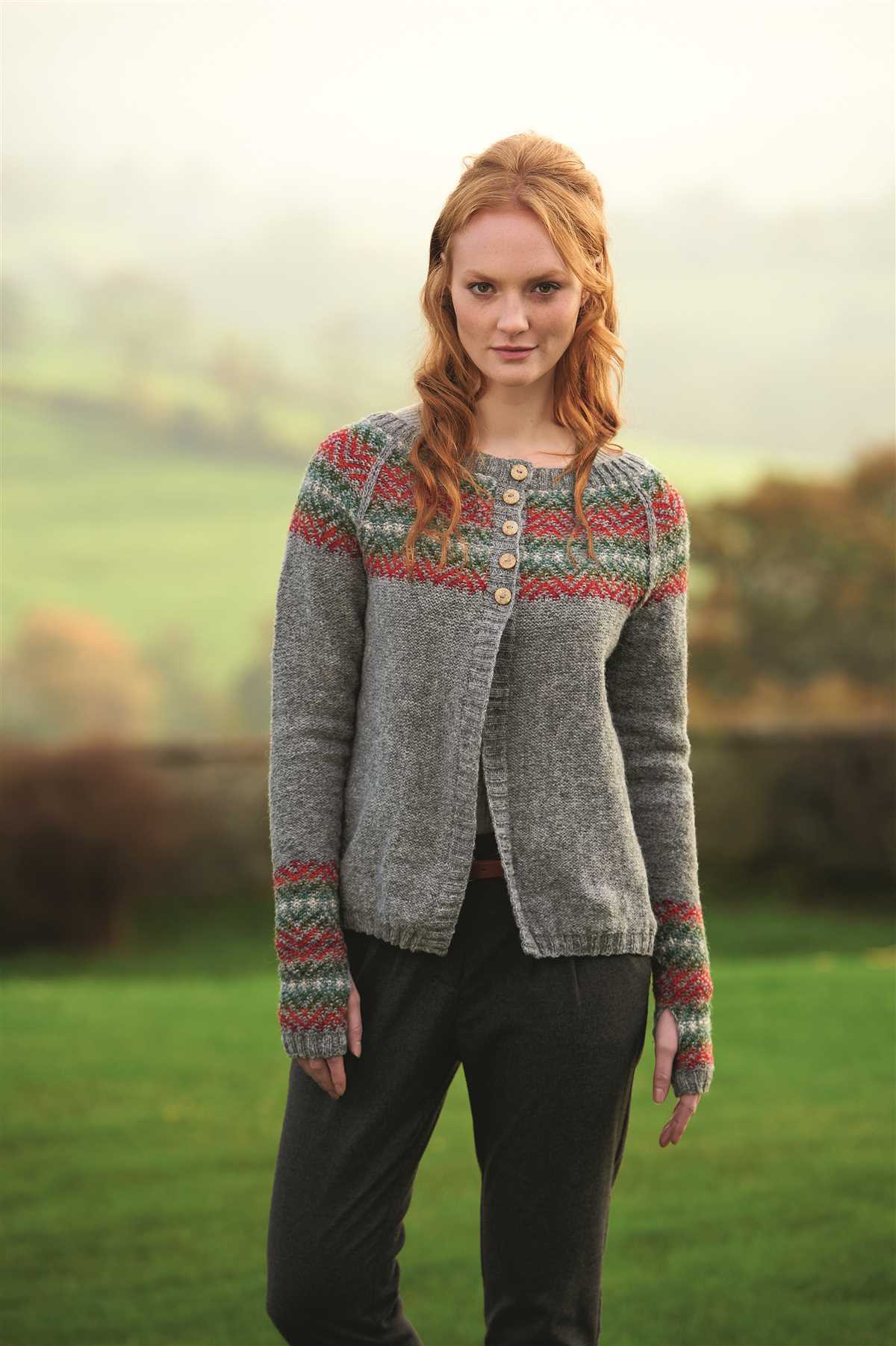
When knitting fair isle, there will be sections where you need to carry the floats (the strands of yarn not in use) behind your work. Be mindful of the tension and avoid pulling the floats too tight as it can cause puckering. Practice carrying the floats behind to achieve an even tension.
5. Block your finished sweater
After completing your fair isle sweater, blocking is essential to give it a polished look. This involves wetting the sweater, reshaping it to the correct dimensions, and allowing it to dry flat. Blocking helps even out any inconsistencies in tension and enhances the overall appearance of the sweater.
By following these tips, you can knit a beautiful and successful fair isle sweater. Enjoy the process and embrace the artistry of this timeless technique.
Finishing and Blocking Your Fair Isle Sweater
After you have completed knitting your fair isle sweater, the next step is to finish and block it. This is an important step in the knitting process as it helps to enhance the shape, drape, and overall appearance of your garment. Here are some key tips to help you through this process.
Seaming and Weaving in Ends
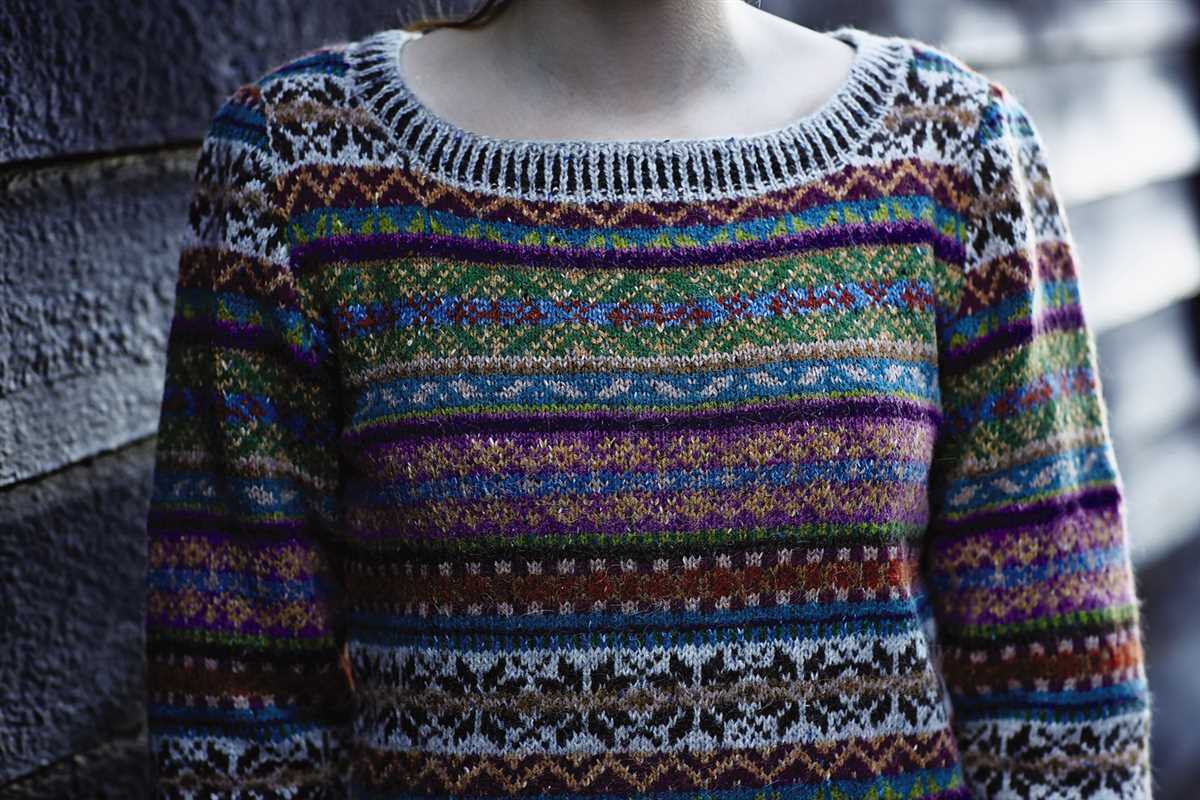
Before blocking, you will need to seam any unfinished edges, such as the sides and underarms of your sweater. Use a tapestry needle and matching yarn to neatly sew the pieces together. Make sure to weave in any loose ends to ensure a clean and polished finish.
Blocking the Sweater
Blocking is a method used to shape and stretch your finished knitted piece to its desired measurements. For fair isle sweaters, blocking is especially important as it helps to even out the tension and make the colorwork stitches more defined. Follow these steps to block your sweater:
- Fill a basin or sink with lukewarm water and add a small amount of gentle wool wash or shampoo.
- Gently submerge your sweater in the water, making sure it is fully saturated.
- Let the sweater soak for about 15-20 minutes.
- Drain the water and gently squeeze out the excess moisture, being careful not to wring or twist the sweater.
- Lay a clean, dry towel on a flat surface and place the sweater on top.
- Gently shape the sweater by smoothing it out and adjusting any stretched out areas.
- Pin the edges and any desired measurements, such as the neckline or sleeves, using rust-proof or stainless steel blocking pins.
- Allow the sweater to dry completely, which may take several days depending on the humidity and the thickness of the yarn.
Once your fair isle sweater is dry, remove the pins and give it a final inspection. Now it’s ready to be worn and cherished for years to come!
Variations and Customization Options for Fair Isle Sweaters
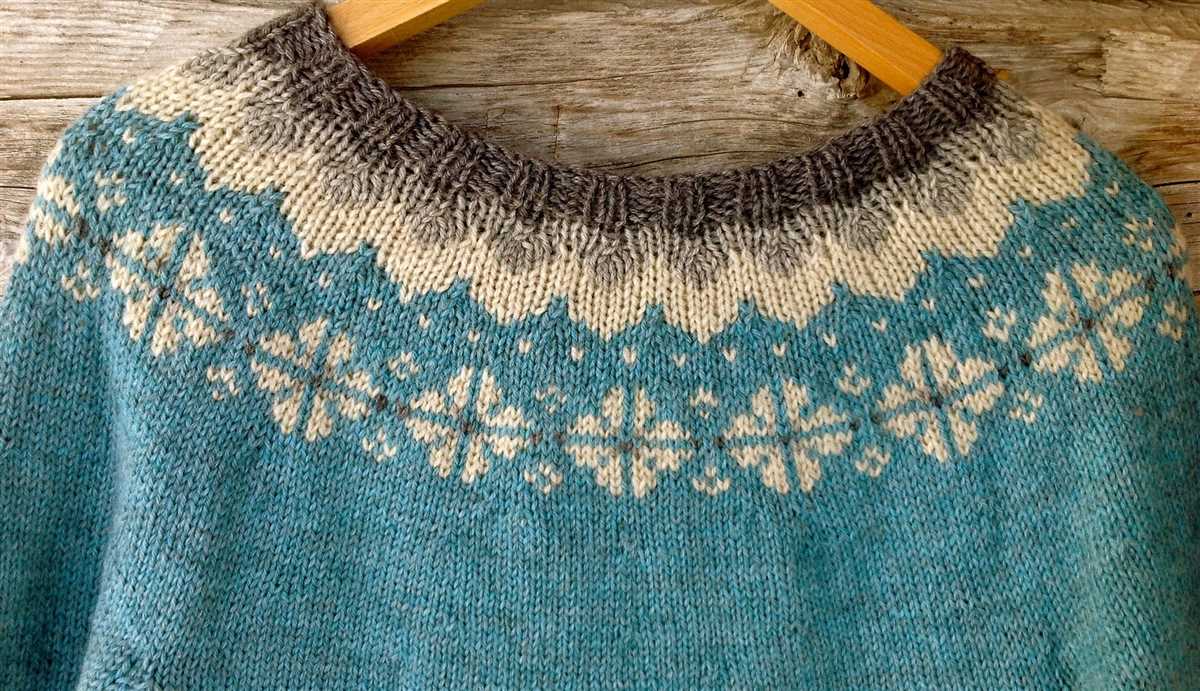
While the traditional fair isle knitting technique uses a limited color palette and specific patterns, modern knitters have embraced the art form and put their own unique spin on it. Here are some variations and customization options for fair isle sweaters:
1. Color Choices
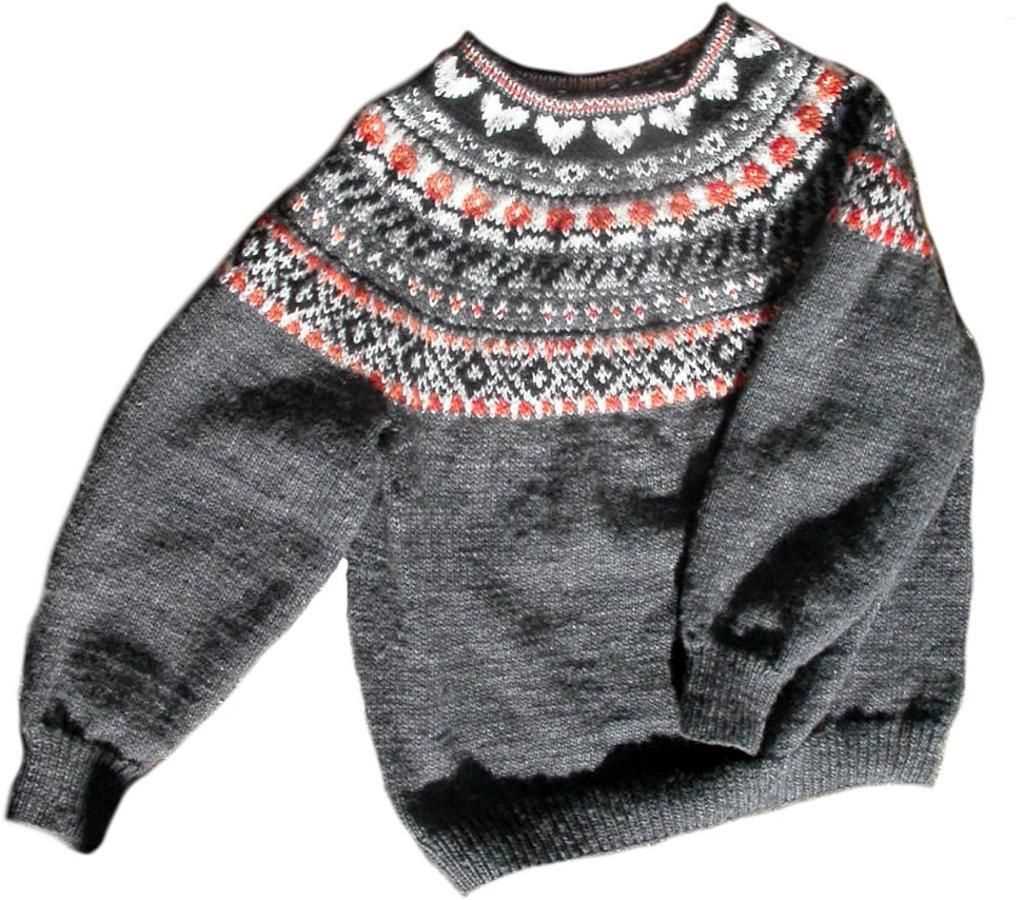
One way to add your personal touch to a fair isle sweater is by selecting your own color scheme. While traditional fair isle patterns typically use a combination of natural hues, you can experiment with vibrant colors or even create a monochromatic look. Choosing the right colors can completely transform the overall aesthetic of the sweater.
2. Pattern Modifications
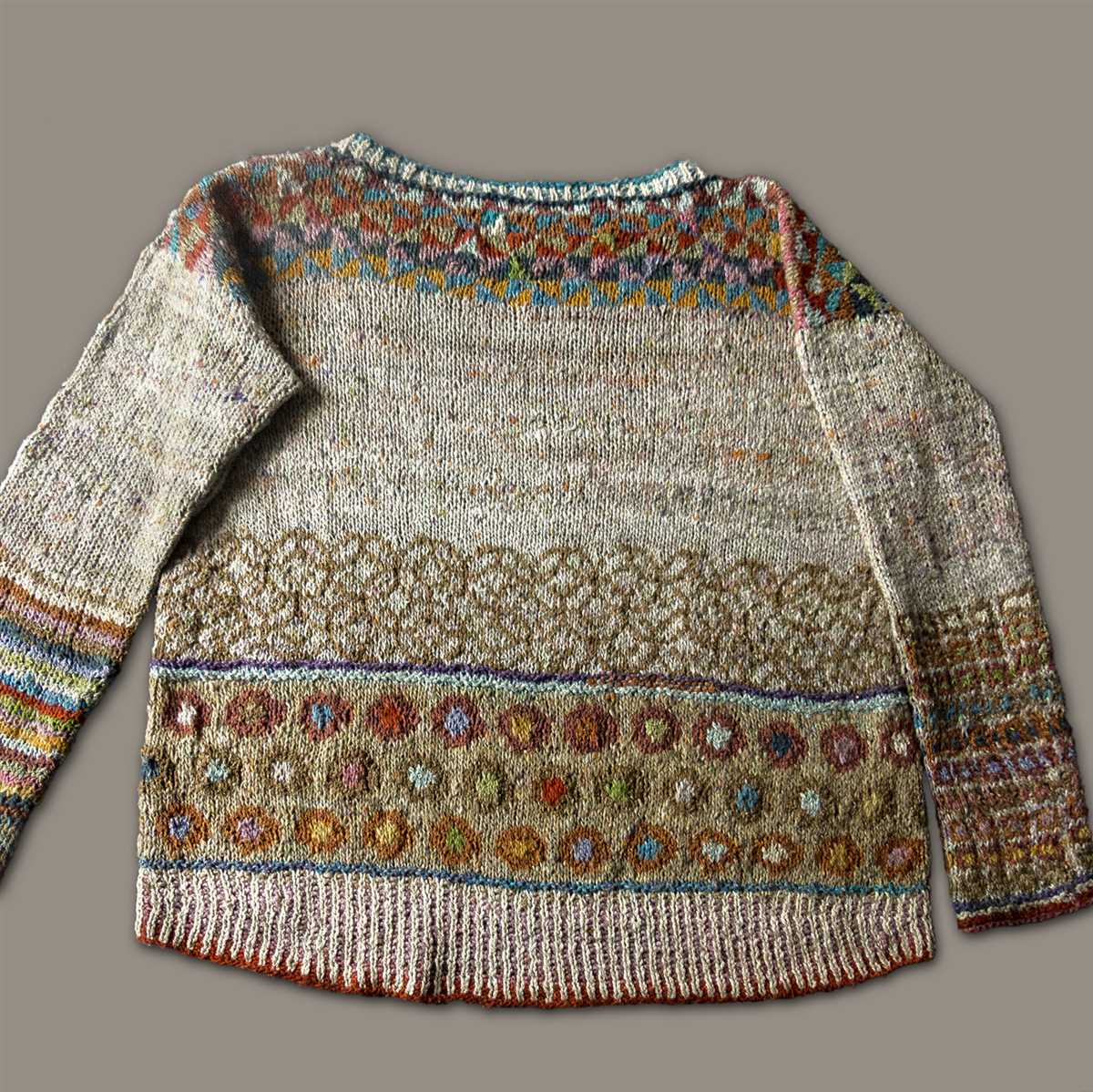
Fair isle patterns can be modified to suit your taste and style. You can increase or decrease the size of the motifs, add or remove a pattern repeat, or even incorporate other stitch patterns, such as cables or lace. These modifications allow you to create a unique design that reflects your personal creativity.
3. Embellishments
In addition to modifying the patterns themselves, you can also add embellishments to your fair isle sweater. Consider adding buttons, beads, or embroidery to enhance the design and make it more visually appealing. These embellishments can add a touch of elegance or whimsy to your finished garment.
4. Mix and Match
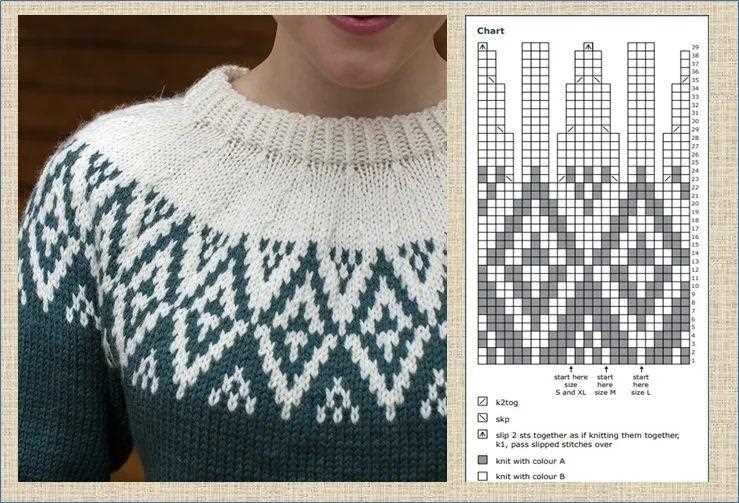
Don’t limit yourself to using fair isle patterns on the entire sweater. You can mix and match fair isle sections with other knitting techniques, such as plain stockinette stitch or ribbing. This combination adds visual interest and allows you to showcase the fair isle motifs in a unique way.
Overall, fair isle sweaters provide endless opportunities for customization and personalization. Whether you choose to experiment with colors, patterns, or embellishments, the final result will be a one-of-a-kind sweater that reflects your style and creativity.