
Knitting is an art form that allows individuals to create their own unique pieces of fabric. One popular knitting pattern that is loved by many is the knit plaid pattern. This pattern creates a beautiful checkered design, reminiscent of traditional plaid fabric. Knitting plaid patterns can be challenging but extremely rewarding for experienced knitters and beginners alike.
The knit plaid pattern is created by alternating different colors of yarn to create a woven look. This pattern is achieved by using a combination of knit and purl stitches and can be customized to create various sizes and color combinations. The result is a visually interesting fabric that can be used to make scarves, blankets, sweaters, and more.
To start knitting a plaid pattern, it is important to choose the right colors of yarn. Traditionally, plaid patterns consist of three or more colors. The contrasting colors help to create the signature checkered design. Once the colors have been chosen, knitters can start casting on stitches and following a specific sequence of knit and purl stitches to create the plaid pattern.
Knitting the plaid pattern requires concentration and attention to detail. Each row must be carefully knit to ensure the correct color placement and tension. Knitters can follow written patterns or create their own unique plaid designs by experimenting with different color combinations and stitch variations.
What is a Knit Plaid Pattern?
A knit plaid pattern is a popular knitting design that features a repeating pattern of intersecting horizontal and vertical lines. It is inspired by the traditional Scottish tartan plaid, which is characterized by its distinctive pattern of colored stripes. The knit plaid pattern recreates this visually striking design using different colored yarns and techniques such as intarsia or fair isle knitting.
One of the key elements of a knit plaid pattern is the use of color. Typically, the pattern consists of two or more colors that are alternated to create the appearance of different stripes. The colors are carefully chosen to create a visually pleasing and balanced design. For example, a classic plaid pattern might include hues of red, black, and white, or green, blue, and yellow.
There are several different ways to create a knit plaid pattern:
- Intarsia knitting: This technique involves using separate bobbins of yarn for each color block in the pattern. The yarns are twisted together at the color change to create a clean edge.
- Fair isle knitting: Also known as stranded knitting, this technique involves carrying multiple colors of yarn across the back of the work. The unused colors are “floats” behind the work, creating a slightly thicker fabric.
- Slip stitch knitting: This technique involves slipping stitches to create the appearance of a plaid pattern. By slipping certain stitches over multiple rows, the color is changed without needing to carry multiple yarns.
Knit plaid patterns can be used to create a wide range of items, including scarves, blankets, sweaters, and accessories. The pattern can be adjusted in size and scale to create different effects. Some patterns may feature a large, bold plaid design, while others may have a more subtle, smaller-scale pattern.
Overall, the knit plaid pattern is a versatile and timeless design that adds a touch of classic style to any knitting project. Whether you’re a beginner or an experienced knitter, incorporating a knit plaid pattern into your next project can be a fun and rewarding challenge.
Why Choose a Knit Plaid Pattern?
When it comes to choosing patterns for your knitting projects, the options can be overwhelming. However, one pattern that stands out for its timeless appeal and versatility is the knit plaid pattern. By incorporating a knit plaid pattern into your projects, you can add a touch of classic style and sophistication.
The knit plaid pattern is characterized by its crisscrossing lines, forming a grid-like pattern. This pattern is often associated with the traditional Scottish tartan, but it can be adapted to suit various styles and aesthetics. Whether you prefer a bold and vibrant color scheme or a more subtle and understated palette, the knit plaid pattern can be tailored to your personal taste.
1. Classic and Timeless: The knit plaid pattern has been around for centuries and has remained popular throughout the years. Its traditional appeal adds a touch of elegance to any garment or accessory, making it a great choice for those who appreciate a classic aesthetic.
2. Versatile: The knit plaid pattern can be incorporated into various knitting projects, ranging from sweaters and scarves to blankets and home decor. Its structured design makes it suitable for both small and large items, allowing you to experiment and get creative with your knitting.
3. Customizable: The great thing about the knit plaid pattern is that it can be customized to your liking. Whether you want to stick to a traditional color scheme or experiment with different colors and textures, the knit plaid pattern allows you to create truly unique and personalized pieces.
4. Eye-catching and Cozy: The crisscrossing lines of the knit plaid pattern create an eye-catching visual interest that adds dimension and depth to your knitting projects. Additionally, the texture created by the knit plaid pattern adds warmth and coziness, making it a perfect choice for winter accessories and home decor.
In conclusion, the knit plaid pattern is a fantastic option for any knitting enthusiast. Its classic and timeless appeal, versatility, customizability, and eye-catching design make it a popular choice among knitters of all skill levels. Whether you’re a beginner or an experienced knitter, incorporating the knit plaid pattern into your projects is a sure way to elevate your knitting game and create stunning pieces that will stand the test of time.
How to Create a Knit Plaid Pattern
To create a knit plaid pattern, you will need to have basic knitting skills and an understanding of colorwork techniques. Knitting plaid involves working with multiple colors at the same time to create the classic crisscross pattern. Here are the steps to create a knit plaid pattern:
Step 1: Choose Your Colors
First, decide on the colors you want to use for your plaid pattern. Traditionally, plaid patterns include a mix of two or more colors. You can choose contrasting colors for a bold look or opt for more subtle shades for a softer effect. Make sure you have enough yarn in each color to complete the project.
Step 2: Set Up Your Knitting
Next, you need to set up your knitting project. Start by casting on the desired number of stitches for your pattern. You will need to work with multiple balls of yarn, one for each color. You can either hold the yarn in your hand or use bobbins to keep them organized.
Step 3: Work the Base Rows
Begin by knitting the base rows of your pattern. This can be a basic stockinette stitch or any other stitch pattern you prefer. The base rows will serve as a background for your plaid design.
Step 4: Start the Plaid Pattern

Once you have completed the base rows, you can begin working the plaid pattern. This usually involves knitting with two colors at a time and alternating them to create the crisscross effect. You can follow a specific chart or create your own pattern by experimenting with different color combinations and stitch techniques.
Step 5: Repeat the Plaid Pattern
Continue working the plaid pattern for the desired length or until you have achieved the desired effect. Pay attention to the tension of your stitches to ensure an even and consistent pattern. Remember to switch colors as needed and carry the unused yarn along the back of your work to prevent any loose strands.
By following these steps, you can create a beautiful and unique knit plaid pattern. Experiment with different colors and techniques to add your personal touch to this classic design.
Materials Needed for Knitting a Plaid Pattern
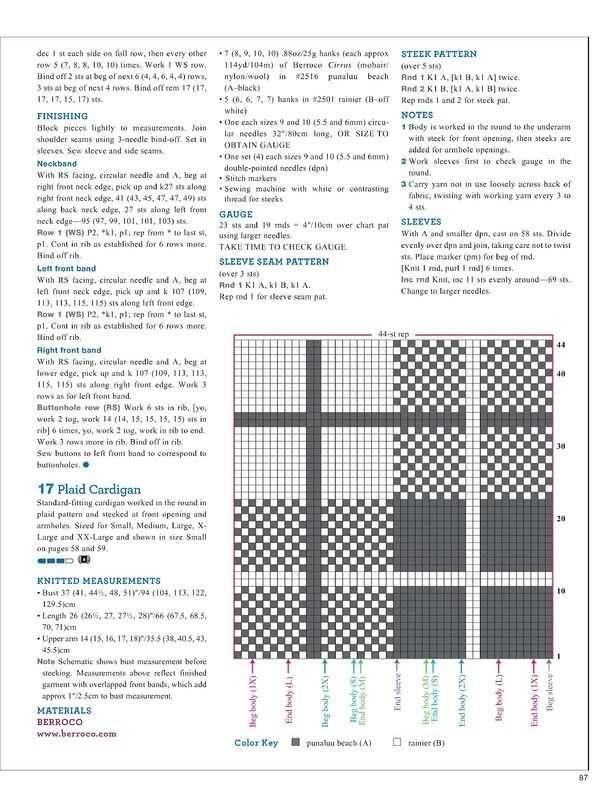
Knitting a plaid pattern requires a few specific materials to achieve the desired look. Here are the essential materials needed:
- Yarn: Choose yarn in different colors according to the plaid pattern you want to create. Opt for medium-weight yarn for ease of knitting.
- Knitting Needles: Use knitting needles of an appropriate size for the yarn you have chosen. The size will depend on the gauge you want for your project.
- Scissors: Keep a pair of sharp scissors handy to cut the yarn as needed.
- Tape Measure: A tape measure is essential for measuring the gauge and the size of your finished project.
- Yarn Needle: You will need a yarn needle for weaving in loose ends and finishing your project.
- Stitch Markers: Stitch markers can be used to mark specific stitches or sections of your plaid pattern.
- Plaid Pattern Chart: Find or create a plaid pattern chart that you want to follow. This will guide you in creating the desired plaid design.
Before you begin knitting your plaid pattern, make sure you have all these materials ready. Having the right materials on hand will make the knitting process smoother and ensure that your finished plaid pattern looks exactly as you envision it.
Step-by-Step Guide to Knitting a Plaid Pattern
Knitting a plaid pattern can add a stylish and trendy touch to your garments and accessories. Whether you’re a beginner or an experienced knitter, this step-by-step guide will help you create a beautiful plaid design.
Materials:
- Circular knitting needles (size according to your project)
- Worsted weight yarn in three colors: main color (MC), contrasting color 1 (CC1), and contrasting color 2 (CC2)
- Scissors
- Darning needle
Step 1: Choose your colors
Start by deciding on the colors you want to use for your plaid pattern. The main color will dominate the design, while the two contrasting colors will add pops of color.
Step 2: Cast on
Using the MC yarn and circular needles, cast on the desired number of stitches for your project. Make sure the total number of stitches is divisible by the plaid pattern’s repeat.
Step 3: Knit the base
Knit several rows in MC to create the base of your project. The number of rows will depend on your desired plaid pattern’s size.
Step 4: Introduce contrasting colors
Switch to CC1 yarn and knit the desired number of rows, following your chosen plaid pattern. Then, switch to CC2 yarn and knit the same number of rows.
Step 5: Create the plaid pattern
Return to MC yarn and knit the next set of rows, following the plaid pattern. This will involve knitting sections in MC, CC1, and CC2 to create the characteristic crisscross pattern.
Step 6: Repeat and complete
Continue repeating steps 4 and 5 until you reach your desired project length. Remember to switch colors and follow the plaid pattern accordingly. Once you’ve reached the desired length, bind off all stitches.
Congratulations! You’ve successfully knitted a plaid pattern. Now you can enjoy your stylish and unique project, whether it’s a cozy scarf, a trendy sweater, or any other knitted item.
Tips and Tricks for Knitting a Perfect Plaid Pattern
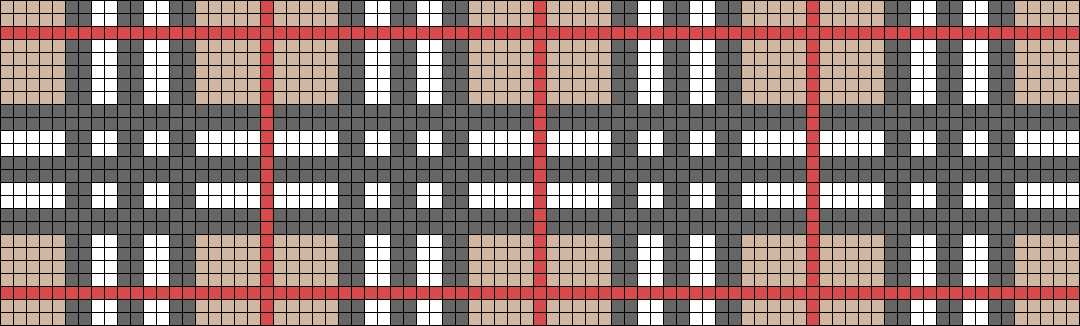
Creating a plaid pattern using knitting techniques can be a fun and rewarding project. Whether you’re making a cozy scarf or a stylish sweater, here are some tips and tricks to help you knit a perfect plaid pattern:
1. Choose the Right Yarn
When working on a plaid pattern, it’s essential to choose yarn in contrasting colors to achieve the desired effect. Opt for yarns that have a similar weight and fiber content to ensure even tension throughout your project. Worsted or DK weight yarns are ideal for creating a plaid pattern.
2. Plan Your Colors
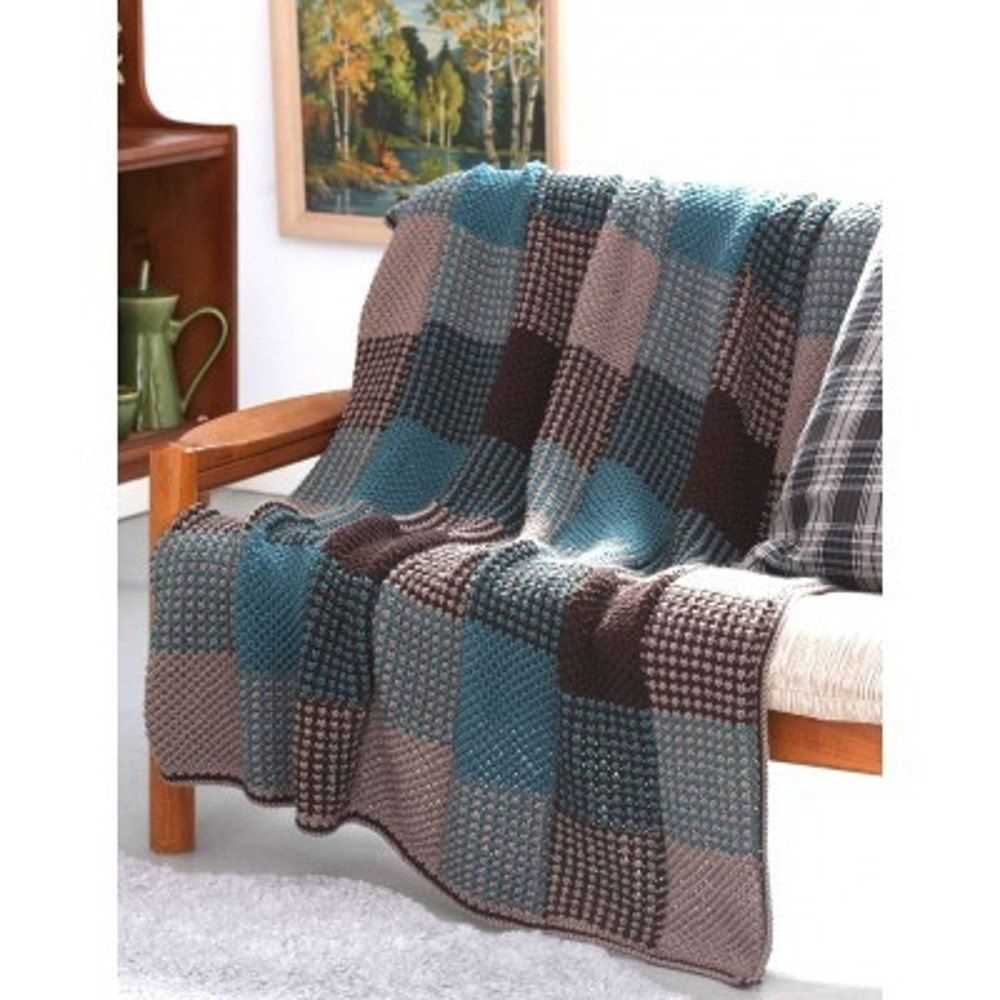
Before you start knitting, plan out the color scheme for your plaid pattern. Decide on the main color and select two or more contrasting colors to create the plaid design. Experiment with different combinations and make sure the colors work well together.
3. Use a Checkered Chart
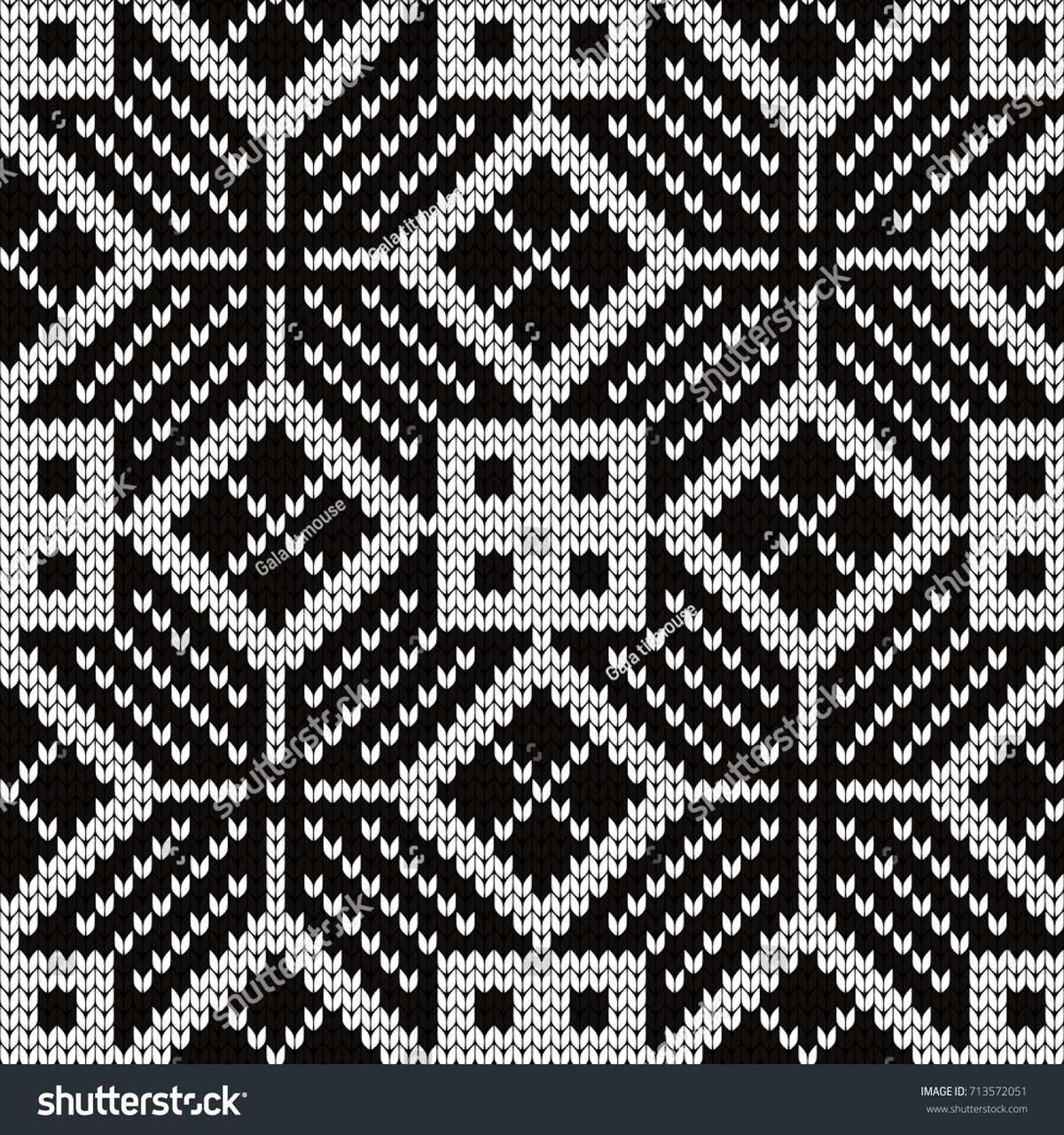
A checkered chart is a helpful tool that allows you to visualize and keep track of your plaid pattern. Create a chart with squares representing stitches and rows, using different colored pencils to indicate different yarn colors. This will help you stay organized and ensure accuracy in your knitting.
4. Practice Floats and Weaving
In plaid knitting, floats are the loose strands of yarn that travel across the back of your work. To prevent your floats from becoming too tight or too loose, practice consistent tension and avoid pulling the yarn too tightly. Additionally, try weaving the floats every few stitches to secure them and prevent snagging.
5. Block Your Finished Piece
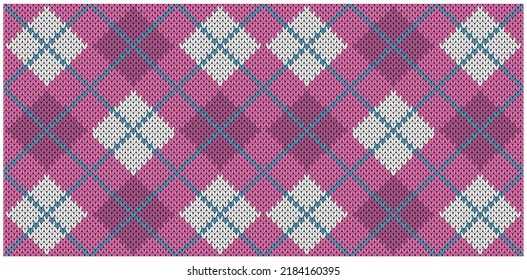
Once you’ve completed your plaid pattern, blocking is crucial to achieve a polished and even appearance. Wet blocking can help relax and shape the stitches, allowing the plaid pattern to stand out. Follow the blocking instructions for your chosen yarn to ensure the best results.
By following these tips and tricks, you’ll be able to knit a perfect plaid pattern with confidence and skill. Enjoy the process and have fun creating your own unique plaid designs!
Common Mistakes to Avoid When Knitting a Plaid Pattern
Knitting a plaid pattern can be a fun and rewarding project, but it requires careful attention to detail to achieve the desired result. There are several common mistakes that beginners often make when attempting to knit plaid, so it’s important to be aware of these pitfalls and avoid them. By following a few key tips, you can successfully create a beautiful plaid pattern that you’ll be proud to show off.
1. Failing to check gauge

One of the most common mistakes when knitting a plaid pattern is failing to check gauge before starting the project. Gauge refers to the number of stitches and rows per inch, and it determines the size and appearance of the final piece. When working with a plaid pattern, it’s crucial to match the gauge recommended in the pattern. If your gauge is off, the plaid pattern may look distorted or uneven.
2. Not using the correct yarn weight
Choosing the right yarn weight is essential for achieving a balanced plaid pattern. Using a yarn that is too thick or too thin can affect the overall look of the plaid and may lead to inconsistencies in the pattern. Make sure to select a yarn that matches the recommended weight in the pattern, and consider making a gauge swatch before starting the project to ensure that the yarn you’ve chosen will produce the desired plaid effect.
3. Ignoring the importance of color contrast
Another common mistake when knitting a plaid pattern is ignoring the importance of color contrast. Plaid patterns rely on clear distinction between the different colors used in the design. It’s crucial to choose colors that provide a strong contrast to each other, so that the plaid pattern is easily visible. Avoid using colors that are too similar in tone or hue, as this can result in a muted or muddy looking plaid.
4. Incorrectly carrying the yarn
When knitting a plaid pattern, it’s common to carry multiple colors of yarn throughout the design. One mistake to avoid is incorrectly carrying the yarn behind the work. It’s important to ensure that the carried yarn is not too loose or too tight, as this can affect the tension of the stitches and the overall appearance of the plaid. Practice maintaining an even tension and adjust your carrying technique if necessary.
5. Lack of attention to pattern repeats
Plaid patterns often involve repeating sequences of color and stitch patterns. It’s crucial to pay attention to the pattern repeats and follow them accurately, as even a small mistake can throw off the entire plaid design. Use stitch markers or other visual aids to help keep track of your place in the pattern and double-check your work regularly to ensure accuracy.
Avoiding these common mistakes and taking the time to carefully plan and execute your plaid pattern will result in a beautifully knitted piece that showcases your skills and creativity.
How to Customize a Knit Plaid Pattern
The knit plaid pattern is a classic design that adds a stylish touch to any knit project. While the traditional plaid pattern consists of two or more colors woven together in a criss-cross pattern, you can easily customize the design to suit your own preferences and creativity.
Choose Your Colors: Start by selecting the colors you want to use for your knit plaid pattern. You can stick to traditional colors like red, black, and white, or experiment with bold and vibrant hues. Consider the overall look and feel you want to achieve with your project.
Decide on the Size of Your Plaid: Next, determine the size of your plaid pattern. You can create a small-scale plaid with thin lines or opt for a larger-scale design with thicker lines. This decision will depend on the size of your project and the overall aesthetic you are aiming for.
Choose a Pattern Repeat: Once you have chosen your colors and determined the size of your plaid, decide on a pattern repeat. This will determine the order in which the colors are used and how they are woven together. For a classic plaid, you can use a simple repeat, such as two colors woven together in a checkerboard pattern. Or, you can get creative and experiment with different geometric shapes and arrangements.
Consider the Texture: Lastly, think about the texture you want to achieve with your knit plaid pattern. You can create a smooth and uniform texture by knitting the design using the same stitch throughout. Alternatively, you can add some dimension by incorporating different stitch patterns for each color or using a combination of knitting and purling.
In conclusion, the knit plaid pattern is a versatile design that can be customized in various ways. By choosing your colors, determining the size, selecting a pattern repeat, and considering the texture, you can create a unique and personalized plaid pattern that will make your knit project stand out. Whether you’re knitting a scarf, sweater, or blanket, the customizable nature of the plaid pattern allows you to showcase your creativity and make a statement with your knitting.
Famous Knitters Who Enjoy Using Plaid Patterns
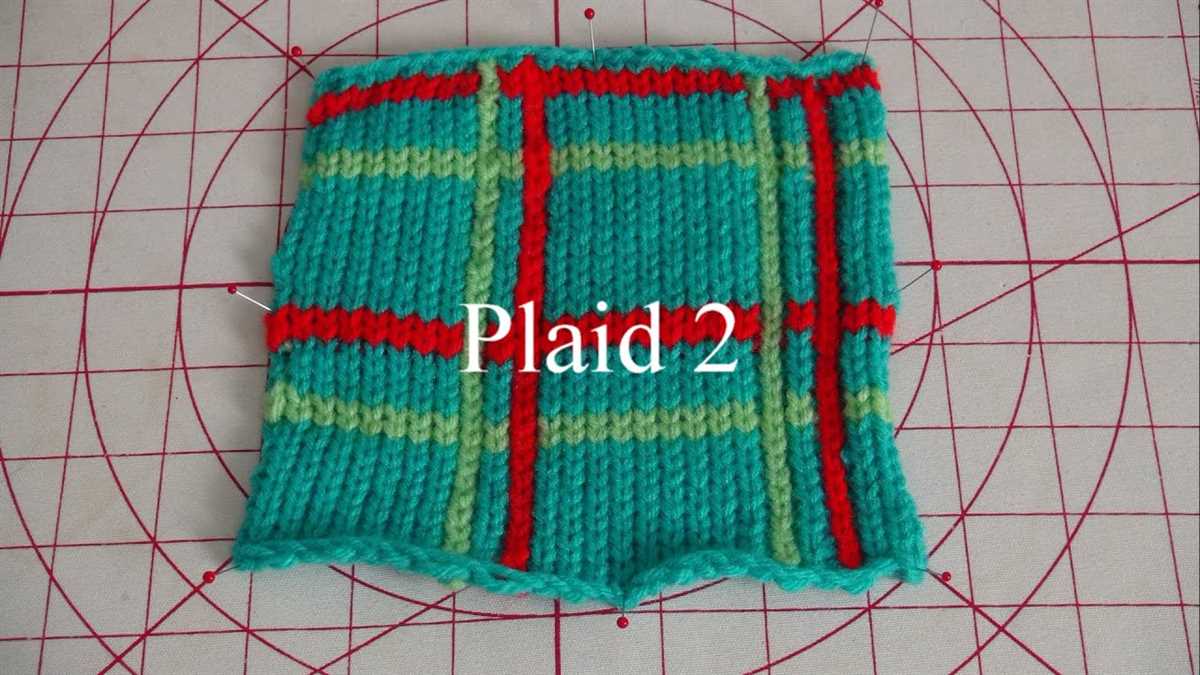
Plaid patterns have long been a favorite among knitters, offering a traditional and timeless look to any garment or accessory. Over the years, many famous knitters have embraced the beauty of plaid patterns and incorporated them into their designs.
One notable knitter who is known for her love of plaid patterns is Elizabeth Zimmermann. Zimmermann was a pioneering figure in the world of knitting and is credited with revolutionizing the way people approach the craft. She often incorporated plaid patterns into her designs, creating stunning pieces that showcased her artistic flair and technical expertise. Zimmermann’s use of plaid patterns added depth and texture to her creations, making each piece truly unique.
Another famous knitter who has a fondness for plaid patterns is Kaffe Fassett. Fassett is renowned for his use of bold colors and intricate patterns in his knitting. His vibrant designs often feature intricate plaid motifs, bringing a modern twist to a traditional pattern. Fassett’s ability to combine different colors and textures in his plaid patterns creates striking visual effects, making his pieces a true work of art.
Debbie Bliss is another well-known knitter who incorporates plaid patterns into her designs. Known for her classic and elegant style, Bliss creates beautiful garments and accessories that are loved by knitters worldwide. Plaid patterns add a touch of sophistication to her designs, elevating them from simple to statement pieces. Bliss’s skillful use of color and pattern in her plaid designs showcases her attention to detail and design expertise.
In conclusion, plaid patterns have captivated the imaginations of many famous knitters, who have incorporated them into their designs in unique and innovative ways. Whether it’s Elizabeth Zimmermann’s artistic flair, Kaffe Fassett’s bold color choices, or Debbie Bliss’s classic elegance, these renowned knitters have proven that plaid patterns are here to stay in the world of knitting.
Frequently Asked Questions About Knitting Plaid Patterns
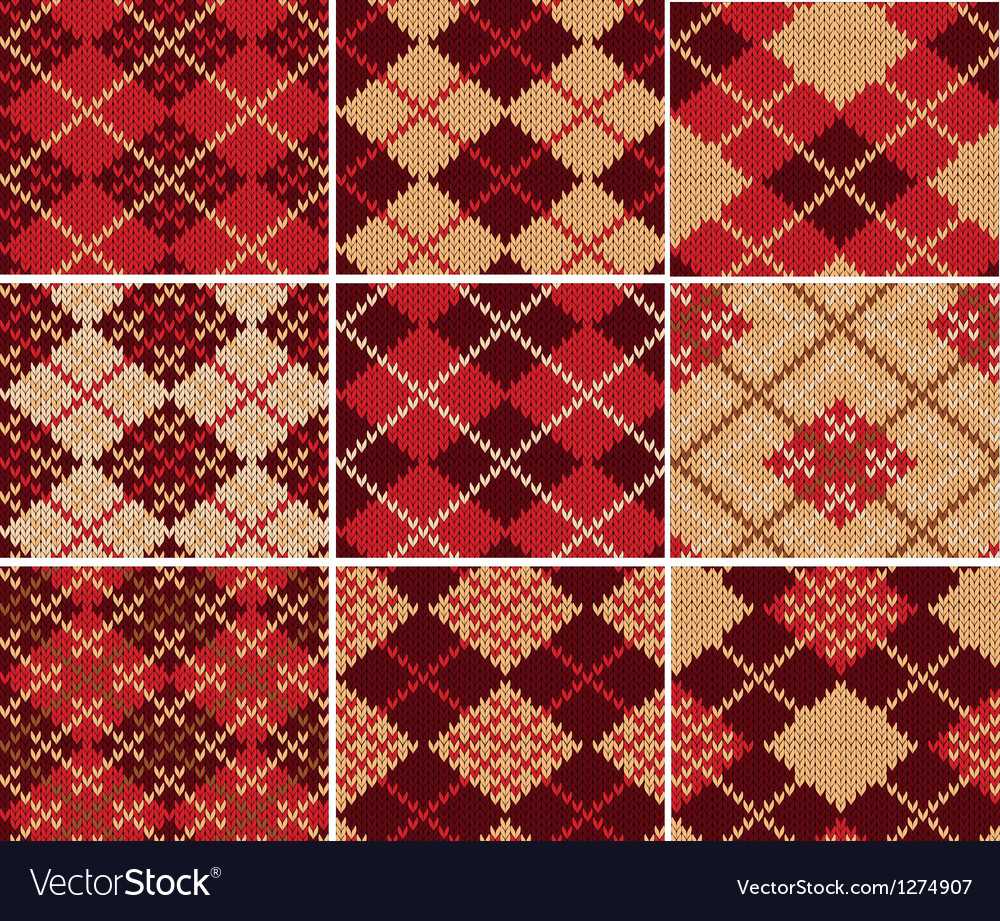
Here are some frequently asked questions that knitters often have about knitting plaid patterns:
1. What is a plaid pattern in knitting?
A plaid pattern is a design that resembles a traditional plaid fabric. It is created by using different colors of yarn to create horizontal and vertical stripes that intersect to form a grid-like pattern.
2. How do I knit a plaid pattern?
To knit a plaid pattern, you will need to follow a specific color chart or pattern. Each square on the chart represents a stitch, and each color represents a different shade of yarn. By following the chart and changing colors as instructed, you can create the desired plaid pattern.
3. Can I customize the colors in a plaid pattern?
Absolutely! One of the great things about knitting plaid patterns is that you can customize the colors to suit your preferences. You can choose any combination of colors that you like and experiment with different shades and tones to create unique and personalized plaid patterns.
4. Do I need advanced knitting skills to knit a plaid pattern?
While knitting a plaid pattern may require some basic knitting skills, it is not necessarily an advanced technique. If you are familiar with knitting and following color charts, you should be able to tackle a plaid pattern with some practice. However, it is always a good idea to start with simpler patterns and gradually progress to more complex designs.
5. Can I use different types of stitches in a plaid pattern?
Yes, you can incorporate different types of stitches in a plaid pattern to add texture and depth to your design. For example, you can use knit and purl stitches to create a combination of smooth and textured areas within the plaid pattern. This can enhance the overall visual appeal of the finished project.
In conclusion, knitting plaid patterns can be a fun and rewarding project for knitters of all skill levels. By following a color chart and experimenting with different colors and stitches, you can create beautiful and unique plaid designs. Whether you choose to knit a classic tartan plaid or a modern interpretation, the possibilities are endless. Happy knitting!