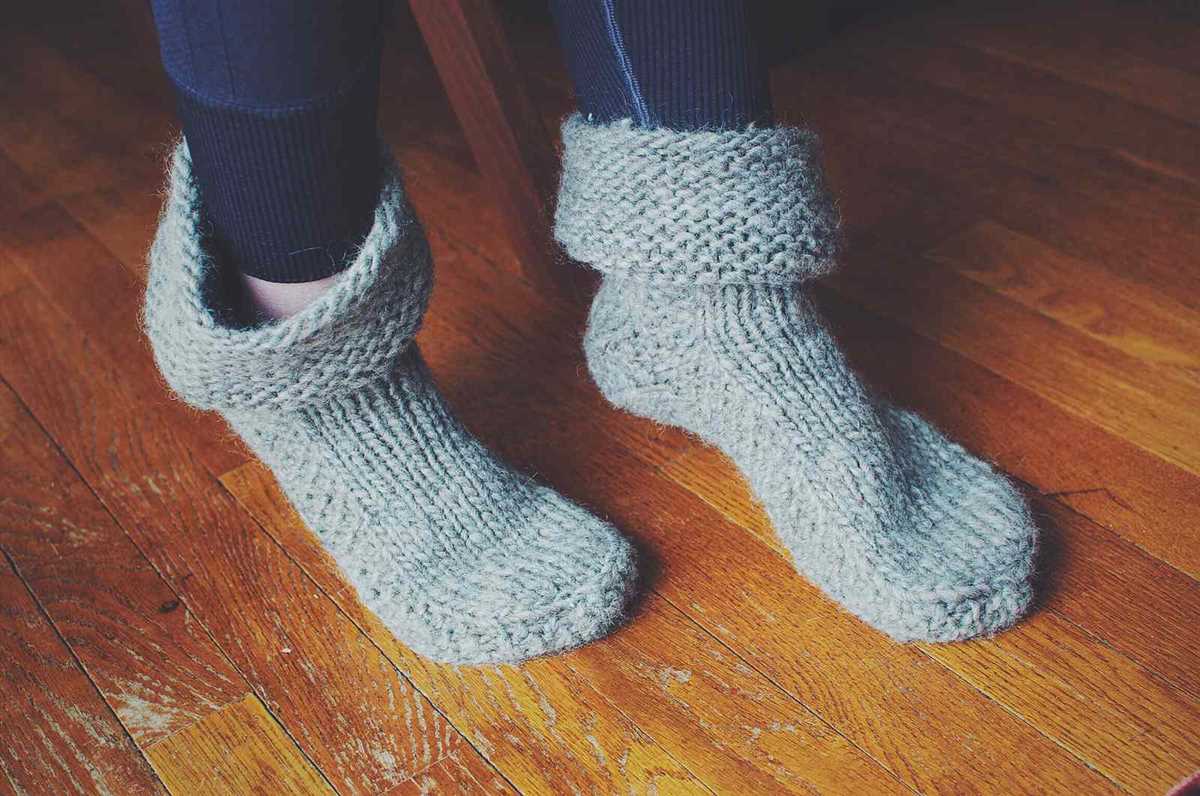
If you’re looking for a cozy and stylish way to keep your feet warm during the colder months, look no further than knit slipper socks. Not only do they provide extra warmth, but they are also incredibly comfortable to wear around the house. Plus, with this easy-to-follow pattern, you can have a pair of slipper socks in no time!
Knit slipper socks are a great project for both beginners and experienced knitters. The pattern uses basic knitting stitches, such as knit and purl, and can be customized to fit any foot size. With just a few skeins of yarn and a pair of knitting needles, you can create your own cozy pair of slipper socks.
Not only are these slipper socks practical, but they are also a great gift idea. You can personalize the socks by choosing the recipient’s favorite colors or knitting them in a variegated yarn for a unique pattern. Whether you’re making a pair for yourself or as a gift, the recipient is sure to appreciate the handmade touch.
Knit Slipper Socks Pattern: Tips and Techniques for Cozy Feet
Slipper socks are a must-have accessory for anyone looking to keep their feet warm and cozy during the colder months. Knitting your own slipper socks not only allows you to customize the pattern and colors to your liking, but it also gives you the opportunity to add your own personal touch to your winter wardrobe.
When it comes to knitting slipper socks, there are a few tips and techniques that can help ensure your finished product is as cozy and comfortable as possible. First and foremost, choosing the right yarn is key. Look for a soft, warm yarn that is specifically designed for making socks. Yarns that contain a blend of wool and acrylic are often a great choice, as they provide both warmth and durability.
Tips:
- Pay attention to gauge: Make sure to check your gauge before starting the project to ensure that your slipper socks will fit properly. Use the recommended needle size and follow the pattern’s gauge instructions.
- Select the right needle size: Choosing the correct needle size can also affect the fit and feel of your slipper socks. If you want a tighter, denser fabric, use a smaller needle size. If you prefer a looser, more breathable fabric, opt for a larger needle size.
- Consider adding a non-slip sole: To make your slipper socks even more practical, consider adding a non-slip sole. You can achieve this by sewing on a piece of suede fabric or attaching non-slip gripper pads to the bottom of your socks.
Techniques:
- Using circular needles: Knitting slipper socks on circular needles can make the process more efficient and seamless. This eliminates the need for seaming and allows you to easily knit in the round.
- Mastering sock construction: Slipper socks are often constructed using the top-down or toe-up method. Both methods have their advantages, so it’s worth experimenting with both to see which one you prefer.
- Adding embellishments: Once you have the basic slipper sock pattern down, feel free to get creative and add your own personal touch. You can incorporate cables, colorwork, or even embroidery to make your slipper socks truly unique.
With these tips and techniques in mind, you’ll be well on your way to knitting a cozy pair of slipper socks that will keep your feet warm and stylish all winter long.
Choosing the Right Yarn for Your Slipper Socks
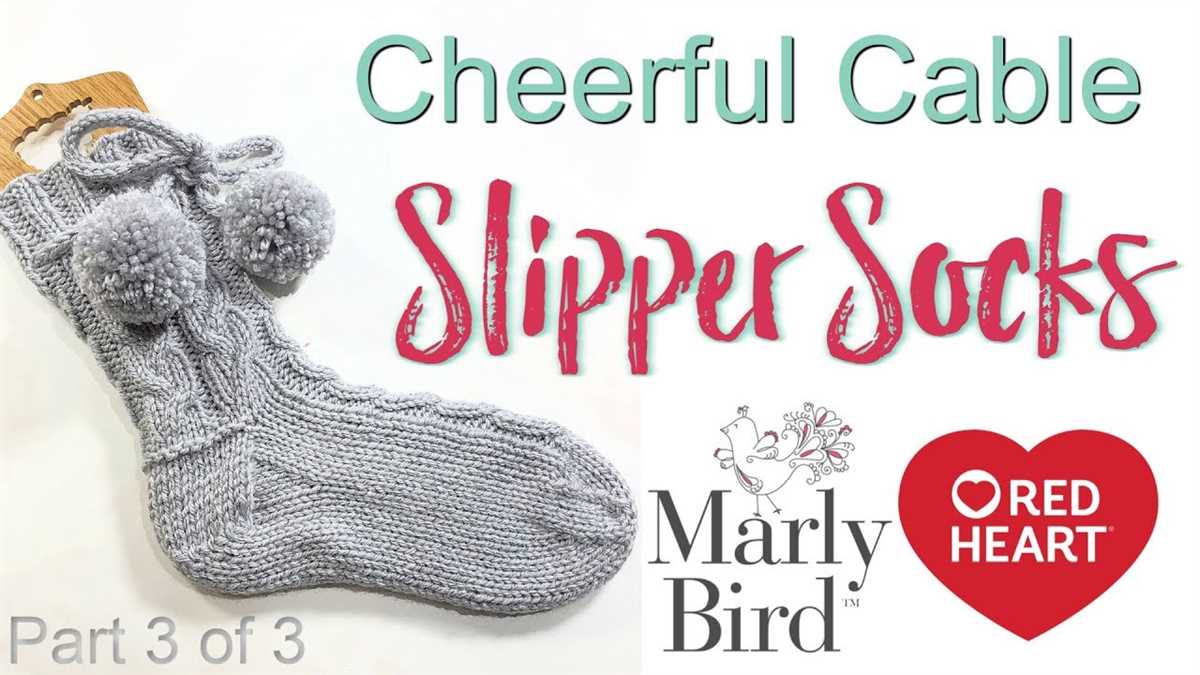
When it comes to knitting slipper socks, choosing the right yarn is crucial for both comfort and durability. The type of yarn you select will determine how cozy and warm your slipper socks will be, as well as how well they hold up to regular wear and tear.
Fiber content: One of the first things to consider when choosing yarn for slipper socks is the fiber content. For maximum warmth and softness, natural fibers such as merino wool or alpaca are great choices. These fibers are known for their insulating properties and ability to wick away moisture, keeping your feet dry and comfortable. If you prefer a vegan option, acrylic or bamboo yarns can also provide warmth and softness.
Yarn weight: The weight of the yarn will determine the thickness and heaviness of your slipper socks. For cozy, thick slipper socks, choose a bulky or super bulky yarn. These yarns will knit up quickly and create plush, warm socks. If you prefer a lighter, more breathable option, a fingering or sport weight yarn is a good choice. These yarns are also great for slipper socks that will be worn around the house during warmer months.
Durability: Slipper socks are meant to be worn frequently, so it’s important to choose a yarn that will hold up to everyday use. Look for yarns that have a high twist or a sturdy blend of fibers, as these will be more resistant to pilling and stretching. Additionally, yarns with a small percentage of nylon or polyester can add strength and durability to your slipper socks.
Care instructions: Before selecting a yarn, consider the care instructions for the finished slipper socks. Some yarns may require hand washing or special care, which may not be practical for everyday use. If you’re looking for slipper socks that are easy to care for, choose a yarn that can be machine washed and dried.
Color and pattern: Lastly, don’t forget to consider the color and pattern of the yarn. Slipper socks offer a great opportunity to get creative with color combinations and stitch patterns. Whether you prefer a classic, neutral color or a bold, vibrant hue, choose a yarn that reflects your personal style and will bring joy to your feet every time you wear them!
Essential Knitting Tools for Slipper Socks
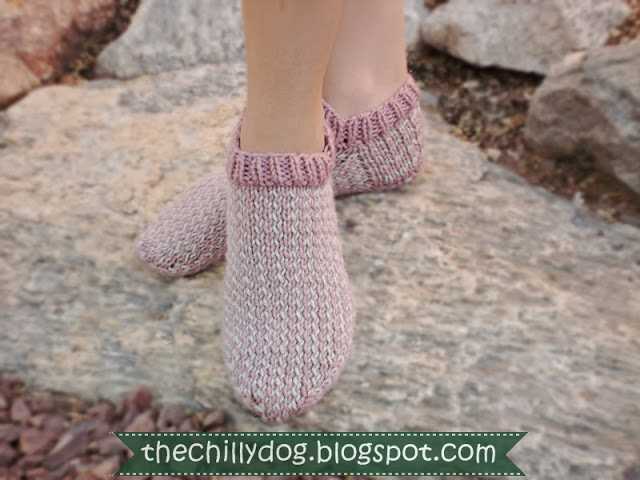
When it comes to knitting slipper socks, having the right tools can make all the difference. Whether you’re a beginner or an experienced knitter, there are a few essential items that you’ll want to have in your knitting toolkit.
1. Knitting Needles
Of course, the most important tool you’ll need for knitting slipper socks is a good pair of knitting needles. The size and type of needles you choose will depend on your personal preference and the pattern you’re using. Circular needles are a popular choice for slipper sock knitting, as they allow you to easily work in the round.
2. Yarn
No slipper sock project is complete without the perfect yarn. Look for a yarn that is soft, cozy, and durable. Wool or wool-blend yarns are a popular choice for slipper socks, as they provide warmth and comfort. Be sure to choose a yarn that is suitable for the gauge of your pattern.
3. Stitch Markers
Stitch markers can be incredibly helpful when knitting slipper socks, especially if you’re working with a pattern that requires increases, decreases, or stitch counts. They can help you keep track of your progress and ensure that you’re following the pattern correctly.
4. Tapestry Needle
A tapestry needle is an essential tool for weaving in ends and finishing off your slipper socks. Choose a needle with a large eye that can easily accommodate your yarn, making it easier to hide your loose ends and create a seamless finish.
5. Measuring Tape
Measuring tape is an important tool for ensuring that your slipper socks fit correctly. You’ll want to measure your foot and refer to the pattern’s sizing guide to determine the proper size to knit. Measuring tape can also come in handy when checking your gauge and making any necessary adjustments.
With these essential knitting tools in hand, you’ll have everything you need to start creating cozy, comfortable slipper socks. Happy knitting!
Getting Started: Casting On for Your Slipper Socks
When starting your slipper socks project, the first step is to cast on the number of stitches required for your chosen pattern. This will determine the size and fit of your socks. Make sure to select a casting-on method that is suitable for the type of sock you want to create. Different methods include the long-tail cast-on, the knitted cast-on, and the cable cast-on.
Before you begin casting on, gather all the necessary materials such as your chosen yarn, knitting needles, and any stitch markers or other tools required. Check the pattern instructions for the recommended needle size and gauge to ensure your socks will fit correctly.
Step 1: Hold the knitting needle in your dominant hand and the yarn in your other hand. Leave a tail of yarn that is approximately 6 inches long.
Step 2: Create a slipknot by making a loop with the yarn and pulling the end through the loop.
Step 3: Slide the slipknot onto the knitting needle, making sure to leave a little bit of slack in the yarn.
Step 4: Hold the knitting needle with the slipknot in your dominant hand, making sure the tail end of the yarn is behind the needle.
To begin casting on, you will need to form the first stitch. This can be done using one of the casting-on methods mentioned earlier. Refer to your pattern instructions or a knitting guide for detailed instructions on your chosen casting-on method.
Once you have successfully casted on the required number of stitches, you can continue following the pattern instructions for knitting the slipper socks. Happy knitting!
Mastering Basic Knit Stitches for Slipper Socks
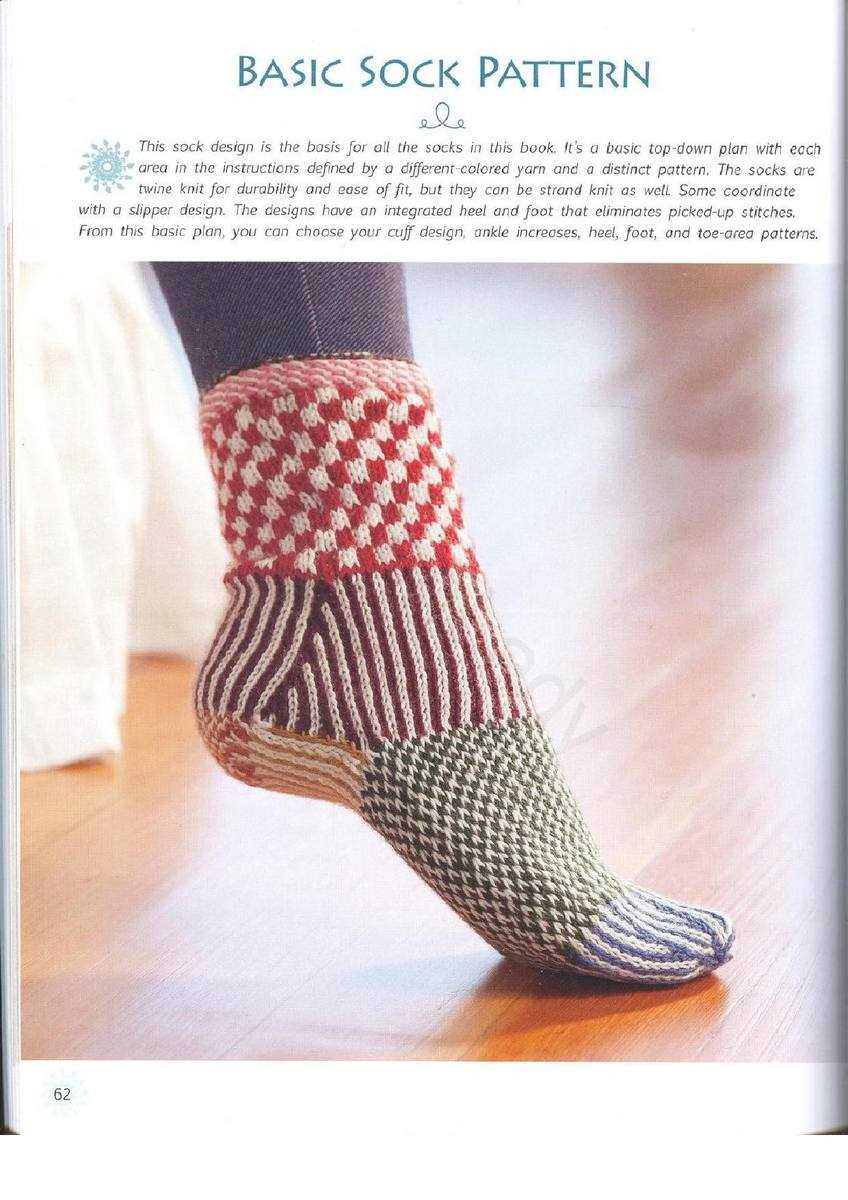
When it comes to knitting slipper socks, it is important to have a good grasp of the basic knit stitches. These stitches form the foundation of your slipper sock pattern and will determine the overall look and feel of the finished product. With some practice and patience, you can become proficient in these stitches and create beautiful and cozy slipper socks.
The first stitch that every knitter must master is the knit stitch. This stitch is created by inserting the right-hand needle into the front of the loop on the left-hand needle, wrapping the yarn around the needle, and pulling it through the loop to create a new stitch. The knit stitch creates a V-shaped pattern on the right side of the fabric and is commonly used in slipper sock patterns for its simplicity and versatility.
Another essential stitch for slipper socks is the purl stitch. The purl stitch is essentially the reverse of the knit stitch and is created by inserting the right-hand needle into the front of the loop on the left-hand needle, but instead of wrapping the yarn around the needle, you bring it in front of the work and then pull it through the loop. The purl stitch creates a bumpy texture on the right side of the fabric and is often used in slipper sock patterns to create ribbing or other decorative elements.
Once you have mastered the basic knit and purl stitches, you can start exploring different stitch patterns to add more interest to your slipper socks. Some popular stitch patterns include the seed stitch, rib stitch, and cable stitch. Each of these patterns can be easily incorporated into your slipper sock design and will give your finished socks a unique and personalized touch.
With practice and persistence, you can become confident in your knitting skills and create beautiful slipper socks that are not only functional but also reflect your personal style. So grab your knitting needles and start mastering those basic knit stitches!
Adding Shape and Texture with Knit Slipper Sock Patterns
Knitting slipper socks not only gives you cozy and warm footwear, but it also allows you to add shape and texture to your creations. With various knit slipper sock patterns available, you can customize your socks to achieve the desired look and feel.
When choosing a pattern, consider the stitch patterns and textures you want to incorporate. You can opt for simple knit and purl stitches for a classic look or experiment with more intricate stitch patterns, such as cables or lace, to add visual interest. These patterns can create beautiful textures that not only enhance the appearance of your slipper socks but also provide additional warmth and cushioning.
If you want to add shape to your slipper socks, look for patterns that include shaping techniques, such as increases and decreases. These techniques allow you to create a shaped heel, toe, or even the entire footbed of the slipper sock. By knitting these shaping elements, you can ensure a better fit and prevent your slipper socks from slipping off your feet.
Another way to add shape and texture to your knit slipper sock patterns is by incorporating different yarn weights and fibers. You can use chunky or bulky yarns for a thicker, more cushioned feel, or choose lightweight yarns for a sleeker look. Additionally, experimenting with different fibers, such as wool, cotton, or acrylic, can also change the overall texture and feel of your slipper socks.
Button and Embellishment Ideas for Knit Slipper Socks
When it comes to knit slipper socks, adding buttons and embellishments can be a fun way to personalize your creations and make them even more special. Whether you want to add a touch of whimsy or a dash of elegance, there are plenty of options to choose from. Here are some button and embellishment ideas to inspire your next project:
1. Buttoned Cuffs
Add a row of buttons along the cuff of your slipper socks for a stylish and functional detail. You can choose buttons in contrasting colors or matching shades to create a cohesive look. This simple addition can instantly elevate the design and make your slipper socks stand out.
2. Pom Pom Accents
Add some playful flair to your slipper socks with mini pom poms. You can sew them onto the front or sides of the socks for a whimsical touch. Consider using different colors to create a vibrant and eye-catching design that will bring a smile to your face every time you wear them.
3. Embroidery Details
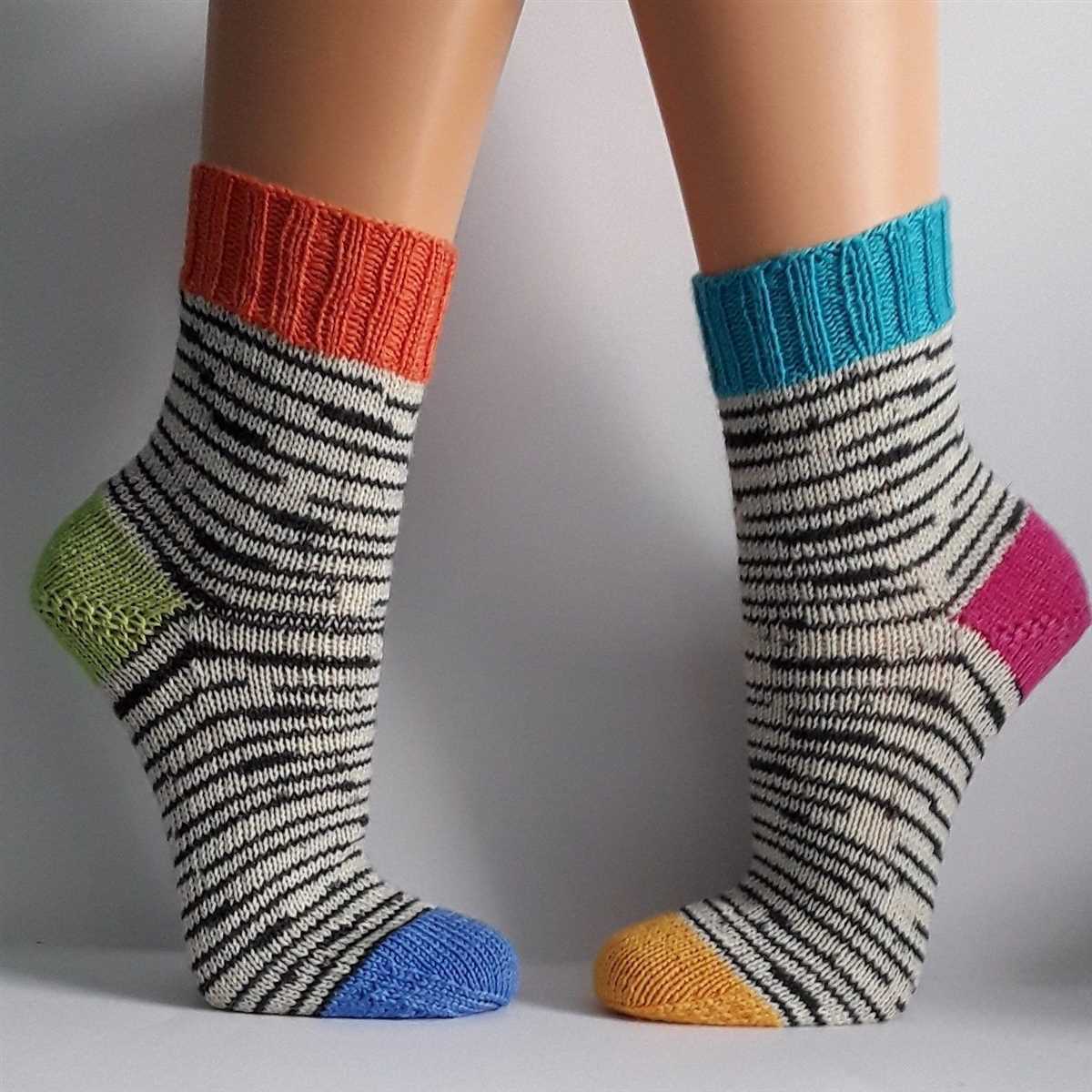
Get creative with embroidery by adding intricate designs or patterns to your slipper socks. Whether it’s a delicate floral motif or a bold geometric pattern, embroidery can instantly transform your socks into a work of art. Choose embroidery floss in contrasting or complementary colors to make your design pop.
4. Lace Trim
Add a touch of elegance to your slipper socks by attaching lace trim to the cuffs or edges. This delicate detail can give your socks a feminine and romantic look. Whether you opt for a dainty scalloped lace or a more intricate design, lace trim is sure to add a touch of sophistication to your knit creations.
5. Beaded Accents
Add a touch of sparkle to your slipper socks with beaded accents. You can sew on beads in a pattern or randomly scatter them across the socks for a dazzling effect. Choose beads in different shapes, sizes, and colors to create a customized look that reflects your personal style.
With these button and embellishment ideas, you can take your knit slipper socks to the next level. Whether you choose to add buttons, pom poms, embroidery, lace trim, or beaded accents, these small details can make a big impact and make your slipper socks truly one-of-a-kind.
Finishing Touches: Binding Off Your Slipper Socks
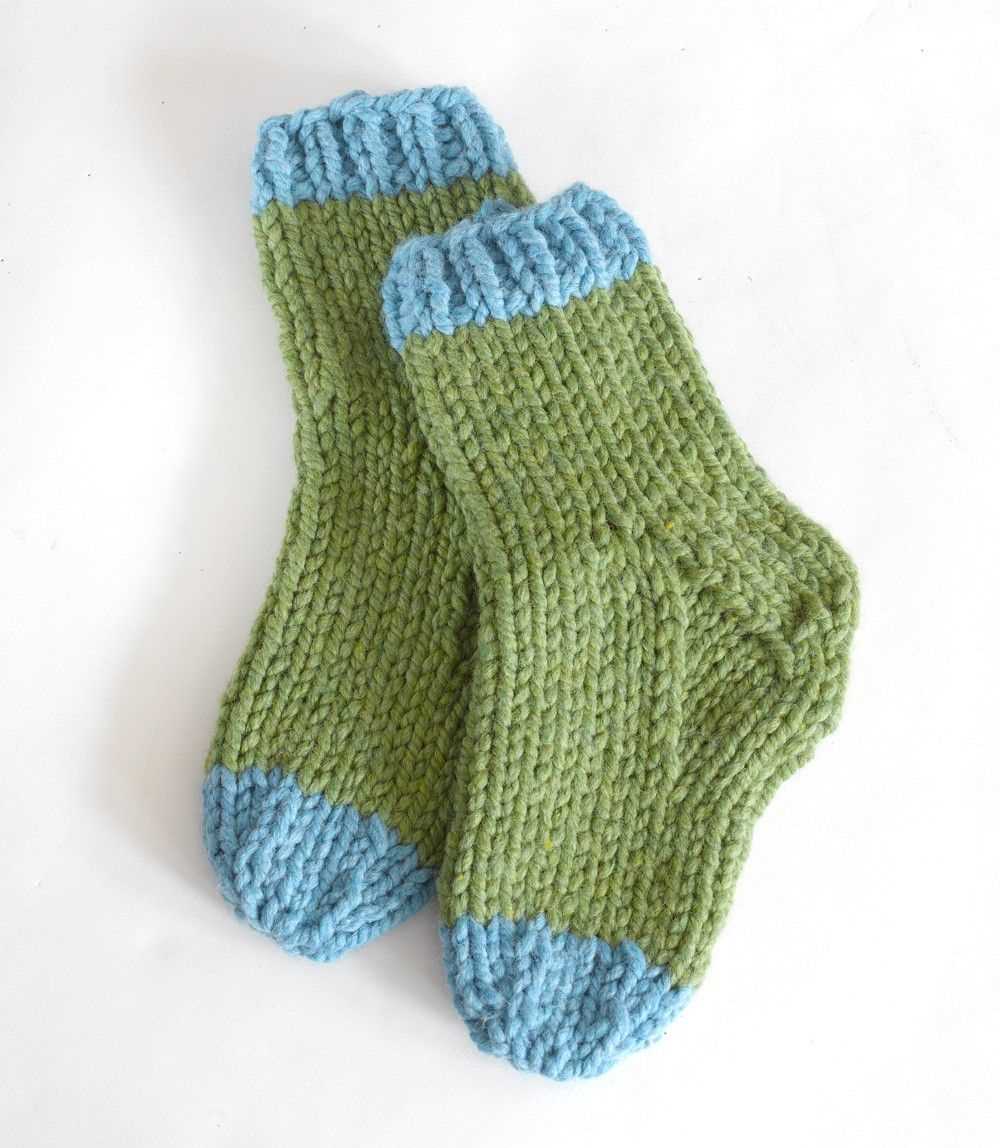
Completing your slipper socks with a neat and secure bind off is essential for a professional-looking finish. This final step ensures that your socks will stay in place and remain comfortable to wear.
1. Basic Bind Off: To begin, knit the first two stitches normally. Then, using the left needle, lift the first stitch over the second stitch and drop it off the needle. Knit the next stitch and repeat the process of lifting the previous stitch over until you have one stitch remaining. Cut the yarn, leaving a tail, and pull it through the last stitch to secure.
2. Stretchy Bind Off: If you want a bind off that stretches and provides a more comfortable fit, try the stretchy bind off method. This is especially useful if your slipper socks have a ribbed cuff. To do this, work the bind off as instructed above but knit the two stitches together instead of binding off one stitch at a time. This creates a looser and more elastic edge.
3. Picot Bind Off: For a decorative touch, you can use a picot bind off. After completing a regular bind off, you can add a row of small, decorative loops along the edge of your slipper socks. To create a picot, knit a stitch, then cast on two new stitches using the backward loop method. Bind off the next three stitches as usual. Repeat this process across the edge of your socks to create the desired number of picots.
Remember to always try a sample or test your bind off method before committing to finishing your slipper socks. This will help you ensure that the bind off is the right fit for your specific project and that you are happy with the overall result. Happy knitting!
Blocking and Caring for Your Knit Slipper Socks
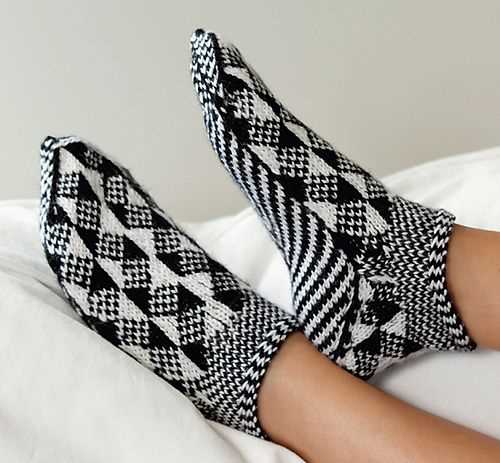
Blocking is an important step in finishing your knit slipper socks. It helps to shape and smooth out the fabric, ensuring a more professional and polished look. To block your slipper socks, you will need to wet them and then shape them to the desired size. This can be done by soaking the socks in lukewarm water with a gentle detergent, squeezing out any excess water, and then carefully stretching and pinning the socks into shape using blocking mats or towels. Allow the socks to dry completely before removing the pins or shaping.
Caring for your knit slipper socks is also crucial to maintain their quality and longevity. It is recommended to hand wash them in cold water with a mild detergent, as machine washing can cause them to lose their shape or become damaged. Gently squeeze out any excess water and lay them flat to dry. Avoid wringing or twisting the socks, as this can stretch or misshape the fabric. If you prefer, you can also use a delicate wash cycle and a laundry bag for added protection. To keep the socks soft and fluffy, you can use a fabric softener or add a small amount of hair conditioner to the final rinse. Make sure to store your slipper socks in a cool, dry place to prevent any moisture or mildew from damaging the fabric.
By taking the time to block and care for your knit slipper socks properly, you can enjoy their warmth and comfort for many seasons to come. Whether you’re making them as a gift or for yourself, following these steps will ensure that your socks look and feel their best. So go ahead, slip them on and enjoy cozy nights at home or a relaxing weekend by the fireplace with your favorite pair of knit slipper socks.
Customizing Your Slipper Socks: Sizing and Fit
When it comes to knitting slipper socks, one of the most important factors to consider is the sizing and fit. Getting the right fit is key to ensuring that your slipper socks are comfortable and stay on your feet. Luckily, with a few simple adjustments, you can easily customize the sizing of your slipper socks to fit perfectly.
Sizing: The first step in customizing your slipper socks is to determine the correct size. This can be done by measuring your foot and referring to a sizing chart. Measure the length of your foot from heel to toe and the circumference around the widest part of your foot. Use these measurements to find the appropriate size range in the knitting pattern you are using.
Fit: Once you have determined the correct size, you can make adjustments to the pattern to ensure a perfect fit. If you have narrow feet, you may need to decrease the number of stitches in the foot section. On the other hand, if you have wide feet, you may need to add stitches. Additionally, if you have high arches, you might want to add extra rows to the heel section for a more comfortable fit.
Toe and heel shaping: Another way to customize the sizing and fit of your slipper socks is through toe and heel shaping. Some patterns may include instructions for different toe and heel shapes, allowing you to choose the one that suits your foot shape best. You can also adjust the length of the toe and heel sections to accommodate your individual foot shape.
Try it on: As you work on your slipper socks, it is important to try them on periodically to ensure a good fit. This will allow you to make any necessary adjustments as you go and avoid any surprises at the end. It’s better to make small adjustments along the way than to have to redo or start over from scratch.
Final thoughts: Customizing the sizing and fit of your slipper socks is an important step to ensure that they are comfortable and functional. By taking the time to measure your foot, make adjustments to the pattern, and try them on as you go, you can create a pair of slipper socks that are tailored to your unique needs and preferences.
Advanced Techniques for Knit Slipper Socks
Knitting slipper socks is a fun and rewarding project for knitters of all skill levels. Whether you are a beginner looking to expand your skills or an experienced knitter wanting to try something new, there are several advanced techniques you can incorporate into your slipper sock patterns to take them to the next level.
Cables
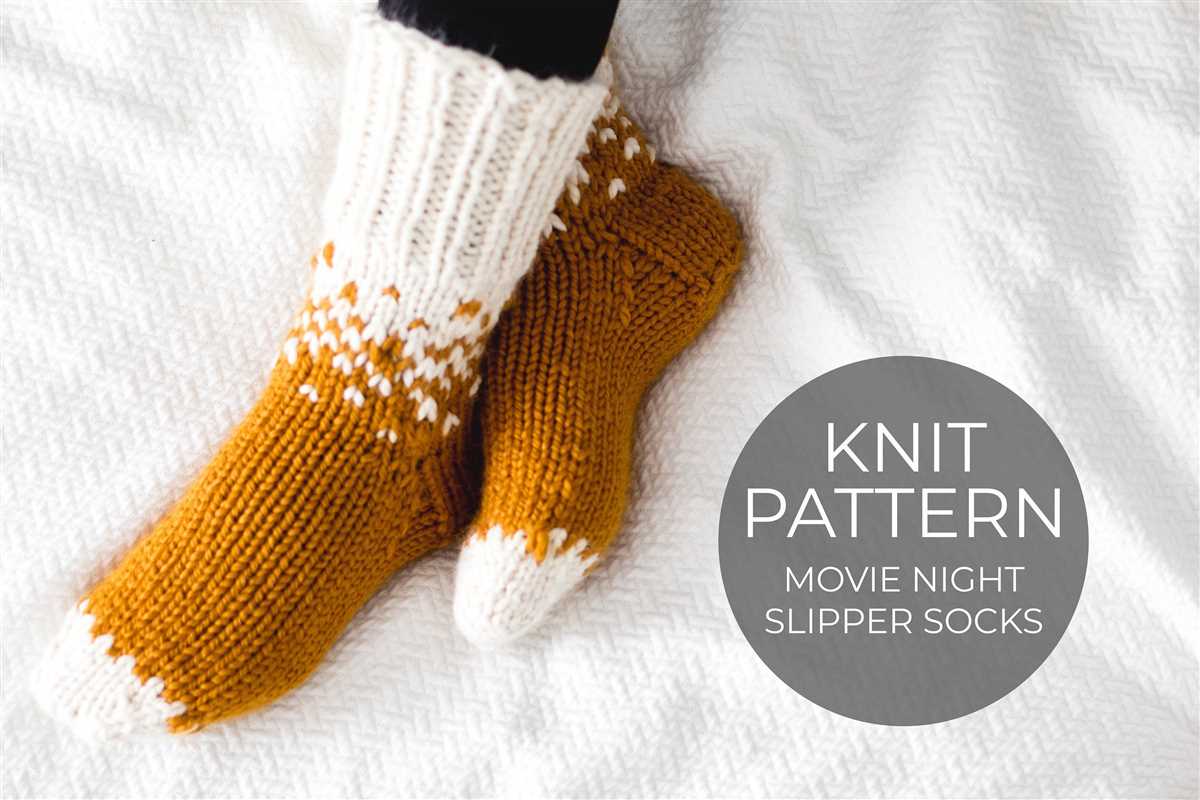
One advanced technique that can add visual interest and texture to your slipper socks is cabling. By crossing stitches in a specific pattern, you can create intricate designs that make your slipper socks stand out. Cables can be simple or complex, and there are countless cable stitch patterns to choose from. Adding a cable panel to the cuff or along the instep of the sock can give your slipper socks a beautiful and unique look.
Fair Isle
Fair Isle knitting is another advanced technique that can be incorporated into your slipper sock patterns. This technique involves working with multiple colors in each row to create intricate stranded colorwork designs. Fair Isle knitting can add warmth and visual interest to your slipper socks, and there are endless color combinations and patterns to explore. It can be a bit more challenging to manage multiple colors at once, but with practice, you can create stunning slipper socks that showcase your knitting skills.
Short Rows
Short rows are a technique that can be used to shape the heel and toe of your slipper socks. By knitting or purling only a portion of the stitches in a row, you can create a rounded or angled shape that fits the foot comfortably. Short rows can be used to create a seamless toe or to add shaping to the heel, resulting in a more customized and comfortable fit. This technique requires some attention to detail and careful counting, but the result is a professional-looking slipper sock that hugs the foot perfectly.
Lace
If you want to add a touch of elegance to your slipper socks, lace patterns are a great choice. Lace can be used to create decorative motifs or to add ventilation to the socks, making them ideal for warmer climates or for wearing around the house. There are countless lace stitch patterns available, ranging from simple to intricate. Adding a lace panel to the top of the sock or along the sides can transform a basic slipper sock into a beautiful and feminine garment.
These are just a few examples of advanced techniques that you can incorporate into your knit slipper sock patterns. By exploring new stitch patterns and experimenting with different techniques, you can create unique and personalized slipper socks that showcase your knitting skills and style. So grab your favorite yarn and needles, and let your creativity shine through in your next slipper sock project!
Exploring Different Knit Slipper Sock Styles
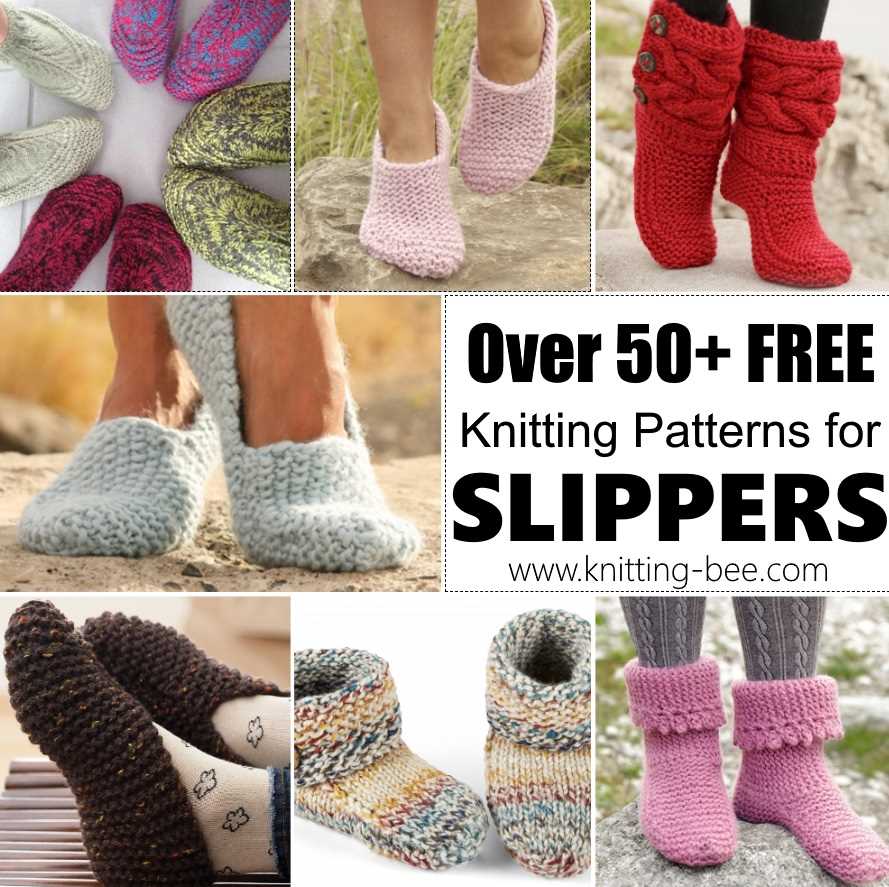
Knit slipper socks are not only cozy and comfortable, but they also offer a great opportunity to show off your unique style and creativity. There are countless styles and patterns available, allowing you to find the perfect pair to match your taste and preferences. Whether you prefer a classic look or something more modern and vibrant, there is a knit slipper sock style out there for you.
One popular style is the cable knit slipper sock. The intricate cable patterns add a touch of elegance and sophistication to your feet. These socks are perfect for relaxing evenings by the fire or for giving as a thoughtful gift. The cables create a cozy texture that not only provides warmth but also adds visual interest to your feet.
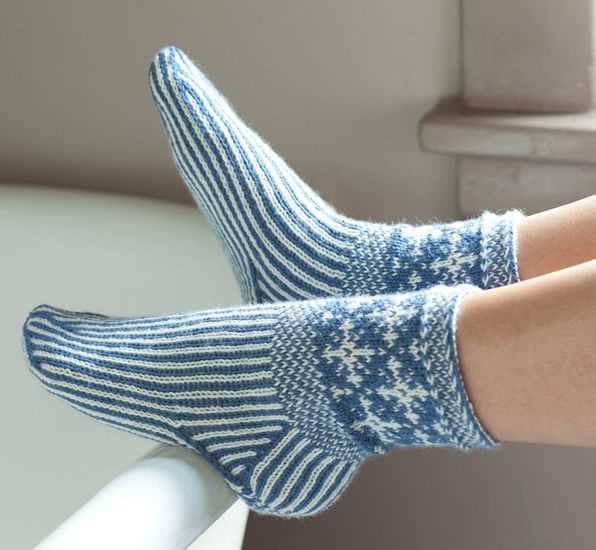
If you’re looking for something with a bit more flair, you might consider trying a fair isle knit slipper sock. Fair isle is a traditional knitting technique that involves creating patterns with multiple colors. The result is a colorful and eye-catching design that is sure to make a statement. These socks are great for adding a pop of color to your winter wardrobe or for adding a fun and playful touch to your loungewear.
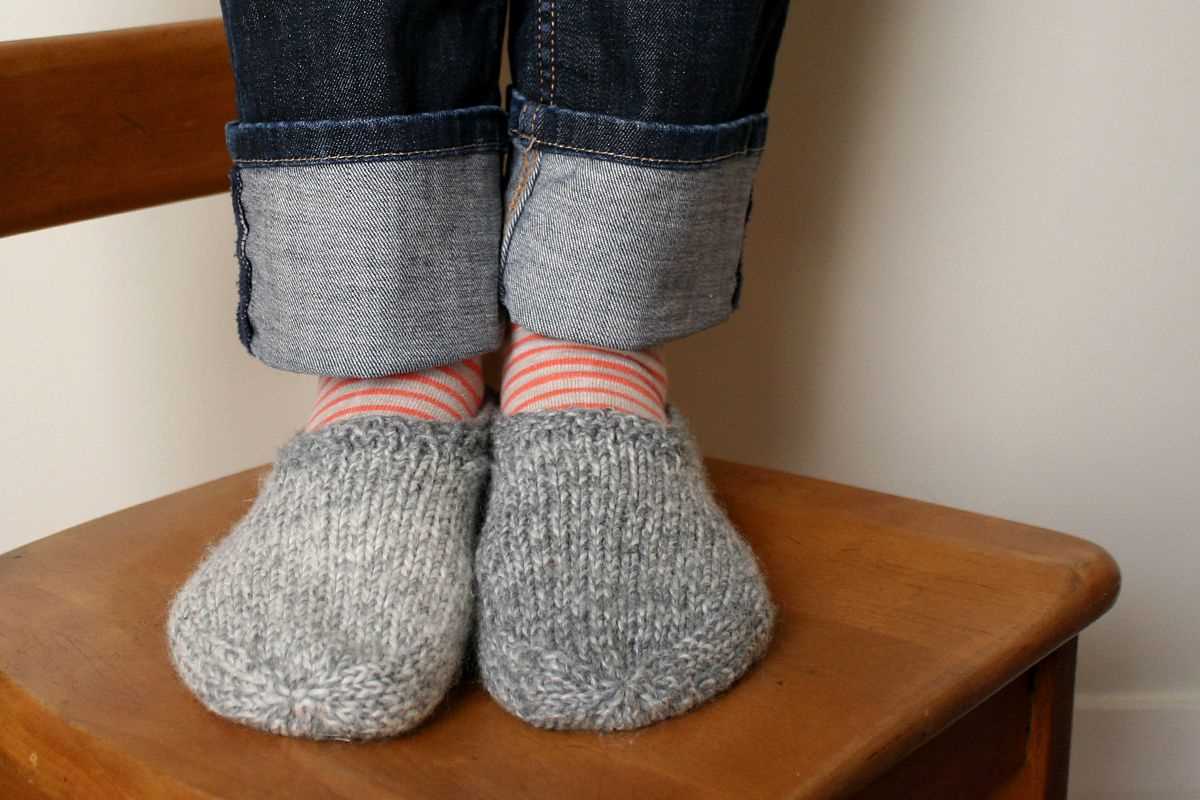
For those who prefer a more minimalist style, there are also plenty of options available. Simple ribbed or plain knit slipper socks offer a clean and sleek look that goes with just about anything. These socks are great for those who prefer a more understated and classic style, and they are versatile enough to be worn with jeans or pajamas.
Whether you’re a seasoned knitter or just starting out, exploring different knit slipper sock styles can be a fun and rewarding experience. With so many options to choose from, you’re sure to find a style that suits your taste and keeps your feet warm and cozy all winter long.