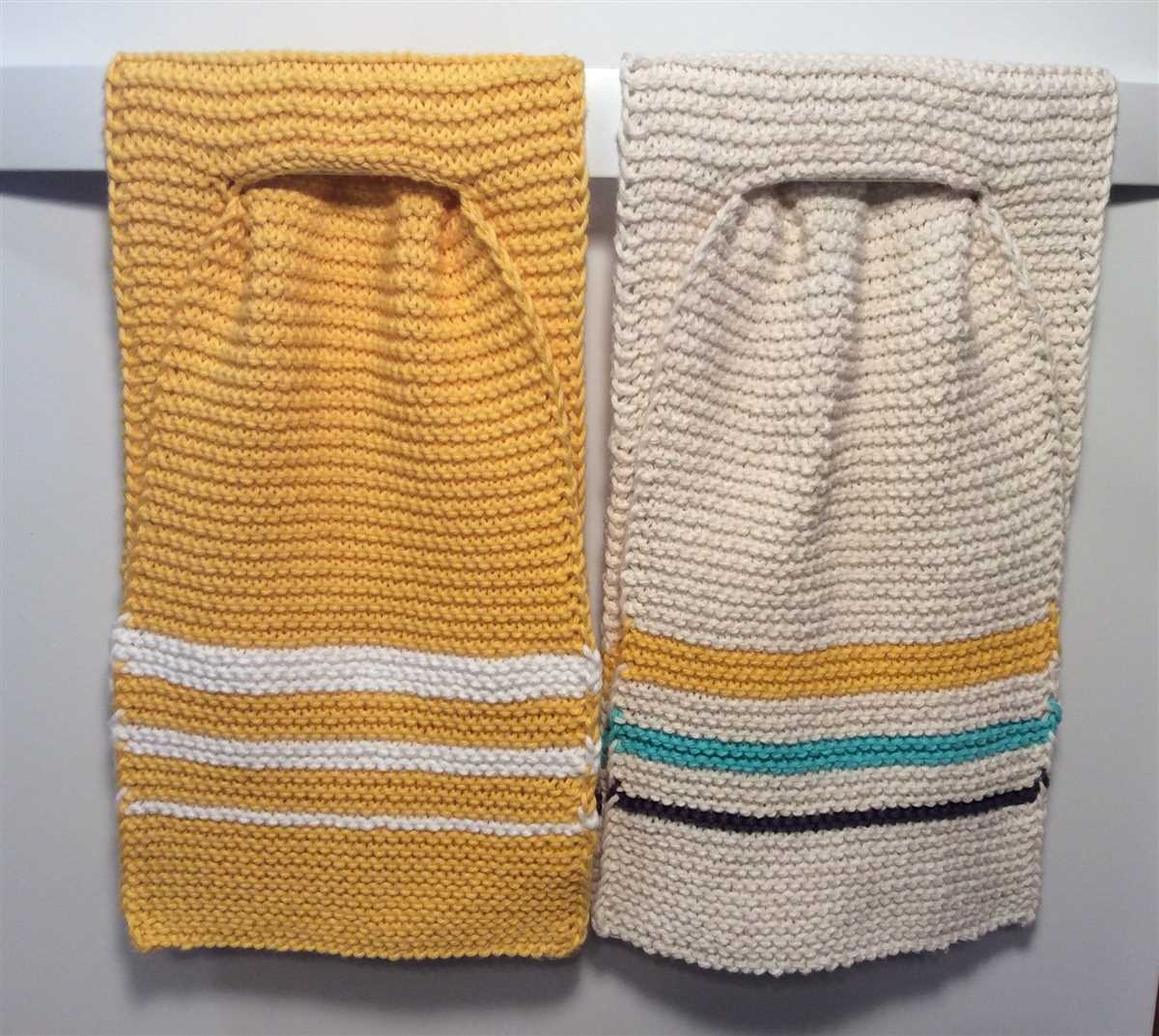
If you love knitting and want to add a personal touch to your home, why not try making your own towels? With our free knit towel pattern, you can create soft and cozy towels that will add a touch of warmth and luxury to your bathroom or kitchen. Whether you are a beginner or an experienced knitter, this pattern is perfect for you.
Our knit towel pattern is designed to be easy to follow, with detailed instructions and step-by-step photos. You can choose from a variety of colors and yarns to create a towel that matches your personal style and decor. Knitting your own towels also allows you to customize the size and shape to fit your needs.
Not only will knitting your own towels save you money, but it is also a rewarding and relaxing hobby. Imagine wrapping yourself in a towel made with love, or gifting a set of handmade towels to a loved one. Our free pattern provides you with all the information you need to get started on your knitting journey.
Knit Towel Pattern Free
Looking for a free knitting pattern for towels? Look no further! We have a great knit towel pattern that is both functional and stylish. Whether you’re a beginner or an experienced knitter, you’ll love this easy-to-follow pattern.
The knit towel pattern is perfect for adding a personal touch to your kitchen or bathroom. With its classic design, it’s sure to complement any decor. Plus, since it’s made from 100% cotton yarn, it’s super absorbent and durable.
MATERIALS

- 1 skein of 100% cotton yarn (worsted weight)
- Size 8 knitting needles
- Tapestry needle for weaving in ends
INSTRUCTIONS
- Cast on 48 stitches.
- Knit every row until the towel measures 18 inches in length.
- Bind off all stitches.
- Weave in any loose ends.
That’s it! You now have a beautiful handmade knit towel. Feel free to experiment with different colors and yarns to customize the towel to your liking. These towels also make great gifts for friends and family – they’re sure to be impressed by your knitting skills!
So why wait? Start knitting your own towels today with this free pattern. Happy knitting!
Choosing the Right Yarn
When it comes to knitting a towel, choosing the right yarn is crucial. The yarn you select will ultimately determine the look, feel, and functionality of your finished project. There are several factors to consider when choosing yarn for a knit towel, including the fiber content, weight, and texture.
Fiber Content: The fiber content of the yarn will greatly impact the absorbency and durability of the towel. For a functional and long-lasting towel, it is best to choose a yarn made from natural fibers such as cotton or linen. Both cotton and linen have excellent absorbent properties, making them ideal for towels. They are also durable and can withstand frequent washing without losing their shape or color.
Weight: The weight of the yarn refers to its thickness or thinness. For a knit towel, a medium or worsted weight yarn is usually recommended. These yarns are easy to work with and create a fabric that is both absorbent and soft. Chunky yarns can also be used for a thicker towel with more texture, while lighter weight yarns can create a more delicate and lightweight towel.
Texture: The texture of the yarn will affect the appearance and feel of the finished towel. Smooth and tightly spun yarns will create a sleek and polished look, while yarns with more texture, such as boucle or slub yarns, can add visual interest and make the towel feel more luxurious. Consider the desired aesthetic and functionality of your towel when choosing the texture of the yarn.
In conclusion, choosing the right yarn is essential for knitting a towel that is both beautiful and functional. Consider the fiber content, weight, and texture of the yarn to ensure that your finished towel meets your expectations and needs. With the right yarn, you can create a towel that is not only a practical item but also a stylish and attractive addition to your home.
Essential Knitting Tools
When starting a new knitting project, having the right tools at hand is essential. In order to create beautiful and professional-looking knitted items, it is important to have a set of knitting tools that will help you achieve the desired results. Here are some essential knitting tools that every knitter should have:
1. Knitting Needles
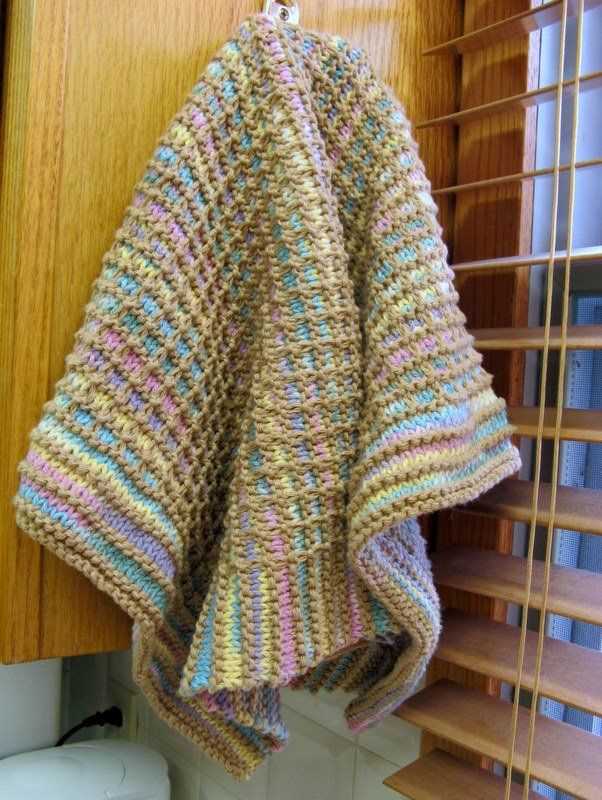
Knitting needles are the most basic and fundamental tool that you need for knitting. They come in different sizes, lengths, and materials. It is important to choose the right knitting needle size for your project, as it will determine the size of the stitches and the overall appearance of the finished item. Some common materials for knitting needles include metal, wood, and bamboo, each offering different qualities and benefits.
2. Stitch Markers
Stitch markers are small plastic or metal rings that are placed on the knitting needle to mark specific stitches or sections of the knitting. They are particularly useful when working with complex stitch patterns or when shaping garments. Stitch markers make it easier to keep track of where you are in the pattern, and they ensure that you don’t accidentally skip or add stitches.
3. Yarn Needle
A yarn needle, also known as a tapestry needle, is a large, blunt needle used for sewing or weaving in loose ends of yarn. It is an essential tool for finishing knitting projects and gives them a polished and professional look. Yarn needles come in different sizes, and it is important to choose one that is appropriate for the weight of your yarn.
4. Row Counter
A row counter is a small device that keeps track of the number of rows knitted. It can either be a physical device that attaches to the knitting needle or a digital app on your phone or tablet. A row counter is particularly useful when working on patterns that require a specific number of rows or when knitting in the round. It helps prevent mistakes and ensures that you stay on track throughout your project.
- In conclusion: these are just a few of the essential knitting tools that every knitter should have in their toolkit. With the right tools at hand, your knitting projects will be easier and more enjoyable, and the results will be beautiful and professional-looking.
Tips for Getting Started
If you’re new to knitting and want to try your hand at making a knit towel, here are a few tips to help you get started:
Gather Your Materials
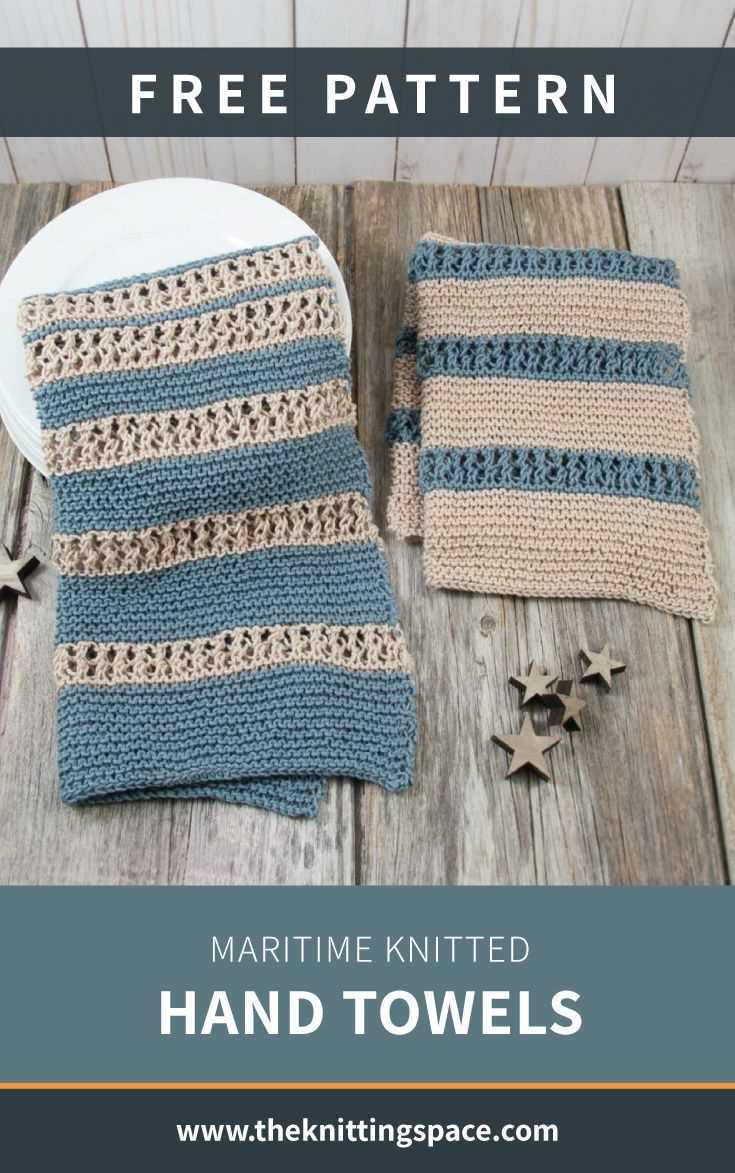
Before you begin, make sure you have all the necessary materials. You will need knitting needles, yarn, and a pattern. There are many free knit towel patterns available online that you can use.
Tip: Choose a pattern that is suitable for beginners and matches your skill level.
Learn the Basic Stitches
Before you start knitting your towel, it’s important to learn the basic stitches. The most common stitches used in knitting are the knit stitch and the purl stitch. These stitches create the texture and pattern in your towel.
Tip: Practice the basic stitches on a small swatch of yarn before starting your towel to get comfortable with the techniques.
Follow the Pattern Carefully
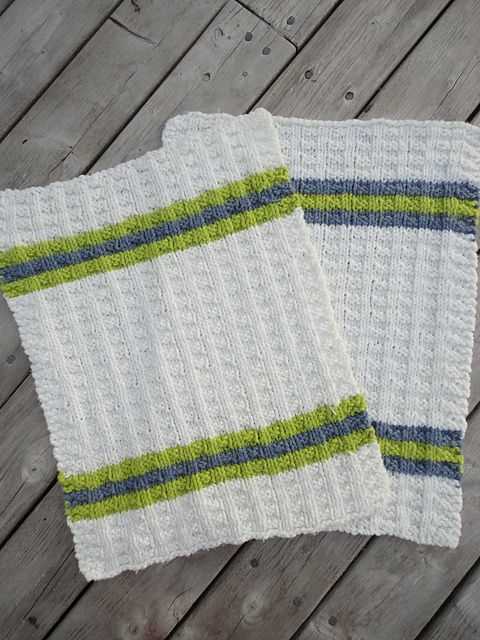
Once you have your materials and are familiar with the basic stitches, it’s time to start knitting your towel. Follow the pattern instructions carefully, paying attention to any special stitches or techniques.
Tip: Read through the entire pattern before you begin to make sure you understand all the steps.
Take Your Time
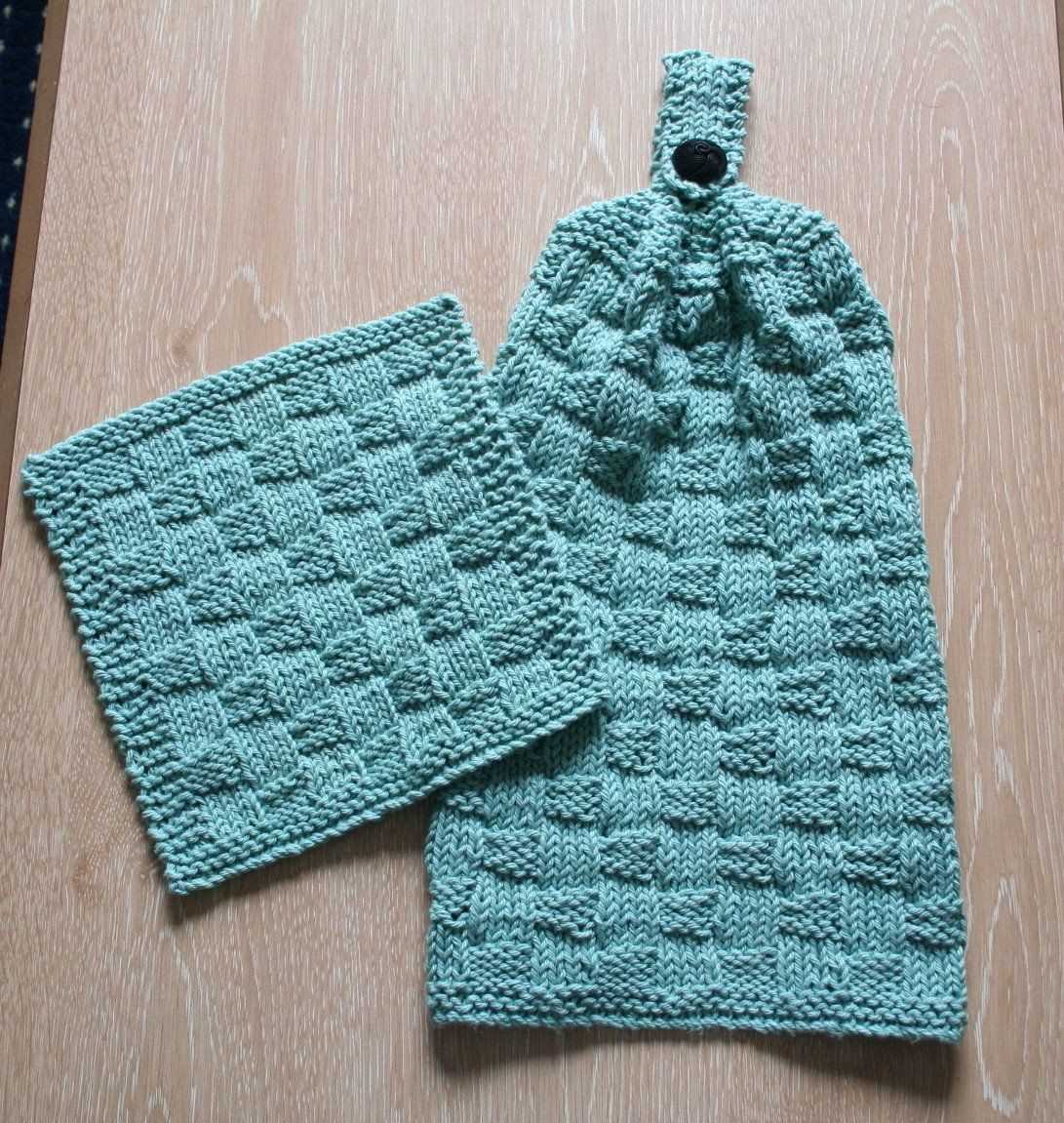
Knitting can be a relaxing and enjoyable hobby, so take your time and enjoy the process. Don’t rush through the stitches or the pattern. Remember, practice makes perfect!
Tip: If you make a mistake, don’t be discouraged. Mistakes are part of the learning process, and they can often be fixed with a little patience and practice.
Finishing Touches
Once you have finished knitting your towel, it’s time to add the finishing touches. This may include blocking the towel to shape it properly, weaving in any loose ends, and giving it a final gentle wash to make it soft and ready to use.
Tip: Follow the care instructions for the yarn you used to ensure your knit towel stays in good condition.
With these tips in mind, you’re ready to get started on your knit towel project. Remember to have fun and enjoy the process of creating something beautiful with your own two hands!
Basic Knitting Stitches
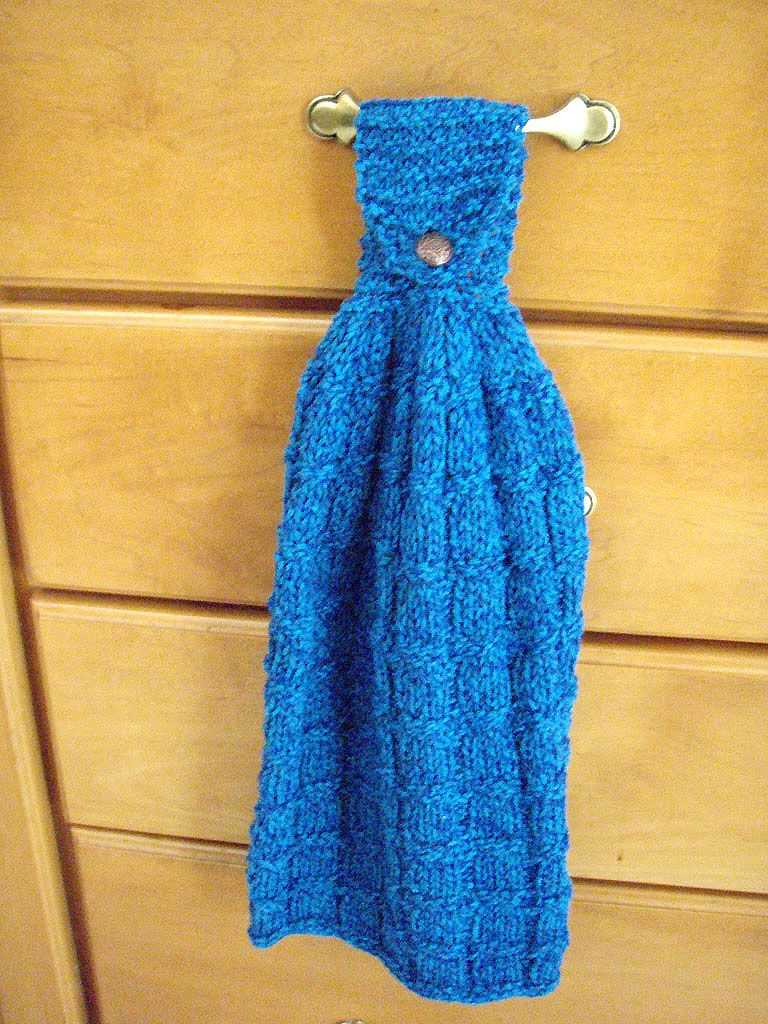
When starting out with knitting, it is important to master the basic knitting stitches. These stitches form the foundation of many knitting patterns and projects. Whether you are knitting a scarf, a sweater, or a blanket, understanding these stitches will help you create beautiful and professional-looking knitted items.
Garter Stitch: One of the simplest knitting stitches is the garter stitch. This stitch is created by knitting every row, resulting in a textured fabric with ridges. The garter stitch is great for beginner knitters as it is easy to learn and perfect for practicing tension and rhythm.
Stockinette Stitch
Knit one row, purl one row to create the stockinette stitch. This stitch creates a smooth and flat fabric with a “V” pattern on one side and a purl bump pattern on the other side. The stockinette stitch is commonly used in many knitting patterns and is a staple in garment making.
Ribbing: Ribbing is a versatile knitting stitch pattern that is commonly used for cuffs, hems, and necklines. It is created by alternating knit and purl stitches in a specific pattern. Common ribbing patterns include 1×1 rib (k1, p1) and 2×2 rib (k2, p2). Ribbing creates a stretchy and elastic fabric that hugs the body and gives a polished finish to knitted items.
Seed Stitch: The seed stitch is a textured stitch pattern that alternates knit and purl stitches within the same row. This creates a bumpy texture that resembles seeds or little dots. The seed stitch is great for adding texture to plain fabrics and is often used for borders, cuffs, and scarves.
Cable Stitch: The cable stitch is a more advanced knitting technique that creates beautifully twisted patterns. It involves crossing a set number of stitches over each other to create interlocking cables. Cable stitches add depth and interest to knitted items and are often used in sweaters, hats, and blankets.
By mastering these basic knitting stitches, you will have a solid foundation to explore more advanced knitting techniques and tackle a wide range of knitting projects. So grab your needles, some yarn, and start practicing these stitches to unlock a world of knitting possibilities!
Reading a Knitting Pattern

1. Understand the Abbreviations
Knitting patterns often use a variety of abbreviations to represent different stitches and techniques. It is essential to familiarize yourself with these abbreviations before you begin. Common abbreviations include K (knit), P (purl), YO (yarn over), and dec (decrease).
When you encounter an abbreviation that you don’t know, refer to the pattern’s abbreviation key, usually found at the beginning or end of the pattern. This key will explain what each abbreviation means and how to perform the corresponding stitch or technique.
2. Note the Gauge
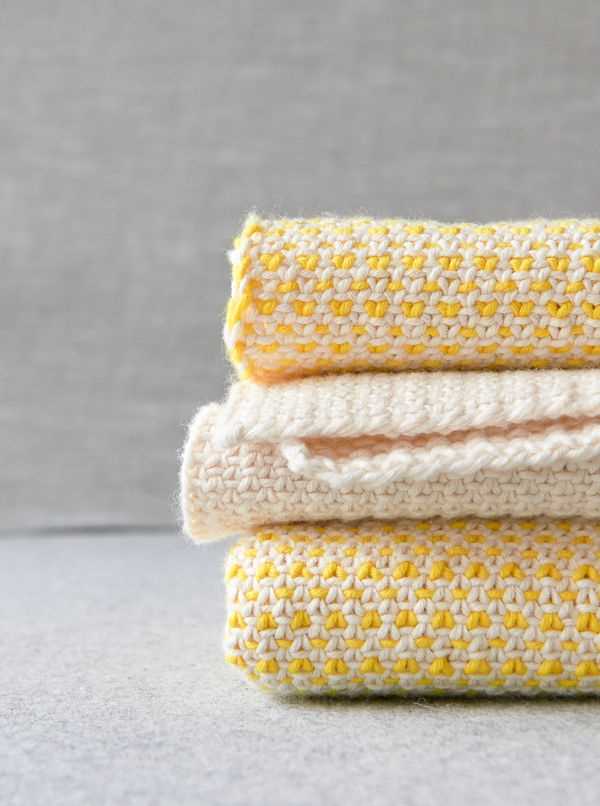
Gauge refers to the number of stitches and rows per inch in a knitted fabric. It is crucial to match the gauge specified in the pattern to ensure that your finished piece will have the correct size and fit. The gauge is usually expressed as X stitches and Y rows = 4 inches.
To determine your gauge, knit a swatch using the recommended yarn and needle size. Measure the swatch and compare it to the gauge specified in the pattern. If your gauge is different, you may need to adjust your needle size or tension to achieve the correct gauge.
3. Follow the Instructions
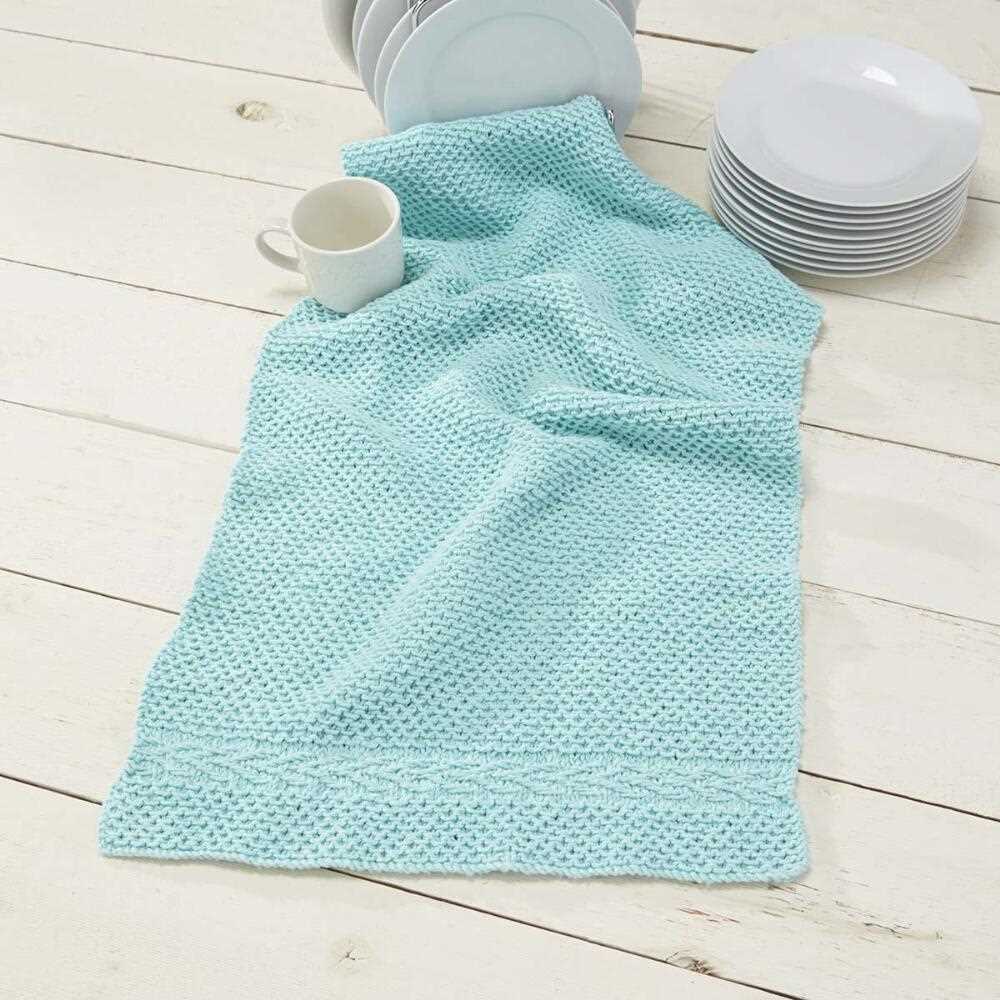
Knitting patterns are typically divided into sections, such as cast on, body, sleeves, and finishing. Read through each section carefully and follow the instructions step by step.
Pay attention to any special instructions, such as stitch patterns, increases, decreases, or shaping techniques. These details are crucial for achieving the desired design and fit. Keep track of your progress by marking off completed rows or sections as you go.
4. Check the Sizing Chart
Most knitting patterns include a sizing chart that provides measurements for different sizes (e.g., small, medium, large). Refer to the chart to determine which size to knit and follow the corresponding instructions for that size.
Take accurate measurements of your body or the recipient’s body to ensure the finished piece will have the desired fit. Adjustments may be necessary if your measurements fall between sizes.
By understanding the abbreviations, noting the gauge, following the instructions, and checking the sizing chart, you can successfully read and execute a knitting pattern. With practice, you will become more comfortable interpreting patterns and creating your own unique knitted creations.
Knitting the Main Body of the Towel
Once you have finished the border of your knitted towel, it’s time to start working on the main body. For this pattern, we will be using a simple knit stitch throughout. This stitch creates a smooth and sturdy fabric that is perfect for absorbing moisture.
To begin, cast on the desired number of stitches for the width of your towel. You can use any type of cast on method you prefer, such as the long tail cast on or the cable cast on. Make sure to leave a long enough tail for weaving in later.
After casting on, continue knitting each row in the knit stitch until you have reached the desired length for your towel. To create a neat and uniform look, make sure to keep your tension consistent throughout. You can use stitch markers to help keep track of your progress and to mark any pattern changes or increases if needed.
As you work on the main body of the towel, feel free to experiment with different stitch patterns or textures to add some variety to your project. You can also incorporate stripes or color changes for a more visually interesting design. Just make sure to keep track of any stitch pattern changes in your knitting instructions.
Once you have completed the desired length, you can bind off your stitches. Again, you can use any bind off method you prefer, such as the standard bind off or the picot bind off for a decorative edge. Secure the tail of your yarn by weaving it into the fabric to prevent unraveling.
Congratulations! You have now completed the main body of your knitted towel. Next, we will move on to finishing touches such as weaving in ends and blocking the towel for optimal shape and drape.
Adding Decorative Borders
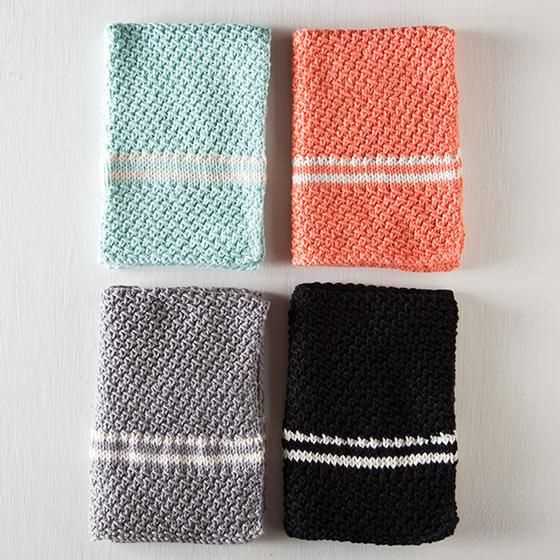
Adding a decorative border to a knit towel can elevate its appearance and add a touch of personality to your project. There are various ways to create decorative borders, depending on your skill level and desired outcome.
1. Lace Border
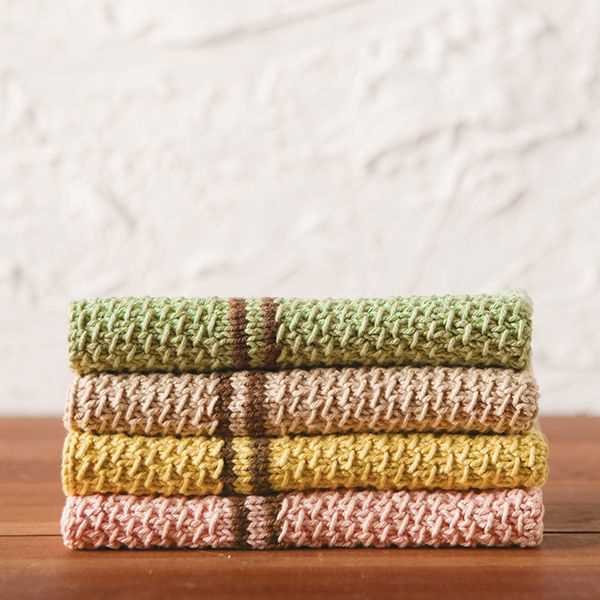
A lace border adds an elegant and feminine touch to a knit towel. You can either incorporate a lace pattern from an existing pattern or create your own. Lace patterns often feature intricate details and delicate motifs, making them perfect for adding a decorative edge to your towel.
2. Cable Border
A cable border is another popular choice for adding decorative details to a knit towel. Cable knitting involves crossing stitches over each other to create a textured pattern. By incorporating cable stitches into the border of your towel, you can create a visually appealing and unique design.
3. Colorful Striped Border
If you prefer a more vibrant and playful look, consider adding a colorful striped border to your knit towel. You can choose contrasting or complementary colors to create a bold and eye-catching effect. Striped borders are relatively easy to knit and can be customized to match your desired color scheme.
4. Embroidered Border
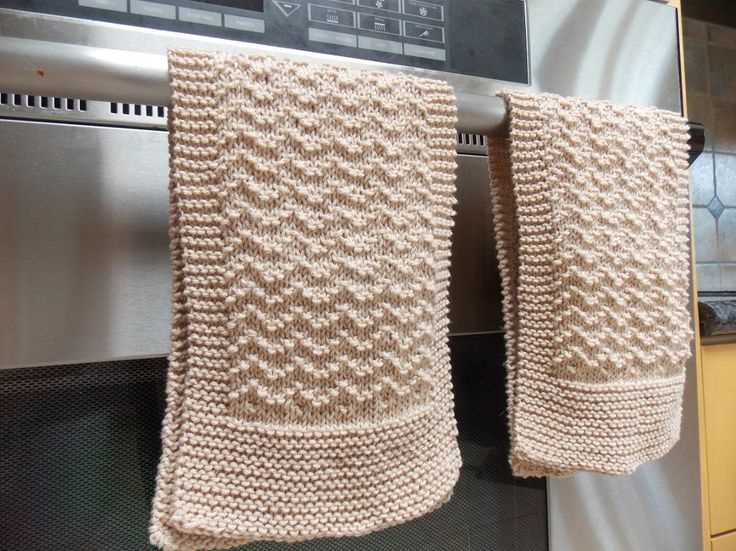
If you’re skilled in embroidery or want to try a new technique, you can add an embroidered border to your knit towel. Embroidery allows you to create intricate designs on the fabric using different stitches and threads. This technique can add a personal touch and make your towel truly one-of-a-kind.
Whether you choose a lace, cable, striped, or embroidered border, adding a decorative edge to your knit towel can transform it into a beautiful and personalized piece. Don’t be afraid to get creative and experiment with different techniques to achieve the desired look for your project.
Blocking and Finishing the Towel

After completing your knit towel, it is important to block and finish it to bring out the best in the texture and stitch pattern. Blocking helps to reshape the towel, even out any inconsistencies, and give it a professional finish. Here are the steps to block and finish your knit towel:
1. Wet Blocking:
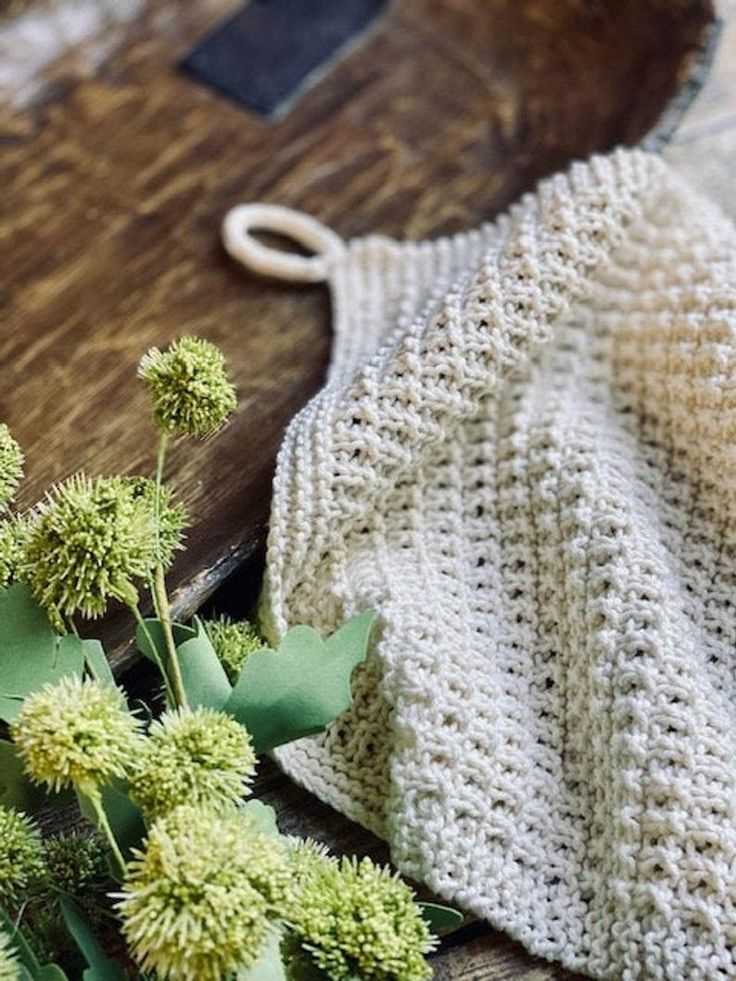
The first step is to wet block the towel. Fill a basin or sink with lukewarm water and gently submerge the towel. Let it soak for about 15-20 minutes, allowing the fibers to absorb the moisture. Remove the towel from the water and gently squeeze out the excess water, being careful not to wring or twist it. Lay the towel flat on a clean, absorbent towel or blocking mat.
Pro tip: To prevent color bleeding, especially if the towel is multi-colored, you can add a tablespoon of white vinegar to the water before soaking.
2. Reshaping and Pinning:
While the towel is still damp, gently reshape it to the desired dimensions. Smooth out any wrinkles or uneven edges. Use rust-proof T-pins or blocking wires to pin the towel in place, ensuring that the edges are straight and the stitch pattern is well-defined. Pay attention to any lace or openwork sections that may require additional pinning.
Pro tip: If you don’t have blocking wires, you can use long, rust-proof sewing needles to secure the towel’s edges by weaving the thread through the stitches.
3. Drying:
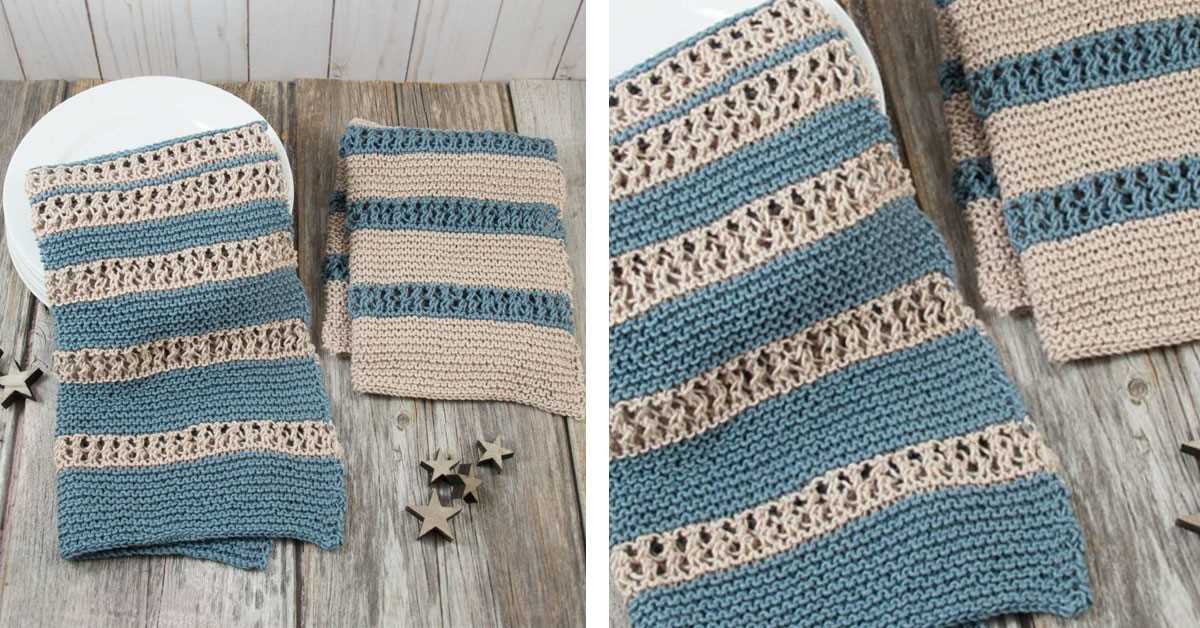
Allow the towel to dry completely in a well-ventilated area, away from direct heat or sunlight. This may take anywhere from a few hours to a couple of days, depending on the fiber content and thickness of the towel. Avoid moving or disturbing the towel while it is drying to maintain its shape.
4. Final Finishing:
Once the towel is dry, remove the pins or wires and gently shake out any residual moisture or loosened fibers. If desired, you can lightly steam the towel using an iron or garment steamer to further set the shape and to smooth out any remaining wrinkles. Take care not to press too hard or directly onto the towel, as it may flatten or damage the stitch pattern.
Pro tip: To create a clean and polished look, you can sew a fabric backing onto the wrong side of the towel using a matching thread. This will help to reinforce the edges, provide extra durability, and give a neat finish.
Following these steps will ensure that your knit towel looks its best and is ready to be enjoyed or gifted. Whether you choose to create a set of matching towels or experiment with different stitch patterns, blocking and finishing will add the perfect touch to your handcrafted masterpiece.
Variations and Customizations
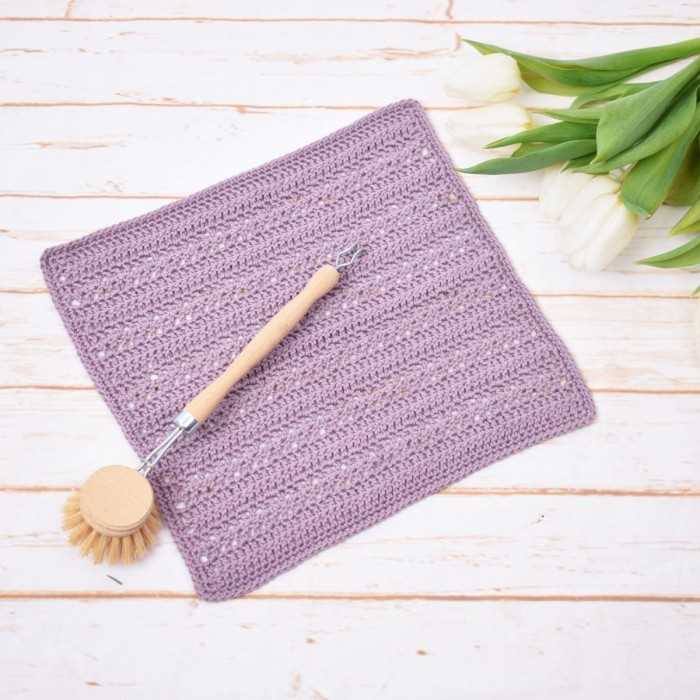
When it comes to knitting towels, there are endless possibilities for variations and customizations. You can make towels in different sizes, colors, and patterns to suit your personal style and needs. Here are a few ideas to inspire your creativity:
- Size: Experiment with different sizes of towels, from small hand towels to larger bath towels. You can even make oversized towels for a luxurious spa-like experience.
- Color: Choose colors that match your bathroom decor or go for bold and vibrant shades to add a pop of color. You can also play with color blocking techniques or create ombre effects by using different shades of the same color.
- Pattern: Explore different stitch patterns to add texture and interest to your towels. From classic ribbing to intricate lace designs, there are countless patterns available for you to try. You can also mix and match different patterns to create unique designs.
- Embellishments: Add some flair to your towels with decorative borders, tassels, or embroidery. You can use contrasting colors or metallic yarns for a touch of elegance.
Remember, knitting is a versatile craft that allows you to customize your projects to suit your preferences. Don’t be afraid to experiment and have fun with your knit towel patterns. Whether you’re a beginner or an experienced knitter, there’s always something new to try and create.
Useful Tips and Troubleshooting
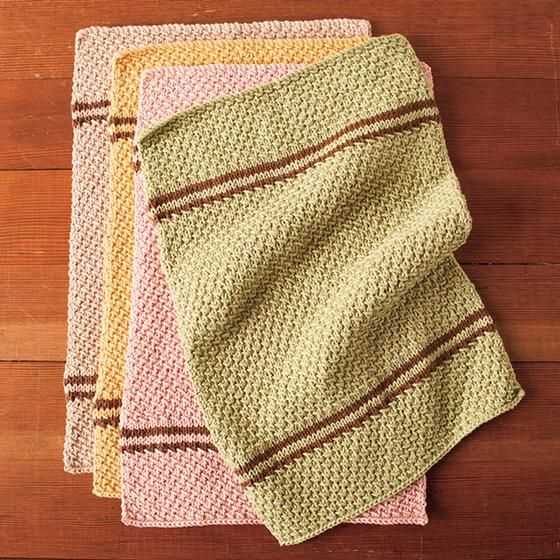
If you are new to knitting or have never knitted a towel before, here are some useful tips and troubleshooting suggestions to help you along the way:
Tips:
- Choose the right yarn: When selecting yarn for your knit towel, it is recommended to use a durable and absorbent yarn such as cotton or a cotton blend. This will ensure that your towel not only looks good but also performs well in the kitchen or bathroom.
- Swatch for gauge: Before starting your project, knit a small swatch to check your gauge. This will help you determine if you need to adjust your needle size to achieve the desired dimensions for your towel.
- Blocking: Blocking your knit towel is crucial to give it a professional finish. After completing your towel, gently wet it and lay it flat to dry, shaping it into the desired dimensions. This will help even out any uneven stitches and give your towel a polished look.
Troubleshooting:
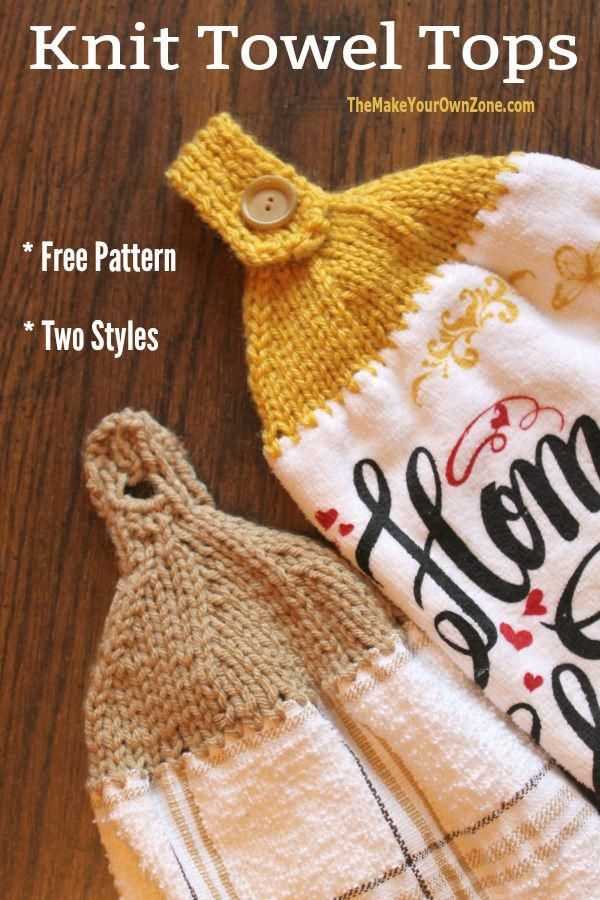
- Uneven tension: If you notice that your stitches have uneven tension, try using a different needle size. Sometimes, a change in needle size can help create more even and consistent stitches.
- Twisted stitches: Twisted stitches can happen if you accidentally twist the stitch when knitting. To fix this, carefully unravel the stitch and re-knit it, making sure to insert the needle correctly to avoid twisting.
- Uneven edges: If your edges are looking uneven or messy, try adding a selvedge stitch at the beginning and end of each row. This can help create a neater and more polished edge.
By following these tips and troubleshooting suggestions, you can create beautiful knit towels that are both functional and visually appealing. Knitting towels can be a fun and rewarding project, and with practice, you will be able to create a collection of unique and personalized towels for yourself or as thoughtful gifts for others.