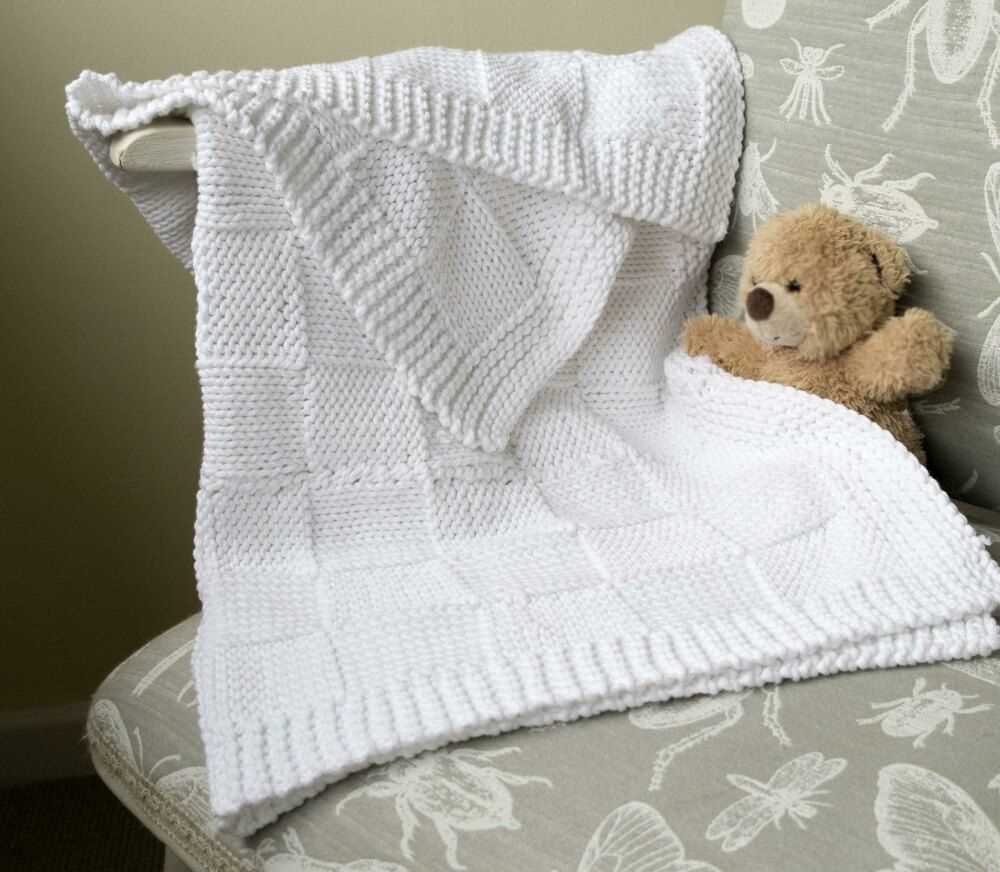
Knitting is not only a relaxing and creative hobby, but it also allows us to create beautiful and useful items for ourselves and our loved ones. One such item is a knitted cotton blanket. Perfect for keeping warm on chilly nights or adding a touch of comfort and style to our home decor, a knitted cotton blanket is a must-have project for knitters of all skill levels.
Choosing the right pattern is key to creating a knitted cotton blanket that meets your needs and matches your personal style. Whether you prefer a simple garter stitch pattern or a more intricate lace design, there are countless options to choose from. In this article, we will explore some popular knitted cotton blanket patterns and provide step-by-step instructions to get you started on your own cozy creation.
One of the advantages of knitting a cotton blanket is the breathability and softness of the material. Cotton is a natural fiber that is gentle on the skin and suitable for year-round use. It is also a durable material that can withstand regular washing and wear. With the right pattern and yarn selection, you can create a blanket that is both beautiful and functional.
Why You Should Try Knitting a Cotton Blanket
Knitting is a wonderful craft that allows you to create beautiful and useful items with just a pair of needles and some yarn. One project that is perfect for both beginners and experienced knitters is a cotton blanket. There are many reasons why you should give knitting a cotton blanket a try.
1. Comfort and Breathability
One of the main advantages of knitting a cotton blanket is the comfort and breathability it provides. Cotton is a natural fiber that is soft, smooth, and gentle against the skin. It is perfect for creating a cozy and warm blanket that is also breathable, making it ideal for all seasons.
2. Versatility and Durability
Cotton is known for its versatility and durability, which makes it a great choice for a blanket. The strong and sturdy nature of cotton means that your knitted blanket will stand the test of time and can withstand regular use and washing. Additionally, cotton blankets come in a variety of colors and patterns, allowing you to choose a style that suits your personal taste.
3. Easy Care and Maintenance
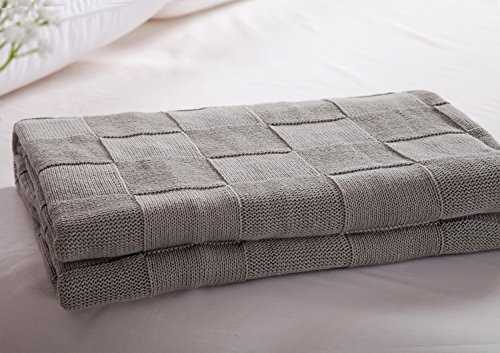
Another benefit of knitting a cotton blanket is that it is easy to care for and maintain. Cotton is machine washable and can be dried in the dryer, making it a practical choice for a blanket. Unlike other fabrics, cotton doesn’t require any special care instructions and can be easily cleaned whenever needed.
4. Personalized and Handmade
Knitting a cotton blanket allows you to create a personalized and handmade item that is unique to you. You can choose the color, pattern, and size of the blanket, making it a perfect fit for your home decor or as a gift for someone special. Knitting is also a relaxing and meditative activity that can reduce stress and promote mindfulness.
Overall, knitting a cotton blanket is a rewarding and enjoyable project that offers numerous benefits. From comfort and breathability to versatility and easy care, a knitted cotton blanket is a practical and beautiful addition to any home.
Benefits of Knitted Cotton Blankets
Knitted cotton blankets offer a range of benefits that make them a popular choice for both comfort and style. Made from soft, natural cotton yarn, these blankets provide a cozy and breathable sleeping environment. The natural fibers of cotton allow for excellent moisture absorption, keeping you cool in the summer and warm in the winter.
One of the key benefits of knitted cotton blankets is their durability. Cotton is known for its strength and resistance to wear and tear, making these blankets a long-lasting investment. They can withstand regular use and washing without losing their shape or softness.
- Comfort: Knitted cotton blankets are incredibly soft and gentle on the skin, providing a comfortable and cozy sleeping experience. The natural breathability of cotton ensures that you stay comfortable throughout the night, without feeling too hot or too cold.
- Versatility: Knitted cotton blankets come in a variety of colors, patterns, and sizes, making it easy to find the perfect match for your home decor. Whether you prefer a simple, solid-colored blanket or a bold, patterned design, there is a knitted cotton blanket that will suit your style.
- Easy Care: Knitted cotton blankets are generally machine washable, making them easy to clean and maintain. You can simply toss them in the washing machine with similar colors and dry them on a low tumble setting. This makes them a practical choice for busy households.
In conclusion, knitted cotton blankets offer numerous benefits, including comfort, versatility, and easy care. They are a great addition to any bedroom or living space, providing warmth and style all year round.
Choosing the Right Type of Yarn for Your Blanket
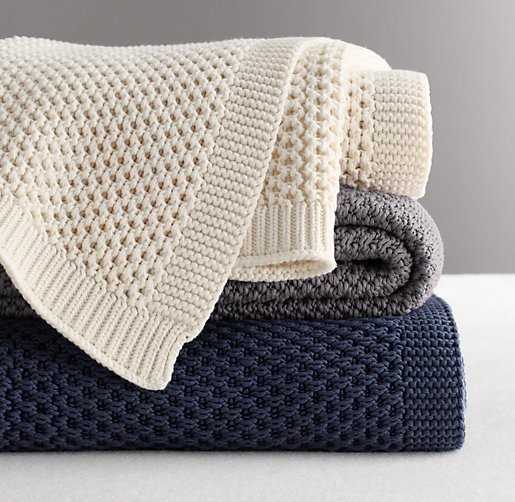
When it comes to knitting a cotton blanket, choosing the right type of yarn is crucial. The yarn you select will not only determine the final look and feel of your blanket but also its durability and ease of care. Among the many options available, consider the following factors to make an informed decision.
1. Fiber Content
The fiber content of the yarn plays a significant role in the characteristics of your blanket. Cotton yarn is a popular choice for blankets due to its breathability and softness. It is also hypoallergenic and suitable for individuals with sensitive skin. Additionally, cotton yarn is durable and can withstand frequent washing without losing its shape or color.
2. Weight of Yarn
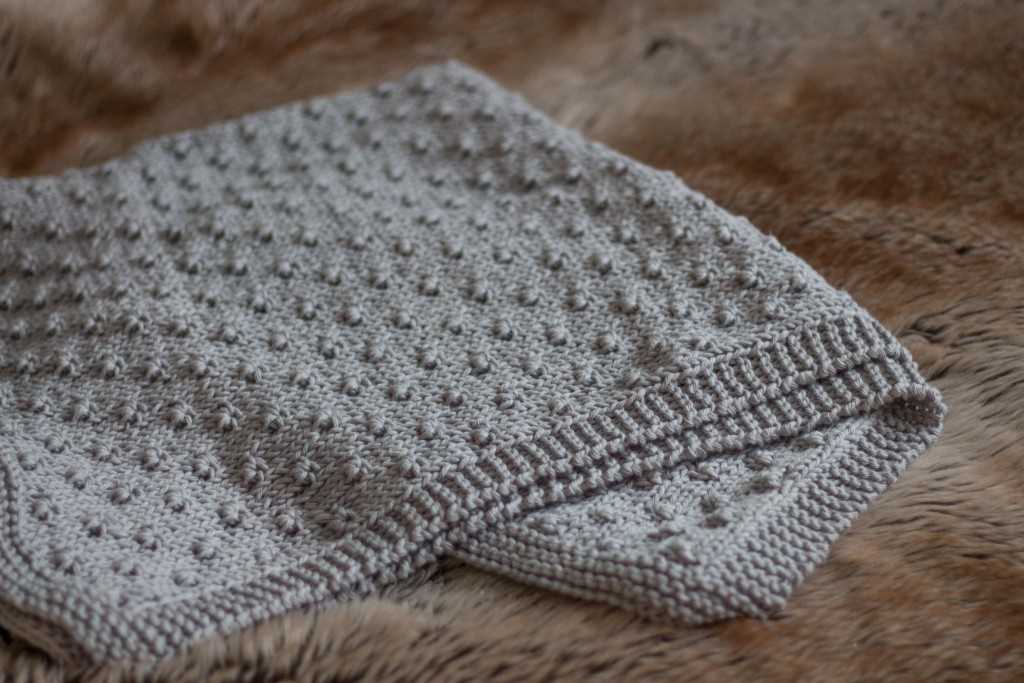
The weight of the yarn is another important consideration. For a cozy and warm blanket, opt for a bulky or chunky weight yarn. These types of yarns create a thick and substantial fabric that will keep you snug during colder months. Alternatively, if you prefer a lighter and more breathable blanket, choose a DK or worsted weight yarn. These yarns are perfect for spring and summer projects.
3. Color and Texture
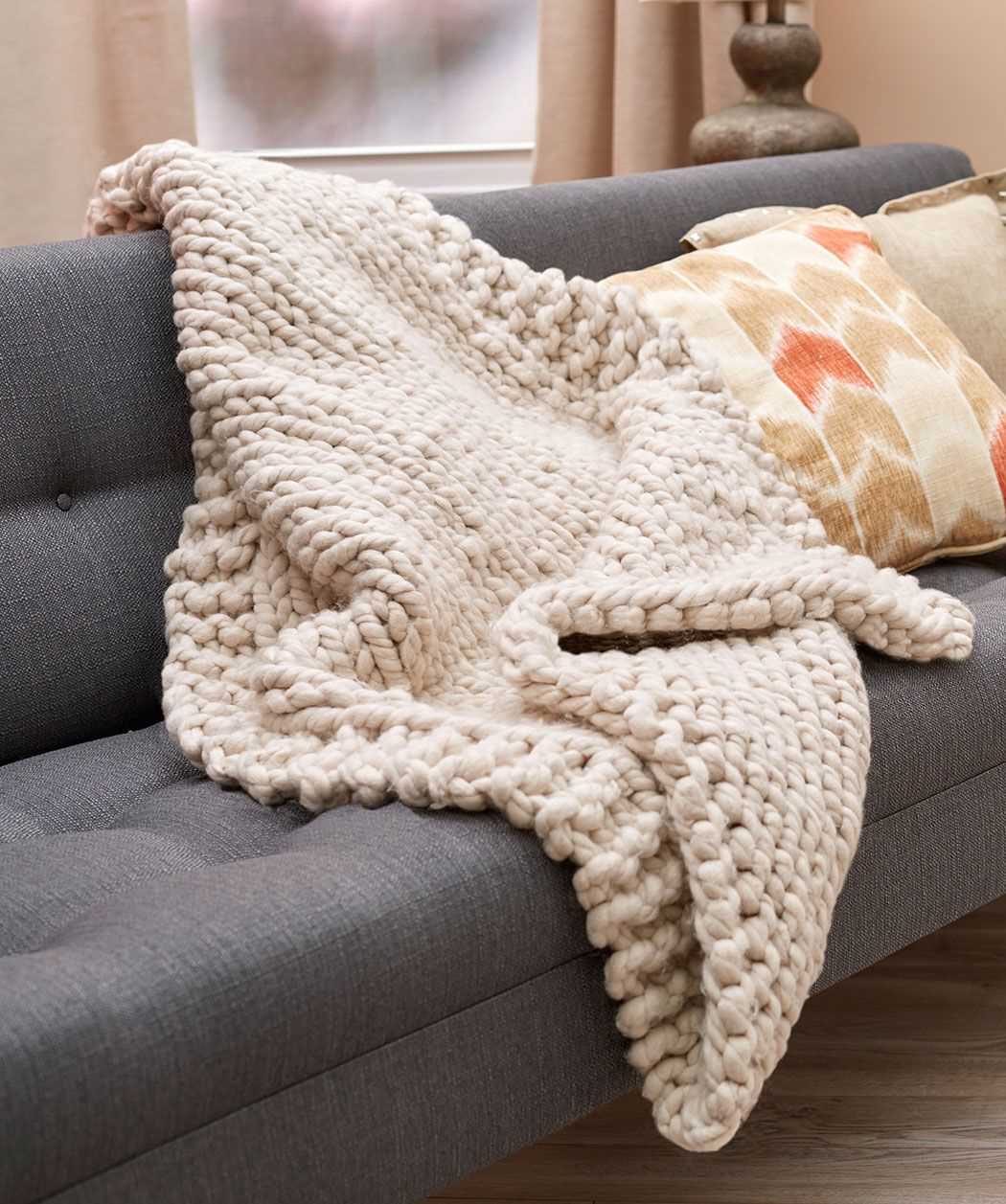
The color and texture of the yarn can greatly impact the overall appearance of your blanket. Consider the color scheme of your room or the intended recipient’s preferences. Solid colors are timeless and can easily match any decor, while variegated or gradient yarns can add visual interest to your blanket. Texture is another element to consider, as different stitch patterns will showcase the yarn in unique ways.
4. Budget
Lastly, your budget should also be taken into account when selecting yarn for your blanket. Cotton yarn is generally more affordable compared to other natural fibers. However, keep in mind that higher quality or specialty yarns may come with a higher price tag. Ultimately, choose a yarn that fits within your budget without compromising on the desired qualities for your blanket.
By considering the fiber content, weight, color, texture, and budget, you can choose the perfect yarn for your knitted cotton blanket. Whether you’re creating a cozy winter throw or a lightweight summer cover, the right yarn will ensure your blanket is not only beautiful but also functional and long-lasting.
Tips for Finding the Perfect Knitting Pattern
When it comes to knitting, finding the perfect pattern can make all the difference in creating a beautiful and functional piece. Whether you’re a beginner or an experienced knitter, consider the following tips to help you find the perfect knitting pattern:
1. Identify Your Skill Level
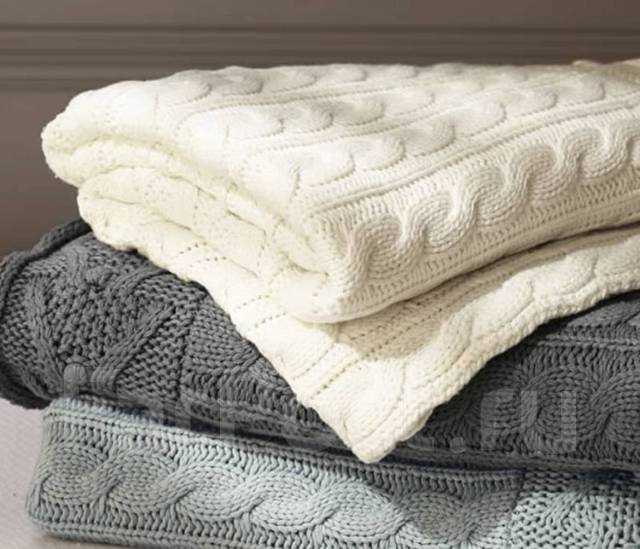
Before diving into a knitting pattern, it’s important to assess your skill level. Make sure to choose a pattern that matches your skills and abilities. If you’re a beginner, opt for simpler patterns with basic stitches. More advanced knitters can challenge themselves with intricate patterns that involve complex techniques.
2. Consider the Project Type
Think about the type of project you want to create. Are you looking to knit a sweater, a hat, or a blanket? Consider the purpose of the item and how it will be used. This will help you narrow down your search and find patterns that align with your project goals.
3. Look for Detailed Instructions and Clear Diagrams
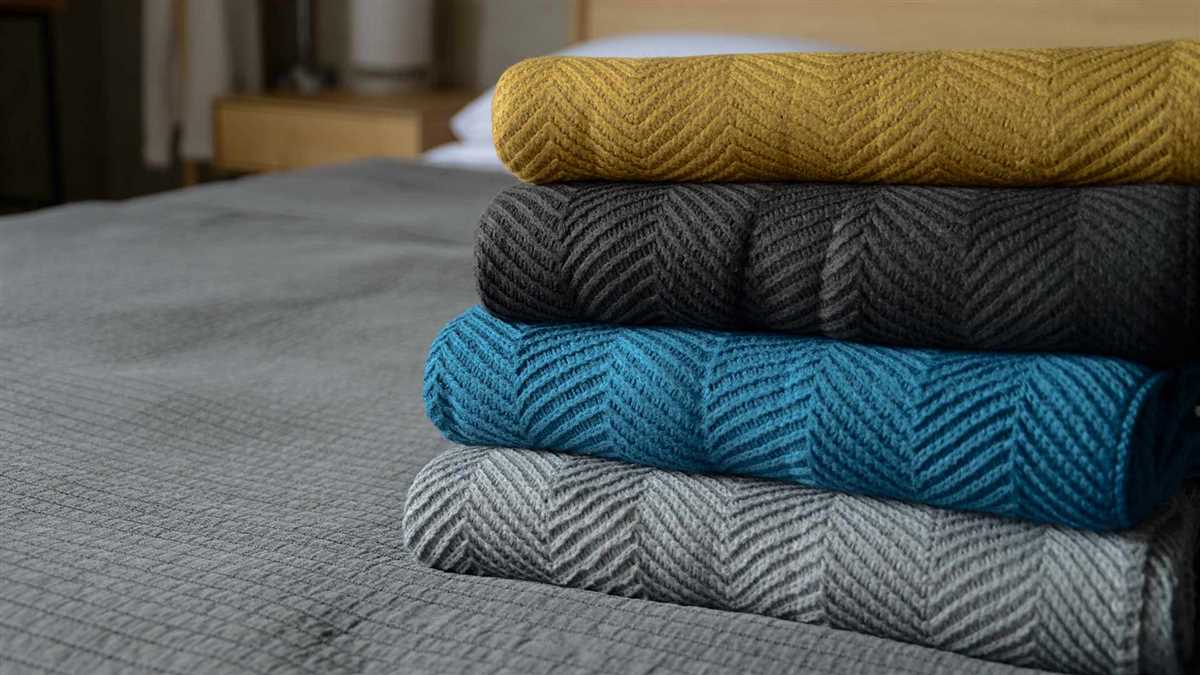
When reviewing knitting patterns, look for those that provide clear and detailed instructions. Make sure the pattern includes written instructions as well as visual diagrams or charts. Clear diagrams can be especially helpful when it comes to complicated stitch patterns or shaping techniques.
4. Read Reviews and Check for Error Corrections
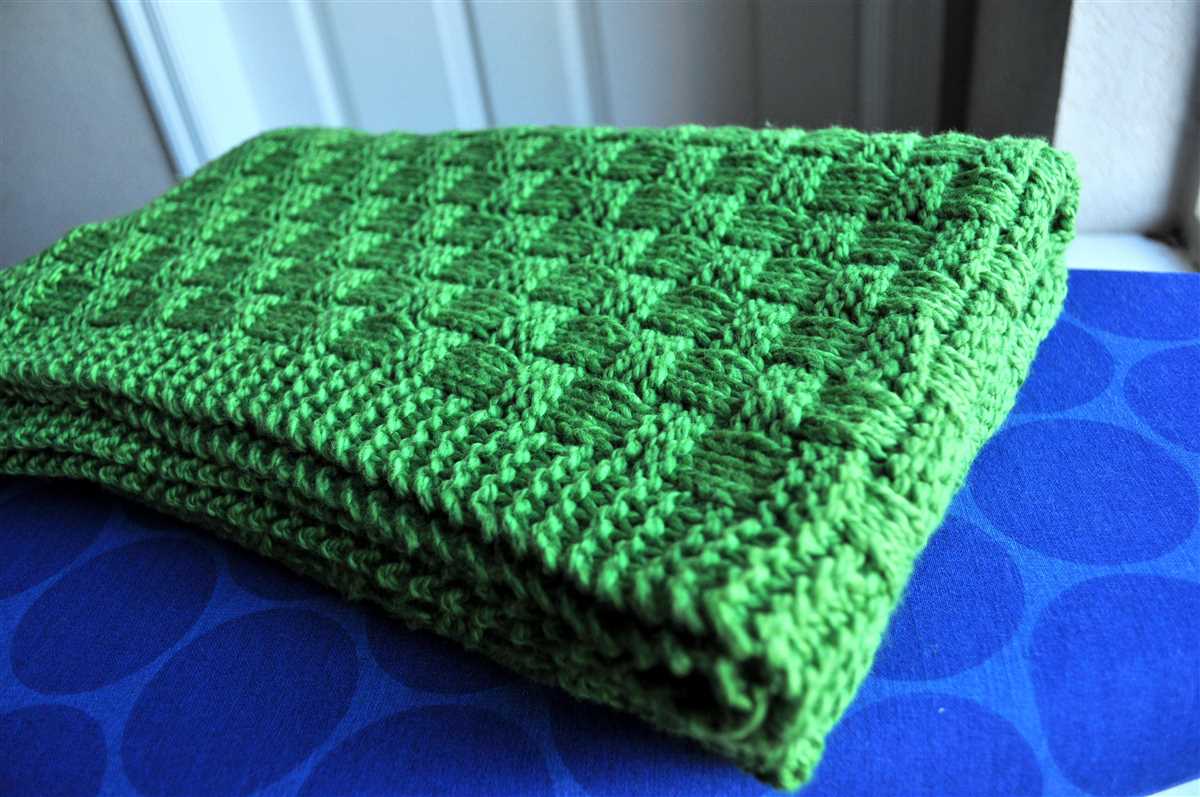
Before committing to a knitting pattern, take the time to read reviews from other knitters who have already completed the project. Their feedback can help you determine if the pattern is accurate and well-written. Additionally, check if the pattern has any error corrections. This can save you frustration and ensure that your project turns out as intended.
5. Consider the Yarn and Needle Requirements
Before selecting a knitting pattern, consider the yarn and needle requirements. Make sure you have the appropriate yarn weight and needle size for the project. If you have a specific yarn in mind, look for patterns that recommend that particular yarn or provide yarn substitution suggestions.
By following these tips, you’ll increase your chances of finding the perfect knitting pattern that suits your skill level and project goals. Happy knitting!
Step-by-Step Guide to Knitting a Cotton Blanket
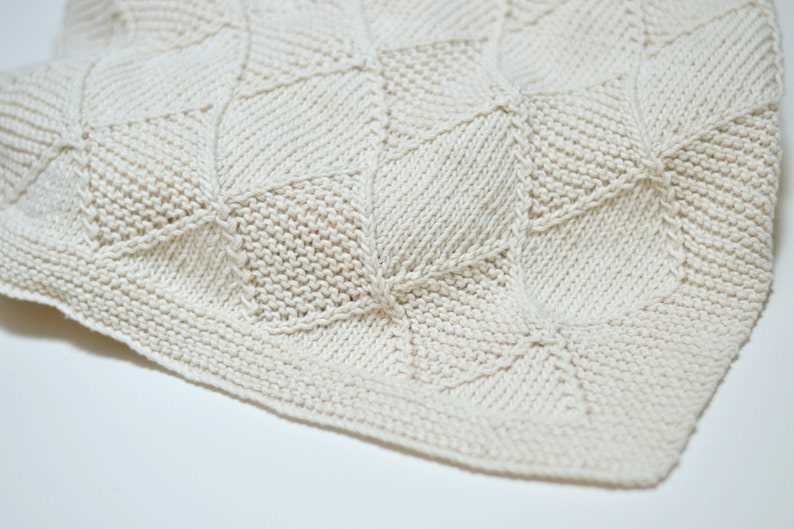
Are you looking for a new knitting project? Why not try your hand at knitting a cozy and comfortable cotton blanket? Knitting a blanket can be a rewarding and relaxing project, and using cotton yarn adds an element of softness and breathability to the finished product. Follow this step-by-step guide to create your own knitted cotton blanket.
1. Gather Your Supplies
Before you start knitting, make sure you have all the necessary supplies. You will need:
- Size 10 knitting needles
- 5 skeins of cotton yarn in your desired color
- Tape measure
- Yarn needle
2. Choose Your Pattern
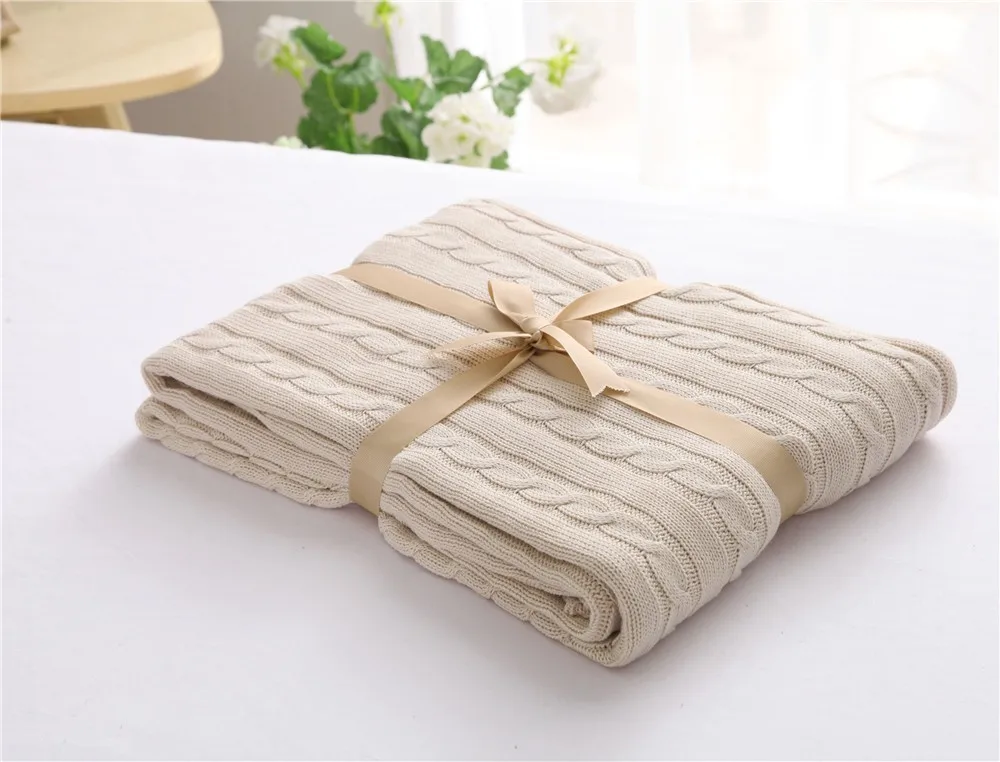
There are many different patterns to choose from when knitting a blanket. Some popular options include a simple garter stitch, a classic basketweave pattern, or a more intricate cable design. Consider your skill level and the style you prefer when selecting a pattern.
3. Cast On
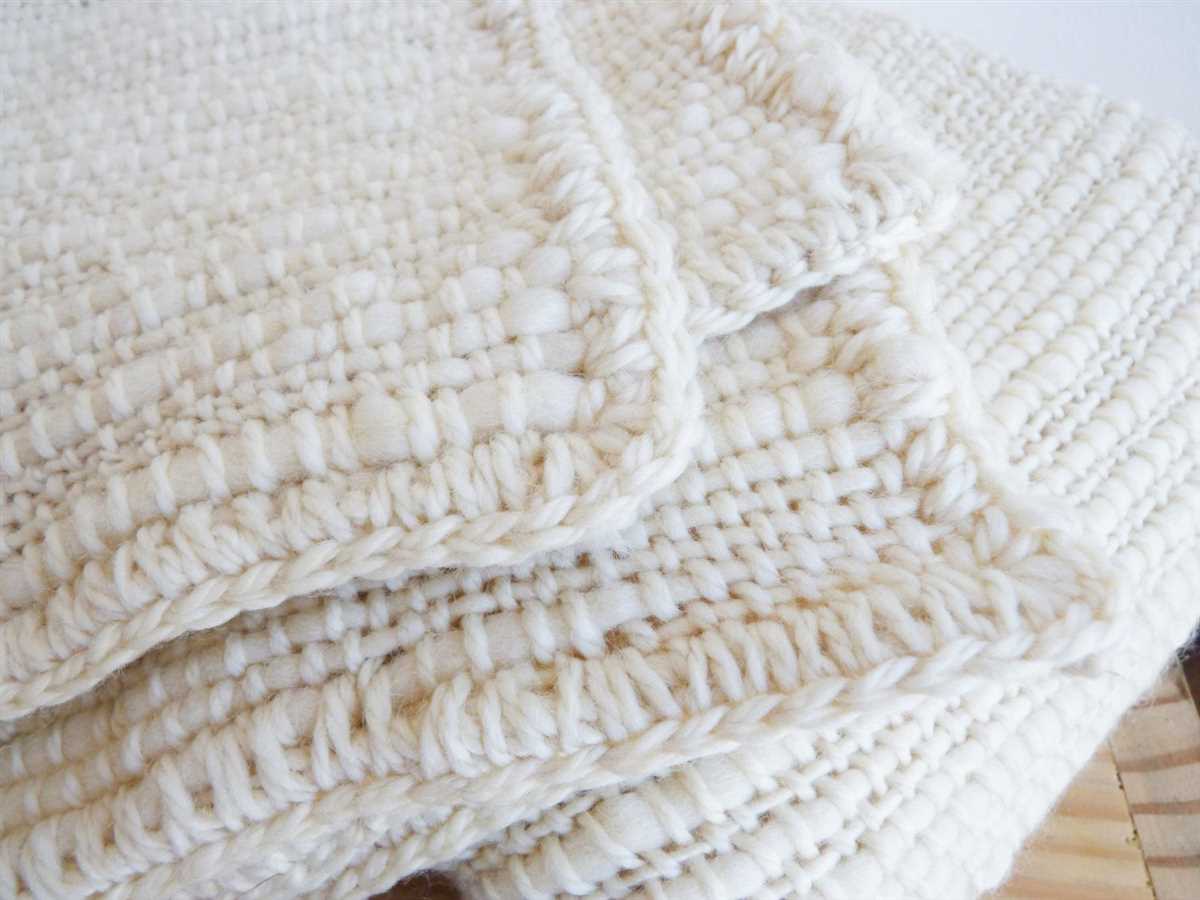
Start by casting on the desired number of stitches, depending on the width of your blanket. Consult your chosen pattern for specific instructions on how many stitches to cast on.
4. Begin Knitting
Once you have cast on, you can begin knitting the body of the blanket using your chosen stitch pattern. Follow the pattern instructions carefully, and make sure to keep track of your rows if necessary.
5. Continue Knitting
Continue knitting until the blanket reaches your desired length. Use the tape measure to check the length periodically and make sure it’s on track.
6. Bind Off
When you have reached the desired length, it’s time to bind off your stitches. Follow the instructions in your pattern or use a simple bind off method to secure the stitches and finish the blanket.
7. Weave in Ends
Use a yarn needle to weave in any loose ends from where you started and finished new skeins of yarn. This will give your blanket a polished and professional look.
Now you have a beautiful knitted cotton blanket ready to keep you warm and cozy. Enjoy the process of knitting and the satisfaction of creating something with your own hands.
Recommended Knitting Needles for a Cotton Blanket
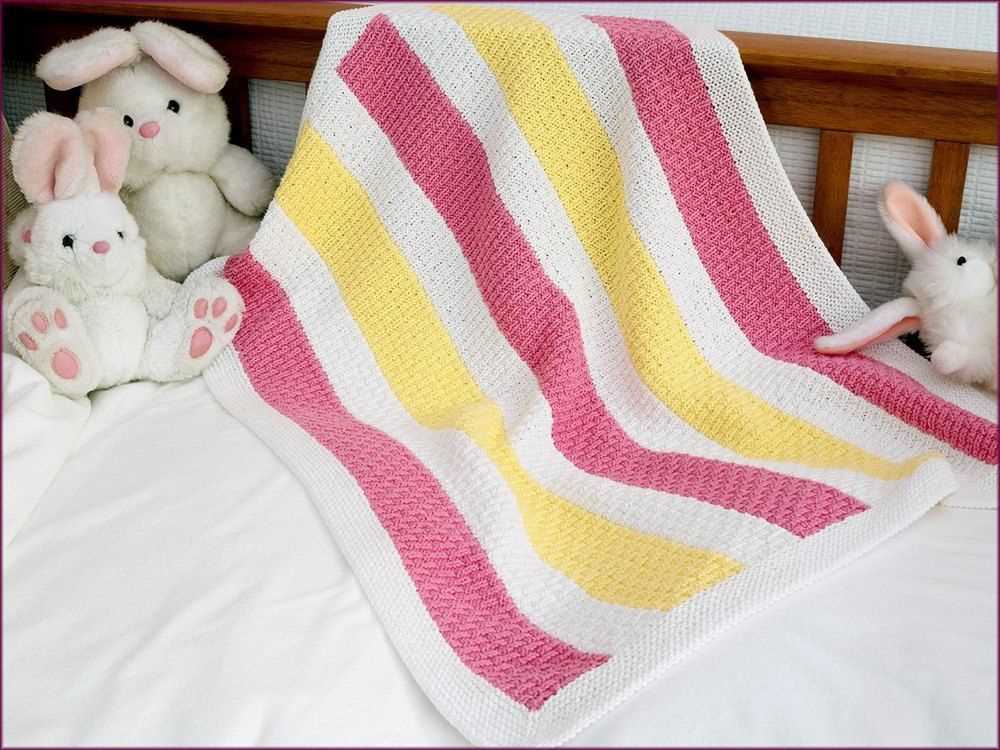
If you are planning to knit a cotton blanket, it is important to choose the right knitting needles to ensure the best results. The type and size of needles you use can greatly impact the finished project, including the overall appearance and texture of the blanket.
Material: When selecting knitting needles for a cotton blanket, it is recommended to choose needles made from a durable and lightweight material, such as bamboo or wood. These materials provide the necessary flexibility and smoothness for working with cotton yarn, while also being gentle on your hands.
Size: The needle size you use will depend on the desired tension and the weight of the cotton yarn you are working with. For most cotton blankets, a needle size between US 7 to US 9 (4.5mm to 5.5mm) is recommended. However, it is always a good idea to check the yarn label for recommended needle sizes or to swatch and experiment with different needle sizes to achieve the desired gauge.
Type: There are various types of knitting needles available, including straight needles, circular needles, and double-pointed needles. When knitting a cotton blanket, circular needles are often preferred as they provide flexibility and allow for the blanket to be easily worked in large sections. Additionally, circular needles can help distribute the weight of the blanket more evenly, reducing strain on your hands and wrists during long knitting sessions.
Length: When using circular needles for a cotton blanket, it is recommended to choose a length that accommodates the width of the blanket. A 32-inch (81cm) circular needle is commonly used for larger blankets, while a shorter length, such as 16-inch (41cm), can be suitable for smaller projects or working in sections.
Final Thoughts: Knitting a cotton blanket can be a rewarding project, and selecting the right knitting needles is an important step in ensuring the best results. By choosing the appropriate material, size, type, and length of needles, you can create a beautifully knitted cotton blanket that will be both functional and aesthetically pleasing.
How to Care for Your Knitted Cotton Blanket
Knitted cotton blankets can add warmth and style to any room, but like any other textile, they require proper care to keep them looking their best. Here are some tips to help you care for your knitted cotton blanket:
1. Read the Care Instructions:
Before you start cleaning your knitted cotton blanket, it’s important to read and follow the care instructions provided by the manufacturer. These instructions will provide you with specific guidance on how to clean the blanket without damaging it.
2. Hand Wash or Gentle Cycle:
Knitted cotton blankets are best washed by hand or using the gentle cycle of your washing machine. Use a mild detergent and cold water to prevent the cotton fibers from shrinking or stretching. Avoid using bleach or harsh chemicals that can damage the fabric.
3. Dry Flat:
After washing, avoid wringing or twisting the blanket to remove excess water. Instead, gently squeeze out the water and then lay the blanket flat to dry. This will help the blanket retain its shape and prevent it from stretching or shrinking. Avoid hanging the blanket to dry, as it can cause it to lose its shape.
4. Avoid Direct Sunlight:
When drying or storing your knitted cotton blanket, make sure to avoid direct sunlight. Prolonged exposure to sunlight can cause the colors to fade and weaken the fabric. Instead, choose a well-ventilated area away from direct sunlight to let the blanket dry naturally.
5. Store Properly:
When not in use, store your knitted cotton blanket in a cool and dry place. Avoid storing it in plastic bags or airtight containers, as this can trap moisture and promote mold or mildew growth. Instead, use a breathable fabric storage bag or fold the blanket neatly and place it in a linen closet or drawer.
By following these care instructions, you can help prolong the life of your knitted cotton blanket and keep it looking beautiful for years to come.
Adding Personal Touches to Your Blanket
When knitting a cotton blanket, there are many ways to add personal touches to make it truly unique and special. Here are some ideas to help you customize your blanket:
1. Color Selection:
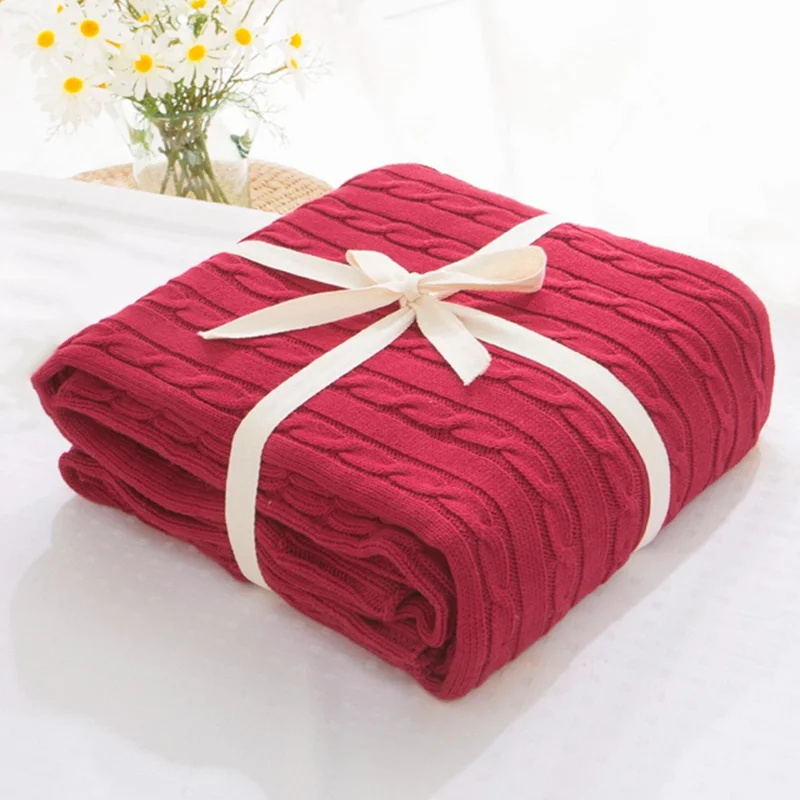
When choosing the colors for your blanket, think about the overall theme or mood you want to create. You can opt for a monochromatic color scheme for a more modern and sophisticated look, or you can mix and match different shades for a vibrant and playful feel. Consider selecting colors that resonate with you personally, such as your favorite shades or colors that hold special meaning.
2. Pattern Variation:
While the knitted cotton blanket pattern you are using may provide a beautiful design, feel free to experiment with variations to add your personal touch. You can incorporate different stitch patterns, such as cables or lace, to create texture and visual interest. Alternatively, you can modify the size or shape of the pattern to make it more suited to your preferences. Don’t be afraid to deviate from the original pattern and let your creativity shine.
3. Embellishments:
To add an extra touch of uniqueness to your cotton blanket, consider adding embellishments such as pom-poms, tassels, or fringe. These decorative elements can be added along the edges of the blanket or at specific intervals to create interest and enhance the overall look. Be sure to choose embellishments that complement the colors and style of your blanket for a cohesive and polished finish.
4. Personalization:
If you want to make your blanket truly one-of-a-kind, consider personalizing it with initials, names, or meaningful symbols. This can be done through embroidery, appliqué, or even by knitting intarsia patterns. Adding personal touches like these can turn your cotton blanket into a cherished heirloom or a thoughtful gift that holds sentimental value.
With these ideas in mind, you can create a knitted cotton blanket that not only provides warmth and comfort but also reflects your personal style and creativity. Have fun experimenting with different colors, patterns, and embellishments to make your blanket truly one of a kind.
Other Easy Knitting Projects for Beginners
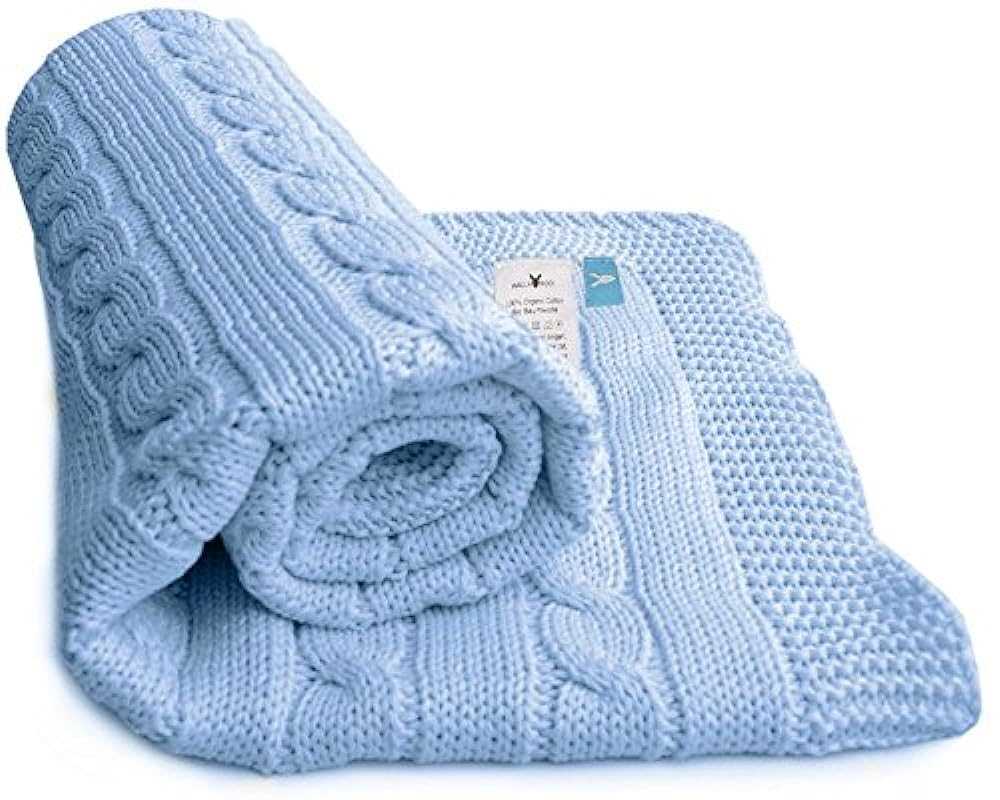
While the knitted cotton blanket pattern is a great project for beginners, there are many other easy knitting projects that you can try. These projects will help you develop your knitting skills while creating useful and beautiful items.
1. Scarves: Scarves are a classic knitting project that is perfect for beginners. You can choose from a variety of patterns, such as garter stitch or simple ribbing. Scarves are a versatile accessory that can be worn in any season and make great gifts.
2. Dishcloths: Dishcloths are another simple knitting project that is ideal for beginners. They are quick to knit and can be a great way to practice new stitch patterns. Dishcloths are also practical, as they can be used in the kitchen or bathroom.
3. Baby Booties: Baby booties are a cute and quick project that is perfect for beginner knitters. They can be made using basic stitches and are a great way to practice knitting in the round. Baby booties make adorable gifts for newborns.
4. Headbands: Knitted headbands are a trendy and easy project for beginners. They can be made using a simple garter stitch or ribbing pattern and are a great way to keep your ears warm during the colder months. Headbands also make stylish accessories.
5. Beanies: Beanies are a classic knitting project that is suitable for beginners. They can be made using basic stitches and are a great way to practice knitting in the round. Beanies are practical and stylish, and make great gifts for both men and women.
These are just a few examples of easy knitting projects for beginners. The key is to start with simple patterns and gradually increase the complexity as you gain more experience. With practice, you’ll be able to take on more challenging projects and create beautiful handmade items.
Common Mistakes to Avoid When Knitting a Cotton Blanket
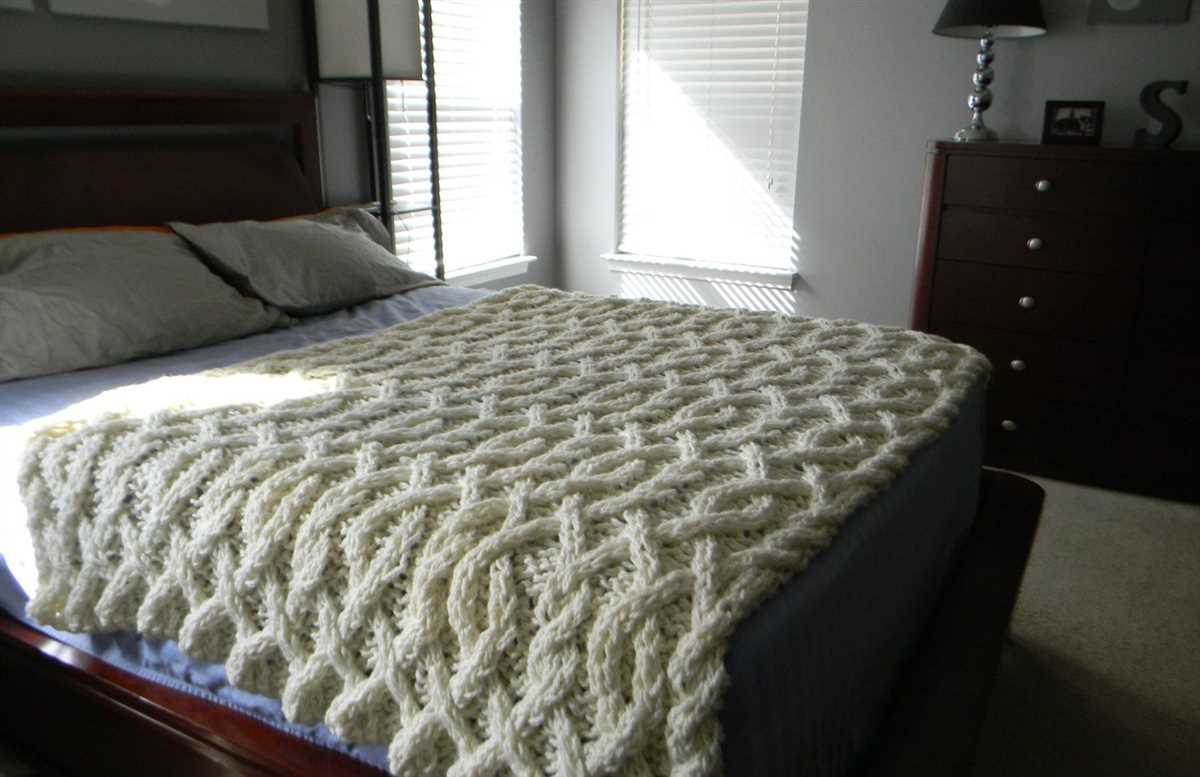
Knitting a cotton blanket can be a rewarding and enjoyable project, but it’s important to be aware of common mistakes that can arise during the process. By avoiding these mistakes, you can ensure that your blanket turns out beautifully and stands the test of time.
1. Using the wrong needle size: When working with cotton yarn, it’s crucial to choose the correct needle size. Cotton yarn tends to be less stretchy than other types of yarn, so using a needle that is too small can result in a tight and stiff fabric. On the other hand, using a needle that is too large can make the fabric too loose and prone to stretching out of shape. Be sure to check the recommended needle size on your yarn label and make any necessary adjustments based on your personal tension.
2. Ignoring gauge: Gauge refers to the number of stitches and rows per inch in a knitted fabric. It’s important to check your gauge before starting your cotton blanket, as using the wrong gauge can lead to a blanket that is too small or too large. Take the time to create a gauge swatch and measure it accurately to ensure that your blanket will turn out the desired size. If necessary, adjust your needle size or tension to achieve the correct gauge.
3. Not washing or blocking your finished blanket: Cotton yarn has a tendency to shrink or relax after washing. So, it’s important to wash and block your finished blanket to ensure that the stitches are even and the fabric lays flat. Not washing or blocking your blanket can result in a distorted shape or uneven appearance. Follow the washing instructions for your specific cotton yarn and take the time to block it to the proper dimensions.
4. Knotting or tangling the yarn: Cotton yarn is known for its smooth and slippery texture. It’s important to avoid knotting or tangling the yarn while working on your blanket as it can be difficult to undo and may create an uneven texture. Take care to store your yarn properly and untangle any knots or tangles as soon as they occur.
5. Rushing the knitting process: Knitting a cotton blanket takes time and patience. Rushing through the process can result in mistakes, dropped stitches, or uneven tension. Take breaks if needed and enjoy the process of creating something beautiful. By taking your time and being mindful, you’ll be able to avoid many common mistakes and create a stunning cotton blanket.
Final Thoughts on Knitted Cotton Blankets
Knitted cotton blankets are not only functional but also beautiful additions to any home. Whether you are a beginner or an experienced knitter, these blankets are a great project to take on. Not only do they provide warmth and comfort, but they also add a touch of handmade charm to your living space.
One of the advantages of knitted cotton blankets is their versatility. They can be used in any season – as a lightweight cover in the summer or as an extra layer of warmth in the winter. Additionally, cotton is a breathable and hypoallergenic material, making these blankets suitable for individuals with allergies or sensitive skin.
When it comes to choosing a pattern for your knitted cotton blanket, there are endless possibilities. You can opt for a simple garter stitch for a classic and timeless look, or experiment with more complex stitches and textures for a modern twist.
While knitting a cotton blanket may require some time and effort, the end result is well worth it. It is a gratifying experience to create something with your own hands that will bring comfort to yourself or a loved one. The process of knitting can also be a therapeutic and relaxing activity, providing a break from our busy lives.
In summary, knitted cotton blankets are a delightful combination of practicality and aesthetics. They offer warmth, comfort, and style to any space. Whether you are a beginner or an experienced knitter, there is a pattern out there waiting for you to bring it to life. So grab your needles and yarn and start knitting your own cozy masterpiece!