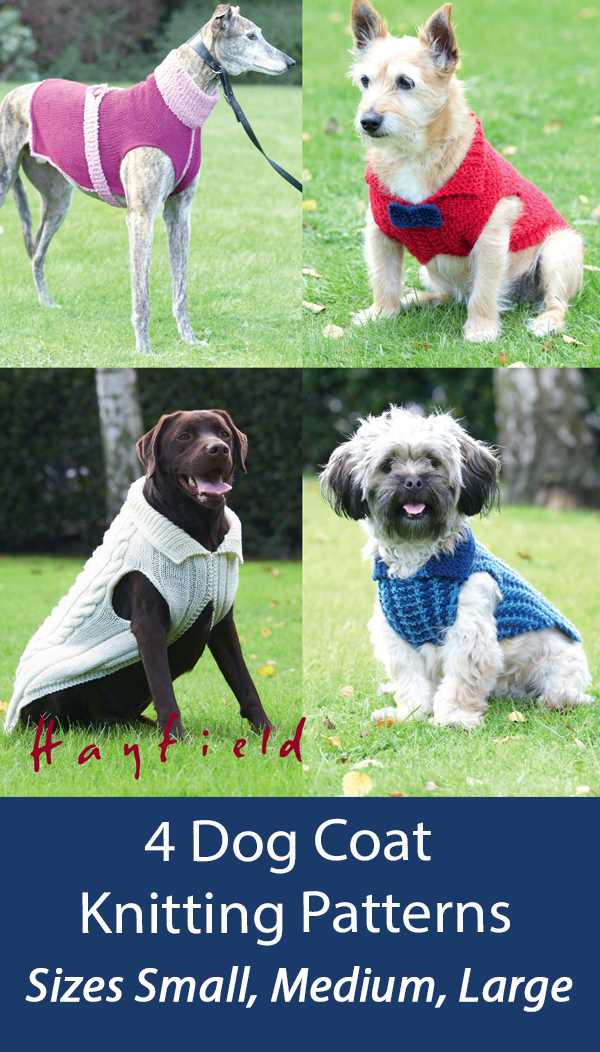
If you have a furry friend who gets chilly during the colder months, a knitted dog coat can be a great solution to keep them warm and stylish. Knitting your own dog coat allows you to customize the design and fit to perfectly suit your pup’s needs. And the best part is, you don’t have to be an expert knitter to create a cozy and fashionable coat for your canine companion.
One of the easiest ways to get started is by finding a knitted dog coat pattern in PDF format. A PDF pattern provides you with a printable and portable version of the instructions, making it convenient to take your project on the go or easily refer back to the pattern as needed. The pattern will typically include detailed instructions on the type of yarn to use, the size of needles, and the specific stitches and techniques required. It may also include a size chart to help you select the right measurements for your dog’s coat.
When searching for a knitted dog coat pattern in PDF format, there are plenty of options available online. You can find patterns that range from simple and basic designs to more intricate and decorative styles. Some patterns may even include additional features like buttons, pockets, or hoods. Additionally, the patterns may vary in size to accommodate different breeds and sizes of dogs.
So, if you’re ready to get started on knitting a cozy and stylish coat for your furry friend, download a knitted dog coat pattern in PDF format and let your creativity shine!
How to Knit a Dog Coat: Step-by-Step Guide and Pattern PDF
Knitting a dog coat can be a fun and rewarding project that not only keeps your furry friend warm but also allows you to showcase your knitting skills. In this step-by-step guide, we will walk you through the process of knitting a dog coat and provide you with a downloadable pattern PDF to make the process even easier.
Gather Your Materials
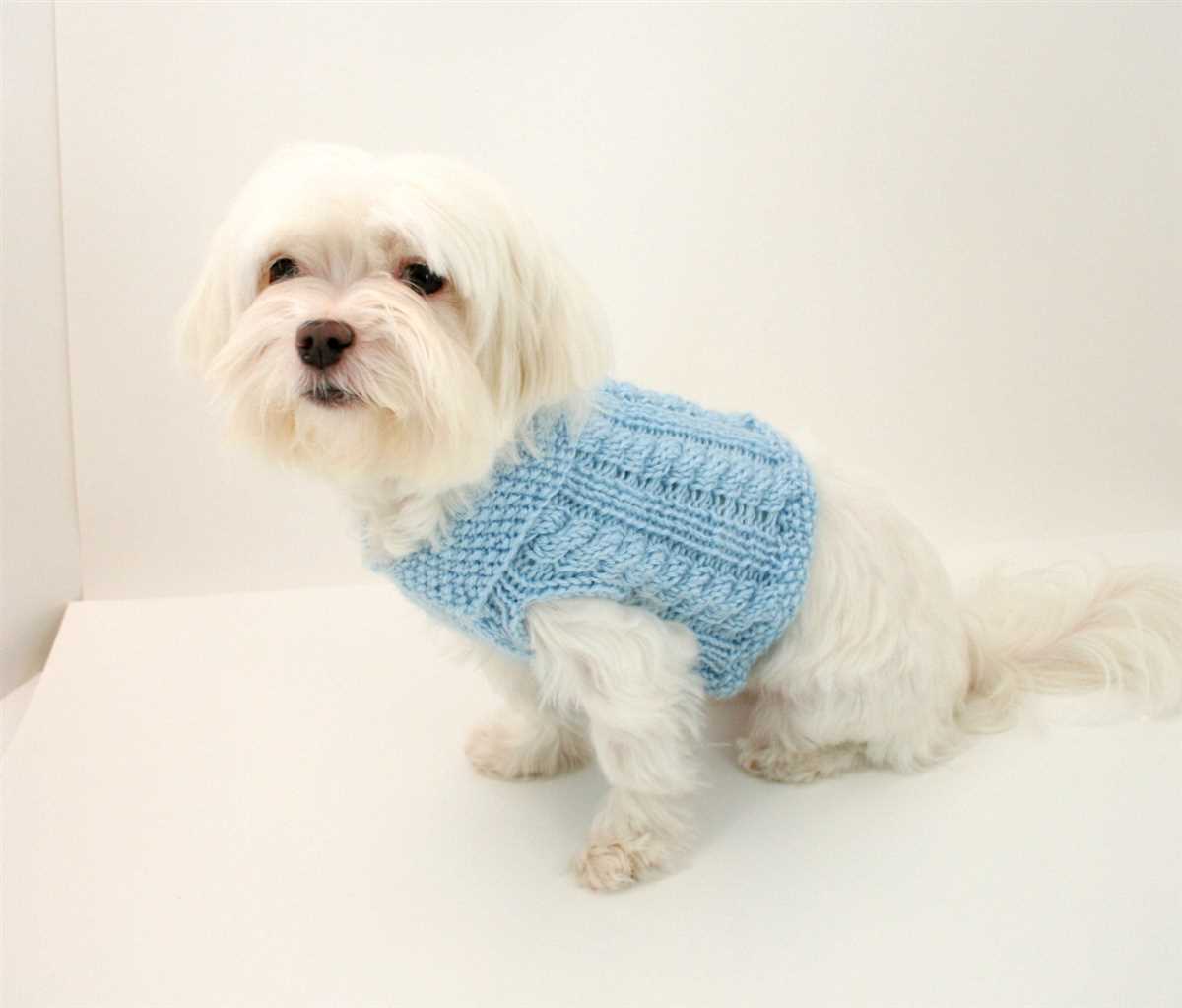
Before you begin knitting, gather all the materials you will need for this project. You will need a set of knitting needles appropriate for the yarn you have chosen, as well as the yarn itself. Make sure to choose a yarn that is soft and warm, yet durable enough to withstand your dog’s adventures.
You will also need a tape measure to take your dog’s measurements, as well as a pair of scissors and a yarn needle for finishing touches. Once you have all your materials ready, you can move on to the next step.
Measure Your Dog
To ensure a perfect fit, you will need to take precise measurements of your dog. Measure the circumference of their neck, chest, and the length of their back from the base of the neck to the base of the tail. Write down these measurements, as they will determine the size of your dog coat.
Choose a Pattern

With your dog’s measurements in hand, it’s time to choose a pattern. You can find a variety of dog coat patterns online, but for your convenience, we have provided a downloadable pattern PDF. This pattern will guide you through the entire knitting process, from casting on to finishing touches.
Knit Your Dog Coat
Once you have chosen your pattern, it’s time to start knitting! Follow the instructions in the pattern PDF, using the appropriate stitch and size to create your dog coat. Take your time and pay attention to the details, ensuring that each stitch is neat and even.
Finish and Try it On
Once you have completed knitting your dog coat, it’s time to finish it off and try it on your furry friend! Use a yarn needle to weave in any loose ends and give the coat a final inspection. Then, carefully put the coat on your dog and make any necessary adjustments for the perfect fit.
Now that you know the step-by-step process of knitting a dog coat and have a pattern PDF to guide you, you are ready to get started on this fun and rewarding project. Your furry friend will be cozy and stylish in their new handmade coat!
Importance of a Dog Coat
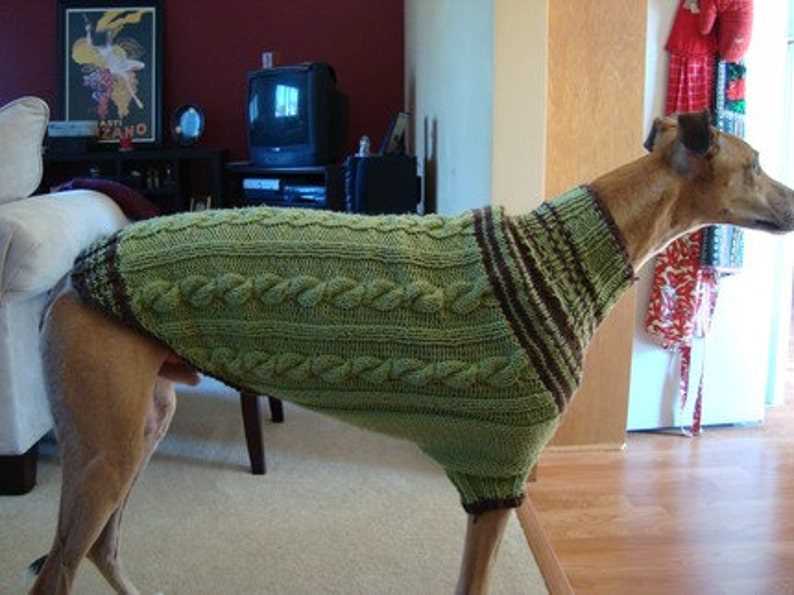
A dog coat is an essential accessory for your furry friend, especially during the colder months. Just like humans, dogs can feel the chill, and their coats aren’t always enough to keep them warm. This is especially true for smaller breeds or dogs with short hair. A dog coat provides an extra layer of insulation, helping to regulate the dog’s body temperature and protect them from the elements.
Keeping your dog warm is not just about their comfort, but it’s also crucial for their health. Dogs that are exposed to cold temperatures for extended periods of time can develop hypothermia, which can be life-threatening. A dog coat helps to prevent this by providing a barrier against the cold and keeping the dog’s body heat from escaping. It also helps to keep their muscles warm, reducing the risk of strains or injuries.
When choosing a dog coat, it’s important to consider the material and fit. Look for a coat made of a warm and water-resistant material, such as fleece or nylon. The coat should fit snugly, but not too tight, allowing for easy movement. It should cover the dog’s chest, back, and sides, providing full coverage. A coat with adjustable straps or Velcro closures is ideal, as it allows for a customized fit.
In addition to keeping your dog warm, a coat can also provide added visibility and safety. Look for coats with reflective strips or bright colors, making it easier to spot your dog, especially during walks in low-light conditions. This can help prevent accidents and ensure your dog is easily seen by motorists or other pedestrians.
Overall, investing in a good-quality dog coat is a must for any dog owner. It not only keeps your furry friend warm and protected from the cold, but it also contributes to their overall health and well-being. So, next time you’re going for a walk with your dog on a chilly day, make sure they’re wearing a coat to keep them cozy and comfortable.
Choosing the Right Yarn and Needles for Knitting
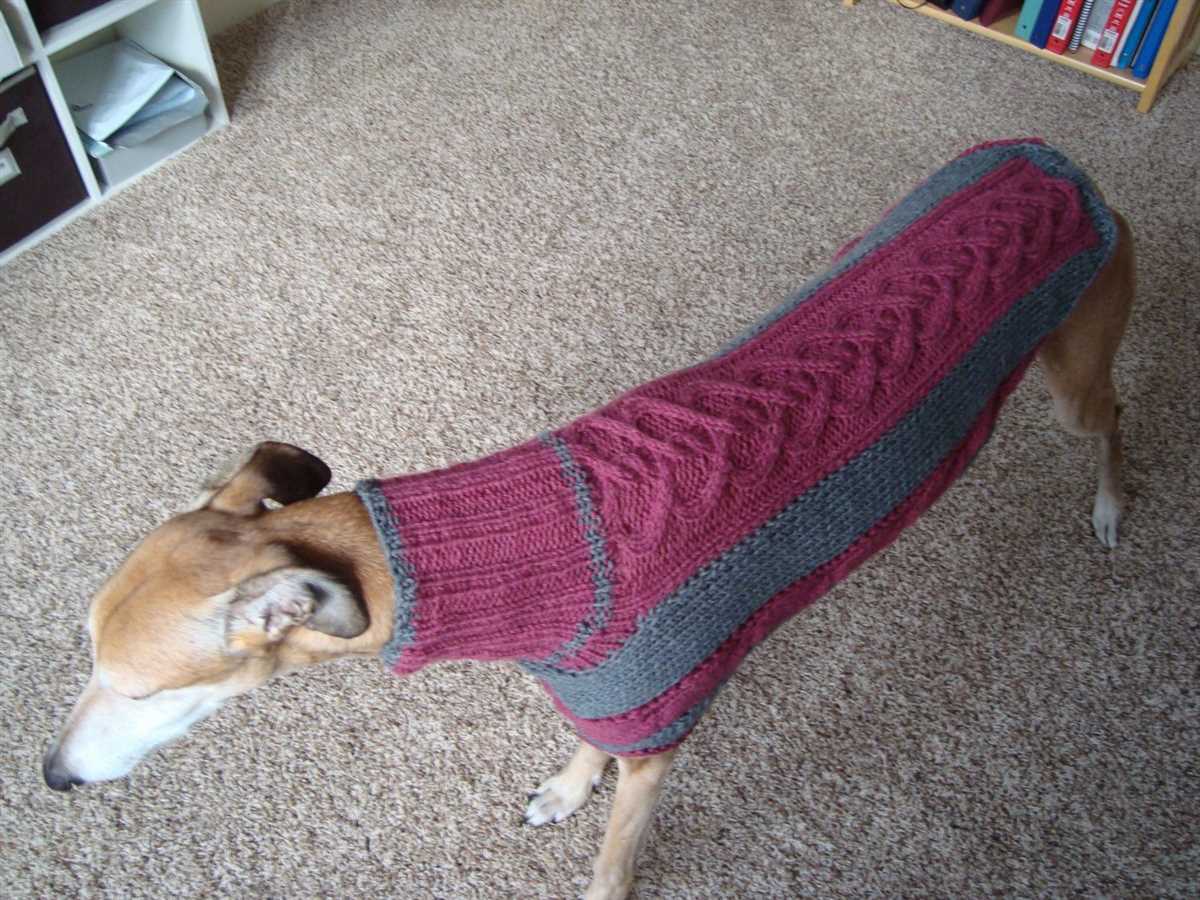
When it comes to knitting, one of the most important factors to consider is choosing the right yarn and needles for your project. The type of yarn and needles you use can greatly affect the outcome of your knitting, so it’s essential to make the right choices.
Yarn
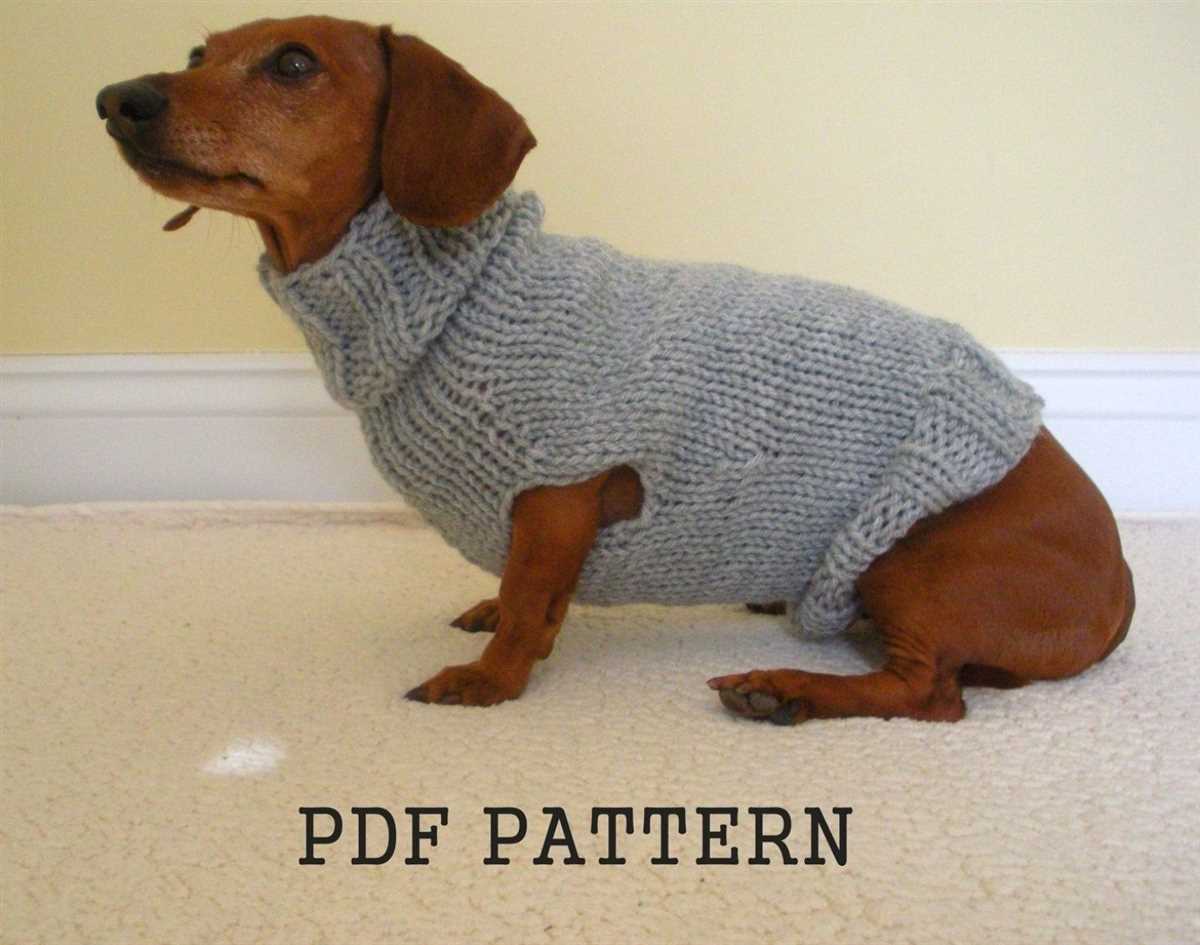
When selecting yarn for your knitting project, consider the weight and fiber content. The weight of the yarn refers to its thickness, and it can range from fine to bulky. The weight of the yarn you choose will depend on the pattern you’re working with and the desired outcome. Thicker yarns can create a chunkier, warmer fabric, while finer yarns are better for delicate and lightweight projects.
The fiber content of the yarn is also important to consider. Common yarn fibers include wool, cotton, acrylic, and blends. Each fiber has its own properties, such as warmth, softness, and durability. Consider the qualities you desire in your finished project and choose a yarn that aligns with those needs.
Needles
When it comes to knitting needles, there are several factors to consider, including the material, size, and type. Needles can be made from various materials, such as wood, metal, or plastic. The type of material you choose can affect the feel of your knitting and how the stitches slide on the needle.
The size of the needles is also important and should match the recommended gauge of the pattern you’re working with. Most patterns will specify the recommended needle size to achieve the desired gauge. Using the correct needle size will ensure that your finished project turns out the right size and shape.
Lastly, consider the type of needles that work best for you. There are straight needles, circular needles, and double-pointed needles, each with its own advantages and uses. Experiment with different types to find what feels most comfortable and suits your knitting style.
In conclusion, choosing the right yarn and needles for knitting is crucial for the success of your project. Consider the weight and fiber content of the yarn, as well as the material, size, and type of needles. By making informed choices, you can ensure that your knitting turns out beautifully and meets your expectations.
Measuring Your Dog for the Perfect Fit

Before starting to knit a dog coat, it is important to measure your dog properly to ensure the perfect fit. Measuring your dog will help you determine the size and dimensions of the coat, ensuring that it fits comfortably and provides the necessary warmth and protection.
Here are the steps to measure your dog:
- Measure the length: Start by measuring the length of your dog from the base of its neck to the base of its tail. This will determine the overall length of the coat.
- Measure the chest: Wrap a measuring tape around the widest part of your dog’s chest, just behind its front legs. This will determine the width of the coat.
- Measure the neck: Wrap the tape around the base of your dog’s neck, where the collar would usually sit. This will determine the size of the coat’s neck opening.
- Measure the girth: Wrap the tape around the widest part of your dog’s girth, which is usually just behind its front legs. This will determine the circumference of the coat.
It is important to accurately measure your dog, as a poorly fitting coat can cause discomfort and restrict movement. Once you have obtained these measurements, refer to the knitting pattern for your desired coat to determine the appropriate size to knit. By measuring your dog properly, you can ensure that the finished coat will fit well and keep your furry friend cozy and stylish.
Understanding the Knitting Pattern
When embarking on a knitting project, it is important to have a clear understanding of the knitting pattern. The pattern serves as a guide, outlining the steps and techniques required to create the desired end result. It is like a roadmap that helps knitters navigate through the project.
The first step in understanding a knitting pattern is to carefully read through it. Pay close attention to the materials required, stitch abbreviations, and any special instructions or techniques. Familiarize yourself with the different stitches and techniques used in the pattern, such as knit, purl, increases, decreases, and cables. Understanding these basic knitting techniques will help you follow the pattern more easily.
One important aspect of a knitting pattern is the gauge. The gauge determines the size and fit of the final project. It is crucial to match the gauge specified in the pattern in order to achieve the desired measurements. To obtain the correct gauge, it is recommended to create a swatch using the specified yarn and needles. Measure the swatch and adjust your needle size if needed.
As you work through the pattern, it is helpful to keep track of your progress. You can do this by using stitch markers to mark important sections, or by simply using a pencil or highlighter to mark off completed rows. This will help you stay organized and avoid mistakes.
Lastly, don’t be afraid to ask for help if you encounter any difficulties. Knitting patterns can sometimes be complex, especially for beginners. Reach out to fellow knitters, join online forums or knitting groups, or consult knitting tutorials and videos for guidance. Remember, practice makes perfect, and with time and experience, you will become more skilled in interpreting and executing knitting patterns.
Casting On and Starting the Pattern
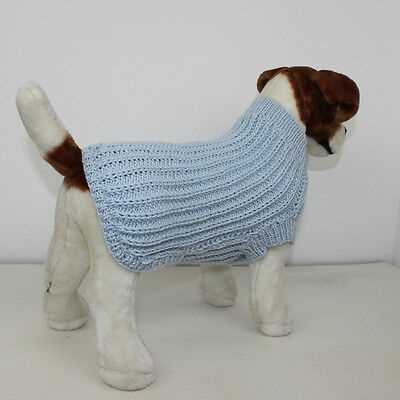
Before you get started with knitting your dog coat, you will need to cast on your stitches. The cast-on method you choose will depend on your personal preference. You can use a simple backward loop cast on, a long-tail cast on, or any other cast-on method that you are comfortable with. Make sure to cast on the number of stitches specified in the pattern.
Once you have cast on your stitches, it’s time to start working on the pattern. The pattern will provide you with a set of instructions on how to knit the coat, row by row. Follow the instructions carefully, making sure to read each line before you start knitting.
Row 1: Knit 2, purl 1, knit 2, purl 1, knit 2, purl 1, knit 2. (16 stitches)
Row 2: Purl 2, knit 1, purl 2, knit 1, purl 2, knit 1, purl 2. (16 stitches)
Keep in mind that the pattern may include different stitch combinations and techniques, such as increases, decreases, or cables. If there is a specific abbreviation or symbol that you are unfamiliar with, refer to the pattern’s key or a knitting glossary for clarification.
If you are knitting in the round, you will need to join your stitches into a loop. Make sure that your stitches are not twisted before joining. You can use a stitch marker to mark the beginning of each round.
As you work through the pattern, it’s important to keep track of your progress. You can use stitch markers or a row counter to help you keep count of your rows or pattern repeats. This will ensure that your coat turns out the right size and shape.
Enjoy the process of knitting your dog coat and watching it come together row by row. Take your time, stay focused, and don’t be afraid to ask for help if you need it. Happy knitting!
Knitting the Body of the Dog Coat
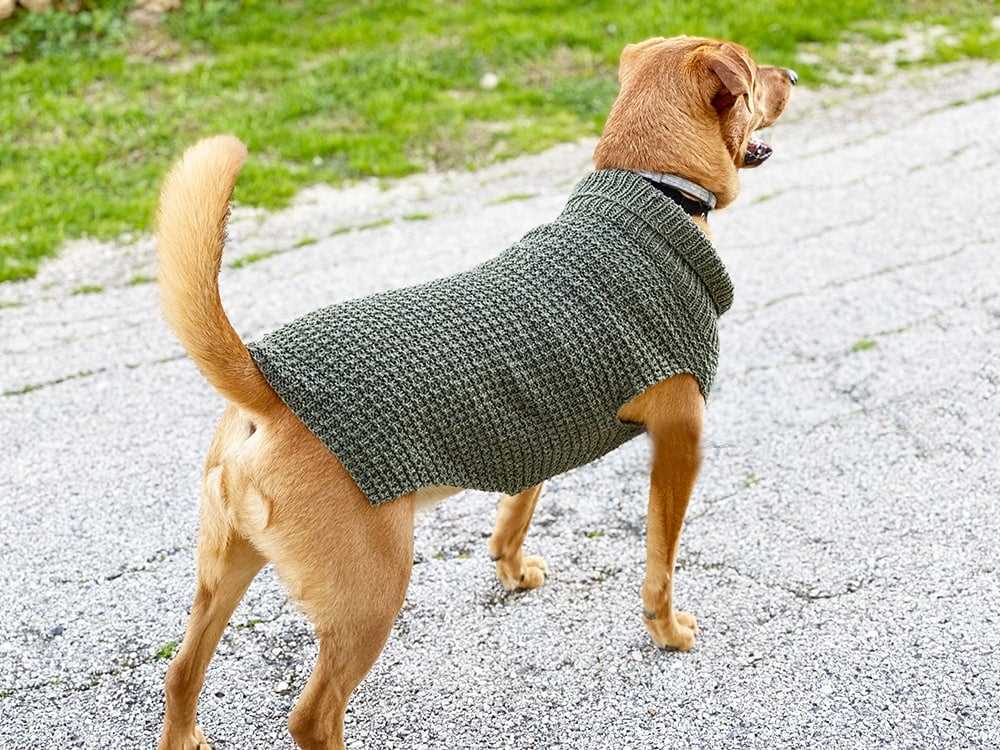
Once you have completed knitting the ribbing for the belly band, it’s time to move on to the body of the dog coat. The body is knit in a simple stockinette stitch, which creates a smooth and even fabric.
To begin, cast on the required number of stitches for your dog’s size. Make sure to refer to the pattern for the specific measurements. Once you have cast on, you can continue knitting in the stockinette stitch until the desired length is reached.
Note: It’s important to periodically measure your dog to ensure the coat will fit properly. You can easily adjust the length by knitting more or fewer rows.
When knitting the body, remember to keep track of any shaping that may be required. This could include decreases for the neck or increases for the chest area. Again, refer to the pattern for specific instructions on when and how to shape the body.
Tips:
- Use stitch markers to keep track of any shaping or pattern repeats.
- Check your gauge to ensure the coat will fit your dog correctly.
- Take breaks and stretch your hands and wrists to prevent strain.
Continue knitting the body until you reach the designated length. Once you have completed the body, you can move on to the next step of the pattern, which may include knitting the leg holes or adding additional details to the coat.
Remember, take your time and enjoy the process of knitting your dog’s coat. It’s a great way to show your love and keep them warm during the colder months!
Creating Openings for the Legs and Tail
When knitting a dog coat, it is important to create openings for the legs and tail to ensure a proper fit and comfort for your furry friend. This step-by-step guide will show you how to make these openings in your knitted dog coat.
1. Leg Openings
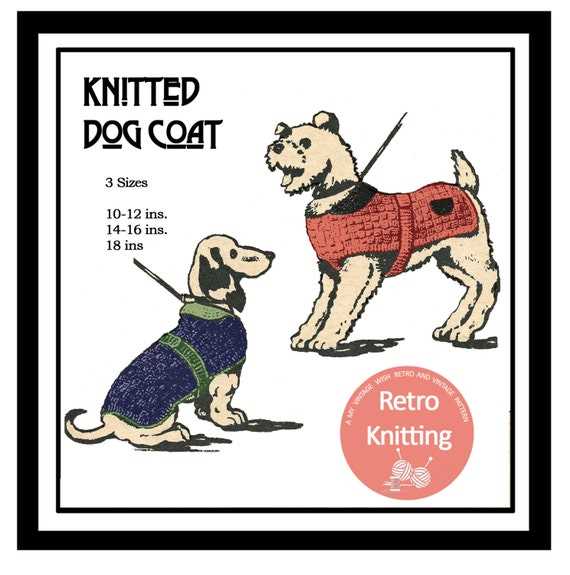
To create leg openings, you will need to work with a set of double-pointed needles. Begin by identifying the location where the leg openings should be. This will depend on the size and shape of your dog. Typically, leg openings are positioned near the bottom edge of the coat and are centered around the front and back legs.
Once you have identified the leg opening locations, divide the stitches for each leg opening onto a set of double-pointed needles. Make sure to evenly distribute the stitches between the needles. This will ensure an even and symmetrical leg opening.
2. Tail Opening
Creating a tail opening in your knitted dog coat will allow your dog to move freely and comfortably. Begin by determining the location of the tail opening. This will depend on the length and position of your dog’s tail.
Once you have determined the location, you will need to decrease stitches to create the tail opening. Follow the pattern instructions to make the necessary decreases, ensuring that the opening is large enough for your dog’s tail to comfortably pass through.
By creating these openings for the legs and tail, you can ensure that your dog’s coat fits properly and allows for freedom of movement. Remember to follow your pattern instructions and adjust the locations and sizes of the openings to suit your dog’s individual needs.
Shaping the Neck Opening
When knitting a dog coat, one important element to consider is shaping the neck opening. This is the area where the dog’s head will pass through, so it needs to be wide enough to comfortably fit the dog’s neck, but not too large that it falls off easily. The shaping of the neck opening can be done through a variety of methods, such as increasing or decreasing stitches, or using short rows.
Increasing Stitches: One way to shape the neck opening is by increasing stitches. Typically, this is done by knitting or purling two stitches into the same stitch, which creates an extra stitch. The number of increases needed will depend on the desired size of the neck opening and the stitch pattern being used for the dog coat.
Decreasing Stitches: On the other hand, if the neck opening needs to be smaller, decreasing stitches can be utilized. This can be done by knitting or purling two stitches together, which reduces the number of stitches. Decreasing stitches is often done in a gradual manner to create a smooth curve for the neck opening.
Short Rows: Another technique for shaping the neck opening is by using short rows. Short rows allow for creating a curved or sloped shape without changing the stitch count. By knitting or purling only a portion of the stitches in a row and then turning the work, the fabric can be shaped in a specific manner. Short rows can be combined with increasing or decreasing stitches to achieve the desired size and shape for the neck opening.
In summary, shaping the neck opening in a knitted dog coat involves increasing or decreasing stitches, or using short rows. The method chosen will depend on the pattern and desired outcome. Careful attention to shaping the neck opening ensures a well-fitting and comfortable coat for the furry friend.
Adding Decorative Elements
When knitting a dog coat, it’s important to not only consider the functional aspects, but also the aesthetic appeal. Adding decorative elements can enhance the overall look of the coat and make it more stylish and eye-catching.
1. Colorwork: One way to add decorative elements is through colorwork. You can use different colored yarns to create patterns or motifs on the coat. Fair Isle knitting, intarsia, or stranded colorwork techniques can be used to incorporate multiple colors and create intricate designs.
2. Embellishments: Embellishments like buttons, beads, or appliques can also be added to the dog coat to give it a unique touch. You can sew on small decorative buttons along the edges or add a few beads for a subtle shimmer. If you’re feeling more adventurous, you can create or purchase appliques in the shape of flowers, animals, or other fun designs and sew them onto the coat.
3. Cables: Cables are another decorative element that can be incorporated into a knitted dog coat. By crossing stitches over each other, you can create intricate cable patterns that add texture and visual interest to the coat. Cables can be used as a border, along the back, or as a central feature on the coat.
4. Ribbing and Edging: Adding ribbing or different types of edging can also enhance the decorative aspect of the dog coat. Ribbing can be used on the collar, cuffs, or hem to create a neat and structured look. You can experiment with different stitch patterns for the ribbing or add an eye-catching picot edging for a touch of elegance.
5. Personalizations: Finally, consider personalizing the dog coat by adding the dog’s name or initials. This can be done using duplicate stitch, cross-stitch, or even embroidery. It’s a great way to make the coat feel more special and customized for your furry friend.
Remember to consider the overall design aesthetic and choose decorative elements that complement the style and size of your dog’s coat. Have fun experimenting and adding your own creative touches to make a unique and beautiful knitted dog coat.
Finishing Off and Securing Loose Ends
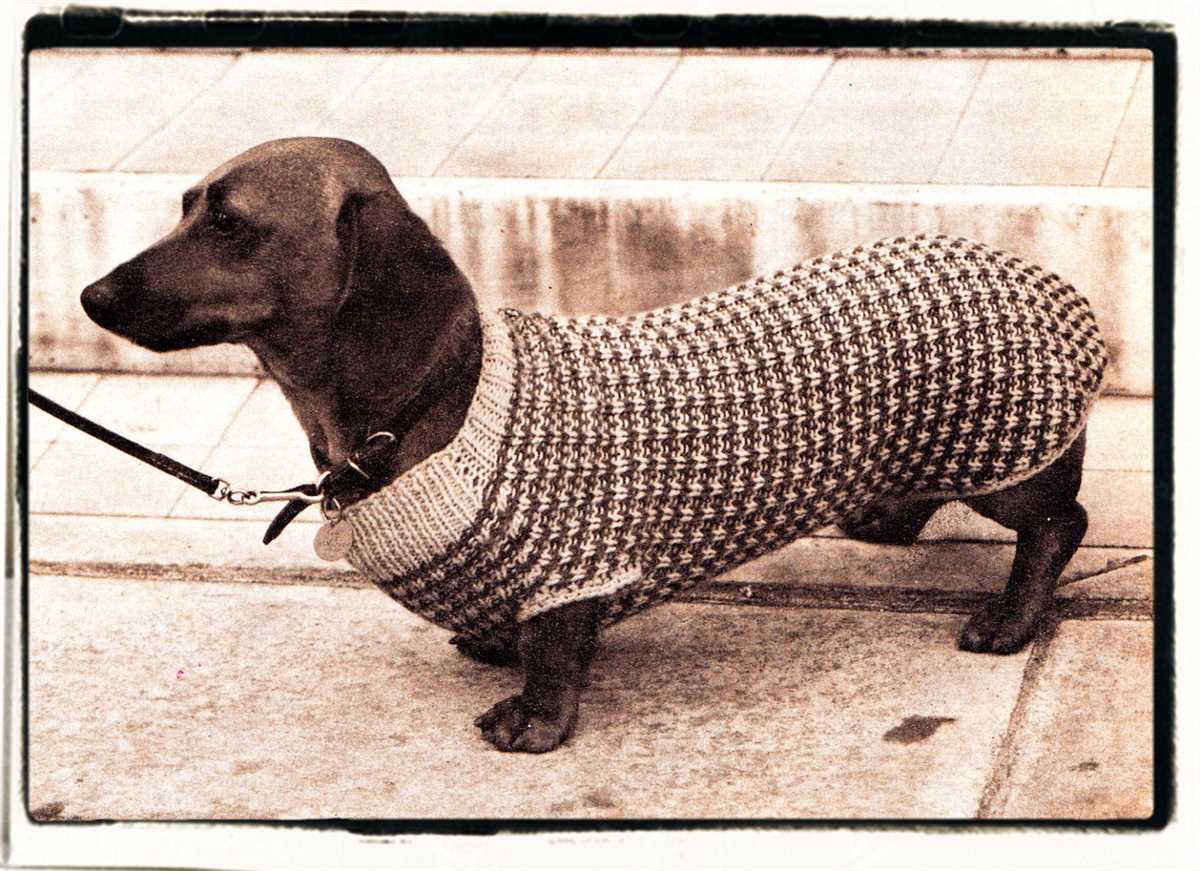
Once you have completed knitting your dog coat, it is important to properly finish off your work and secure any loose ends. This will ensure that your coat is durable and long-lasting. Here are some steps to follow:
Weaving in Ends:
- Using a tapestry needle, thread the loose end of yarn onto the needle.
- On the wrong side of the fabric, insert the needle through the stitches near the loose end.
- Weave the needle in and out of the stitches, moving in different directions to secure the yarn.
- Continue weaving for about 2-3 inches or until you are confident that the yarn is secure.
- Trim off any excess yarn, leaving a small tail.
Blocking:
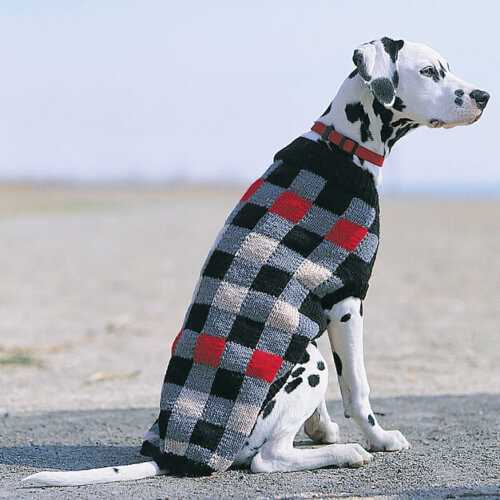
Blocking your knitted dog coat can help to give it a professional finish.
- Fill a basin or sink with lukewarm water and a small amount of gentle detergent.
- Place the coat in the water, making sure it is fully submerged.
- Gently squeeze out any excess water, being careful not to wring or twist the fabric.
- Lay a clean towel on a flat surface and place the coat on top.
- Smooth out any wrinkles or creases, making sure the coat is shaped correctly.
- Allow the coat to air dry, flipping it over halfway through to ensure both sides are dry.
Following these steps will ensure that your knitted dog coat is finished off neatly and any loose ends are securely fastened. It is important to take the time to properly finish your work to achieve the best result. Your finished coat will be ready to keep your furry friend warm and stylish!
Download the Free Knitted Dog Coat Pattern PDF
Thank you for your interest in the free knitted dog coat pattern! We hope your furry friend will enjoy their new cozy coat. Simply follow the instructions below to download the pattern PDF.
To download the free knitted dog coat pattern PDF, please click the link below:
Download Knitted Dog Coat Pattern PDF
After clicking the link, the PDF file will automatically start downloading to your device. If it doesn’t, you can try right-clicking the link and selecting “Save link as” to manually save the file to your preferred location.
Note: Please make sure you have Adobe Acrobat Reader or any other PDF reader software installed on your device to open and view the pattern.
Once you have downloaded and saved the PDF file, you can open it, print it, or save it for future reference. The pattern includes detailed instructions along with the necessary materials and measurements required.
Happy knitting and we hope your dog enjoys their new stylish and warm coat!
Q&A:
Where can I find a knitted dog coat pattern in PDF format?
You can find a knitted dog coat pattern in PDF format on various websites that offer knitting patterns such as Etsy, Ravelry, and LoveCrafts. You can browse through the available patterns and choose one that suits your needs.
Are there any free knitted dog coat patterns available in PDF format?
Yes, there are free knitted dog coat patterns available in PDF format. You can find them on websites like Ravelry, LoveCrafts, and Knitting Pattern Central. Simply search for “free knitted dog coat pattern” and you should be able to find a few options to choose from.
Can I customize the knitted dog coat pattern to fit my dog’s size?
Yes, you can customize the knitted dog coat pattern to fit your dog’s size. Most patterns will provide instructions on how to adjust the measurements to fit different sizes. You may need to take accurate measurements of your dog’s chest, neck, and length to ensure a proper fit.
What materials will I need to knit a dog coat?
To knit a dog coat, you will need yarn in the desired color and weight, knitting needles in the appropriate size, and a set of stitch markers. You may also need buttons or other fasteners for closures, depending on the design of the dog coat. The specific materials required can vary depending on the pattern you choose.
Are there different types of knitted dog coat patterns available?
Yes, there are different types of knitted dog coat patterns available. Some patterns may focus on simple and functional designs, while others may feature more intricate stitch patterns or decorative details. You can choose a pattern that suits your skill level and the style you prefer for your dog’s coat.
Where can I find a knitted dog coat pattern pdf?
You can find a knitted dog coat pattern pdf on various online platforms or websites such as Ravelry, Etsy, or Craftsy. Additionally, many knitting blogs and forums may also offer free or paid patterns for knitted dog coats. You can search for specific patterns by using keywords like “knitted dog coat pattern pdf” on search engines.