
When the cold winter weather rolls around, keeping your home warm and cozy becomes a top priority. One way to help seal out the drafts and keep your heating bill down is by using a draft stopper. And what better way to make your draft stopper than with a knitted pattern?
A knitted draft stopper not only serves a practical purpose, but it can also add a touch of warmth and style to your home decor. Whether you’re a beginner knitter or an experienced one, this pattern is sure to be a fun and rewarding project.
In this article, we will provide you with a step-by-step guide on how to create your very own knitted draft stopper. We’ll cover everything from choosing the right yarn and needles to learning the necessary knitting techniques. With our detailed instructions and helpful tips, you’ll be able to create a beautiful draft stopper that will keep your home cozy all winter long.
How to Knit a Draft Stopper: A Step-by-Step Guide
Are you tired of feeling cold air coming in through the cracks in your doors and windows? A draft stopper is a simple and effective solution to keep your home warm and cozy. In this step-by-step guide, we will show you how to knit your own draft stopper.
Materials:
- Knitting needles (size 8 or 9)
- Bulky yarn in the color of your choice
- Tapestry needle
- Scissors
- Ruler or tape measure
Step 1: Measure
Start by measuring the length of the gap you want to cover with the draft stopper. Use a ruler or tape measure to get an accurate measurement. Make sure to add a few inches to allow for the stuffing and seam.
Step 2: Cast On
Using the bulky yarn and knitting needles, cast on the desired number of stitches. This will depend on the width of your draft stopper. For example, if you want it to be 6 inches wide, you can cast on around 30 stitches.
Step 3: Knit
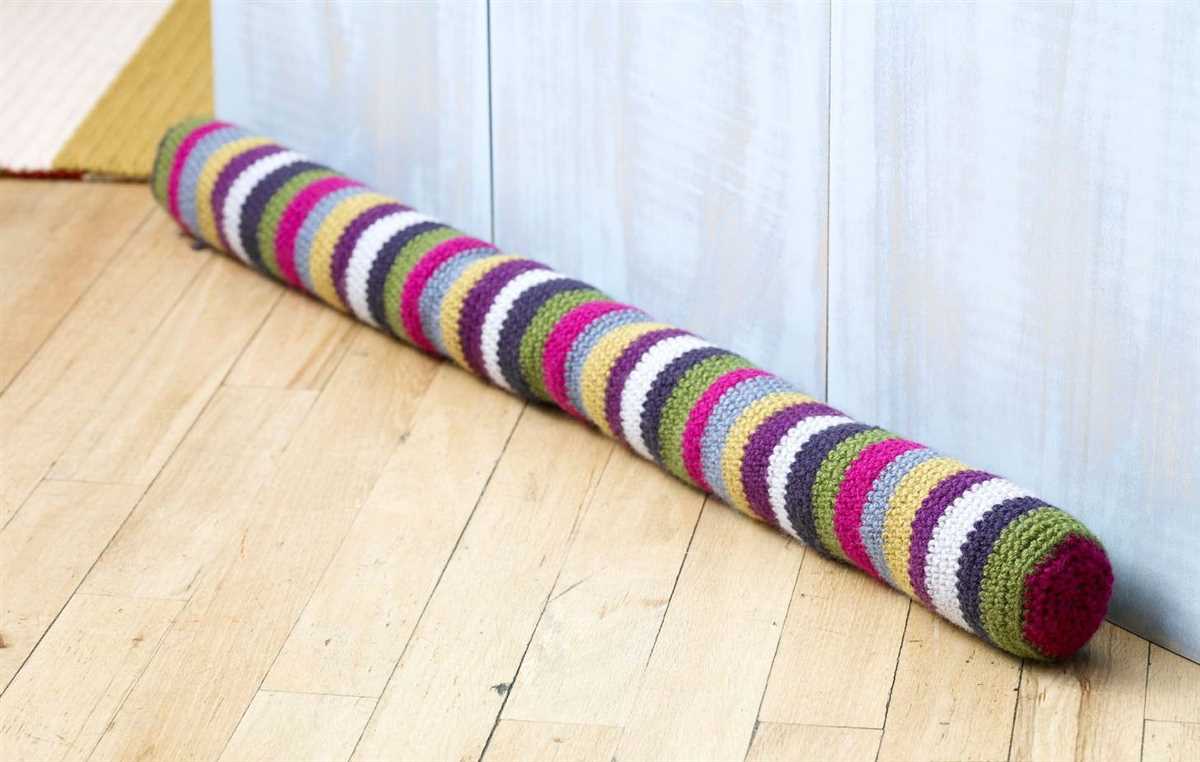
Knit every row in garter stitch until your draft stopper reaches the desired length. This will give it a nice textured look and help it stay in place.
Step 4: Bind Off
Once your draft stopper is the right length, bind off all the stitches. Cut the yarn, leaving a long tail for sewing.
Step 5: Stuff and Sew
Using a tapestry needle, thread the long tail through the stitches to close up one end of the draft stopper. Then, fill the tube with stuffing of your choice. You can use polyester fiberfill or even dried beans or rice for added weight.
Step 6: Finish
Once the draft stopper is filled, sew up the other end using the same method as before. Make sure the ends are securely closed and the stuffing is evenly distributed.
Congratulations! You have successfully knitted a draft stopper. Place it along the bottom of your door or window to keep the cold air out and enjoy a warm and cozy home.
Essential Materials for Knitting a Draft Stopper
When it comes to knitting a draft stopper, having the right materials is key to creating a functional and effective product. Here are the essential materials you will need to get started:
1. Yarn: Choose a yarn that is thick and sturdy, as it will need to provide enough insulation to block drafts from entering your home. Wool or acrylic yarns are popular choices for this project.
2. Knitting Needles: Depending on your knitting style and the thickness of your chosen yarn, you will need a pair of appropriate size knitting needles. Circular needles can also be used if you prefer.
3. Tapestry Needle: A tapestry needle is essential for weaving in ends and joining pieces together when finishing your draft stopper. Look for one with a large eye and a blunt tip for easy use.
4. Tape Measure: Accurate measurements are important for ensuring that your draft stopper fits snugly against the door or window. Use a tape measure to measure the length and width of the area you want to cover.
5. Fiberfill or Stuffing: To give your draft stopper its shape and structure, you will need fiberfill or stuffing. This material will help the draft stopper stay in place and effectively block drafts.
Once you have gathered all the necessary materials, you will be ready to start knitting your draft stopper. Make sure to follow a pattern that suits your skill level and desired design, and enjoy the process of creating a functional and stylish addition to your home.
Choosing the Right Yarn for Your Draft Stopper

When it comes to knitting a draft stopper, selecting the right yarn is crucial. The yarn you choose will determine the effectiveness, durability, and aesthetic appeal of the final product. Here are some key factors to consider when selecting the perfect yarn for your project.
Type of Yarn

One important factor to consider is the type of yarn you will use. It is recommended to choose a bulky or super bulky weight yarn for a draft stopper, as these types of yarns provide excellent insulation and density. Additionally, opt for a yarn that is tightly spun to prevent any gaps or holes in the knitted fabric, ensuring the draft stopper effectively blocks cold air and drafts.
Fiber Content
The fiber content of the yarn will also play a significant role in the functionality of your draft stopper. Natural fibers, such as wool or alpaca, are excellent choices as they provide excellent insulation and retain warmth effectively. Additionally, these fibers are durable and resilient, ensuring your draft stopper will last for years to come. However, if you prefer a vegan or animal-friendly option, acrylic yarn is a suitable alternative.
Color and Aesthetic
While the primary function of a draft stopper is to block drafts, it is still important to consider the aesthetic appeal of your project. Choose a yarn color that complements the decor of the room where the draft stopper will be used. Additionally, consider using variegated or self-striping yarn to add visual interest to the knitted fabric. The choice of yarn color and pattern can transform a functional item into a stylish and decorative accessory for your home.
Quantity
Finally, consider the quantity of yarn you will need for your draft stopper. The length and thickness of your project will vary depending on the size of your door or window. Before purchasing yarn, measure the length and width of the door or window, and calculate the approximate amount of yarn required based on the pattern you are following. It is always better to have a slightly larger quantity of yarn than to run out in the middle of your project.
By considering these factors when choosing your yarn, you can ensure that your draft stopper will not only be functional and effective but also a beautiful addition to your home decor. Take your time to explore different yarn options and experiment with colors and textures to create a draft stopper that is both practical and visually appealing.
Top 5 Knitting Stitches for Draft Stoppers
If you are looking to make a draft stopper for your home, there are several knitting stitches that are perfect for this project. These stitches not only add visual interest to your draft stopper, but they also create a tight, dense fabric that effectively blocks out drafts and cold air. Here are the top five knitting stitches that you can use to create an effective draft stopper:
1. Garter Stitch
The garter stitch is the simplest and most basic stitch in knitting, and it is perfect for a draft stopper. Knitting every row creates a dense, squishy fabric that provides excellent insulation against drafts. Plus, the garter stitch is incredibly easy to knit, making it ideal for beginners.
2. Seed Stitch
The seed stitch is a textured stitch that alternates between knit and purl stitches. This stitch creates a bumpy, nubby fabric that adds visual interest to your draft stopper. The alternating knits and purls also create a thicker fabric, which helps block out drafts.
3. Basketweave Stitch

The basketweave stitch is a combination of knits and purls that creates a woven-like fabric. This stitch adds texture and depth to your draft stopper, while also creating a dense fabric that effectively stops drafts. The basketweave stitch is also fun to knit and keeps you engaged throughout the project.
4. Rib Stitch
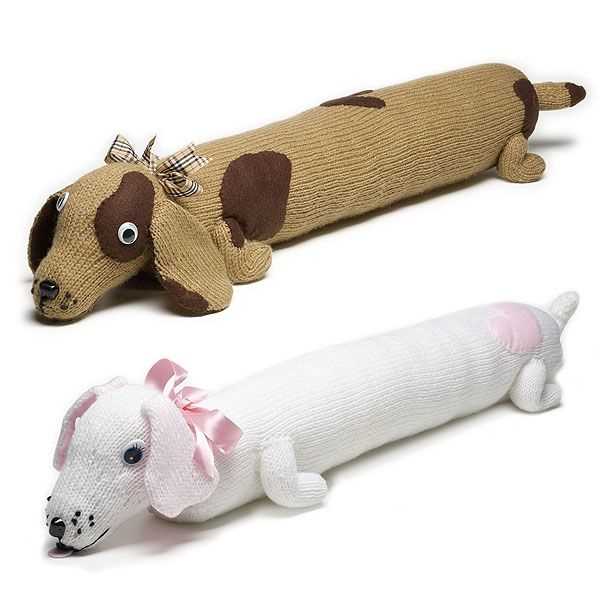
The rib stitch is a versatile stitch that is commonly used for cuffs and hems in knitting. It is created by alternating knit and purl stitches in a specific pattern, such as 2×2 (2 knits, 2 purls). The rib stitch not only adds stretch to your draft stopper, making it easier to fit against doors and windows, but it also creates a dense fabric that keeps drafts at bay.
5. Moss Stitch

The moss stitch is another textured stitch that alternates between knit and purl stitches. It creates a pattern of alternating knits and purls, similar to the seed stitch, but with a different arrangement. The moss stitch adds visual interest to your draft stopper and creates a thick, sturdy fabric that effectively blocks out drafts.
Whichever knitting stitch you choose for your draft stopper, be sure to use a thick yarn and needles to create a dense fabric. This will ensure maximum insulation and effectiveness in blocking drafts. Happy knitting!
Knitting Tips and Techniques for a Perfect Draft Stopper

When it comes to creating a draft stopper, there are a few key knitting tips and techniques that can help you achieve a flawless finished product. Whether you’re a beginner or an experienced knitter, these tips will come in handy for creating a functional and stylish draft stopper for your home.
1. Choose the Right Yarn
When selecting yarn for your draft stopper, it’s important to choose a durable and tightly spun yarn that will hold its shape well. Opt for a worsted weight or bulky yarn to create a dense fabric that will effectively block drafts. Additionally, consider using a yarn with a high wool content, as wool is known for its insulating properties.
2. Use a Tight Gauge
To ensure that your draft stopper is effective at blocking drafts, it’s important to maintain a tight gauge throughout your knitting. Use smaller needles than recommended for the yarn weight to create a dense fabric with minimal gaps. This will help to prevent any cold air from seeping through the finished draft stopper.
3. Incorporate Cables or Texture
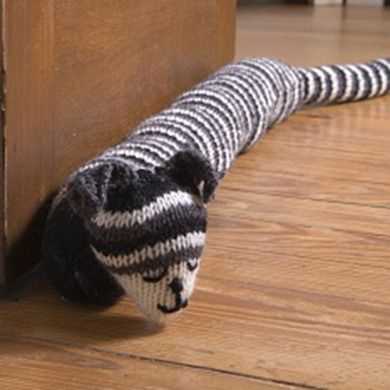
Add some visual interest to your draft stopper by incorporating cables or textured stitches into your knitting. Not only will this create a unique look, but it will also help to add extra thickness to the fabric, making it more effective at blocking drafts. Consider using a cable stitch pattern or a simple knit-purl texture for added warmth and style.
4. Stuff with a Filling

To give your draft stopper some weight and structure, consider stuffing it with a filling material. This could be anything from polyester fiberfill to dried rice or beans. The filling will help the draft stopper to stay in place and provide more resistance against drafts. Make sure to securely close the ends of the draft stopper to keep the filling contained.
5. Customize the Length and Width
Depending on your specific needs, you can customize the length and width of your draft stopper. Measure the width of the door or window you intend to block and add a few extra inches to ensure a snug fit. Additionally, consider the length you desire based on the size of the gap you’re trying to block. Remember to make a gauge swatch and calculate the number of stitches needed to achieve your desired dimensions before starting the project.
By following these knitting tips and techniques, you’ll be able to create a perfect draft stopper that effectively blocks cold air and adds a touch of style to your home. Stay warm and cozy all year round with this practical and fun knitting project!
Adding Personalized Touches to Your Knitted Draft Stopper
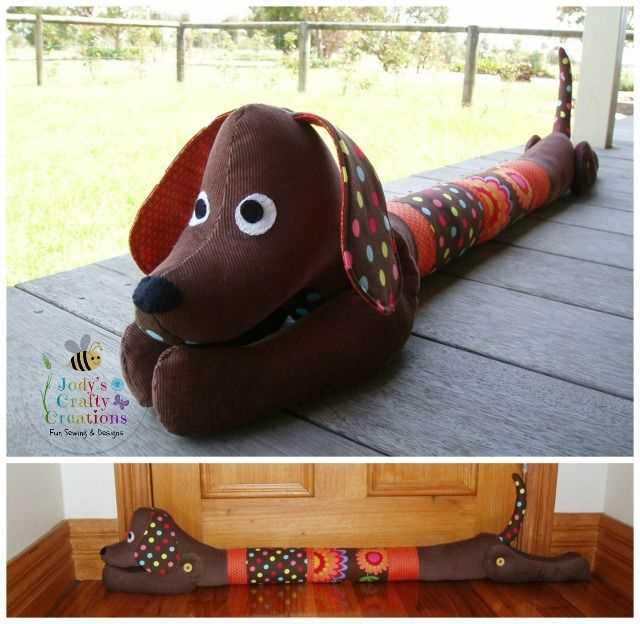
Knitted draft stoppers are not only practical for keeping out cold drafts, but they can also be a fun DIY project that allows you to add personalized touches to your home decor. By selecting the right colors, patterns, and embellishments, you can create a draft stopper that not only serves its purpose but also complements the overall aesthetic of your space.
Choosing the Right Yarn: The first step in adding a personalized touch to your knitted draft stopper is selecting the right yarn. Consider the color scheme and style of your home when choosing the yarn. Opt for a yarn that not only matches the color palette but also provides the desired texture and softness. You can also experiment with different types of yarn, such as chunky or variegated yarn, to add visual interest to your draft stopper.
Creating Custom Patterns: If you want to take your knitted draft stopper to the next level, consider creating custom patterns. You can incorporate simple stitch patterns like cables or bobbles to add texture or experiment with colorwork techniques like Fair Isle or stranded knitting for a more intricate design. By customizing the pattern, you can make your draft stopper truly unique and tailored to your personal style.
Adding Embellishments: To further personalize your knitted draft stopper, consider adding embellishments. You can use buttons, beads, or even embroidery to decorate the surface of the draft stopper. For a more rustic look, you can attach small wooden charms or cutouts. These embellishments not only add visual interest but also make your draft stopper stand out as a unique piece of decor.
Displaying Your Creation: Once you have personalized your knitted draft stopper, think about how you want to display it in your home. You can place it along the bottom of a door or window to block drafts, or you can get creative and use it as a decorative accent on a bookshelf or mantel. By displaying your carefully crafted draft stopper in a prominent location, you can showcase your knitting skills and add a personal touch to your home decor.
Creative Uses for Knitted Draft Stoppers
Knitted draft stoppers are not just useful for keeping the cold air out and the warm air in. They can also be a versatile and creative addition to your home decor. Here are some creative uses for knitted draft stoppers:
1. Door Stops:
One of the most common uses for knitted draft stoppers is as door stops. They can help keep your doors open or closed, depending on your needs. You can place them at the bottom of your doors to prevent them from slamming shut, or use them to prop open your doors to create a more open and inviting space.
2. Decorative Accents:
Knitted draft stoppers can also be used as decorative accents in various parts of your home. You can place them on your windowsills, bookshelves, or mantels to add a cozy and charming touch to your decor. They can be customized to match your color scheme or theme, making them a unique and personal accessory.
3. Pet Beds:
If you have a furry friend at home, consider repurposing a knitted draft stopper as a pet bed. Simply fold it in half and sew the ends together to create a cozy and comfortable spot for your pet to relax. You can add extra padding or a soft blanket inside to make it even more comfortable.
4. Table Centerpieces:
Knitted draft stoppers can also be used as table centerpieces. Fill them with dried flowers, pinecones, or other decorative items to create a unique and eye-catching display. You can place them on your dining table, coffee table, or any other surface that needs a little extra flair.
5. Gift Wrapping:
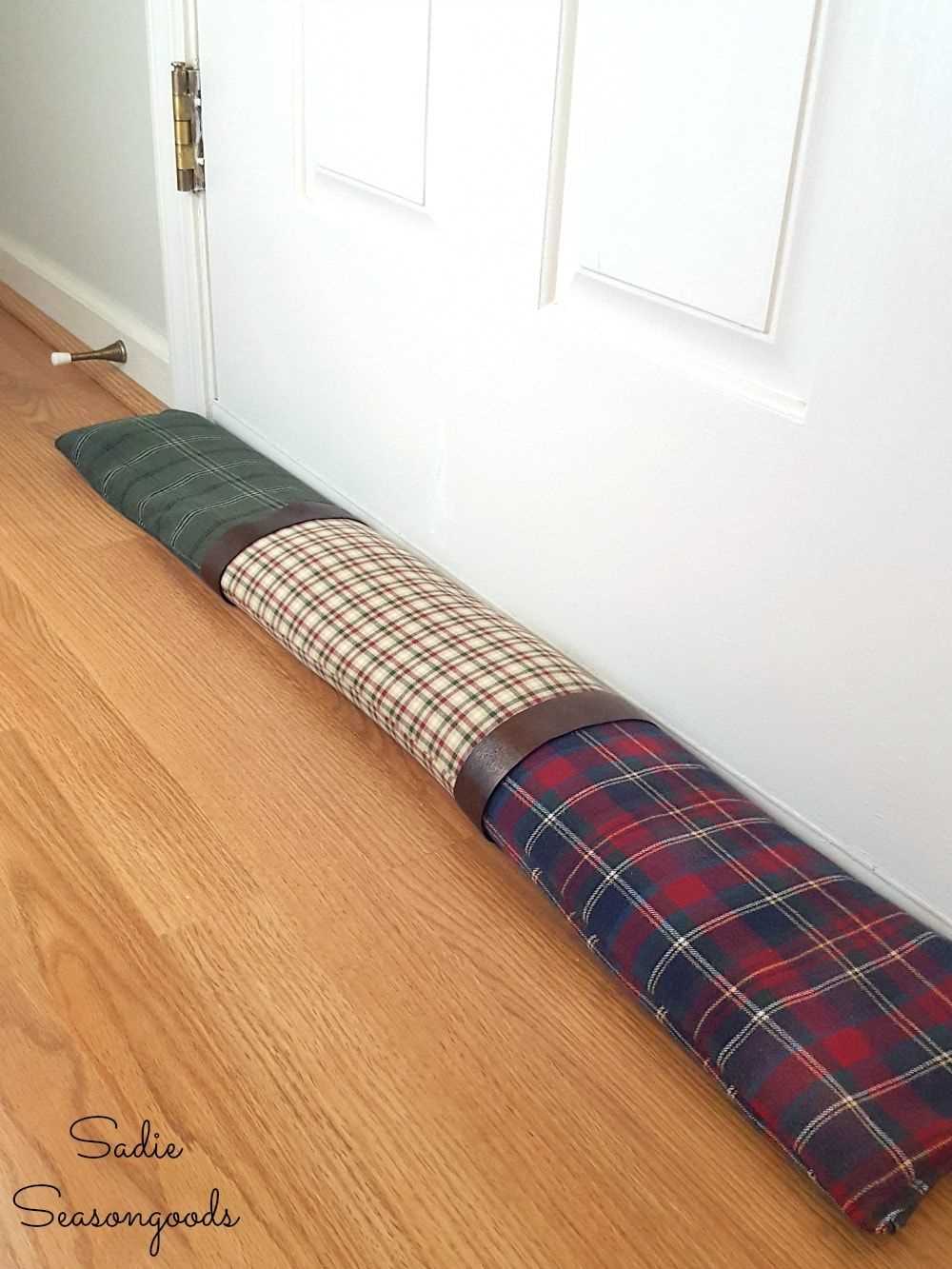
Instead of using traditional gift wrapping paper, consider using a knitted draft stopper as a creative alternative. Tie it around your gift to add a unique and practical touch. The recipient can reuse it as a draft stopper or repurpose it in one of the other creative ways mentioned above.
- Overall, knitted draft stoppers are not just functional but also versatile and creative. Experiment with different colors, patterns, and uses to bring a touch of warmth and style to your home.
Maintaining Your Knitted Draft Stopper: Tips for Longevity
Knitted draft stoppers are a great way to keep out cold air and save on energy costs. However, in order to ensure their effectiveness and longevity, it’s important to properly maintain them. Here are some tips to help you keep your knitted draft stopper in great condition:
Cleaning:
Regular cleaning is essential to prevent dirt and dust buildup on your draft stopper. Vacuuming is the easiest way to remove loose particles. For stubborn stains or odors, spot clean with a mild detergent and water. Avoid using harsh chemicals or bleach, as they can damage the fabric. After cleaning, make sure to thoroughly dry your draft stopper before putting it back in place.
Storage:

When not in use, it’s important to store your knitted draft stopper properly to prevent damage. Make sure it is completely dry before storing to avoid mold or mildew growth. Fold or roll the draft stopper neatly and store it in a clean, dry place. You can also use a storage bag or container to keep it protected from dust and pests.
Repairs:
If your knitted draft stopper gets damaged, it’s best to repair it as soon as possible to prevent further wear and tear. If there are loose threads or small holes, you can sew them back together using a needle and matching yarn or thread. For larger damage, you may need to unravel and re-knit the affected section or consider replacing it with a new draft stopper.
Rotation:
To ensure even wear and tear, it’s a good idea to rotate your knitted draft stopper periodically. This will prevent one side from becoming more worn out than the other. Simply flip your draft stopper around every few months to ensure balanced usage.
By following these maintenance tips, you can extend the lifespan of your knitted draft stopper and continue to enjoy its benefits for many years to come.
Knitted Draft Stoppers for Different Door and Window Types
When it comes to keeping cold air out and warm air in, knitted draft stoppers can be a stylish and effective solution. These long, tube-shaped knitted accessories can be placed at the bottom of doors or windows to prevent drafts from entering your home. Not only do they serve a practical purpose, but they can also add a decorative touch to your interior.
Knitted draft stoppers come in different sizes and designs to suit various door and window types. For standard doors, a longer and wider draft stopper is typically needed to cover the entire width of the door. These can be easily customized to match your home decor by choosing yarn colors and patterns that complement the existing color scheme.
For sliding doors and windows
Sliding doors and windows require a specially designed draft stopper that can accommodate the movement of the door or window. These draft stoppers are usually shorter in length and have additional attachments, such as hooks or magnets, to secure them in place. They are typically made from more flexible materials, such as softer yarn or fabric, to ensure they can easily slide along with the door or window.
For casement windows
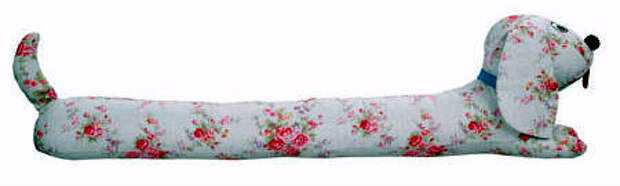
Casement windows, which open outward instead of sliding up or down, require a different type of draft stopper. These draft stoppers are often narrower and longer in shape to fit the width of the window frame. They can be attached to the sides or bottom of the window frame using adhesive strips or Velcro, providing a tight seal to keep drafts out.
For double-hung windows
Double-hung windows, which can be opened from both the top and bottom, may benefit from draft stoppers that can be adjusted to accommodate the different positions of the windows. These draft stoppers are typically longer and can be easily attached or detached using Velcro or magnetic strips. They can be placed horizontally along the bottom of the lower sash or vertically along the sides of the window to maintain a snug fit and prevent drafts from entering.
No matter the type of door or window you have, there is a knitted draft stopper available to fit your needs. By choosing the right size, design, and attachment method, you can effectively reduce drafts in your home and create a cozy and energy-efficient environment.
Knitting Community Inspiration: Showcasing Beautiful Draft Stopper Projects
The knitted draft stopper pattern has captivated the knitting community with its practicality and versatility. Knitters from all over the world have embraced this project as a way to add a touch of handmade charm to their homes while also reducing their energy consumption. In this section, we will showcase some of the most beautiful draft stopper projects made by members of the knitting community.
One of the standout examples is a draft stopper created by Emily, a skilled knitter from New York. She used a blend of soft, bulky yarns in various shades of blue to create a stunning ombre effect. The result is a visually striking and functional piece that adds a pop of color to any room. Emily’s attention to detail and impeccable stitches truly demonstrate the talent and creativity within the knitting community.
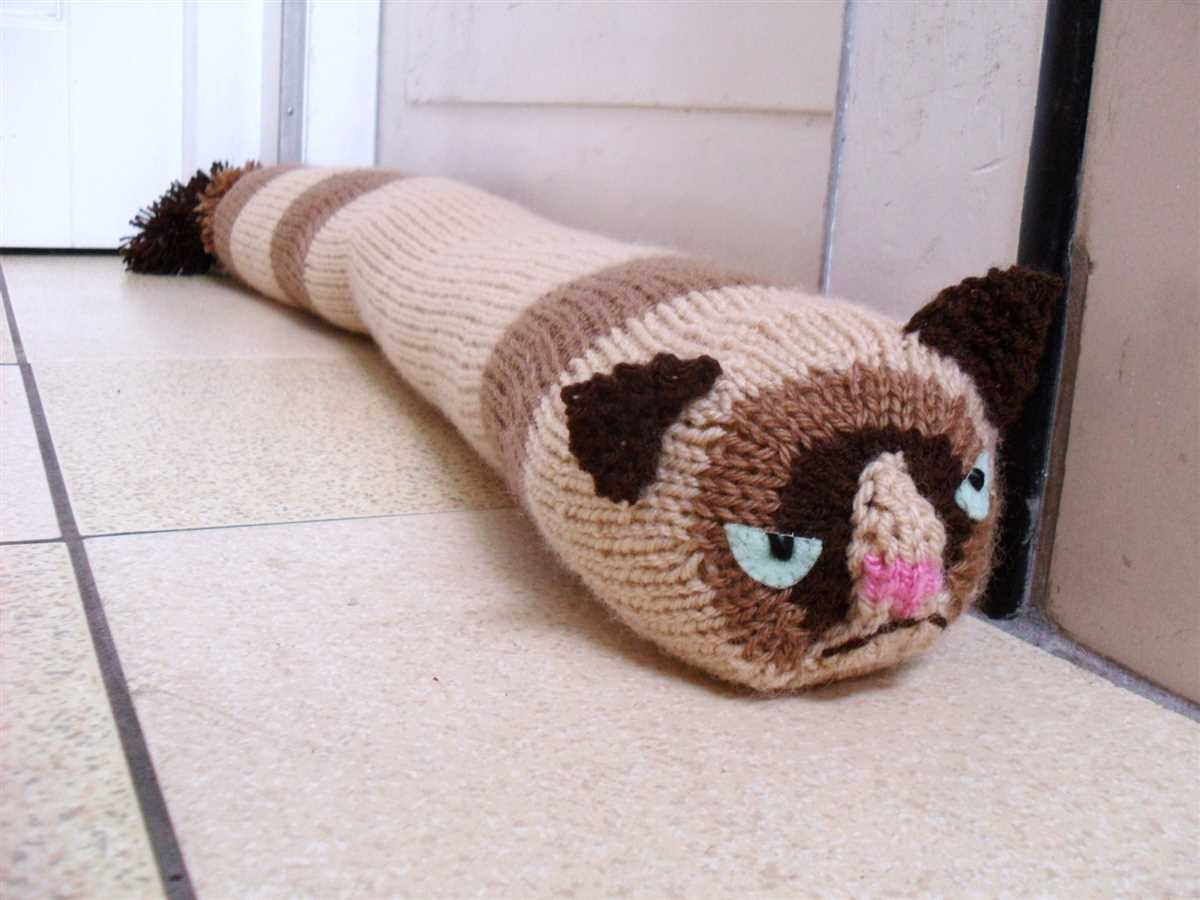
Another inspiring project comes from Sarah, a knitter from London. She decided to go for a more whimsical approach and knitted a draft stopper in the shape of a cute animal. Using different colors and textured stitches, Sarah crafted a delightful cat-shaped draft stopper. Not only does it help keep out the cold, but it also brings a smile to everyone’s face. This project shows that knitting can be a playful and imaginative art form.
The creativity within the knitting community truly knows no bounds. When browsing through online knitting forums and social media platforms, you can find countless other examples of beautiful draft stoppers. Some knitters have incorporated intricate cables and lace patterns, while others have experimented with unconventional shapes and materials. Each project is a testament to the individual knitter’s skill, imagination, and personal style.
Whether you’re a seasoned knitter or a beginner looking for a new project, the knitted draft stopper pattern offers endless possibilities for creativity and inspiration. Join the knitting community in tackling the drafty doors and windows with these beautiful and functional projects.