
Knitting is not only a popular hobby, but it can also be a practical and creative way to make personalized items for yourself or to give as gifts. One such item that can be easily knitted is a pincushion. Pincushions are an essential tool for anyone who loves sewing and embroidery, as they keep your needles and pins in one place, preventing them from getting lost or causing any accidents. And the best part is that you can make them in various shapes, sizes, and colors to match your personal style.
There are many different pincushion patterns available for knitters of all skill levels. Whether you are a beginner looking for a simple project to practice your knitting skills or an experienced knitter looking for a more challenging design, you can find a pattern that suits your needs. From basic square or circular pincushions to more intricate and decorative designs, the possibilities are endless.
One popular knitted pincushion pattern is the strawberry pincushion. This adorable little pincushion is shaped like a strawberry and even has a small knitted leaf and a button to represent the strawberry stem. Not only is it cute and functional, but it also makes a great gift for anyone who loves sewing or knitting. Another popular design is the cactus pincushion. This quirky pincushion has a fun and unique shape and can be customized with different colors and embellishments to make it truly one-of-a-kind.
The History of Pincushions

Pincushions have been a common tool used in sewing for centuries. These small, cushion-like objects are designed to hold pins and needles, keeping them organized and easily accessible during sewing projects. They have an interesting and varied history, with different styles and materials being used over the years.
Early Pincushions
The origins of pincushions can be traced back to ancient Egypt, where they were often made from bronze or clay. These early pincushions were small, round objects with a cushioned surface, similar to the pincushions we use today. They were primarily used by tailors and seamstresses to hold their sewing needles.
During the Middle Ages, pincushions became more elaborate and decorative. They were often made from expensive materials such as silk and velvet, and were adorned with intricate embroidery and beadwork. These decorative pincushions were seen as symbols of wealth and were prized possessions.
Victorian Era and Beyond
In the 19th century, pincushions became even more popular, particularly during the Victorian era. They were often shaped like fruits, animals, or even replica of everyday objects. These whimsical designs were made from a variety of materials, including silk, satin, and leather.
As sewing became more industrialized in the 20th century, pincushions became less elaborate and more utilitarian. They were typically made from inexpensive materials such as cotton or felt, and were often mass-produced. However, there was still a demand for decorative pincushions, particularly among crafters and those who enjoyed sewing as a hobby.
Modern Pincushions
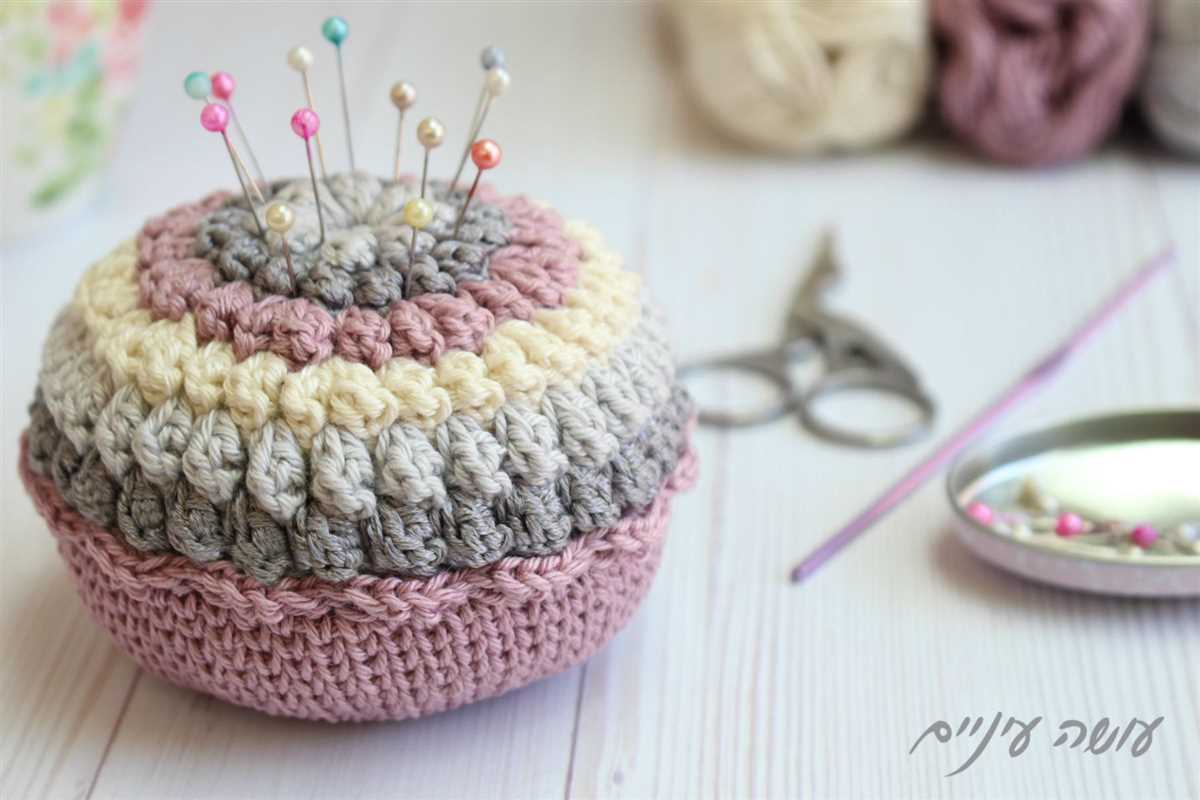
Today, pincushions come in a wide range of styles and designs. They can be purchased at craft stores, made by hand, or even found as collectibles. Many modern pincushions are made from fabric, often featuring colorful patterns or quirky designs. They may also include additional features, such as storage compartments or attached wristbands.
Pincushions continue to be an essential tool for sewers and crafters, providing a convenient and safe place to store sharp pins and needles. They have come a long way from their ancient Egyptian origins, but their purpose remains the same. Whether they are simple or elaborate, pincushions are a timeless and practical accessory for anyone who enjoys sewing.
Benefits of Using Knitted Pincushions
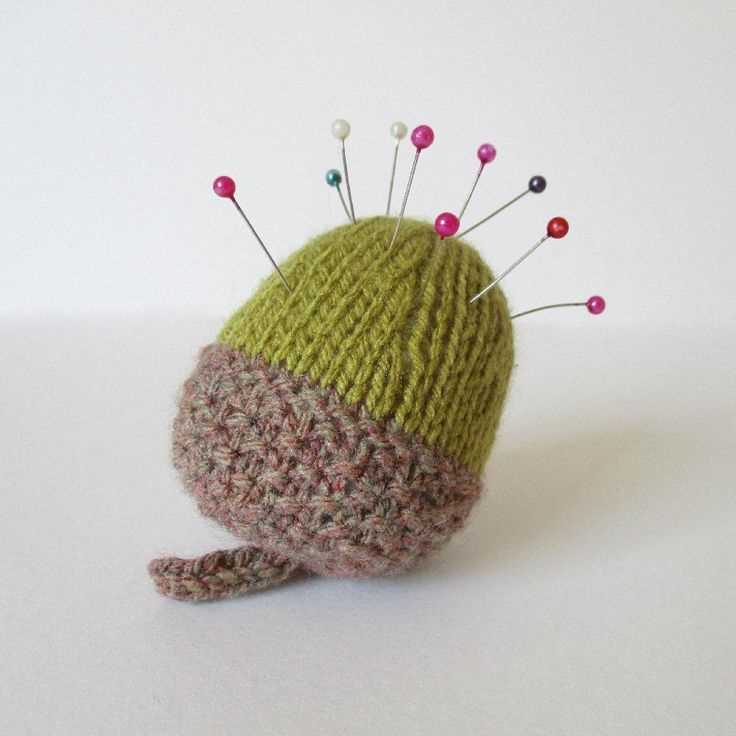
Knitted pincushions offer a range of benefits that make them a popular choice for sewing enthusiasts. Whether you are a beginner or an experienced sewer, using a knitted pincushion can enhance your sewing experience and provide practical advantages.
1. Durability: Knitted pincushions are typically made from high-quality yarn that is known for its durability. This means that your pincushion will last for a long time and withstand regular use without losing its shape or becoming worn out.
2. Pin Holding Capacity: One of the key advantages of knitted pincushions is their ability to securely hold pins. The soft texture of a knitted pincushion allows the pins to easily penetrate the fabric and stay in place. This can prevent accidents such as dropping or losing pins during your sewing projects.
3. Cushioning: Knitted pincushions offer a cushioning effect for your pins and needles. The softness of the yarn creates a comfortable and protective surface, reducing the risk of them getting damaged or dulled. This is especially important for delicate or sharp pins used in intricate sewing projects.
4. Portable: Knitted pincushions are often designed to be compact and lightweight, making them portable and easy to carry with you wherever you go. Whether you are attending a sewing class or working on a project in a different location, having a knitted pincushion allows you to have your pins readily accessible.
5. Customization: Knitted pincushions offer endless opportunities for customization. You can choose from a wide variety of patterns, colors, and sizes to match your personal preferences and style. Additionally, you can add embellishments such as buttons or ribbons to create a unique and personalized pincushion.
Overall, knitted pincushions provide a practical and functional solution for keeping your pins organized and easily accessible while sewing. With their durability, pin holding capacity, cushioning effect, portability, and customization options, it’s no wonder why knitted pincushions are a popular choice among sewing enthusiasts.
Choosing the Right Yarn for Your Pincushion
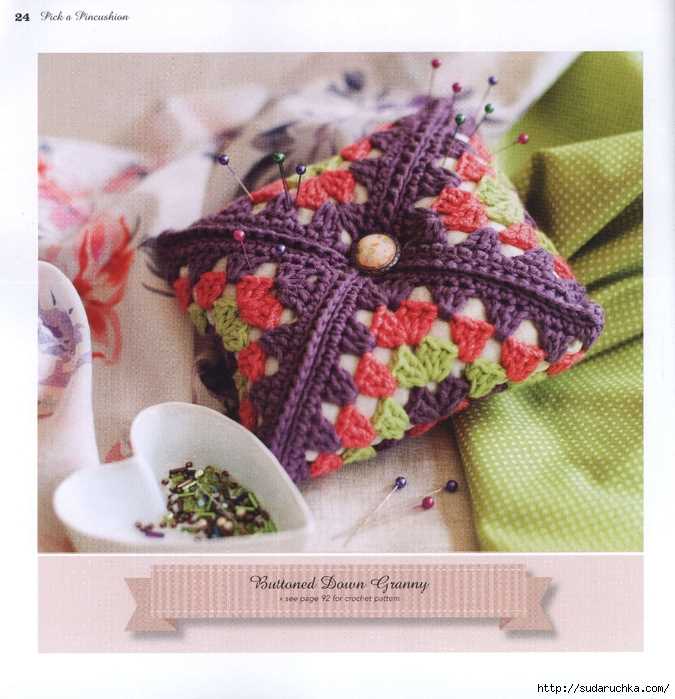
When it comes to knitting a pincushion, one of the most important factors to consider is the type of yarn you use. The right yarn can make a big difference in the functionality and durability of your pincushion.
Weight: The weight of the yarn refers to its thickness. For a pincushion, it’s best to choose a medium-weight yarn, also known as worsted weight. This type of yarn is sturdy enough to hold pins securely in place and is easy to work with. Avoid using bulky or super bulky yarn, as it may create a large and bulky pincushion that is not practical for everyday use.
Composition: The composition of the yarn is another important factor to consider. Opt for a yarn that is made of natural fibers, such as wool or cotton, as they are more durable and won’t easily stretch out over time. These fibers also provide a textured surface that can keep your pins in place. Avoid using yarns made of synthetic fibers, as they can be slippery and may not hold the pins securely.
Color: While the color of the yarn may not affect the functionality of the pincushion, it can add a touch of personalization to your project. Consider using a bright and vibrant color that will make your pincushion stand out on your sewing table. Alternatively, you can choose a color that matches your sewing room decor or your favorite pins.
Care Instructions: Before choosing a yarn, make sure to check its care instructions. Some yarns require special care, such as hand-washing or dry-cleaning, which may not be suitable for a pincushion. Opt for a yarn that can be easily washed and maintained, as your pincushion will likely get dirty over time.
Overall, choosing the right yarn for your pincushion is crucial for its functionality and longevity. Consider the weight, composition, color, and care instructions of the yarn to ensure that your pincushion is not only practical but also visually appealing. With the right yarn, you can create a beautiful and functional pincushion that will be a joy to use for all your sewing projects.
Essential Knitting Techniques for Pincushions
When it comes to creating beautiful and functional pincushions, there are a few essential knitting techniques that every knitter should know. Whether you’re a beginner or an experienced knitter, mastering these techniques will ensure your pincushions turn out soft, sturdy, and perfect for holding your pins.
1. Casting on: The first step in any knitting project is casting on. This is how you create the foundation row for your pincushion. There are several methods of casting on, but the long-tail cast on is commonly used for pincushions. It creates a neat and stretchy edge that is perfect for shaping.
2. Knit stitch: The knit stitch is the most basic stitch in knitting. It is created by inserting the right-hand needle into the stitch on the left-hand needle, wrapping the yarn around the right-hand needle, and pulling the loop through. This stitch is used for the majority of knitting projects, including pincushions.
3. Purl stitch: The purl stitch is the reverse of the knit stitch. It creates a bumpy texture and is often used to create ribbing or different patterns in knitting. By combining knit and purl stitches, you can create a variety of interesting textures for your pincushions.
4. Decreases: Decreasing stitches is essential for shaping your pincushion. The most commonly used decrease is the knit two together (K2tog). This decreases two stitches into one and creates a slope. Another commonly used decrease is the slip slip knit (ssk), which also creates a slope but leans in the opposite direction.
5. Finishing: The finishing touches can make all the difference in your pincushion. After knitting your desired shape, you’ll need to bind off or cast off to secure the stitches. You can do this by knitting two stitches, then pulling the first stitch over the second stitch and off the needle. To make your pincushion extra special, you can also add embroidery, buttons, or other embellishments.
By mastering these essential knitting techniques, you’ll be well on your way to creating beautiful and functional pincushions. Whether you’re knitting them for yourself or as gifts for friends, these techniques will ensure your pincushions are both practical and aesthetically pleasing.
Simple Knitted Pincushion Patterns for Beginners
Knitting can be a relaxing and fulfilling hobby, and one great way to start is by making simple pincushions. These small and practical projects are perfect for beginners, as they allow you to practice basic knitting techniques while creating something useful.
1. Garter Stitch Pincushion: The garter stitch is one of the most basic stitches in knitting, making it ideal for beginners. To make a garter stitch pincushion, simply knit every row until you reach your desired size. You can add a decorative button or ribbon to finish it off. This pattern is quick and easy, perfect for practicing your knitting skills.
2. Seed Stitch Pincushion: The seed stitch creates a textured pattern that is simple yet visually appealing. To make a seed stitch pincushion, alternate between knitting and purling stitches in each row. This pattern allows you to practice both knitting and purling techniques, making it a great project for beginners looking to expand their skills.
3. Stockinette Stitch Pincushion: The stockinette stitch is another basic knitting stitch that creates a smooth and even fabric. To make a stockinette stitch pincushion, knit one row and purl one row to create a pattern of alternating knit and purl stitches. This pattern is simple yet versatile, and you can easily customize it by adding different colors or embellishments.
4. Moss Stitch Pincushion: The moss stitch, also known as the seed stitch, creates a textured and dense fabric. To make a moss stitch pincushion, alternate between knitting and purling stitches in a specific pattern. This pattern may require some concentration, making it a great way to improve your knitting skills while creating a unique pincushion.
Overall, these simple knitted pincushion patterns are perfect for beginners who want to learn and practice basic knitting techniques. They offer a practical and decorative item that you can use in your sewing projects, while also allowing you to develop new skills and explore different knitting stitches. So grab your knitting needles and start creating beautiful pincushions!
Intermediate Knitted Pincushion Patterns
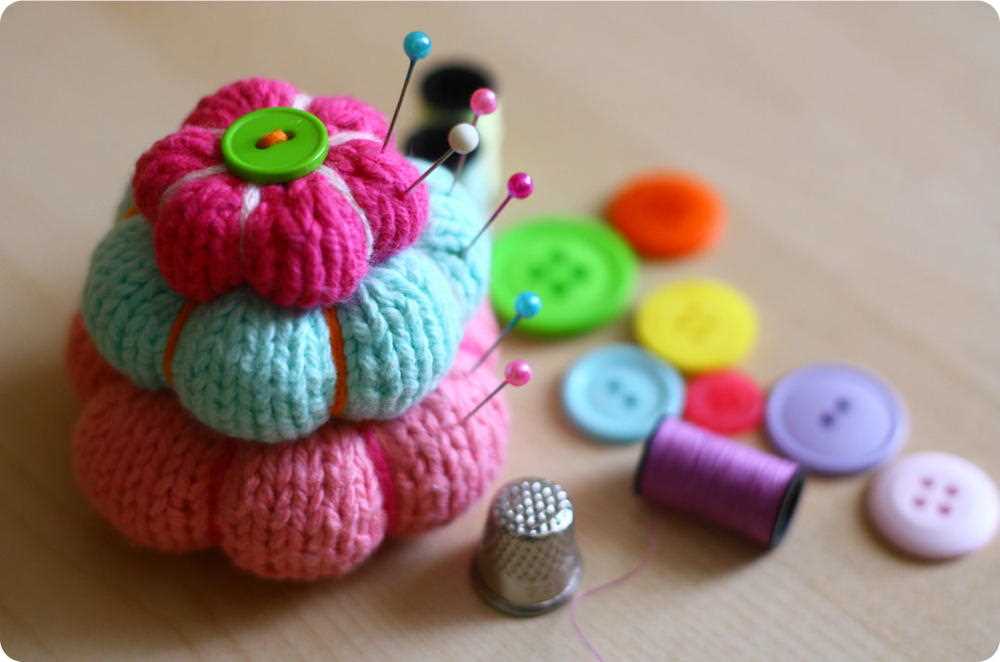
If you’re an intermediate knitter looking to expand your skills and create something both practical and charming, then knitted pincushions are the perfect project for you. These pincushions not only serve as a functional tool for holding your pins and needles, but they also make lovely decorative accents for your sewing or crafting space.
One intermediate knitted pincushion pattern that you can try is the “Petal Pincushion.” This pattern features a textured design with raised petals that will add a touch of elegance to your pincushion. To create this pattern, you will need to be comfortable with basic knitting techniques such as casting on, knitting, purling, and decreasing stitches. The pattern provides detailed instructions and a stitch chart to guide you through the process.
Another intermediate pattern to consider is the “Cable Pincushion.” This pattern incorporates cable knitting, which adds a beautiful twist to the traditional pincushion design. The cables create a stunning texture that will impress both experienced knitters and beginners alike. This pattern requires knowledge of cable knitting techniques, including cable twists and working with a cable needle. The pattern includes step-by-step instructions and a cable chart to help you create this intricate design.
If you’re feeling adventurous, you can also try the “Fair Isle Pincushion” pattern. Fair Isle knitting involves working with multiple colors to create intricate patterns and designs. This pincushion pattern features a geometric Fair Isle motif that will add a pop of color and personality to your crafting space. To successfully knit this pattern, you should have a good understanding of colorwork techniques, including stranding and carrying yarn. The pattern includes a color chart and detailed instructions to guide you through the process.
Whether you choose a textured design, a cable pattern, or a Fair Isle motif, these intermediate knitted pincushion patterns will challenge and inspire you as you create functional and beautiful accessories for your sewing or crafting space. So grab your knitting needles, select your favorite pattern, and get ready to elevate your knitting skills to the next level!
Advanced Knitted Pincushion Patterns
If you are an experienced knitter looking to challenge yourself, advanced knitted pincushion patterns offer a great opportunity to showcase your skills and create unique and functional accessories for your crafting space. These intricate patterns often incorporate complex stitches and techniques, making them not only practical pincushions but also pieces of art.
One popular advanced knitted pincushion pattern is the “Cable and Lace Pincushion.” This pattern combines the elegance of lace with the structure and texture of cables, creating a stunning design. The pincushion is typically knitted in the round, showcasing the intricate cable and lace motifs from all angles. The combination of delicate lace and bold cables adds visual interest and complexity to the finished piece.
To create this pincushion, you will need advanced knitting skills, including working with double-pointed needles, following complex lace charts, and mastering cable techniques. The pattern may also require the use of stitch markers and blocking to achieve the desired shape and structure.
Another advanced knitted pincushion pattern worth exploring is the “Fair Isle Pincushion.” Fair Isle knitting is known for its intricate colorwork and stranded knitting techniques. With this pattern, you can create a pincushion showcasing traditional Fair Isle motifs and patterns. The colorwork adds depth and interest to the project, while the small size of the pincushion makes it a manageable and satisfying project.
When knitting a Fair Isle pincushion, you will need to be familiar with colorwork techniques, including carrying multiple strands of yarn, managing floats, and maintaining an even tension. The pattern may require various color changes and careful attention to the color chart to achieve the desired design.
- In addition to these specific patterns, there are countless other advanced knitted pincushion patterns available online and in knitting books. These patterns can range from intricate lace designs to colorwork masterpieces, allowing you to explore different techniques and expand your knitting repertoire.
- It is important to remember that advanced knitted pincushion patterns may require additional time and concentration compared to beginner or intermediate patterns. However, the satisfaction of completing a complex and beautiful pincushion is well worth the effort.
- When selecting an advanced knitted pincushion pattern, it is essential to read the instructions carefully and ensure that you have the necessary skills and supplies to complete the project successfully. Taking on a more significant challenge can be rewarding, but it is also essential to set realistic expectations and enjoy the process.
Tips for Personalizing Your Knitted Pincushion
Once you’ve mastered the art of knitting pincushions, it’s time to add your personal touch to make them truly unique. Personalizing your knitted pincushion can be a fun and creative process that allows you to showcase your individual style and preferences. Here are some tips to help you get started:
1. Choose your colors
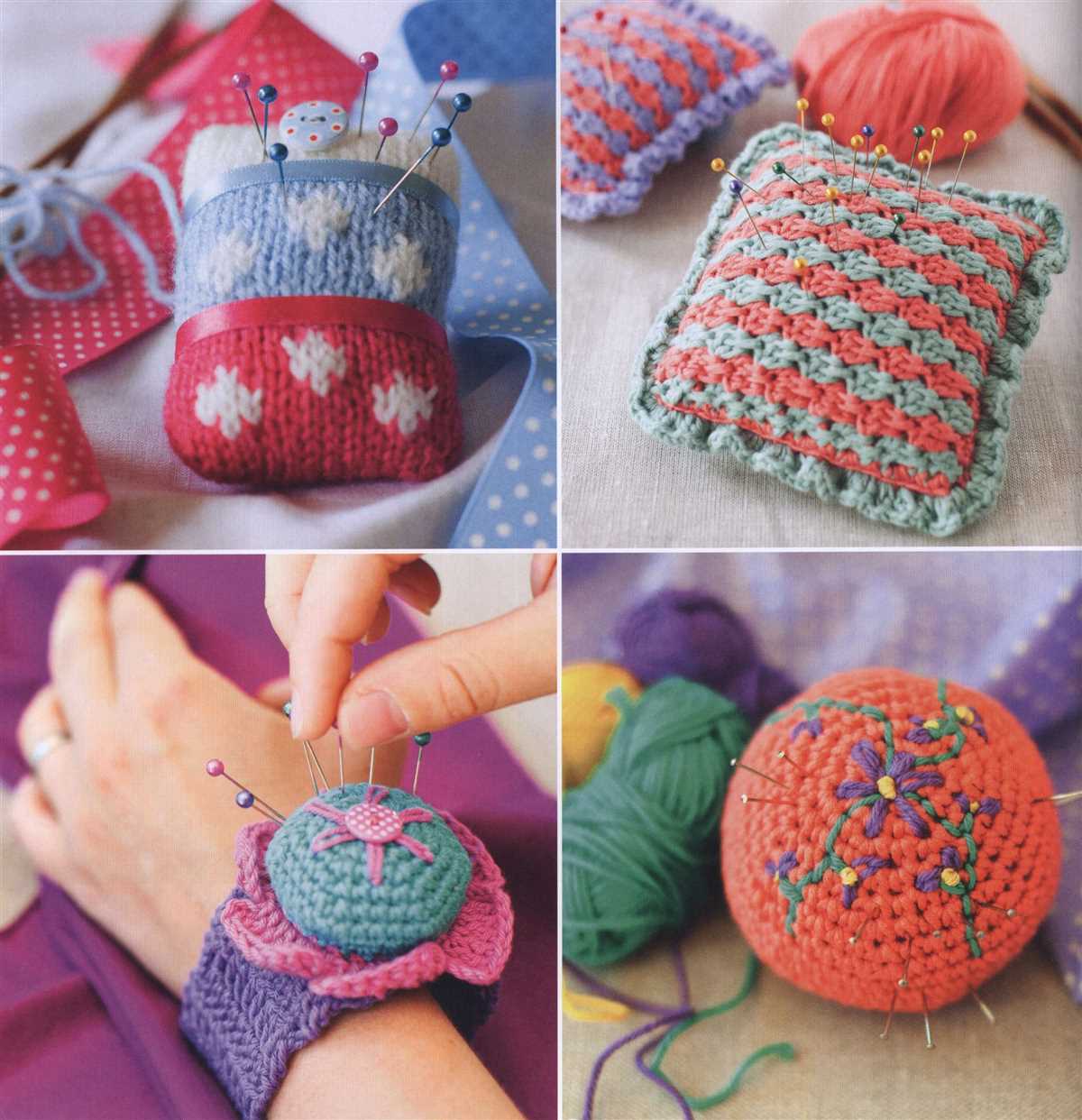
The choice of colors can greatly affect the overall look and feel of your pincushion. Consider selecting colors that match your sewing room’s decor, or go for vibrant hues to create a cheerful and eye-catching design. Experiment with different color combinations to find what looks best for you.
2. Play with patterns
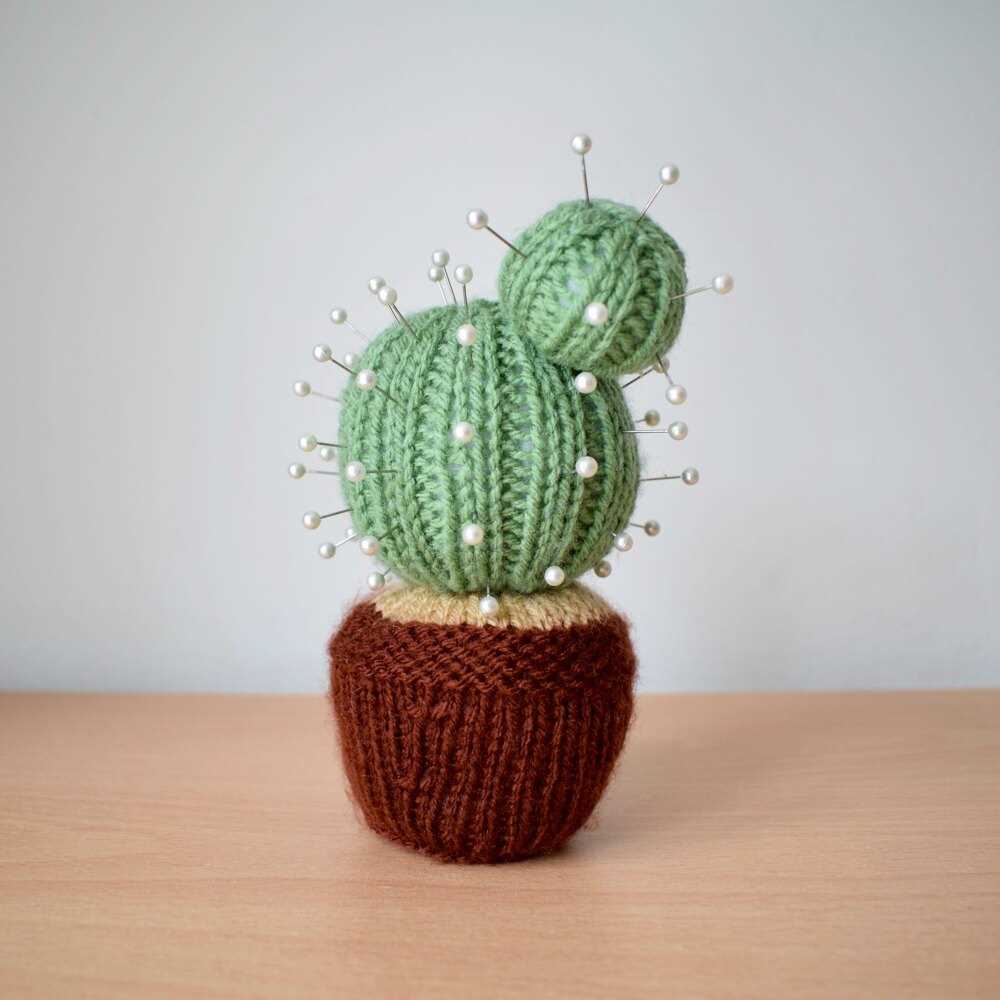
Knitted pincushions can be a great way to showcase your favorite knitting patterns. Look for unique stitch patterns or incorporate your favorite knitting motifs to make your pincushion stand out. You can also experiment with different textures by using different stitch patterns on different parts of the pincushion.
3. Add embellishments
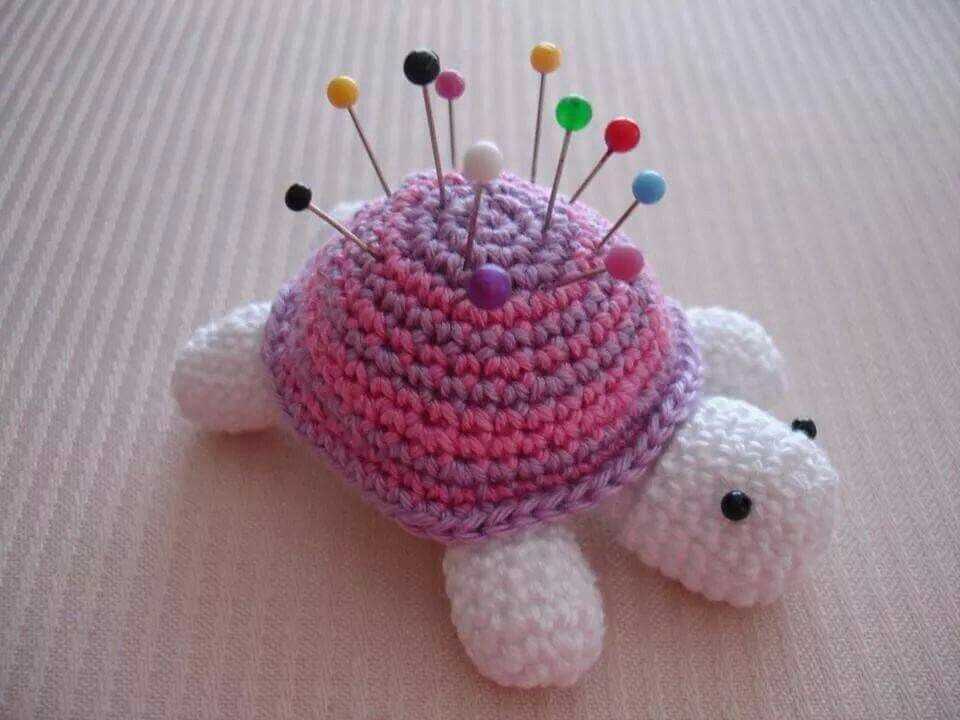
Embellishments can bring an extra level of charm and personality to your knitted pincushion. Consider adding buttons, beads, ribbons, or embroidery to enhance the visual appeal. Be creative and let your imagination guide you in choosing the perfect embellishments for your pincushion.
4. Personalize with initials or monograms
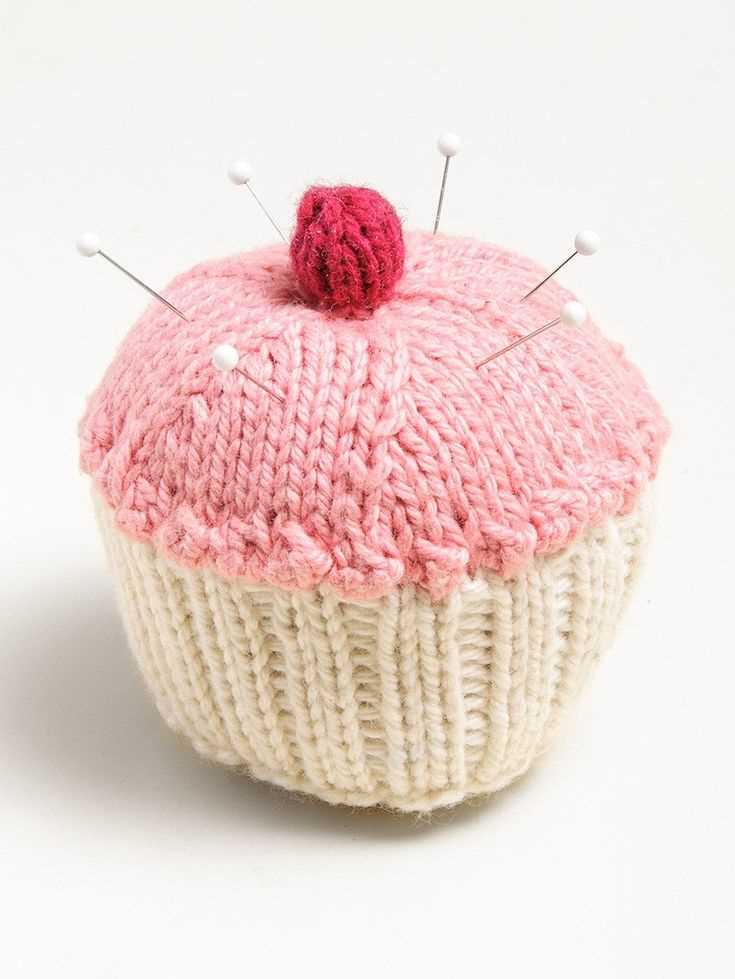
Add a personal touch to your pincushion by incorporating your initials or monogram. You can knit or embroider your initials onto the pincushion or even create a small tag to hang from it. This will not only make the pincushion uniquely yours but also add a touch of elegance.
5. Experiment with shapes and sizes
While most pincushions are traditionally round or square, don’t be afraid to think outside the box and experiment with different shapes and sizes. A knitted pincushion in an unusual shape or size can become a conversation starter and add a touch of whimsy to your sewing room.
Remember, personalizing your knitted pincushion is about expressing your creativity and making something that is truly reflective of your style and personality. Don’t be afraid to take risks and have fun throughout the process. Whether you prefer a simple and understated design or a bold and vibrant statement piece, there are endless possibilities to make your knitted pincushion truly one-of-a-kind.