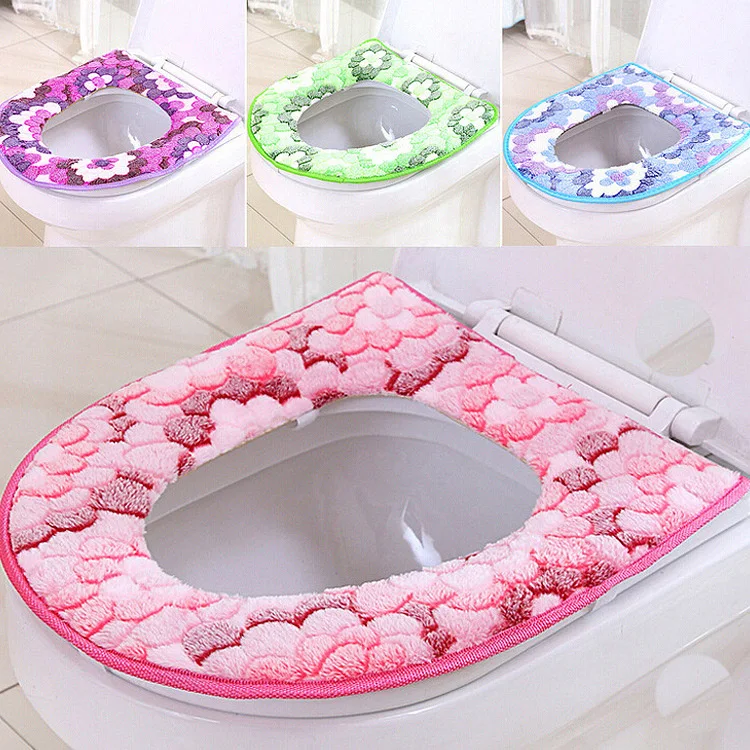
Are you tired of sitting on a cold toilet seat? Do you want to add a touch of coziness and warmth to your bathroom? Then look no further! With this knitted toilet seat cover pattern, you can create a stylish and comfortable cover for your toilet seat.
Knitted toilet seat covers are not only practical but also a fun and creative way to personalize your bathroom. You can choose from a variety of yarn colors and textures to match your bathroom decor or add a pop of color. Plus, knitting your own toilet seat cover allows you to customize the size and shape to fit any standard or elongated toilet seat.
This pattern is suitable for knitters of all skill levels, from beginners to advanced. If you’re new to knitting, don’t worry! This pattern includes detailed instructions and step-by-step photos to guide you through the process. You’ll be able to create a beautiful and functional toilet seat cover in no time!
So why wait? Get your knitting needles and yarn ready, and start knitting your very own toilet seat cover today. Your bathroom will thank you for it!
Knitted Toilet Seat Cover Pattern: Add Comfort and Style to Your Bathroom
Are you tired of sitting on a cold and uncomfortable toilet seat? Look no further than a knitted toilet seat cover to add both comfort and style to your bathroom. This simple yet functional accessory is an easy way to transform your bathroom into a cozy and inviting space.
A knitted toilet seat cover not only provides a soft and cushioned surface to sit on, but it also adds a touch of personal style to your bathroom decor. With a wide variety of patterns and colors available, you can easily find a design that complements the overall look and feel of your bathroom.
Step 1: Choosing the Right Yarn and Needles
Before you start knitting your toilet seat cover, ensure that you have the right materials at hand. Choose a soft and durable yarn that is suitable for bathroom use, as it will be exposed to moisture and frequent cleaning. Pair it with appropriate knitting needles that allow you to achieve the desired gauge.
Step 2: Selecting a Pattern
There are numerous knitting patterns available for toilet seat covers, ranging from simple ribbed designs to more intricate lace patterns. Consider the level of difficulty and the time you are willing to invest in the project when selecting the pattern. If you are a beginner, opt for a straightforward pattern that provides clear instructions.
Step 3: Measurements and Casting On
Measure your toilet seat to determine the size of your cover. Depending on the pattern, you may need to cast on stitches that match the width of your toilet seat or follow specific instructions for custom sizing. Take your time to carefully cast on the required number of stitches to ensure a snug fit once the cover is complete.
Step 4: Knitting the Cover
Follow the instructions provided in the pattern to begin knitting your toilet seat cover. Pay attention to any stitch variations or pattern repeats to achieve the desired design. Take breaks as needed and enjoy the process of creating a functional and stylish accessory for your bathroom.
Step 5: Finishing Touches and Attachment
Once you have completed knitting the cover, finish it off with a neat border or edging. You can use techniques such as binding off, crochet edging, or adding decorative buttons or bows. Attach the cover securely to the toilet seat using elastic or ties, ensuring that it stays in place even with regular use.
Step 6: Maintenance and Cleaning
Now that your knitted toilet seat cover is in place, it’s essential to maintain its cleanliness. Remove and wash the cover regularly to keep it fresh and hygienic. Follow the cleaning instructions for your chosen yarn to prevent any damage or shrinkage. With proper care, your cover will continue to provide comfort and style in your bathroom for years to come.
The Benefits of Knitted Toilet Seat Covers
Knitted toilet seat covers are a popular and practical choice for many households. They offer a range of benefits that make them a worthwhile investment. Whether you’re looking to add a touch of comfort or simply protect your toilet seat, here are a few reasons why knitted toilet seat covers are a great addition to any bathroom.
Comfort: One of the main advantages of knitted toilet seat covers is the added comfort they provide. The soft and cushioned texture of the knitted fabric offers a cozy and comfortable place to sit. This can be especially beneficial for individuals who spend longer periods of time sitting on the toilet, such as elderly or disabled individuals. The knitted material helps to reduce pressure and discomfort, making the overall bathroom experience more enjoyable.
Protection: Another benefit of knitted toilet seat covers is that they offer protection for your toilet seat. They act as a barrier between the seat and any potential spills, stains, or scratches. This can be particularly useful in households with young children who may be prone to accidents or messes. The knitted fabric is easy to clean and maintain, ensuring that your toilet seat stays in good condition for longer.
Style and Personalization: Knitted toilet seat covers come in a wide variety of colors, patterns, and designs, allowing you to personalize your bathroom decor. Whether you prefer a traditional, elegant look or a fun and colorful design, there is a knitted seat cover to suit your style. Additionally, the texture of the knitted fabric adds a touch of warmth and coziness to your bathroom, creating a more inviting and relaxing atmosphere.
Hygiene: Keeping your toilet seat clean and hygienic is essential for maintaining a healthy bathroom environment. Knitted toilet seat covers are easy to remove and wash, making it simple to keep them clean and germ-free. This can help prevent the spread of bacteria and viruses, ensuring that your bathroom remains a safe and sanitary space.
Durability: Knitted toilet seat covers are made to last. The high-quality materials used in their construction ensure that they can withstand regular use and remain in good condition for years. This means you won’t have to replace them frequently, saving you money in the long run. Additionally, the knitted fabric is stretchy and flexible, allowing it to fit snugly on most standard toilet seats.
Overall, knitted toilet seat covers offer a range of benefits that make them a practical and stylish addition to any bathroom. From added comfort and protection to personalization and durability, they are a versatile choice that can enhance your bathroom experience.
Choosing the Right Yarn for Your Knitted Toilet Seat Cover

When it comes to knitting a toilet seat cover, the choice of yarn plays a crucial role in the final outcome. Not only does the yarn need to be durable and able to withstand frequent use, but it should also be soft and comfortable for sitting. Here are some factors to consider when choosing the right yarn for your knitted toilet seat cover:
1. Fiber
One of the most important factors to consider when choosing yarn for a toilet seat cover is the fiber content. You’ll want to choose a yarn that is sturdy and resistant to wear and tear. Natural fibers like cotton or wool are popular choices as they are strong, absorbent, and easy to care for. Synthetic fibers like acrylic or nylon can also be good options, as they are durable and easy to clean.
2. Thickness
The thickness of the yarn is another consideration to keep in mind. A thicker yarn will provide more cushioning and warmth, while a thinner yarn will result in a lighter and more delicate cover. Take into account the climate and the level of comfort you desire when selecting the thickness of the yarn.
3. Color
The color of the yarn can also make a difference in the overall appearance of your knitted toilet seat cover. Neutral or muted colors like white, beige, or gray can lend a clean and classic look, while bolder colors or patterns can add a touch of personality to your bathroom decor. Consider the existing color scheme and style of your bathroom when choosing the yarn color.
4. Gauge
The gauge or tension of the yarn will determine the size and fit of your knitted toilet seat cover. It’s important to match the gauge recommended in the pattern or adjust your needle size accordingly to achieve the desired dimensions. Be sure to check the recommended gauge and make a gauge swatch before starting your project.
By considering these factors, you can choose the perfect yarn for your knitted toilet seat cover that combines durability, comfort, and style. Whether you opt for natural fibers or synthetic ones, thick or thin yarn, or a neutral or bold color, your knitted toilet seat cover will surely add a cozy and personalized touch to your bathroom.
Essential Knitting Tools for the Project
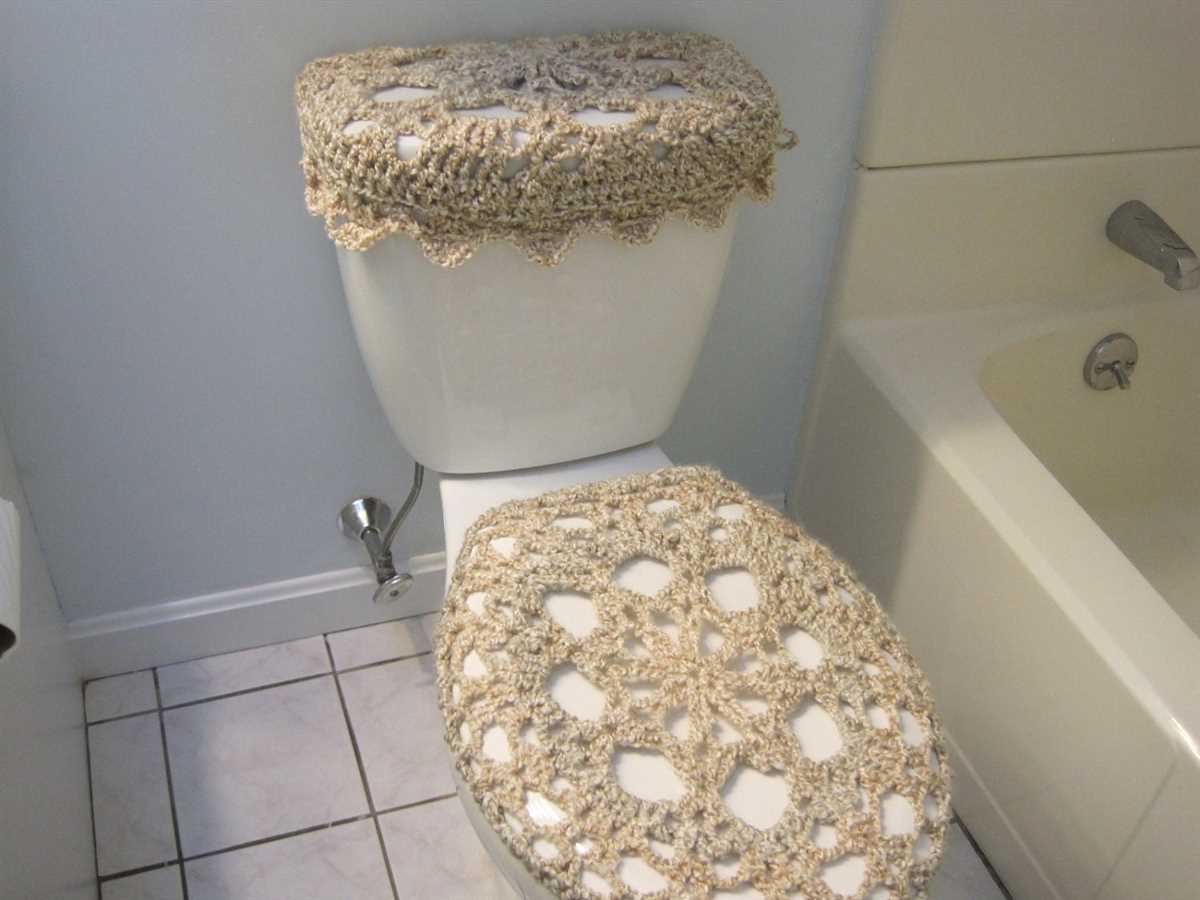
When starting a knitting project, it is important to have the right tools and materials on hand. Here are some essential knitting tools that will be necessary for your knitted toilet seat cover pattern:
1. Yarn

The first and most important tool you will need for your project is the yarn. Choose a soft and durable yarn in a color of your choice. Consider the weight and thickness of the yarn, as it will determine the texture and feel of the cover.
2. Knitting Needles
A good pair of knitting needles is essential for any knitting project. For a knitted toilet seat cover, you will likely need to use medium-sized knitting needles. Look for needles that are comfortable to hold and suitable for your chosen yarn.
3. Stitch Markers
Stitch markers are small rings or clips used to mark specific stitches or sections in your knitting. They are particularly useful for keeping track of patterns and counting stitches. Make sure to have a few stitch markers on hand to help you stay organized.
4. Tapestry Needles
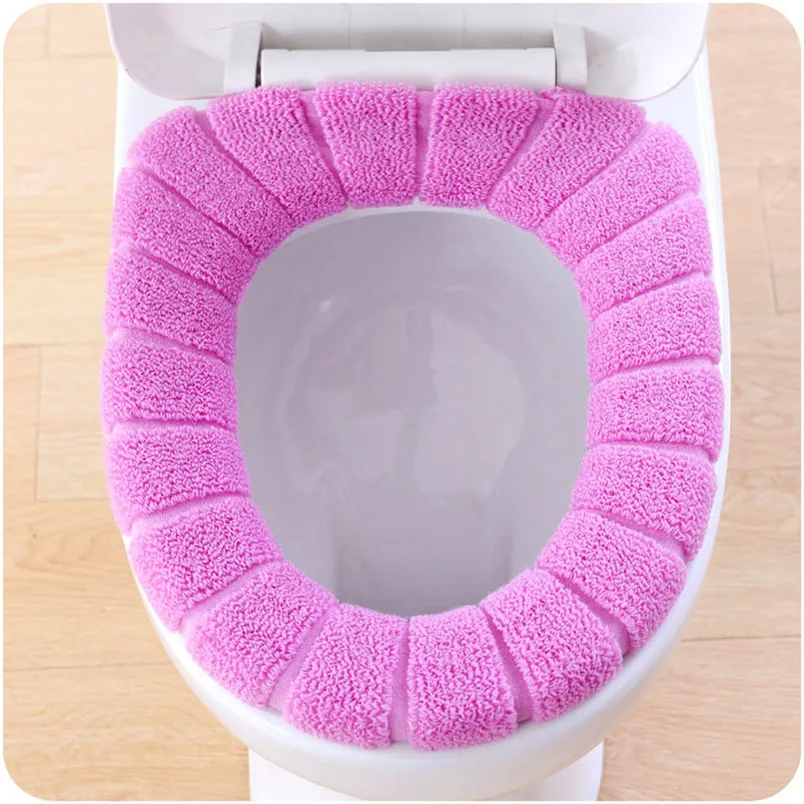
Tapestry needles, also known as yarn needles, are large-eyed needles used for weaving in ends and sewing pieces together. They are an essential tool for finishing your knitting project and creating a clean, seamless look. Keep a tapestry needle or two in your knitting kit.
5. Scissors
A good pair of scissors is necessary for cutting the yarn and trimming any loose ends. Look for small, sharp scissors that are easy to handle. Keep them handy in your knitting bag so you can easily make any necessary cuts.
6. Measuring Tape
A measuring tape is essential for ensuring your knitting project turns out the right size. Use it to measure the toilet seat and guide your knitting. Keep a flexible measuring tape in your kit to easily take accurate measurements.
Step-by-Step Guide: How to Knit a Basic Toilet Seat Cover

Knitting a toilet seat cover is a fun and practical project that can add a touch of coziness to your bathroom. Whether you’re a beginner knitter or an experienced one, this step-by-step guide will walk you through the process of creating a basic toilet seat cover.
Materials Needed:
- Knitting needles (size will depend on the yarn weight you choose)
- Yarn (choose a soft and durable yarn that is suitable for bathroom use)
- Tapestry needle
- Scissors
Step 1: Measure Your Toilet Seat
Start by measuring your toilet seat to determine the dimensions of your cover. Measure the width, length, and the distance between the hinge holes. This will help you determine how many stitches and rows you need to knit.
Step 2: Cast on Stitches

Using your chosen yarn and knitting needles, cast on the desired number of stitches. You can use a simple knitting technique like the knit stitch or a more decorative stitch pattern.
Step 3: Knit Rows
Continue knitting rows until your cover reaches the desired length. Make sure to keep track of your rows to ensure even shaping and symmetry.
Step 4: Add Shaping

To create a tailored fit for your toilet seat, you may want to add some shaping. This can be done by decreasing stitches on each side or by creating a curved edge by increasing and decreasing stitches.
Step 5: Bind off and Finishing
Once you have reached the desired shape and size, bind off your stitches and weave in any loose ends using a tapestry needle. Trim off any excess yarn and make sure all the edges are secure.
And there you have it – a basic knitted toilet seat cover! Feel free to get creative with different yarn colors or stitch patterns to personalize your cover. Just remember to choose yarns that are easy to clean and maintain for bathroom use. Happy knitting!
Adding Color and Patterns to Your Knitted Toilet Seat Cover
When it comes to knitting a toilet seat cover, there are endless possibilities for adding color and patterns to make your creation truly unique. Whether you prefer bold and vibrant hues or subtle and delicate shades, incorporating different colors and patterns can take your knitted toilet seat cover to the next level.
Choosing the Right Yarn: One of the first steps in adding color to your knitted toilet seat cover is selecting the right yarn. Opt for yarns that come in a wide range of colors to give you plenty of options. Consider using variegated or self-striping yarns, as they will create stunning patterns without requiring any color changes on your part. Experiment with different types of yarn, such as cotton or acrylic blends, to achieve the desired texture for your project.
Utilizing Colorwork Techniques: Once you have chosen your yarn, you can start incorporating colors into your knitted toilet seat cover using various colorwork techniques. Fair Isle knitting, for example, involves knitting with multiple colors in a single row to create intricate patterns. Intarsia knitting, on the other hand, allows you to knit blocks of color separately and then join them together to form your desired design. Explore different colorwork techniques to find one that best suits your style and skill level.
Adding Embellishments: In addition to using different colors, you can also add embellishments to further enhance the appearance of your knitted toilet seat cover. Consider adding small crochet flowers, buttons, or even beads to create visual interest and texture. These embellishments can be applied strategically to highlight specific areas of your design or scattered randomly for a whimsical effect.
Creating Repeating Patterns: To give your knitted toilet seat cover a cohesive look, consider incorporating repeating patterns. You can use simple geometric shapes, such as stripes or checkerboards, or more intricate motifs like hearts or flowers. Experiment with different stitch patterns, such as ribbing or lace, to add texture and dimension to your design. Creating repeating patterns will not only make your knitted toilet seat cover visually appealing but also make the knitting process more enjoyable and engaging.
By adding color and patterns to your knitted toilet seat cover, you can transform a functional item into a personalized work of art. Whether you prefer a minimalist design or a vibrant mosaic, there is no limit to what you can achieve with your knitting skills. So, let your creativity soar and have fun experimenting with different colors, patterns, and techniques to create a truly unique knitted toilet seat cover.
Knitting Advanced Designs: Lace and Cable Patterns
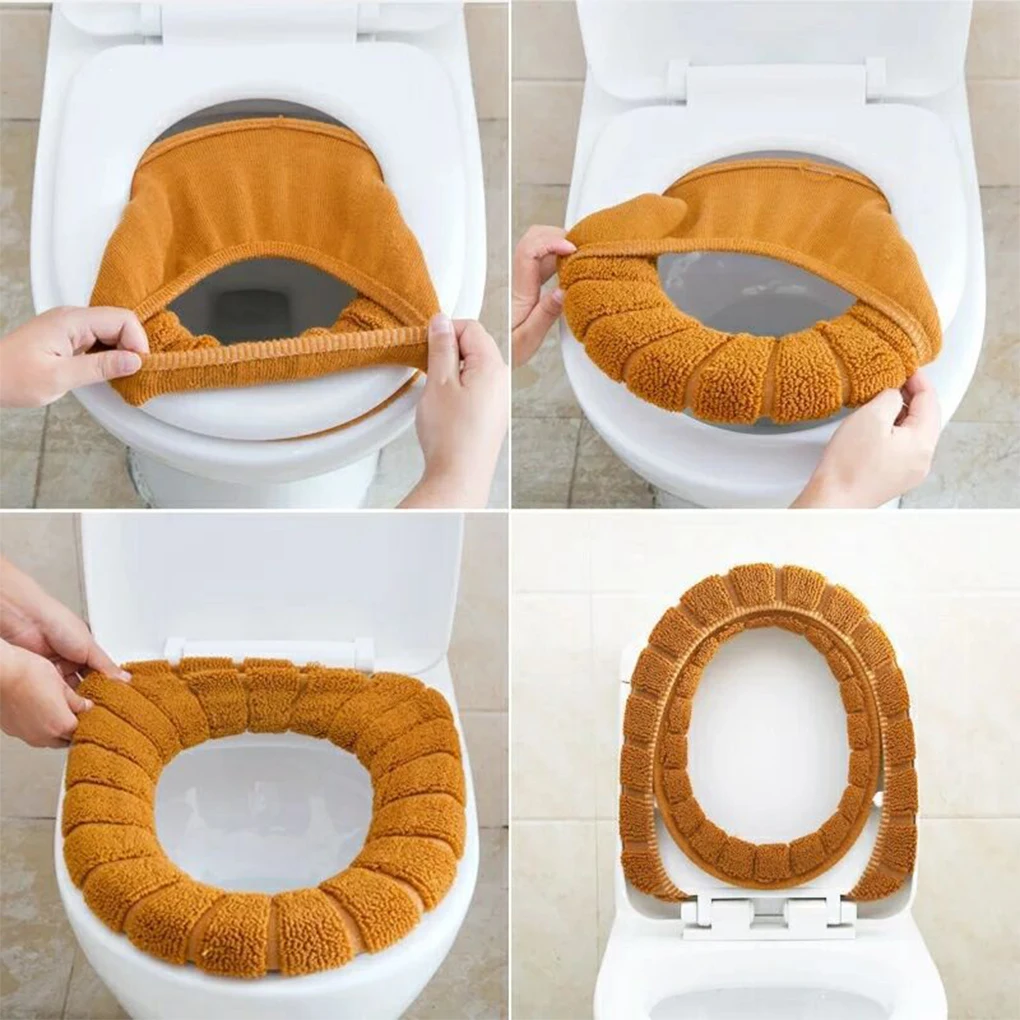
When it comes to knitting advanced designs, lace and cable patterns are two popular choices among knitters. These intricate designs add a touch of elegance and complexity to any knitting project. Lace patterns feature delicate and often intricate openwork, creating a light and airy texture. Cable patterns, on the other hand, create a three-dimensional effect by intertwining stitches to form beautiful, braided or twisted designs.
One popular lace pattern is the “feather and fan” stitch, which creates a wavy, fan-like pattern. This pattern is often used for shawls, scarves, and baby blankets. Another classic lace pattern is the “diamonds” stitch, which forms a series of diamond shapes. This pattern is frequently used in garments, such as sweaters and cardigans.
When it comes to cable patterns, there is a wide variety to choose from. The “twisted cable” is a popular choice, as it creates a beautiful, intertwined design. “Horseshoe cables” are another favorite, as they resemble the shape of a horseshoe. These patterns can be incorporated into various knitting projects, including hats, mittens, and blankets.
Knitting lace and cable patterns requires advanced knitting skills and careful attention to detail. It is essential to work with a pattern that provides detailed instructions and charts to guide you through the process. Additionally, using the right knitting needles and yarn can greatly enhance the overall look of the pattern.
- When working with lace patterns, it is important to use fine and lightweight yarn to create the delicate and airy effect.
- For cable patterns, thicker yarn can be used to accentuate the three-dimensional texture.
- Knitters often prefer using circular knitting needles for these patterns, as they provide flexibility and ease in working with multiple stitches.
- Some knitters may find it helpful to use stitch markers to keep track of the pattern repeats, especially in lace patterns.
Knitting advanced lace and cable patterns can be a rewarding challenge for knitters who are looking to take their skills to the next level. With practice and patience, these intricate designs can turn into beautiful, one-of-a-kind creations that showcase the knitter’s talent and creativity.
Knitting a Textured Toilet Seat Cover: Ribbing and Moss Stitch
When it comes to knitting a toilet seat cover, adding texture can be a great way to give it some added style and comfort. One popular method of adding texture is by incorporating ribbing and moss stitch into your design.
Ribbing is a technique that creates a stretchy, elastic fabric by alternating knit and purl stitches. It is commonly used on the cuffs of sweaters and the waistbands of hats to provide a snug fit. By incorporating ribbing into your toilet seat cover, you can ensure that it will stay in place and fit securely on your toilet seat.
To create ribbing, you will need to cast on an even number of stitches. You will then knit one stitch, purl one stitch, and repeat this pattern until the end of the row. On the next row, you will purl the knit stitches and knit the purl stitches, creating a pattern of alternating knit and purl columns. Repeat these two rows until your ribbing is the desired length.
Moss stitch, also known as seed stitch, is another popular texture pattern for knitting. It creates a fabric with a bumpy, pebbled texture by alternating knit and purl stitches within each row. This stitch pattern is often used to add visual interest to scarves, blankets, and other knitted items. Incorporating moss stitch into your toilet seat cover can give it a unique and decorative look.
To create moss stitch, you will need to cast on an odd number of stitches. For the first row, you will knit one stitch, purl one stitch, and repeat this pattern until the end of the row. On the next row, you will purl the knit stitches and knit the purl stitches. Repeat these two rows until your moss stitch pattern is the desired length.
By combining ribbing and moss stitch, you can create a textured toilet seat cover that is both functional and stylish. Experiment with different yarns and stitch patterns to find the perfect combination for your bathroom decor. Whether you choose to keep it simple with just ribbing or add some extra flair with moss stitch, knitting a textured toilet seat cover is a fun and creative project that can add a personal touch to your bathroom.
Customizing Your Knitted Toilet Seat Cover to Fit Different Styles
Knitting your own toilet seat cover can be a fun and practical project. Not only does it add a touch of charm to your bathroom, but it also provides added comfort when using the toilet. One of the great things about knitting is that you can easily customize your creations to fit different styles and preferences. Here are some tips on how to personalize your knitted toilet seat cover.
Choose the Right Yarn
The first step in customizing your knitted toilet seat cover is selecting the right yarn. Consider the overall style of your bathroom and choose a yarn color that complements the existing decor. If you have a modern or minimalist bathroom, opt for neutral shades like white, beige, or gray. For a more eclectic or colorful bathroom, you can go for vibrant or patterned yarns to add a pop of visual interest.
Experiment with Stitch Patterns
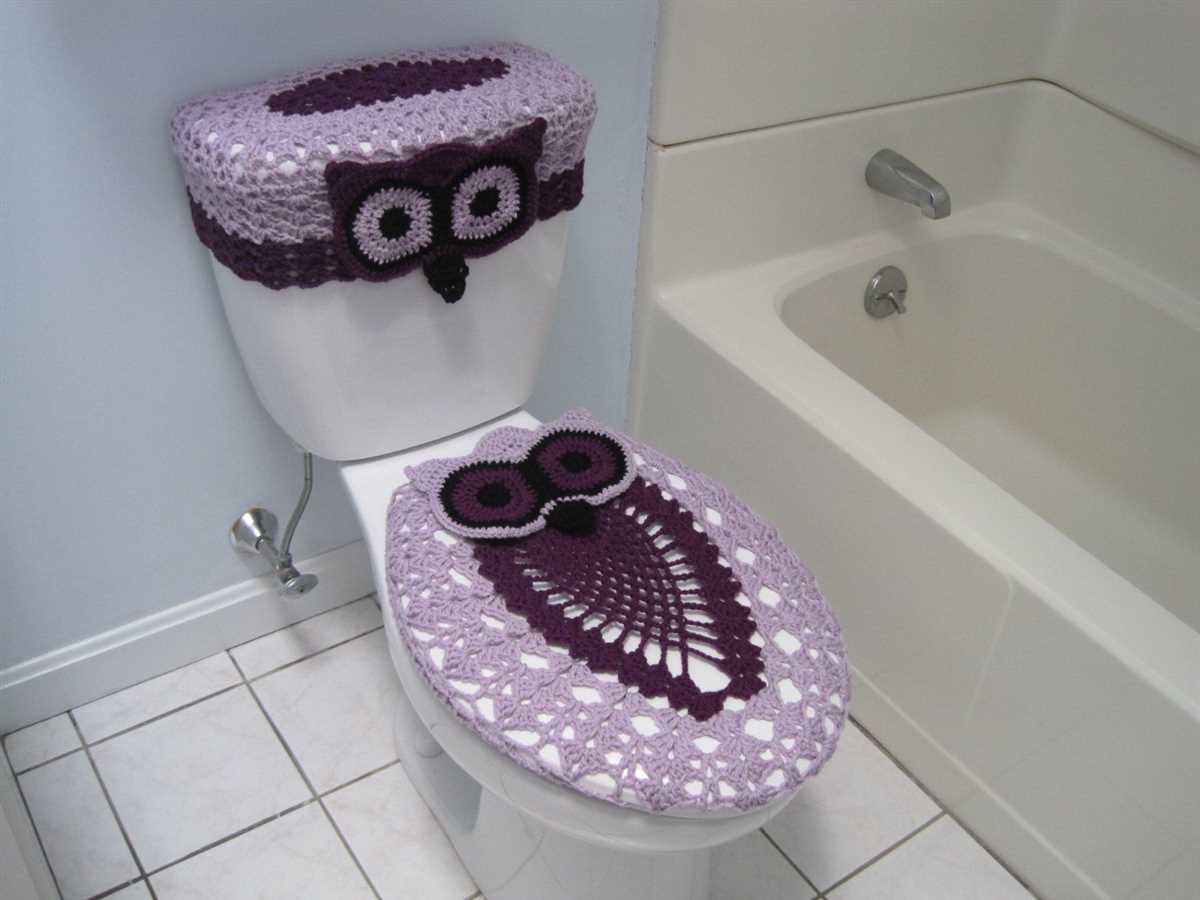
Another way to personalize your knitted toilet seat cover is by experimenting with different stitch patterns. Depending on your skill level and preferences, you can choose from a wide range of stitch patterns, such as ribbing, cables, or lace. These patterns can add texture and visual appeal to your toilet seat cover, making it a unique and eye-catching piece.
Add Embellishments
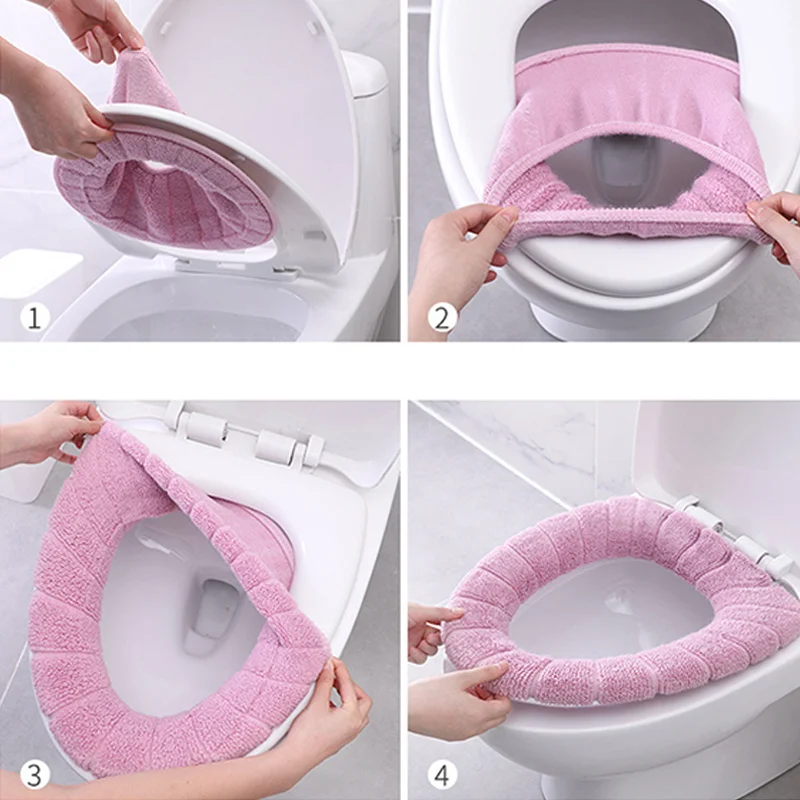
To further customize your knitted toilet seat cover, consider adding embellishments. You can use buttons, bows, or even crochet flowers to give your creation a personal touch. Be creative and choose embellishments that match your bathroom’s style and your own aesthetic preferences. Just make sure that any additions are securely attached and won’t cause any discomfort when sitting on the cover.
By following these tips, you can create a knitted toilet seat cover that perfectly suits your bathroom’s style. Remember to have fun with the project and let your creativity shine through. Happy knitting!
Knitting a Toilet Seat Cover for Different Seat Shapes and Sizes
When it comes to knitting a toilet seat cover, it’s important to consider the different shapes and sizes of toilet seats. While most toilet seats are oval-shaped, there are also round and square-shaped seats, and each may require a slightly different approach to knitting the cover.
For an oval-shaped toilet seat, you can start by measuring the circumference of the widest part of the seat and the length from the front to the back. These measurements will help you determine the size of your knitting project. Using a soft and stretchy yarn, you can then cast on the appropriate number of stitches for the circumference and work the cover in a combination of knit and purl stitches for a snug fit.
For a round toilet seat, you can follow a similar approach by measuring the circumference and the diameter of the seat. Using circular knitting needles and a comfortable yarn, you can cast on the appropriate number of stitches and work in a continuous round to create a seamless cover that will fit snugly over the seat.
If you have a square-shaped toilet seat, you may need to take additional measurements, such as the length and width of the seat, to ensure a proper fit. Depending on the design of the seat, you may need to adapt the shape of your knitting pattern, potentially incorporating increases or decreases to accommodate any corners or angles.
Regardless of the shape and size of the toilet seat, it’s important to consider the comfort and practicality of the knitted cover. Opt for a yarn that is soft and easy to clean, as toilet seats can be prone to moisture and dirt. Additionally, consider adding elastic or a drawstring to the cover to ensure a secure fit and prevent slippage.
In conclusion, knitting a toilet seat cover for different seat shapes and sizes requires careful measurements and adaptation of the knitting pattern. By considering the unique dimensions of the seat and choosing suitable materials, you can create a practical and comfortable cover that adds a touch of handmade charm to your bathroom.
Easy Care Tips for Knitted Toilet Seat Covers
Knitted toilet seat covers can add a cozy and decorative touch to your bathroom, but it’s important to know how to properly care for them to ensure their longevity. Here are some easy care tips to keep in mind:
1. Regular Cleaning
It’s important to clean your knitted toilet seat cover regularly to remove any dirt, dust, or germs. Hand wash the cover in warm water using a mild detergent. Avoid using harsh chemicals or bleach as they can damage the fibers. Gently squeeze out the excess water and lay the cover flat to dry.
2. Avoid Excess Moisture
Excess moisture can lead to mold and mildew growth on your knitted toilet seat cover. After cleaning, make sure to thoroughly dry the cover before placing it back on the toilet seat. It’s also a good idea to periodically check for any moisture buildup and address it promptly.
3. Store Properly
When not in use, store your knitted toilet seat cover in a dry and well-ventilated area. Avoid folding or compressing it too tightly as this can cause creases or distortions in the knitted pattern. Instead, gently roll or fold the cover and place it in a breathable storage bag or container.
4. Prevent Snags
To prevent snags and pulls in your knitted toilet seat cover, be cautious when placing or removing it from the toilet seat. Avoid sharp objects or jewelry that may catch on the knitted fabric. If you notice any loose threads or snags, use a crochet hook or needle to gently pull them through to the back of the cover.
5. Rotate and Replace
To ensure even wear and prevent excessive stretching in certain areas, consider rotating your knitted toilet seat cover periodically. This will help distribute the pressure and prolong its lifespan. If you notice any signs of wear or damage that cannot be repaired, it may be time to replace the cover with a new one.
By following these easy care tips, you can enjoy your knitted toilet seat cover for years to come while keeping your bathroom stylish and cozy.
Knitting Accessories for the Perfect Bathroom Ensemble
When it comes to creating the perfect bathroom ensemble, every detail matters. From the shower curtain to the towels, every element contributes to the overall aesthetic and comfort of the space. One often overlooked accessory that can add both style and coziness to the bathroom is a knitted toilet seat cover.
The knitted toilet seat cover pattern provides an opportunity to add a personal touch to the bathroom decor. With various patterns and colors to choose from, it is easy to find a design that matches the overall theme of the space. Whether it is a bright and vibrant cover for a playful bathroom or a subtle and elegant cover for a sophisticated space, knitting allows for endless possibilities.
One advantage of using a knitted toilet seat cover is the added comfort it provides. The soft and cushiony texture of the knitted fabric makes sitting on the toilet seat more enjoyable. It also creates a warmer surface, particularly during colder months, which can be a welcome feature on those chilly mornings.
To complete the perfect bathroom ensemble, consider pairing the knitted toilet seat cover with other knitted accessories. Coordinating bath mats, shower curtains, and towel sets can create a cohesive and inviting look. The use of matching colors or patterns throughout the bathroom can tie the whole space together and create a sense of harmony.
With the right knitting accessories, a bathroom can be transformed into a cozy and stylish retreat. The addition of a knitted toilet seat cover not only adds a personal touch but also provides comfort and warmth. So why not indulge in this small but significant detail and create the perfect bathroom ensemble?
Gift Ideas: Knitted Toilet Seat Covers for Friends and Family

Knitted toilet seat covers can make unique and personalized gifts for your friends and family. They are not only practical but also add a touch of comfort and style to any bathroom. Whether you are an experienced knitter or just starting out, there are plenty of patterns available to suit different skill levels and preferences. Here are some gift ideas to inspire you:
1. Simple and Classic
A simple and classic knitted toilet seat cover in a neutral color can complement any bathroom decor. Choose a soft and durable yarn to ensure that the cover will last for a long time. This design is perfect for those who prefer a minimalist and timeless look.
2. Fun and Whimsical
If you want to add a touch of fun and whimsy to someone’s bathroom, a knitted toilet seat cover in a vibrant color or with a playful design can be a great choice. Consider adding little decorative elements such as pom-poms or buttons to make it even more unique.
3. Customized and Personalized
For a truly special gift, you can customize the knitted toilet seat cover with the recipient’s initials or their favorite colors. You can also incorporate other knitting techniques, such as cables or lace, to create a more intricate and personalized design. This will show that you put thought and effort into the gift.
4. Seasonal and Festive
For holiday or seasonal gifts, you can create knitted toilet seat covers in themed colors or patterns. The cover can be designed to resemble a snowflake for winter, a flower for spring, or a pumpkin for Halloween. This will not only add a festive touch to the bathroom but also create a cozy and inviting atmosphere.
Whether you choose a simple or a more elaborate design, knitted toilet seat covers can make creative and thoughtful gifts for your loved ones. They are not only functional, but also show that you put time and effort into making something unique for them. So why not start knitting and surprise someone with a one-of-a-kind toilet seat cover?