
Knitting is a popular and fulfilling hobby that allows people to create beautiful garments and accessories by hand. However, before the needles are picked up and the yarn is chosen, a knitting pattern is needed. A knitting pattern is a set of instructions that guide the knitter through the process of creating a particular design. It includes information on the type of needles and yarn to use, as well as specific stitches and techniques to follow.
Creating a knitting pattern can be a complex and time-consuming task. That’s where a knitting pattern illustrator comes in. A knitting pattern illustrator is a skilled professional who specializes in creating clear and visually appealing knitting patterns. They have a deep understanding of knitting techniques and can translate complex knitting instructions into easy-to-follow diagrams and charts.
Using their artistic and technical skills, a knitting pattern illustrator can turn a design idea into a step-by-step pattern that can be easily understood by knitters of all levels. They take into account factors such as gauge, stitch patterns, and shaping techniques to create accurate and detailed instructions. A good knitting pattern illustrator also pays attention to the visual presentation of the pattern, ensuring that it is attractive and easy to read.
What is a knitting pattern illustrator?
A knitting pattern illustrator is a professional who creates visual representations of knitting patterns. They use their artistic skills and knowledge of knitting techniques to create clear and visually appealing illustrations that guide knitters in creating their own projects.
Knitting patterns are instructions that detail the steps and techniques required to create a knitted item, such as a sweater, hat, or scarf. These patterns typically include written instructions and charts, but illustrations play a crucial role in helping knitters understand the construction, stitch patterns, and shaping involved.
The responsibilities of a knitting pattern illustrator may include:
- Creating detailed illustrations that clearly depict each step of the knitting process
- Designing charts and diagrams to represent stitch patterns, colorwork, and shaping
- Using various artistic techniques, such as shading and highlighting, to enhance clarity and understanding
- Collaborating with designers and pattern writers to ensure accuracy in the visual representation of the pattern
- Adapting existing patterns to different sizes or variations
- Providing technical support and troubleshooting for knitters who may have difficulty understanding the pattern
To be a successful knitting pattern illustrator, one should have:
- A strong understanding of knitting techniques and terminology
- Excellent artistic and visual communication skills
- Attention to detail and ability to accurately represent stitch patterns and shaping
- Proficiency in using design software or illustration tools
- Ability to work collaboratively with pattern designers and writers
In summary, a knitting pattern illustrator is a vital part of the knitting community, as they help bring knitting patterns to life through visual representations. They play a crucial role in ensuring that knitters can understand and successfully recreate the designs in the patterns. Without their expertise, many knitters would struggle to navigate the intricacies of complex knitting projects.
Why you need a knitting pattern illustrator
Creating knitting patterns requires not just expert knitting skills, but also the ability to visually communicate complex instructions. This is where a knitting pattern illustrator comes in. A knitting pattern illustrator is an essential professional who specializes in transforming written instructions into clear and easy-to-follow visuals.
Visual clarity and understanding
One of the main reasons why you need a knitting pattern illustrator is to ensure visual clarity and understanding for the knitter. Knitting patterns can often be quite intricate and detailed, and it can be challenging for a knitter to fully grasp the instructions just from written text. By incorporating illustrations and diagrams, a knitting pattern illustrator can make the instructions crystal clear, allowing knitters to easily understand and follow along.
Furthermore, a knitting pattern illustrator can enhance the visual appeal of a knitting pattern. By using beautiful and visually engaging illustrations, they can make the pattern more attractive and appealing to potential buyers or readers. This can be particularly important for independent designers or pattern publishers who rely on their patterns to stand out in a saturated market.
Efficiency and accuracy

Having a knitting pattern illustrator can greatly improve the efficiency and accuracy of the pattern creation process. By working closely with the designer or author, a knitting pattern illustrator can help identify any ambiguous or unclear instructions and suggest visual solutions to clarify them. This collaboration ensures that the final pattern is accurate, error-free, and easy for knitters to follow.
Additionally, a knitting pattern illustrator can save time for both the designer and the knitter. Instead of spending hours deciphering complex written instructions, the knitter can quickly refer to the visual illustrations for guidance. This reduces the likelihood of making mistakes and allows the knitting project to progress more smoothly.
In summary, a knitting pattern illustrator is an invaluable asset for anyone involved in the knitting industry. Whether you’re a designer, author, or knitter, having clear and visually appealing patterns can greatly enhance your experience and ensure successful knitting projects. Don’t underestimate the power of visual communication in knitting – invest in a knitting pattern illustrator today!
How to become a knitting pattern illustrator
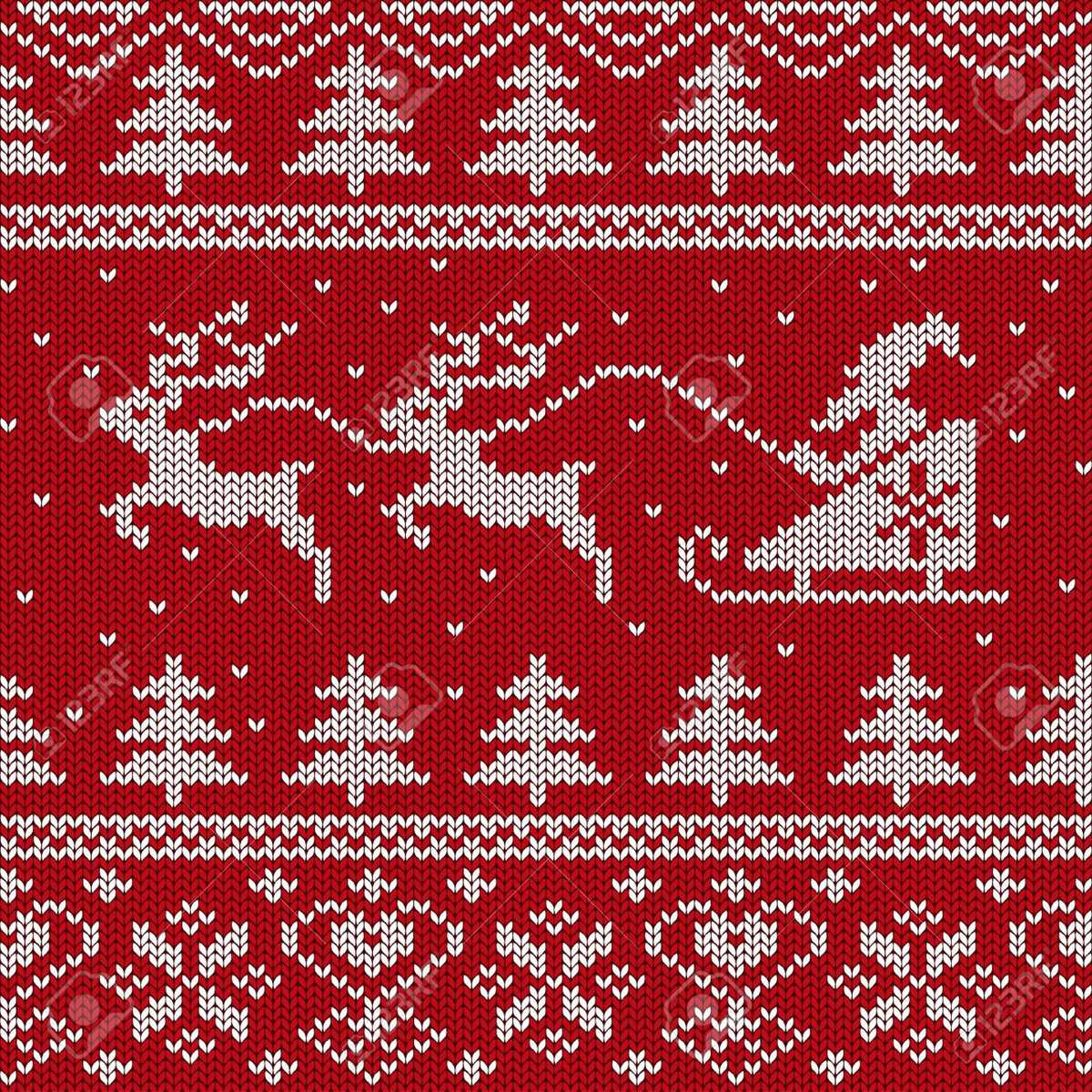
If you have a passion for knitting and a talent for illustration, becoming a knitting pattern illustrator can be a rewarding career choice. This specialized field combines the art of creating visually appealing knitting patterns with the technical skills needed to accurately convey instructions to knitters. If you’re interested in pursuing this path, here are some steps to help you get started:
1. Develop your knitting skills: As a knitting pattern illustrator, it’s essential to have a strong understanding of different knitting techniques and stitches. Take the time to practice and expand your knitting skills by following existing patterns and experimenting with different techniques. This hands-on experience will give you a solid foundation to create accurate and detailed illustrations.
2. Learn digital illustration tools: To create professional-looking knitting patterns, it’s important to be proficient in digital illustration software such as Adobe Illustrator or Inkscape. These tools allow you to create precise and scalable illustrations that can be easily edited and shared with others. Take the time to familiarize yourself with these software programs and learn how to use them effectively.
3. Study existing knitting patterns: To understand the intricacies of knitting pattern illustrations, it’s helpful to study and analyze existing knitting patterns. Pay attention to how different elements, such as stitch symbols, color codes, and sizing information, are represented visually. This will give you insights into the best practices for creating clear and easy-to-follow illustrations.
4. Start creating your own patterns: Once you feel confident in your knitting and illustration skills, start developing your own knitting patterns. Begin with simple designs and gradually increase the complexity as you gain more experience. Pay attention to the layout and organization of the pattern, ensuring that it’s easy for knitters to understand and follow.
5. Build your portfolio: As with any creative field, it’s crucial to showcase your work through a portfolio. Create a collection of your best knitting pattern illustrations and present them in a visually appealing and organized manner. Consider including both digital and physical samples to highlight your versatility as an illustrator. Your portfolio will serve as a powerful tool to attract potential clients and demonstrate your skills and expertise.
6. Network and collaborate: Connect with other professionals in the knitting and illustration industry to expand your network and seek collaborative opportunities. Attend industry events, join online communities, and participate in knitting-related projects to meet like-minded individuals and gain exposure. Collaborating with other artists and designers can also help you learn new techniques and improve your skills.
With dedication, continuous learning, and a passion for both knitting and illustration, you can successfully become a knitting pattern illustrator. Embrace the opportunities to grow and challenge yourself, and you’ll be able to carve out a fulfilling career in this niche field.
Skills and tools required for knitting pattern illustration
Knitting pattern illustration requires a combination of artistic skills and technical knowledge. This specialized field of illustration involves creating detailed diagrams and visual representations of knitting patterns, which are used by knitters to create garments and accessories.
In order to excel in knitting pattern illustration, it is essential to have a strong understanding of knitting techniques and terminology. This includes knowledge of different stitch patterns, such as garter stitch, stockinette stitch, and cables, as well as an understanding of how to read and interpret knitting charts and symbols.
Artistic skills: A knitting pattern illustrator must have a keen eye for detail and the ability to create accurate and visually appealing illustrations. They should be proficient in drawing and sketching, as well as skilled in using graphic design software to create digital illustrations. Additionally, a sense of color theory and an understanding of how different colors and textures work together is important for creating visually engaging knitting patterns.
Technical knowledge: In addition to artistic skills, a knitting pattern illustrator must possess technical knowledge of the knitting process. They need to understand how each stitch is formed, and how different knitting techniques can be combined to create various patterns and textures. This knowledge allows them to accurately represent knitting instructions in their illustrations, ensuring that knitters can easily follow and understand the pattern.
Tools: Knitting pattern illustrators typically use a combination of traditional and digital tools. Traditional tools may include pencils, pens, and markers for sketching and drawing, as well as measuring instruments such as rulers and tape measures. Digital tools such as graphic design software and image editing programs allow illustrators to create and manipulate digital illustrations, as well as adjust colors, sizes, and other elements as needed.
Overall, knitting pattern illustration requires a unique blend of artistic talent and technical knowledge. With the right skills and tools, a knitting pattern illustrator can create clear and visually appealing illustrations that help knitters bring their creations to life.
Tips for creating visually appealing knitting patterns

Creating knitting patterns that are visually appealing is an important aspect of attracting and engaging knitters. Here are some tips to help you create visually appealing knitting patterns:
1. Use clear and concise instructions
In order to create visually appealing knitting patterns, it is important to use clear and concise instructions. Make sure to use simple and easy-to-understand language that can be easily followed by knitters of all skill levels. Avoid using jargon or complex terms that may confuse beginners.
2. Incorporate visual elements

Adding visual elements to your knitting patterns can enhance their appeal. Use high-quality images or illustrations to visually guide knitters through each step of the pattern. Consider including close-up shots of intricate stitch patterns or finished pieces to showcase the detail and texture of the design.
3. Organize the information

Organizing the information in your knitting patterns is crucial for creating visual appeal. Use headings, bullet points, or numbered lists to break down the pattern into easily digestible sections. This will make it easier for knitters to navigate through the pattern and keep track of their progress.
4. Choose a visually attractive layout
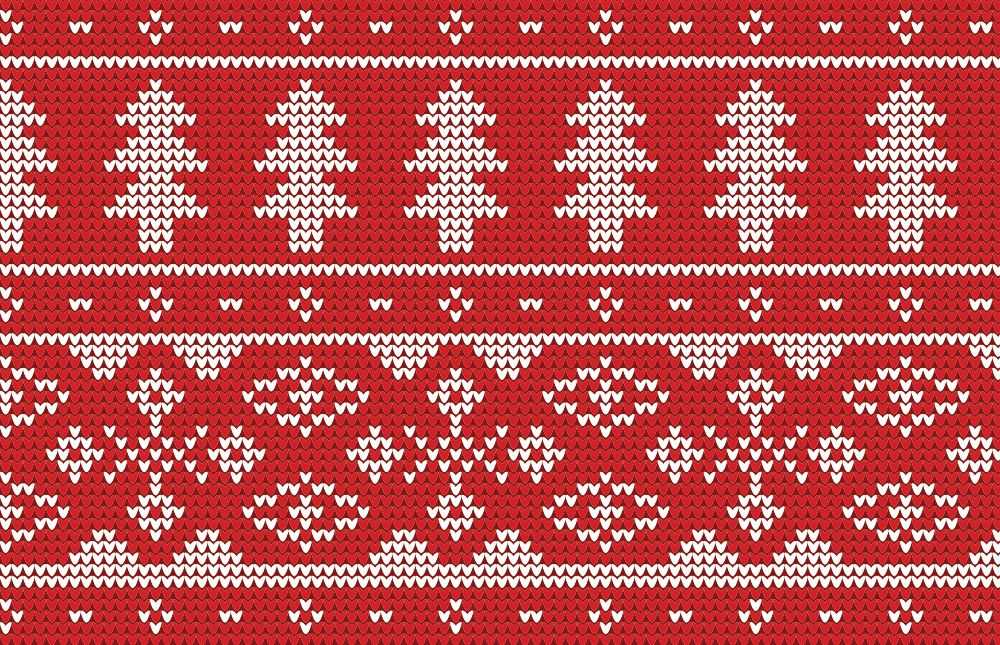
The layout of your knitting patterns plays a vital role in their visual appeal. Consider using a clean and modern design that is visually pleasing to the eye. Use a consistent font and formatting style throughout the pattern to maintain a cohesive look.
5. Incorporate color and texture
Consider incorporating color and texture into your knitting patterns to make them more visually appealing. Use contrasting colors to highlight important instructions or stitch patterns. Additionally, make use of different textures, such as cables or lace, to add visual interest to the design.
By following these tips, you can create knitting patterns that are visually appealing, easy to follow, and enjoyable for knitters of all skill levels.
Common mistakes to avoid in knitting pattern illustration

Knitting pattern illustration plays a crucial role in ensuring that knitters can understand and replicate a design accurately. However, there are some common mistakes that can hinder the clarity and effectiveness of the illustrations. By being aware of these mistakes and avoiding them, knitters can have a better experience with their projects.
1. Lack of clarity: One of the most common mistakes in knitting pattern illustration is the lack of clarity. It is essential to provide clear and detailed instructions, with step-by-step illustrations, to help knitters understand the process. Avoid vague or ambiguous images that can confuse the reader.
2. Inaccurate proportions: Another common mistake is the use of inaccurate proportions in the illustrations. It is crucial to ensure that the size and shape of the knitted items are accurately represented in the illustrations. Use measurements and gauge information to create proportional images that reflect the final product.
3. Poor labeling: Proper labeling is essential in knitting pattern illustrations. Clearly label each part of the design, such as different stitches, increases, decreases, or any special techniques used. This will make it easier for knitters to follow the instructions and avoid confusion.
4. Lack of key information: Knitting pattern illustrations should always include key information such as stitch counts, needle sizes, and yarn weight. This information allows knitters to make informed choices and ensures that the final product matches the desired outcome.
5. Inconsistent style: Consistency in style is vital in knitting pattern illustrations. Use the same style, line thickness, and color palette throughout the pattern to maintain a cohesive and professional look. Inconsistent style can lead to confusion and make the instructions harder to follow.
By avoiding these common mistakes in knitting pattern illustration, designers can improve the overall quality and usability of their patterns. Clear and accurate illustrations will help knitters successfully complete their projects and enhance their enjoyment of the knitting process.
How to Market and Sell Your Knitting Patterns
If you are a knitting pattern illustrator, marketing and selling your patterns is essential for success. Here are some tips to help you effectively promote and sell your knitting patterns:
Create High-Quality Patterns

First and foremost, it is important to create high-quality knitting patterns. This means that your patterns should be easy to follow, include clear instructions, and provide accurate measurements. You should also include detailed photos or illustrations that showcase the finished product. By offering well-crafted patterns, you are more likely to attract customers and establish yourself as a reliable source.
Utilize Online Platforms
Take advantage of online platforms to market and sell your knitting patterns. There are various websites and marketplaces specifically designed for selling digital patterns, such as Etsy, Ravelry, and Craftsy. These platforms allow you to reach a wide audience and provide a convenient way for customers to purchase and download your patterns. Creating an online presence on social media platforms like Instagram or Facebook can also help you showcase your work and attract potential customers.
Build a Brand

Building a brand can help you stand out in the competitive knitting pattern market. Consider creating a logo or using consistent branding across your patterns and online platforms. This will help people recognize your work and associate it with quality and reliability. Additionally, consider offering a range of patterns that showcase your unique style and niche expertise. By establishing a strong brand, you can attract loyal customers who trust your designs.
Engage with your Audience
Engaging with your audience is crucial for building a loyal customer base. Respond to comments and inquiries promptly, and consider hosting online events or workshops to interact with your followers. Offering tutorials or behind-the-scenes glimpses into your creative process can also help build a connection with your audience. By fostering genuine relationships with your customers, you are more likely to gain repeat business and positive word-of-mouth recommendations.
Collaborate with Influencers
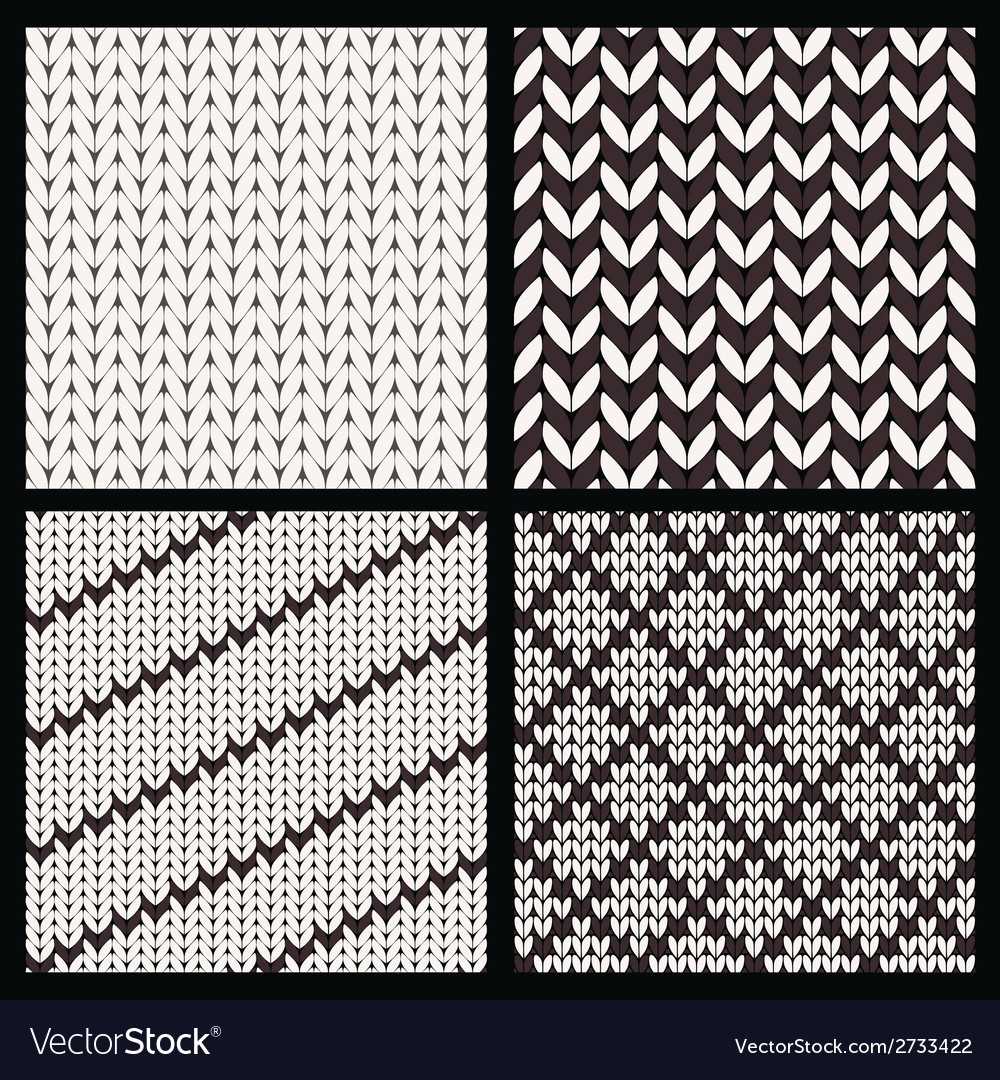
Collaborating with influencers in the knitting community can help expand your reach and credibility. Reach out to popular knitting bloggers, social media influencers, or podcast hosts to discuss potential collaborations. They can feature your patterns in their content or provide testimonials, which can increase your visibility and attract new customers. Working with influencers can help you tap into their existing audience and gain exposure to potential customers who may not have discovered your patterns otherwise.
By following these tips, you can effectively market and sell your knitting patterns and establish yourself as a reputable knitting pattern illustrator. Remember to continuously improve your skills and stay up-to-date with the latest trends and techniques to keep your patterns fresh and appealing to customers.
Where to find inspiration for knitting pattern illustration
As a knitting pattern illustrator, finding inspiration is essential to create unique and visually appealing designs. There are several sources where you can find inspiration and ideas for your knitting pattern illustrations.
1. Nature: Nature is a great source of inspiration for knitting patterns. Observe the colors, shapes, and textures of flowers, leaves, and landscapes. Incorporate these natural elements into your illustrations to create beautiful and organic patterns.
2. Fashion and textiles: Keep an eye on current fashion trends and fabric patterns. Pay attention to the colors, patterns, and textures used in clothing and home textiles. Use these trends as inspiration to create modern and trendy knitting patterns that will catch the eye of fashion-forward knitters.
3. Art and design: Look for inspiration in the world of art and design. Explore different styles, techniques, and movements, such as abstract art, Art Deco, or minimalism. Incorporate elements of these styles into your knitting pattern illustrations to create unique and visually striking designs.
4. History and culture: Dive into the rich history and culture of different countries and regions. Whether it’s traditional patterns and motifs or historical garments, there is a wealth of inspiration to be found. Incorporate elements of traditional knitting techniques or incorporate historical motifs into your illustrations to create patterns with a story.
5. Online platforms and communities: Join knitting communities and follow knitting pattern illustrators on social media platforms such as Instagram and Pinterest. Engage with the community, share your work, and discover new artists and designers. These platforms can provide a constant stream of inspiration and help you stay up to date with the latest trends in the knitting world.
6. Personal experiences and interests: Draw inspiration from your own experiences and interests. Think about what you love, whether it’s a particular hobby, a favorite book, or a memorable trip. Incorporate elements of these personal interests into your knitting pattern illustrations to create designs that are meaningful and reflective of your own unique style.
- In conclusion, finding inspiration for knitting pattern illustration is crucial to creating original and captivating designs. By exploring nature, fashion, art, history, online platforms, and your personal experiences, you can find endless sources of inspiration for your knitting patterns.
Case studies of successful knitting pattern illustrators

In this section, we will take a look at some case studies of knitting pattern illustrators who have achieved success in their field. These artists have been able to create unique and visually appealing designs for knitting patterns, and their work has been highly sought after by both individual knitters and commercial knitting companies.
Case Study 1: Jane Smith
Jane Smith is a renowned knitting pattern illustrator known for her intricate and detailed designs. Her patterns often feature complex lacework and cable stitches, which require a high level of skill and precision. Jane’s work has been featured in numerous knitting magazines and books, and she has also collaborated with several well-known knitting yarn brands. Her attention to detail and ability to create visually stunning patterns have made her a sought-after illustrator in the knitting community.
Case Study 2: David Johnson
David Johnson is a knitting pattern illustrator who specializes in modern and contemporary designs. His patterns often incorporate bold colors and geometric shapes, giving them a unique and eye-catching appearance. David’s work has gained popularity among younger knitters looking for fresh and innovative designs. He regularly shares his patterns on social media platforms, where they have gained a significant following. David’s ability to combine traditional knitting techniques with a modern aesthetic has made him a successful knitting pattern illustrator.
Case Study 3: Sarah Thompson
Sarah Thompson is a knitting pattern illustrator known for her whimsical and playful designs. Her patterns often feature cute animals, fun characters, and vibrant colors, making them popular among knitters looking for charming and lighthearted projects. Sarah’s work has been featured in children’s knitting publications and has also been adapted into knitting kits for kids. Her ability to create patterns that appeal to both children and adults has made her a successful knitting pattern illustrator.
In conclusion, these case studies demonstrate the diverse range of styles and techniques used by successful knitting pattern illustrators. Whether they focus on intricate lacework, modern designs, or playful characters, these artists have been able to capture the imagination of knitters worldwide. Their ability to create visually stunning and unique patterns has earned them recognition and success in the knitting industry.