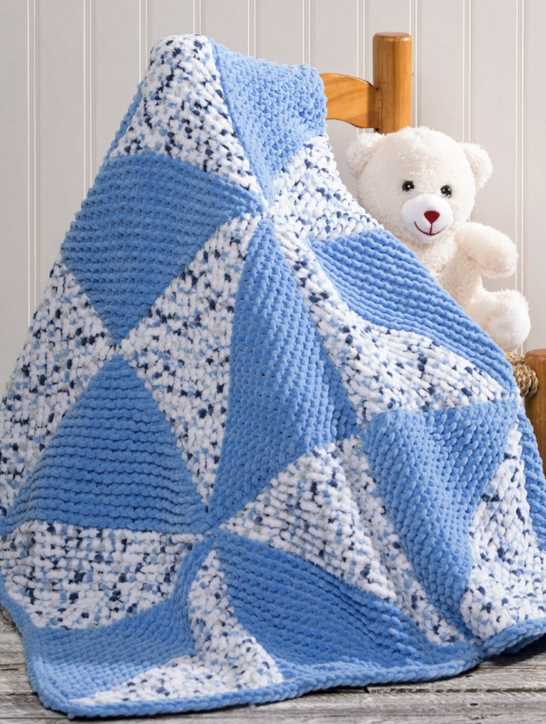
Knitting is not only a popular pastime for adults, but it is also a wonderful way to create beautiful and cozy blankets for children. Whether you are a seasoned knitter or a beginner, there are countless knitting patterns available that will delight any child. From whimsical animal designs to simple stripes, there is a pattern for every taste and skill level.
One of the great things about knitting blankets for children is that you can choose from a variety of materials, colors, and textures. You can create blankets using soft and warm yarns, or opt for more lightweight and breathable options for warmer climates. This versatility allows you to customize the blanket to suit the child’s needs, ensuring their comfort and satisfaction.
Not only are knitted blankets practical and functional, but they also make wonderful keepsakes. Many parents treasure the handmade blankets created for their children, cherishing them as heirlooms that can be passed down through generations. When you knit a blanket for a child, you are not only creating a cherished item, but you are also imbuing it with your love and care.
Knitting Patterns for Children’s Blankets
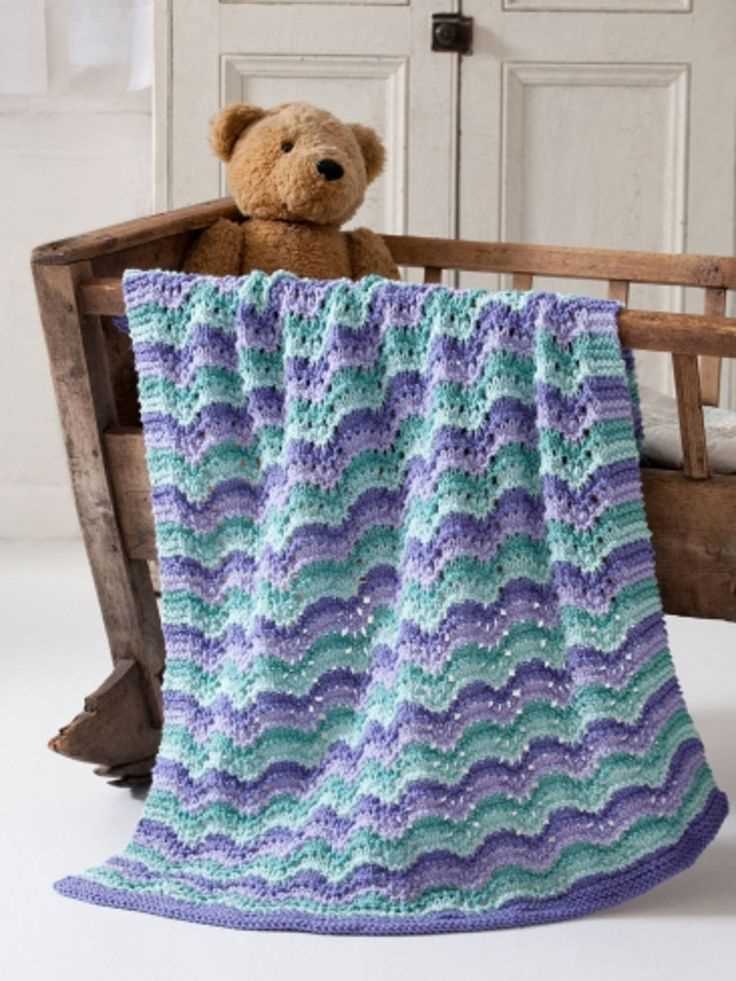
Knitting blankets for children is a wonderful way to create cozy and personal items that can be cherished for years to come. Whether you are a beginner or an experienced knitter, there are countless knitting patterns available that are perfect for children’s blankets. These patterns not only offer a chance to showcase your knitting skills, but also allow you to customize the blanket to suit the child’s personality and preferences.
One popular knitting pattern for children’s blankets is the “Striped Blanket”. This pattern involves knitting multiple rows of different colored yarns to create a striped effect. You can choose colors that match the child’s room or their favorite colors. The striped pattern adds visual interest and makes the blanket fun and playful. It’s also a great pattern for using up leftover yarn from other projects.
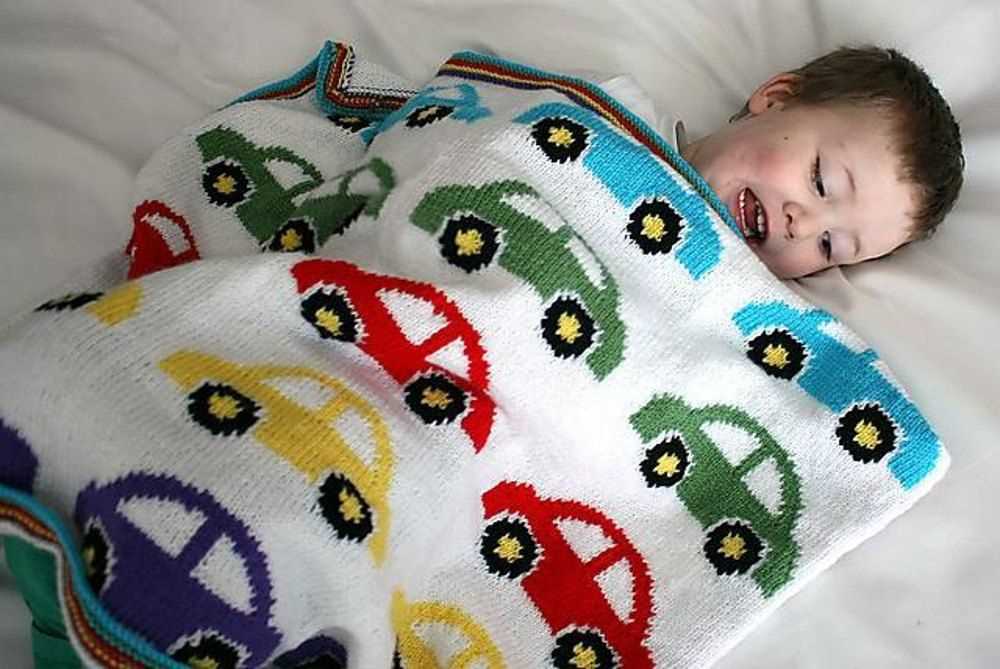
Another delightful option is the “Animal-themed Blanket”. This pattern allows you to knit a blanket with adorable animal motifs, such as elephants, owls, or bunnies. These cute designs can be created using intarsia or fair isle knitting techniques. Animal-themed blankets are not only attractive, but they also stimulate a child’s imagination and provide a comforting and snuggly companion. You can select colors that match the animal you are knitting, or go wild with a rainbow of colors.
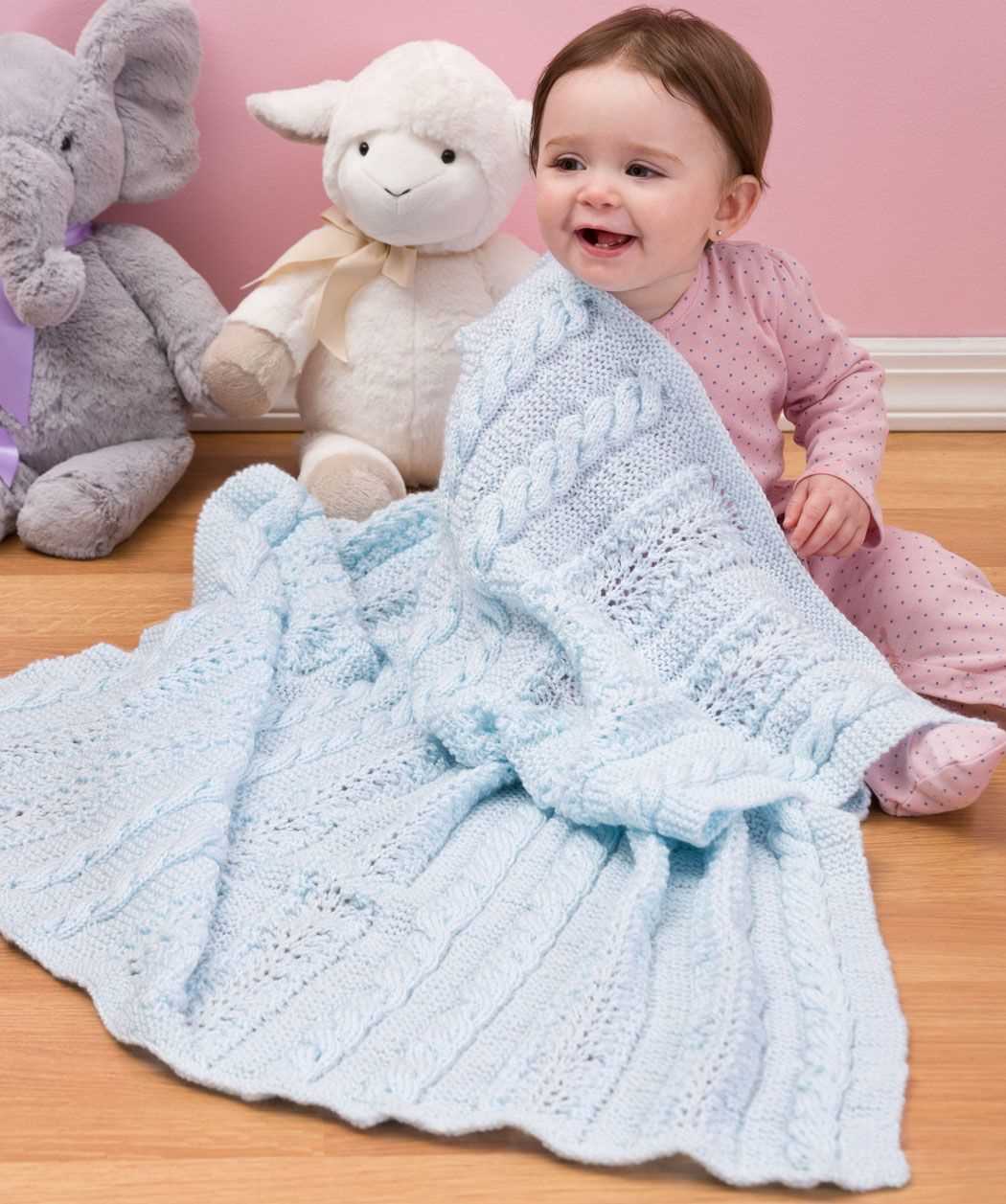
If you are looking for a pattern that offers both warmth and texture, the “Cable Blanket” is an ideal choice. This pattern involves knitting raised, intertwined cables that create a visually stunning and cozy blanket. The cable design adds a touch of elegance to the blanket, making it suitable for a nursery or a child’s bedroom. You can choose to knit the cables in a simple, repetitive pattern, or mix and match different cable designs for a more intricate and unique look.
When choosing a knitting pattern for a children’s blanket, it’s important to consider the child’s age and preferences. Opt for soft and washable yarns that are suitable for sensitive skin. Additionally, ensure that the finished blanket is safe and free from any potential choking hazards. With these considerations in mind, you can create a beautiful and practical blanket that will bring joy and comfort to any child.
Benefits of Knitting Children’s Blankets
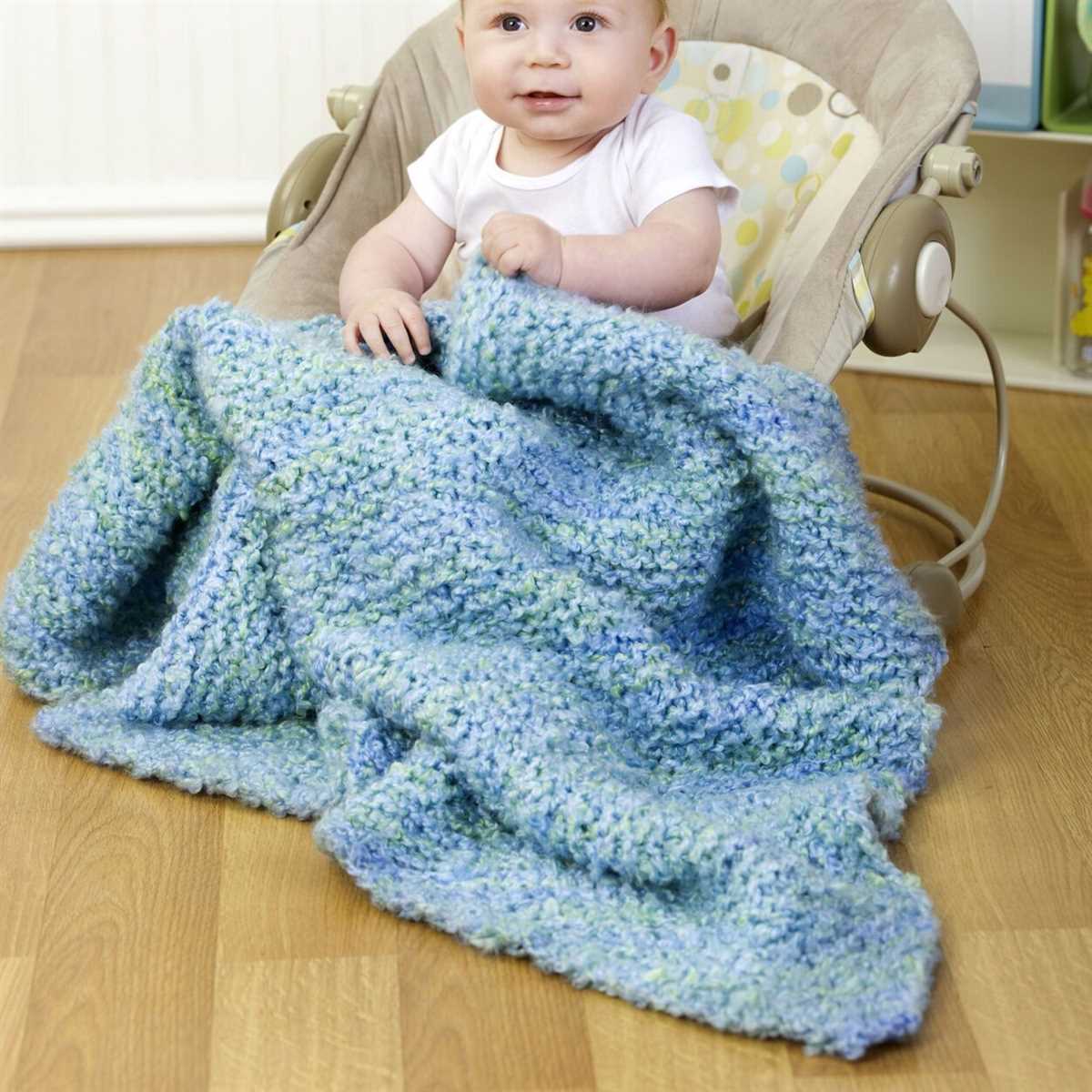
Knitting children’s blankets can provide numerous benefits for both the knitter and the child. This creative and productive hobby offers a wonderful way to show love and care for the little ones in our lives. Here are some key advantages of knitting children’s blankets:
- Personalized and Unique: By knitting a blanket, you have the opportunity to create a personalized and unique item for a child. You can choose the colors, patterns, and even add special designs or initials to make the blanket truly one-of-a-kind.
- Comfort and Warmth: Knitted blankets provide comfort and warmth for children, especially during cooler seasons. The soft and cozy texture of the knitted fabric creates a sense of security and can help promote a peaceful sleep for the child.
- Handmade with Love: Knitting a blanket for a child is a labor of love. The time and effort put into each stitch reflect the care and affection you have for the child. Handmade gifts often hold sentimental value and can be cherished for years to come.
- Parent-Child Bonding: Knitting children’s blankets can also create an opportunity for bonding between parents and their little ones. Involving a child in the process, such as choosing colors or helping with simple tasks, can foster a sense of cooperation and shared creativity.
In addition to these benefits, knitting children’s blankets can also be a therapeutic and stress-relieving activity for the knitter. It allows for mindfulness and focus, as well as an outlet for creativity. Overall, knitting children’s blankets not only creates functional and cozy items, but also provides a meaningful and enjoyable experience for both the knitter and the child.
Choosing the Right Yarn for Children’s Blankets
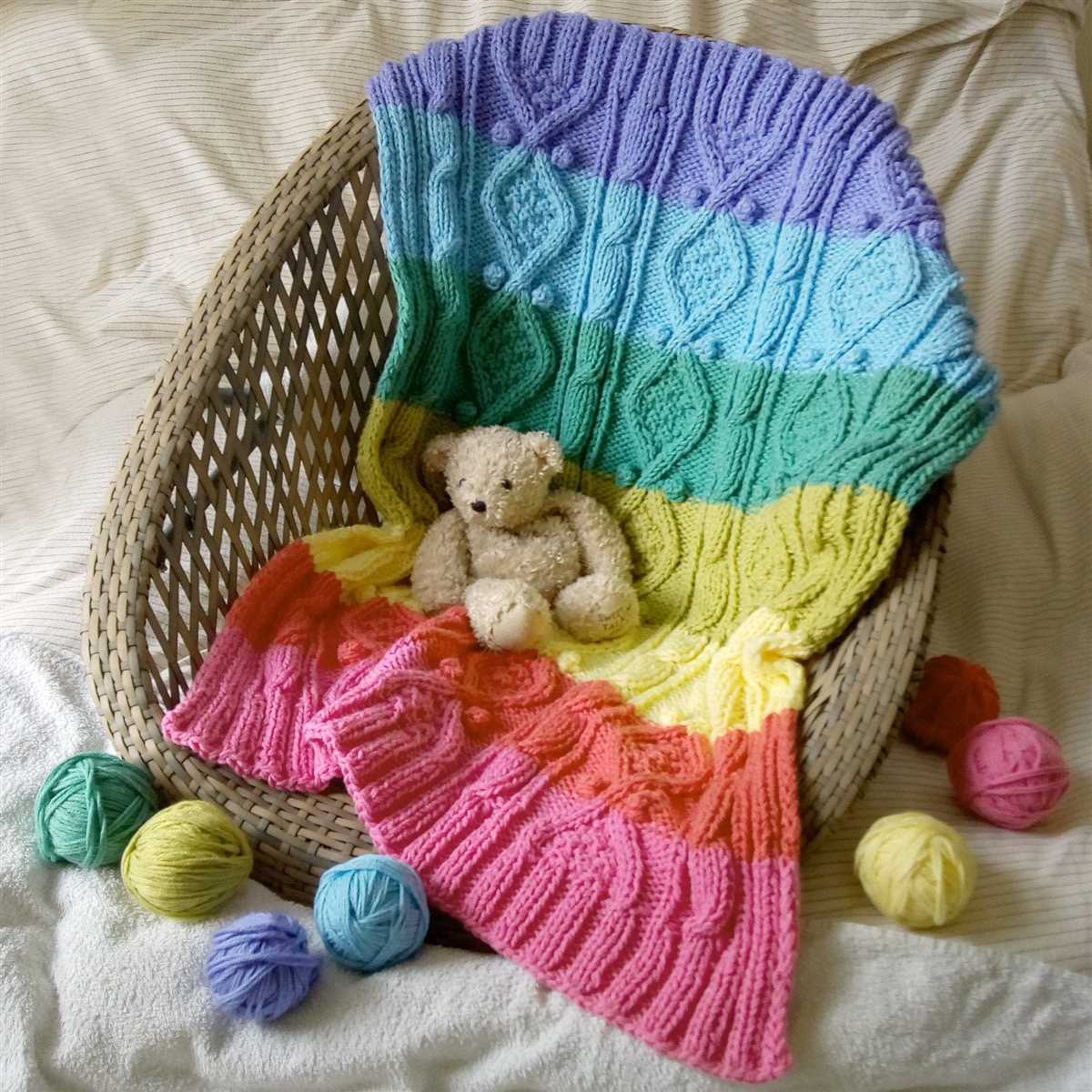
When it comes to knitting patterns for children’s blankets, choosing the right yarn is crucial. Children’s blankets should be soft, cozy, and durable, so it’s important to select a yarn that meets these criteria.
Material: One of the first considerations when choosing yarn for children’s blankets is the material. Opt for natural fibers such as cotton or merino wool, as they are gentle on sensitive skin and provide excellent breathability. Avoid synthetic materials like acrylic, as they may cause discomfort and irritation.
Weight: Another factor to consider is the weight of the yarn. For children’s blankets, medium weight yarn (also known as worsted weight or aran weight) is a popular choice. It provides a good balance of warmth and drape, making it perfect for both winter and summer blankets.
Softness: Children love soft and cuddly blankets, so look for yarn that has a soft texture. Merino wool, cashmere, and cotton blends are known for their softness and will be a delight to touch. Keep in mind that some natural fibers may require special care, such as hand washing, so consider the practicality of the yarn as well.
Durability: Children’s blankets are likely to be subjected to a lot of wear and tear, so it’s essential to choose a yarn that is durable and long-lasting. Look for yarn that has good stitch definition, strong ply, and can withstand machine washing. This way, the blanket will retain its shape and quality even after multiple washes.
By considering the material, weight, softness, and durability of the yarn, you can ensure that you choose the perfect yarn for knitting children’s blankets. A carefully selected yarn will result in a cozy and comfortable blanket that your little one will cherish for years to come.
Essential Tools for Knitting Children’s Blankets
When it comes to knitting children’s blankets, having the right tools is essential to ensure a successful project. Whether you are a seasoned knitter or just starting out, here are some key items that should be in every knitter’s toolbox.
1. Knitting Needles
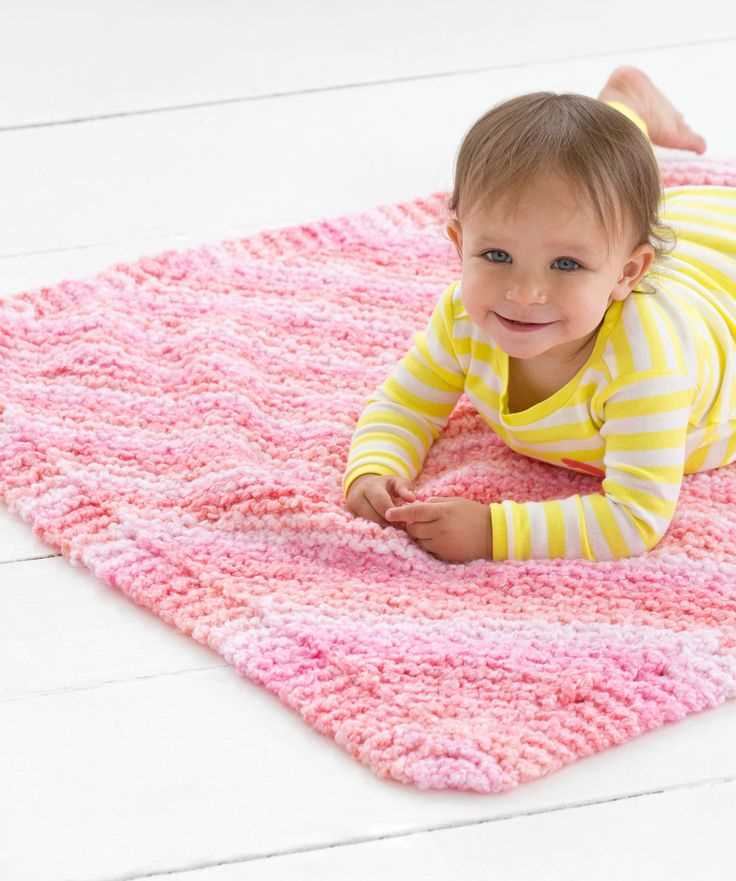
The most important tool for knitting is, of course, a good set of knitting needles. For children’s blankets, it is recommended to use circular needles, as they can hold a large number of stitches and provide an even tension. Choose needles that are the appropriate size for your yarn, and make sure they are comfortable to hold for long periods of time.
2. Yarn
Choosing the right yarn for a children’s blanket is crucial. Look for yarn that is soft, durable, and machine washable, as kids are prone to spills and messes. You can opt for bright and colorful yarns to make the blanket more appealing to children. Remember to calculate the amount of yarn you will need based on the size of the blanket you are making.
3. Stitch Markers
Stitch markers are small, often circular, markers that are used to keep track of specific stitches or pattern repeats. They can be helpful when knitting children’s blankets, especially if the pattern calls for different sections or stitch counts. By placing stitch markers at key points in your project, you can easily keep track of where you are in the pattern and avoid mistakes.
4. Tapestry Needles
Tapestry needles are used for weaving in loose ends and sewing pieces together. When knitting a children’s blanket, you will likely have several ends to weave in, so having a tapestry needle handy is essential. Choose a needle with a large eye, which will make it easier to thread the yarn through.
5. Row Counter
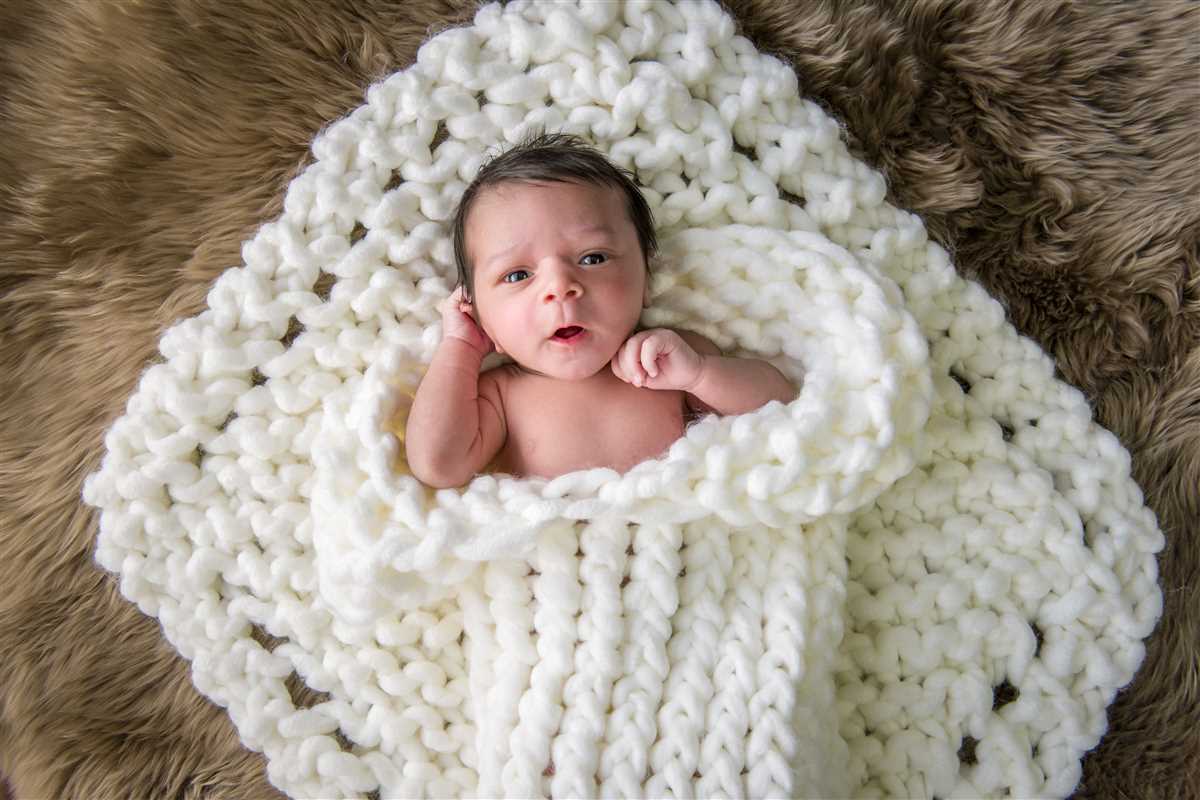
A row counter is a simple tool that can be attached to your knitting needles or kept separately. It helps you keep track of the number of rows you have completed in your project. This is especially useful when following a pattern that requires a specific number of rows or when knitting sections of a blanket that require the same number of rows.
By having these essential tools in your knitting arsenal, you will be well-equipped to take on the challenge of knitting children’s blankets. Remember to always read the pattern carefully and take your time to ensure a beautiful and functional finished product.
Basic Knitting Stitches for Children’s Blankets
When it comes to knitting patterns for children’s blankets, it’s important to have a solid understanding of basic knitting stitches. These stitches form the foundation of any knitting project and can help create beautiful designs for your little ones.
Garter Stitch: The garter stitch is one of the most basic knitting stitches and is perfect for beginners. It is created by knitting every stitch on every row, resulting in a fabric with ridges. This stitch is great for cozy and warm blankets.
Stockinette Stitch: The stockinette stitch creates a smooth and even fabric with a “v” pattern on one side and a flat surface on the other. It is achieved by knitting one row and purling the next. This stitch is commonly used for blankets as it provides a nice drape and is perfect for showcasing patterns or motifs.
Rib Stitch: The rib stitch is a versatile stitch that creates a textured fabric with alternating columns of knit and purl stitches. It is commonly used for borders or edges of blankets as it helps to prevent curling. The most common rib stitch is the 2×2 rib, which is achieved by knitting two stitches and purling two stitches in a repeating pattern.
Seed Stitch: The seed stitch is an easy and fun stitch that creates a bumpy texture with a pattern of alternating knit and purl stitches. It is achieved by knitting one stitch and purling the next, then repeating this pattern across the row. This stitch is great for adding visual interest and texture to children’s blankets.
Moss Stitch: The moss stitch is similar to the seed stitch but has a different pattern. It creates a textured fabric with alternating knit and purl stitches, but the pattern is staggered. It is achieved by knitting one stitch and purling the next, then purling one stitch and knitting the next, and repeating this pattern across the row. The moss stitch is perfect for adding a touch of complexity to children’s blankets.
Cable Stitch: The cable stitch is a more advanced stitch that creates a woven design by crossing stitches over each other. It is achieved by holding a certain number of stitches on a cable needle, knitting a set number of stitches, then knitting the stitches from the cable needle. Cable stitches can create beautiful patterns and are perfect for creating unique and eye-catching blankets for children.
Easy Knitting Patterns for Beginners
If you are new to knitting and looking for some simple projects to start with, there are plenty of easy knitting patterns available that are perfect for beginners. These patterns are designed to be straightforward and achievable for those who are just starting out.
Scarf: A scarf is a classic knitting project that is perfect for beginners. It only requires basic stitches, such as knit and purl, making it a great way to practice these foundational skills. You can choose a simple garter stitch pattern or try your hand at a ribbed or seed stitch for added texture.
Blanket: Knitting a blanket may seem like a daunting project, but there are many easy patterns available that are perfect for beginners. Choose a pattern that uses bulky or super bulky yarn to make the project go faster, and opt for simple stitches like garter or stockinette stitch.
Hat: Another great beginner project is knitting a hat. There are many patterns available that use basic stitches and simple shaping techniques. You can start with a basic beanie or try something more adventurous, like a slouchy hat or a pom-pom beanie.
Headband: If you’re looking for a quick and easy project, knitting a headband is a great option. It requires minimal yarn and can be completed in just a few hours. Choose a simple pattern that uses basic stitches like knit and purl, and experiment with different colors and textures.
Dishcloth: Knitting dishcloths is a practical and rewarding project for beginners. They are small, quick to knit, and make great gifts. Look for patterns that use basic stitches and explore different stitch patterns for added interest.
Conclusion
With these easy knitting patterns, beginners can practice their knitting skills and create beautiful handmade items. Whether you choose to knit a scarf, blanket, hat, headband, or dishcloth, these projects are designed to be achievable for those who are new to knitting. So grab your needles and yarn and start knitting!
Advanced Knitting Patterns for Experienced Knitters
For experienced knitters looking to take their skills to the next level, advanced knitting patterns offer a challenge and an opportunity to create stunning and intricate designs. These patterns often involve complex stitch patterns, intricate details, and unique techniques that require precision and attention to detail.
1. Lace Knitting: Lace knitting patterns are perfect for advanced knitters who are looking to create delicate and intricate designs. These patterns often involve a combination of different lace stitches, creating beautiful openwork patterns. From shawls to scarves and even sweaters, lace knitting patterns offer endless possibilities for creating exquisite garments.
2. Fair Isle Knitting: Fair Isle knitting, also known as stranded knitting, is a technique that involves working with multiple colors in one row to create intricate patterns. Advanced knitters can challenge themselves by tackling Fair Isle knitting patterns that feature intricate motifs and complex colorwork. This technique allows knitters to create stunning garments, such as sweaters and hats, with beautiful and eye-catching designs.
3. Cables and Aran Knitting: Cables and Aran knitting patterns are perfect for advanced knitters who enjoy working with textured stitches. These patterns often involve intricate cable designs and complex stitch patterns, creating a rich and textured fabric. From cozy sweaters to warm blankets, cables and Aran knitting patterns allow knitters to create timeless and classic garments with an added touch of sophistication.
4. Intarsia Knitting: Intarsia knitting is a technique that allows knitters to create pictures or patterns using different colored yarns. Advanced knitters can challenge themselves with intarsia knitting patterns that feature intricate pictures or detailed designs. This technique requires careful attention to yarn management and color changes, resulting in stunning and personalized creations.
5. Seamless Knitting: Advanced knitters can also explore seamless knitting patterns, which involve knitting garments without any seams. These patterns often require skills in shaping, joining stitches, and understanding garment construction. Seamless knitting allows knitters to create garments that fit beautifully and have a clean and polished finish.
When taking on advanced knitting patterns, it is important to have a good understanding of knitting techniques, stitch patterns, and garment construction. It is also essential to have the patience and perseverance to tackle complex projects. With practice and determination, experienced knitters can create unique and stunning pieces that showcase their skill and creativity.
Knitting Patterns for Baby Blankets
Knitting baby blankets can be a fun and rewarding project. It allows you to create a beautiful and practical item for the little ones, while also showcasing your knitting skills. Whether you are a beginner or an experienced knitter, there are plenty of knitting patterns available for baby blankets that you can choose from.
1. Simple and Classic Baby Blanket Pattern
If you are new to knitting or prefer a simple design, a classic baby blanket pattern is a great choice. This pattern typically involves using basic knit and purl stitches to create a cozy and soft blanket. You can choose from a variety of yarn colors to match the nursery or baby’s gender.
- Yarn: Choose a soft and washable yarn suitable for babies, such as baby acrylic or cotton yarn.
- Needles: Use size 8 (5mm) knitting needles.
- Pattern: Cast on a multiple of stitches, such as 120 stitches. Knit the first row, then alternate knit and purl rows until the desired length is reached. Finish with a knit row, and bind off all stitches.
2. Lace Baby Blanket Pattern
If you want to create a more intricate and delicate baby blanket, a lace pattern is a beautiful choice. Lace patterns involve creating decorative holes and intricate motifs using yarn overs and decreases. This can result in a lightweight and airy blanket that is perfect for warmer weather or as a decorative piece in the nursery.
- Yarn: Choose a lightweight yarn, such as baby alpaca or bamboo yarn, for a soft and delicate feel.
- Needles: Use size 5 (3.75mm) knitting needles to create a finer lace pattern.
- Pattern: There are various lace patterns available, such as feather and fan or leaf motifs. Follow the pattern instructions for the specific lace pattern you choose.
3. Colorful Striped Baby Blanket Pattern
To add some playful and vibrant colors to your baby’s blanket, consider a striped pattern. Striped baby blankets can be an excellent way to use up leftover yarns and create a unique and eye-catching design. You can choose to alternate between two or more colors and create different stripe widths to personalize the blanket.
- Yarn: Use a variety of yarn colors of your choice. Worsted weight yarn is recommended for a blanket that is both soft and durable.
- Needles: Use size 7 (4.5mm) knitting needles to create a medium tension.
- Pattern: Cast on the desired number of stitches and knit each row in the color sequence you prefer. Alternate colors and change yarns after a certain number of rows to create the stripes.
When knitting baby blankets, it’s important to consider the safety and comfort of the baby. Choose soft and hypoallergenic yarns, avoid using loose or long yarn tails that could pose a choking hazard, and ensure that the blanket is properly washed and dried before use. With these knitting patterns, you can create beautiful and special blankets for the little ones in your life.
Knitting Patterns for Toddler Blankets
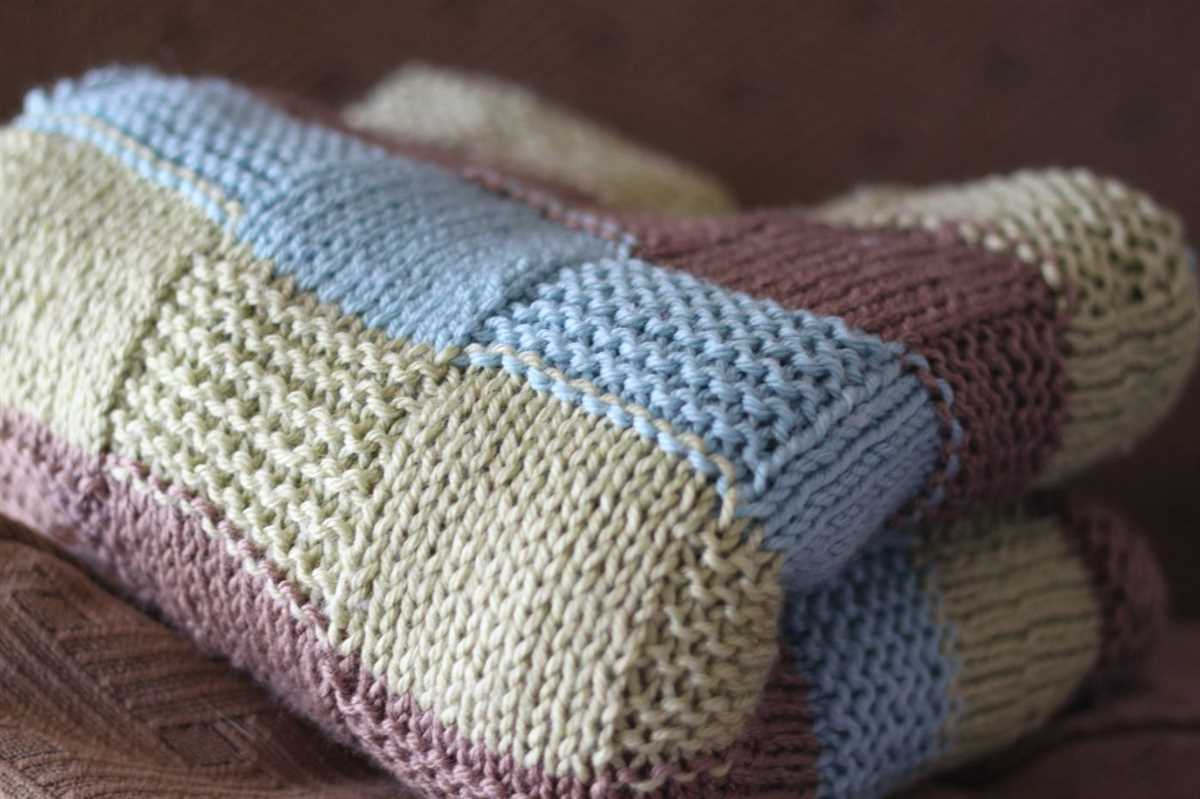
Toddler blankets are a great way to keep your little ones cozy and warm. Knitting your own blanket allows you to customize the design and choose the perfect colors to match your child’s room or personality. Whether you are a beginner or an experienced knitter, there are many patterns available to help you create a beautiful and practical blanket for your toddler.
Simple Stripes: A classic pattern for a toddler blanket is simple stripes. This pattern is perfect for beginners as it only requires basic knitting skills. You can choose two or more colors and alternate them in even or random stripes. This pattern is versatile and can be easily adjusted to any size or color combination.
Animal Friends: Adding cute animal motifs to your toddler blanket can make it extra special. You can choose from a variety of animal patterns such as elephants, bears, bunnies, or owls. These motifs can be knit separately and then attached to the blanket, or you can incorporate them directly into the knitting pattern. Animal friends blankets are not only adorable but also provide a fun and stimulating element for your child.
Textured Stitches: If you want to add a touch of sophistication to your toddler’s blanket, consider using textured stitches. Cable stitches, lace patterns, or seed stitch can create a beautiful and intricate design. These patterns may require more advanced knitting skills, but the end result is definitely worth it. They add depth and visual interest to the blanket, making it a unique and special piece that your child will cherish.
Reversible Blankets: Reversible blankets are a practical choice for toddlers. They can be used in any season, as you can simply flip it over to reveal a different design. Reversible patterns often use a combination of different stitches or colors to create a distinct look on each side. This allows you to have two blankets in one, making it a versatile and cost-effective option.
Eco-Friendly Options: If you are conscious of the environment, you can choose to knit your toddler blanket using eco-friendly yarns. Organic cotton or bamboo yarns are soft, breathable, and safe for your child. They are also sustainable and environmentally friendly. By choosing eco-friendly options, you can create a cozy and beautiful blanket while also doing your part to protect the planet.
- Simple Stripes
- Animal Friends
- Textured Stitches
- Reversible Blankets
- Eco-Friendly Options
Knitting Patterns for Preschooler Blankets
When it comes to knitting patterns for preschooler blankets, there are a variety of options to choose from. These patterns are specifically designed for young children, taking into consideration their size, comfort, and safety.
One popular pattern for preschooler blankets is the “Animal Friends” blanket. This pattern features cute and colorful animal motifs, such as lions, elephants, and giraffes, which are sure to capture the attention and imagination of young children. The blanket is knitted using soft and washable yarn, making it perfect for everyday use.
Features of the “Animal Friends” blanket:
- Adorable animal motifs that appeal to preschoolers
- Soft and washable yarn for added comfort and convenience
- Lightweight yet warm for year-round use
- Design that is suitable for both boys and girls
Another popular pattern for preschooler blankets is the “ABC” blanket. This pattern incorporates the alphabet into the design, making it a fun and educational choice for young children. Each letter of the alphabet is represented by a different color, creating a visually engaging blanket.
Features of the “ABC” blanket:
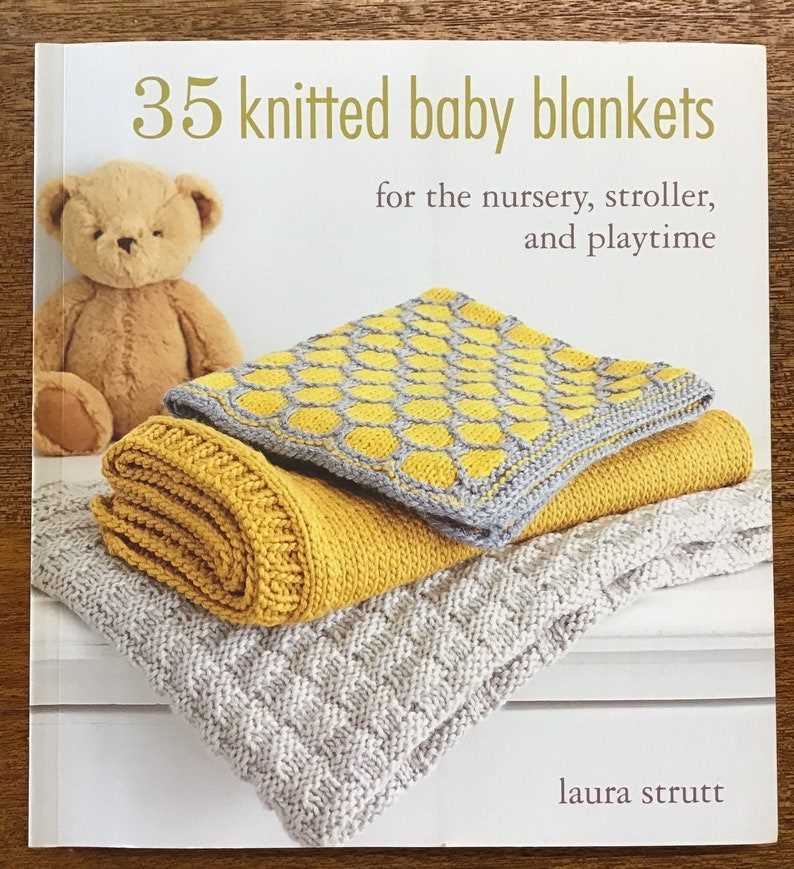
- Educational design that introduces preschoolers to the alphabet
- Colorful and visually engaging
- Soft and cozy for a comfortable sleep
- Durable and long-lasting
When knitting blankets for preschoolers, it’s important to consider their size and comfort. Choose patterns that are specifically designed for their age group and use yarn that is soft, washable, and safe. By selecting the right knitting patterns, you can create beautiful and functional blankets that preschoolers will love.
Knitting Patterns for School-Age Children’s Blankets
When it comes to knitting patterns for school-age children’s blankets, there are plenty of options to choose from. Whether you’re looking for a simple and quick pattern or something more intricate and challenging, there’s a design out there that’s perfect for your little one.
One popular option is a striped blanket pattern. This pattern is great for school-age children because it allows them to choose their favorite colors and create a unique and personalized blanket. You can keep it simple with two or three colors, or get creative with a rainbow of hues. Not only is this pattern fun to knit, but it also provides a great opportunity to teach children about color coordination and pattern repetition.
- Animal-themed blankets are another hit with school-age children. Whether it’s a blanket shaped like a cute dinosaur or adorned with rows of animal motifs, this pattern is sure to capture your child’s imagination. Knitting an animal-themed blanket can also be a great way to introduce children to different types of animals and spark their interest in the natural world.
- Geometric patterns are a great choice for older school-age children who are ready for a bit more of a challenge. With their bold shapes and striking designs, these blankets can be a real showstopper. From chevron patterns to intricate tessellations, there’s no limit to the geometric designs you can create with knitting.
Lastly, don’t forget about the classic patchwork blanket. This timeless pattern is perfect for school-age children who have a preference for traditional designs. With its combination of different knitting stitches and various colors, the patchwork blanket provides a cozy and comforting feel. It’s also a great way to use up any leftover yarn you may have and create a truly one-of-a-kind blanket for your child.
Fun and Creative Knitting Patterns for Children’s Blankets
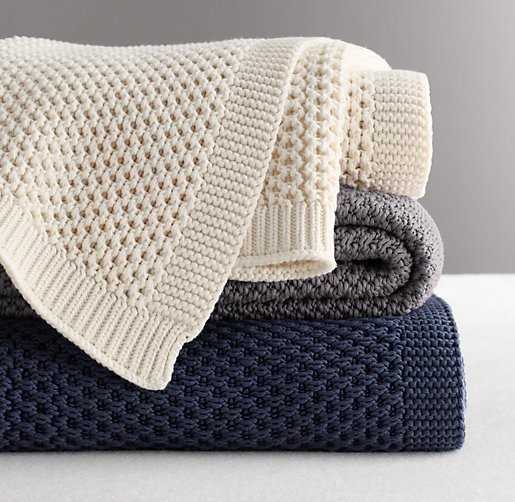
When it comes to knitting patterns for children’s blankets, there are so many fun and creative options to choose from. Whether you’re a beginner or an experienced knitter, you can find patterns that will delight both you and the child who receives the blanket.
1. Animal-themed Blankets: One popular option is to knit a blanket with an animal theme. You can create blankets that resemble animal faces, such as cute bunnies or playful kittens. Alternatively, you can incorporate animal motifs, such as elephants, giraffes, or dinosaurs, into the design. These blankets are not only adorable but also provide a cozy and warm space for the child.
2. Fairytale-inspired Blankets: Another exciting idea is to knit blankets inspired by beloved fairytale characters. You can choose patterns that feature princesses, knights, dragons, or magical creatures. These blankets will transport the child into a world of imagination and provide comfort as they snuggle up and listen to bedtime stories.
3. Sports-themed Blankets: If the child is a sports fan, consider knitting a blanket with their favorite sports team’s colors and logo. Whether it’s baseball, soccer, basketball, or hockey, you can find knitting patterns that incorporate sports-inspired designs. These blankets will not only keep the child warm but also show off their team pride.
4. Educational Blankets: Knitting patterns can also be educational. You can create blankets that feature letters, numbers, shapes, or even a world map. These blankets not only provide warmth but also help children learn and develop their cognitive skills.
Whether you choose to knit an animal-themed, fairytale-inspired, sports-themed, or educational blanket, the most important thing is to have fun with the process. The child who receives the blanket will surely appreciate the time and effort you put into creating a unique and cozy masterpiece just for them.
Tips for Finishing and Caring for Children’s Knitted Blankets
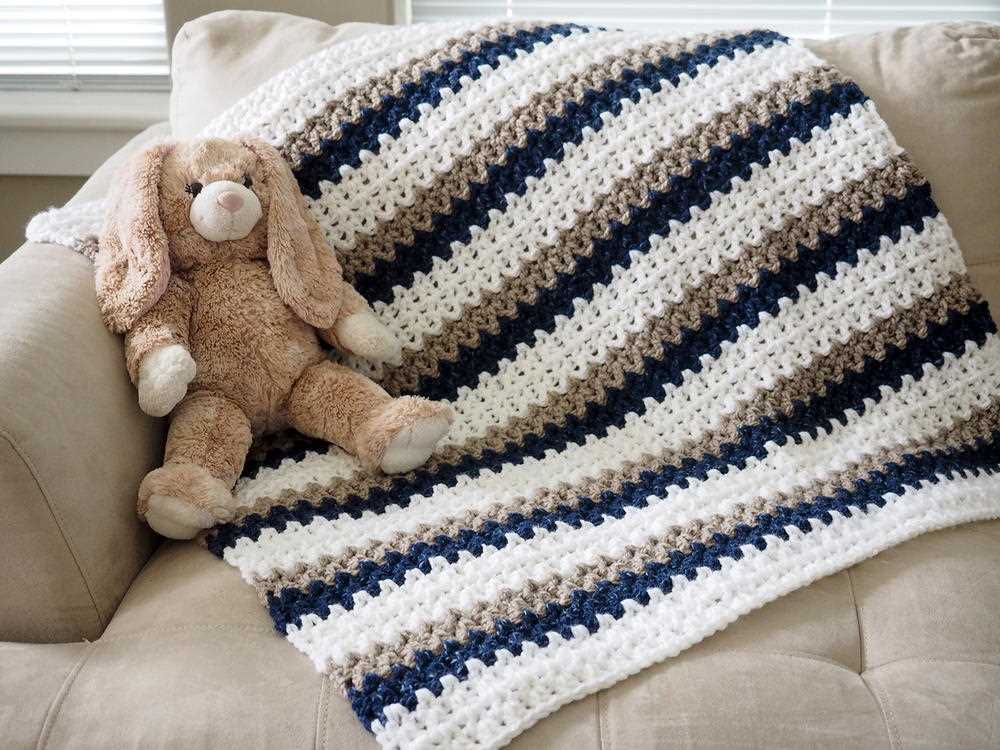
As you near the completion of your knitted blanket, there are a few important steps to take to ensure a polished and professional finish. Here are some tips for finishing and caring for your children’s knitted blankets:
Blocking
Blocking is a process that involves shaping and straightening your knitted fabric to achieve even stitches and dimensions. After completing your blanket, soak it in lukewarm water with a mild detergent for about 15 minutes. Gently squeeze out the excess water, then lay the blanket flat on towels or a blocking mat. Use rust-resistant blocking pins to secure the edges and shape the blanket to its desired size. Leave it to dry completely before removing the pins.
Weaving in Ends
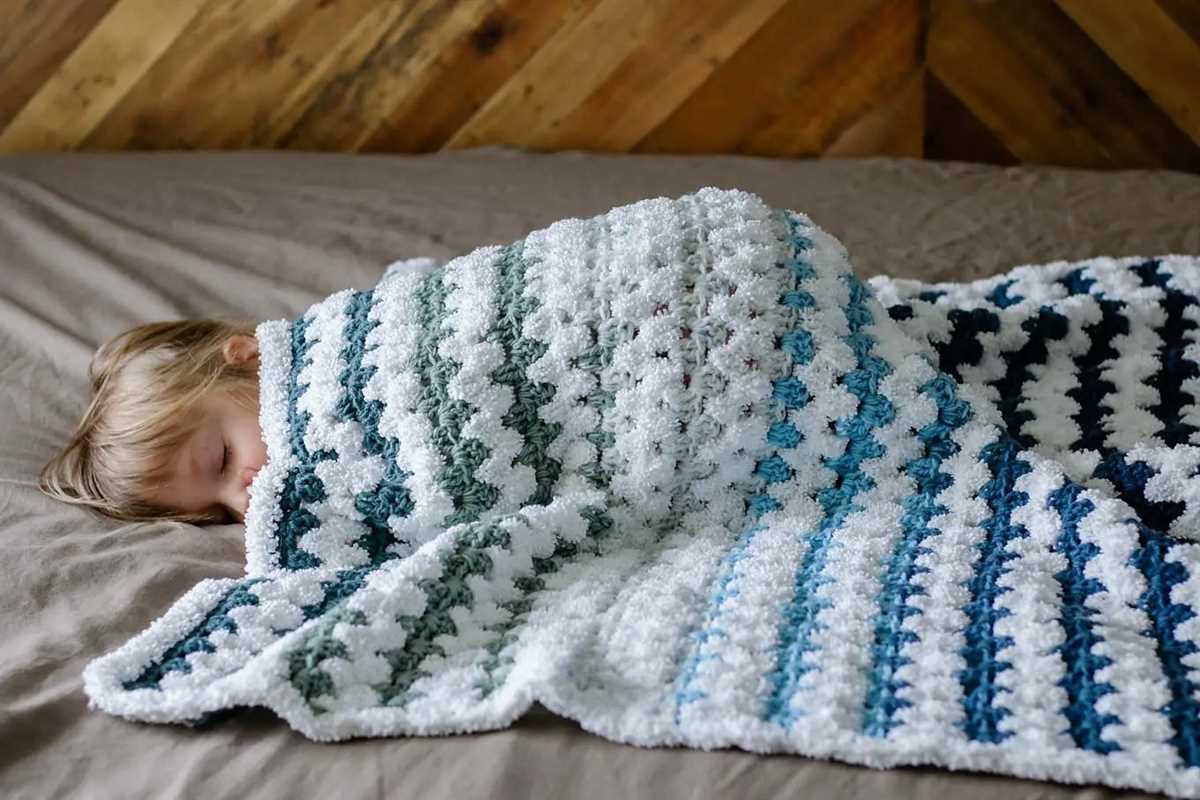
Before you consider your blanket finished, be sure to weave in all loose ends of yarn. Use a yarn needle to thread the ends through the stitches on the wrong side of the blanket, going in different directions to secure them. Trim any excess yarn, leaving a small tail to prevent unraveling. This step not only ensures your blanket looks neat and tidy, but it also prevents the ends from coming loose and potentially posing a hazard to children.
Caring for Your Blanket
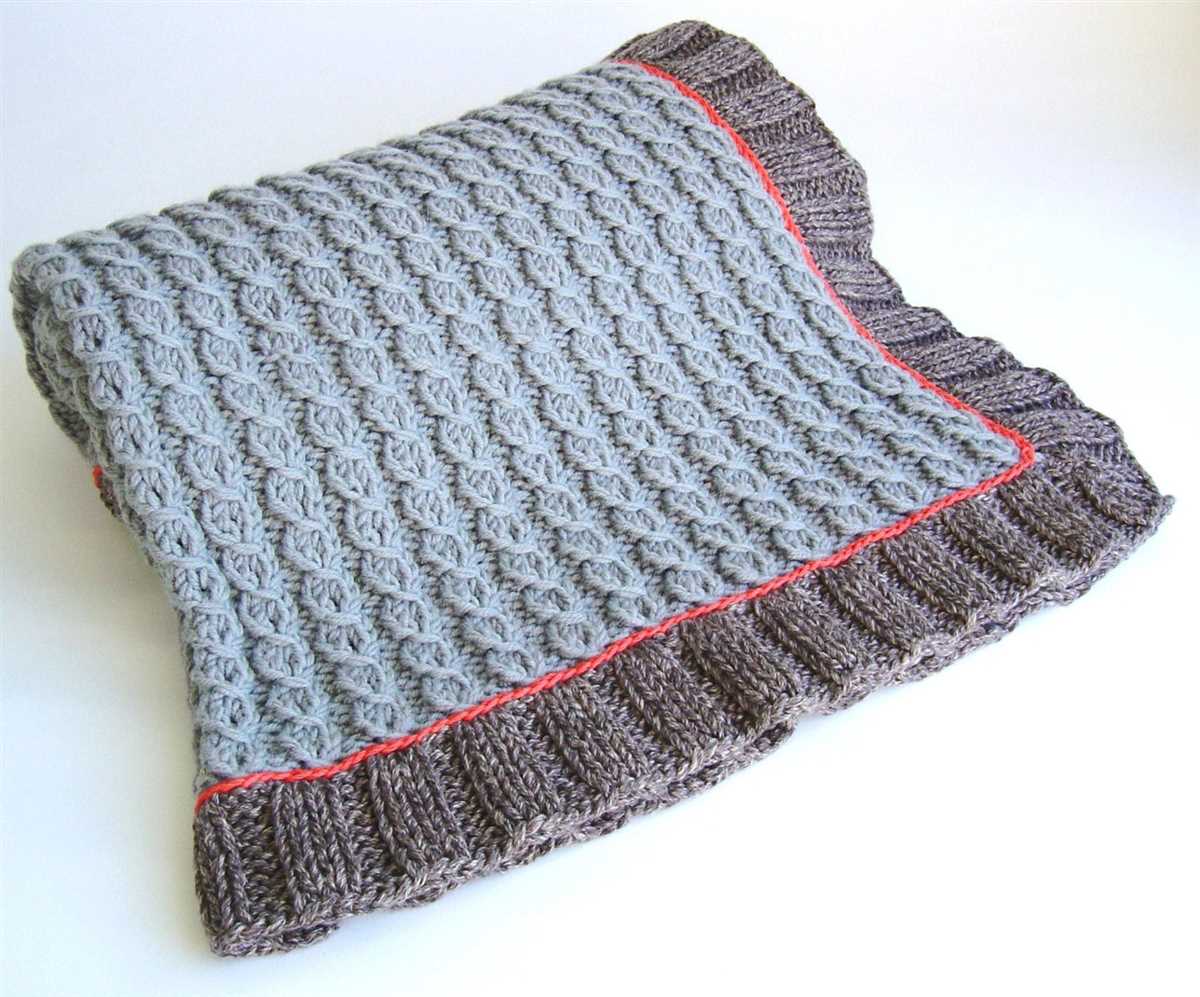
Proper care is essential to keep your children’s knitted blankets looking beautiful and lasting for years to come. Here are some tips for caring for your blanket:
- Check the care instructions for the yarn used and follow them accordingly.
- Hand wash the blanket in lukewarm water with a mild detergent. Avoid using hot water or harsh chemicals, as they can damage the fibers.
- Gently squeeze out the excess water and lay the blanket flat to dry. Avoid hanging it, as the weight of the wet fabric can cause stretching.
- Avoid exposing the blanket to direct sunlight for extended periods, as it can cause fading.
- If necessary, spot clean the blanket using a gentle stain remover, following the instructions on the product.
By following these finishing and care tips, you can ensure that your children’s knitted blankets not only look beautiful but also remain in excellent condition for years to come. With proper care, these blankets can become cherished keepsakes that can be passed down through generations.
