
Are you looking for a fun and stylish project to knit? Look no further than the Little Red Riding Hood Cape! This classic design is a timeless wardrobe staple and a perfect accessory for any outdoor adventure. Whether you are a beginner or an experienced knitter, this pattern is sure to keep you engaged and excited from start to finish.
The Little Red Riding Hood Cape is known for its iconic design featuring a hood and a flowing silhouette. With this knitting pattern, you can create your own version of this beloved garment, customized to your own unique style. The pattern includes step-by-step instructions, detailed diagrams, and helpful tips to ensure your success.
This pattern is suitable for knitters of all levels. If you are a beginner, this project will introduce you to basic knitting techniques such as casting on, knit and purl stitches, and simple shaping. For more experienced knitters, this pattern offers an opportunity to practice more advanced techniques, such as cable stitches and lace patterns.
How to Knit a Little Red Riding Hood Cape: Step-by-Step Guide

Knitting a Little Red Riding Hood cape can be a fun and rewarding project. With just a few basic knitting techniques, you can create a charming and cozy cape that will make you feel like a fairy tale character.
Materials Needed:
- Worsted weight yarn in red
- Knitting needles, size US 8
- Tapestry needle
- Scissors
Step 1: Cast On
Start by casting on 100 stitches using the long-tail cast-on method. Make sure to leave a long tail for later use.
Step 2: Knit in Stockinette Stitch
Row 1: Knit all stitches.
Row 2: Purl all stitches.
Repeat these two rows until your cape measures approximately 18 inches in length.
Step 3: Shape the Hood
Row 1: Knit 20 stitches, turn.
Row 2: Purl 20 stitches, turn.
Repeat these two rows for a total of 12 rows to create the hood shape.
Step 4: Bind Off
Once your cape is the desired length and the hood is complete, it’s time to bind off. Knit 2 stitches, then pass the first stitch over the second stitch. Knit the next stitch and pass the previous stitch over. Continue this process until you have only one stitch left on your needle, then cut the yarn and pull it through the last stitch to secure.
Step 5: Finishing Touches
Weave in any loose ends using a tapestry needle. Block your cape to help it maintain its shape and to even out any stitches. And finally, attach a button or a toggle closure at the front to fasten the cape around your neck.
Congratulations! You have successfully knitted a Little Red Riding Hood cape. Now you can wear it with pride and add a touch of enchantment to your everyday outfits.
Getting Started: Materials and Tools

To start knitting your Little Red Riding Hood cape, you will need a few essential materials and tools. Here is a list of everything you will need to get started:
Materials:

- Yarn: Choose a high-quality yarn in a color of your choice to create your cape. Make sure to choose a yarn that is warm and soft.
- Knitting Needles: You will need a pair of knitting needles in the size recommended by the yarn you have chosen. Make sure your needles are the correct size to ensure proper tension and gauge.
- Yarn Needle: A yarn needle will be essential for weaving in loose ends and finishing your project.
- Scissors: Have a pair of sharp scissors on hand for cutting yarn and trimming any excess.
Tools:

- Knitting Pattern: Find a knitting pattern for a Little Red Riding Hood cape that suits your skill level and desired style. There are many free patterns available online or consider purchasing a pattern from a knitting store.
- Measuring Tape: A measuring tape will be helpful for taking accurate measurements of your cape as you work on it.
- Stitch Markers: Stitch markers are useful for marking specific sections of your pattern and help to keep track of your progress.
- Row Counter: A row counter is a handy tool for keeping track of the number of rows you have knitted and helps you stay organized.
Once you have gathered all the necessary materials and tools, you are ready to begin knitting your Little Red Riding Hood cape. Make sure to read through the pattern thoroughly and familiarize yourself with the instructions before starting. Happy knitting!
Choosing the Right Yarn and Needles for the Cape
When it comes to knitting a little red riding hood cape, selecting the right yarn and needles is essential to achieving the desired result. The yarn and needles you choose will determine the overall look and feel of the cape, as well as its drape and warmth.
Yarn: The type of yarn you select will largely depend on the style and purpose of the cape. For a classic and timeless look, a worsted weight yarn made from natural fibers like wool or alpaca would be a good choice. These fibers provide warmth and durability, making the cape suitable for colder weather. If you prefer a more lightweight and breathable option, a cotton or silk blend yarn could be the way to go. These yarns are perfect for spring or autumn wear, as they offer a lighter feel and better airflow.
Needles: The size and type of needles you use can also greatly impact the outcome of your knitting project. For a cape with a dense and substantial texture, larger needles, such as size 8 or 9 (US), would be ideal. These larger needles create larger stitches, resulting in a more pronounced and cozy fabric. If you prefer a more delicate and lacy design, smaller needles like size 4 or 5 (US) would be suitable. These smaller needles produce finer stitches, giving the cape a delicate and intricate appearance.
- Table 1: Yarn and Needle Recommendations
| Yarn Type | Recommended Needle Size (US) |
|---|---|
| Worsted weight wool or alpaca | 8 or 9 |
| Cotton or silk blend | 4 or 5 |
Ultimately, the choice of yarn and needles for your little red riding hood cape should align with your personal preferences and the intended use of the garment. Experimenting with different yarn weights, fiber types, and needle sizes can help you achieve the desired look and feel for your project. Remember to always check the recommended gauge and adjust your needle size as needed to ensure a proper fit.
Understanding the Knitting Stitch Patterns

Knitting stitch patterns are an essential part of creating beautiful and unique designs in knitting. They serve as the building blocks for various types of garments and accessories, adding texture, color, and intricacy to the finished piece. Understanding different stitch patterns allows knitters to experiment and customize their projects, bringing their creativity to life.
Stockinette Stitch: One of the most basic and commonly used stitch patterns, the stockinette stitch creates a smooth and uniform fabric with a “V” pattern on one side and a purl pattern on the other side. It is achieved by alternating knit rows and purl rows, creating a simple and versatile texture that is perfect for a wide range of projects.
1. Garter Stitch:

The garter stitch is another simple and popular stitch pattern that is created by knitting every row. This results in a fabric with ridges on both sides. It is an ideal stitch pattern for beginner knitters as it is easy to execute and creates a stretchy and reversible fabric. The garter stitch is commonly used for scarves, blankets, and dishcloths.
2. Seed Stitch:

The seed stitch is a textured stitch pattern that is achieved by alternating knit and purl stitches within the same row and across subsequent rows. This creates a fabric with small seed-like bumps that add interest and depth to the fabric. The seed stitch is commonly used for borders, edgings, and as an all-over pattern for smaller projects like hats and mittens.
3. Cable Stitch:

The cable stitch is a more advanced stitch pattern that creates intricate designs by crossing stitches over each other. This is achieved by holding a set of stitches to the front or back of the work while knitting the next set of stitches, then knitting the held stitches. The cable stitch adds a beautiful and classic look to projects like sweaters, scarves, and blankets.
In addition to these stitch patterns, there are countless other options available to knitters, including lace stitches, ribbing, and colorwork. By understanding and experimenting with different stitch patterns, knitters can bring their knitting projects to life and create unique and personalized designs.
Casting On: Starting the Cape
Casting on is the first step in starting your Little Red Riding Hood cape knitting project. It is important to start with the correct number of stitches to ensure that your cape turns out the right size. The pattern will specify the number of stitches to cast on, so be sure to read the instructions carefully.
There are several methods you can use to cast on your stitches, but the most common method for this project is the long tail cast on. To do this, you will need to leave a long tail of yarn before starting your first stitch. This tail will be used later to sew the cape together.
Step 1: To begin the long tail cast on, make a slip knot by create a small loop with your yarn, then pull the working end of the yarn through the loop to create a knot.
Step 2: Insert your knitting needle into the slip knot, holding the needle in your right hand and the tail of the yarn in your left hand.
Step 3: With your right hand, bring the needle from behind the tail of the yarn and over the working end of the yarn.
Step 4: Use your right hand to catch the working end of the yarn with the tip of the needle, then pull it through the loop on the needle.
Step 5: Continue steps 3 and 4 until you have cast on the specified number of stitches.
Step 6: Once you have cast on all of your stitches, you can begin knitting the first row of your cape following the pattern instructions. Remember to always read the pattern carefully and consult any additional tips or techniques specific to the pattern to ensure you achieve the desired results.
Knitting the Main Body of the Cape

Once you have completed the necessary preparations and cast on the required number of stitches, it’s time to start knitting the main body of the cape. This section will guide you through the process, ensuring that you create the perfect fit for your little red riding hood cape.
Step 1: Knit the Rows
The first step is to knit the rows using the chosen stitch pattern. Whether you opt for a simple stockinette stitch or a more intricate cable pattern, make sure to follow the instructions carefully. As you progress, keep track of your row count to ensure consistency in length.
Tip: You can use stitch markers to mark the beginning of each row, which will help you keep track of your progress and make any necessary adjustments.
Step 2: Shape the Cape
As you continue knitting, you’ll eventually reach the point where it’s time to shape the cape. This involves decreasing or increasing stitches to create the desired silhouette. Pay close attention to the instructions provided in the pattern, which will guide you through the shaping process.
Note: Shaping the cape typically involves decreasing stitches at the edges to create a narrowing effect towards the top, mimicking the shape of a traditional hooded cape.
Step 3: Finishing Touches
Once you have finished knitting the main body of the cape, it’s important to carefully bind off all stitches. This will ensure that the edges are neatly finished and won’t unravel over time. Follow the pattern instructions for the recommended bind-off method.
Tip: Blocking the finished cape is highly recommended, as it will help to soften the fabric and ensure that it retains its shape.
By following these steps, you’ll be well on your way to creating a beautiful little red riding hood cape to keep your loved ones warm and stylish all winter long!
Adding the Hood: Knitting Instructions

In order to complete the Little Red Riding Hood cape, you will need to add the hood. The hood is an essential part of the cape, providing warmth and protection from the elements for the wearer.
To begin knitting the hood, you will first need to transfer the stitches from the main body of the cape onto your knitting needles. Make sure to work with caution to avoid dropping any stitches or causing any unraveling.
Step 1: Start by folding the cape in half lengthwise, with the right sides facing each other. This will create a seam down the center back of the hood.
Step 2: Using your knitting needles, pick up stitches along the edge of the hood, starting at the back center seam. The number of stitches you pick up will depend on your gauge and the size of the hood you want to create. It is recommended to pick up an even number of stitches to ensure symmetry.
- Tip: To pick up stitches, insert your needle through the edge of the knitted fabric, wrap the yarn around the needle, and pull it through. Repeat this along the edge of the hood, spacing the stitches evenly.
Step 3: Once you have picked up the desired number of stitches, begin knitting in your chosen stitch pattern. This could be a simple stockinette stitch, ribbing, or a more intricate pattern, depending on your preference.
Step 4: Continue knitting the hood until it reaches the desired length. This will depend on personal preference and the intended fit of the cape. It is recommended to try the hood on periodically to ensure it is the right size and shape.
Step 5: Once the hood is the desired length, you can finish it off with a bind off or an applied I-cord edging for a decorative touch.
Remember to block your finished hood to give it a smooth and even appearance.
By following these knitting instructions, you will be able to add the hood to your Little Red Riding Hood cape and complete your project. The hood will not only add functionality and warmth, but it will also enhance the overall aesthetic of the cape, giving it a classic and timeless look.
Shaping the Cape: Decreasing and Increasing Stitches
In order to shape the Little Red Riding Hood cape, you will need to decrease or increase stitches at certain points. This will determine the overall shape and fit of the cape.
Decreasing Stitches: To decrease stitches, you will typically work two stitches together. This can be done in several ways, depending on the pattern. One common method is the “knit two stitches together” (k2tog) decrease. This involves inserting the right needle through the next two stitches on the left needle, knitting them together as one stitch.
Increasing Stitches: To increase stitches, you will need to add new stitches to your work. There are different methods for increasing stitches, including the “yarn over” (yo) method and the “make one” (m1) method. The yarn over method involves bringing the yarn forward before knitting the next stitch, creating a new loop on the needle. The make one method involves picking up the horizontal strand between two stitches and knitting into it.
When shaping the cape, it is important to follow the pattern instructions carefully and make the necessary decreases and increases in the specified places. This will ensure that the cape fits properly and achieves the desired shape. Taking the time to accurately shape the cape will result in a beautiful finished garment that Little Red Riding Hood would be proud to wear.
Finishing Touches: Binding Off the Cape

As you near the end of your knitting project, it’s time to finish off the cape by binding off the stitches. This final step will ensure that the edges of your cape are secure and won’t unravel over time. Follow these simple steps to bind off your little red riding hood cape:
- Prepare the first stitch: Start by knitting two stitches as you normally would.
- Pass the first stitch over the second: Using your left-hand needle, lift the first stitch over the second stitch and off the needle. You will now have one stitch remaining on the right-hand needle.
- Knit one stitch: Knit the next stitch as usual.
- Repeat steps 2 and 3: Continue passing the previous stitch over the current stitch and knitting one new stitch until you have reached the end of the row.
By binding off your stitches in this manner, you are creating a secure edge that will prevent the cape from unraveling. Once you have completed the bind off, cut the yarn, leaving a tail that is long enough to weave in later. Gently pull the tail through the last stitch to secure it in place.
Now that your little red riding hood cape is bound off, it’s time to add any finishing touches, such as attaching a button or sewing on a closure. You could also consider blocking the cape to ensure that it retains its shape and lays flat. Simply dampen the cape with water, arrange it into the desired shape, and let it dry flat. This will help to smooth out any wrinkles and give your cape a polished appearance.
Blocking Your Knitted Cape: Importance and Techniques

When you spend hours knitting a beautiful cape, it is crucial to give it the finishing touch it deserves by blocking it. Blocking is the process of gently reshaping and setting your knitted garment’s fibers into place to achieve the desired fit and drape. Not only does blocking improve the overall appearance of your cape, but it also helps to even out the stitches and make the fabric more polished and professional-looking.
The Importance of Blocking
Blocking is an essential step in the knitting process as it allows you to control the final shape and size of your cape. By blocking, you can stretch or shape the fabric to fit your body measurements precisely, ensuring a perfect fit when you wear it. Additionally, blocking can help to eliminate any uneven tension in the stitches, resulting in a more consistent and balanced fabric.
Blocking Techniques
There are several blocking techniques you can use for your knitted cape, depending on the fiber content and desired outcome. One common method is wet blocking, where you soak your knitted cape in lukewarm water and a gentle detergent. After soaking, gently squeeze out excess water and lay the cape flat on a padded surface, making sure to shape it to your desired measurements. Let it dry completely before removing the pins or weights used to hold it in place.
If you are working with more delicate fibers or prefer a quicker drying method, you can also try steam blocking. Holding a steam iron a few inches above the fabric, hover the iron over the cape, allowing the steam to gently penetrate the fibers. Then, use your hands to shape the fabric while it is still warm and pliable. Be careful not to press down with the iron, as this can damage the fibers.
Regardless of the blocking technique you choose, it is crucial to follow the instructions provided by the yarn manufacturer for the specific yarn you used. This ensures that you do not damage the fibers or alter the fabric’s intended characteristics. Additionally, always make sure to block your cape on a clean surface with appropriate padding to prevent any unwanted imprints or creases.
- Blocking your knitted cape is an essential step to achieve the perfect fit and finish.
- Wet blocking and steam blocking are two common techniques you can use.
- Follow the instructions provided by the yarn manufacturer for best results.
Adding a Closure: Buttons or Ties?

When it comes to adding a closure to your Little Red Riding Hood cape, you have a few options to consider. Two popular choices are buttons and ties. Each option has its own advantages and aesthetic appeal, so let’s explore them further.
Buttons
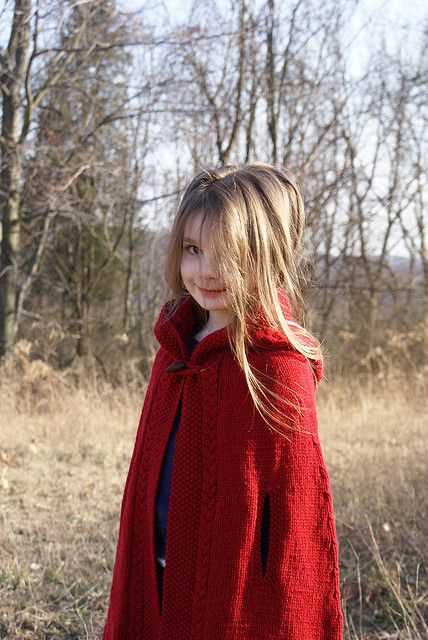
Buttons are a classic closure choice for any garment, including capes. They add a touch of sophistication and can be a focal point of the cape’s design. You can choose buttons that match your yarn or opt for contrasting colors to create a statement. Buttons can be sewn onto the front edges of the cape, allowing you to fasten it securely. They provide a clean and polished look, perfect for a more formal or traditional style.
Ties

Ties, on the other hand, offer a more versatile and playful closure option. They can be made from the same yarn as the cape or contrasting ribbons for a pop of color. Ties can be attached at the neck or lower edges of the cape, allowing for different ways to fasten it. You can tie them in a bow for a charming and whimsical look or knot them for a more rustic feel. Ties also offer adjustability, making it easier to fit the cape to different sizes or adjust the fit as needed.
Ultimately, the choice between buttons and ties for your Little Red Riding Hood cape closure depends on the style and functionality you desire. Buttons exude elegance and formality, while ties offer versatility and a touch of playfulness. Consider the overall aesthetic you want to achieve and the practicality of each option when making your decision. Whichever closure method you choose, it’s sure to add the perfect finishing touch to your knitted cape project.
Care Instructions for Your Hand-Knitted Little Red Riding Hood Cape
Now that you have completed knitting your Little Red Riding Hood Cape, it’s important to follow the right care instructions to keep it in good condition. By properly caring for your cape, you can extend its lifespan and ensure that it stays as beautiful as the day you finished knitting it.
Here are some essential care instructions for your hand-knitted cape:
1. Washing
Handwash Only: To preserve the integrity of the delicate fibers and intricate patterns, it is recommended to handwash your cape. Avoid using the washing machine or harsh detergents.
Use Mild Detergent: Use a gentle, wool-specific detergent or a mild soap suitable for hand-washing delicate items. Avoid using bleach or fabric softeners as they can damage the fibers.
Soak: Fill a basin or sink with lukewarm water and add a small amount of detergent. Gently place the cape in the water and let it soak for about 15 minutes.
Rinse: Drain the soapy water and refill the basin with clean water. Gently rinse the cape by immersing it in the water and squeezing out excess water without wringing or twisting.
Press Out Water: After rinsing, press out the water without wringing or twisting the cape. You can gently squeeze or roll it in a clean towel to absorb excess moisture.
2. Drying

Lay Flat to Dry: Lay the cape flat on a clean, dry towel or a mesh drying rack. Reshape it as necessary to maintain its original shape and dimensions.
Avoid Direct Sunlight: It is important to dry the cape away from direct sunlight, as prolonged exposure to sunlight can fade the colors and weaken the fibers.
Flip Occasionally: During drying, flip the cape occasionally to ensure even drying. This will help to prevent any stretching or distortion.
3. Storage
Keep It Clean: Before storing your cape, make sure it is clean and completely dry. Any residual moisture can lead to mold or mildew growth.
Store Flat: Fold your cape neatly and store it flat in a dresser drawer or a clean, dry storage box. Avoid hanging it, as this can cause it to lose its shape over time.
Avoid Moth Exposure: To protect your cape from moths, consider using moth repellents or storing it with cedar chips or lavender sachets.
By following these care instructions, you’ll be able to enjoy your hand-knitted Little Red Riding Hood Cape for years to come. With proper care, it will continue to be a cherished and timeless accessory.
Q&A:
What materials do I need for knitting a little red riding hood cape?
You will need yarn, knitting needles, a yarn needle, and a set of buttons or a toggle for the closure.
What size should the little red riding hood cape be?
The size of the cape can vary depending on the person you are knitting it for. It is recommended to measure the recipient’s shoulders and length from neck to desired hem before starting the knitting.
What knitting level is required to knit a little red riding hood cape?
A little experience in knitting basic stitches such as knit and purl is recommended. The pattern may involve some shaping techniques like increasing and decreasing stitches.
Are there any similar patterns available for different cape designs?
Yes, there are many different cape designs available for knitting. Some popular options include hooded capes with different lengths and stitch patterns.
Can I modify the pattern to make a bigger or smaller cape?
Yes, you can modify the pattern by adjusting the number of stitches and rows to make a bigger or smaller cape. Just make sure to keep the proportions and shaping in mind while making modifications.
Where can I find a little red riding hood cape knitting pattern?
You can find a little red riding hood cape knitting pattern on various knitting websites, such as Ravelry or Etsy. There are also many free patterns available on blogs and knitting forums.
What materials do I need to knit a little red riding hood cape?
To knit a little red riding hood cape, you will need some thick red yarn, knitting needles in the appropriate size for your yarn, a cable needle (if the pattern calls for it), a tapestry needle for sewing up seams, and any additional embellishments or closures you desire, such as buttons or ribbons.