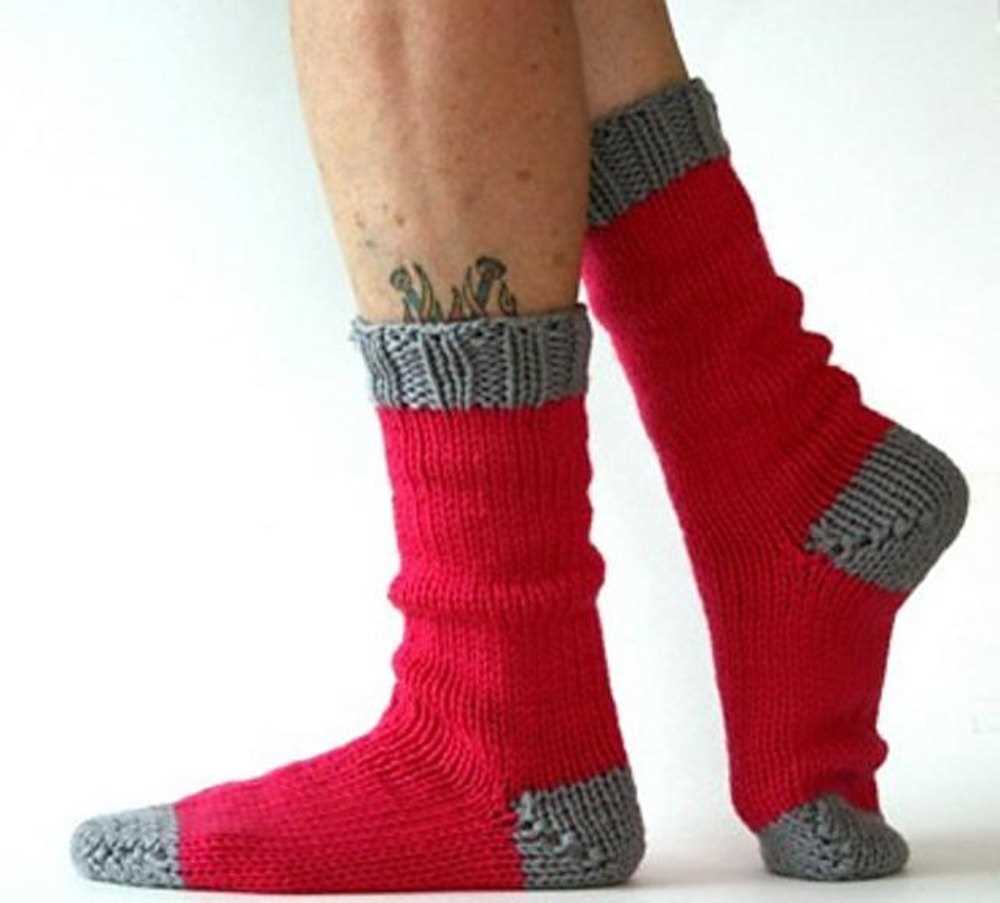
Knitting is a wonderful craft that allows you to create beautiful and functional items with just a pair of needles and some yarn. One popular knitting project is socks, and if you’re looking to knit a pair of warm and cozy socks for a man in your life, then a pattern using worsted weight yarn is a great choice.
Worsted weight yarn is a versatile option for knitting socks for men, as it provides a good balance of warmth and durability. These socks are perfect for keeping feet warm during the colder months, without being too bulky or heavy. The worsted weight yarn also makes the knitting process quicker compared to using finer yarns, so you’ll be able to finish the project in no time.
This men’s knit sock pattern is suitable for knitters of all levels, from beginners to experienced. It features a simple yet classic design that is timeless and can be customized to suit the recipient’s preferences. Whether you want to knit plain socks or add some stripes or patterns, this pattern is versatile enough to accommodate any modifications you desire.
So grab your needles, some worsted weight yarn, and get ready to create a cozy pair of socks for the man in your life. Whether it’s a gift for a special occasion or just a treat to keep his feet warm, these socks will be a cherished item that he’ll love wearing. Let’s dive into the pattern and get started on this fun knitting project!
How to Knit Men’s Socks with Worsted Weight Yarn

If you’re looking to knit a pair of warm and cozy socks for the men in your life, using worsted weight yarn is a great choice. Worsted weight yarn is thicker and heavier than other types of yarn, making it perfect for winter socks that will keep feet warm and toasty.
To begin knitting men’s socks with worsted weight yarn, you’ll need a few supplies. First, choose a pair of size 8 knitting needles. These are the most commonly used size for worsted weight yarn. Next, select a worsted weight yarn in a color and texture that you like. Merino wool yarn is a popular choice for socks as it is soft, warm, and durable.
Once you have your supplies ready, start by casting on the desired number of stitches. The number of stitches you cast on will depend on the size of the foot you’re knitting for. Generally, for men’s socks, a cast-on of 60-72 stitches is common. Remember that the more stitches you cast on, the wider the sock will be.
Continue knitting in the round until the sock reaches the desired length. You can choose to make ankle socks, mid-calf socks, or even knee-high socks, depending on your preference. When you reach the heel area, you can choose to either knit a traditional heel flap or try a short-row heel for added comfort.
Once the heel is completed, continue knitting until you reach the toe area. There are different toe shaping methods you can try, such as the classic wedge toe or the rounded toe. Experiment and see which one you prefer.
- Finally, finish off your sock by binding off the stitches and weaving in any loose ends. Voila! You now have a pair of cozy men’s socks ready to be worn and enjoyed.
Remember to take accurate measurements and adjust your stitch count accordingly to ensure a proper fit. With a little practice, you’ll be knitting men’s socks with worsted weight yarn like a pro!
Choosing the Right Yarn
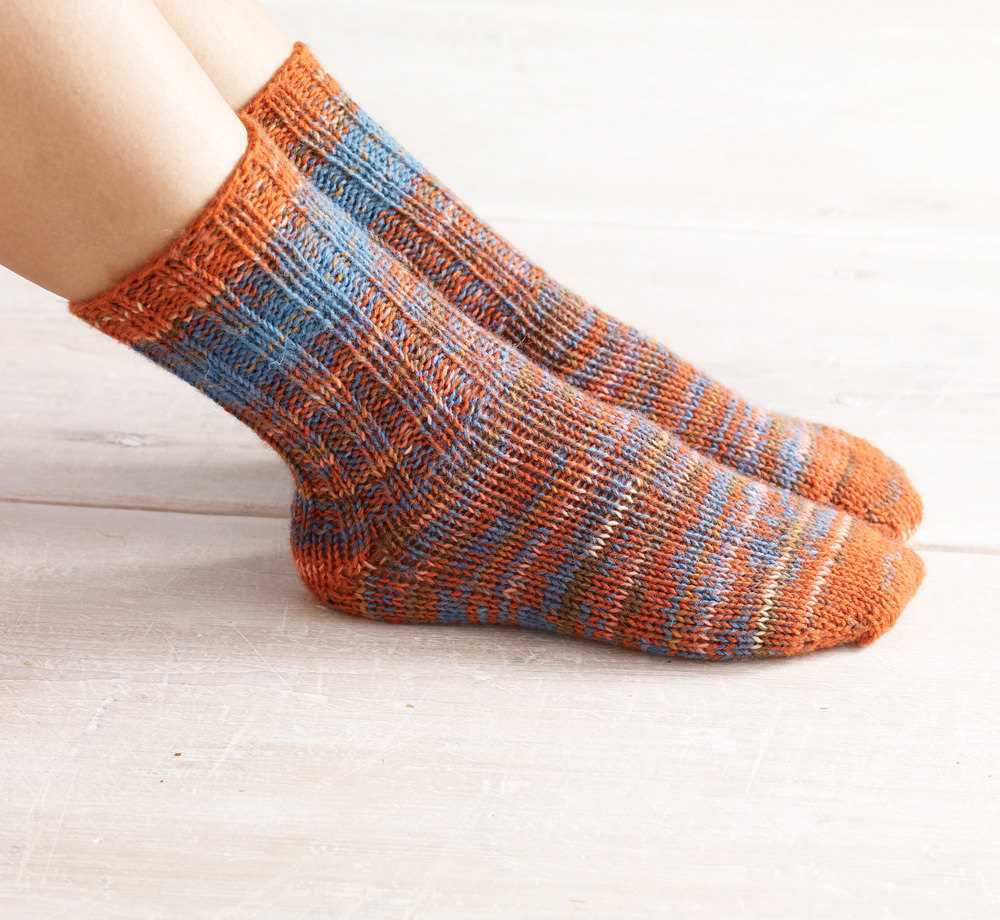
When it comes to knitting socks, choosing the right yarn is crucial. The type of yarn you use will determine the comfort, durability, and overall look of your finished socks. There are several factors to consider when selecting yarn for men’s knit sock patterns, particularly those using worsted weight yarn.
Weight: One of the first things to consider is the weight of the yarn. Worsted weight yarn is a medium-weight yarn that is versatile and commonly used for socks. It provides a good balance between warmth and breathability, making it suitable for various weather conditions. It is also easier to knit with worsted weight yarn compared to finer weights.
Fiber: The choice of fiber is another important consideration. Natural fibers such as merino wool, alpaca, and cashmere are popular choices for socks as they provide warmth, softness, and breathability. Synthetic fibers like nylon or acrylic can also be mixed with natural fibers to add durability and elasticity to the socks.
Durability: Socks endure a lot of wear and tear, so it’s essential to choose a yarn that can withstand regular use. Look for yarn that has been reinforced or contains a small percentage of nylon or other synthetic fibers to enhance durability. Yarns with added reinforcement will help your socks last longer, especially in high-friction areas such as the heel and toe.
Color and Pattern: Lastly, consider the color and pattern of the yarn. Men’s sock patterns often feature classic and timeless designs, so choosing yarn in neutral or subdued colors would complement these patterns well. However, if you’re feeling adventurous, you can also opt for bold and vibrant colors to add a personal touch to your socks.
Overall, choosing the right yarn for men’s knit sock patterns using worsted weight yarn involves considering the weight, fiber, durability, and color of the yarn. By selecting the appropriate yarn, you can ensure that your socks are not only comfortable and durable but also visually appealing.
Understanding Worsted Weight Yarn
When it comes to choosing the right yarn for a knitting project, one of the most popular choices is worsted weight yarn. Known for its versatility and ease of use, worsted weight yarn is a favorite among knitters of all skill levels. But what exactly is worsted weight yarn, and what makes it so special?
Worsted weight yarn refers to a specific thickness or weight category of yarn. It falls in-between the finer weight categories, such as baby and sport weight yarn, and the heavier weight categories, such as bulky and super bulky yarn. Worsted weight yarn is often described as medium weight yarn and is commonly used for a wide range of projects, including sweaters, blankets, scarves, and, of course, socks.
One of the main characteristics of worsted weight yarn is its thickness. It is thicker than finer weight yarns, making it more durable and warm. This thickness also allows for faster and more satisfying knitting progress, making worsted weight yarn a great choice for those who prefer quicker results. Additionally, worsted weight yarn is known for its great stitch definition, making it ideal for showcasing intricate cable patterns and textured stitches.
Another advantage of worsted weight yarn is its wide availability. It can be found in a variety of fibers, including wool, acrylic, cotton, and blends, meaning there is a worsted weight yarn for every preference and budget. Its popularity also means that there are numerous color options available, allowing knitters to create vibrant and eye-catching designs. With so many choices, it’s no wonder worsted weight yarn is a staple in every knitter’s stash!
Getting Started: Tools and Materials
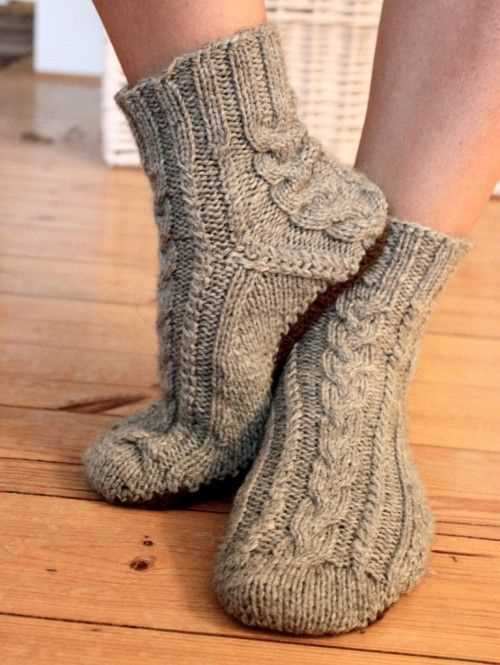
Knitting socks can be a fun and rewarding project. Whether you are a beginner or an experienced knitter, having the right tools and materials is essential to ensure a successful outcome. Here are some essential items you will need to get started:
Needles:
- A set of double-pointed needles (DPNs) in the appropriate size for your yarn. For worsted weight yarn, a set of size 5 (3.75mm) or size 6 (4mm) DPNs should work well.
- If you prefer, you can also use a long circular needle and magic loop technique instead of DPNs.
Yarn:
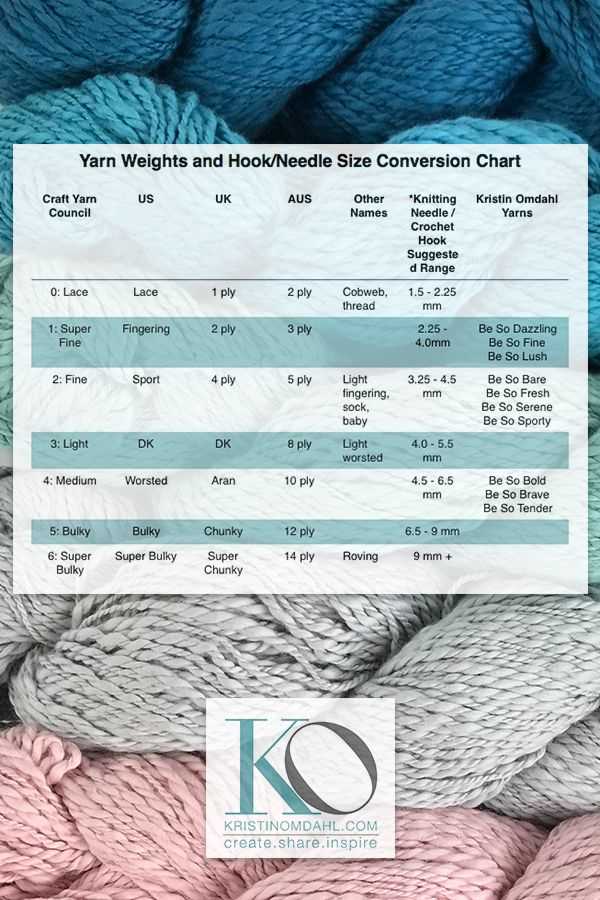
For knitting socks with worsted weight yarn, you will need a skein of worsted weight yarn in the color of your choice. Look for a yarn that is soft and durable, as socks need to withstand a lot of wear and tear.
Stitch markers:
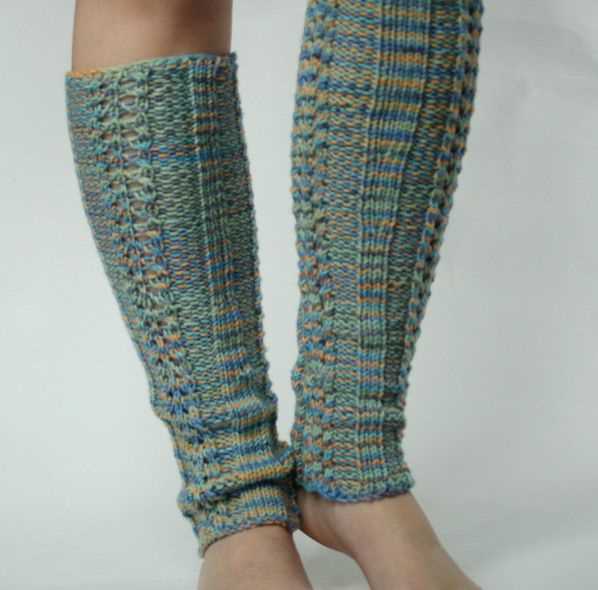
Stitch markers are helpful tools that can be used to mark specific stitches or sections of your sock. They can be either removable or permanent, depending on your preference. Stitch markers are especially useful when working on more complex patterns or when shaping the heel and toe.
Tapestry needle:
A tapestry needle is essential for weaving in loose ends and sewing together any seams in your sock. Look for a needle with a blunt tip to prevent accidentally splitting the yarn.
Scissors:
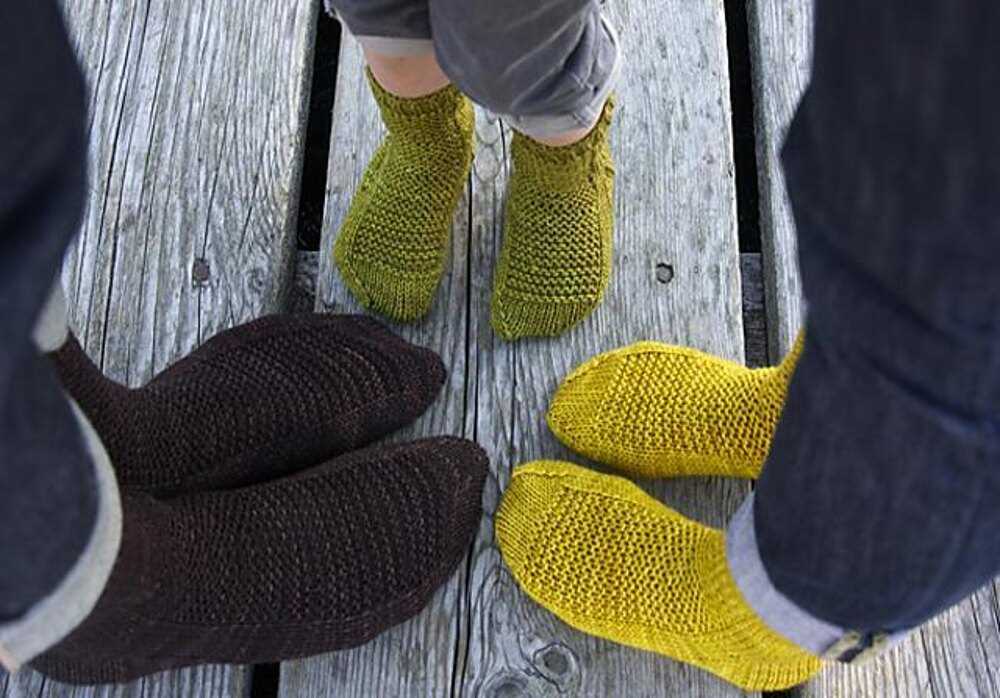
A pair of sharp scissors is necessary for cutting yarn and trimming any excess. Make sure to choose a pair that is comfortable to hold and easy to use.
Once you have gathered all the necessary tools and materials, you are ready to start knitting your socks. Remember to read through the pattern carefully and take your time to ensure accurate stitching. Happy knitting!
Measuring Foot Size
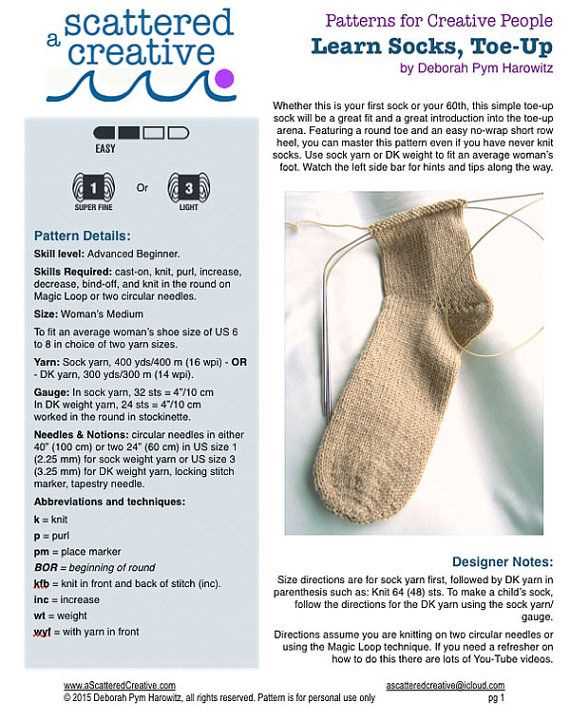
When it comes to knitting socks, one of the most important steps is determining the size of the recipient’s foot. This ensures that the socks will fit properly and be comfortable to wear. To measure foot size, you will need a ruler or tape measure and the person’s foot. It is best to measure the foot in the evening, as it tends to be slightly larger at this time of day.
To begin, have the person stand barefoot on a flat surface. Place the ruler or tape measure against the inside of the heel and extend it to the tip of the longest toe. Take note of this measurement in inches or centimeters. Repeat the process on the other foot, as it is common for feet to be slightly different sizes.
As a general guide, here are the average foot sizes for men:
- Small: 8-9 inches (20-23 cm)
- Medium: 9-10 inches (23-25 cm)
- Large: 10-11 inches (25-28 cm)
- X-Large: 11-12 inches (28-30 cm)
Keep in mind that these are just averages and individual foot sizes may vary. It is always best to measure the foot to ensure the most accurate fit. Once you have the measurements, you can use a knitting pattern that corresponds to the appropriate foot size to create a customized pair of socks.
Calculating Gauge
Calculating gauge is an important step in knitting any project, as it helps ensure that your finished garment will fit properly. Gauge refers to the number of stitches and rows per inch in your knitting and is determined by the size of your needles and the thickness of your yarn. To calculate gauge, you will need to knit a swatch, measuring a square that is at least 4 inches on each side.
Step 1: Choose your yarn and needles
Start by selecting the worsted weight yarn and appropriate needle size for your men’s knit sock project. The pattern may specify a suggested needle size, but you can also refer to the yarn’s label for recommended needle sizes. It’s a good idea to try different needle sizes if you’re not getting the exact gauge specified in the pattern.
Step 2: Knit your swatch
Using the chosen needles, cast on about 20 stitches and work in your chosen stitch pattern for a few inches. Make sure to avoid any stitch patterns that create a tight or loose fabric, as this won’t accurately represent the gauge for your sock project. After a few inches, switch to garter stitch (knit every row) for at least 4 inches.
Step 3: Measure your swatch
Now it’s time to measure your swatch. Lay it flat on a table and use a ruler or tape measure to count the number of stitches and rows in a 1-inch section. Calculate the average number of stitches and rows in 1 inch by dividing the total number of stitches or rows by the number of inches. This will be your gauge measurement.
Step 4: Adjust your needle size
If your gauge doesn’t match the gauge specified in the pattern, you will need to adjust your needle size. If your swatch has more stitches per inch than the pattern calls for, try knitting with larger needles. Conversely, if your swatch has fewer stitches per inch, try knitting with smaller needles. Keep knitting swatches until you achieve the correct gauge.
Step 5: Make a note of your gauge
Once you have determined your gauge, make sure to write it down for future reference. This will help you ensure that your subsequent knitting sections, such as the ribbing and leg of the sock, are knitted to the correct size. Also, keep in mind that your gauge may change depending on the stitch pattern used, so it’s important to always knit a swatch before starting a new project.
Pattern Selection: Men’s Knit Sock Patterns
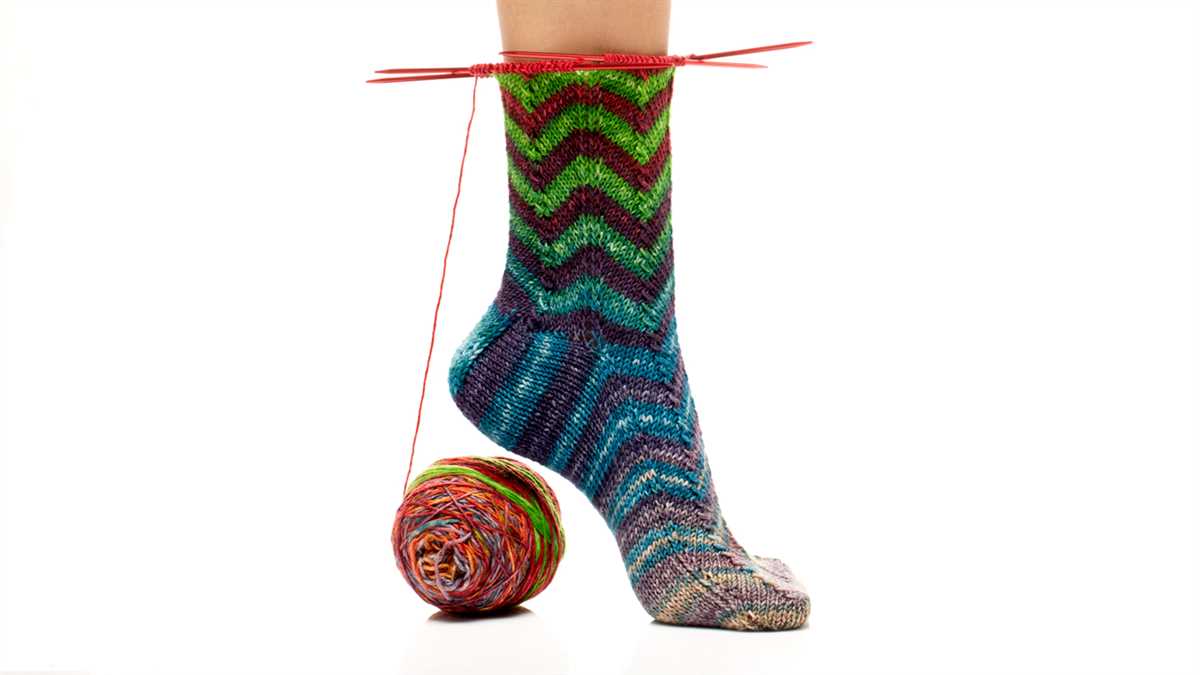
When it comes to knitting socks for men, choosing the right pattern is crucial. Men’s knit sock patterns should not only be stylish, but also functional and comfortable. Whether you are knitting for yourself or for someone else, here are some factors to consider when selecting a pattern.
Materials and Weight:
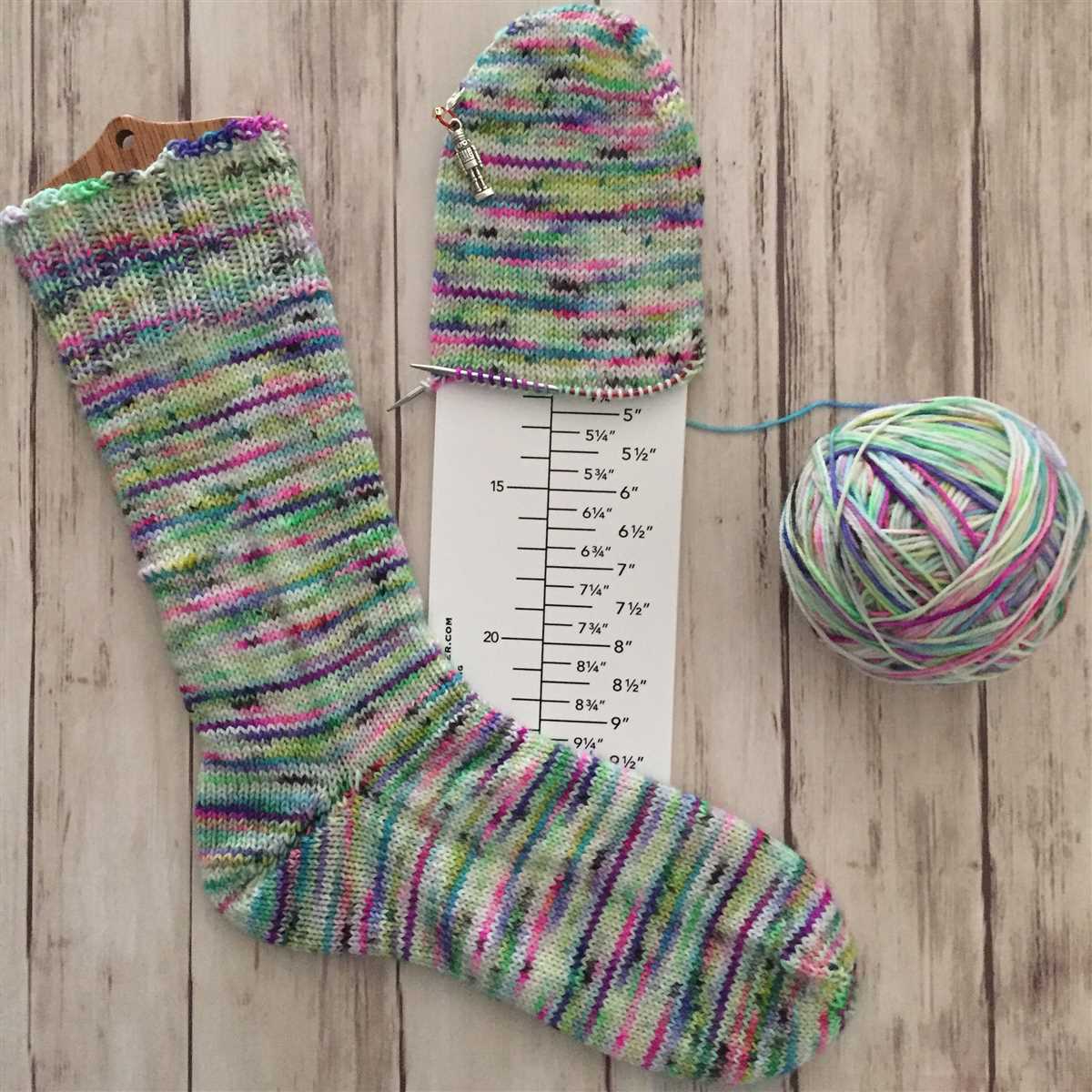
One of the first things to consider when choosing a men’s knit sock pattern is the weight of the yarn. Worsted weight yarn is a popular choice for socks as it provides warmth and durability. Look for patterns designed specifically for worsted weight yarn to ensure a proper fit and gauge.
Another important factor is the type of yarn. You can use various types of wool blends or other fibers that offer softness, breathability, and moisture-wicking properties. Consider the recipient’s preferences and any specific needs they may have to ensure the yarn is suitable for their comfort.
Style and Design:
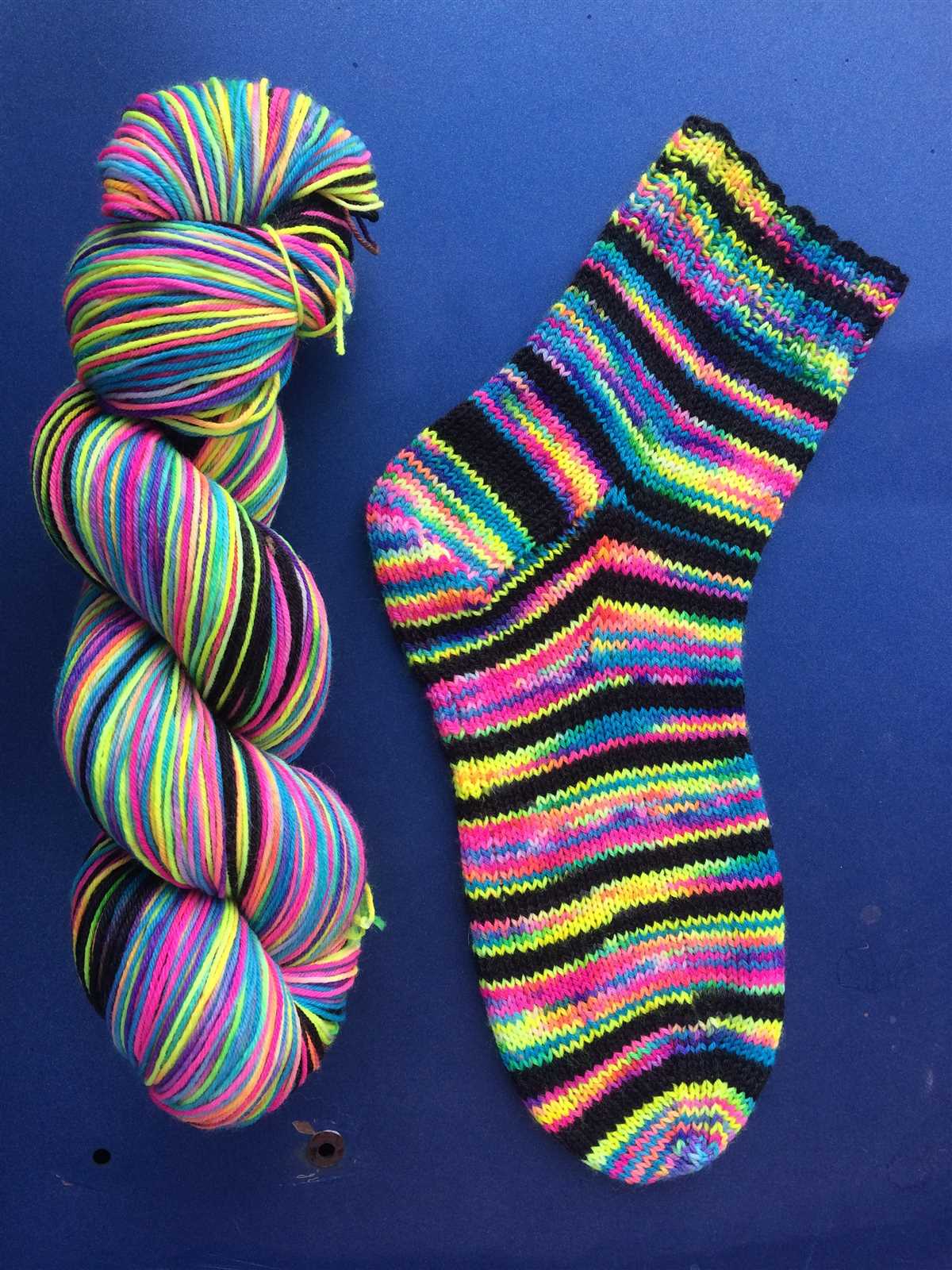
Men’s sock patterns come in a variety of styles and designs, ranging from simple and classic to more intricate and decorative. Consider the recipient’s personal style and preferences when selecting a pattern. Classic patterns such as ribbing or basic cables can be versatile and easier to match with different outfits, while more intricate patterns or colorwork can add a unique touch.
Additionally, consider the construction of the sock. Top-down and toe-up construction are the two main options. Top-down patterns typically start with a cuff and work down to the toe, while toe-up patterns start with the toe and work up to the cuff. Each method has its own advantages, so choose the one that you or the recipient prefers.
Pattern Difficulty:
The level of difficulty is another important factor to consider when selecting a men’s knit sock pattern. If you are an experienced knitter or if the recipient has specific requests, you may opt for more complex patterns that include advanced techniques such as lace or cables. On the other hand, if you are a beginner or prefer a simpler knit, there are plenty of patterns available that are suitable for all skill levels.
Ultimately, when choosing a men’s knit sock pattern, consider the yarn weight, style, design, construction, and difficulty level. By keeping these factors in mind, you can find the perfect pattern to create cozy and stylish socks for yourself or the lucky recipient.
Knitting the Cuff
When knitting the cuff of your men’s knit sock, there are a few key techniques and considerations to keep in mind. The cuff is the part of the sock that sits at the top of the ankle and helps to keep the sock in place. It is typically knit with ribbing or a stretchy stitch pattern to ensure a snug fit.
One popular cuff option is the classic 1×1 ribbing. This is achieved by alternating between knitting one stitch and purling one stitch for each row. The ribbing creates an elastic and flexible fabric that comfortably stretches to fit the ankle and holds its shape well over time. Another option is the 2×2 ribbing, which alternates between knitting two stitches and purling two stitches. This creates a slightly wider ribbing pattern with a similar stretchy quality.
- Ribbing pattern: The choice of ribbing pattern is often a matter of personal preference and can be adjusted to suit the desired look and fit of the sock. Experiment with different ribbing patterns to find the one that works best for you.
- Stitch count: The number of stitches you cast on for the cuff will depend on the size of the sock and the desired fit. A good starting point is to cast on enough stitches to comfortably fit around the ankle, usually around 64-72 stitches for a worsted weight yarn.
- Needle size: It is often recommended to use a slightly smaller needle size for the cuff compared to the rest of the sock. This helps to create a tighter and more secure fabric. If you find that your cuff is too loose or floppy, consider going down a needle size for better results.
Overall, knitting the cuff of your men’s sock requires attention to detail and a good understanding of ribbing patterns and techniques. Take your time to ensure the cuff fits comfortably and securely, and don’t be afraid to experiment with different stitch patterns and needle sizes to achieve the desired result. With practice, you’ll be able to create beautiful and functional cuffs for your knitted socks.
Knitting the Leg
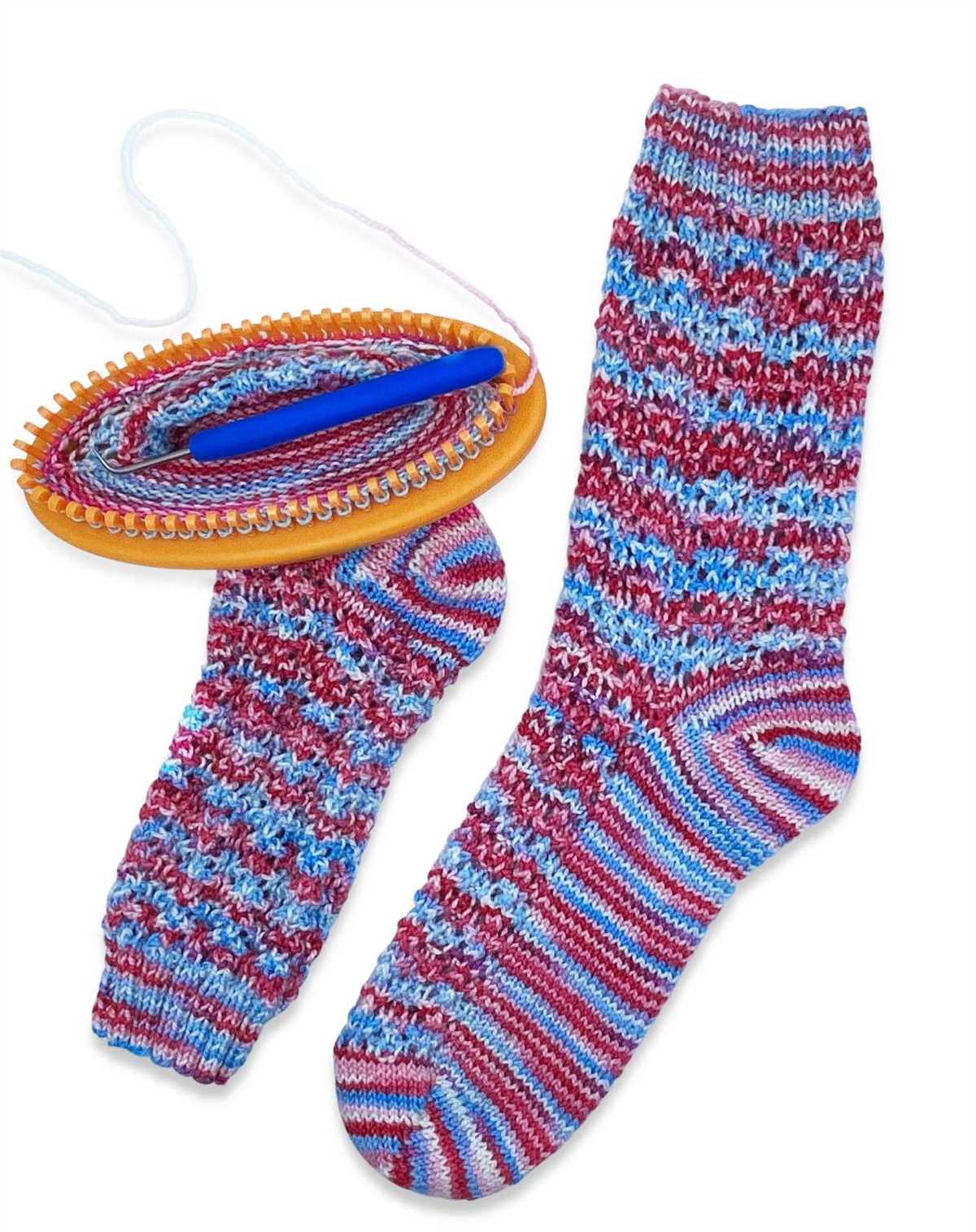
Now that you have finished knitting the cuff of the sock, it’s time to move on to the leg. The leg is the part of the sock that covers the calf and is usually shorter than the actual length of the foot.
To start knitting the leg, you will need to continue working in the chosen stitch pattern. If you are using a ribbing pattern, such as K2, P2, you will continue knitting in this pattern until you reach the desired length for the leg. If you are using a different stitch pattern or design, make sure to follow the instructions accordingly.
When knitting the leg, you can choose to add some shaping if desired. This can be done by increasing or decreasing the number of stitches in each row to create a tapered effect. You can also add additional stitch patterns or cables to make the leg more interesting or decorative.
It is important to keep in mind that the leg of the sock should be long enough to comfortably fit around the calf without being too tight or too loose. It is a good idea to measure the length of the leg as you go to ensure that it meets your desired length.
- Continue knitting in the chosen stitch pattern for the desired length of the leg.
- Consider adding shaping or additional stitch patterns for a personalized touch.
- Measure the length of the leg as you go to ensure a proper fit.
Heel Flap and Turning the Heel
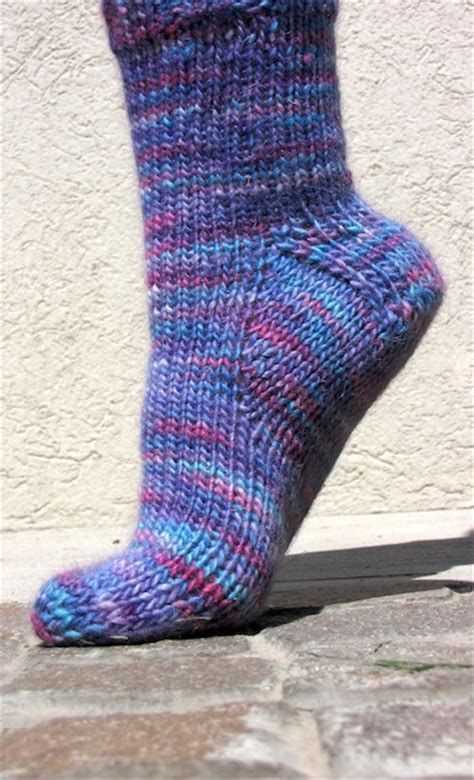
Once you have completed the leg portion of the sock, it’s time to move on to the heel flap. The heel flap is worked back and forth across half of the stitches on the needles, creating a sturdy and reinforced section that will provide extra durability and comfort. To begin, you will need to divide the stitches onto two needles, with half of the stitches on each needle.
To work the heel flap, you will typically use a slip stitch pattern, alternating between knitting and slipping stitches. This creates a textured fabric that is both stretchy and durable. The slip stitch pattern also helps to reinforce the heel, which is an area that experiences a lot of wear and tear. You will continue to work the heel flap until it reaches the desired length, usually about 2 inches.
Once the heel flap is complete, it’s time to turn the heel. This is done by working a series of short rows to create the characteristic curve of the heel. To turn the heel, you will start by working the first row of the short row shaping. This involves knitting a certain number of stitches, then wrapping the next stitch and turning the work. The wrapped stitches will be worked later to close any gaps that may have formed.
After turning the work, you will continue to work short rows, gradually decreasing the number of stitches knit before wrapping and turning. This creates a heel that curves inward and fits snugly against the back of the foot. Once all the short rows are worked, you will begin to work the wrapped stitches to close any gaps. This is usually done by knitting the wrapped stitch together with the wrap.
Overall, the heel flap and turning the heel are important steps in knitting a sock. They provide added durability and a comfortable fit, making the finished sock a joy to wear. By following a specific stitch pattern and working short rows, you can achieve a beautiful and functional heel that will stand up to the test of time.
Knitting the Foot
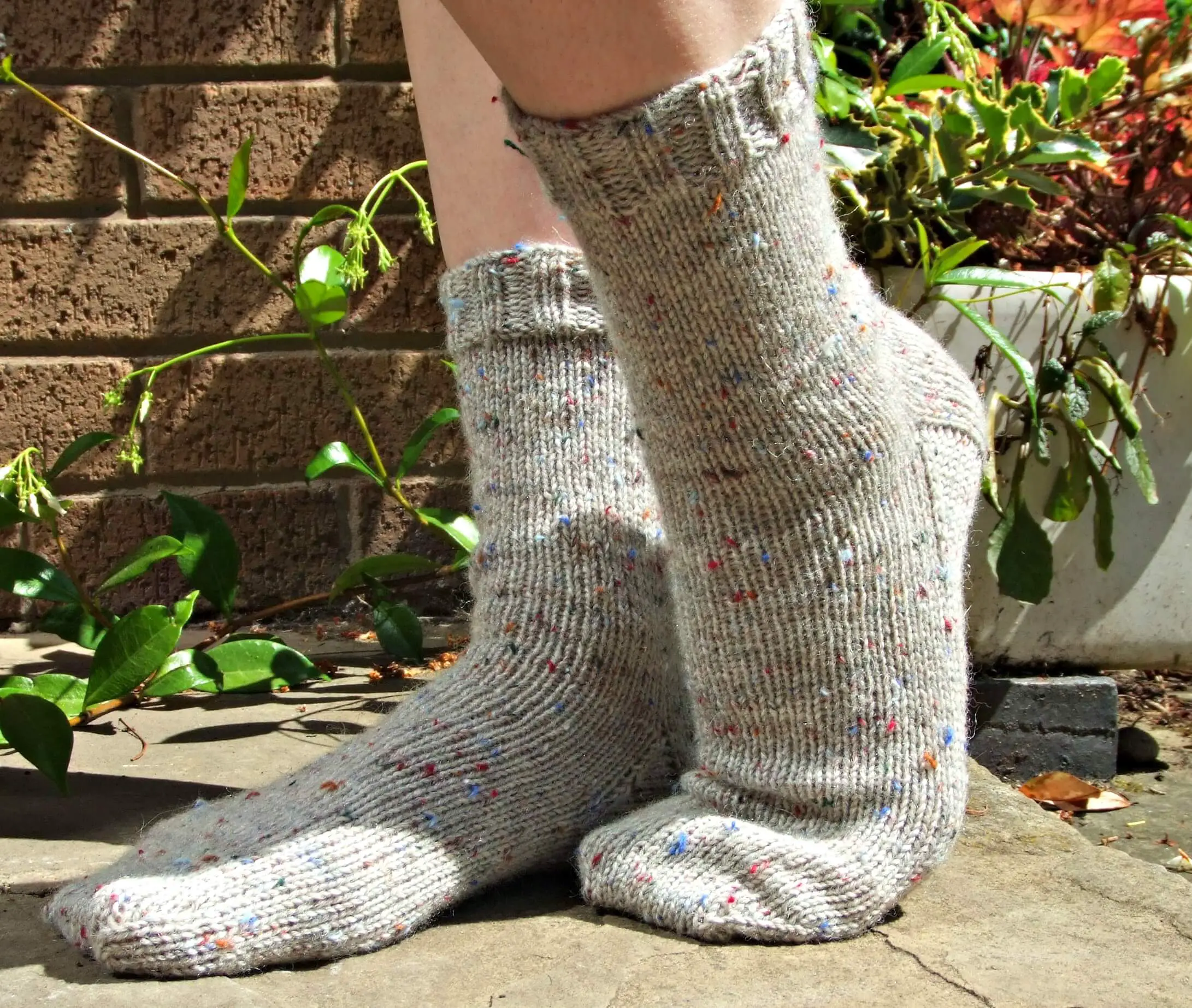
Once you have completed the ribbed cuff of the sock, it’s time to start knitting the foot. This is where the majority of the sock will be knitted, and it’s where you can really start to see the sock taking shape.
To begin the foot, you will continue knitting in the round on the needles. You can use either double-pointed needles or a circular needle, depending on your preference. Make sure to keep the tension consistent as you knit each round, as this will ensure the foot of the sock fits properly.
Shaping the Toe
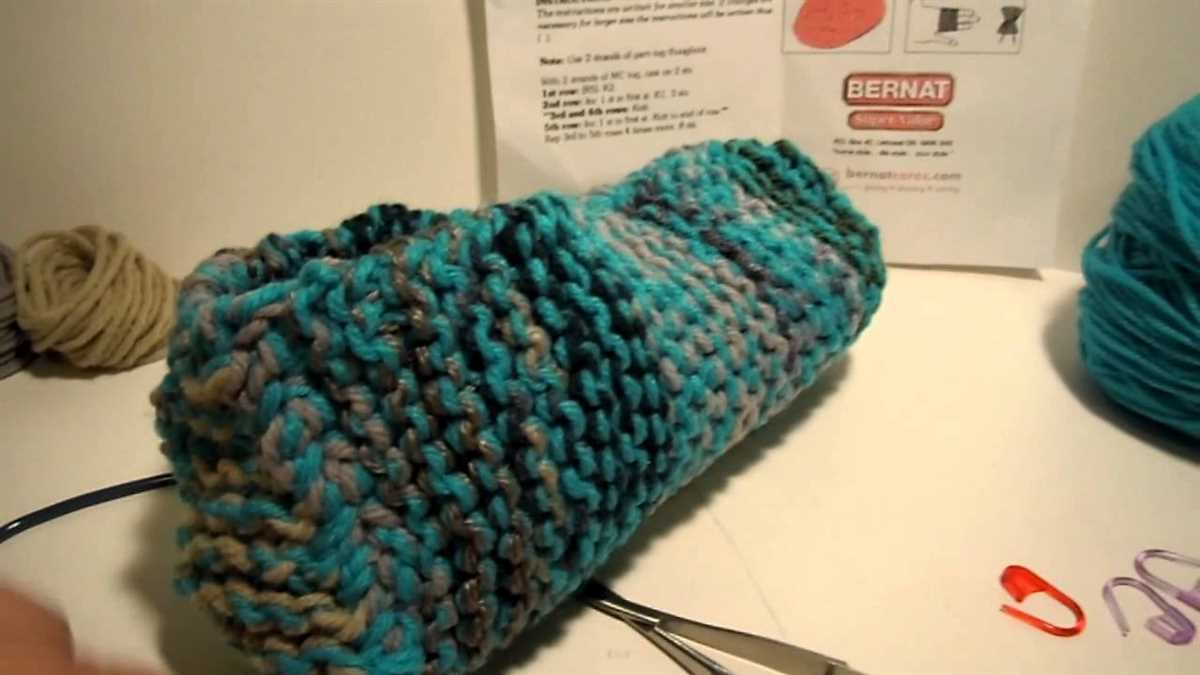
As you continue knitting the foot, you will eventually reach the point where you need to start shaping the toe. This is done by decreasing stitches gradually to create a tapered shape. There are different methods for shaping the toe, but one common approach is to use a technique called “decreasing in the round.”
To decrease in the round, you will work a series of decreases spaced evenly around the circumference of the sock. This helps create a snug fit and prevents the toe from being too loose. The specific number and frequency of the decreases will depend on the size of the sock and the desired fit.
Once you have completed the toe decreases, you will need to finish off the toe by closing it up. This can be done using a technique called “grafting” or “Kitchener stitch,” which creates an invisible seam. Alternatively, you can sew the toe closed using a tapestry needle.
Finishing Touches
After you have completed the foot of the sock, you can add any desired finishing touches. This can include adding decorative stitches or patterns, such as cables or lace, to the top of the foot. You can also add a contrasting color for the toe or heel, or even add a cuff or ribbing to the top of the sock if desired.
Once you are satisfied with the foot and any additional embellishments, you can cast off the stitches and weave in any loose ends. Then, it’s time to try on your finished sock and marvel at your handiwork. Congratulations, you have successfully knitted the foot of your men’s worsted weight yarn sock!
Finishing: Toe Shaping and Bind Off
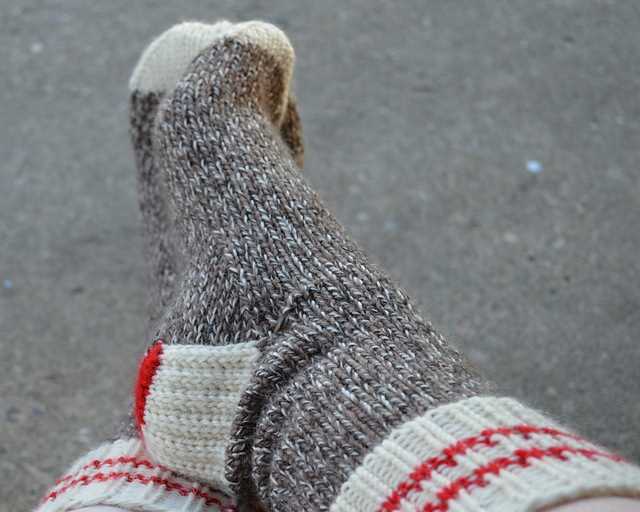
Once you have completed the foot portion of your knit sock, it’s time to shape the toe and bind off. The toe shaping is crucial to ensure a comfortable fit and proper wearability of the sock.
To shape the toe, you will gradually decrease the number of stitches to create a tapered and rounded edge. This can be achieved by knitting two stitches together at regular intervals. The specific pattern for toe shaping may vary depending on the design you are following, so be sure to consult your pattern or guide for instructions.
After completing the toe shaping, you will need to bind off the remaining stitches to secure the edge of the sock. There are several bind off methods to choose from, each with its own unique look and stretchiness. Some popular options include the standard bind off, the stretchy bind off, and the picot bind off.
To determine the best bind off method for your sock, consider the stretchiness of the yarn and the desired fit. If you prefer a snug fit, a stretchy bind off may be ideal. If you want a decorative edge, a picot bind off can add a touch of elegance to your sock.
Finally, after the bind off is complete, weave in any loose ends and trim excess yarn. Make sure to do a final check of the sock to ensure it is the desired length and fits comfortably on your foot.
- Toe shaping: Follow the instructions in your pattern to gradually decrease stitches and shape the toe to your desired fit.
- Bind off: Choose a bind off method that suits your yarn and desired fit, such as the standard bind off, the stretchy bind off, or the picot bind off.
- Finishing touches: Weave in loose ends and trim excess yarn. Double-check the length and fit of the sock.
By following these steps, you can create a beautiful pair of knit socks using worsted weight yarn. With the right pattern and careful attention to detail, your socks will not only keep your feet warm and cozy but also showcase your knitting skills.
Q&A:
What is a men’s knit sock pattern?
A men’s knit sock pattern is a set of instructions for knitting socks specifically designed for men.
What is worsted weight yarn?
Worsted weight yarn is a medium weight yarn that is often used for making sweaters, blankets, and accessories. It is thicker than sport weight yarn, but not as thick as bulky weight yarn.
How many socks does the pattern make?
The pattern is for knitting a pair of socks, so it will make two socks in total.
Can I use a different weight yarn for knitting the socks?
It is recommended to use worsted weight yarn for this particular pattern, as it will give you the desired gauge and thickness. However, you can experiment with other weights of yarn if you wish, but keep in mind that it may affect the size and fit of the socks.
Are there any specific techniques or stitches used in the pattern?
The specific techniques and stitches used in the pattern will depend on the individual pattern instructions. However, common techniques and stitches used in sock knitting include casting on, knitting in the round, ribbing, heel flap, gusset, and toe shaping.
