
Knitting is a beloved craft that allows individuals to create beautiful and functional items with just a pair of needles and some yarn. However, traditional knitting materials can have a negative impact on the environment. Enter plarn knitting patterns – a sustainable and eco-friendly alternative to traditional knitting.
“Plarn” is a portmanteau of the words “plastic” and “yarn”, and refers to yarn made from recycled plastic bags. This innovative approach to knitting not only reduces waste, but also transforms everyday plastic items into a valuable resource for crafting.
Plarn knitting patterns offer a wide range of creative opportunities. From tote bags and market bags to floor mats and blankets, there are countless projects that can be made using plarn. The durability and water-resistant properties of plastic make plarn creations perfect for outdoor use, such as beach bags or picnic blankets.
In addition to being environmentally friendly, plarn knitting patterns also provide an opportunity to support social causes. Many organizations and communities around the world have embraced plarn knitting as a way to empower disadvantaged individuals and promote sustainable practices. By purchasing plarn products or learning plarn knitting techniques, individuals can contribute to a more sustainable and inclusive world.
Benefits of using Plarn for knitting

Plarn, short for “plastic yarn,” is a versatile and sustainable material that can be used for knitting various items. One of the major benefits of using Plarn for knitting is its environmental impact. Plarn is made by repurposing plastic bags that would otherwise end up in landfills or pollute our oceans. By using Plarn, knitters can contribute to reducing plastic waste and make a positive difference for the planet.
Another advantage of using Plarn for knitting is its durability. Unlike traditional yarns, Plarn is resistant to stretching, tearing, and water damage. This makes it ideal for creating sturdy and long-lasting items such as reusable shopping bags, market totes, or even outdoor accessories like beach mats or picnic blankets. The durability of Plarn ensures that the knitted items can withstand frequent use and the wear and tear of everyday life.
Plarn also offers a wide range of design possibilities. It can be easily dyed with fabric dye or markers to create vibrant and customizable colors. Additionally, various knitting techniques can be applied to Plarn, including stitches, textures, and patterns, adding unique and intricate details to the finished item. Knitters can experiment and let their creativity flow while working with Plarn, resulting in one-of-a-kind pieces.
Moreover, Plarn knitting is an accessible hobby for all skill levels. Beginners can find satisfaction in their projects, as Plarn is forgiving and easy to work with. The thickness of Plarn enables quick progress, and mistakes are less noticeable compared to other yarns. For experienced knitters, Plarn offers a new and exciting challenge, allowing them to explore different techniques and create innovative designs.
In summary, using Plarn for knitting has numerous benefits. It is an environmentally friendly material that helps reduce plastic waste, offers durability for long-lasting items, allows for creative design possibilities, and is accessible for knitters of all skill levels. Embracing Plarn knitting not only brings joy and satisfaction but also contributes to a greener and more sustainable world.
How to Make Plarn
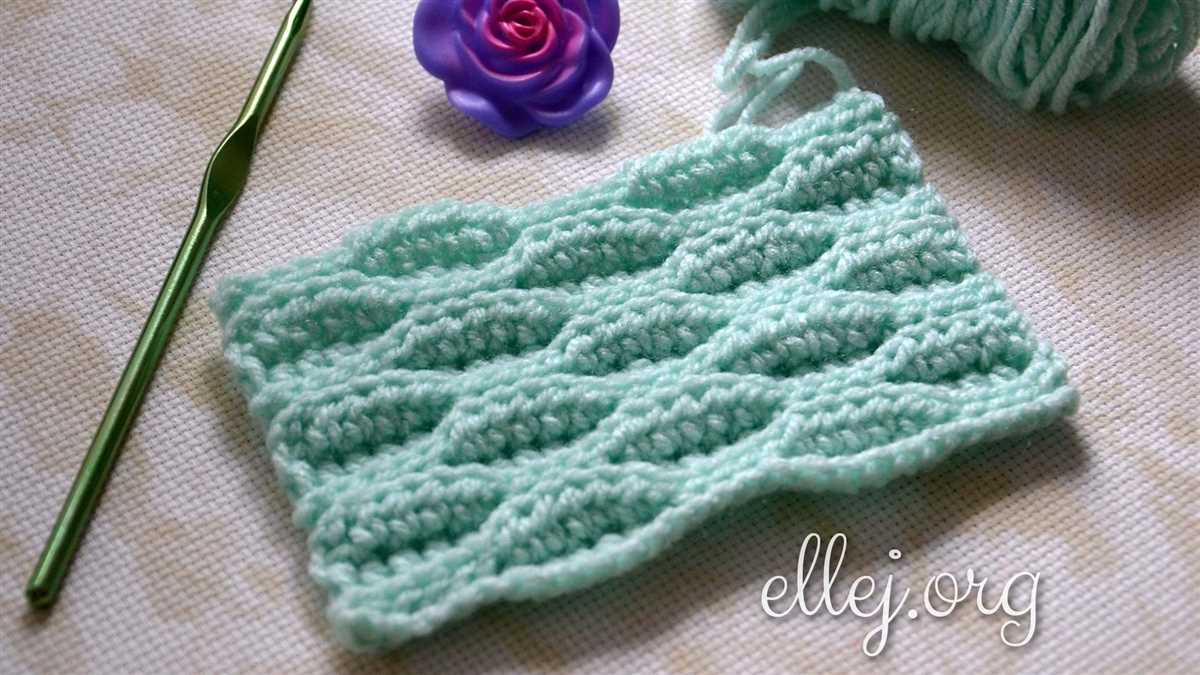
Making plarn, or plastic yarn, is a great way to repurpose and reuse plastic bags that would otherwise end up in landfills. Plarn can be used for a variety of crafts, such as knitting or crocheting. Here is a step-by-step guide on how to make plarn:
Materials Needed:

- Plastic bags
- Scissors
- Cutting board or surface
Instructions:
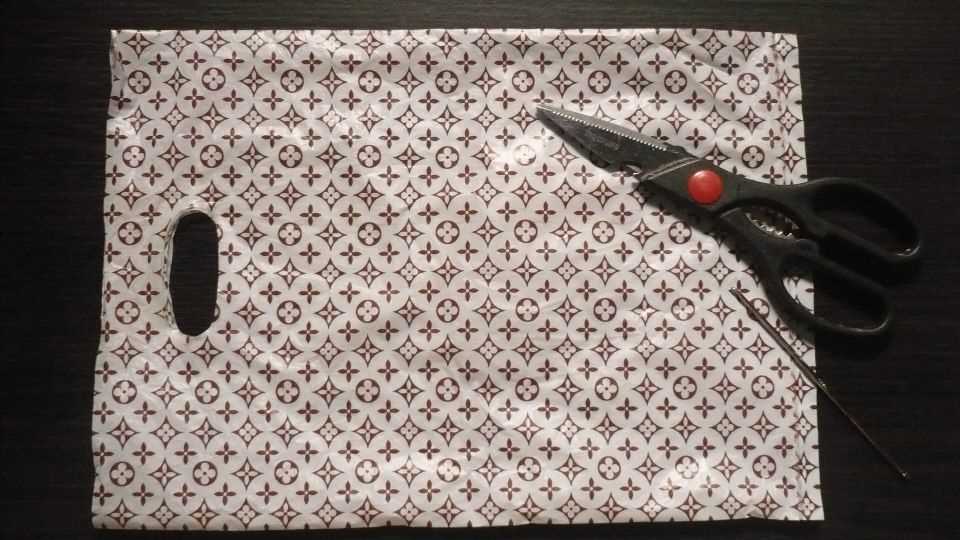
- Collect a good amount of plastic bags. Choose bags that are clean and free from holes or tears.
- Lay the plastic bag flat on a cutting board or surface. Smooth out any wrinkles or folds.
- Trim off the handles and the bottom seam of the bag using a pair of scissors. Discard these parts.
- Fold the bag in half lengthwise, bringing the two sides together.
- Begin cutting the folded bag into strips, about 1 inch wide, starting from the closed end and stopping about 1 inch before reaching the open end.
- Unfold the bag and lay it flat again.
- Cut the loops of the bag into individual strips, creating long plastic ribbons.
- Repeat steps 2-7 with the remaining plastic bags.
- Gather all the plastic ribbons and stretch them out to eliminate any wrinkles or curls.
- Now, your plarn is ready to be used for knitting, crocheting, or any other craft project!
By following these simple steps, you can easily make your own plarn and contribute to reducing plastic waste. Have fun creating beautiful and eco-friendly items with your homemade plarn!
Tips for working with Plarn

Working with plarn can be a fun and eco-friendly way to create unique and durable items. Here are some tips to help you make the most out of your plarn projects:
- Choose the right bags: When collecting plastic bags for plarn, make sure to choose ones that are clean, dry, and in good condition. Avoid bags with holes or tears as they may weaken the plarn.
- Cut bags efficiently: To create long strands of plarn, cut the bags into continuous strips. Start by removing the handles and bottom of the bags, then cut the remaining part into a single long strip that is approximately 1 inch wide.
- Store your plarn: Keep your plarn organized by rolling it into balls or wrapping it around a cardboard tube. This will make it easier to work with and prevent tangles.
- Experiment with different techniques: Don’t be afraid to try out different knitting or crochet techniques with plarn. It may require some adjustment, as plarn is thicker and less flexible than traditional yarn, but with practice, you can create unique and beautiful projects.
- Wash your finished items carefully: Plarn can be machine washed on a gentle cycle or hand washed with mild detergent. However, avoid using high heat when drying, as it can cause the plastic to melt or warp.
In conclusion, working with plarn is a great way to reduce waste and create one-of-a-kind items. By following these tips, you can enjoy the process of working with plarn and turn it into beautiful and useful creations.