
Shell knitting pattern is a popular and versatile stitch pattern that adds a beautiful texture to any knitted project. It is named after the shape of the stitches, which resemble the curving shape of a seashell. This pattern is perfect for adding interest to scarves, blankets, hats, and more.
The shell knitting pattern is created by working multiple stitches into the same stitch, then working a decrease to create the curved shape. The result is a series of raised stitches that create a stunning shell-like design. This pattern is relatively easy to learn and is perfect for both beginner and experienced knitters.
There are many variations of the shell knitting pattern, allowing for endless possibilities in design. You can vary the size of the shells by altering the number of stitches worked into each shell, or you can change the height of the shells by altering the number of rows worked between each shell. This versatility makes the shell knitting pattern a favorite among knitters who love to experiment and get creative with their projects.
What is a Shell Knitting Pattern?

A shell knitting pattern is a type of stitch pattern commonly used in knitting projects. It is characterized by a repeating pattern of stitches that form a shell-like shape. These shells can be incorporated into various types of knitting projects, such as blankets, scarves, and sweaters, to create texture and visual interest.
The shell pattern typically consists of a combination of knit and purl stitches that are repeated over a certain number of rows and stitches. The exact pattern may vary depending on the designer or the specific project, but it generally involves working a series of increases and decreases to create the elongated shape of the shells.
The shell knitting pattern is often used to create a lacy or openwork effect. By spacing out the shells and using finer yarns and smaller needles, the resulting fabric can have a delicate and elegant look. On the other hand, using thicker yarns and larger needles can produce a more textured and chunky appearance.
There are countless variations of shell knitting patterns available, ranging from simple designs with only a few stitches and rows to more complex patterns with intricate details. Some patterns may also incorporate other stitch techniques, such as cables or lace, to add further dimension and complexity to the design.
Whether you’re a beginner or an experienced knitter, working with a shell knitting pattern can be a fun and rewarding way to create beautiful and unique projects. With its versatility and range of design options, the shell stitch is a popular choice among knitters for adding interest and texture to their work.
Benefits of Using a Shell Knitting Pattern
Knitting is a popular craft that allows individuals to create beautiful and unique items such as scarves, hats, and sweaters. One type of knitting pattern that has gained popularity in recent years is the shell knitting pattern. This pattern features a series of shell-shaped stitches, creating a lovely texture that adds depth and visual interest to any knitting project.
Variety of Designs: One of the major benefits of using a shell knitting pattern is the wide variety of designs that can be created. The shell stitches can be used to create intricate patterns, such as borders or panels, or as a main stitch throughout the entire project. This versatility allows knitters to create garments and accessories that are truly unique and reflect their personal style.
Ease of Knitting: Despite the intricate appearance of shell stitches, they are actually relatively easy to knit. The pattern typically includes a combination of basic knitting stitches, such as knit and purl, and a few additional techniques like yarn overs and decreases. This makes it accessible for knitters of all skill levels, including beginners who are looking to take on a slightly more challenging project.
Textured Finish: One of the standout features of a shell knitting pattern is the beautiful texture it adds to the finished item. The shell stitches create a three-dimensional effect that adds depth and interest, making the knitted piece visually appealing and unique. Whether it’s a scarf, a blanket, or a sweater, the textured finish created by the shell knitting pattern is sure to stand out and make a statement.
Warm and Cozy: Another advantage of using a shell knitting pattern is the warmth and coziness it provides. The textured stitches in the pattern create tiny pockets of air, which help to trap heat and keep the wearer warm. This makes items knitted with the shell pattern perfect for cold weather accessories such as hats and scarves, as well as cozy sweaters and blankets.
In conclusion, the shell knitting pattern offers a variety of benefits, including the ability to create unique designs, ease of knitting, a textured finish, and warmth. Whether you’re an experienced knitter or just starting out, incorporating a shell knitting pattern into your next project is a great way to add visual interest and create a beautiful finished product.
Choosing the Right Yarn for Your Shell Knitting Pattern
When it comes to knitting shell patterns, the choice of yarn plays a crucial role in determining the final look and feel of your project. There are several factors to consider when selecting the right yarn for your shell knitting pattern.
Fiber Content: The first thing to consider is the fiber content of the yarn. Different fibers have unique characteristics that impact the drape, softness, and durability of the finished shell. For a lightweight and breathable shell, natural fibers such as cotton or linen are excellent options. If you prefer a warmer shell, consider using yarn blends that incorporate wool or alpaca.
Yarn Weight: Another important factor to consider is the weight of the yarn. The weight of the yarn will determine the overall look, feel, and warmth of your shell. If you want a delicate and lacy shell, opt for a lightweight yarn such as lace or fingering weight. For a thicker and warmer shell, choose a sport, DK, or worsted weight yarn.
Color and Texture: The color and texture of the yarn can greatly enhance the appearance of your shell. Vibrant colors can make a bold statement, while neutral shades can create a classic and timeless look. Consider the overall design of your shell and choose a yarn color that complements the pattern. Additionally, yarns with texture, such as those with a slight sheen or subtle tweed, can add dimension to your shell.
Yarn Tension: It’s important to consider the tension or gauge of the yarn when choosing the right yarn for your shell pattern. The recommended tension or gauge listed in the pattern will help ensure that your finished shell matches the desired measurements. If the tension or gauge is not specified, it’s a good idea to swatch with different needle sizes to achieve the desired fabric density.
In summary, when choosing the right yarn for your shell knitting pattern, consider the fiber content, yarn weight, color and texture, and yarn tension. By taking these factors into account, you can create a beautiful and well-fitting shell that you will love to wear. Happy knitting!
Tools and Materials Needed for a Shell Knitting Pattern
Knitting a shell pattern requires specific tools and materials to ensure the successful completion of the project. Before you start knitting, make sure you have the following items ready:
1. Knitting Needles
Choose knitting needles that are suitable for the yarn weight you will be using. The shell pattern usually requires needles in size US 7 or 8 (4.5mm or 5mm) to create a balanced tension and achieve the desired gauge. Circular or straight needles can be used, depending on your preference.
2. Yarn
Select a yarn that is appropriate for the shell knitting pattern. A lightweight or medium weight yarn made of a natural fiber, such as cotton or linen, is ideal for creating a breezy and delicate shell texture. Consider the color and texture of the yarn to complement your desired finished product.
3. Stitch Markers

Stitch markers are essential for keeping track of pattern repeats and maintaining the correct stitch count. Use removable stitch markers that can easily be inserted and removed as needed throughout the knitting process.
4. Yarn Needle
A yarn needle, also known as a tapestry needle, is necessary for weaving in ends and finishing touches. This needle has a large eye that can accommodate the yarn thickness and a blunt tip to prevent splitting the yarn fibers.
5. Scissors
Keep a pair of scissors handy for cutting yarn and snipping off any excess thread. Make sure they are sharp enough to cleanly cut through the yarn without fraying or damaging it.
With these tools and materials prepared, you are ready to start knitting your own beautiful shell pattern. Enjoy the process and create an eye-catching and fashionable garment that showcases your knitting skills!
Step-by-Step Guide to Knitting a Shell Pattern
If you’re looking to add a delicate and intricate design to your knitting projects, a shell pattern is a great option. This pattern creates a lovely shell-shaped motif, which can be used to add texture to various garments like scarves, shawls, and even sweaters. Follow this step-by-step guide to learn how to knit a beautiful shell pattern.
Materials Needed:
- Yarn of your choice
- Knitting needles
- Tapestry needle
- Scissors
Step 1: Cast On
To begin, cast on the desired number of stitches on your knitting needles. Make sure to leave a long tail for later use.
Step 2: Knit the First Row
For the first row, knit all the stitches in your cast-on row.
Step 3: Start the Shell Pattern
Now, it’s time to start the shell pattern. To do this, follow the steps below:
- Knit the first stitch.
- Purl the next stitch.
- Knit the following stitch.
- Purl the next stitch.
- Repeat steps 3 and 4 until the end of the row.
Step 4: Continue the Shell Pattern
Repeat step 3 for the desired number of rows, depending on how long you want your shell pattern to be. Remember to always alternate between knitting and purling stitches to create the shell effect.
Step 5: Bind Off

Once you’ve reached the desired length of your shell pattern, it’s time to bind off. Knit the first two stitches, and then pass the first stitch over the second stitch. Continue this process until you have one stitch remaining. Cut the yarn, leaving a tail, and pull it through the final stitch to secure it.
And there you have it – a stunning shell pattern! Use this pattern to add a touch of elegance to your knitting projects and create beautiful and unique pieces.
Tips and Tricks for Knitting a Shell Pattern
Knitting a shell pattern can add a beautiful and intricate design to your projects. Whether you’re working on a sweater, scarf, or hat, here are some tips and tricks to help you master this elegant stitch.
1. Choose the right yarn
When knitting a shell pattern, it’s important to choose a yarn that has good stitch definition. Look for a yarn that is not too fuzzy or fluffy, as this can make it difficult to see the details of the shell pattern. A smooth and even yarn will showcase the stitchwork beautifully.
2. Use stitch markers
Keeping track of your stitches is crucial when knitting a shell pattern. Place stitch markers at the beginning and end of each shell repeat to make it easier to count your stitches and ensure accuracy. This will help you catch any mistakes early on and make the knitting process more efficient.
3. Practice good tension
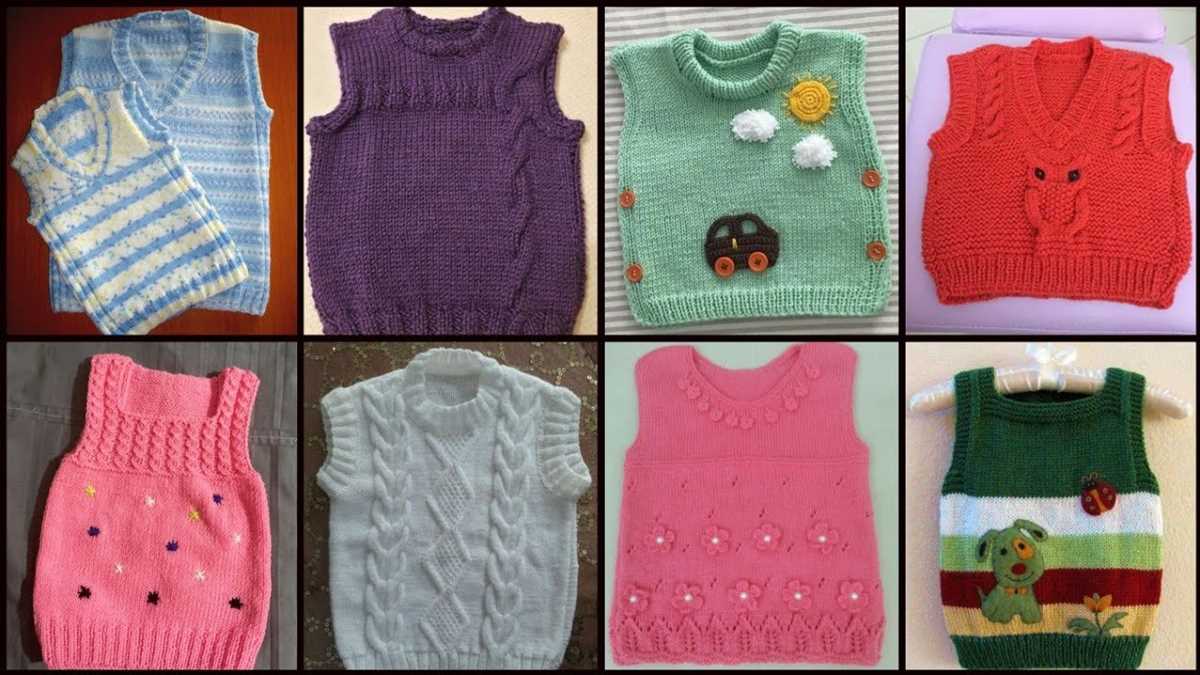
A consistent tension is key to achieving a polished look in your shell pattern. Be mindful of not pulling your yarn too tightly or loosely. Take the time to practice your tension before starting your project, and make adjustments if necessary. This will ensure that your shells are evenly spaced and the overall pattern looks balanced.
4. Block your work
After completing your shell pattern, blocking is essential to enhance the stitch definition and give your project a professional finish. Gently pin your work to the desired measurements and mist it with water or use a steamer to relax the fibers. Allow it to dry completely before unpinning, and you’ll be amazed at the transformation.
By keeping these tips and tricks in mind, you’ll be able to create stunning shell patterns with confidence and precision. Enjoy the process and watch as your knitting projects come to life with the intricate beauty of this classic stitch.
Common Mistakes to Avoid When Knitting a Shell Pattern
Knitting a shell pattern can be a fun and rewarding project, but it’s important to be aware of common mistakes that beginners often make. By avoiding these mistakes, you can ensure that your finished project looks polished and professional.
1. Not counting stitches
One of the most common mistakes in knitting a shell pattern is not counting stitches correctly. This can lead to uneven sections and an overall sloppy appearance. It’s important to carefully count your stitches at the end of each row to ensure that you have the correct number. Using stitch markers can also help you keep track of your progress.
2. Not checking gauge
Another mistake that knitters often make is not checking their gauge before starting the project. Gauge refers to the number of stitches and rows per inch in a knitting pattern. If your gauge is too tight or too loose, the finished project may not fit properly. It’s important to knit a gauge swatch and measure it against the pattern’s specified gauge to ensure an accurate fit.
3. Misreading the pattern
It’s easy to get lost in a complex shell knitting pattern, especially if you’re a beginner. Misreading the pattern can lead to mistakes in the design and frustration in your knitting. Take the time to carefully read and understand each section of the pattern before you begin. If necessary, write out the pattern instructions in a way that makes sense to you.
4. Not keeping track of row repeats
Many shell patterns require repeating a set of rows multiple times. It’s important to keep track of these repeats to ensure that the pattern is consistent throughout. Using row counters or writing down each row repeat can help you stay on track and avoid mistakes in the pattern.
5. Not blocking your finished project
One mistake that knitters often overlook is not blocking their finished shell pattern. Blocking is the process of shaping and smoothing the knitted fabric to enhance the overall appearance of the project. It can help to even out stitches, relax the fabric, and improve the drape. Make sure to carefully follow the blocking instructions for your specific yarn and project to achieve the best results.
By avoiding these common mistakes when knitting a shell pattern, you can ensure that your finished project turns out beautifully. Take your time, pay attention to detail, and don’t hesitate to seek guidance if you’re unsure about any part of the process. Happy knitting!
Advanced Techniques for Shell Knitting Patterns

Shell knitting patterns are a popular choice for creating texture and visual interest in knitted garments and accessories. While the basic stitch pattern is relatively simple, there are several advanced techniques that can take your shell knitting projects to the next level.
1. Lace Stitch Patterns

One advanced technique for shell knitting patterns is incorporating lace stitch patterns. Lace stitches can add delicate and intricate designs to your shells, creating a beautiful and feminine look. Some popular lace stitch patterns to try include the feather and fan stitch, the diamond lace stitch, or the openwork lace stitch.
2. Colorwork

Add depth and dimension to your shell knitting patterns by incorporating colorwork techniques. This can be done using stranded knitting, where multiple colors are carried along the back of the work, or by using intarsia, where separate sections of color are worked individually. Experiment with different color combinations and patterns to create unique and eye-catching designs.
3. Cables

Cables are another advanced technique that can be incorporated into shell knitting patterns. By crossing stitches over each other, cables create a twisted and textured effect. Try adding cable panels or braided cables to your shells to give them a more intricate and intricate appearance.
4. Beads and Embellishments
Add a touch of elegance to your shell knitting patterns by incorporating beads or other embellishments. This can be done by placing beads on individual stitches or by attaching them using a crochet hook. You can also experiment with adding sequins, buttons, or other small decorations to your shells for a personalized and unique touch.
By incorporating these advanced techniques into your shell knitting patterns, you can create beautiful and unique garments and accessories. Whether you’re looking to add lace details, experiment with colorwork, or add texture with cables, there are endless possibilities for creating stunning shell knitting projects.
Easy Shell Patterns for Beginners

If you’re a beginner to knitting and want to try something new, shell patterns are a great place to start. They are easy to learn and create beautiful textures in your projects. In this article, we’ll explore some simple shell patterns that are perfect for beginners.
1. Simple Shell Stitch
This is a basic shell stitch pattern that is perfect for beginners. It consists of a series of double crochet stitches arranged in a shell shape. To create this pattern, you’ll need to know how to chain and double crochet. By repeating the same sequence of stitches, you can create a lovely shell pattern.
2. Shells and V’s Pattern
This pattern combines shell stitches with V-stitches to create a beautiful textured design. The V-stitch is made by working a double crochet, chain, double crochet in the same stitch. By alternating between shell stitches and V-stitches, you can create a stunning pattern with a mix of textures.
3. Open Shell Stitch
This shell pattern is worked with a combination of double crochet and chain stitches. It creates an open and lacy effect, making it perfect for lightweight and delicate projects. By working a series of chain, double crochet, and chain stitches, you can create a stunning open shell pattern.
These are just a few examples of easy shell patterns that beginners can try. They are perfect for adding texture and interest to your knitting projects. Whether you’re making a scarf, blanket, or hat, incorporating shell stitches can take your project to the next level. So grab your needles and give these simple shell patterns a try!
Shell Knitting Patterns for Different Garments
Knitting is not only a relaxing hobby but also a way to create beautiful and unique garments. One popular knitting pattern that adds texture and elegance to any piece is the shell pattern. The shell pattern is created by alternating knit and purl stitches in a specific sequence, resulting in a pattern that resembles a shell or scallop shape.
Shell knitting patterns can be used to create a variety of garments, from sweaters and cardigans to scarves and hats. The versatile nature of the shell pattern allows it to be adapted to different yarn weights and stitch counts, making it suitable for both lightweight and cozy projects.
Shell Sweater
A shell pattern sweater is a perfect choice for those looking to add a touch of elegance to their wardrobe. The delicate shell stitches can be featured as panels on the front and back of the sweater or used as an all-over pattern. Combined with a soft and luxurious yarn, this sweater will become a favorite piece for any occasion.
To create a shell sweater, start by knitting a swatch to determine the stitch and row gauge. Then, follow the pattern instructions, incorporating the shell stitch pattern at the desired locations. Adjust the length and shaping of the sweater to fit your body measurements, and finish off with ribbing at the neckline, cuffs, and hem.
Shell Scarf
A shell pattern scarf is a stylish accessory that adds a touch of sophistication to any outfit. By combining different yarn colors or textures, you can create a unique and eye-catching scarf that will keep you warm and cozy during the colder months.
To knit a shell scarf, cast on the desired number of stitches and work the shell pattern in rows. You can vary the width of the shells by adjusting the number of stitches between the shell repeats. Finish off with a neat bind off and block the scarf to open up the shell stitches and enhance the overall drape.
Shell Hat
A shell pattern hat is a chic and trendy accessory that can be worn throughout the year. The shell stitches add an interesting texture to the hat, making it stand out from the crowd. You can knit the hat in a single color or experiment with colorwork to create a more intricate design.
To knit a shell hat, start by casting on the desired number of stitches and work the shell pattern in rounds. Adjust the length of the hat to achieve the desired fit, and finish off with a decrease round followed by a pompom or other decorative element. Wear your shell hat with pride and enjoy the compliments you receive!
Where to Find Free Shell Knitting Patterns Online
If you are interested in creating beautiful shell knitting patterns, there are many resources available online that offer free patterns. These websites and platforms provide a wide variety of designs, from basic to intricate, allowing knitters of all skill levels to find the perfect pattern for their next project.
1. Ravelry
Ravelry is a popular online community for knitters and crocheters. It features a vast collection of patterns, including many shell knitting patterns. Simply create a free account and browse through the pattern database to find your next project. You can filter the search results based on difficulty level, yarn weight, and more.
2. Lion Brand Yarn
Lion Brand Yarn is a well-known yarn manufacturer that offers a wide range of free knitting patterns on their website. They have a dedicated section for shell knitting patterns, where you can find various designs for different projects such as scarves, shawls, and sweaters. Each pattern includes detailed instructions and photos to help you create your own masterpiece.
3. AllFreeKnitting
AllFreeKnitting is a website that compiles knitting patterns from various sources, including individual designers and yarn companies. They have a section specifically for shell knitting patterns, featuring a diverse range of styles and difficulties. You can easily browse through the patterns and find one that suits your preferences.
4. Pinterest
Pinterest is a great platform for finding inspiration and ideas, including shell knitting patterns. Simply search for “shell knitting patterns” or related keywords, and you will find a plethora of beautiful designs shared by fellow knitters and bloggers. Pinterest allows you to save and organize your favorite patterns, making it easy to revisit them whenever you want.
5. Knitting Blogs
Many knitting bloggers share their original shell knitting patterns on their websites. These patterns are often accompanied by step-by-step instructions and tips for customization. Explore the knitting blogosphere to discover unique and creative shell knitting patterns that you won’t find elsewhere.
In conclusion, there are numerous online platforms and resources where you can find free shell knitting patterns. Whether you prefer a simple or intricate design, these websites offer a wide range of options for knitters of all skill levels. Happy knitting!