
If you’re a fan of knitting and want to try something new and exciting, then mosaic knitting might just be for you. Mosaic knitting is a technique where two contrasting colors of yarn are used to create intricate patterns without the need for complex colorwork. This technique creates beautiful and intricate designs that look much more complicated than they actually are.
One of the best things about mosaic knitting is that it is relatively easy to learn and perfect for beginners who want to expand their knitting skills. All you need to know is how to knit and purl, and with a little bit of practice, you’ll be able to create stunning patterns in no time.
There are many simple mosaic knitting patterns available for you to try. Some patterns use only two colors, while others incorporate more colors for a more vibrant and eye-catching design. From stripes to geometric shapes, the possibilities are endless and you can get as creative as you want.
Whether you want to create a cozy blanket, a stylish scarf, or a unique sweater, mosaic knitting offers a fun and versatile way to add some color and pattern to your projects. So grab your knitting needles and give mosaic knitting a try.
What is Mosaic Knitting?
Mosaic knitting is a knitting technique that involves creating colorwork patterns using just one color at a time. Instead of switching between multiple yarns in different colors, mosaic knitting relies on a combination of slipped stitches and strategically placed knits and purls to create the illusion of multiple colors in the finished fabric.
In mosaic knitting, the colorwork pattern is created by working with two alternating rows: one row is knit or purled in the main color, while the other row is worked with slipped stitches in the contrasting color. The slipped stitches create floats on the back side of the fabric, which are later caught in subsequent rows, resulting in a textured and visually striking design.
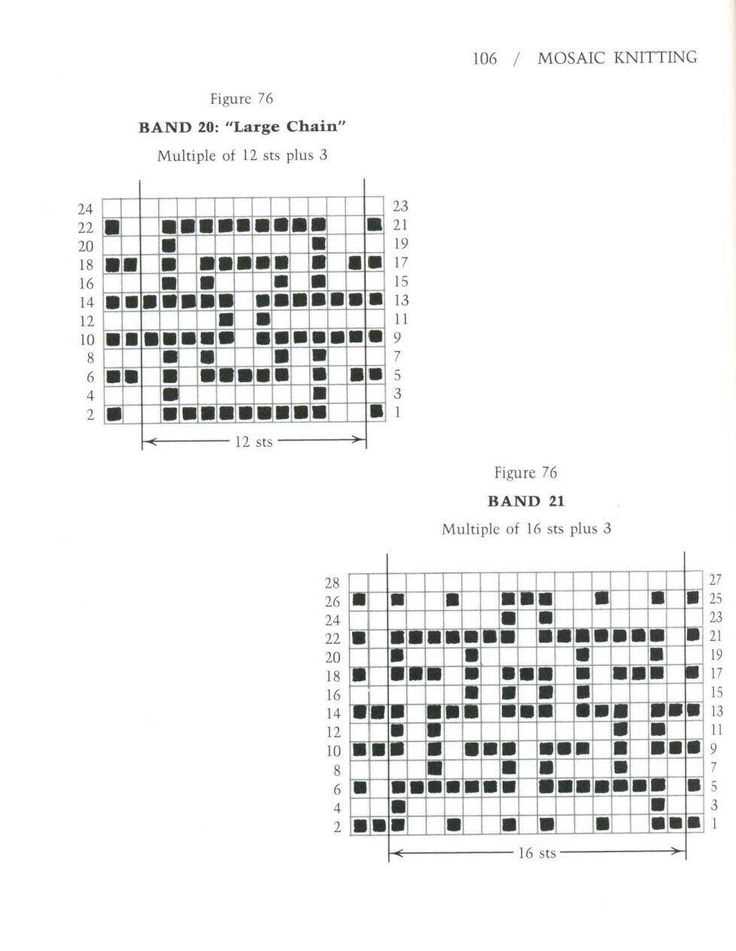
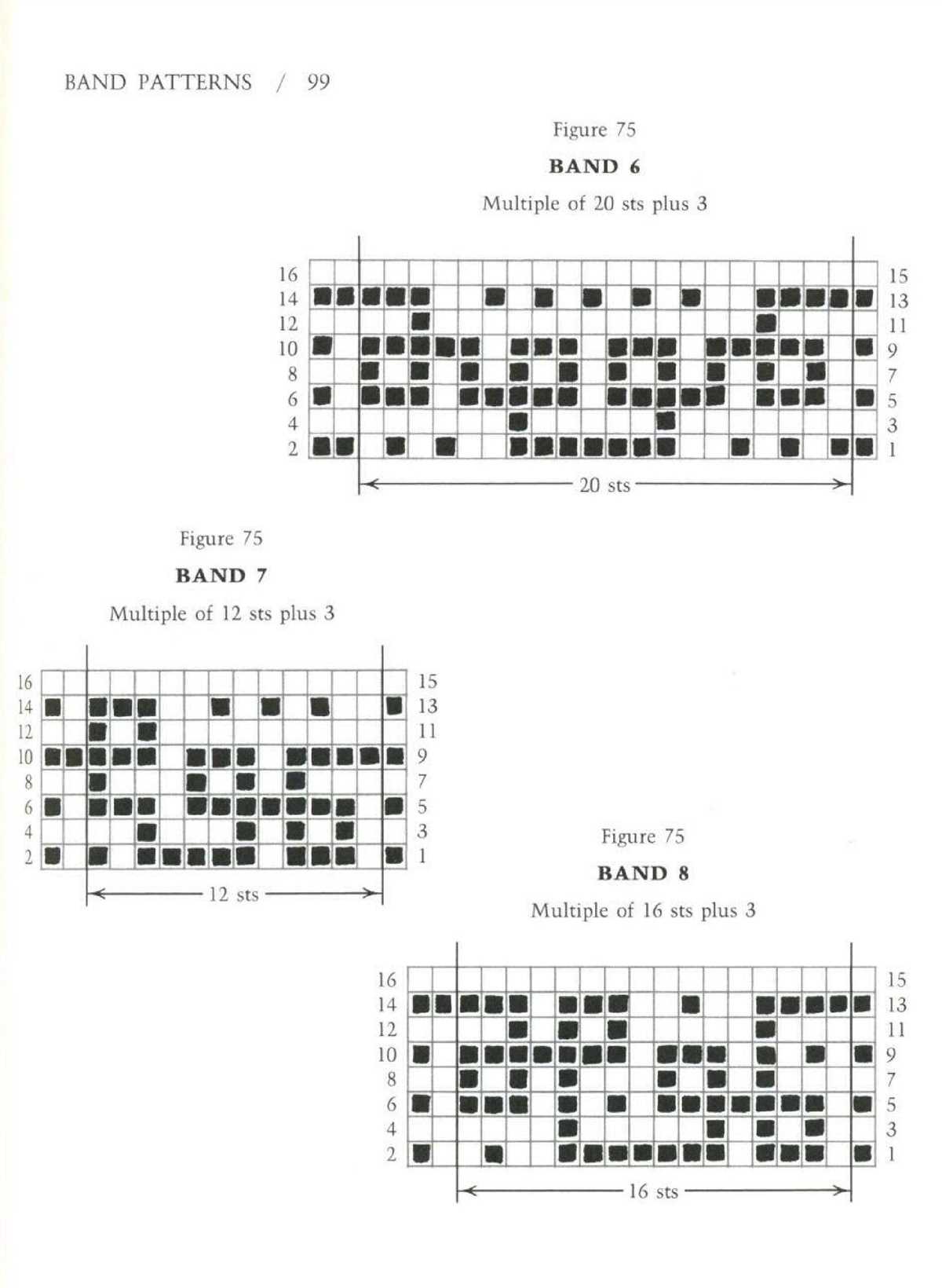
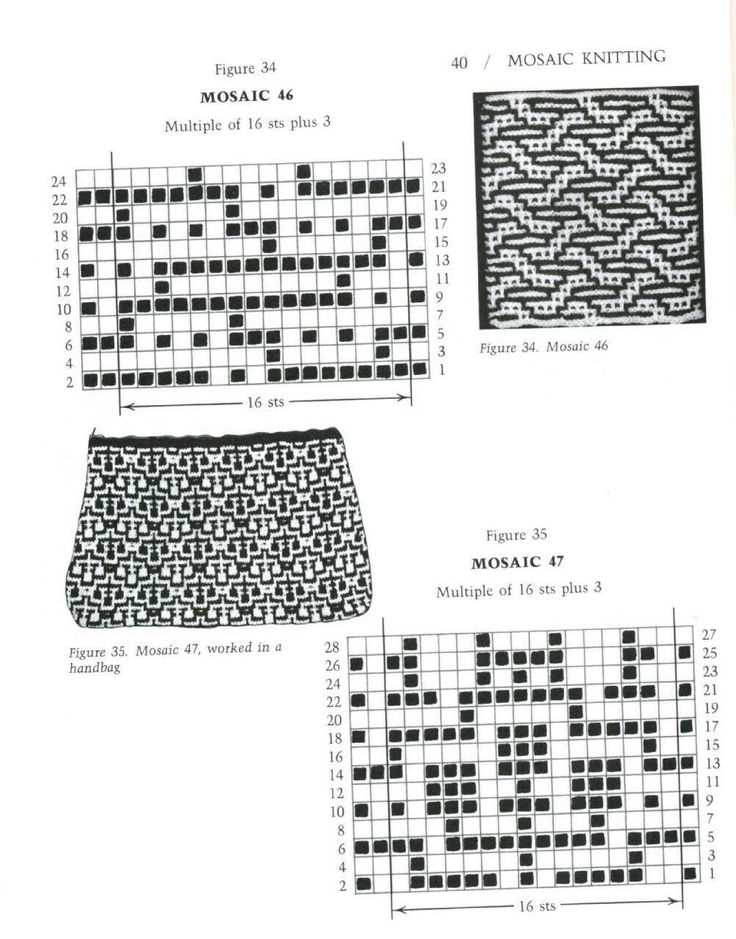
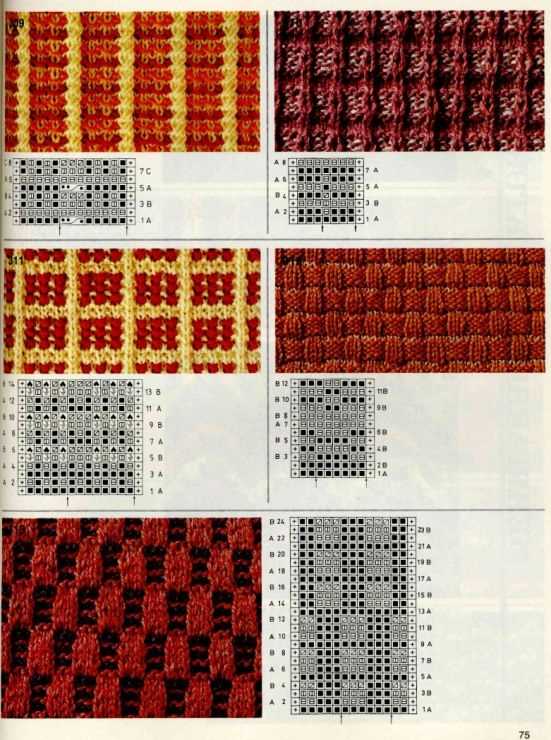
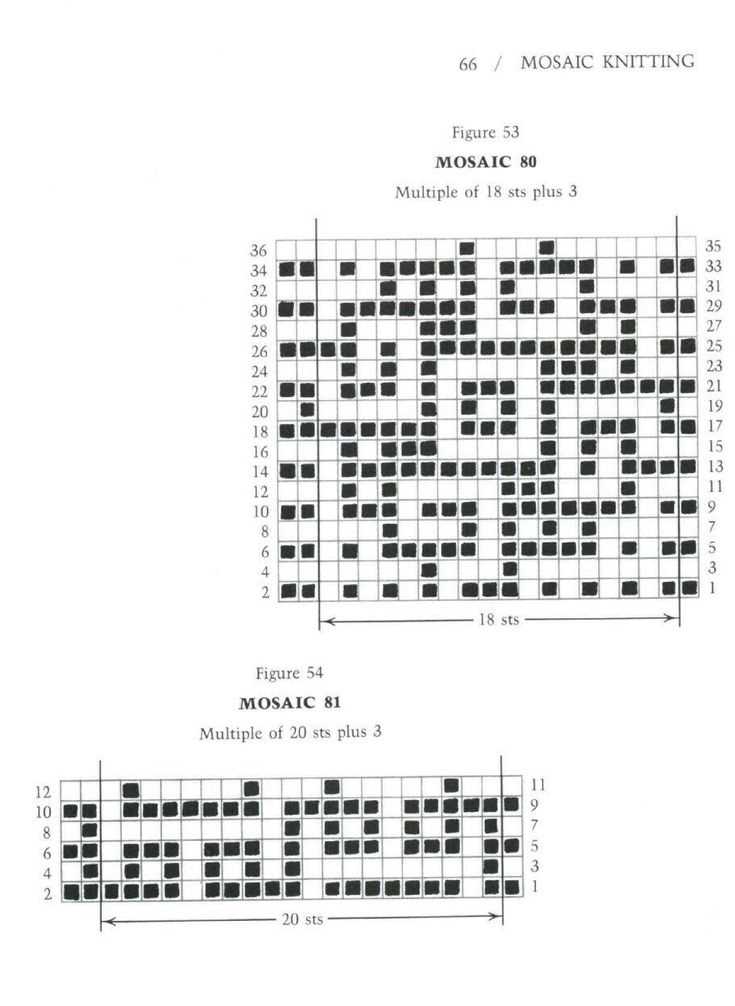
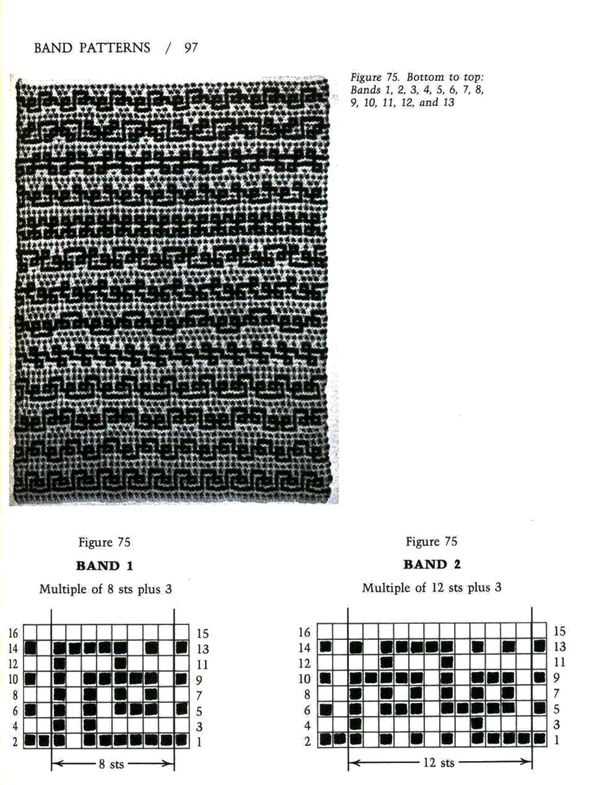
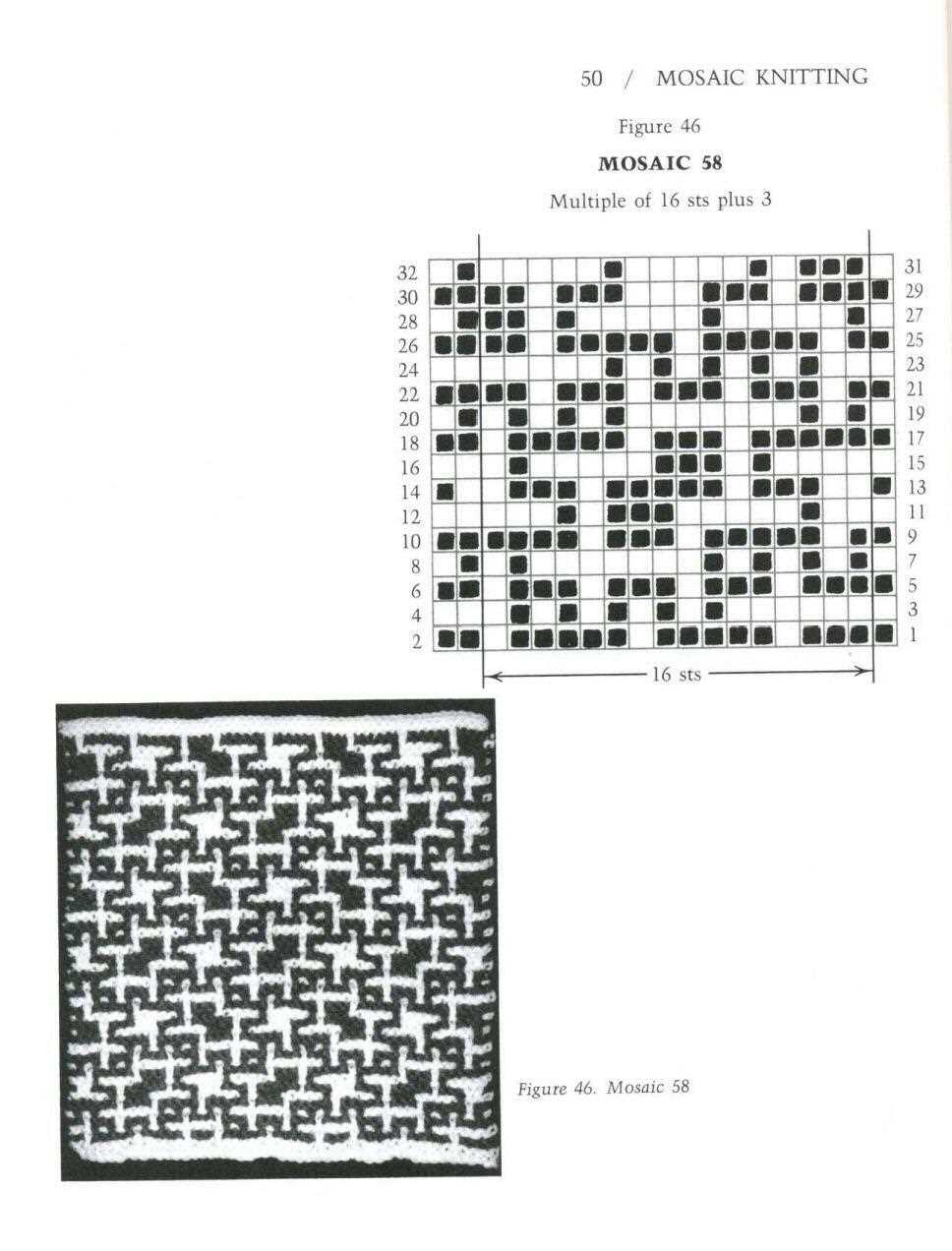
Mosaic knitting patterns are typically charted, with each square in the chart representing a stitch. The chart will indicate which stitches to knit or purl in the main color, and which stitches to slip in the contrasting color. By following the chart and repeating the two alternating rows, the mosaic pattern gradually emerges.
Mosaic knitting is a great technique for beginners to colorwork knitting, as it only requires knowledge of basic knitting stitches and doesn’t involve complicated color changes or carrying multiple yarns. It’s also a versatile technique that can be used to create a wide range of designs, from simple geometric patterns to intricate motifs. Whether you’re a beginner or an experienced knitter, mosaic knitting offers a fun and accessible way to explore the world of colorwork.
Why Should You Try Mosaic Knitting?
Mosaic knitting is a technique that combines simplicity and creativity, making it a great choice for both beginner and experienced knitters. With mosaic knitting, you can create beautiful and intricate patterns using only one color at a time. This makes it an ideal technique for those who want to experiment with color without the complexity of Fair Isle or intarsia knitting.
One of the main reasons to try mosaic knitting is the relaxation and mindfulness it brings. The repetitive nature of the stitches allows you to get into a rhythm and focus on the present moment, making it a soothing and meditative activity. It can be a great way to unwind after a long day or to practice mindfulness while still being productive.
Easy to Learn and Versatile

Another reason to try mosaic knitting is its simplicity. The techniques involved are relatively easy to master, even for beginners. The patterns typically involve only knit and purl stitches, with the occasional slip stitch. This makes it a great technique for those who are new to knitting or for those who want to try something different without too much complexity.
Mosaic knitting is also versatile, allowing you to create a wide range of patterns and designs. By combining different stitch patterns and colors, you can create unique and personalized projects. Whether you prefer geometric shapes, floral motifs, or abstract designs, mosaic knitting allows you to bring your vision to life.
Quick and Effective Results
One of the advantages of mosaic knitting is that it produces quick and effective results. Because you only work with one color at a time, the technique is faster than traditional colorwork methods. This means that you can complete projects more quickly and see the beautiful patterns emerge before your eyes.
Whether you’re looking for a new knitting challenge or simply want to explore a different technique, mosaic knitting is definitely worth trying. With its simplicity, versatility, and quick results, you’ll be able to create stunning and unique projects that will impress everyone around you.
Choosing Yarn and Needles for Mosaic Knitting
In mosaic knitting, selecting the right yarn and needles is crucial to achieving the desired outcome. The yarn choice should complement the pattern and provide the desired level of drape and warmth.
Yarn weight: When choosing yarn for mosaic knitting, consider the weight or thickness of the yarn. Fingering weight yarn is often preferred for more intricate mosaic patterns with finer details. Alternatively, sport weight or DK weight yarn can be used for slightly larger motifs and bolder designs. Worsted weight yarn is suitable for larger mosaic patterns with more substantial colorwork.
Yarn fiber: The choice of yarn fiber can also impact the finished project. Natural fibers like wool or wool blends are commonly used for mosaic knitting due to their warmth, elasticity, and ability to hold stitches in place. Acrylic yarns can also be used, especially when creating garments or accessories that require easy care and maintenance.
Needle size: The needle size should correspond to the yarn weight and personal knitting tension. It is important to check the gauge of the pattern and adjust needle sizes accordingly to achieve the correct stitch count and dimensions. Experimenting with different needle sizes can also alter the texture and drape of the finished project.
Stranded or single-color knitting: Depending on the mosaic knitting pattern, you may need to do single-color knitting or stranded knitting. Single-color knitting involves working with one color at a time and is suitable for simpler mosaic patterns. Stranded knitting requires working with multiple colors in each row, creating more complex and intricate designs. Choose yarns with good color contrast for stranded knitting to ensure the mosaic pattern stands out.
Swatching: Before starting a mosaic knitting project, it is always advisable to create a swatch using the chosen yarn and needles. Swatching allows you to check your tension and gauge, ensuring that your finished garment or accessory will fit properly. It also gives you an opportunity to see how the colors and mosaic pattern interact with each other.
By carefully considering the yarn weight, fiber, needle size, and knitting technique, you can set yourself up for success in creating beautiful and intricate mosaic knitting projects.
Getting Started with Simple Mosaic Knitting Patterns

Mosaic knitting is a great technique for creating beautiful colorwork patterns without the complexity of traditional Fair Isle or intarsia knitting. With mosaic knitting, you can achieve stunning designs by working with just one color at a time. This makes it an ideal technique for beginners or those looking for a more simplified approach to colorwork.
To get started with simple mosaic knitting patterns, you’ll need to choose your yarn and needles. It’s best to use a smooth, worsted weight yarn in two contrasting colors. This will help your design stand out and make it easier to see your stitches. For needles, you can use circular or straight needles, depending on your preference.
Next, you’ll need to choose a simple mosaic knitting pattern. There are many free patterns available online, or you can create your own design by following a basic chart. Some popular patterns include dots, stripes, or geometric shapes. These patterns typically involve repeating a series of simple stitches to create the desired design.
When knitting a mosaic pattern, it’s important to remember the rules of mosaic knitting:
- Work with one color at a time. This means that you’ll need to carry the unused color along the back of your work.
- Only knit or purl the stitches that are in the contrasting color. The stitches in the main color should be slipped without working them.
Before you begin knitting your pattern, take some time to familiarize yourself with the chart and the stitch symbols. Each symbol represents a specific action, such as knitting, purling, or slipping a stitch. Make sure you understand which color corresponds to each symbol before you start knitting.
Once you have your materials and pattern ready, you can start knitting your simple mosaic design. Take your time and follow the chart carefully, always remembering to carry the yarn along the back and only work the stitches in the contrasting color. With practice, you’ll be able to create intricate and beautiful mosaic knitting patterns.
Mosaic Knitting Terminology
Mosaic knitting is a colorwork technique that creates intricate patterns using only one color at a time. It involves alternating between two colors using simple slip stitches to create the illusion of more intricate colorwork. Here are some key terms to know when working with mosaic knitting:
1. Main Color (MC)
The main color, often abbreviated as MC, refers to the color that forms the background of the mosaic knitting pattern. This color is used as the base color for the majority of the stitches in the pattern.
2. Contrast Color (CC)
The contrast color, often abbreviated as CC, refers to the color that is used to create the design or pattern in the mosaic knitting. This color is slipped behind the main color stitches to create the contrasting elements in the design.
3. Slip Stitch

A slip stitch is a technique in knitting where a stitch is passed from one needle to the other without being worked. In mosaic knitting, slip stitches are used to create the contrasting color elements by slipping the contrast color yarn behind the main color stitches to create the design pattern.
4. Mosaic Knitting Chart
A mosaic knitting chart is a visual representation of the pattern or design you will be creating in your knitting. It shows which stitches should be worked in the main color and which stitches should be slipped in the contrast color. Each square on the chart represents one stitch in the knitting.
5. Selvage Stitches
Selvage stitches are the stitches at the beginning and end of each row. In mosaic knitting, selvage stitches are often worked in the main color to create a clean edge and facilitate easier seaming or finishing.
6. Checkerboard Pattern
A checkerboard pattern is a common mosaic knitting pattern that consists of a grid of alternating squares of main color and contrast color. It creates a simple yet striking design that is perfect for beginner mosaic knitters.
By understanding these key terms, you will be able to confidently follow mosaic knitting patterns and create beautiful colorwork designs using this technique.
How to Read a Mosaic Knitting Chart
Mosaic knitting is a technique that creates intricate and colorful patterns using only simple knit and purl stitches. To work on a mosaic knitting project, it is crucial to understand how to read a mosaic knitting chart. Here are some steps to help you read and follow a mosaic knitting chart with ease.
1. Understand the Symbols:

Before you begin working on a mosaic knitting project, familiarize yourself with the symbols used in the chart. These symbols represent different colors and stitches. Become comfortable with the meaning of each symbol so that you can easily identify them in the chart and translate them into your knitting.
2. Read Rows from Right to Left:
In mosaic knitting, charts are read from right to left. Each symbol on the chart represents a stitch. Start at the right edge of the chart and work your way across to the left. This way, you will be able to follow the pattern accurately and create the desired design.
3. Follow the Repeating Pattern:
Most mosaic knitting charts have a repeating pattern that you will need to follow throughout the project. Look for the repeat section in the chart and identify how many stitches and rows are involved in the repeat. Once you understand the repeat, you can easily work on the project by repeating the designated stitches and rows as instructed in the chart.
4. Use a Highlighter or Pen:
To make it easier to follow the mosaic knitting chart without confusion, consider using a highlighter or pen to mark off the rows and stitches as you complete them. This will help you keep track of your progress and prevent errors or confusion while working on the project.
5. Reference the Key:

Most mosaic knitting charts come with a key that explains the symbols used in the chart. If you come across a symbol that you are unsure about, refer to the key to clarify its meaning. Keeping the chart and key handy while working on the project will ensure that you stay on track and create the intended design.
With these steps in mind, you can confidently read and follow a mosaic knitting chart. Whether you are a beginner or an experienced knitter, the chart will serve as a visual guide to help you create beautiful and intricate mosaic patterns in your knitting projects.
Tips for Knitting Mosaic Patterns
Knitting mosaic patterns can be a fun and rewarding way to create beautiful designs in your projects. However, it can also be a bit challenging if you’re new to this technique. Here are some tips to help you successfully knit mosaic patterns:
1. Choose the right yarn:

When knitting mosaic patterns, it’s important to choose yarns with good color contrast to ensure that the mosaic design stands out. Opt for yarns in two contrasting colors, with one color being significantly darker or lighter than the other. This will help highlight the pattern and make it more visually appealing.
2. Use a chart:

Charts are a great tool for knitting mosaic patterns, as they provide a visual representation of the design. Before you start knitting, take some time to familiarize yourself with the chart and the symbols used. This will make it easier to follow along and keep track of your stitches.
3. Practice tension control:
Tension control is crucial when knitting mosaic patterns, as it affects the overall appearance of the design. Make sure to knit with a consistent tension throughout your project to ensure that your stitches are even and the pattern is well-defined. If needed, you can practice knitting a tension swatch before starting your project to get a feel for the proper tension.
4. Pay attention to row repeats:
Mosaic knitting often involves repeating rows of different stitch patterns. It’s important to carefully follow the pattern instructions and pay attention to the row repeats. Missing or skipping a row can throw off the entire design and make it difficult to correct later on.
5. Use stitch markers:

Stitch markers can be helpful when knitting mosaic patterns, especially when there are multiple stitch patterns or color changes within a row. Place a stitch marker after each repeat or color change to help keep track of your progress and ensure that you’re following the pattern correctly.
With these tips in mind, you’ll be well-equipped to knit beautiful mosaic patterns. Remember to take your time, practice your tension, and enjoy the process of creating unique and eye-catching designs in your knitting projects.
Free Simple Mosaic Knitting Patterns to Try
If you’re new to mosaic knitting or looking for some easy projects to practice your skills, there are plenty of free patterns available that are perfect for beginners. Mosaic knitting is a technique that involves using two contrasting colors of yarn to create geometric patterns without the need for complex colorwork or stranded knitting. Here are a few simple mosaic knitting patterns to try:
1. Mosaic Dishcloth

A dishcloth is a great way to practice your mosaic knitting skills on a small, manageable project. This pattern uses a simple mosaic pattern with alternating colors to create a textured cloth that is both functional and decorative. It’s a quick and easy project that can be completed in just a few hours.
2. Mosaic Hat
If you’re ready to try knitting a larger project, a mosaic hat is a great option. This pattern uses a basic mosaic pattern to create a stylish and cozy hat. The simple geometric design adds visual interest to the hat without requiring complex color changes. It’s a fun and rewarding project that can be completed in a weekend.
3. Mosaic Scarf
A scarf is another great project for practicing mosaic knitting. This pattern uses a simple mosaic pattern with a repetitive design to create a beautiful and warm scarf. The use of contrasting colors makes the pattern pop and adds visual interest to the finished piece. It’s a versatile accessory that can be worn with any outfit.
- 4. Mosaic Blanket
- 5. Mosaic Socks
These are just a few examples of the many free simple mosaic knitting patterns available online. Whether you’re a beginner or an experienced knitter, mosaic knitting is a fun and versatile technique to try. With its simple colorwork and geometric patterns, it’s a great way to create beautiful and eye-catching projects.
Advanced Mosaic Knitting Techniques
Once you have mastered the basics of mosaic knitting, you may want to explore more advanced techniques to create even more intricate and complex patterns. Here are a few techniques that can take your mosaic knitting to the next level:
Intarsia Mosaic Knitting:
Intarsia mosaic knitting is a technique that allows you to introduce multiple colors within a single row or round, creating intricate colorwork designs. Instead of carrying the yarn across the entire row, you change the color at each stitch using separate balls or bobbins of yarn. This technique requires more careful yarn management and weaving in ends, but it opens up endless possibilities for creating detailed and vibrant mosaic patterns.
Double-Sided Mosaic Knitting:
Double-sided mosaic knitting, also known as reversible mosaic knitting, allows you to create patterns that look beautiful on both sides of the fabric. By using a variation of the slip stitch technique, you can create a mirrored pattern on the reverse side, making your project reversible and versatile. This technique is perfect for items like scarves and blankets where both sides will be visible.
Color Blending and Gradients:
To add depth and dimension to your mosaic knitting projects, consider experimenting with color blending and gradients. By combining two or more colors in different ways, such as alternating them within a row or using different slip stitch patterns, you can create beautiful transitions and gradients within your pattern. This technique adds a unique visual element to your projects and allows you to showcase your creativity.
Remember, advanced mosaic knitting techniques require patience and practice to achieve the desired results. Take your time, experiment with different techniques, and don’t be afraid to make mistakes. With dedication and perseverance, you will be able to create stunning and intricate mosaic knitting designs.
Popular Mosaic Knitting Projects and Designs
Mosaic knitting is a popular technique that creates intricate patterns by using two contrasting colors. It is a great way to add complexity and visual interest to your knitting projects. Here are some popular mosaic knitting projects and designs that you can try:
1. Mosaic Scarf

A mosaic scarf is a versatile and fashionable accessory that can add a pop of color to any outfit. You can create unique patterns and designs using different combinations of colors and stitches. Whether you prefer a simple geometric pattern or a more intricate motif, a mosaic scarf is a great project to showcase your knitting skills.
2. Mosaic Hat
A mosaic hat is not only a practical accessory to keep you warm, but also a stylish one. You can experiment with different color combinations to create stunning patterns and designs that will make your hat stand out. Whether you choose a simple striped pattern or a more complex geometric design, a mosaic hat is sure to impress.
3. Mosaic Blanket

A mosaic blanket is a labor of love that can be passed down for generations. You can create stunning colorwork patterns and designs using different motifs and stitches. Whether you choose to make a baby blanket or a full-sized one, a mosaic blanket is a beautiful and cozy project that will keep you warm and stylish.
4. Mosaic Sweater
A mosaic sweater is a statement piece that will showcase your knitting skills. You can create bold and eye-catching patterns and designs using different color combinations and stitches. Whether you choose a simple mosaic pattern or a more intricate floral design, a mosaic sweater is sure to turn heads.
These are just a few examples of popular mosaic knitting projects and designs. The possibilities are endless, and you can create your own unique patterns and designs using this versatile technique. So grab your knitting needles and get ready to create stunning mosaic knits!
Troubleshooting Common Issues in Mosaic Knitting
In mosaic knitting, it is not uncommon to encounter some challenges along the way. However, most issues can be easily solved with a bit of practice and patience. Here are some common issues that beginners may face and some tips on how to troubleshoot them:
Tangled Yarn
One of the most frustrating issues in mosaic knitting is when the yarn becomes tangled. This can happen if you’re not careful when working with multiple colors or stitches. To avoid tangled yarn, try the following:
- Keep your working yarns separate and untwisted. Make sure that they are not twisted around each other as you work.
- If you find that the yarns are getting tangled, take a break and carefully untangle them before continuing.
- Consider using yarn bobbins or separate balls of yarn for each color to keep them organized and prevent tangling.
Inconsistent Tension
Another common issue in mosaic knitting is inconsistent tension, where some stitches appear looser or tighter than others. This can affect the overall appearance of your project. Here are some tips to achieve consistent tension:
- Practice maintaining a steady tension as you work. Try not to pull the yarn too tightly or leave it too loose.
- Take breaks and relax your hands and fingers to avoid tension buildup.
- When switching between colors or stitches, pay extra attention to your tension to ensure consistency.
- Consider using stitch markers to help you keep track of your tension and maintain even stitches.
Incorrect Color Placement

Mosaic knitting relies on carefully placed colors to create the desired pattern. However, it’s easy to make mistakes and end up with incorrect color placement. If you find that your pattern is not turning out as expected, consider these troubleshooting steps:
- Double-check your pattern or chart to make sure you are following the correct sequence of colors.
- Count your stitches and compare them to the pattern instructions to ensure accuracy.
- If you identify a mistake, carefully unravel the rows with the incorrect color placement and rework them correctly.
- Take your time when switching colors and pay attention to the pattern instructions to ensure correct color placement.
With some practice and patience, you will soon become more comfortable with mosaic knitting and overcome these common issues. Don’t be discouraged by mistakes – they are part of the learning process. Keep practicing and soon you’ll be creating beautiful mosaic knitting projects!