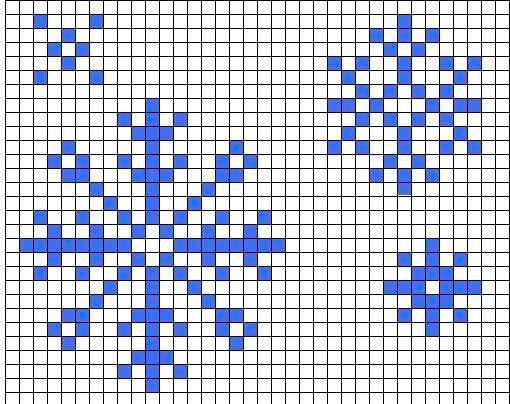
If you love knitting and want to add beautiful winter-themed designs to your knitting projects, then the snowflake knitting pattern is perfect for you. Snowflakes are a popular and timeless motif, and knitting them into your projects can add a touch of elegance and charm. Whether you want to knit a snowflake sweater, scarf, hat, or even a cozy blanket, incorporating snowflake patterns will instantly give your creations a wintery and festive look.
The snowflake knitting pattern offers endless possibilities for creativity. There are various types of snowflakes you can knit, from simple and classic designs to more intricate and complex ones. Depending on your skill level and preference, you can choose a pattern that suits your knitting abilities. Beginners can start with basic snowflake patterns that involve simple stitches and techniques, while advanced knitters can challenge themselves with more detailed and intricate snowflake designs.
One of the advantages of knitting snowflakes is that they can be easily customized to fit your desired project. You can adjust the size of the snowflake pattern by changing the weight of yarn and needle size. This allows you to create snowflakes of different sizes, from small and delicate to large and eye-catching. Additionally, you can experiment with different color combinations to make your snowflakes stand out even more. Traditional white, silver, and blue shades are popular choices for a classic winter look, but you can also play with vibrant and unexpected colors for a more modern twist.
Adding snowflake patterns to your knitting projects is not only a fun and creative way to enhance your knitting skills, but it also brings a festive and cozy atmosphere to your winter wardrobe or home decor. So grab your needles and yarn, and start knitting your own winter wonderland with beautiful snowflake patterns!
Snowflake Knitting Pattern
Winter is the perfect time to take up knitting, and what better project to start with than a snowflake pattern? Knitting snowflakes can be a fun and creative way to add a touch of winter magic to your home decor, or even use them as ornaments on your Christmas tree. With a simple knitting pattern and a few basic stitches, you can create beautiful and delicate snowflakes that will be sure to impress.
Materials:
- Yarn: Choose a white or light-colored yarn to resemble snowflakes. You can also experiment with different textures and thicknesses.
- Knitting Needles: Use a size suitable for the chosen yarn.
- Scissors: For cutting the yarn.
- Tapestry Needle: For weaving in ends.
Instructions:
- Cast on 6 stitches onto your knitting needle.
- Row 1: Knit 2 stitches, yarn over, knit 1 stitch, yarn over, knit 2 stitches.
- Row 2: Knit 3 stitches, yarn over, knit 1 stitch, yarn over, knit 1 stitch.
- Row 3: Knit 2 stitches, yarn over, knit 3 stitches, yarn over, knit 1 stitch.
- Row 4: Knit 1 stitch, yarn over, knit 4 stitches, yarn over, knit 1 stitch.
- Row 5: Knit 1 stitch, yarn over, knit 2 stitches, yarn over, knit 3 stitches.
- Row 6: Knit 1 stitch, yarn over, knit 1 stitch, yarn over, knit 4 stitches.
- Row 7: Knit all stitches.
- Repeat rows 1-7 until the snowflake reaches the desired size.
- Cast off all stitches and weave in any loose ends.
Once you have created your snowflake, you can block it to give it a more defined shape. Soak the snowflake in cold water for a few minutes, gently squeeze out the excess water, and then lay it flat on a towel. Use pins to stretch and shape the snowflake into a more intricate design. Allow it to dry completely before removing the pins.
With your finished snowflake, you can now use it to decorate your home or give it as a thoughtful handmade gift. Hang them on your Christmas tree, string them together to create a garland, or scatter them around your home to add a festive touch. The possibilities are endless, and with each snowflake having its own unique pattern, you can create a winter wonderland all your own.

What is a Snowflake Knitting Pattern?
A snowflake knitting pattern is a design or set of instructions used for creating knitted snowflake motifs. These patterns typically involve various knitting techniques such as cables, lace, and colorwork to achieve the desired snowflake design. Knitters may use these patterns to create snowflake-themed garments, accessories, or home decor items.
When following a snowflake knitting pattern, it is common to use a combination of knit and purl stitches to form the snowflake’s intricate pattern. The pattern may also include specific instructions for increases and decreases to shape the snowflake’s points or branches. Some patterns may even incorporate additional techniques such as stranded knitting or yarn overs to create more intricate designs.
A snowflake knitting pattern can be found in various sources, such as knitting books, magazines, and online knitting communities. There are a wide variety of snowflake patterns available, ranging from simple and beginner-friendly designs to more complex and challenging patterns for experienced knitters. These patterns often feature charts or written instructions to guide knitters through the process of creating the snowflake motif.
Many knitters find joy in creating snowflake motifs using these patterns, as they allow for creativity and customization. By selecting different colorways, yarn types, and needle sizes, knitters can create unique and personalized snowflakes. Whether used as standalone motifs or incorporated into larger projects, snowflake knitting patterns can add a whimsical and wintery touch to any knitted creation.
Overall, a snowflake knitting pattern provides knitters with a set of instructions and guidance for creating intricate snowflake designs using various knitting techniques. These patterns can be a fun and challenging project for knitters of all skill levels, allowing them to bring a touch of winter magic to their knitting projects.
Materials Needed for Snowflake Knitting
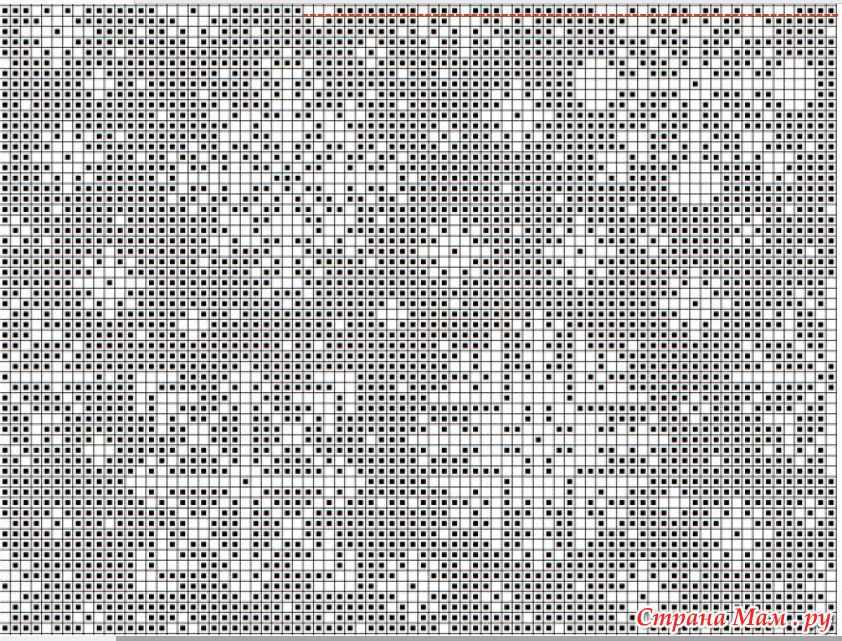
Knitting snowflakes can be a fun and festive project, perfect for the winter season or holiday decorations. Here’s a list of materials you’ll need to get started:
- Yarn: Choose a soft and fine yarn in white or any other color you prefer for your snowflakes. Make sure the yarn is suitable for knitting and won’t easily fray or break.
- Knitting Needles: Use a set of needles that are appropriate for your chosen yarn. Depending on your knitting style and preference, you can use straight needles, double-pointed needles, or circular needles.
- Scissors: A sharp pair of scissors will come in handy for cutting the yarn, trimming loose ends, and making any necessary adjustments to your project.
- Tapestry Needle: A tapestry needle with a large eye is essential for weaving in loose ends and finishing off your snowflake knitting.
- Stitch Markers: Use stitch markers to help you keep track of your stitches and pattern repeats, especially if you’re working on a complex snowflake design.
- Blocking Materials: Blocking is an important step in knitting snowflakes to ensure they lay flat and maintain their shape. You’ll need a blocking mat or towel, rust-proof pins, and a spray bottle for misting the finished snowflakes.
With these essential materials, you’ll be well-equipped to start knitting beautiful snowflakes. Get creative with different yarns, patterns, and decorations to make your snowflakes unique and personalized.
Choosing the Right Yarn for Snowflake Knitting

When it comes to knitting snowflakes, choosing the right yarn is essential to achieve the desired result. The right yarn will not only enhance the intricate details of the snowflake pattern but also ensure that the finished product has the right texture and durability.
1. Consider the fiber content: Snowflake knitting patterns typically require a lightweight and soft yarn to create delicate and intricate designs. Merino wool, alpaca, or cashmere are great choices for their softness and ability to showcase the details of the pattern.
2. Opt for a fine or laceweight yarn: Snowflake patterns often have fine, delicate details that require a thinner yarn to bring out the intricacies. Laceweight yarn, which is very fine, allows for precise stitch definition and creates a beautiful drape when knitted.
3. Look for yarn with a subtle sheen: The right yarn can give your snowflake pattern an extra touch of elegance. Yarns with a subtle sheen, such as silk or bamboo blends, can add a beautiful shimmer to your snowflake knitting, making it look even more like real snow.
4. Consider the washability: If you’re knitting snowflakes for decorative purposes, you may not need to worry about washability. However, if you plan to use your knitted snowflakes for practical purposes, such as ornaments or accessories, choose a yarn that can withstand gentle hand washing or machine washing.
5. Experiment with different colors: While white yarn is the most traditional choice for snowflake knitting, don’t be afraid to experiment with different colors to add a unique twist to your designs. Pastel shades or icy blues can give your snowflakes a modern and whimsical look.
6. Check the yardage: Snowflake knitting patterns often require a specific amount of yarn, so be sure to check the recommended yardage to ensure you have enough to complete your project. It can be frustrating to run out of yarn in the middle of knitting a snowflake!
- Overall, the key factors to consider when choosing the right yarn for snowflake knitting are fiber content, weight, sheen, washability, color, and yardage. By taking these factors into account, you can select a yarn that will bring your snowflake patterns to life and create stunning and delicate pieces.
Basic Techniques for Snowflake Knitting
Knitting snowflakes can be a fun and festive way to decorate your home during the winter season. With just a few basic techniques, you can create beautiful knitted snowflakes that are perfect for adorning your Christmas tree or adding a touch of winter charm to your home decor.
1. Casting On: To start knitting your snowflake, you will need to cast on a certain number of stitches. The number of stitches will depend on the size of the snowflake you want to create. It’s important to use a fine yarn and small needles to achieve a delicate and intricate look for your snowflake.
2. Lace Stitches: The key to creating a beautiful snowflake pattern is using lace stitches. Lace stitches create an open and airy fabric that resembles the intricate patterns of real snowflakes. Some common lace stitches used in snowflake knitting include yarn overs, decreases, and knit-one-below stitches.
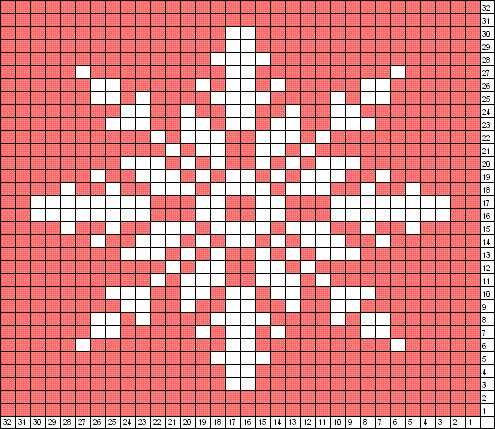
3. Chart Reading: Many snowflake patterns are represented by charts rather than written instructions. Learning how to read a chart is an essential skill for snowflake knitting. Each square on the chart represents a stitch, and different symbols indicate different types of stitches. By following the chart, you can create intricate snowflake patterns with ease.
4. Blocking: Once you have finished knitting your snowflake, it’s important to block it to give it a polished and finished look. Blocking involves wetting the knitting and stretching it into shape. This helps to even out the stitches and open up the lacework, making your snowflake look more delicate and intricate.
5. Finishing Touches: To complete your knitted snowflake, you can add decorative touches such as beads or sequins. Sewing these embellishments onto your snowflake can help to add sparkle and shimmer, making your snowflake truly stand out.
With these basic techniques, you can start creating your own unique and beautiful knitted snowflakes. Whether you choose to make a single snowflake or a whole flurry of them, they are sure to add a touch of winter magic to your home.
A Step-by-Step Guide to Knitting a Snowflake

Knitting a snowflake can be a fun and rewarding project that allows you to create a beautiful and festive decoration. Follow this step-by-step guide to create your own knitted snowflake.
Materials You Will Need:
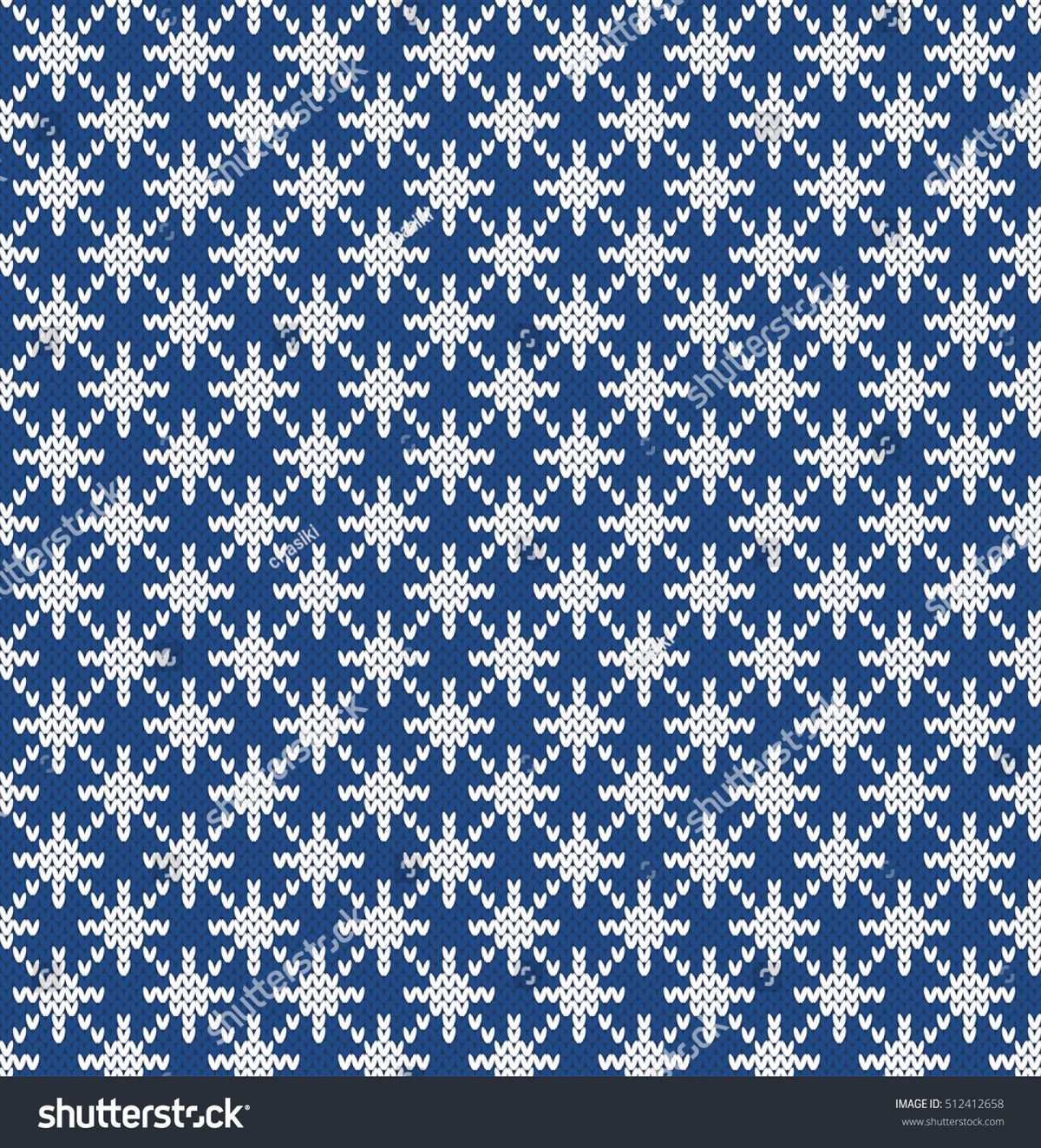
- Yarn in white or silver
- Knitting needles (size will depend on the desired size of your snowflake)
- Tapestry needle
- Scissors
Step 1: Cast on
To begin knitting your snowflake, cast on the desired number of stitches onto your knitting needles. The number of stitches will depend on the size of snowflake you want to create. It is recommended to use a smaller needle size than usual to keep the stitches tight and prevent them from slipping too much.
Step 2: Knit the Center

Start by knitting a few rows in garter stitch, which is simply knitting every stitch on every row. This will create a textured center for your snowflake.
Step 3: Create the Arms
Next, you will create the arms of the snowflake. This can be done using various stitch patterns such as lace or cables. Follow a pattern of your choice or experiment with different stitch patterns to create unique designs for each arm of the snowflake.
Step 4: Bind off
Once you have knitted all the arms of the snowflake, it’s time to bind off. Cut the yarn, leaving a long tail. Thread the tail through your tapestry needle, and slide the needle through each stitch, removing them from the knitting needle as you go. This creates a neat edge and secures your work.
Step 5: Finishing Touches
Thread a length of yarn through the center of your snowflake and tie it in a loop to create a hanging loop. You can also add beads or sequins to embellish your snowflake and make it sparkle.
Once you have completed these steps, you will have your very own knitted snowflake. Repeat the process to create more snowflakes for a festive garland or use them individually as winter decorations.
Different Variations of Snowflake Knitting Patterns
Knitting snowflakes is a popular and enjoyable way to add a touch of winter magic to your knitting projects. There are countless variations of snowflake knitting patterns, each with its own unique design and level of complexity. Whether you’re a beginner or an experienced knitter, there’s a snowflake pattern out there that’s perfect for you.
Lace snowflake patterns: Lace snowflake patterns are delicate and intricate, with intricate lacework that mimics the delicate and unique patterns found in nature. These patterns often feature a combination of yarn overs, decreases, and intricate stitch patterns to create a snowflake motif. Lace snowflake patterns are perfect for experienced knitters who enjoy a challenge and want to create a stunningly beautiful snowflake.
Colorwork snowflake patterns: Colorwork snowflake patterns use various colors of yarn to create a multi-colored snowflake design. These patterns often involve working with multiple strands of yarn at the same time, using different colors to create distinct sections of the snowflake. Colorwork snowflake patterns can be simple or complex, depending on the number of colors used and the level of detail in the design. They are a great way to experiment with color and create a snowflake that stands out.
Chunky snowflake patterns: Chunky snowflake patterns are perfect for beginners or those who prefer a quicker project. These patterns use thicker yarn and larger needles, resulting in a larger and more substantial snowflake. Chunky snowflake patterns often involve simple stitch patterns and repetitive sections, making them easy and enjoyable to knit. They are a great option for creating festive decorations or winter accessories.
Textured snowflake patterns: Textured snowflake patterns incorporate various stitch patterns and techniques to create a snowflake with added texture and depth. These patterns often use cables, bobbles, or other textured stitches to mimic the intricate details of a snowflake. Textured snowflake patterns are perfect for knitters who want to add a bit of extra interest to their snowflake design and enjoy working with different stitch patterns.
Regardless of the type of snowflake knitting pattern you choose, creating your own snowflakes can be a fun and rewarding knitting project. Whether you knit them as ornaments, embellishments on winter accessories, or even as standalone decorative pieces, snowflakes add a touch of winter wonder to any project.
Tips for Blocking and Finishing Snowflake Knitted Pieces

Blocking is an important step in the finishing process for snowflake knitted pieces. It helps to give the final shape, smooth out the stitches, and make the piece look more professional. Here are some tips to make the blocking process easier and more effective:
1. Wet Blocking
Wet blocking is the most common method used for blocking snowflake knitted pieces. Start by filling a sink or basin with cool water and adding a small amount of mild detergent. Gently place the knitted piece in the water, making sure it is fully submerged. Let it soak for about 10-15 minutes, then remove it from the water, gently squeeze out the excess water, and lay it flat on an absorbent towel.
- Tip: If you’re concerned about colors bleeding, you can add a little bit of vinegar to the water to help set the dye.
2. Pinning and Shaping
To block a snowflake knitted piece, you will need blocking pins or T-pins. Carefully stretch and shape the piece to the desired dimensions, making sure the edges are straight and the snowflake pattern is nicely visible. Use the pins to secure the edges and hold the piece in place. Start pinning from the center and work your way outwards, pinning at regular intervals.
- Tip: If you’re working with delicate yarn or lace patterns, use blocking wires to achieve a more even and professional-looking finish.
3. Drying
Once the piece is pinned and shaped, allow it to dry completely. This can take anywhere from several hours to a day or two, depending on the humidity and thickness of the yarn. It’s important to let the piece dry naturally and avoid applying heat, as this can damage the fibers. Make sure it is kept away from direct sunlight, as this can cause fading.
- Tip: If you’re in a hurry, you can use a fan or a dehumidifier to speed up the drying process.
By following these tips, you can ensure that your snowflake knitted pieces turn out beautifully and have a professional finish. Blocking not only enhances the overall appearance of the piece but also helps to open up the stitches and make the snowflake pattern stand out. So don’t skip this important step and enjoy the satisfaction of seeing your finished snowflake knitted projects at their best!
Creative Ways to Use Snowflake Knitted Pieces
Snowflake knitting patterns can be a beautiful way to add a touch of winter charm to your home decor or wardrobe. While traditionally used for scarves, sweaters, and hats, there are many creative ways to incorporate snowflake knitted pieces into your everyday life.
1. Home Decor
One creative way to use snowflake knitted pieces is by incorporating them into your home decor. Knitted snowflake coasters can add a festive touch to your holiday table or coffee table. Hang knitted snowflakes from branches or create a garland to decorate your fireplace or staircase. You can also sew or glue snowflake knitted pieces onto pillows or blankets to add a cozy touch to your living room or bedroom.
2. Accessories
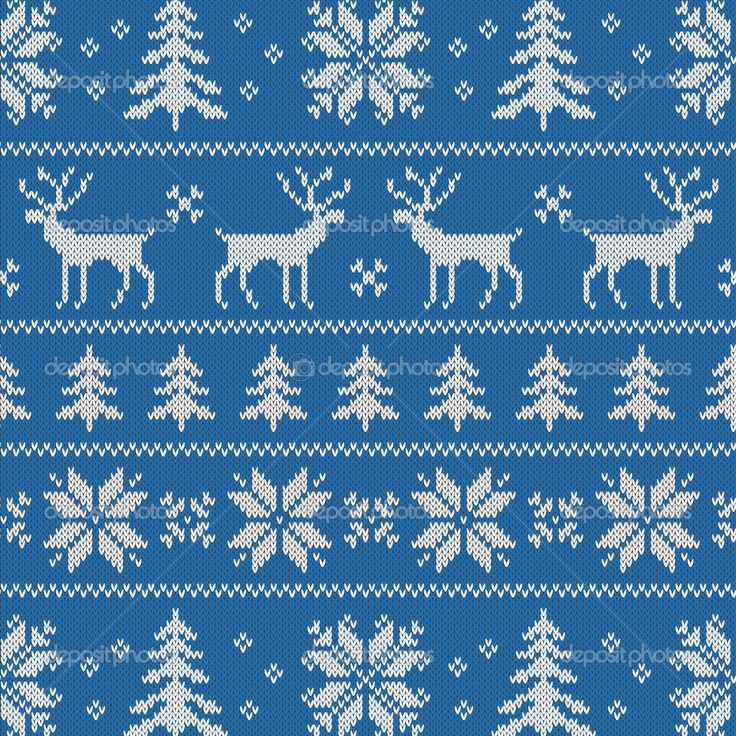
Another fun and creative way to use snowflake knitted pieces is by incorporating them into accessories. You can sew or glue snowflake knitted pieces onto gloves or mittens for a unique winter accessory. Knit a snowflake patterned scarf or shawl to add a touch of elegance to any outfit. You can even make snowflake knitted headbands or hair accessories to add a whimsical touch to your hairstyle.
3. Gift Wrapping
Snowflake knitted pieces can also be used to add a special touch to your gift wrapping. Instead of using regular ribbon or bows, tie a knitted snowflake onto the top of your gift. You can also use snowflake knitted pieces as gift tags by writing the recipient’s name on them with a fabric marker or pen. This adds a personal touch to your gift and can be kept as a keepsake by the recipient.
4. Christmas Tree Decorations
Snowflake knitted pieces are perfect for decorating your Christmas tree. Knit or crochet snowflake ornaments in various sizes and hang them from the branches of your tree. You can also sew or glue snowflake knitted pieces onto ribbon or string to create unique garlands for your tree. The soft texture of the knitted snowflakes adds a cozy and whimsical touch to your holiday decorations.
In conclusion, snowflake knitted pieces can be used in a variety of creative ways. Whether for home decor, accessories, gift wrapping, or Christmas tree decorations, these knitted pieces add a festive and whimsical touch to any setting. Experiment with different patterns, colors, and ideas to create unique and personalized items that showcase your love for knitting and winter charm.
Inspiration for Snowflake Knitting Designs
When it comes to snowflake knitting patterns, nature is an endless source of inspiration. The delicate and intricate designs found in real snowflakes can be translated into beautiful and unique knitting patterns. From the six-pointed star shape to the intricate details of the ice crystals, snowflakes offer a plethora of design possibilities.
One common motif found in snowflake knitting patterns is the star shape. The six-pointed star is a classic symbol of winter and is often incorporated into snowflake designs. Knitters can experiment with different stitch patterns and techniques to create their own unique star-shaped snowflakes. Whether it’s a simple garter stitch star or a more complex lace pattern, the possibilities are endless.
When designing snowflake knitting patterns, it’s important to pay attention to the details. Just like no two snowflakes are the same, each knitting pattern should have its own unique elements. This can be achieved through the use of different stitch patterns, color combinations, or embellishments such as beads or sequins. By adding these extra touches, knitters can create snowflake designs that truly stand out.
Furthermore, incorporating different textures can also add depth and interest to snowflake knitting patterns. From smooth stockinette stitch to bumpy cables, the contrast between different textures can mimic the texture of snow and ice. Experimenting with different stitch patterns and combinations can create a visual feast for the eyes.
Overall, inspiration for snowflake knitting designs can be found in the beauty of nature. By observing the intricate designs of real snowflakes and incorporating different elements such as star shapes, intricate details, unique textures, and additional embellishments, knitters can create stunning snowflake patterns that capture the essence of winter.
Troubleshooting Common Issues in Snowflake Knitting
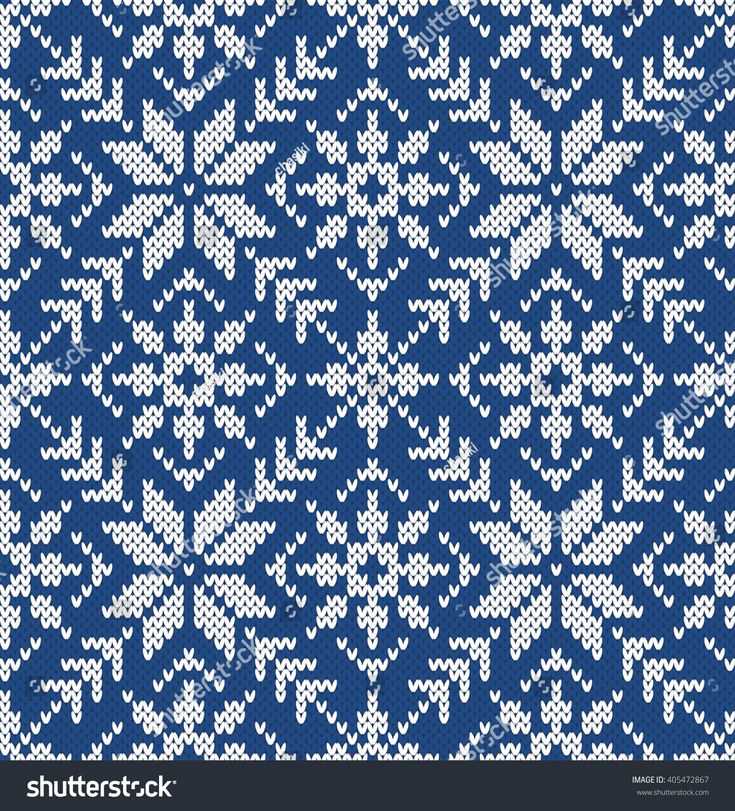
Knitting snowflake patterns can be a beautiful and intricate project, but it can also come with its fair share of challenges. Here are some common issues that knitters may encounter while working on snowflake designs and how to troubleshoot them.
1. Difficulty in Reading the Pattern
One common issue is difficulty in understanding or reading the snowflake knitting pattern. Snowflake patterns often consist of complex stitch combinations and symbols, which can be confusing for beginner knitters. To troubleshoot this issue, it is important to carefully read through the pattern instructions and familiarize yourself with the symbols used. If you are still struggling, consider referring to a knitting glossary or seeking guidance from more experienced knitters.
2. Tension Problems
Tension problems can also arise while knitting snowflake patterns. If your stitches appear too tight or too loose, it can affect the overall appearance of the snowflake. To troubleshoot this issue, make sure to use the appropriate needle size recommended in the pattern. Additionally, practice maintaining consistent tension throughout your knitting by paying attention to your knitting speed and grip on the needles. It may also help to knit a tension swatch before starting the project to ensure that your gauge matches the pattern.
3. Mistakes in the Snowflake Chart
When working with a snowflake knitting chart, mistakes can happen. It is easy to miscount stitches or make errors in following the chart. To troubleshoot this issue, double-check your stitches after completing each row of the chart to ensure accuracy. If you spot a mistake, carefully unravel the stitches back to the error and fix it. It can also be helpful to place markers at key points in the chart to help keep track of your progress.
4. Joining Yarns for Colorwork
Colorwork is often used in snowflake knitting patterns to create intricate designs. Joining yarns can be tricky, especially if you want to achieve a seamless transition between colors. To troubleshoot this issue, consider using the “Spit Splice” method, where you spit on the ends of the old and new yarn and then rub them together to create a secure join. Alternatively, you can use the Russian join or needle felting technique to join yarns neatly and securely.
5. Blocking the Finished Snowflake

Blocking is an essential step in finishing snowflake knitting projects, as it helps to enhance the stitch definition and shape of the snowflake. However, it can be challenging to block delicate snowflake designs without distorting them. To troubleshoot this issue, consider using blocking wires or pins to carefully stretch and shape the snowflake according to the pattern. It is important to follow the blocking instructions provided in the pattern or seek guidance from experienced knitters to ensure the best results.
Sharing Your Snowflake Knitting Patterns and Projects
After spending time creating beautiful snowflake knitting patterns, you might want to share them with others. Sharing your patterns and projects not only allows you to showcase your creative work but also encourages others to try their hand at knitting snowflakes.
If you would like to share your patterns online, consider creating a blog or website dedicated to knitting and crafts. You can create posts featuring your snowflake patterns, along with step-by-step instructions and photos. This way, other knitting enthusiasts can easily access and enjoy your designs.
Additionally, you can share your patterns on social media platforms such as Instagram, Facebook, and Pinterest. These platforms are perfect for displaying visually appealing images of your finished snowflake projects. You can also join knitting groups or forums where you can connect with other knitters and share your patterns.
Remember to clearly state that your snowflake knitting patterns are for personal use only and cannot be sold or reproduced without permission.
Sharing your finished snowflake projects can also inspire and motivate others to try similar patterns. You can upload photos of your completed snowflakes to your blog or social media accounts, along with a description of the pattern used and any modifications or adaptations you made. This way, other knitters can draw inspiration from your work and experiment with their own variations.
If you prefer a more traditional approach, consider participating in local knitting groups or attending crafting fairs and events. These gatherings provide opportunities to showcase your snowflake patterns and projects in person and connect with other knitting enthusiasts.
In conclusion, sharing your snowflake knitting patterns and projects allows you to inspire and connect with other knitters while showcasing your creativity. Whether through online platforms or in-person events, sharing your work can have a positive impact in the knitting community.
Q&A:
What is a snowflake knitting pattern?
A snowflake knitting pattern is a design or pattern that can be used to create knitted items that resemble snowflakes. It typically involves using a combination of stitches and techniques to create intricate and delicate patterns that resemble the unique structure and appearance of snowflakes.
Are snowflake knitting patterns difficult to knit?
The difficulty level of snowflake knitting patterns can vary depending on the complexity of the pattern. Some patterns may be relatively simple and suitable for beginner knitters, while others may be more intricate and require more advanced skills. However, with practice and patience, even beginner knitters can eventually master more complex snowflake patterns.
What types of knitted items can be made using snowflake knitting patterns?
Snowflake knitting patterns can be used to create a wide range of knitted items, including scarves, hats, sweaters, gloves, and even home decor items like blankets or pillow covers. The delicate and intricate snowflake patterns can add a touch of winter magic to any knitted item.
Where can I find snowflake knitting patterns?
Snowflake knitting patterns can be found in a variety of places, both online and in physical knitting pattern books. Many knitting websites and blogs offer free snowflake knitting patterns for download, and there are also numerous books dedicated to winter-themed knitting patterns that may include snowflake designs. Additionally, local yarn stores or craft shops may also carry knitting pattern books that feature snowflake patterns.