
Two color knitting stitch patterns are a popular technique used by knitters to create intricate and visually stunning designs. By alternating between two colors in a pattern, knitters can create beautiful patterns and textures that stand out from traditional one-color knitting. This technique allows for endless possibilities in design and creativity.
One of the most common two color knitting stitch patterns is stranded knitting, also known as Fair Isle knitting. In stranded knitting, two different colored yarns are used to create a pattern across the fabric. The unused color is carried along the back of the work while the active color is used to create the stitches. This creates a double-layered fabric that is warm and cozy.
Another popular technique is intarsia knitting, where different colored yarns are used to knit separate blocks of color. Unlike stranded knitting, the yarn is not carried behind the work, but rather each color is knitted with separate balls of yarn. This allows for more flexibility in design and the creation of larger, more intricate patterns. Intarsia knitting is often used for creating images or motifs on garments such as sweaters or blankets.
Two color knitting stitch patterns can be used to create a wide range of designs, from simple stripes to elaborate geometric patterns. They can be used in various projects such as scarves, hats, sweaters, and even home decor items. With practice and experimentation, knitters can create unique and personalized designs that showcase their individual style and creativity.
Basic Terminology of Two Color Knitting
Two color knitting, also known as stranded knitting or Fair Isle knitting, is a technique that involves working with two different colors of yarn within the same row or round. This creates a beautiful and intricate pattern with contrasting colors. To successfully create two color knitting projects, it’s important to understand the basic terminology used in this technique.
One of the key terms in two color knitting is “color dominance.” This refers to the visual impact of one color over the other in the finished fabric. The dominant color is the one that appears more prominently, while the non-dominant color is less noticeable. Understanding color dominance is crucial for achieving the desired effect in your knitting.
Floats and Tension
Another important term in two color knitting is “floats.” Floats are the strands of yarn that are carried along the back of the work while you knit with the other color. It’s important to keep the floats loose enough so that the fabric doesn’t pucker, but not too loose that it creates long strands that can catch and snag on things. Proper tension is key to achieving an even and smooth fabric.
Stranding and Intarsia
Stranding is the technique used in two color knitting to carry the non-working color behind the fabric, creating floats. This method is typically used for smaller and more intricate designs. Intarsia, on the other hand, is a technique that involves knitting separate sections of each color, with the yarns twisted or worked together at the color changes. This method is usually used for larger color blocks or motifs.
Charts and Patterns
When working on two color knitting projects, it’s common to use charts or patterns to guide you through the color changes and stitch placement. These charts are typically grids that represent each stitch and color, allowing you to visually see how the pattern should be created. Following the chart accurately is crucial for creating the desired design in your knitting.
By familiarizing yourself with these basic terms and techniques of two color knitting, you’ll be better equipped to tackle intricate and beautiful colorwork projects. Whether you’re a beginner or an experienced knitter, exploring the world of two color knitting can open up a whole new realm of creativity and stunning designs.
Choosing the right yarn for two color knitting
In two color knitting, the choice of yarn is crucial for achieving the desired effect in the finished project. The yarn should be selected with consideration to its color, weight, and texture, as these factors will determine the overall appearance and feel of the knitted piece.
Color: When choosing yarn for two color knitting, it is important to consider how the colors will interact with each other. The contrasting colors should complement each other and create a visually appealing contrast. It is advisable to choose colors that have a high contrast in order to achieve a more striking effect.
Weight: The weight of the yarn will affect the drape and warmth of the finished project. For more intricate patterns or fine details, it is recommended to use a fingering or sport weight yarn. On the other hand, if the desired outcome is a thicker and warmer piece, a worsted or bulky weight yarn would be more suitable.
Texture: The texture of the yarn can also greatly impact the outcome of the two color knitting. A smooth yarn will showcase the colorwork more clearly and allow the stitches to stand out. However, a textured yarn can add depth and interest to the design. It is important to consider how the texture of the yarn will interact with the chosen stitch patterns.
In summary, when selecting yarn for two color knitting, it is important to consider the color, weight, and texture of the yarn. These factors will determine how the colors interact, the overall appearance, and the drape of the finished piece. Taking the time to choose the right yarn will ensure that the two color knitting project turns out beautifully and meets your expectations.
Essential tools for knitting with two colors
When it comes to knitting with two colors, having the right tools can make all the difference. Whether you’re a beginner or an experienced knitter, here are some essential tools you’ll need for a successful two-color knitting project.
1. Yarn: One of the most important tools for two-color knitting is the yarn itself. Choose two contrasting colors that will create a beautiful and visually striking design. Make sure to select yarn that is suitable for the project you have in mind, whether it’s a cozy hat or a warm scarf.
2. Knitting needles: You’ll need a pair of knitting needles to work with your chosen yarn. The size of the needles will depend on the thickness of your yarn and the desired tension of your project. Circular needles are often preferred for two-color knitting as they allow you to easily switch between colors.
3. Stitch markers: Stitch markers are essential for keeping track of your stitches and ensuring that your pattern stays on track. Use different colored stitch markers to help you distinguish between the two colors and easily locate specific stitches in your pattern.
4. Pattern chart or graph: Two-color knitting often requires following a pattern chart or graph. This chart will show you which color to use for each stitch and where to place it in your knitting. Having a clear and well-defined pattern chart is crucial for creating an even and cohesive design.
5. Scissors: A good pair of scissors is a must-have tool for any knitter. They will come in handy for cutting yarn and tidying up any loose ends. Choose a pair of scissors with a sharp blade that will make clean cuts without fraying the yarn.
6. Tapestry needles: Tapestry needles are used for weaving in ends and sewing pieces of your project together. Choose a needle with a large eye that will accommodate the thickness of the yarn you’re working with.
7. Blocking materials: Blocking is an important step in finishing your two-color knitting project. You’ll need blocking mats or towels, rustproof T-pins, and a spray bottle filled with water. Blocking helps to even out your stitches and give your project a professional and polished look.
By having these essential tools on hand, you’ll be well-prepared to enjoy the art of two-color knitting and create beautiful and intricate designs.
Getting started with two color knitting

Two color knitting, also known as stranded knitting or Fair Isle knitting, is a technique that involves using two different colors of yarn in the same row to create intricate patterns. This technique can be used to create beautiful and unique designs in your knitting projects. If you’re new to two color knitting, here are some tips to help you get started:
Choose your colors: When working with two colors, it’s important to choose colors that contrast well with each other. This will help the design to stand out and make it easier to see your stitches. You can choose two contrasting colors, or you can choose two colors that are similar in hue but different in value, such as a light blue and a dark blue.
Work with a tension that suits you: When knitting with two colors, it’s important to maintain an even tension so that your stitches are the same size. Some knitters find it helpful to hold one color in their left hand and one color in their right hand, while others prefer to hold both colors in the same hand. Experiment with different techniques and find what works best for you.
Read the chart: Many two color knitting patterns use a chart to show the color changes. It’s important to carefully read and follow the chart to ensure that you’re creating the correct pattern. The chart will typically show each row and indicate which color to use for each stitch. Take your time and double-check your work to avoid mistakes.
Practice your tension: Two color knitting can be a bit more challenging than knitting with just one color, so it’s important to practice your tension before starting a project. You can create sample swatches using the two colors you plan to use in your project to make sure that your tension is even and that you’re happy with the results.
Start with a simple pattern: If you’re new to two color knitting, it’s a good idea to start with a simple pattern to practice your skills. Look for patterns that use just a few colors and have a repetitive pattern. As you become more comfortable with the technique, you can move on to more complex designs.
With these tips in mind, you’ll be well on your way to mastering the art of two color knitting. Remember to be patient and have fun with your projects – the possibilities are endless!
Creating stripes in two color knitting

Two color knitting is a versatile technique that allows you to create intricate patterns and designs by using two different colored yarns in a single project. One of the most popular ways to incorporate two colors in knitting is by creating stripes. Stripes can add visual interest and depth to your knitting projects, making them more vibrant and eye-catching.
When it comes to creating stripes in two color knitting, there are several techniques you can use. One common method is the intarsia technique, where you use separate yarn bobbins for each color section and twist the yarns together at color changes to avoid gaps or holes in the fabric. This technique is ideal for large, blocky designs or geometric patterns.
Another technique for creating stripes is the slip stitch method, also known as slip-stitch colorwork or mosaic knitting. In this method, you only work with one color at a time and slip stitches from the previous row to create the stripe pattern. This technique is great for creating intricate designs and can be used to create small stripes or larger color blocks.
To create clean and crisp stripes, it’s essential to maintain an even tension throughout your knitting. Make sure to pull the yarn tightly on the first stitch of each row to avoid loose edges and unevenness. Additionally, it’s important to carry your yarn correctly when switching colors to prevent long floats or puckering in the fabric.
Lastly, be mindful of the color choices you make when creating stripes. Consider the contrast between the two colors and how they will interact in your design. High contrast colors will create bold, striking stripes, while low contrast colors will result in a more subtle and blended effect.
With these techniques and tips in mind, you can confidently create beautiful stripes in your two color knitting projects. Whether you choose to go for bold or subtle stripes, the addition of different colors will undoubtedly elevate your knitting and make it unique.
Incorporating motifs and patterns in two color knitting
Two color knitting allows for the creation of stunningly intricate patterns and motifs. By using different colors of yarn, knitters can incorporate contrasting designs and textures into their projects. Whether you’re a beginner or an experienced knitter, incorporating motifs in your two color knitting can add an extra layer of interest and complexity to your work.
Choosing the right motifs
When it comes to choosing motifs for two color knitting, the options are endless. You can opt for traditional motifs, such as fair isle or Nordic patterns, or explore more modern designs. Consider the overall look and feel you want to achieve and choose motifs that align with your vision. Look for patterns that are visually striking and complement the colors you’ve chosen.
It’s important to keep in mind the scale and complexity of the motifs you choose. If you’re new to two color knitting, it may be best to start with simpler designs to build your skills and confidence. As you become more comfortable with the technique, you can gradually incorporate more intricate motifs into your projects.
Implementing motifs in your knitting
Once you’ve chosen your motifs, you’ll need to decide how to incorporate them into your knitting. There are several ways to do this, including using a color chart, following written instructions, or even creating your own charted design. Color charts are a popular method, as they provide a visual representation of the pattern and make it easier to keep track of which color to use.
Before you begin knitting your project, it’s a good idea to practice the motifs on a swatch to ensure you’re happy with the results. This will also give you an opportunity to familiarize yourself with any new techniques or stitch patterns that the motifs require.
Incorporating motifs and patterns in two color knitting adds a unique and personal touch to your projects. Whether you’re knitting a sweater, hat, or scarf, the possibilities are endless. Explore different motifs, experiment with color combinations, and let your creativity shine through in your two color knitting.
Intarsia vs. stranded knitting: pros and cons
Intarsia and stranded knitting are two popular techniques used in two-color knitting stitch patterns. While they both result in beautiful colorwork designs, they have some differences and each has its own pros and cons.
Intarsia
Intarsia is a knitting technique where blocks of colors are worked separately. Each block is knit with a separate ball of yarn, and when changing colors, the yarn is twisted at the back of the work to avoid holes. One of the main advantages of intarsia is that it allows for larger areas of solid colors, making it suitable for intricate designs and detailed images. However, one of the downsides of intarsia is that it requires a significant amount of yarn management, as each block of color requires a separate ball of yarn.
Stranded Knitting
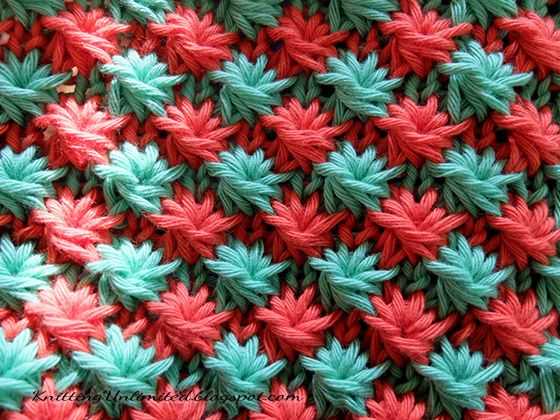
Stranded knitting, also known as Fair Isle knitting, is a technique where two or more colors are carried along the back of the work, creating a float or strand of the non-working color behind the working color. This technique allows for a continuous pattern and creates a warmer fabric due to the additional layer of yarn. One of the advantages of stranded knitting is that it requires less yarn management compared to intarsia, as the different colors are carried along the back. However, stranded knitting can result in tighter and less stretchy fabric, and the floats can sometimes become too long and cause tension issues in the finished piece.
- Intarsia pros: larger areas of solid colors, intricate designs, detailed images
- Intarsia cons: requires yarn management, multiple balls of yarn
- Stranded knitting pros: continuous pattern, warmer fabric, less yarn management
- Stranded knitting cons: tighter fabric, less stretchy, potential tension issues
Ultimately, the choice between intarsia and stranded knitting depends on the desired design, level of complexity, and personal preference. Both techniques offer unique opportunities to create stunning two-color knitting stitch patterns, and mastering both can expand the possibilities for knitters.
Tips and Tricks for Successful Two Color Knitting
Two color knitting, also known as stranded or fair isle knitting, is a technique that involves using two different colors of yarn to create intricate patterns and designs. While it may seem intimidating at first, with a few tips and tricks, you can successfully master this technique and create beautiful and unique projects.
Choose the right yarn
When it comes to two color knitting, choosing the right yarn is essential. It is important to select yarns that have a similar weight and gauge to ensure that they work well together. Additionally, using yarns with good stitch definition will help showcase the intricate patterns and make your project look more polished.
Keep your floats loose

Floats are the strands of yarn that run along the back of your work when you’re carrying the unused color. It is important to keep these floats loose to avoid puckering or distorting the fabric. To achieve this, make sure that the floats are long enough to comfortably span the required number of stitches, and try not to pull too tightly when switching colors.
Practice your tension
Tension is crucial in two color knitting as it affects the overall appearance of the fabric. It is important to maintain an even tension throughout your work to ensure that the colors are distributed evenly and the pattern is clearly defined. You can practice your tension by knitting a swatch before starting your project and adjusting your needle size if necessary.
Avoid long floats
Long floats, which occur when you carry the unused color over too many stitches, can easily snag and create unwanted loops in your fabric. To avoid this, try to keep your floats short by catching the unused color every few stitches. This technique, known as “catching floats”, helps secure the floats and prevents them from getting tangled or caught on anything.
Use a colorwork chart
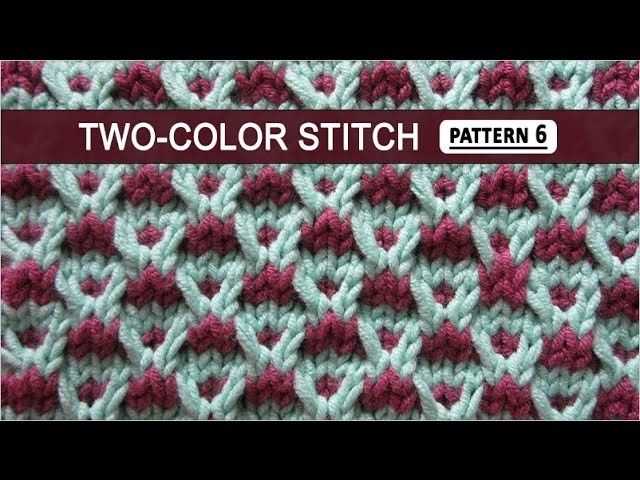
A colorwork chart is a graphical representation of the pattern you want to create, with each square representing a stitch. Using a colorwork chart can help you keep track of the color changes and ensure that you are following the pattern correctly. It is also beneficial for visualizing how the colors will interact and create the desired design.
Block your finished project

Blocking is the process of washing or wetting your finished knitting project to relax the fibers and shape the fabric. It can help even out any tension issues and enhance the overall appearance of your two color knitting. By blocking your project, you can ensure that the stitches are more defined, and the colors pop even more.
With these tips and tricks in mind, you can confidently embark on your two color knitting journey. Don’t be afraid to experiment with different color combinations and patterns, and remember to have fun while creating your unique and beautiful projects!
Common Mistakes to Avoid in Two Color Knitting

Two color knitting, also known as stranded knitting or Fair Isle knitting, can create beautiful and intricate designs. However, it is important to be aware of common mistakes that can occur when working with multiple colors in a project. By avoiding these mistakes, you can ensure that your finished piece looks polished and professional.
Inconsistent Tension
One of the most common mistakes in two color knitting is having inconsistent tension between the two colors. This can result in uneven stitches and an unbalanced appearance. To avoid this, it is important to practice maintaining even tension while knitting with different colors. Keeping a relaxed grip on the yarn and gently guiding it can help achieve consistent tension throughout the project.
Twisted Floats

Floats are the strands of yarn that are carried across the back of the work when switching colors. If these floats are too tight, they can cause the fabric to pucker or pull. On the other hand, if the floats are too loose, they can snag or become visible on the right side of the work. To prevent twisted floats, it is crucial to maintain an even tension while carrying the floats across the back and ensure they are neither too tight nor too loose.
Ignoring Gauge
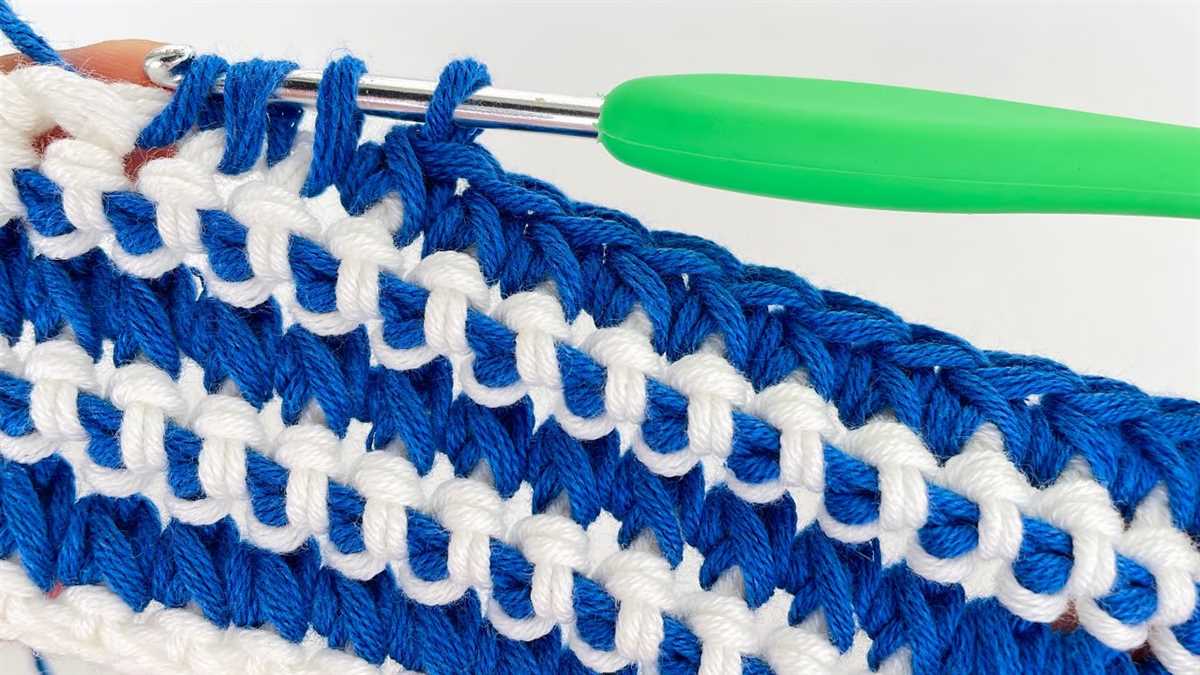
Gauge refers to the number of stitches and rows per inch in a knitted piece. Ignoring gauge can result in a project that is too small or too large. To avoid this mistake, it is important to always swatch before beginning a two color knitting project. By swatching and measuring your gauge, you can adjust your needle size or tension to achieve the correct gauge and ensure that your finished project fits properly.
Inadequate Color Contrast
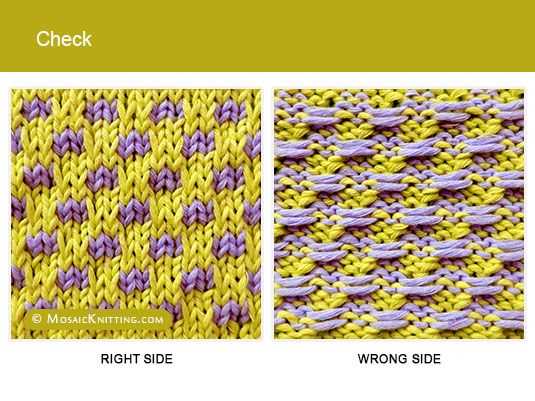
Choosing colors that are too similar in tone or not contrasting enough can result in a design that is hard to distinguish. When working with two colors, it is important to select colors that have enough contrast to clearly showcase the pattern. The contrast can be achieved through variations in lightness or darkness, as well as color combinations that create a visually appealing effect.
Not Catching Floats
When working with two colors, it is important to catch the floats every few stitches to prevent them from getting caught on fingers or catching on objects. This is especially important when knitting items that will be worn, such as hats or socks, to prevent snagging and ensure the durability of the finished piece.
- Avoiding inconsistent tension between the two colors
- Avoiding twisted floats by maintaining an even tension
- Not ignoring gauge and swatching before starting a project
- Selecting colors with adequate contrast to showcase the pattern
- Ensuring that floats are caught every few stitches to prevent snagging
Inspiration and resources for exploring two color knitting
Two color knitting opens up a world of creative possibilities for both beginner and experienced knitters. Whether you’re interested in creating intricate fair isle patterns or experimenting with simple colorwork, there are plenty of resources available to help you explore this technique and find inspiration for your next project.
One great source of inspiration is the rich tradition of Scandinavian knitting, which features beautiful colorwork designs. Books like “Norwegian Knits with a Twist” by Arne & Carlos and “Selbuvotter” by Anne BÃ¥rdsgÃ¥rd provide patterns and insights into the history and techniques of Nordic knitting. These books offer a wide range of patterns, from traditional designs to modern interpretations, that are sure to inspire your own colorwork creations.
If you prefer online resources, websites like Ravelry and Knitting Daily offer a plethora of free and paid patterns for two color knitting. You can search by technique, difficulty level, and project type to find the perfect pattern for your skill level and interests. These websites also have active communities of knitters who can provide support and advice as you explore two color knitting.
To further develop your skills and techniques, consider taking a class or workshop on two color knitting. Local yarn shops often offer classes on various knitting techniques, and there are also online platforms like Craftsy and Skillshare that offer video tutorials and courses on colorwork knitting. These resources can provide you with personalized instruction and guidance as you learn and practice two color knitting.
No matter your skill level or experience, two color knitting is a versatile and enjoyable technique to explore. With the abundance of patterns, resources, and inspiration available, you’re sure to find endless possibilities for creating beautiful and unique knitted projects.