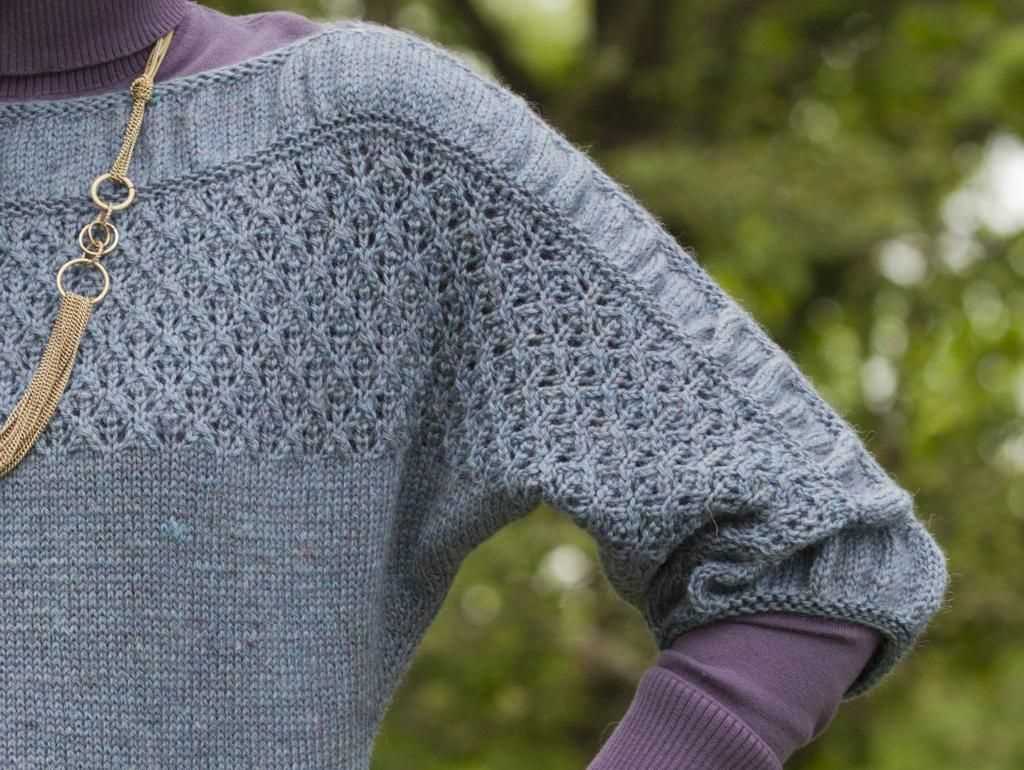
When it comes to choosing a sweater, knit patterns play a crucial role in determining its overall style and appeal. Whether you are looking for a timeless classic or a trendy statement piece, understanding the different types of sweater knit patterns can help you find the perfect match that suits your personal style.
One of the most popular types of sweater knit patterns is the cable knit. This intricate pattern features a series of twisted stitches that create a textured, braided appearance. Cable knit sweaters are known for their timeless appeal and cozy aesthetic, making them a versatile choice for both casual and dressy occasions.
Alternatively, if you’re seeking a more contemporary look, the ribbed knit pattern may be just what you’re looking for. Ribbing is created by alternating raised and lowered stitches, resulting in a stretchy and form-fitting fabric. Sweaters with ribbed knit patterns are often favored for their sleek and modern style, perfect for layering or wearing on their own.
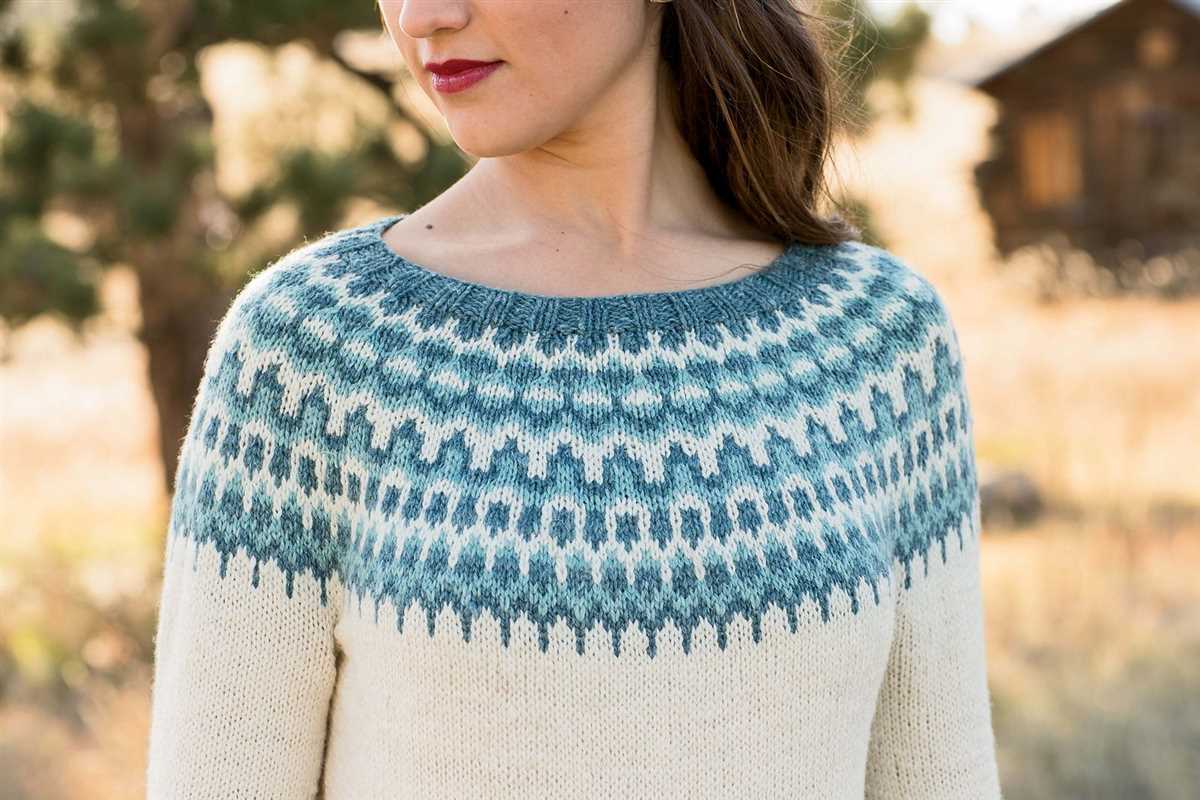
Another popular choice is the Fair Isle knit pattern, which originated in the Scottish Shetland Islands. This pattern features intricate designs and colorwork, typically incorporating multiple colors in small repetitive motifs. Fair Isle sweaters offer a touch of tradition and playful charm, making them a fashionable choice for adding a pop of color to any outfit.
About Sweater Knit Patterns

Sweater knit patterns are an essential element in the design and construction of various types of sweaters. They define the overall look and style of the garment, as well as its texture and warmth. There are several different types of sweater knit patterns, each with its own unique characteristics and aesthetic appeal.
One common type of sweater knit pattern is the cable knit. This pattern features intertwined, twisted stitches that create a raised, rope-like effect. Cable knit patterns are often used in traditional and classic sweater designs, adding a touch of elegance and sophistication. The cable knit pattern is versatile and can be used to create various types of sweaters, from chunky winter knits to lightweight summer styles.
Another popular sweater knit pattern is the fair isle. This pattern originated in the Fair Isle of Scotland and features intricate colorwork designs created by alternating different yarn colors in small, repeating motifs. Fair isle patterns are often used in sweaters with a cozy and rustic vibe, and they add visual interest and complexity to the garment. This type of knit pattern is perfect for creating sweaters that make a statement and showcase the knitter’s skill.
- Cable knit patterns create a raised, rope-like effect
- Fair isle patterns feature intricate colorwork designs
Other types of sweater knit patterns include ribbing, which adds texture and stretch to the fabric, and lace patterns, which create delicate and feminine designs. There are also various types of stitch patterns, such as seed stitch, garter stitch, and moss stitch, which can be used to create different effects and textures in sweaters.
Overall, sweater knit patterns play a crucial role in the design and appeal of sweaters. They add visual interest, texture, and warmth to the garments, making them not only functional but also stylish and fashionable. Whether you prefer a classic cable knit, a vibrant fair isle design, or a delicate lace pattern, there is a sweater knit pattern out there to suit every taste and style.
Fair Isle

Fair Isle is a traditional knitting technique that originated in the Fair Isle, an island in Scotland. It is characterized by the use of multiple colors in a single row or round of knitting, creating intricate patterns and designs. The technique involves carrying two colors of yarn at a time, with the unused color being stranded across the back of the work, resulting in a warm and cozy fabric.
The designs in Fair Isle knitting often incorporate geometric shapes, such as diamonds, zigzags, and stars, as well as nature-inspired motifs like flowers, leaves, and animals. The colors used in Fair Isle patterns are typically rich and vibrant, with contrasting hues that create a visually striking effect.
Key Features of Fair Isle Knitting:
- Use of multiple colors in a single row or round
- Carrying two colors of yarn at a time
- Stranding the unused color across the back of the work
- Intricate geometric and nature-inspired designs
- Rich and vibrant color combinations
Fair Isle knitting has gained popularity around the world for its unique and beautiful designs. It is often used in sweaters, hats, scarves, and other cold-weather accessories, adding a touch of style and warmth to any outfit. Whether you prefer traditional Fair Isle patterns or more contemporary interpretations, this knitting technique offers endless possibilities for expressing your creativity.
Cable Knit
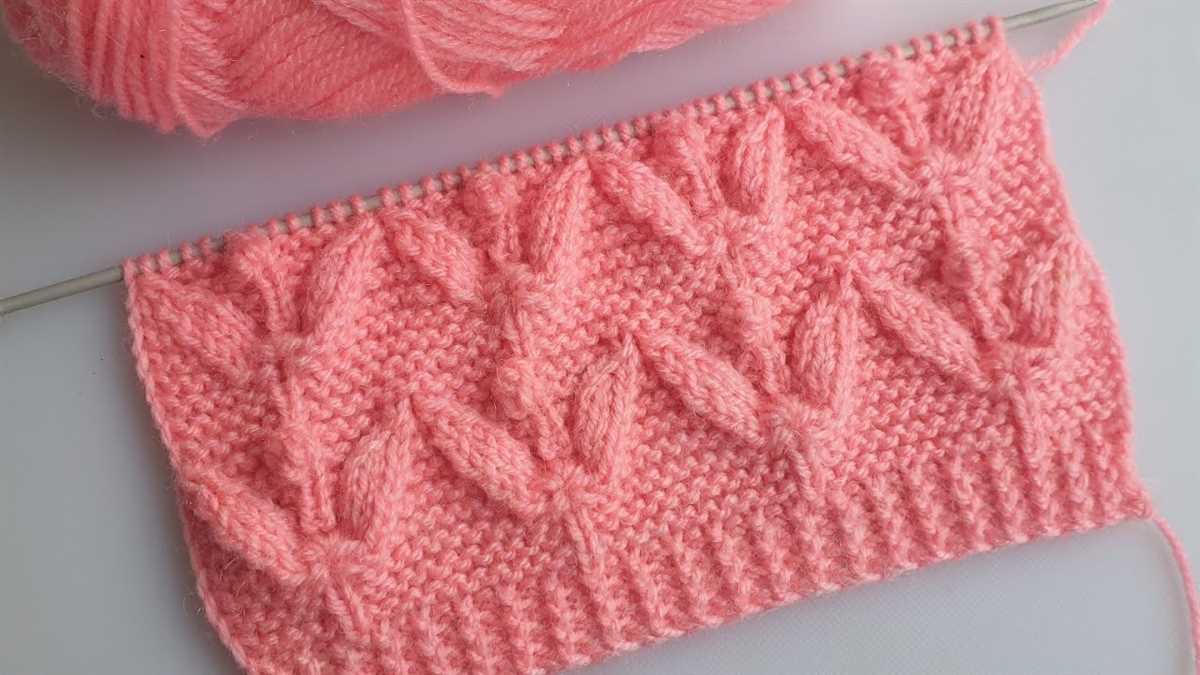
Cable knit is a popular and classic pattern commonly used in sweater design. It is characterized by its distinctive twisted and intertwined lines that resemble cables. This pattern adds both texture and visual interest to the knitwear, making it a favorite choice for many people.
The cable knit pattern is created by crossing stitches over each other in a specific order. This technique creates the appearance of interwoven cables, giving the sweater a cozy and stylish look. The cables can be simple or complex, depending on the desired design. Some cables are straight and vertical, while others form intricate patterns such as diamonds or braids.
To achieve the cable knit pattern, knitters typically use a cable needle, a small double-pointed needle, to hold the stitches while they cross them. This helps to keep the stitches in place and prevent them from unraveling. The cable needle is inserted into the stitches that need to be crossed, and then the knitter uses another needle to knit the stitches in the desired order.
Cable knit sweaters are versatile and can be worn in various settings. They are often associated with warmth and coziness, making them ideal for colder seasons. Cable knit designs can be found in various styles, including crew neck, turtleneck, and cardigan. They can be paired with jeans for a casual look or dressed up with a skirt or trousers for a more formal occasion.
In conclusion, cable knit is a timeless pattern that adds texture and visual interest to sweaters. It is created by crossing stitches over each other in a specific order, resulting in the appearance of interwoven cables. This pattern is versatile and can be worn in different settings, making it a popular choice among knitters and fashion enthusiasts alike.
Argyle
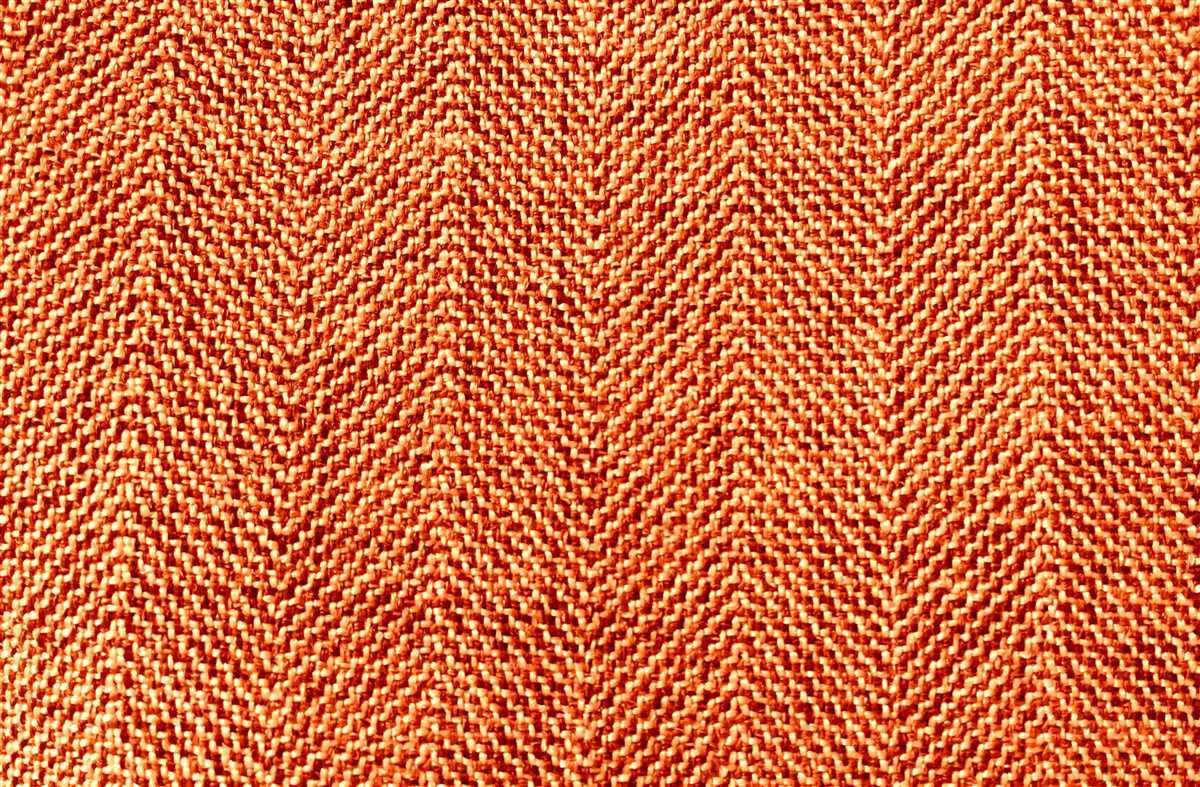
The argyle pattern is a classic and timeless design that is often seen on sweaters. It is characterized by diamond-shaped patterns that are created by overlapping diagonal lines. The diamonds are usually filled with alternating colors to create a vibrant and eye-catching design.
The argyle pattern originated in Scotland and was traditionally used on kilts and socks. It became popular in the fashion industry during the 1920s and 1930s and has remained a popular choice for knitted sweaters ever since.
The diamond patterns in an argyle sweater are created by a special knitting technique called intarsia. This technique involves knitting with different color yarns to create the desired pattern. The colors used in an argyle design are typically muted and earthy, such as shades of brown, red, green, and beige. This gives the sweater a warm and sophisticated look.
Argyle sweaters are versatile and can be dressed up or down depending on the occasion. They can be paired with dress pants or skirts for a more formal look, or worn with jeans for a casual and relaxed outfit. The pattern adds a touch of elegance and adds interest to an otherwise plain sweater.
Whether you’re looking for a traditional and refined sweater or a modern and fashionable piece, an argyle sweater is a great choice. Its timeless design and versatile nature make it a wardrobe staple that can be worn for years to come.
| Pros | Cons |
|---|---|
|
|
Intarsia
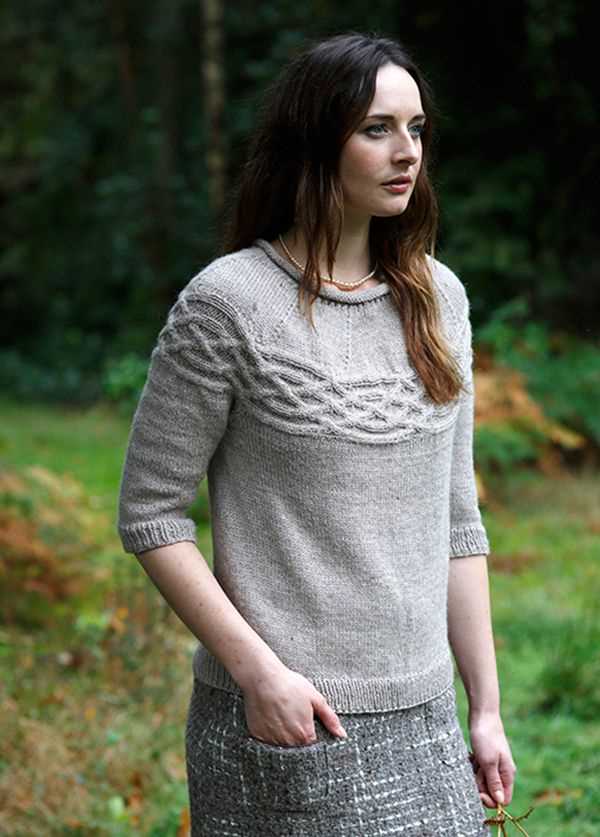
Intarsia is a knitting technique that involves creating a pattern or design using different colored yarns. It is often used to create intricate and detailed images, such as pictures or motifs, on the surface of a sweater or other knitted item. This technique requires careful planning and skill in colorwork, as each color is worked separately and carried along the back of the work.
How it works: When working intarsia, the different colored yarns are used to create separate blocks or areas of color within the design. Each color is worked with a separate ball or bobbin of yarn, and when one color ends, it is simply dropped and the new color is picked up. The yarns are twisted around each other at the beginning of each row to prevent holes or gaps from forming where the colors change. This technique allows for precise control over the placement and shape of each color, resulting in a clean and polished design.
Advantages and challenges: Intarsia allows for limitless design possibilities, as almost any image or pattern can be created using this technique. It also allows for the use of multiple colors within a single row, without the need for complicated stranded colorwork or fair isle techniques. However, working intarsia can be time-consuming and require careful attention to detail, especially when working with complex or large-scale designs. It can also create a bulkier fabric, as multiple strands of yarn are used within each block of color.
Finishing: Once the intarsia design is complete, the knitting is usually steamed or blocked to even out the tension and create a flat and smooth fabric. The ends of the different colored yarns can be woven in and secured behind the work, or they can be left long and used as fringe or tassels, depending on the desired effect. Overall, intarsia is a versatile and rewarding knitting technique that allows for the creation of stunning and personalized designs in knitwear.
Jacquard
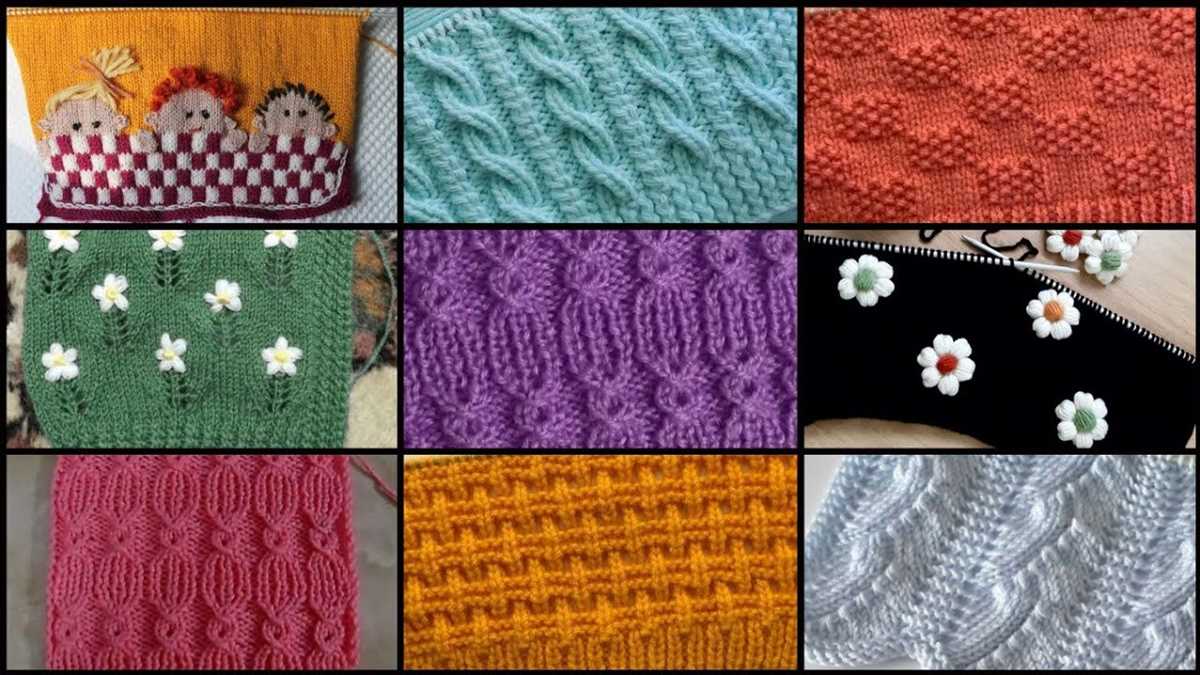
Jacquard is a type of sweater knit pattern that is characterized by intricate designs and patterns created using a special loom called a Jacquard loom. This loom allows for the creation of highly detailed and complex patterns by controlling individual threads. The result is a beautiful, textured fabric that is perfect for sweaters.
Jacquard patterns can range from simple geometric shapes to intricate floral motifs, and everything in between. The designs can be woven in multiple colors, creating a vibrant and eye-catching effect. This type of knit is often used for statement pieces or as an accent on garments.
The Jacquard technique originated in France in the early 19th century and was named after its inventor, Joseph Marie Jacquard. It revolutionized the textile industry by making it possible to produce intricate patterns quickly and efficiently. Today, Jacquard knitwear is highly sought after for its beauty and craftsmanship.
To care for Jacquard knit sweaters, it is best to hand wash them in cold water and lay them flat to dry. This will help to preserve the intricate designs and prevent any stretching or damage to the fabric. It is also important to avoid hanging Jacquard knitwear, as this can cause the fabric to stretch and lose its shape over time.
- Key features of Jacquard knit:
- Intricate designs
- Controlled by individual threads
- Can be woven in multiple colors
- Used for statement pieces
Overall, Jacquard is a stunning type of sweater knit pattern that adds a touch of elegance and sophistication to any garment. Whether you’re looking for a unique sweater to stand out from the crowd or want to add a special touch to your wardrobe, Jacquard knitwear is a great choice.
Ribbed
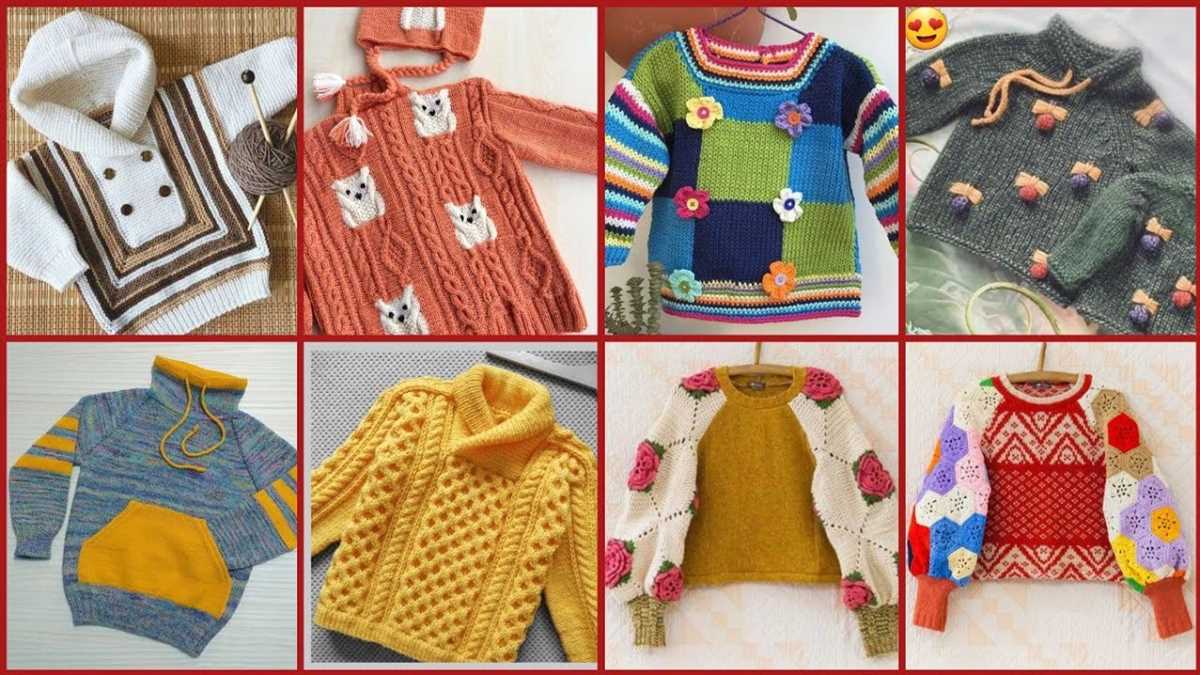
Ribbed patterns are characterized by vertical columns or “ribs” of stitches that run up and down the length of the sweater. These ribs are created by alternating knit and purl stitches in a specific pattern. The most common rib pattern is the 1×1 rib, where you alternate one knit stitch with one purl stitch. Other variations include the 2×2 rib, 3×1 rib, and so on. Ribbed sweaters are known for their stretchiness and ability to hug the body, making them a popular choice for fitted styles.
Ribbed patterns add texture and depth to a sweater, creating a classic and timeless look. They are often used for cuffs, hems, and collars, as well as for the entire body of the sweater. Ribbed stitches are also commonly used in combination with other stitch patterns, such as cables or lace, to create more intricate designs. The stretchiness of ribbed stitches allows the garment to conform to the shape of the wearer, making it both comfortable and flattering.
Ribbed sweaters are versatile and can be worn in a variety of settings. They can be dressed up or down depending on the occasion, making them a wardrobe staple for both men and women. The ribbed pattern also makes the sweater more forgiving in terms of fit, as the stretchiness allows it to accommodate different body shapes and sizes. Additionally, ribbed sweaters are relatively easy to knit, making them a great choice for beginners or for those looking for a quick and satisfying knitting project.
Overall, ribbed sweaters are a classic choice that offer both style and comfort. Whether you prefer a simple 1×1 rib or a more complex ribbed pattern, these sweaters are sure to become a staple in your wardrobe. The versatility and timeless appeal of ribbed knits make them a popular choice for a wide range of styles and occasions.
Basket weave

The basket weave knit pattern is a classic and versatile design that resembles the texture of woven baskets. It creates a thick and cozy fabric, making it perfect for sweaters, scarves, and blankets. The pattern is characterized by alternating knits and purls in a specific sequence, resulting in a distinctive crisscross effect.
To create a basket weave pattern, you will need to have a good understanding of basic knitting techniques, such as knit stitches (K) and purl stitches (P). The pattern usually consists of a set of stitches that are repeated across multiple rows. It can be worked on any number of stitches, but it is typically done over an even number of stitches to achieve symmetry.
To knit the basket weave pattern, you will alternate between knitting sections of knit stitches and purl stitches. This creates the textured effect of woven baskets. The most common sequence for a basket weave pattern is to knit a set number of stitches, then purl the same number of stitches, and repeat this sequence across the row. In the next row, you will purl the knit stitches and knit the purl stitches, creating the crisscross effect.
The basket weave pattern is not only visually appealing but also provides excellent insulation and warmth. The textured fabric traps heat, making it perfect for cold weather garments. It also adds a unique touch to any knitting project, giving it a cozy and handmade look. Whether you are a beginner or an experienced knitter, the basket weave pattern is a great choice for adding interest and texture to your knitted creations.
Herringbone
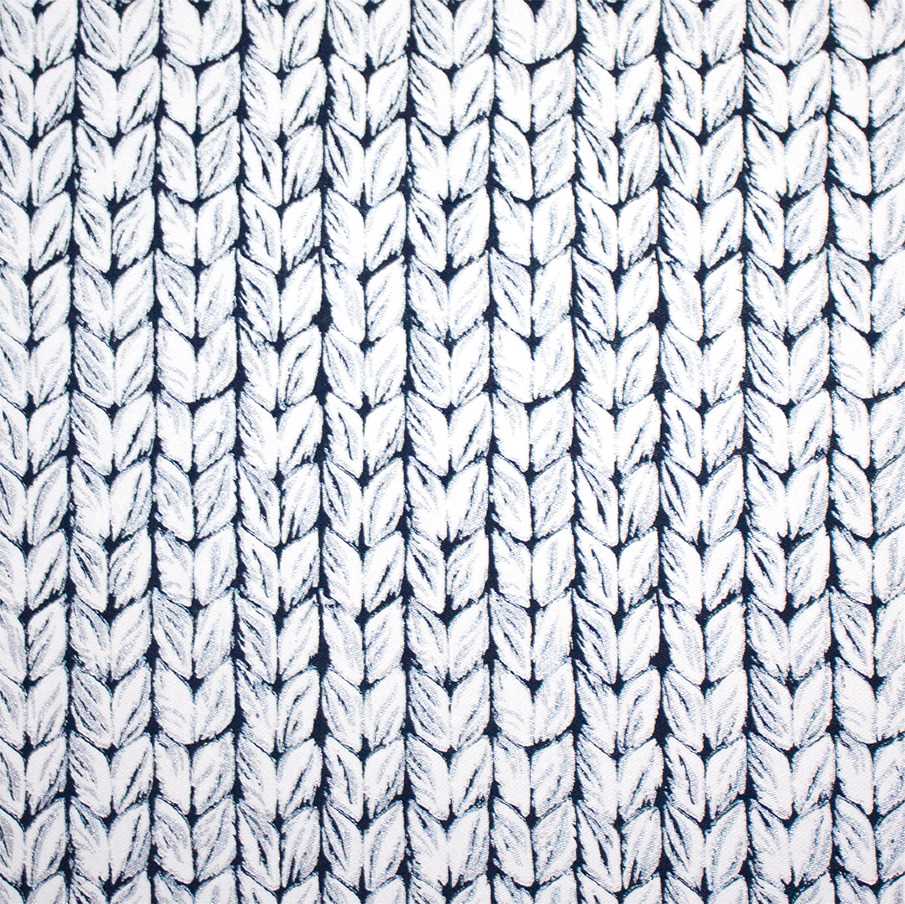
Herringbone is a popular sweater knit pattern that is characterized by its distinctive V-shaped design. The pattern gets its name from the resemblance it has to the bones of a herring fish. It is created by alternating columns of slanted parallel lines, resulting in a zigzag or chevron effect.
This classic pattern is commonly used in sweaters and other knit garments due to its timeless and sophisticated look. Herringbone can be knit in various colors, making it versatile and suitable for both casual and formal wear. The pattern adds texture and visual interest to the fabric, enhancing the overall aesthetic of the garment.
Herringbone can be knit using different knitting techniques, such as stranded knitting or slip stitch knitting. It can also be achieved using a combination of knit and purl stitches, creating a textured surface. The pattern can be subtle or bold, depending on the size and spacing of the V-shaped design. Some variations of herringbone include herringbone ribbing and herringbone lace.
Key Features of Herringbone
- V-shaped design
- Zigzag or chevron effect
- Alternating columns of slanted parallel lines
- Textured and visually interesting
- Timeless and sophisticated look
- Versatile for various styles and occasions
Openwork

Openwork is a type of sweater knit pattern that involves creating holes or lacy patterns in the fabric. This style of knitting creates a light and airy texture, perfect for adding a touch of elegance to any garment.
One popular openwork technique is lace knitting, which uses yarn-overs and decreases to create intricate lace patterns. This technique can be used to create delicate motifs, such as flowers or leaves, or more geometric patterns like diamonds or zigzags.
Another technique used in openwork knitting is drop stitch. This involves intentionally dropping stitches from the needle, creating elongated loops in the fabric. These loops can then be used to create interesting patterns and textures, such as ladder-like stripes or a honeycomb effect.
Openwork sweaters are often made with lightweight yarns, such as cotton or silk, to enhance the delicate nature of the fabric. They can be worn on their own in warmer weather or layered over a camisole or tank top for added coverage.
Overall, openwork is a beautiful and versatile sweater knit pattern that adds a touch of elegance and sophistication to any wardrobe. Whether you prefer delicate lace or bold drop stitch designs, openwork sweaters are sure to make a statement.
Textured

Textured knit patterns add an interesting visual and tactile element to sweaters. These patterns are created by incorporating different stitches, cables, and textures into the design, resulting in a unique and captivating look.
One popular textured knit pattern is the cable knit. This pattern is created by crossing stitches over each other, forming intricate braided-like designs. Cable knit sweaters have a classic and timeless appeal, and they are often associated with coziness and warmth.
Seed Stitch

The seed stitch is another common textured knit pattern. It is created by alternating knit and purl stitches in a grid-like pattern, resulting in a bumpy and textured surface. Seed stitch sweaters have a rustic and organic look that adds depth and dimension to any outfit.
Ribbing
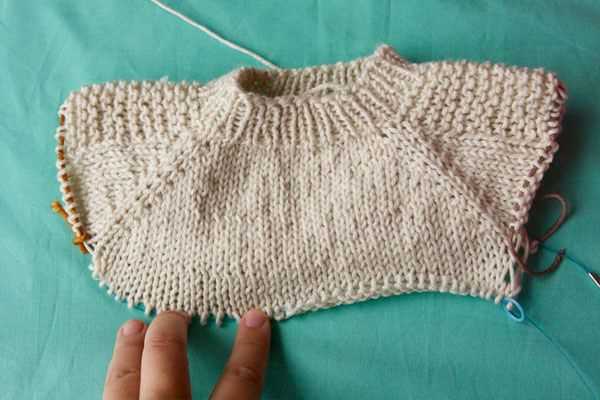
Ribbing is a textured knit pattern often used for cuffs, hems, and necklines. It is created by alternating knit and purl stitches in a vertical pattern. Ribbed sweaters have a stretchy and form-fitting quality, providing a snug and comfortable fit.
Bobble Stitch

The bobble stitch is a fun and playful textured knit pattern. It involves creating small, raised clusters of stitches, called bobbles, on the surface of the fabric. Bobble stitch sweaters add a whimsical and eye-catching element to any outfit.
Overall, textured knit patterns offer endless possibilities for creating unique and visually appealing sweaters. Whether it’s the intricate cables of a cable knit sweater or the bumpy surface of a seed stitch, these patterns add depth and interest to any knitwear design.
Tuck Stitch
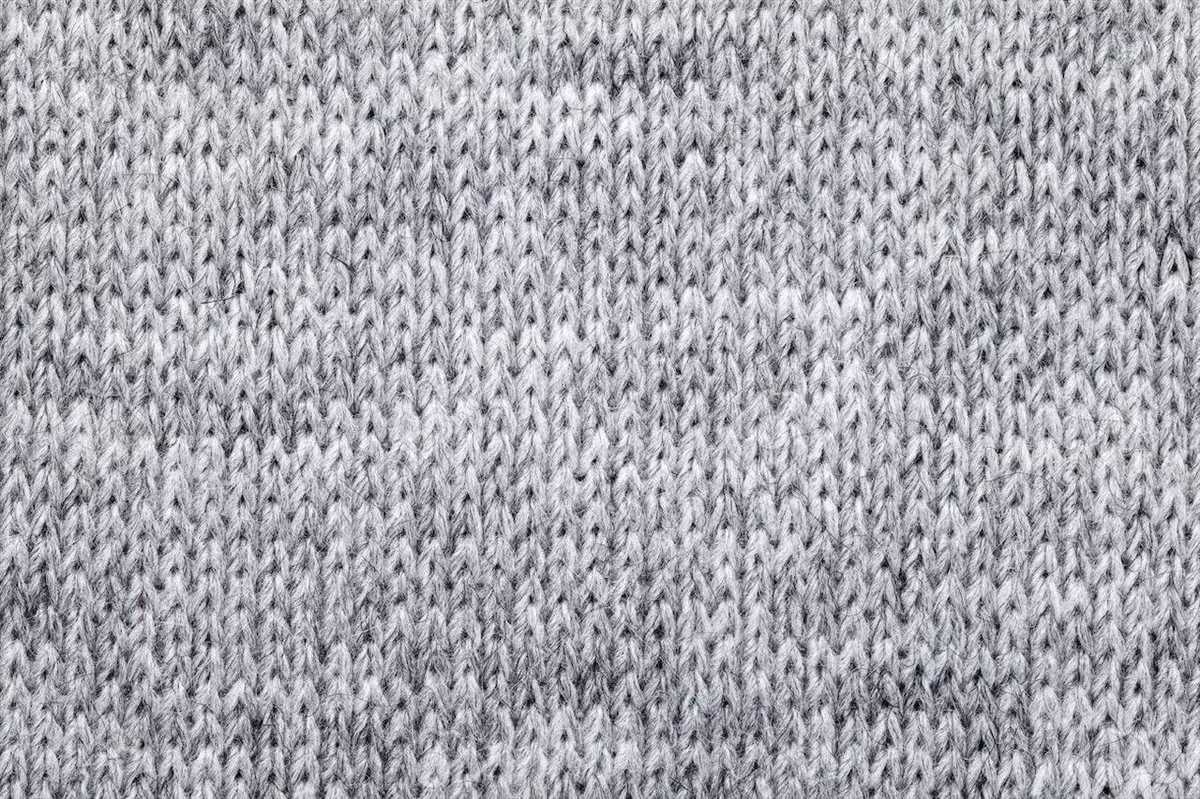
In the world of sweater knit patterns, one commonly used technique is the tuck stitch. This distinctive pattern creates a textured effect by holding selected stitches in place, creating a raised surface and adding visual interest to the fabric.
The tuck stitch is achieved by simply knitting or purling the stitch in the main color and then wrapping the yarn around the needle as if to knit or purl the next stitch, but without actually working it. This creates a loop on the front side of the fabric which is held in place until it is eventually knitted or purled in a later row, creating the tuck effect.
Using the tuck stitch in a sweater design can produce a variety of effects, such as raised stripes or intricate patterns. It can be used for both small details and larger sections of the garment, allowing for endless possibilities in design.
The tuck stitch is a great choice for adding texture and dimension to your knitted projects. Its unique look can elevate a simple sweater into a stylish statement piece. Whether you’re a seasoned knitter or just starting out, experimenting with the tuck stitch can help you create beautiful and eye-catching sweaters.