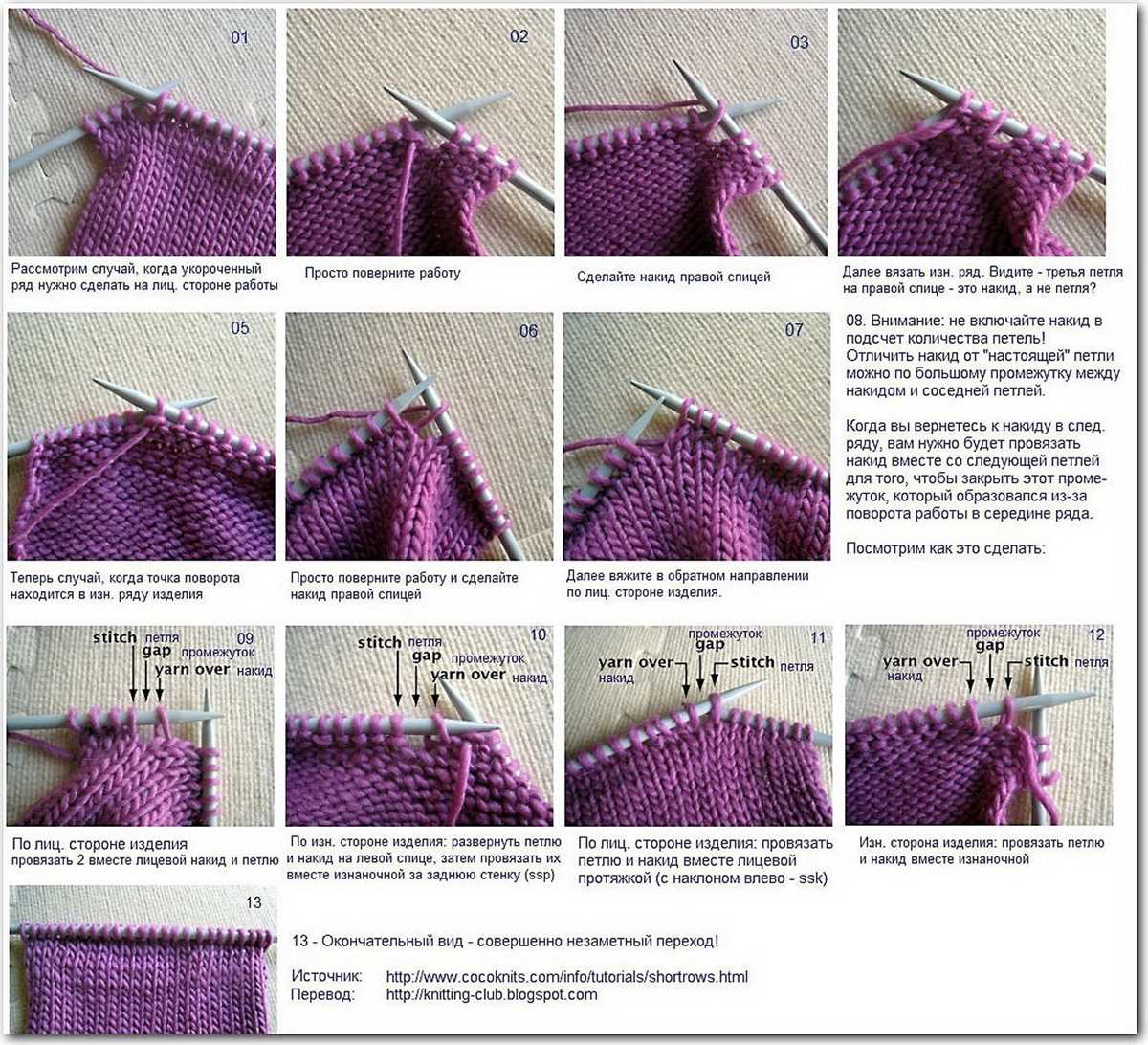
In the world of knitting, m is often used as an abbreviation for “marker” in knitting patterns. A marker is a small, easily movable object that is placed in the work to keep track of a specific point or stitch. This is particularly useful in more complex knitting patterns, where there may be multiple sections or stitch counts to keep track of.
Markers can be physical objects like safety pins or small pieces of yarn, or they can be virtual markers that exist only in the knitter’s mind. In either case, they are used to mark a specific stitch or point in the work so that the knitter can easily find it later and keep track of their progress.
When a knitting pattern instructs you to “m”, it is telling you to place a marker at that point in the work. This could be at the beginning of a round, the end of a round, or anywhere in between. The specifics of where to place the marker will be detailed in the pattern instructions.
What Does M Mean in Knitting Pattern
When you first start knitting, it can be confusing to decipher the various abbreviations used in knitting patterns. One common abbreviation you might come across is “M” which stands for “make”.
The abbreviation “M” is used to indicate that you need to create an additional stitch in your knitting. This can be done in different ways depending on the pattern you are working on. It might involve knitting into the front and back of the same stitch, or using a different technique such as a yarn over. The specific instructions for making the stitch will be provided in the pattern.
For example:
- If the pattern says “M1” or “Make 1”, it means you need to create a new stitch by picking up the horizontal loop between the stitches and knitting into it.
- If the pattern says “M1L” or “Make 1 Left”, it means you need to create a new stitch by picking up the horizontal loop between the stitches from the front to the back and knitting into the back of it.
- If the pattern says “M1R” or “Make 1 Right”, it means you need to create a new stitch by picking up the horizontal loop between the stitches from the back to the front and knitting into the front of it.
It’s important to pay close attention to the specific instructions for making the stitch indicated by “M” in the pattern. Misunderstanding or misinterpreting this abbreviation can result in errors in your knitting project. It’s always a good idea to consult a knitting reference guide or seek help from more experienced knitters if you’re unsure about any abbreviations or instructions in a pattern.
Understanding the “M” Symbol in Knitting Patterns
When you first delve into the world of knitting patterns, it can be overwhelming to decipher all the symbols and abbreviations. One symbol that you might come across frequently is the letter “M.” What does it mean? Let’s take a closer look.
The “M” symbol in knitting patterns typically stands for “make” or “increase.” This means that you need to create new stitches in your knitting. The specific method for making these stitches varies depending on the pattern and the desired outcome.
One common way to “make” stitches is to perform a yarn over. This involves wrapping the yarn around the needle to create a new loop. The next time you encounter an “M” in a pattern, check the instructions for any notes on how to increase. It might say something like “M1” or “M1L/M1R,” indicating the type of increase to use.
Another possibility is that the “M” symbol could indicate a different type of increase, such as a make 1 left (M1L) or a make 1 right (M1R). These increases are often used to shape the fabric and create decorative patterns.
It’s important to carefully read the knitting pattern and follow the instructions provided for the specific increase method denoted by the “M” symbol. This will ensure that your project turns out as intended and that the stitches are correctly formed.
So the next time you come across an “M” in a knitting pattern, don’t be intimidated. It’s simply a shorthand way of indicating that you need to increase stitches. Take the time to understand the specific increase method called for and you’ll be able to confidently tackle any pattern that comes your way.
Decoding the Abbreviation “M” in Knitting Patterns
Knitting patterns often use abbreviations to save space and make instructions easier to read. One common abbreviation that you may come across is “M” or “m”. In the context of knitting patterns, “M” typically stands for “make” or “make stitch”. This means that you need to create a new stitch in your knitting by increasing the number of stitches on your needle.
There are different ways to make a stitch depending on the pattern you’re working on. The most common method is to make a stitch by knitting into the front and back of the same stitch. This creates an increase and adds one stitch to your knitting.
If a knitting pattern instructs you to “M1” or “M1L” or “M1R”, it means you need to make a stitch by picking up the horizontal strand of yarn between two stitches and either knitting into the back of it (M1L) or knitting into the front of it (M1R). This creates an increase that leans either to the left or right, depending on the direction of the slant.
When encountering the abbreviation “M” or “m” in a knitting pattern, it’s important to read the instructions carefully and understand which method of increasing is required. Pay attention to any additional notes or explanations provided in the pattern to ensure you are making the correct stitch and achieving the desired result.
Exploring the Meaning of “M” in Knitting Instructions
When you’re just starting out with knitting, the various abbreviations and symbols used in knitting patterns can seem quite confusing. One common abbreviation that you’ll often come across is “M,” which stands for “make” or “make stitch.” This instruction is typically included in a knitting pattern when the designer wants you to create a new stitch or increase the number of stitches in your work.
M is commonly used to denote a variety of increases in knitting. This can include simple techniques like yarn overs, which involve wrapping the yarn around the needle to create a new stitch. It can also refer to more complex increases, such as knitting into the front and back of a stitch or making multiple increases in a single stitch. The specific type of increase will usually be explained in the pattern instructions or indicated by a symbol.
In addition to indicating increases, M can also be used in knitting patterns to denote other types of stitch manipulation. This can include techniques like slipping stitches, passing a stitch over another, or crossing stitches to create cables. Again, the specific technique will be explained in the pattern instructions, and you may also find an accompanying symbol to help clarify the technique.
It’s important to pay close attention to the context in which “M” is used in a knitting pattern. The designer’s instructions will guide you on when and how to make the necessary stitch or manipulation. If you’re unsure about any part of the pattern, it can be helpful to refer to a knitting glossary or seek assistance from more experienced knitters. With practice and familiarity, you’ll soon become comfortable with interpreting and following knitting patterns, including the meaning of “M.”
Unraveling the Mystery Behind the “M” Term in Knitting Patterns

If you’ve ever tried following a knitting pattern, you may have come across the term “M” or “m” and wondered what it means. This seemingly mysterious letter is actually a shorthand for a simple knitting technique called “make one.”
When a knitting pattern calls for an “M” or “m,” it’s indicating that you should make an increase by creating a new stitch. This is often used to add width or shape to a knitted garment or accessory. The specific method for making an “M” stitch can vary depending on the pattern, but it typically involves picking up the horizontal strand of yarn between two stitches and knitting into it.
There are different variations of the “make one” stitch, including “make one left” (M1L) and “make one right” (M1R), which indicate the direction of the increase. A “make one left” stitch creates a new stitch that leans to the left, while a “make one right” stitch creates a new stitch that leans to the right.
Understanding the “M” term in knitting patterns is essential for successfully completing your project. By carefully following the instructions and using the correct technique for making the increase, you can ensure that your knitting turns out as intended. So, the next time you see an “M” in a knitting pattern, you’ll know exactly what to do!
Cracking the Code of “M” in Knitting Pattern Notations

When you first start reading knitting patterns, it can feel like you’re trying to decipher a secret code. Along with all the abbreviations and symbols, there’s often a mysterious “M” that pops up. What does it mean? Does it stand for “magic” or “mystery”? Well, not quite. In the world of knitting, “M” actually stands for “make”.
So what does “make” mean in a knitting pattern?
When you see “M” in a knitting pattern, it’s usually followed by a number. For example, “M1” means “make one stitch”. This is a common technique used to increase the number of stitches on your needle. There are several different ways to “make” a stitch, depending on the knitting pattern and the desired result. Some common methods include knitting into the bar between stitches, picking up a loop of the yarn, or using a backward loop cast-on.
Why is “make” abbreviated as “M”?
The use of “M” as an abbreviation for “make” in knitting patterns is thought to have originated from the French word “monter”, which means “to mount” or “to climb”. In knitting, “making” a stitch is like adding a new stitch to your knitting, so the idea of “climbing” or “mounting” makes sense.
Remembering the “M” in knitting patterns
If you’re new to knitting or still getting used to reading patterns, it can be helpful to create a cheat sheet for yourself. Write down the abbreviation “M” and what it stands for (“make”) in a notebook or on a piece of paper that you can refer to while working on your projects. With a little practice, you’ll soon become fluent in the language of knitting patterns and be able to confidently tackle any project that comes your way.
The Significance of “M” in Knitting Pattern Language
In the world of knitting, “M” stands for “marker”. In knitting patterns, the letter “M” often appears to indicate where a stitch marker should be placed. Stitch markers are small, often colorful, rings or clips that are used to mark a specific point in a knitting project. They help to keep track of the beginning or end of a round, or to mark specific stitch patterns or increases.
Marker Placement: When a knitting pattern includes the instruction to “place marker (pm)” or “move marker (mm)”, the letter “M” is used to signify the placement of the stitch marker. This is an important indication for the knitter, as it helps to keep track of stitch counts and maintain the integrity of the pattern.
Stitch Pattern Markers: In more complex knitting patterns, the letter “M” may also be used to indicate where stitch markers should be placed to mark specific stitch patterns. For example, in lace knitting, markers can be placed to indicate the border between the lace pattern and the edge stitches, or to mark specific stitch repeats within a pattern. This helps the knitter to visually identify and keep track of the different sections of the pattern.
Increasing and Decreasing: In knitting patterns that include increases or decreases, stitch markers can be used to mark specific points where these changes happen. The letter “M” is often used to indicate the placement of these markers, making it easier for the knitter to locate and work the necessary changes in the pattern.
Overall, the letter “M” in knitting pattern language plays a crucial role in ensuring accuracy and ease during the knitting process. By indicating the placement of stitch markers, it helps the knitter to keep track of stitch counts, maintain stitch patterns, and work increases or decreases at the appropriate places. Using stitch markers and understanding their placement can greatly enhance the knitting experience and lead to beautifully finished projects.
Demystifying the “M” Symbol in Knitting Patterns

When you first start knitting, the various symbols and abbreviations in knitting patterns can seem like a secret code. One of the most common symbols you may come across is the letter “M”. But what does it mean? Demystifying the “M” symbol in knitting patterns is essential to understanding and successfully completing your projects.
“M” stands for “make”, which is a common instruction in knitting patterns that tells you to increase a stitch. Increasing is an essential technique in knitting that adds extra stitches to your work, either to shape a garment or create decorative patterns. By knowing how to make an “M” stitch, you can confidently tackle a variety of knitting patterns.
When you see an “M” in a knitting pattern, it usually indicates that you need to make a new stitch by either knitting or purling into the same stitch multiple times. The specific instructions for making an “M” stitch can vary depending on the pattern, but it typically involves knitting or purling into the same stitch twice or three times.
Here is a simple example to help illustrate how to make an “M” stitch:
- Knit the next stitch, but do not slide it off the left needle.
- Insert the right needle into the same stitch from left to right and knit it again.
- Finally, slide both stitches off the left needle and you have successfully made an “M” stitch.
By understanding the meaning and technique behind the “M” symbol in knitting patterns, you can confidently take on more advanced projects and create beautiful, intricate designs with ease.
Unlocking the Meaning of “M” in Knitting Pattern Directions

When reading a knitting pattern, you may come across the letter “M” followed by a number. This “M” stands for “marker” and is an essential tool in helping you keep track of your stitches and pattern repeats. Markers can be physical objects such as safety pins or contrasting pieces of yarn, or they can be virtual markers that you simply remember as you work.
Markers are used to:
- Indicate a specific point in the knitting where a new pattern or stitch begins
- Divide sections of the pattern, such as for sleeves or buttonholes
- Help you keep track of stitch counts and pattern repeats
When the pattern calls for placing a marker, simply slip the marker onto the needle between the stitches. You can then continue knitting as instructed until you reach the next marker. This helps you visually identify where a new section or stitch pattern begins and ensures your finished project turns out just as intended.
Markers can be particularly helpful when working on complex or intricate patterns, as they help you stay organized and prevent mistakes. They also come in handy when working on projects with multiple sizes, as they can help you easily keep track of the stitch counts specific to your size.
So the next time you come across the letter “M” in a knitting pattern, remember that it’s referring to a marker. Don’t skip this important step, as it can make a big difference in the outcome of your knitting project.
Unveiling the Purpose of “M” in Knitting Patterns
When diving into the world of knitting, you may come across various abbreviations and symbols in knitting patterns. One common abbreviation that frequently appears is “M.” What exactly does “M” mean in knitting patterns? Let’s unveil its purpose and importance.
“M” stands for “make” in knitting patterns. It is used to instruct knitters to create new stitches where there were none before. In other words, it tells you to increase the number of stitches in your work. The specific instructions for creating the new stitches may vary depending on the pattern and the desired outcome.
There are several ways to make new stitches in knitting, and the pattern will typically specify which method to use. Common methods for making new stitches include yarn overs (YO), knit front and back (KFB), and lifted increases. These techniques create the necessary additional stitches and contribute to shaping the knitted fabric.
When you encounter “M” in a knitting pattern, it’s important to carefully read the accompanying instructions to understand the specific method and number of stitches that need to be made. Paying close attention to these details will ensure that your finished project turns out as intended and maintains its shape and structure.
In conclusion, “M” in knitting patterns stands for “make” and instructs you to create new stitches. By following the specified instructions, you can successfully increase the number of stitches and shape your knitting project.
Deciphering the “M” Abbreviation in Knitting Instructions
When you dive into the world of knitting patterns, you may come across the abbreviation “M” and wonder what it means. The letter “M” in knitting patterns typically stands for “make” or “make stitch”. Understanding this abbreviation is crucial for following knitting instructions accurately and creating the desired outcome.
Make Stitch:
When a knitting pattern instructs you to “M” or “make stitch”, it means you need to create a new stitch on your needle. This is usually done by picking up the horizontal strand of yarn between two existing stitches and knitting or purling into it, depending on the pattern. This technique is used to increase the number of stitches in your work and create shaping.
How to Make a Stitch:
The specific instructions for making a stitch can vary depending on the pattern. However, the basic concept remains the same. To make a stitch, insert your needle into the horizontal strand of yarn between the stitches, from front to back or back to front, depending on the pattern. Then, knit or purl into this strand to create a new stitch.
Examples of “M” in Knitting Patterns:
Here are a few examples of how the “M” abbreviation may appear in knitting patterns:
- Row 1: K1, M1, K2, M1, K1 (6 stitches)
- Next row: P2, M1, P2 (5 stitches)
- Decrease row: K1, K2tog, M1, K2tog, K1 (4 stitches remaining)
By understanding the meaning behind the “M” abbreviation in knitting patterns, you can confidently decipher instructions and create beautiful knitted pieces.
Summary
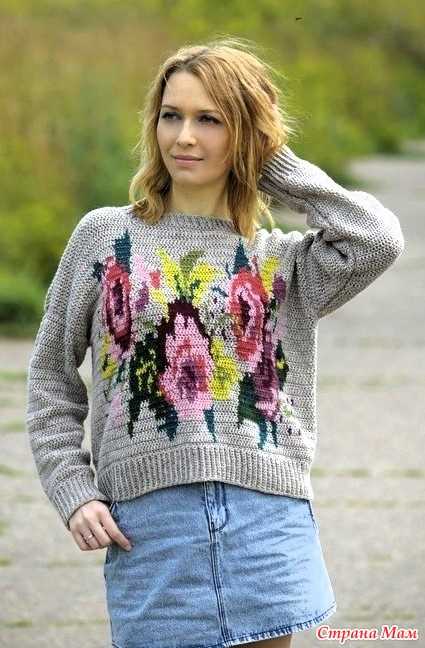
In conclusion, understanding how to read and interpret the “M” symbol in knitting patterns is essential for successfully following and completing a project. The “M” symbol represents the word “make” and signifies the creation of new stitches within the pattern. This can be done through various techniques such as knitting into the front and back of a stitch, lifting a strand, or using a yarn over. Paying attention to the specific instructions provided by the pattern and understanding the context in which the “M” symbol is used will help ensure accurate execution of the pattern.
Remember to always consult the key or legend provided with the knitting pattern for any unfamiliar symbols or abbreviations. Practice and experience in knitting will also help improve your ability to read and interpret patterns over time. With patience and perseverance, you’ll become more comfortable with understanding and executing the “M” symbol and other knitting pattern instructions.