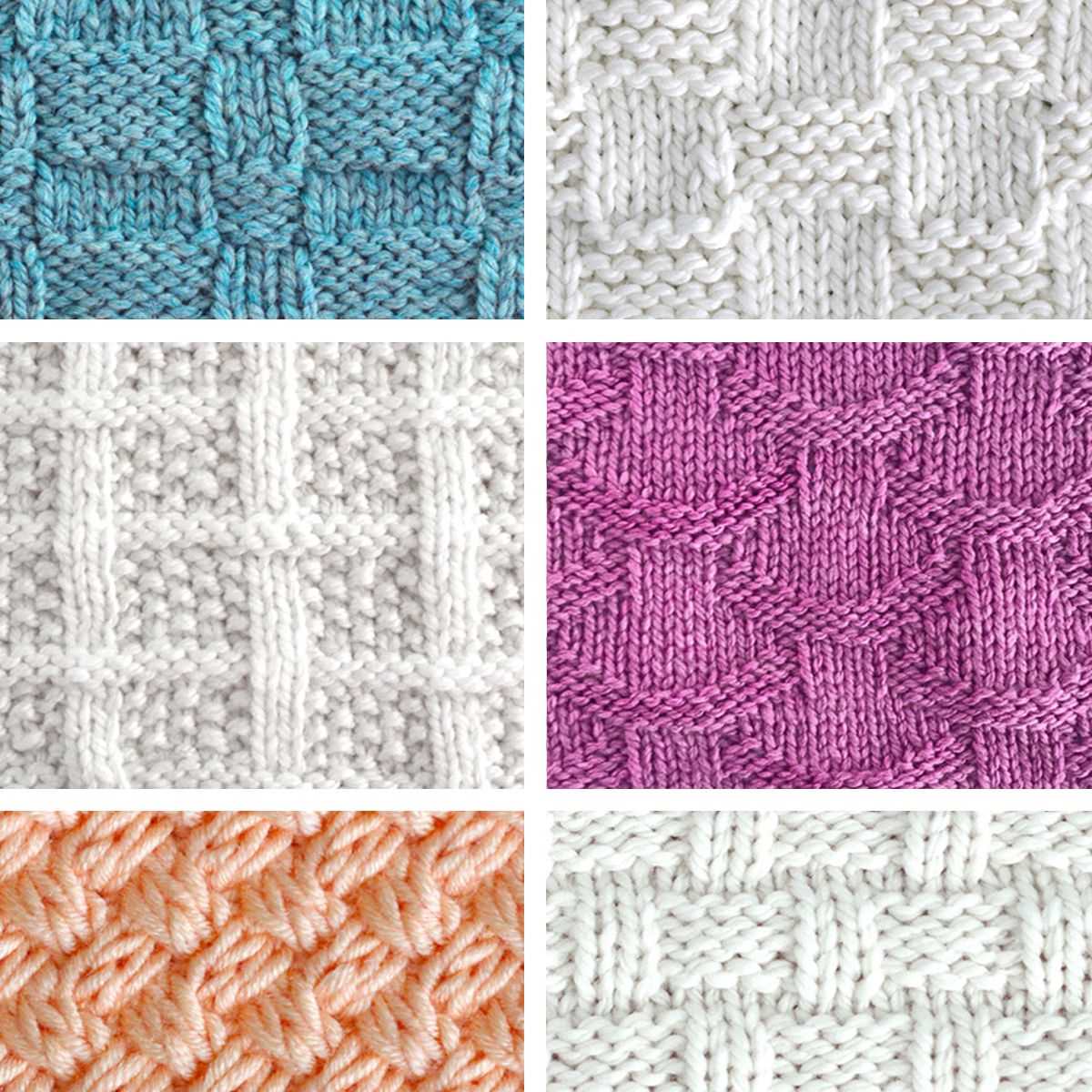
Knitting is a popular craft that has been practiced for centuries. It involves creating fabric by interlocking loops of yarn with knitting needles. Over the years, various knitting patterns and techniques have been developed to create a wide range of designs and textures.
One of the most important aspects of knitting is the use of written knitting patterns. These patterns serve as a guide for knitters, providing them with instructions on how to create a specific design. Written knitting patterns not only include the stitches and techniques to be used, but also the materials and tools required.
Written knitting patterns are usually presented in a step-by-step format, enabling knitters to follow along easily. They often include charts and diagrams to further illustrate the design and aid in understanding. These patterns can be found in knitting books, magazines, and online resources, catering to knitters of all skill levels.
Whether you are a beginner or an experienced knitter, written knitting patterns are an invaluable resource. They allow you to explore new stitches, experiment with different yarns, and create beautiful and unique pieces. So, pick up a pattern, grab your yarn and needles, and begin your knitting journey!
What Are Written Knitting Patterns?
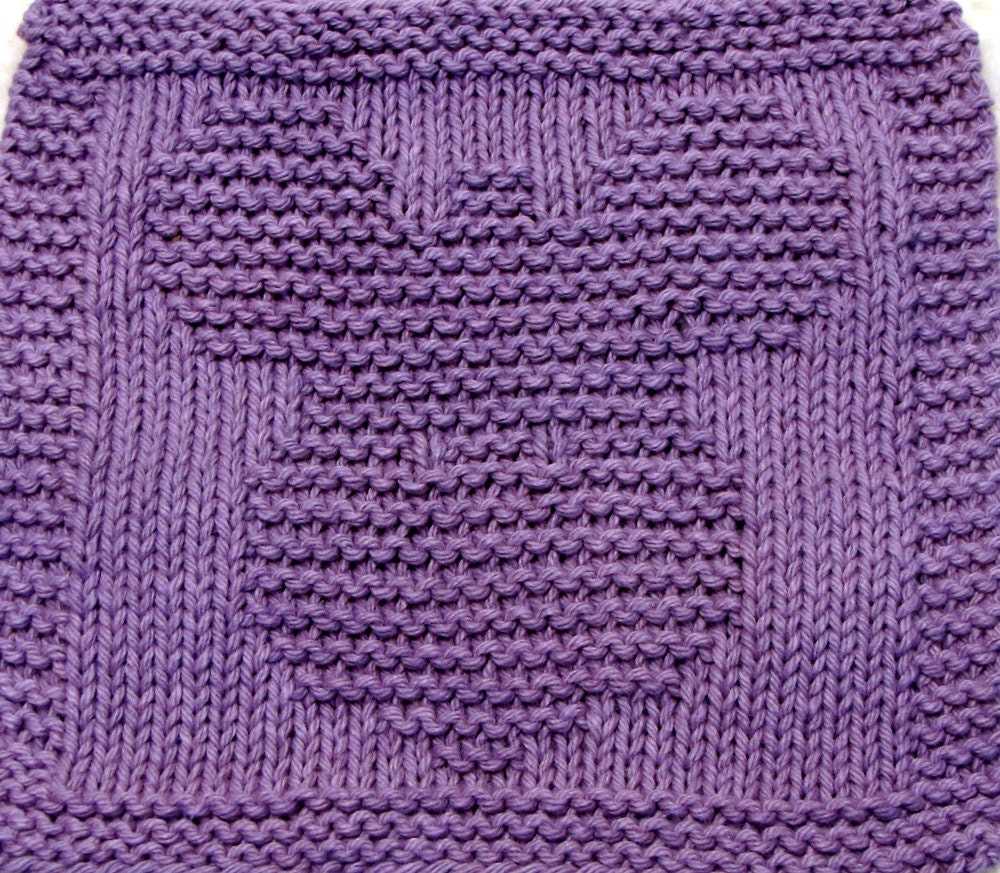
Written knitting patterns are detailed instructions that guide knitters in creating specific designs or projects. They are commonly used by knitters of all skill levels to create various items such as garments, accessories, toys, and home decor. These patterns provide a step-by-step breakdown of the knitting process, including stitch patterns, yarn choices, needle sizes, and shaping techniques.
Typically, written knitting patterns consist of abbreviations and symbols that represent different knitting techniques. These symbols help knitters understand the specific stitches and actions required to achieve the desired outcome. Alongside the abbreviations, the patterns often include stitch charts or schematics to visually illustrate the structure and layout of the project.
Written knitting patterns are available in various formats, including physical booklets, downloadable PDFs, or online resources. They can be created by individual designers or knitting publications and may feature a range of difficulty levels, from beginner-friendly patterns to more advanced projects. Many patterns also offer customization options, allowing knitters to adjust measurements, yarn choices, and other details to suit their preferences.
Overall, written knitting patterns serve as a valuable resource for knitters to explore their creativity and create beautiful, handcrafted items. Whether you’re a novice knitter or an experienced pro, these patterns provide the necessary guidance and inspiration to bring your knitting projects to life.
Understanding the Basics of Written Knitting Patterns
Knitting is a popular craft that allows individuals to create beautiful and unique items using just a pair of needles and some yarn. Written knitting patterns serve as the blueprint for these creations, providing detailed instructions on how to create the desired design. However, for beginners, deciphering these patterns can often be challenging. Understanding the basics of written knitting patterns is essential for any knitting enthusiast looking to take their skills to the next level.
Reading the Pattern: The first step in understanding a written knitting pattern is learning how to read it. Knitting patterns are typically structured with abbreviations and symbols to represent different stitches and techniques. These abbreviations and symbols provide important information on how to create the desired pattern. It is important to familiarize oneself with common knitting abbreviations and symbols to better understand the pattern’s instructions.
Understanding the Gauge: The gauge is an essential aspect of any knitting pattern. It refers to the number of stitches and rows per inch in a knitted fabric. A pattern will often specify a gauge, which determines the size and fit of the finished item. To achieve the correct gauge, it is crucial to use the recommended yarn weight and needle size mentioned in the pattern. Swatching, or knitting a small sample, is a useful practice to ensure that the gauge is accurate before starting the project.
Following the Instructions: Once the pattern has been read and the gauge understood, it is time to follow the instructions. The pattern will outline the steps required to create the desired design. It may include information on casting on, knitting stitches, working in different stitch patterns, increasing or decreasing stitches, and binding off. Paying close attention to the instructions and following them accurately is essential for creating a successful and well-finished knitting project.
Using a Stitch Glossary: Many knitting patterns include a stitch glossary, which provides explanations and instructions for specific stitch patterns and techniques used in the design. It is helpful to familiarize oneself with the stitches listed in the stitch glossary to better understand the pattern’s instructions. Additionally, some patterns may include special techniques or stitches not commonly used, so referring to the stitch glossary can be invaluable in these instances.
By understanding the basics of written knitting patterns, knitters can confidently tackle any project and create stunning pieces. The key is to carefully read and interpret the pattern, pay attention to the gauge, follow the instructions accurately, and utilize any stitch glossary provided. With practice and patience, knitters can master the art of reading and executing written knitting patterns to bring their creative visions to life.
Advantages of Using Written Knitting Patterns

Written knitting patterns provide a precise and detailed set of instructions for creating various designs and stitches. They offer a clear and organized format that allows knitters to easily follow along and understand the steps involved in creating a particular item. This eliminates any confusion or guesswork and ensures that the end result is exactly what the knitter intended.
One of the main advantages of using written knitting patterns is that they can be easily shared and reproduced. They can be printed out or saved digitally, making it convenient to distribute among fellow knitters or refer back to later. This allows for easy collaboration and the ability to recreate the same pattern multiple times, ensuring consistent results.
Written knitting patterns also provide flexibility for knitters to customize their creations. They often include additional instructions and tips for modifying the design, allowing individuals to add their own personal touch. This can involve altering the size, color, or stitch pattern to create a unique and personalized item.
Furthermore, written knitting patterns contribute to the documentation and preservation of knitting traditions. By providing a written record of different patterns and techniques, they help to ensure that these skills and traditions are passed down through generations. They serve as a valuable resource for future knitters to learn from and continue the art of knitting.
In conclusion, written knitting patterns offer a range of advantages for knitters. Their precision, shareability, flexibility, and role in preserving traditions make them an essential tool in the world of knitting. Whether you are a beginner or an experienced knitter, written patterns can help you achieve your desired results and inspire your creativity.
How to Read and Interpret Written Knitting Patterns

Knitting patterns are essential tools for knitters to follow in order to create beautiful and intricate designs. However, for beginner knitters or those who are unfamiliar with reading patterns, they can seem confusing and overwhelming. Fortunately, with a little bit of practice and understanding, anyone can learn how to read and interpret written knitting patterns.
1. Familiarize yourself with the abbreviations and symbols: Knitting patterns often use abbreviations and symbols to represent different stitches and techniques. Before you start reading a pattern, make sure you are familiar with the common abbreviations such as k (knit), p (purl), yo (yarn over), and ssk (slip, slip, knit). Additionally, be aware of any special symbols or instructions that may be used in the pattern.
2. Understand the pattern’s structure: Knitting patterns are generally organized into sections, such as the cast on, body, and finishing instructions. Take a moment to read through the entire pattern and get an overview of its structure. This will help you understand the flow and sequence of the instructions.
3. Read the pattern row by row: Start by reading the first row of the pattern and follow the instructions step by step. Make sure to read the entire row before starting to knit, as some instructions may be repeated or require specific stitch counts. Pay attention to any special instructions or changes in stitch patterns.
4. Keep track of your progress: It’s important to keep track of which row you are on and where you are in the pattern. You can use a row counter, sticky notes, or a pen and paper to mark your progress. This will help you stay organized and avoid mistakes.
5. Refer to stitch charts or diagrams: Some knitting patterns may include stitch charts or diagrams alongside written instructions. These visual representations can be helpful, especially for more complex stitch patterns or designs. Take the time to understand how to read the charts and refer to them as needed.
6. Practice and ask for help if needed: Reading knitting patterns can be challenging at first, but with practice, it will become easier. If you encounter any difficulties or have questions, don’t hesitate to ask for help from more experienced knitters or consult online resources. Knitting communities and forums are great places to find support and guidance.
By following these tips and practicing regularly, you’ll become more comfortable with reading and interpreting written knitting patterns. Soon, you’ll be able to take on more complex projects and create beautiful knitted items with confidence.
Tips for Writing Your Own Knitting Patterns
Writing your own knitting patterns can be an exciting and rewarding experience. Whether you’re a seasoned knitter or just starting out, creating your own patterns allows you to express your creativity and create unique pieces. However, it can also be a challenging task that requires attention to detail and a good understanding of knitting techniques. To help you get started, here are some tips for writing your own knitting patterns:
1. Start with a clear vision:

Before you begin writing your pattern, it’s important to have a clear vision of what you want to create. Consider the type of garment or accessory you want to make, the stitches and techniques you want to use, and the overall design aesthetic. Sketching out your ideas and making notes can help you visualize your project and make it easier to translate into a written pattern.
2. Use clear and concise language:
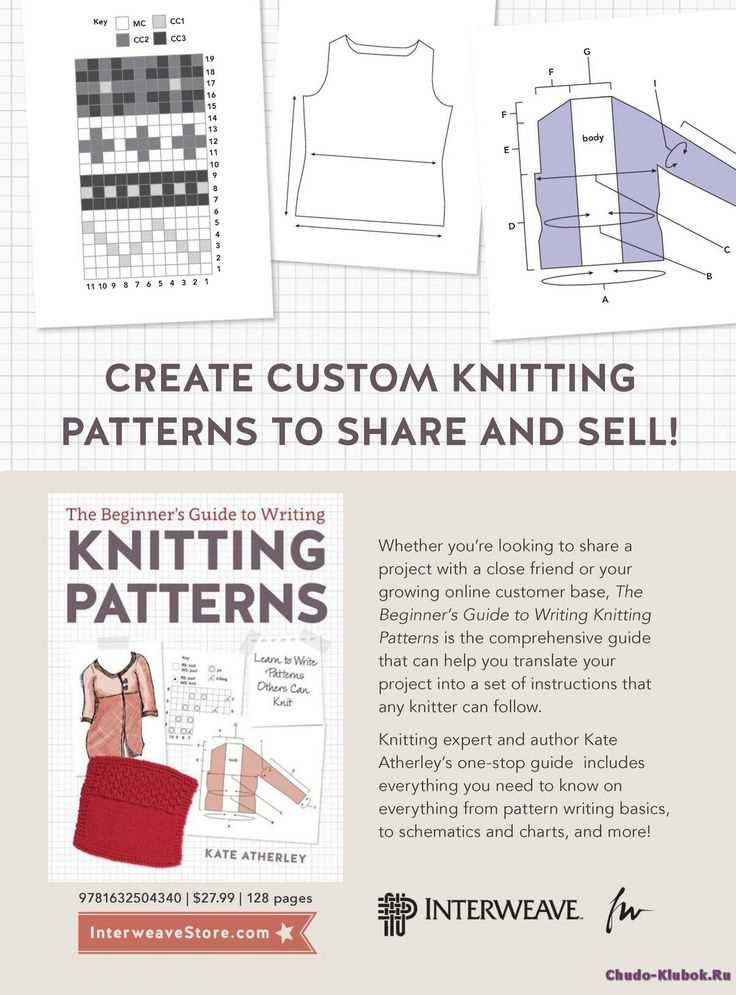
When writing your knitting pattern, it’s important to use clear and concise language that is easy for others to understand. Avoid using overly technical terms or jargon, and instead, use plain and simple instructions that even beginners can follow. Break down the steps of your pattern into clear sections and use bullet points or numbered lists to make it easier to read.
3. Include detailed instructions and tips:
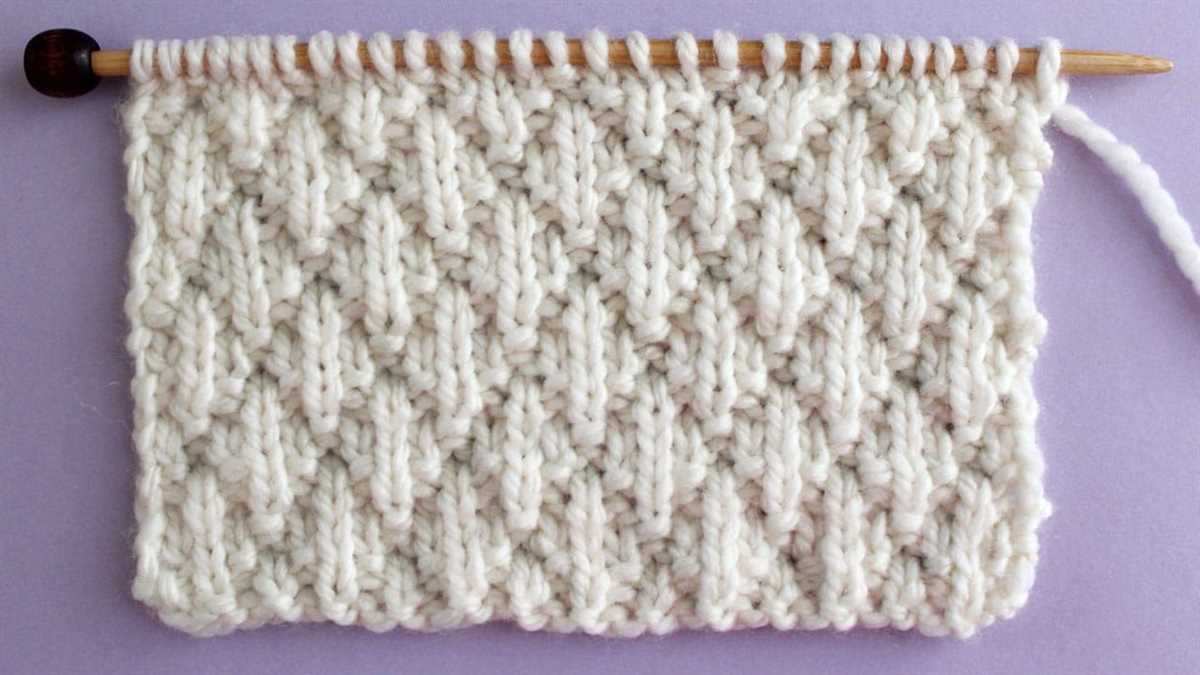
Make sure to include detailed instructions for each step of your pattern, including the cast on, stitch pattern, shaping, and finishing. Be specific about the techniques and stitches used, and provide helpful tips or suggestions where necessary. This will make it easier for knitters to follow your pattern and ensure successful results.
4. Test your pattern:
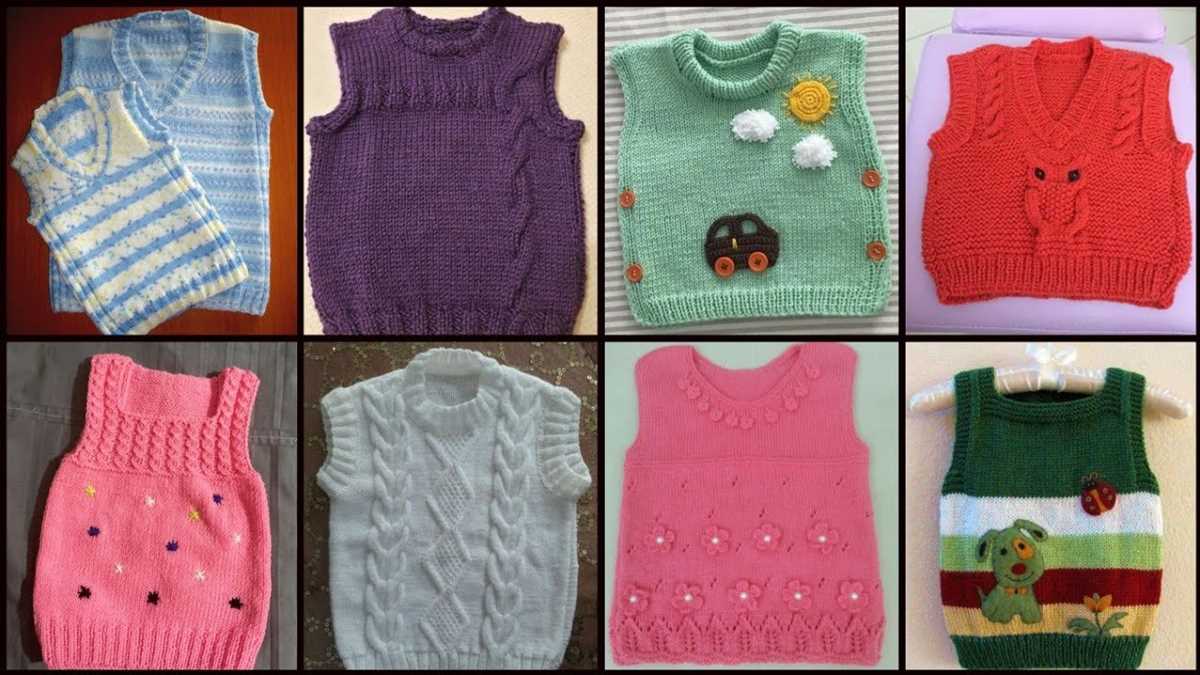
Before finalizing your knitting pattern, it’s important to test it out by knitting a sample project. This will allow you to identify any errors or inconsistencies in the pattern and make any necessary modifications. Ask a fellow knitter to test your pattern as well, as they may be able to provide valuable feedback and catch any mistakes you may have missed.
5. Format your pattern for readability:
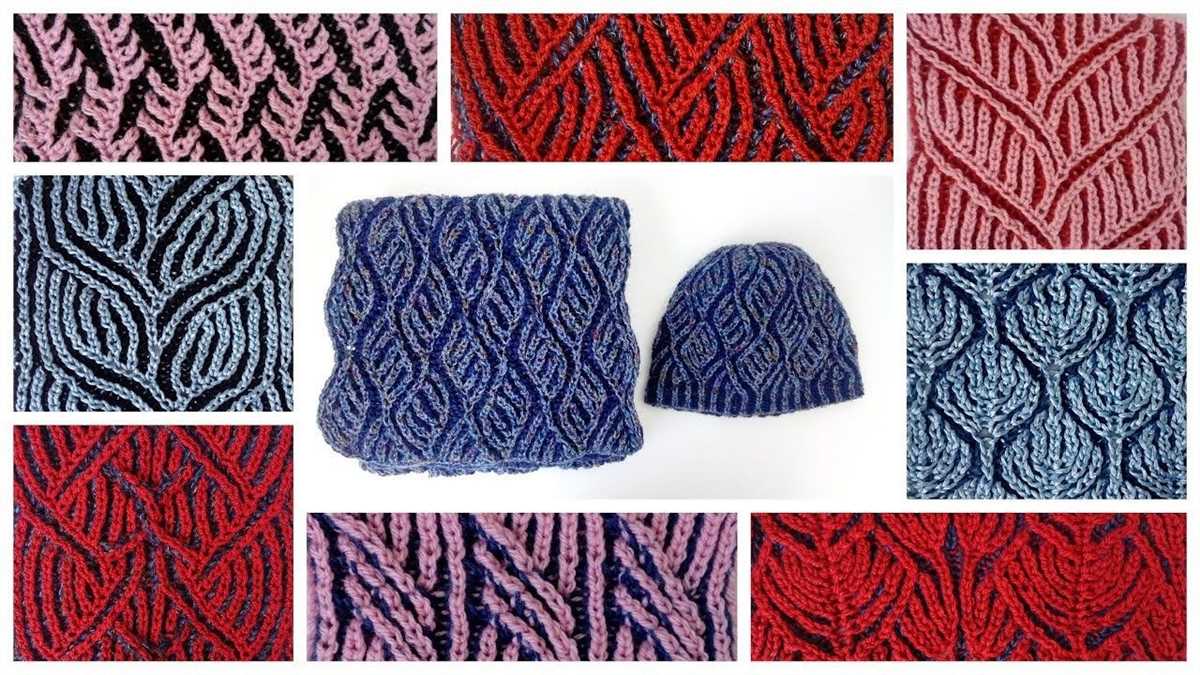
Take the time to format your knitting pattern in a way that is easy to read and understand. Use headings and subheadings to separate different sections of your pattern, and use bold or italicized text to highlight important information. Consider including a table of contents or index if your pattern is longer, and use abbreviations or symbols consistently throughout.
By following these tips, you’ll be well on your way to creating your own knitting patterns with confidence. Remember to be patient and persistent, and don’t be afraid to experiment and make adjustments along the way. With practice, you’ll become more skilled at writing patterns that others can enjoy and appreciate.
Common Abbreviations and Terms in Written Knitting Patterns
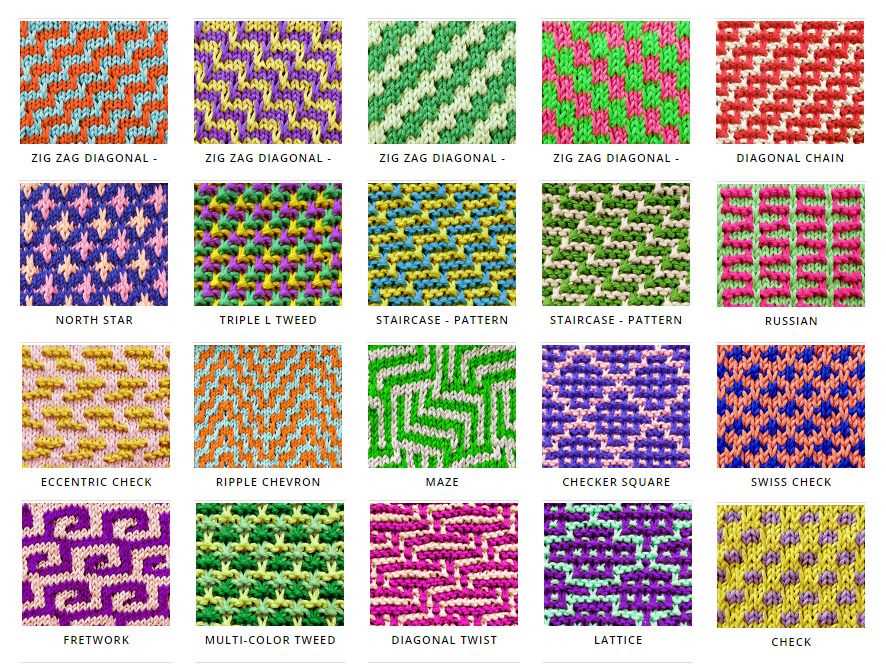
When reading or following a written knitting pattern, it’s important to understand the abbreviations and terms that are commonly used. These abbreviations help to condense the instructions and make the pattern easier to read and understand.
Knit (K) – This is a basic stitch in knitting where the working yarn is passed through the loop on the left needle, creating a new loop on the right needle.
Purl (P) – This is another basic stitch in knitting where the working yarn is passed through the loop on the left needle in the opposite direction, creating a new loop on the right needle. The purl stitch creates a different texture than the knit stitch.
Yarn Over (YO) – This is an increase stitch in knitting where the working yarn is wrapped around the right needle from front to back, creating a new loop. Yarn overs are often used to create decorative holes or eyelets in the fabric.
Slip (sl) – This term refers to passing a stitch from one needle to the other without knitting or purling it. The slipped stitch is moved either knitwise or purlwise, depending on the pattern instructions.
Decrease – This term refers to reducing the number of stitches in a row or round. Common decrease abbreviations include knit two stitches together (k2tog), purl two stitches together (p2tog), and slip slip knit (ssk).
Repeat (rep) – This term indicates that a specific set of instructions should be repeated. It is often followed by the number of times the instructions should be repeated or a repeat symbol, such as an asterisk (*).
Row (R) and Round (Rnd) – These terms indicate the direction of knitting. Rows are worked back and forth on flat knitting, while rounds are worked in a continuous spiral on circular or double-pointed needles. The row or round number is often written before or after the instructions.
Gauge – This term refers to the number of stitches and rows per inch in a knitted swatch. It is crucial to match the gauge given in the pattern to ensure the finished project comes out the correct size.
Bind off (BO) – This term refers to finishing the edge of the knitted fabric by securing the stitches and creating a neat edge. The most common bind off method is the basic bind off, where stitches are knit and passed over each other to create a chain-like edge.
These are just a few of the common abbreviations and terms you may encounter in a written knitting pattern. Understanding these terms will help you confidently read and follow knitting patterns, enabling you to create beautiful knitted items.
Important Considerations When Following a Written Knitting Pattern
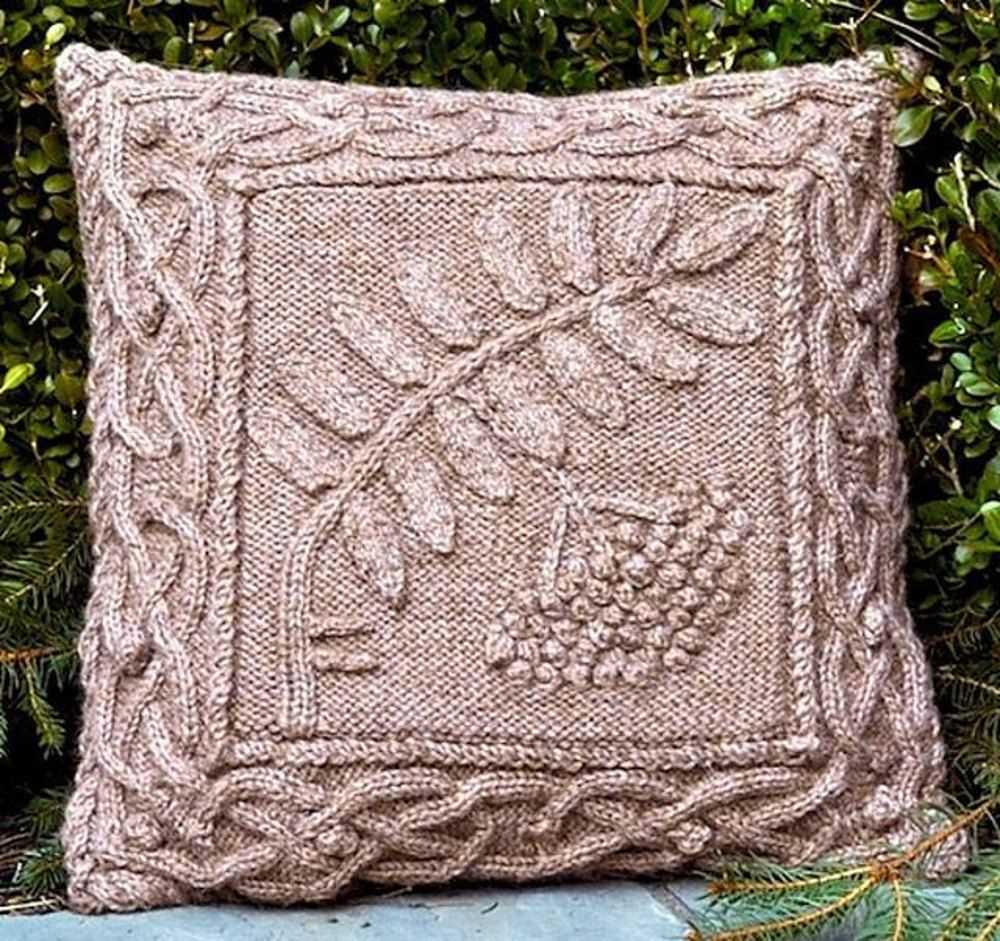
When embarking on a knitting project using a written pattern, there are several important considerations to keep in mind. The following factors can greatly impact the success and ease of following the pattern, ensuring a satisfying and enjoyable knitting experience:
1. Understanding the Abbreviations:
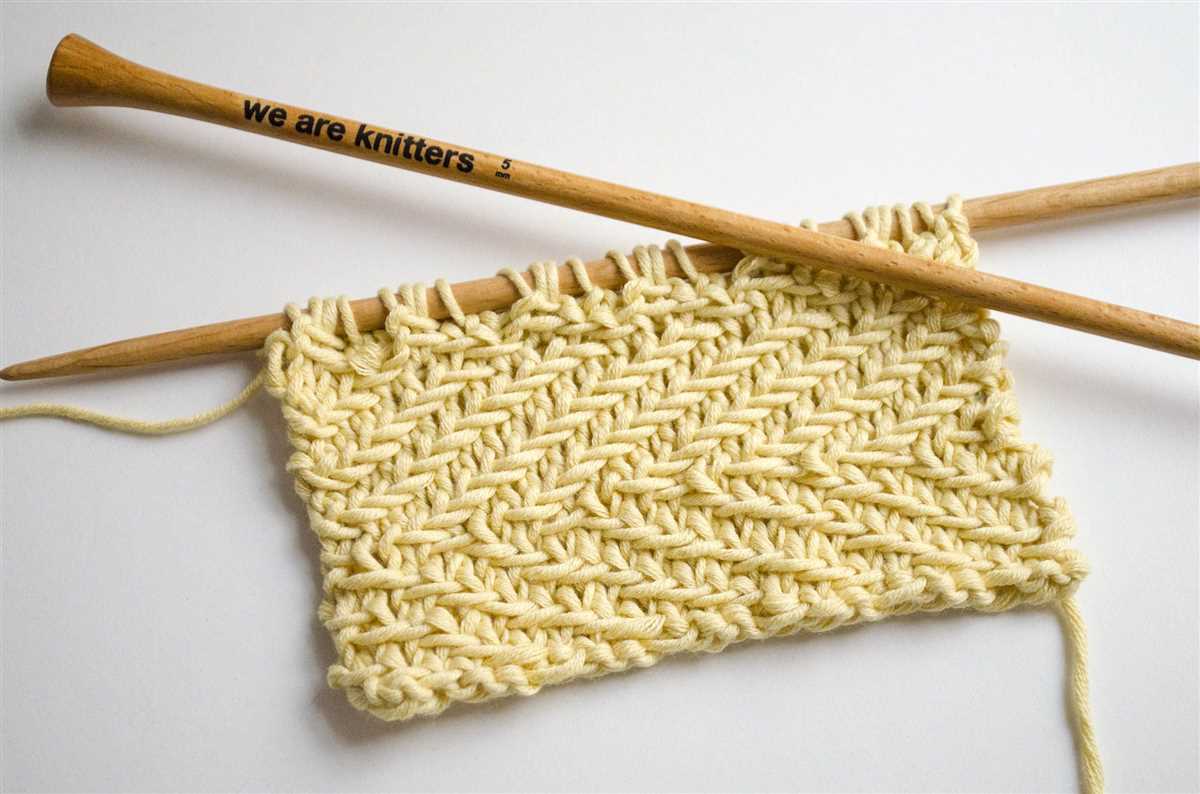
One of the first things to do when starting a written knitting pattern is to familiarize yourself with the abbreviations used. Knitting patterns commonly use abbreviations to condense the instructions and make them easier to read. It is essential to refer to the pattern’s key or legend, which explains the meaning of each abbreviation. Being familiar with these abbreviations will help decipher the pattern’s instructions and ensure accurate knitting.
2. Gauge and Swatching:
Evaluating the gauge is crucial to achieve the desired size and fit of the finished knitted item. The pattern will usually provide a recommended gauge, which indicates the number of stitches and rows per inch. To ensure your knitting matches the pattern’s gauge, it is important to create a gauge swatch before starting the project. This involves knitting a small sample using the specified yarn and needle size and measuring the gauge. Adjusting needle size or tension may be necessary to achieve the correct gauge, which will ultimately affect the final size and fit of the knitted item.
3. Reading the Instructions Carefully:

Thoroughly reading the pattern instructions before starting is essential for a successful knitting project. Pay attention to any special stitches or techniques required, such as increases, decreases, or cables. It is important to understand the construction of the item and the order in which the instructions are presented. This will help in visualizing how the different sections come together and ensure that you are following the pattern correctly.
4. Taking Accurate Measurements:
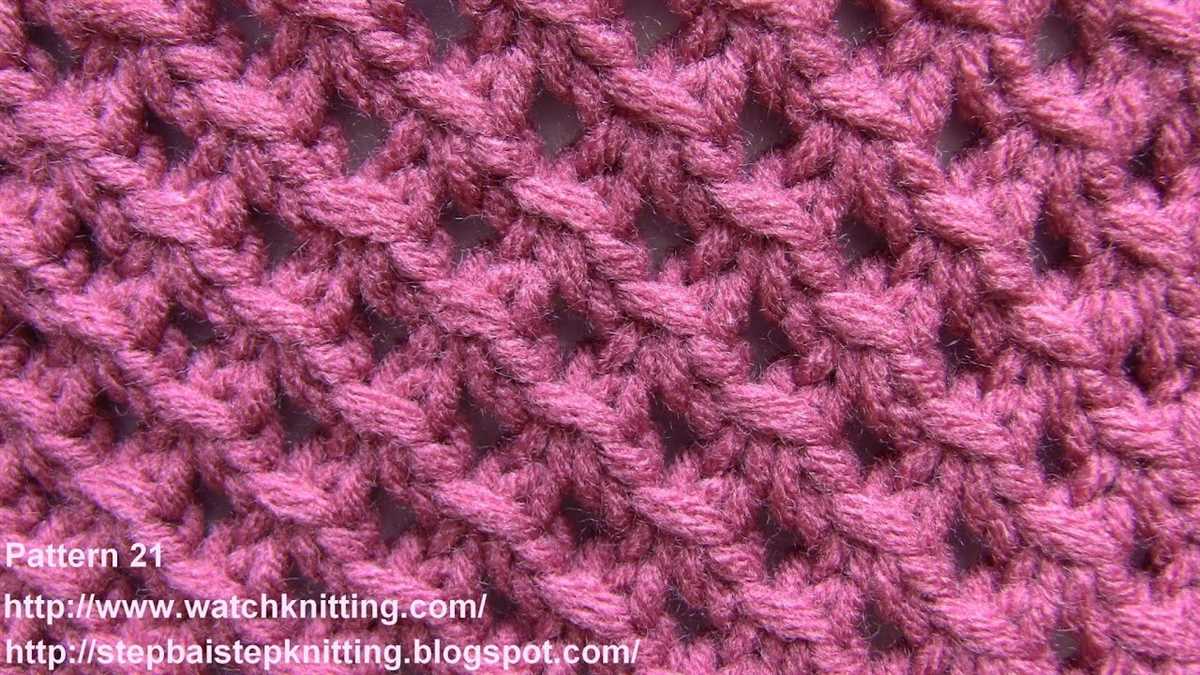
Precise measurements are crucial for achieving the desired fit of the finished knitted item. It is important to take accurate measurements of yourself or the intended recipient before starting the project. This includes measuring the bust, waist, hips, and any other relevant body parts. The pattern instructions will usually provide a size guide based on these measurements, allowing you to select the appropriate size to knit.
By considering these important factors when following a written knitting pattern, you can ensure a smooth knitting process and create beautiful, well-fitting knitted items. Taking the time to understand the abbreviations, gauge, instructions, and measurements will result in a successful and enjoyable knitting project.
Exploring Different Types of Written Knitting Patterns

Written knitting patterns are essential tools for knitters to bring their creative ideas to life. There are various types of written knitting patterns available, each offering a unique approach to conveying knitting instructions. Understanding and exploring different types of written patterns can help knitters find the style that best suits their needs and preferences.
1. Traditional Written Patterns: Traditional written patterns are the most common type and have been used for generations. They typically include written instructions using abbreviations and special knitting symbols. These patterns often assume a certain level of knitting experience and knowledge of these symbols, making them more suitable for intermediate or advanced knitters.
2. Chart Patterns: Chart patterns use visual representations of stitches and rows instead of written instructions. They feature grids with symbols or colors representing different knitting actions, such as knitting, purling, and decreasing. Chart patterns can be easier to follow for visual learners and those who find written instructions confusing.
3. Combination Patterns: Combination patterns combine both written instructions and charts. They provide a detailed written description along with a visual representation, allowing knitters to choose their preferred method of following the pattern. Combination patterns are versatile and can accommodate different learning styles.
4. Line-by-Line Patterns: Line-by-line patterns break down each row of the pattern into individual sentences or lines. This type of pattern is ideal for beginners or those who prefer a more detailed and step-by-step approach. The instructions are clear and easy to follow, making it easier to keep track of progress.
5. Sentence Patterns: Sentence patterns use full sentences to describe each step of the knitting process. This type of pattern can be helpful for beginners who prefer more descriptive instructions. However, sentence patterns can be longer and may require more reading and comprehension, which may not be suitable for those who prefer a concise pattern.
By exploring different types of written knitting patterns, knitters can find the style that best matches their skill level, learning preferences, and project requirements. Whether it’s traditional written patterns, chart patterns, combination patterns, line-by-line patterns, or sentence patterns, there is a knitting pattern out there for everyone.
How to Adapt Written Knitting Patterns for Different Yarns and Needle Sizes

When working with knitting patterns, it is important to choose the right yarn and needle size to achieve the desired result. However, there may be times when you want to adapt a written knitting pattern to use a different yarn or needle size. This can be done with a few simple adjustments and calculations.
Choosing the Right Yarn: When substituting yarn, it is important to consider the gauge of the original pattern. You should choose a yarn that has a similar gauge to ensure that the finished product will have the correct size and drape. If the original pattern calls for a bulky yarn, you can use a lighter weight yarn by holding multiple strands together to achieve the same gauge.
Adjusting Needle Sizes: If you want to use a different needle size than what is specified in the pattern, you will need to swatch and measure your gauge. Knit a small sample with the new needle size and measure how many stitches and rows you have per inch. Compare this to the gauge specified in the pattern. If your gauge is looser, you will need to go down a needle size, and if your gauge is tighter, you will need to go up a needle size.
Calculating Adjustments: Once you have determined the gauge of your yarn and needle size, you can calculate the adjustments needed for the pattern. Start by determining the number of stitches per inch in the original pattern, and then multiply this by the desired finished measurement in inches. This will give you the total number of stitches needed for the new size. You may need to adjust the number of rows as well to maintain the correct proportions.
Keeping Track: It is important to keep detailed notes and make any necessary adjustments to the pattern as you go along. This will help you stay organized and ensure that the finished product turns out just as you envisioned. Don’t forget to write down any changes you made to the yarn or needle size for future reference.
By following these steps, you can easily adapt a written knitting pattern to work with different yarns and needle sizes. This opens up endless possibilities for creativity and allows you to personalize your knitting projects to your liking.
Where to Find Written Knitting Patterns
If you are an avid knitter, you probably know the joy of finding a new knitting pattern to try. While some knitters enjoy creating their own patterns, many rely on written knitting patterns created by others. Fortunately, there are several places where you can find a wide variety of written knitting patterns to suit your preferences and skill level.
Online knitting communities: The internet is a treasure trove of knitting resources, including numerous online knitting communities. These communities often have forums where knitters can share and exchange knitting patterns. You can find written knitting patterns ranging from simple scarves to complex sweaters and everything in between. Additionally, many knitting communities have user-ratings and reviews for patterns, making it easier to choose a pattern that suits your skill level and preferences.
Knitting magazines and books: Knitting magazines and books are another excellent resource for finding written knitting patterns. These publications often feature a variety of patterns for different skill levels and styles. Knitting magazines and books are usually available at local craft stores, bookstores, or can be ordered online. They are a great option if you prefer having a physical copy of the pattern and enjoy browsing through different designs.
- Online knitting pattern databases:
If you prefer the convenience of digital patterns, there are several online knitting pattern databases where you can find a vast collection of written knitting patterns. These databases usually have search filters that allow you to narrow down your search based on the specific type of pattern you are looking for. Additionally, many of these databases offer both free and paid patterns, giving you plenty of options to choose from.
Whether you prefer the camaraderie of online knitting communities, the beauty of knitting magazines and books, or the convenience of online pattern databases, there is no shortage of places where you can find written knitting patterns. Exploring these different resources can help you discover new designs and expand your knitting skills.
Alternatives to Written Knitting Patterns
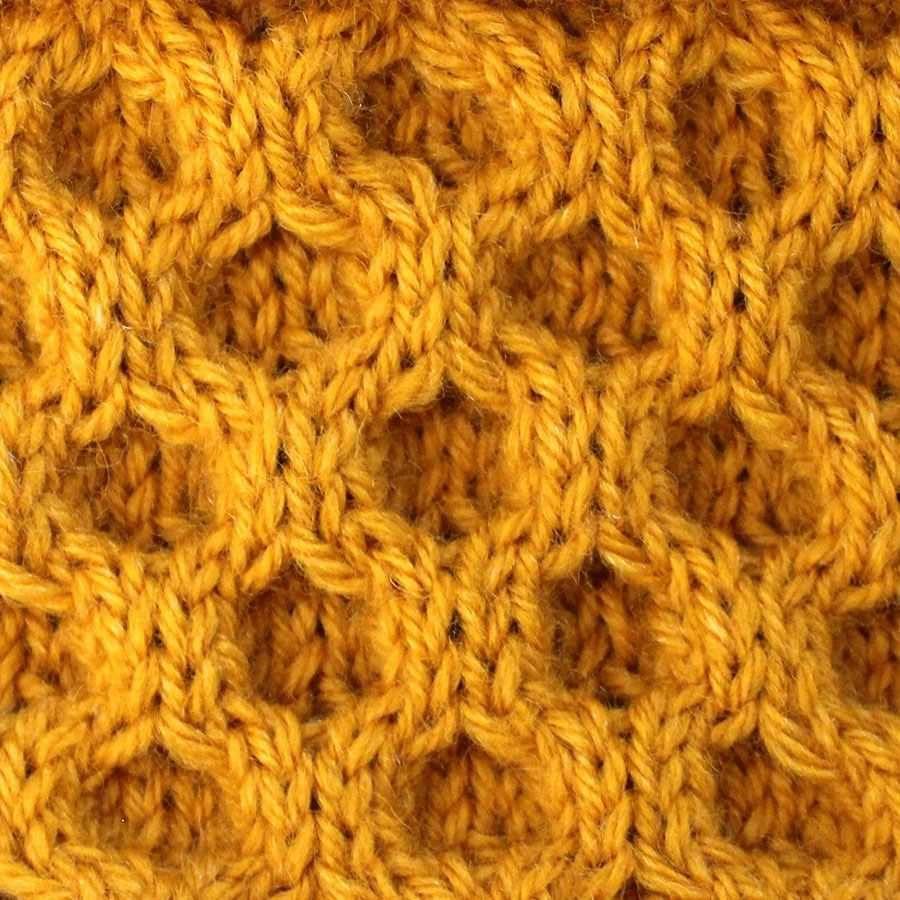
While written knitting patterns are the conventional way to share knitting instructions, there are some alternatives available that can make the process even easier and more accessible. These alternatives offer different formats and methods of sharing knitting patterns, catering to different learning styles and preferences.
1. Diagrams and Charts
One alternative to written knitting patterns is using diagrams and charts to visually represent the knitting instructions. Diagrams and charts provide a visual representation of the pattern, making it easier to understand the stitches and their placement. They are especially helpful for complex stitch patterns or lace work, where written instructions may be difficult to comprehend at a glance. By using symbols and images, diagrams and charts can be a valuable tool for knitters who prefer a more visual representation of the pattern.
2. Video Tutorials
Another alternative to written knitting patterns is video tutorials. Video tutorials provide step-by-step instructions that are visually demonstrated, allowing knitters to follow along more easily. These tutorials often include close-ups and detailed explanations of each stitch and technique, making it easier to learn and understand the pattern. Knitters can watch the video at their own pace and rewind or replay sections as needed. Video tutorials are particularly helpful for beginner knitters or those who prefer a more hands-on learning experience.
3. Knitting Apps
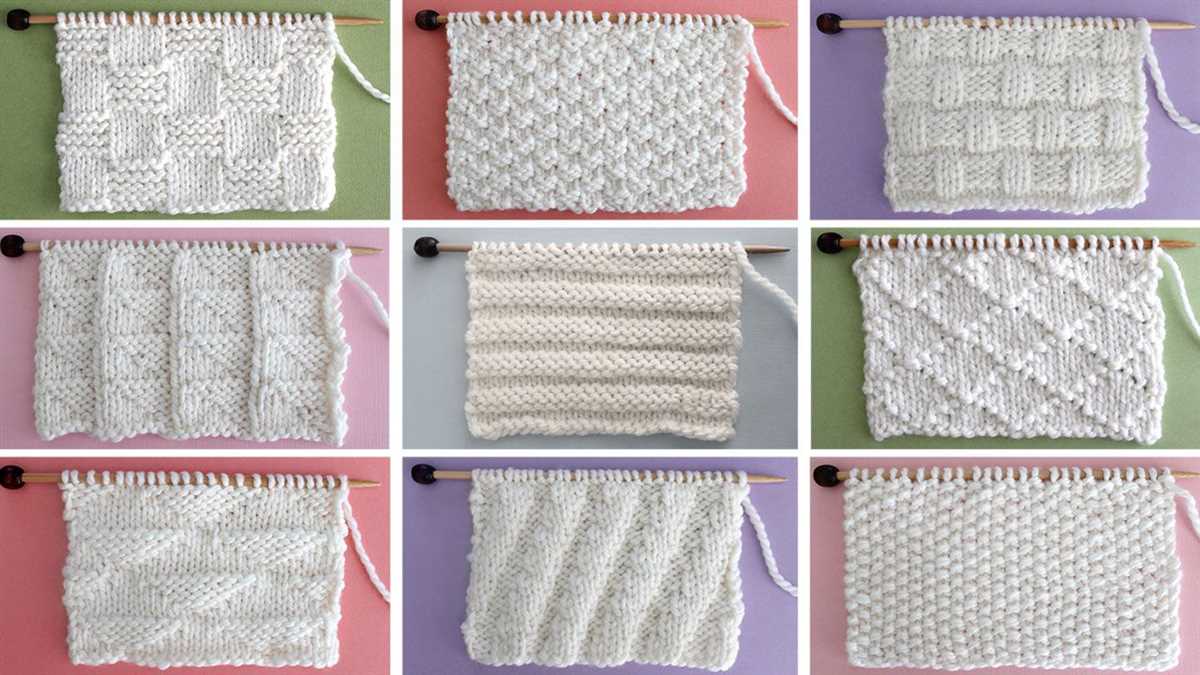
In the digital age, knitting apps have become popular alternatives to written knitting patterns. These apps provide a user-friendly platform where knitters can access a wide variety of patterns, browse through different categories, and save their favorite designs. Knitting apps often offer features such as row counters, stitch pattern libraries, and even customization options. With the convenience of having knitting patterns readily available on their smartphones or tablets, knitters can easily refer to the pattern instructions while working on their projects.
In conclusion, while written knitting patterns are the traditional way to share instructions, there are several alternatives available that can make the knitting process more accessible and enjoyable. Whether it’s using diagrams and charts, video tutorials, or knitting apps, these alternatives cater to different learning styles and preferences, making it easier for knitters to follow along and create beautiful projects.
FAQs About Written Knitting Patterns
Here are some frequently asked questions about written knitting patterns:
1. What is a written knitting pattern?

A written knitting pattern is a set of instructions written out in words, rather than in charts or diagrams, that guide knitters on how to create a specific project. These patterns typically include details about the yarn, needles, and required stitches, as well as step-by-step instructions for creating the item.
2. Why should I use a written knitting pattern?
Using a written knitting pattern can be beneficial for knitters who prefer to follow detailed instructions or those who find charts or diagrams confusing. These patterns provide clear guidance on stitch counts, shaping, and other important details, making it easier to achieve the desired outcome.
3. How do I read a written knitting pattern?
Reading a written knitting pattern involves understanding the abbreviations and symbols used, as well as following the instructions in the correct order. It’s important to read the pattern from beginning to end before starting to ensure you have a clear understanding of the steps involved.
4. Can I make adjustments to a written knitting pattern?

Yes, you can make adjustments to a written knitting pattern to suit your preferences or achieve a different size or fit. However, it’s important to note that making modifications may require a good understanding of knitting techniques and pattern structure. It’s always a good idea to make a swatch and check your gauge before making any adjustments.
5. Where can I find written knitting patterns?
There are many sources for finding written knitting patterns, both online and in print. Websites, knitting magazines, and books are popular places to find a wide variety of written knitting patterns. Additionally, there are online communities where knitters share and exchange patterns.
6. Are written knitting patterns suitable for beginners?
Yes, written knitting patterns can be suitable for beginners, especially if they are accompanied by clear explanations and tutorials. However, it’s important for beginners to choose patterns that are labeled as beginner-friendly and to start with simpler projects before tackling more complex designs.
Summary:
Written knitting patterns provide detailed instructions for creating knitted items and can be a helpful resource for knitters at all skill levels. They offer clear guidance and can be adjusted to suit individual preferences. Whether you’re a beginner or an experienced knitter, written knitting patterns can be a valuable tool in your knitting journey.
Q&A:
What are written knitting patterns?
Written knitting patterns are instructions in written form that provide step-by-step guidance on how to create a knitted item. They include information on the stitches, techniques, and materials needed to complete the project.
Why are written knitting patterns important?
Written knitting patterns are important because they allow knitters to create a specific design or item. They provide detailed instructions that ensure accuracy and consistency in the finished product. Written patterns also allow knitters to easily follow along and reference the instructions as needed.
What information is typically included in a written knitting pattern?
A written knitting pattern typically includes the name of the design, a list of materials needed, gauge information, stitch instructions, abbreviations, and any special techniques required. It may also include a schematic, which is a diagram that shows the measurements and shape of the finished item.
How do you read a written knitting pattern?
To read a written knitting pattern, start by familiarizing yourself with the abbreviations and symbols used. Then, read through the pattern from beginning to end to understand the overall structure and instructions. Pay close attention to any special techniques or stitches mentioned. Follow the pattern row by row, following the instructions for each stitch and row as indicated.