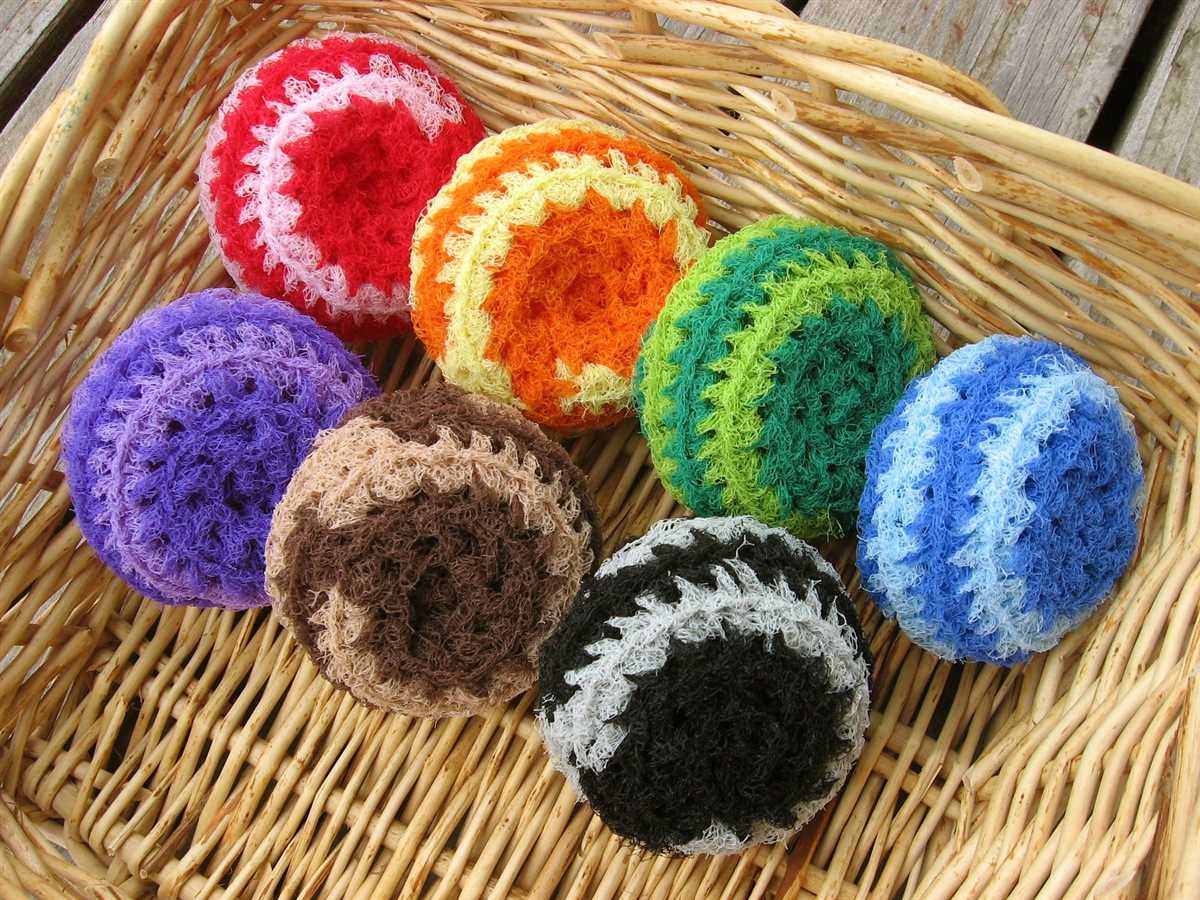
If you’re tired of using disposable cleaning products and are looking for a more eco-friendly and sustainable option, look no further than knitted scrubbies. These little marvels are not only great for tackling tough cleaning jobs in the kitchen and bathroom, but they’re also reusable, making them an excellent alternative to disposable sponges and scrub brushes.
Knitting your own scrubbies is not only practical, but it’s also a fun and rewarding project for knitters of all skill levels. Plus, you can customize them to match your kitchen or bathroom decor, or make them as gifts for friends and family.
In this article, we’ll provide you with a simple knitting pattern for scrubbies that is perfect for beginners. We’ll walk you through the steps and provide helpful tips and tricks along the way. So, grab your knitting needles and let’s get started!
What are scrubbies and why make them at home?
In the world of knitting, scrubbies are small, durable items used for cleaning dishes or other surfaces. They are typically made from cotton or nylon yarn, and their texture helps to remove dirt and grime effectively. Scrubbies are an eco-friendly alternative to disposable sponges or scrub brushes, as they can be reused many times and are easy to wash. Additionally, making scrubbies at home allows you to customize their size, shape, and color to suit your preferences.
Making scrubbies at home can be a fun and rewarding project for several reasons. First, it is a great way to practice and improve your knitting skills. Scrubbies are relatively quick and easy to knit, making them an ideal project for beginners or those looking for a quick and satisfying knitting project. Additionally, knitting scrubbies allows you to use up leftover yarn from other projects, reducing waste and adding a personal touch to your cleaning routine.
Not only are homemade scrubbies practical, but they also make excellent handmade gifts. You can knit a set of scrubbies in various sizes and colors to create a thoughtful and functional present for friends, family, or coworkers. They are a unique and eco-friendly alternative to store-bought cleaning tools, and recipients are sure to appreciate the effort and care put into creating something special just for them.
Overall, scrubbies are versatile and practical items that can be easily made at home through knitting. Whether you are looking to improve your knitting skills, reduce waste, or create personalized gifts, making scrubbies is a worthwhile endeavor. Give it a try and enjoy the satisfaction of using a functional and eco-friendly handmade item in your daily cleaning routine.
Benefits of using homemade scrubbies
When it comes to cleaning, having the right tools can make all the difference. Homemade scrubbies are an excellent addition to any cleaning routine, offering a range of benefits over their store-bought counterparts.
1. Eco-friendly: One of the biggest advantages of using homemade scrubbies is that they are eco-friendly. Made from natural materials such as cotton or jute, they reduce the need for single-use plastic products and help minimize waste. By incorporating homemade scrubbies into your cleaning routine, you can contribute to a greener, more sustainable lifestyle.
2. Cost-effective: Another significant benefit of homemade scrubbies is their cost-effectiveness. With just a few basic materials and a simple knitting pattern, you can create your own scrubbies at a fraction of the cost of store-bought options. This not only saves you money in the long run but also allows you to customize the size, shape, and texture of your scrubbies to suit your specific cleaning needs.
3. Versatile: Homemade scrubbies are incredibly versatile and can be used for various cleaning tasks. Whether you need to scrub tough stains off dishes, clean dirty surfaces, or even exfoliate your skin, a homemade scrubbie can handle it all. With their textured surface, they provide excellent scrubbing power without causing any damage to delicate surfaces.
4. Durable: Unlike many store-bought options, homemade scrubbies are typically more durable and long-lasting. By using high-quality materials and taking proper care of your scrubbies, you can enjoy their benefits for an extended period. This durability not only saves you money but also reduces your environmental impact by minimizing the need for frequent replacements.
In conclusion, homemade scrubbies offer a range of benefits over their store-bought counterparts. They are eco-friendly, cost-effective, versatile, and durable, making them an excellent choice for anyone looking to enhance their cleaning routine. So why settle for ordinary scrubbing tools when you can create your own personalized scrubbies that not only get the job done effectively but also contribute to a more sustainable lifestyle?
Materials needed for knitting scrubbies
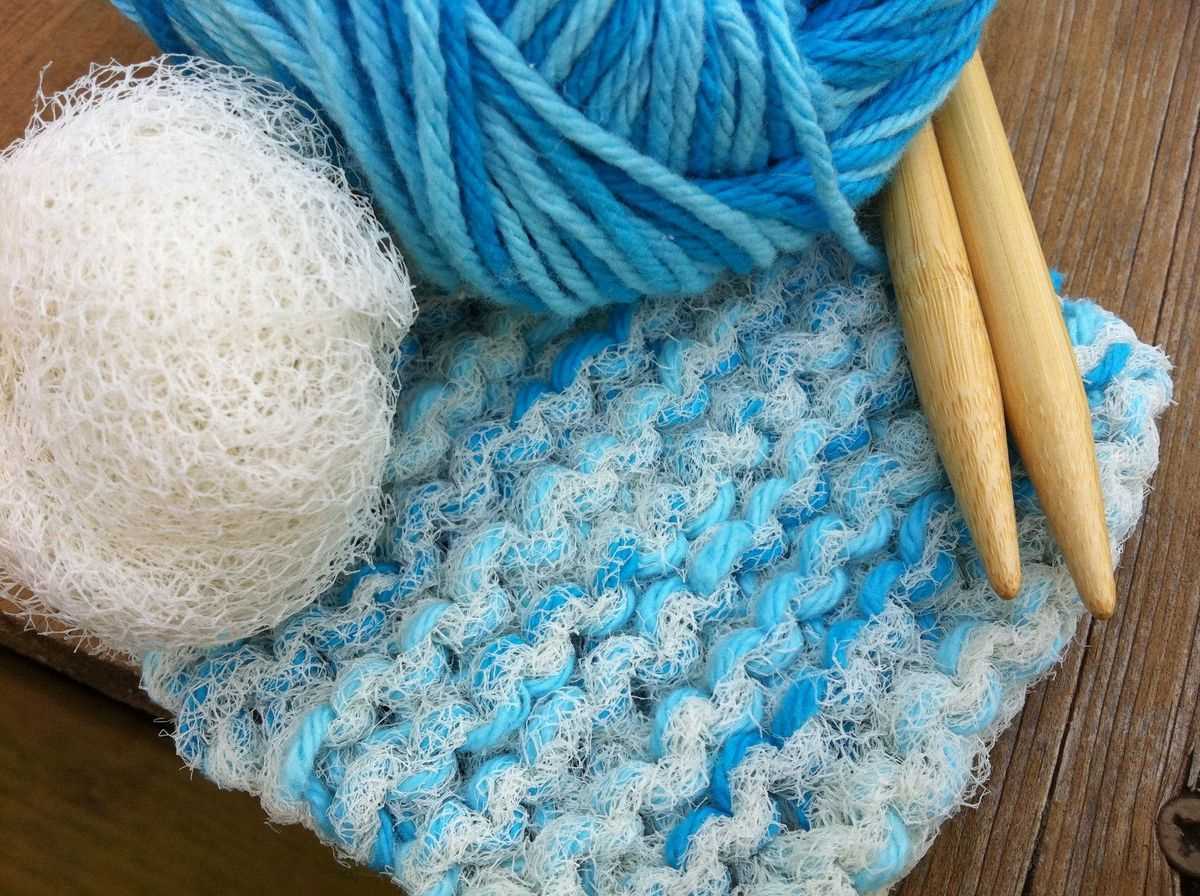
When it comes to knitting scrubbies, you’ll need a few key materials to get started. These materials will ensure that your scrubbies turn out just as you envisioned and are effective in their purpose.
Yarn: To knit scrubbies, it’s recommended to use a sturdy, durable yarn that can withstand frequent use and washing. Ideally, you’ll want a yarn that is made from natural fibers, as these tend to be more absorbent and gentle on surfaces. Cotton is a popular choice for scrubbies, but you can also consider using hemp or bamboo yarn for added sustainability.
Knitting Needles: Depending on the desired size of your scrubbies, you’ll need appropriate knitting needles. Generally, a pair of size 7 or 8 knitting needles will work well for most scrubbie patterns. However, if you prefer larger or smaller scrubbies, you can adjust the needle size accordingly. Circular or double-pointed needles can also be used if you’re comfortable with them.
Scissors: A good pair of sharp scissors is essential for any knitting project, including scrubbies. You’ll need them to cut the yarn and trim any excess as you work.
Tapestry Needle: A tapestry needle, also known as a yarn needle, is an important tool for weaving in loose ends and finishing off your scrubbies. It should have a blunt tip to avoid splitting the yarn and a large eye to accommodate the yarn thickness.
Measuring Tape: While not absolutely necessary, having a measuring tape handy can be useful for ensuring your scrubbies are the desired size. It can also help with gauge swatching if you’re following a specific pattern.
Pattern: Last but not least, you’ll need a knitting pattern for scrubbies. This can be a pre-designed pattern that you find online or in a knitting book, or you can create your own pattern based on your preferences. Having a pattern will guide you through the knitting process and ensure that your scrubbies turn out as intended.
With these materials in hand, you’ll be ready to start knitting scrubbies and enjoy the satisfaction of a homemade, eco-friendly cleaning tool!
Getting started with your knitting project

Before you begin your knitting project, it’s important to gather all the necessary materials. For this pattern, you will need knitting needles (size 8), cotton yarn, and a pair of scissors. Make sure you choose a yarn color that you like and that is suitable for scrubbing dishes or other household uses.
Once you have all your materials ready, it’s time to cast on your stitches. To do this, hold one knitting needle in your right hand and make a slipknot, leaving a 6-inch tail. Insert the needle into the slipknot, yarn over, and pull the loop through. Slide the loop onto the needle, ensuring it’s not too tight or too loose. Repeat this process until you have the required number of stitches for your pattern.
Now that you have your stitches cast on, it’s time to start knitting. Hold the needle with the stitches in your right hand and the empty needle in your left hand. Insert the right needle into the first stitch on the left needle, from left to right. Wrap the yarn around the right needle counterclockwise and pull it through the stitch, slipping the stitch off the left needle. Continue knitting each stitch in this manner until you reach the end of the row.
Once you have finished knitting your project, it’s time to bind off your stitches. Knit the first two stitches as usual, then insert the left needle into the first stitch on the right needle. Lift the first stitch over the second stitch and off the needle. Continue this process until you have one stitch left on the right needle. Cut the yarn, leaving a 6-inch tail, and pull it through the last stitch to secure it.
Your knitting project is now complete! Remember to weave in any loose ends and give your project a gentle blocking, if desired. These scrubbies make great gifts or additions to your own kitchen essentials. Happy knitting!
Step-by-step instructions for knitting scrubbies
Kitchen scrubbies are a useful and eco-friendly addition to any household. They can be easily knitted using a simple pattern. Here is a step-by-step guide to help you create your own knitted scrubbies:
Materials needed:
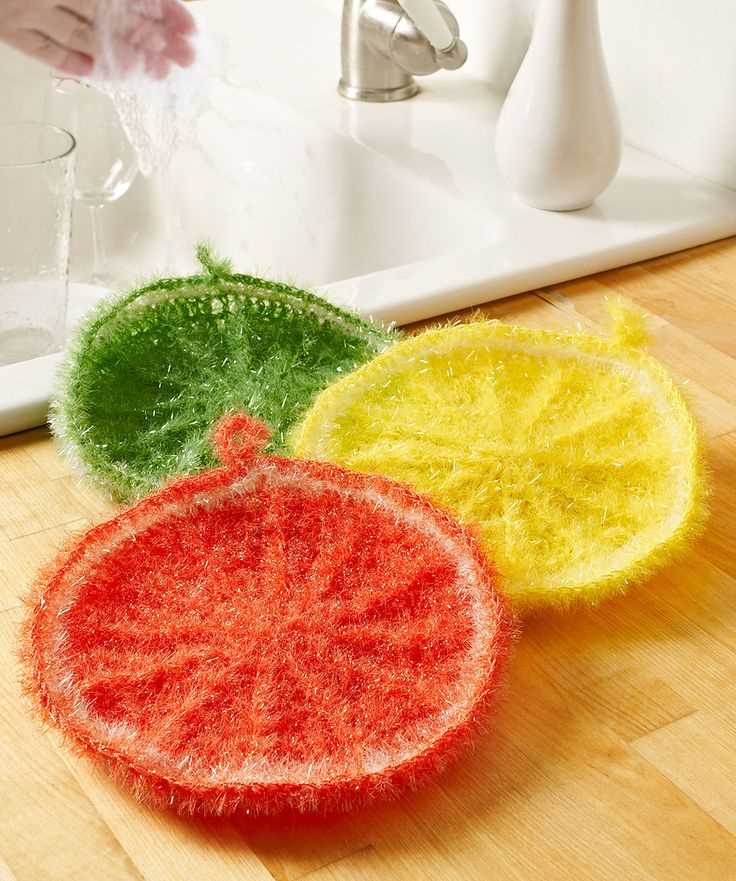
- Size 7 (4.5mm) knitting needles
- Worsted weight cotton yarn
- Scissors
- Tapestry needle
Instructions:
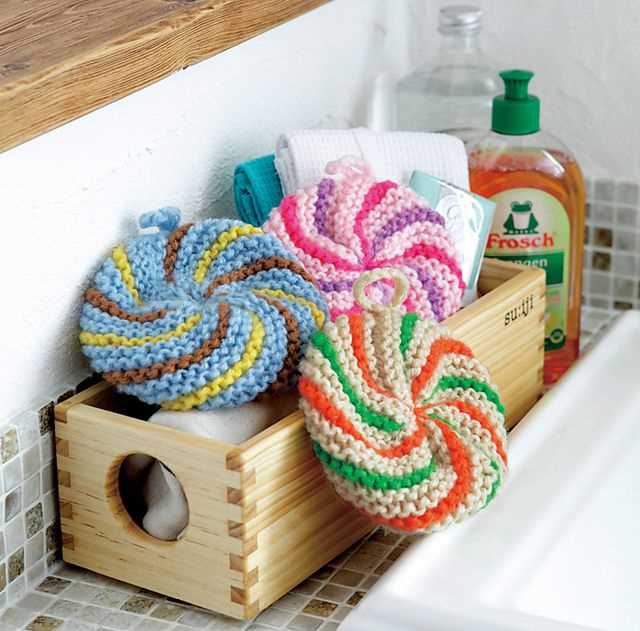
- Cast on 25 stitches onto your knitting needles.
- Knit two rows in garter stitch (knit every stitch on every row) to create a sturdy base for your scrubby.
- Switch to stockinette stitch (knit on the right side, purl on the wrong side) for the main body of the scrubby. Continue in stockinette stitch until your scrubby measures approximately 4 inches in length.
- Next, switch back to garter stitch and knit two rows to create a textured border at the top of the scrubby.
- Bind off all stitches and cut the yarn, leaving a long tail for sewing.
- Fold the scrubby in half lengthwise, with the garter stitch border on the outside.
- Using a tapestry needle, sew the sides of the scrubby together, leaving a small opening for turning it inside out.
- Turn the scrubby inside out and sew up the remaining opening.
- Weave in any loose ends with the tapestry needle.
- Your knitted scrubby is now ready to be used in the kitchen or bathroom!
With these simple step-by-step instructions, you can easily create your own knitted scrubbies. They make great gifts and are a fun and practical project for knitters of all skill levels.
Tips and Tricks for Achieving the Perfect Texture
The texture of your knitted scrubbies can greatly affect their effectiveness in cleaning and exfoliating. Here are a few tips and tricks to help you achieve the perfect texture:
1. Select the Right Yarn:
Choosing the right yarn is essential for achieving the desired texture. Opt for a sturdy, durable yarn that has a bit of texture itself. Cotton yarn, for example, is a popular choice for scrubbies as it provides both abrasion and absorbency.
Key phrase: choosing the right yarn
2. Adjust Your Needle Size:
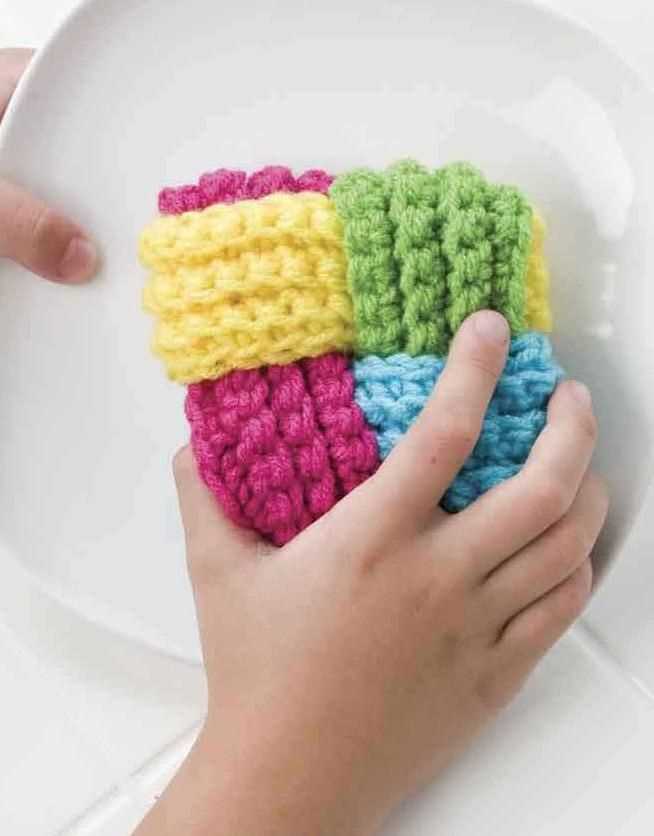
The size of your knitting needles can also impact the texture of your scrubbies. A smaller needle size will result in a tighter, denser fabric, which can provide better scrubbing power. Experiment with different needle sizes to find the texture that works best for you.
Key phrase: adjust needle size
3. Incorporate Different Stitch Patterns:
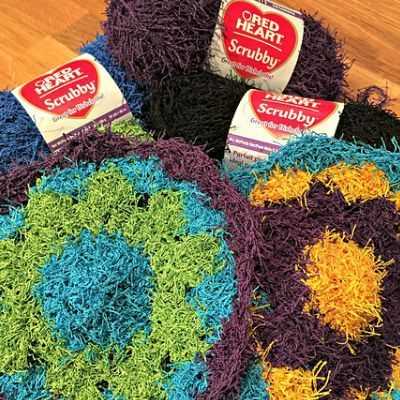
Using different stitch patterns can add texture and interest to your scrubbies. Consider incorporating seed stitch, ribbing, or even simple cables to enhance the scrubbing capabilities. Remember to choose stitch patterns that will hold up well in the wash.
Key phrase: incorporate different stitch patterns
4. Create a Double-Sided Scrubby:
If you want maximum scrubbing power, consider knitting a double-sided scrubby. This can be achieved by knitting two individual pieces and then seaming them together. The double layer will provide extra texture and durability.
Key phrase: create a double-sided scrubby
5. Experiment with Looseness:
Don’t be afraid to play around with the tension of your knitting. Looser stitches can create a softer, more pliable texture, while tighter stitches can create a stiffer, more abrasive texture. Depending on your preference, you can adjust your tension to achieve the desired texture.
Key phrase: experiment with looseness
By following these tips and tricks, you’ll be able to create scrubbies with the perfect texture for all your cleaning and exfoliating needs.
How to customize your scrubbies for different uses
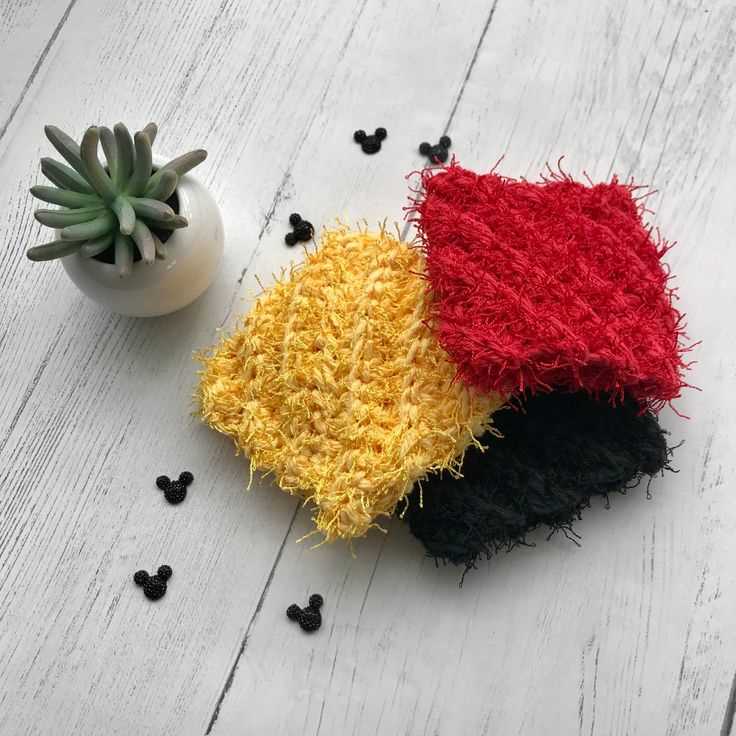
When it comes to knitting scrubbies, there are endless possibilities to customize them for different uses. Whether you want a soft and gentle scrub or a more abrasive texture, you can adjust your knitting pattern and materials to achieve the desired effect.
Choosing the right yarn: The type of yarn you use will greatly impact the texture and scrubbing power of your scrubbie. For a softer and more gentle scrub, opt for a cotton or bamboo yarn. These materials are great for facial scrubbies or delicate dishes. If you’re looking for a more abrasive texture, consider using a scrubby yarn or a rougher cotton blend. These are ideal for tougher cleaning tasks, such as scrubbing pots and pans.
Altering the stitch pattern:

- Garter stitch: This stitch pattern creates a dense and textured fabric, making it perfect for a more abrasive scrub. Knitting your scrubbie in garter stitch will provide a great scrubbing power for tough stains.
- Seed stitch: The alternating pattern of knit and purl stitches in seed stitch creates a slightly textured and gentle scrub. It’s a great choice for a facial or body scrubbie.
- Ribbing: Ribbing stitch, such as 1×1 rib or 2×2 rib, creates a stretchy and textured fabric. This type of stitch pattern is great for scrubbing surfaces that require flexibility, such as curved dishes.
Adding texture with embellishments: If you want to add even more texture and scrubbing power to your scrubbie, consider incorporating embellishments into your knitting pattern. You can add bobbles, popcorn stitches, or raised cables to create a more abrasive surface. Just make sure to choose embellishments that won’t easily catch on delicate items or surfaces.
Size and shape: Lastly, consider the size and shape of your scrubbie for different uses. A smaller and compact scrubbie would be perfect for facial or body scrubbing, while a larger one with handles or loops could be used for scrubbing dishes or countertops. You can also create different shapes such as squares, circles, or even animal shapes to make your scrubbie more fun and appealing.
With these customization options, you can create a variety of scrubbies tailored to different uses and preferences. Whether you’re knitting for yourself or as a gift, experimenting with different materials and stitch patterns will allow you to achieve the perfect scrubbie for any cleaning task.
Adding a decorative touch to your scrubbies
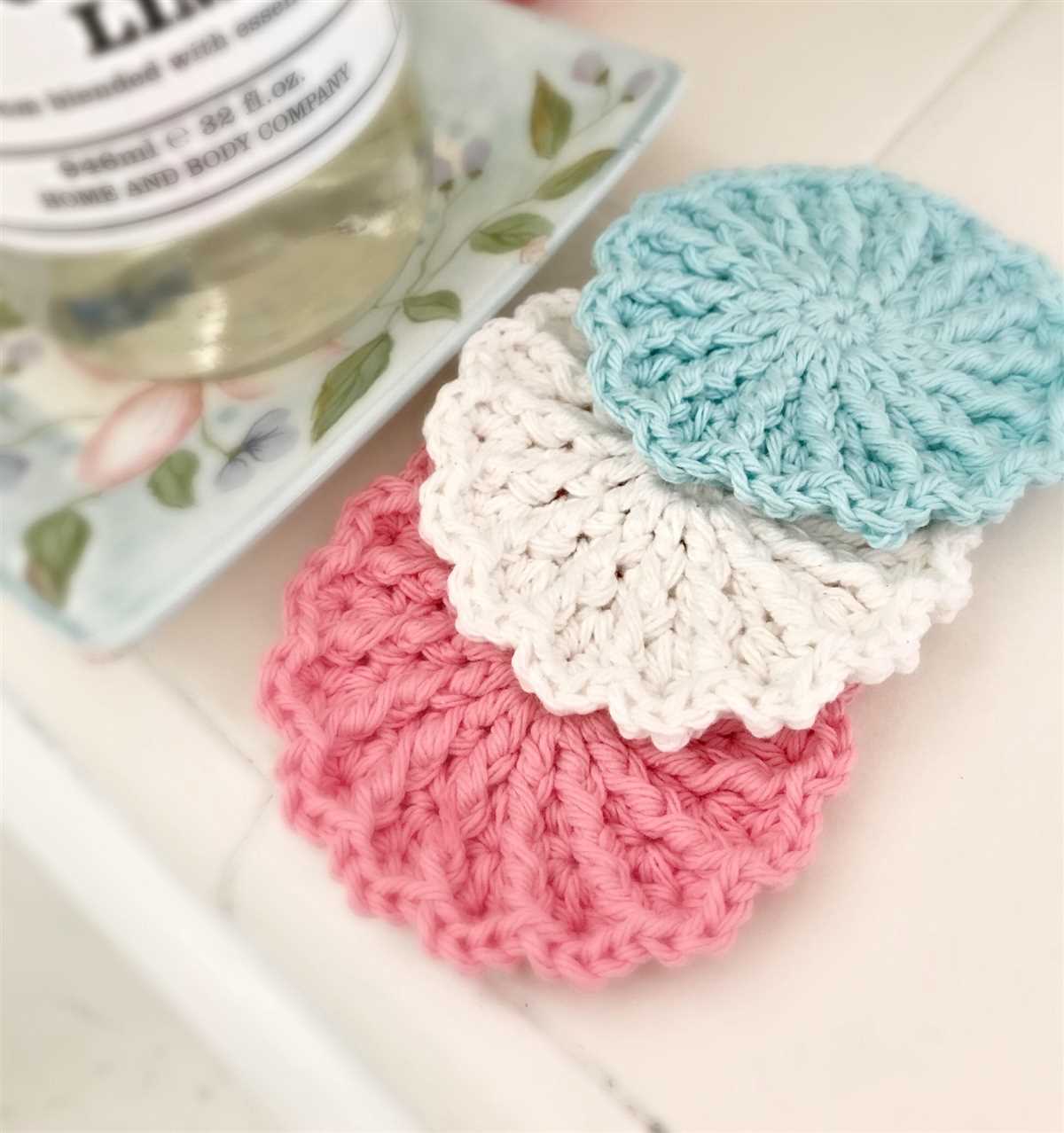
Looking to jazz up your knitted scrubbies with a decorative touch? There are plenty of fun and creative ways to add some flair to your scrubby projects. Whether you prefer a simple embellishment or a more intricate design, here are some ideas to get you started.
1. Embroidery: One of the simplest ways to add a decorative touch to your scrubbies is through embroidery. Use colorful thread to stitch a design directly onto the scrubby surface. You could create floral motifs, geometric patterns, or even personalize them with initials or names. Embroidery not only adds a visual element but also provides some extra texture for scrubbing.
- Tip: Prior to embroidering, consider using a stabilizer or backing fabric to ensure the stitches are secure and the scrubby maintains its shape.
2. Appliqué: Another technique to embellish your scrubbies is to add appliqué. This involves sewing or attaching fabric shapes onto the scrubby surface. You could cut out small flowers, hearts, or other designs from fabric scraps and secure them using stitches or a fabric adhesive. Appliqué adds a playful and whimsical touch to your scrubbies.
- Tip: If you plan to use your scrubbies for cleaning, make sure the appliqué pieces are securely attached to prevent them from coming off during use.
3. Beading: For a touch of elegance, consider adding beads to your scrubbies. You can either sew them onto the surface or string them onto the yarn as you knit. Beads in contrasting colors or metallic finishes can create stunning visual effects. Just make sure to use beads that are durable and won’t easily come off during use.
4. Pom-poms: Pom-poms are a fun and fluffy addition to any scrubbies. You can attach them to the corners, edges, or even create a cluster in the center. Pom-poms add a playful and tactile element to the scrubbies, making them more interesting and enjoyable to use.
- Tip: When attaching pom-poms, make sure they are securely fastened to prevent them from detaching during use or in the washing machine.
With these ideas in mind, you can take your knitted scrubbies to the next level by adding a decorative touch that reflects your personal style and creativity. Experiment with different techniques, materials, and color combinations to create unique and eye-catching scrubbies that are both functional and beautiful.
Caring for Your Knitted Scrubbies
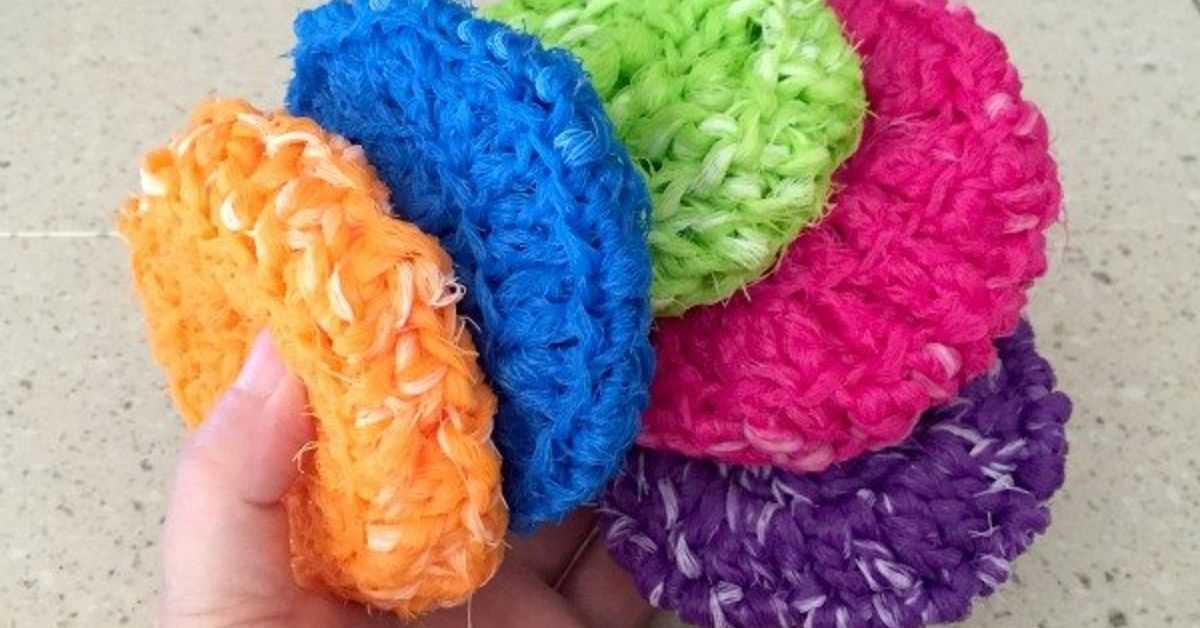
Knitted scrubbies are a wonderful addition to your cleaning routine, providing a gentle yet effective way to scrub away dirt and grime. To ensure that your scrubbies last for a long time and remain in good condition, it’s important to care for them properly. Here are some tips on how to care for your knitted scrubbies:
1. Washing
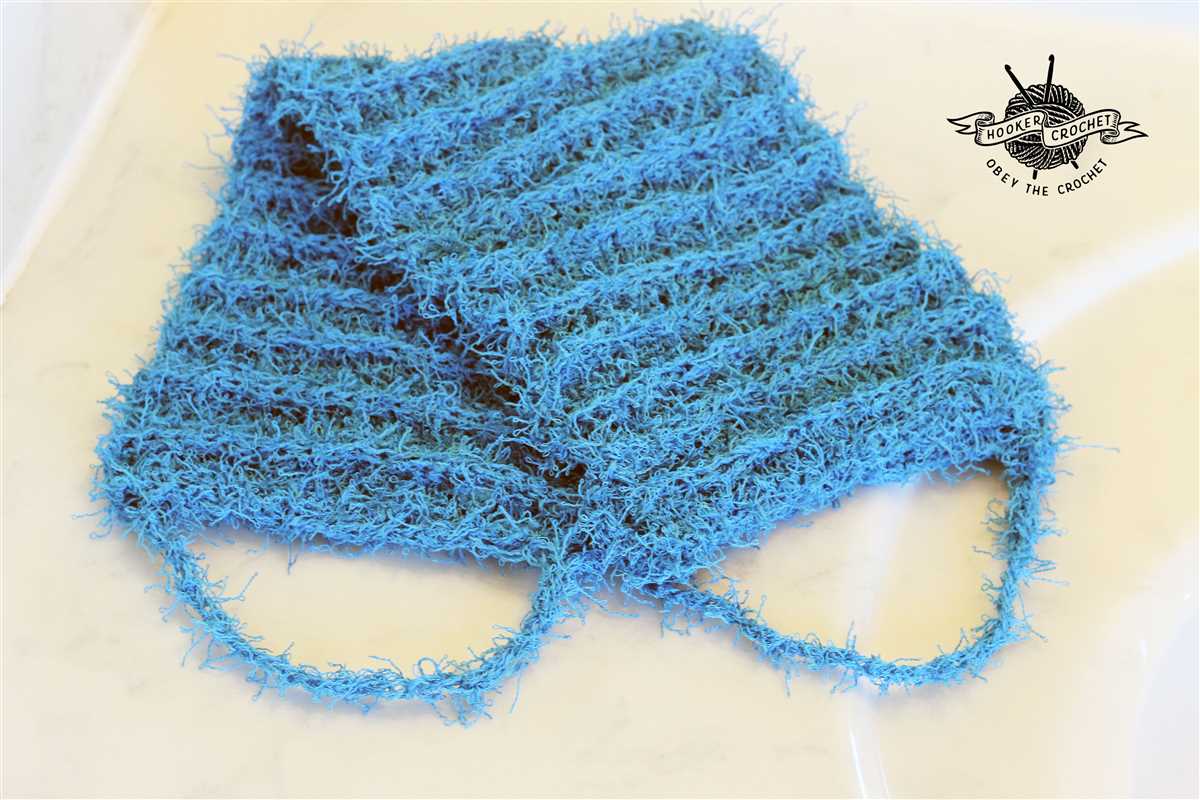
When your scrubbies become dirty, it’s important to wash them to remove any debris that may have accumulated. You can wash them by hand or in the washing machine, depending on your preference. If you choose to wash them in the machine, it’s recommended to place them in a mesh laundry bag to prevent them from getting tangled or stretched out.
Note: It’s best to use a mild detergent and cool water when washing your scrubbies. Avoid using bleach or fabric softener, as these may damage the fibers and reduce the scrubbing effectiveness.
2. Drying
After washing your scrubbies, it’s important to properly dry them to prevent any potential mildew or odor. You can air dry them by laying them flat on a towel or drying rack. Alternatively, you can also place them in the dryer on a low heat setting. Avoid hanging them to dry, as this may cause them to stretch out of shape.
Note: If your scrubbies have any metallic elements, such as buttons or beads, it’s recommended to remove them before washing and drying to prevent any potential damage.
3. Storage
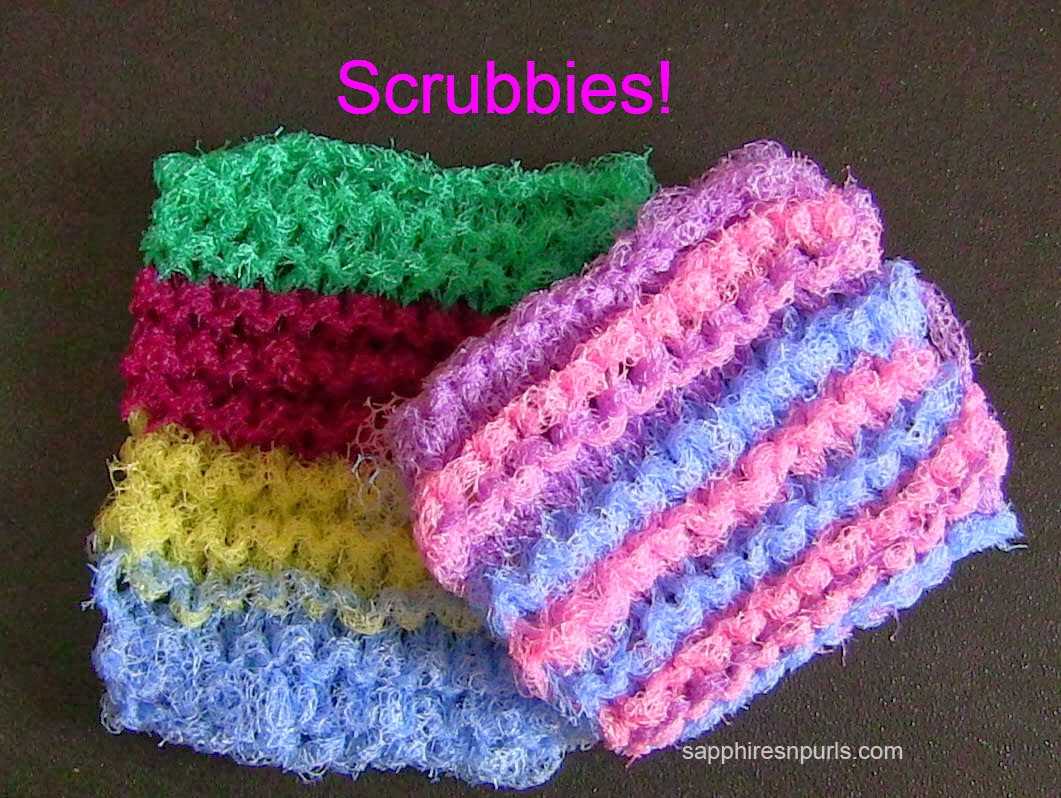
When your scrubbies are completely dry, it’s important to store them properly to keep them in good condition. You can keep them in a clean and dry container or bag, away from any moisture or excessive heat. This will help to prevent any potential damage or deterioration.
Note: If your scrubbies have any delicate or intricate patterns, it’s recommended to store them flat to maintain their shape and prevent them from getting wrinkled.
By following these simple care instructions, you can ensure that your knitted scrubbies will stay clean, fresh, and effective for all your cleaning needs. Enjoy their gentle yet powerful scrubbing action while knowing that you are taking care of them properly!
Alternative knitting methods for scrubbies
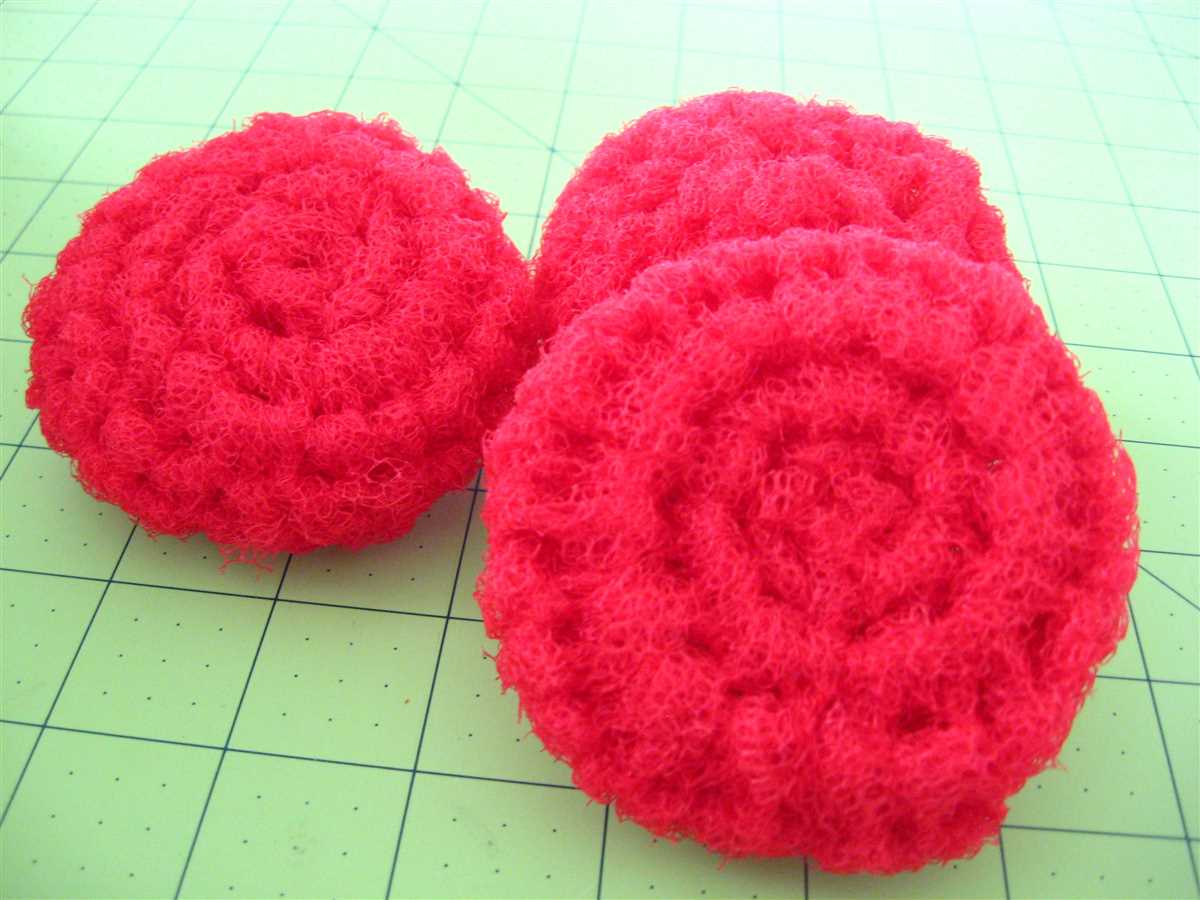
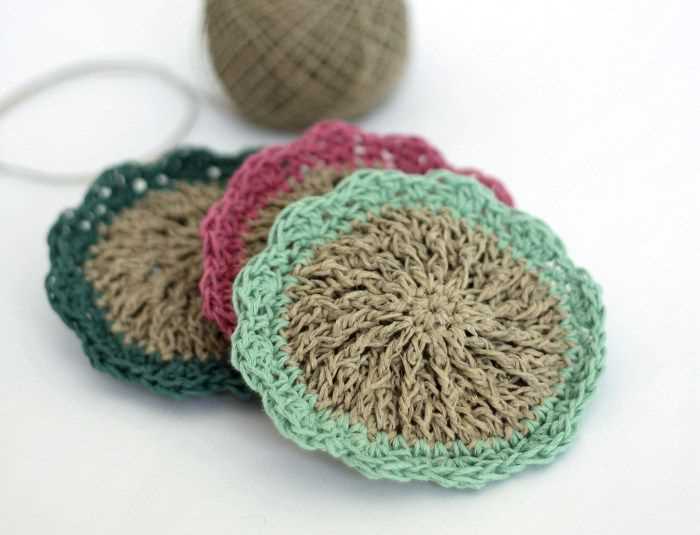
When it comes to knitting scrubbies, there are several alternative methods and techniques that you can use to create unique and functional cleaning tools. These methods offer different textures, patterns, and effects, allowing you to experiment and find the perfect scrubby for your needs.
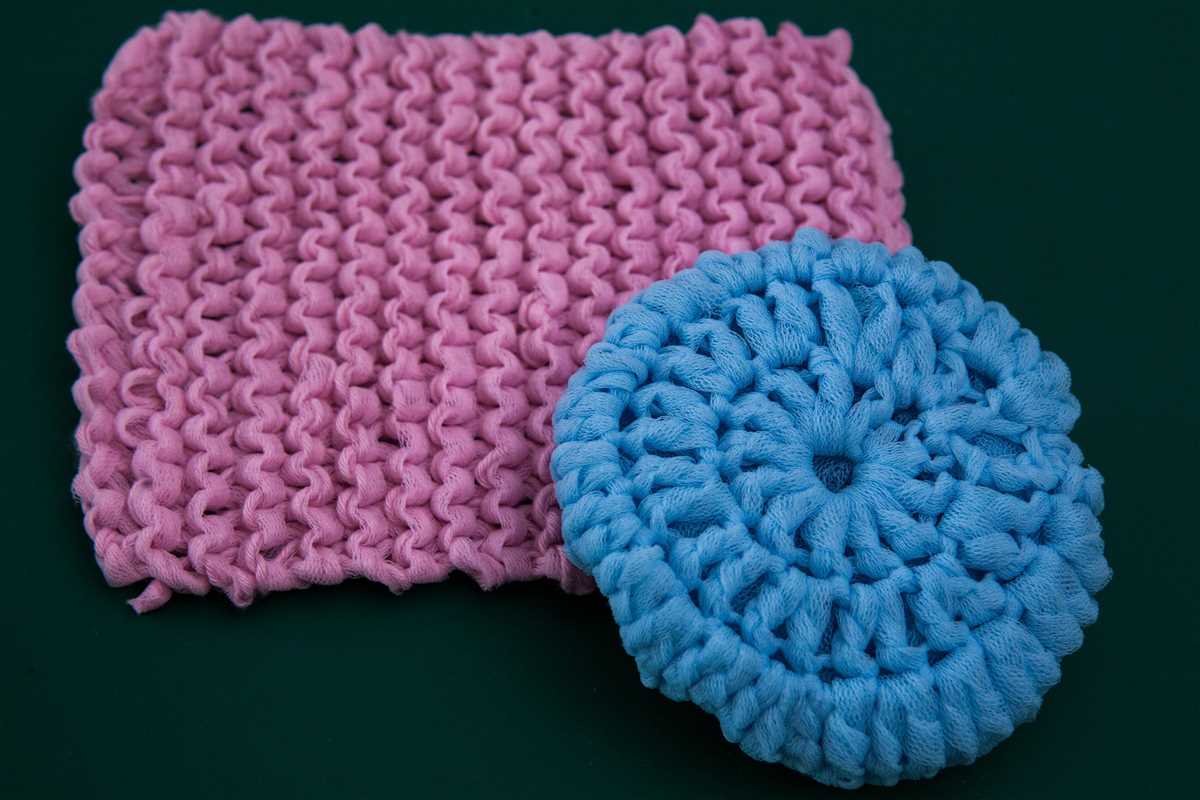
1. Garter stitch scrubby
Garter stitch is a simple and classic knitting pattern that produces a fabric with ridges on both sides. To create a garter stitch scrubby, you can knit every row or purl every row, depending on the desired texture. This method creates a scrubby with a bumpy texture, perfect for removing tough stains and grime.
2. Seed stitch scrubby
The seed stitch is another textured pattern that can be used to make scrubbies. This pattern involves alternating knit and purl stitches within the same row. By changing the stitch pattern, you can create different effects, such as a checkered or pebbled texture. The seed stitch scrubby is great for gentle exfoliation and can be used for washing dishes or even as a facial scrubby.
3. Lace scrubby
If you want to add some delicate and fancy details to your scrubbies, you can try knitting a lace scrubby. Lace patterns typically involve yarn overs and decreases, creating intricate and openwork designs. Lace scrubbies are not only functional but also visually appealing, making them a great addition to any kitchen or bathroom.
4. Cable scrubby
Cable knitting is a technique that involves crossing stitches over each other to create twisted designs. By incorporating cables into your scrubby pattern, you can add both texture and visual interest. Cable scrubbies are sturdy and can be used for heavy-duty cleaning tasks.
These alternative knitting methods for scrubbies offer endless possibilities for creating unique and personalized cleaning tools. Whether you prefer a textured scrubby for tough stains or a delicate lace design for a touch of elegance, there is a knitting technique out there to suit your needs and style.
Ideas for using leftover yarn to make scrubbies
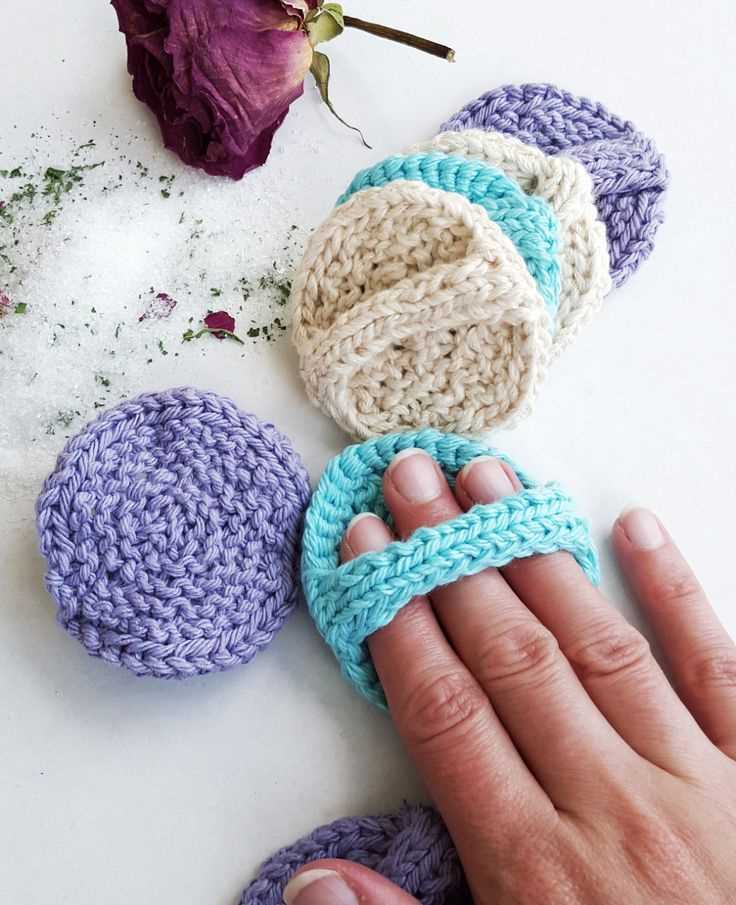
When you have leftover yarn from other knitting projects, it can be tempting to just stash it away or throw it out. However, there are many creative ways to use that extra yarn, and one idea is to make scrubbies.
1. Colorful scrubbies: Combine different colors of leftover yarn to create vibrant and eye-catching scrubbies. This not only makes the scrubbing experience more enjoyable but also adds a decorative touch to your kitchen or bathroom.
2. Scrubby sets: Mix and match different types of yarn to create sets of scrubbies. For example, combine cotton and acrylic yarn to make a softer side for gentle cleaning and a rougher side for tougher scrubbing tasks.
3. Pattern experimentation: Use your leftover yarn to try out new scrubbie patterns. There are countless designs available online, allowing you to experiment with different textures, shapes, and stitch patterns. Don’t be afraid to get creative and discover new favorites.
4. Gift ideas: Turn your leftover yarn into thoughtful gifts by making sets of scrubbies for family and friends. Package them in a cute box or add them as part of a gift basket for a personal and handmade touch.
5. Donations: If you have a large quantity of leftover yarn, consider donating it to organizations or charities that accept handmade goods. Scrubbies made from leftover yarn can be useful for shelters, schools, or community centers, helping to reduce waste and provide practical items.
Overall, using leftover yarn to make scrubbies is a great way to be resourceful and creative. Don’t let that extra yarn go to waste – turn it into useful and beautiful scrubbies that can brighten up your own home or benefit others in need.
Sharing your homemade scrubbies with friends and family
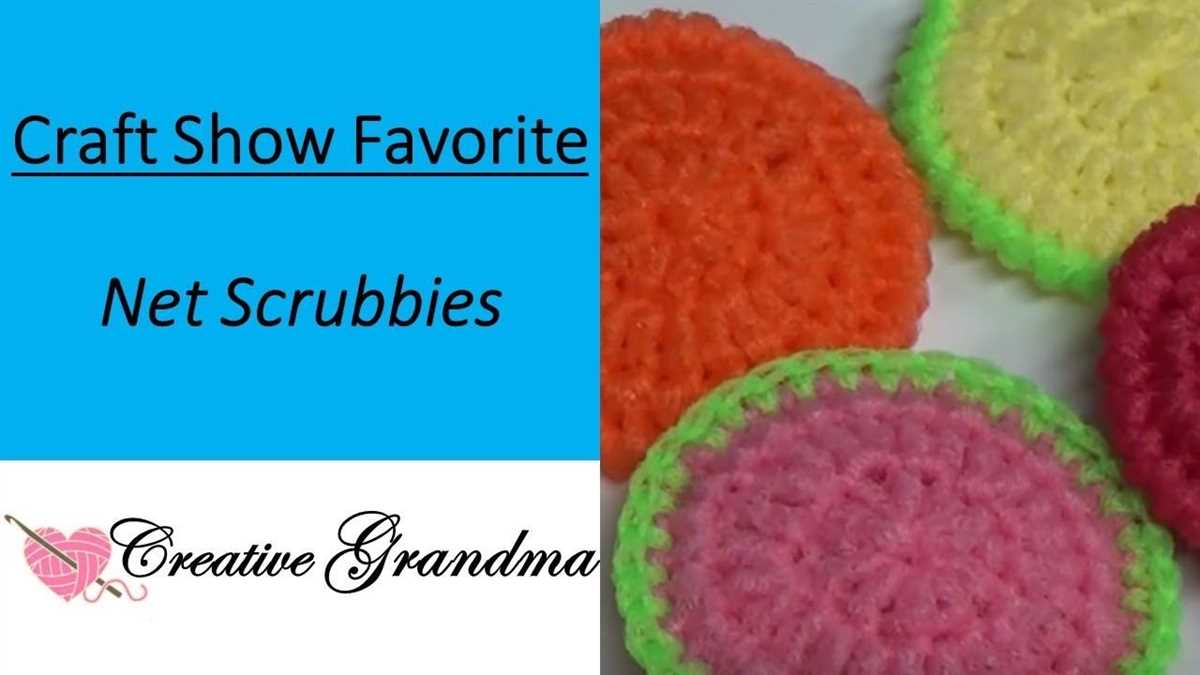
After creating your beautiful scrubbies, you may be wondering what to do with them. One great idea is to share them with your friends and family. Not only will you be spreading joy and love, but you’ll also be able to showcase your creativity and talent!
Here are some ways you can share your homemade scrubbies:
- Gift them for special occasions: Whether it’s a birthday, anniversary, or holiday, homemade scrubbies make for a thoughtful and unique gift. Bundle them up with a pretty ribbon and a handwritten note to make it extra special.
- Host a scrubbies exchange party: Invite your friends and family over for a scrubbies exchange party. Everyone can bring their own homemade scrubbies and trade with each other. It’s a fun way to not only share your creations but also learn from others.
- Donate to charity: There are many organizations and charities that would greatly appreciate receiving homemade scrubbies. You can reach out to local shelters, hospitals, or community centers to see if they would be interested in accepting your donations.
- Sell them at craft fairs or online: If you have a knack for entrepreneurship, you can consider selling your homemade scrubbies. Craft fairs, farmers markets, and online platforms such as Etsy are great places to showcase and sell your creations.
Conclusion:
Sharing your homemade scrubbies with friends and family is a wonderful way to spread joy and showcase your creativity. Whether you choose to gift them, host a scrubbies exchange party, donate to charity, or sell them, your handmade scrubbies will bring smiles to people’s faces, all while making the world a little bit brighter.