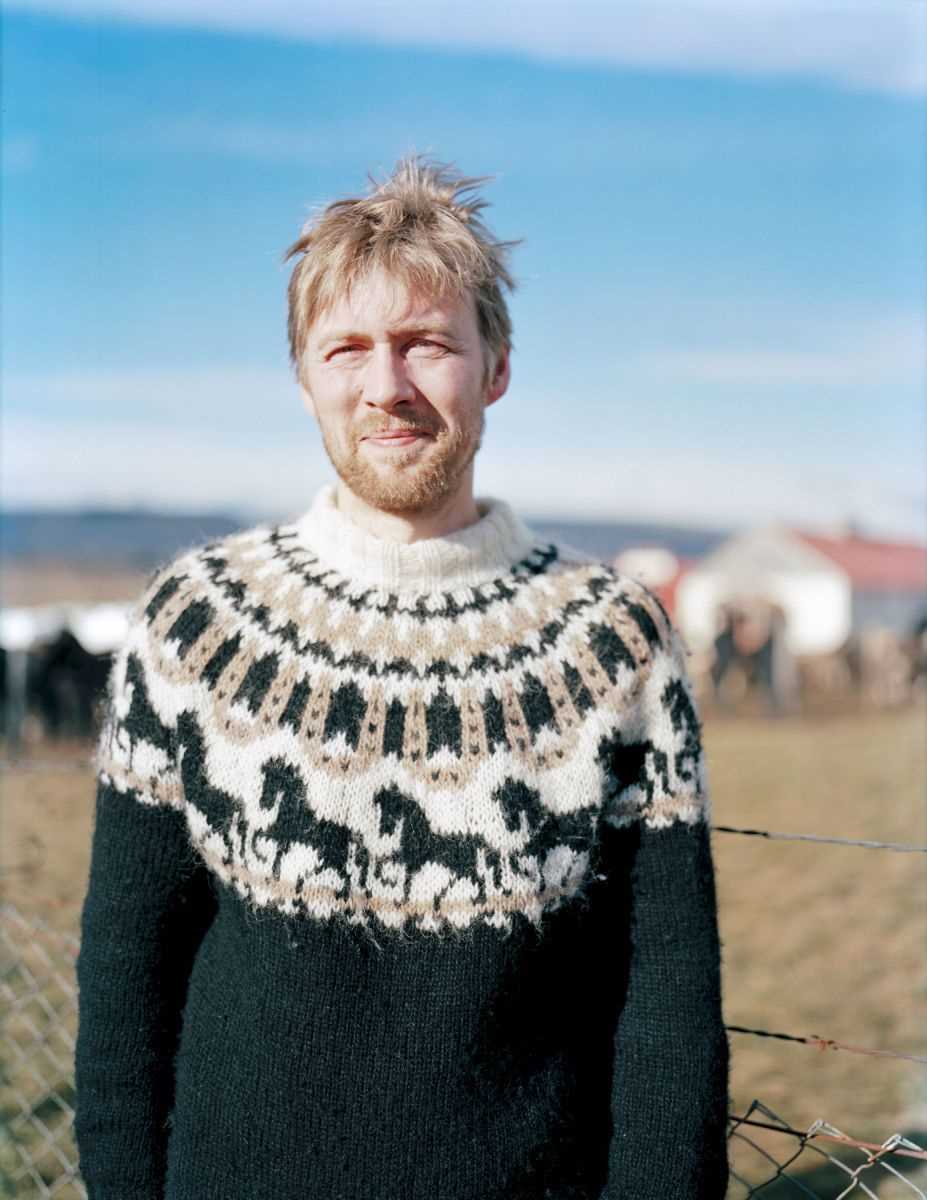
Icelandic knitting patterns have a rich history and are known for their intricate designs and unique motifs. These patterns have been passed down through generations of Icelandic knitters and are a significant part of the country’s cultural heritage.
One of the most distinct features of Icelandic knitting patterns is the use of traditional Icelandic wool, which comes from local Icelandic sheep. This wool is known for its warmth and durability, making it perfect for the harsh Icelandic weather. The wool is also unique in its composition, as it contains two types of fibers: one that provides insulation and another that makes the wool water-repellent.
Traditionally, Icelandic knitting patterns were used to create clothing that was not only practical but also featured intricate designs that told stories and held symbolic meaning. These patterns often incorporated elements from nature, such as flowers, animals, and landscapes, as well as cultural symbols and motifs. Each pattern was carefully crafted and held significance for the individual who created it.
Over the years, Icelandic knitting patterns have gained international recognition and have become popular among knitters around the world. Today, these patterns can be found in a variety of forms, including sweaters, hats, mittens, and scarves. Knitters often combine traditional Icelandic patterns with their own unique twists, creating modern interpretations that pay homage to the rich tradition of Icelandic knitting.
Icelandic Knitting Patterns: Discover the Unique Traditions
When it comes to knitting, Icelandic patterns stand out for their unique and intricate designs. The rich history and culture of Iceland have greatly influenced the knitting traditions of the country, resulting in patterns that are both beautiful and meaningful. Whether you are an experienced knitter or a beginner looking to try something new, Icelandic knitting patterns are sure to captivate your interest.
One of the most distinctive features of Icelandic knitting patterns is the use of traditional motifs, such as the “lopapeysa” or the Icelandic sweater. These sweaters are adorned with geometric patterns, often inspired by nature and the landscapes of Iceland. The designs typically include symbols like snowflakes, leaves, and flowers, which not only add aesthetic appeal but also carry symbolic meanings in Icelandic culture.
The Icelandic knitting technique
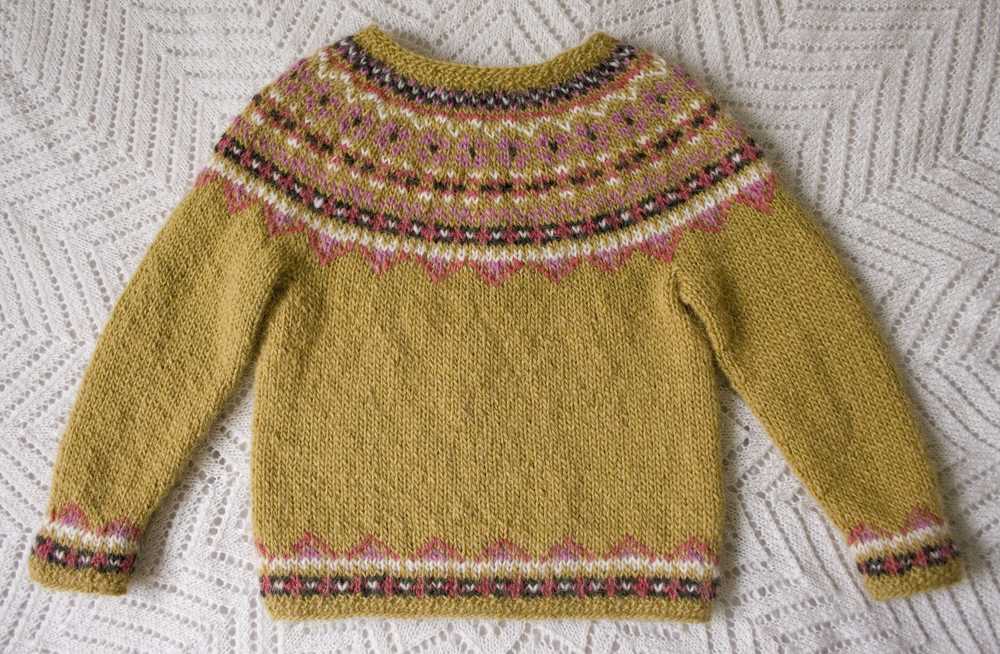
Another fascinating aspect of Icelandic knitting patterns is the unique technique used to create them. Icelandic knitters utilize a double-pointed needle technique called “stranded knitting” or “Fair Isle knitting.” This technique involves working with multiple colors at the same time, creating intricate patterns and ensuring warm and durable garments. The tension and thickness of the yarn used in Icelandic knitting contribute to the distinctive appearance and coziness of the finished pieces.
The beauty of Icelandic knitting patterns lies not only in their aesthetic appeal but also in the stories and traditions they carry. Each pattern has its own history and significance, often reflecting the unique characteristics of the region it originated from. By exploring these patterns and learning about their cultural context, you can not only create stunning knitted items but also connect with the rich heritage of Iceland.
Preserving the Icelandic knitting traditions
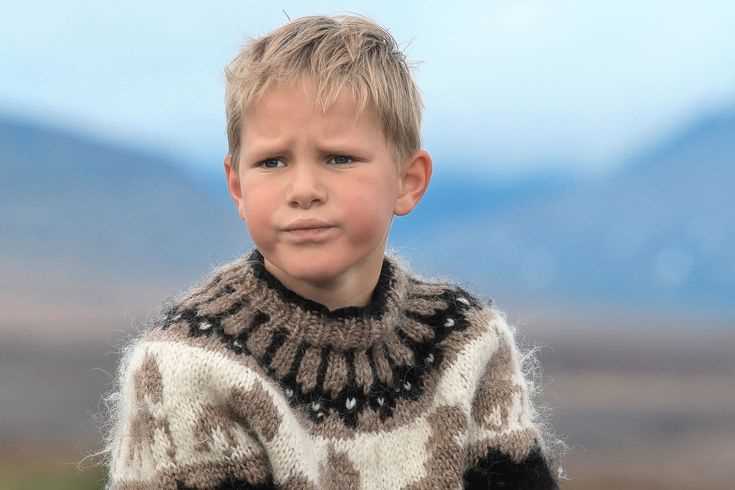
In recent years, there has been a renewed interest in Icelandic knitting patterns, both within Iceland and around the world. With an increasing number of people seeking to reconnect with traditional crafts and sustainable practices, Icelandic knitting offers a perfect blend of creativity, tradition, and functionality. Knitting enthusiasts can find a plethora of resources, including books, blogs, and workshops, to learn about and practice Icelandic knitting techniques and patterns.
Whether you are drawn to the intricate designs, the rich cultural heritage, or the cozy warmth of Icelandic knitted items, exploring Icelandic knitting patterns is a journey that will surely leave you inspired and amazed. Discover the unique traditions of Icelandic knitting and embrace the joy of creating your own timeless and meaningful pieces.
The History of Icelandic Knitting
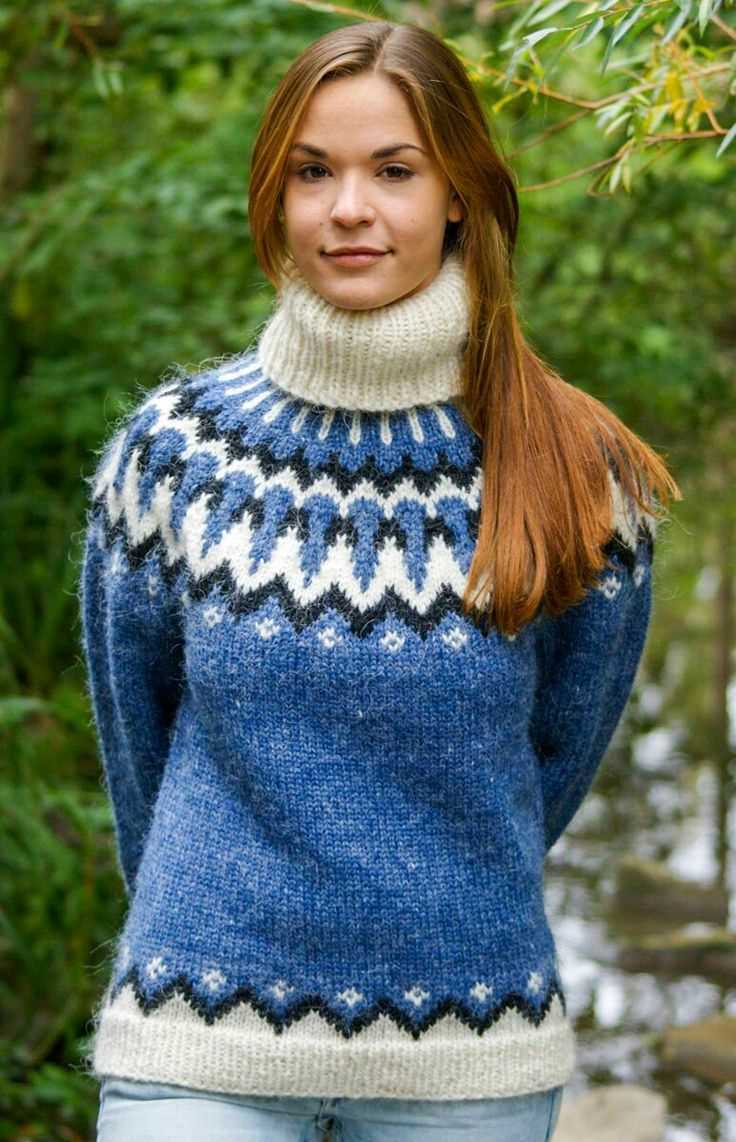
Knitting has been a traditional craft in Iceland for centuries, with a rich history that is deeply intertwined with the country’s culture and identity. The origins of Icelandic knitting can be traced back to the arrival of knitting techniques with the Norse settlers who came to Iceland in the 9th century.
Through the centuries, knitting in Iceland evolved to become a vital part of everyday life, particularly for women. Women in rural communities would knit woolen garments for their families and for trade, using patterns and techniques that had been passed down from generation to generation. Knitting became a way to provide warmth and protection against the harsh Icelandic climate.
One distinguishing feature of Icelandic knitting is the use of the “Lopapeysa” or “Lopi sweater”. This traditional Icelandic sweater is typically made from unspun Icelandic wool, known as “Lopi”, which is extremely warm and water repellent. The Lopapeysa is characterized by its distinctive yoke design, featuring intricate colorwork patterns and motifs inspired by nature, such as flowers, animals, and geometric shapes.
Despite the decline of traditional knitting in many parts of the world, Icelandic knitting has experienced a resurgence in popularity in recent years. The unique designs and high quality craftsmanship of Icelandic knits have gained international recognition, with many people seeking out authentic Icelandic garments. Today, Icelandic knitting patterns continue to be cherished and preserved, serving as a link to the country’s rich cultural heritage and as a source of inspiration for contemporary knitwear designers.
Traditional Icelandic Knitting Techniques
In Iceland, knitting has a long and rich history, with traditional techniques that have been passed down through generations. These techniques are unique to the country and reflect the harsh climate and rugged landscapes of the island. Icelandic knitting is known for its intricate patterns, warm and durable garments, and the use of local wool.
Lopapeysa: One of the most iconic traditional Icelandic knitting techniques is the lopapeysa, a traditional Icelandic sweater. The lopapeysa is known for its circular yoke, which features intricate patterns and motifs. It is typically knit in the round from the bottom up, with a seamless construction. The yoke is often the focal point of the sweater and can feature various colorwork patterns, such as geometric designs or nature-inspired motifs.
Steeking: Another important technique in Icelandic knitting is steeking. Steeking involves cutting into the knitted fabric to create openings for sleeves, necklines, or other openings. This technique is commonly used in Icelandic sweaters to create the circular yoke. Steeking allows for a more efficient knitting process, as the entire yoke can be knit in the round without the need for shaping or increasing stitches.
- Patterned Mittens: Icelandic knitting also features intricate patterns on mittens, which are traditionally knit using multiple colors and various stranded knitting techniques. The patterns often depict natural elements, such as flowers, leaves, or animals.
- Hiking Socks: Another popular item in Icelandic knitting is the hiking sock, which is known for its warmth and durability. These socks are typically knit using a combination of stranded colorwork and textured stitches to create a thick and rugged fabric that can withstand the harsh Icelandic weather.
- Colorwork Shawls: Colorwork shawls are another traditional Icelandic knitting technique. These shawls often feature geometric patterns and are knit using multiple colors and stranded knitting techniques. They are popular accessories and can be worn for both warmth and style.
Icelandic knitting techniques have become increasingly popular worldwide, with knitters from all over the world embracing the intricate patterns, warm wool, and unique construction methods. The traditional techniques continue to inspire contemporary knitters and designers, ensuring that Icelandic knitting remains a cherished part of the country’s cultural heritage.
Icelandic Wool: The Key Ingredient
Icelandic knitting patterns are renowned for their intricate designs and cozy warmth. But what sets Icelandic wool apart from other types of wool? The key ingredient lies in the unique qualities of the wool itself.
Icelandic sheep have been bred for centuries to withstand the harsh Arctic climate, resulting in a wool that is both soft and durable. The wool’s fibers are shorter and coarser than those of other sheep breeds, but this is precisely what gives Icelandic wool its distinctive warmth and insulation.
Icelandic wool is also known for its natural water resistance, thanks to the unique outer layer of the wool fibers. This makes it ideal for outerwear and accessories such as hats, mittens, and sweaters, as it can repel moisture and keep the wearer dry and warm even in wet weather conditions.
In addition to its practical qualities, Icelandic wool is also highly regarded for its natural colors and natural variations. The sheep’s genetic diversity results in a vast array of natural hues, ranging from creamy whites to rich browns and grays. This allows knitters to create beautiful patterns and colorwork using the wool itself as the palette.
Whether you’re a seasoned knitter or a beginner, working with Icelandic wool is a delight. Its unique properties and stunning colors make it a popular choice for those seeking to create exceptional and enduring knitted pieces.
Popular Icelandic Sweater Patterns
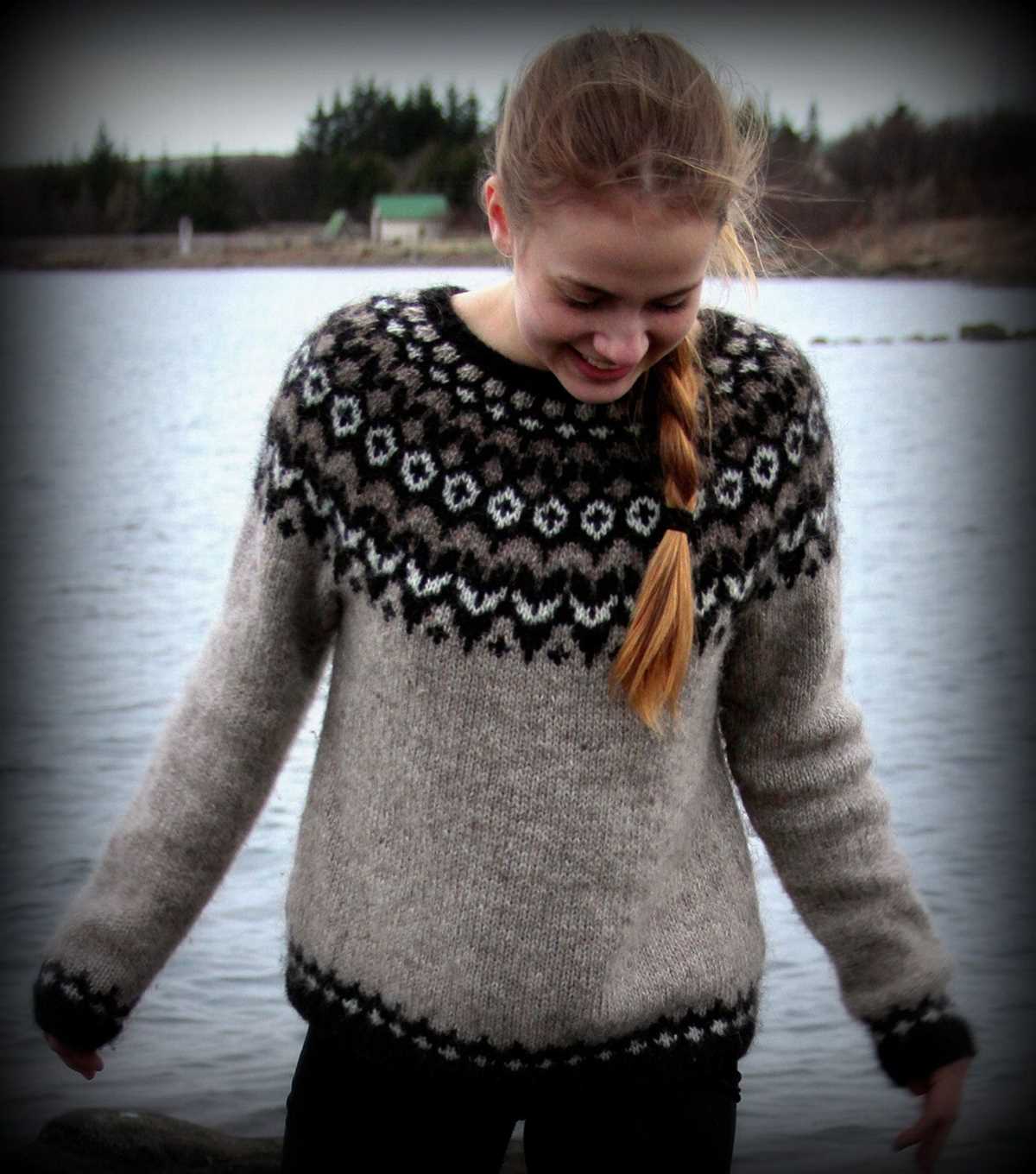
1. Diamond Pattern
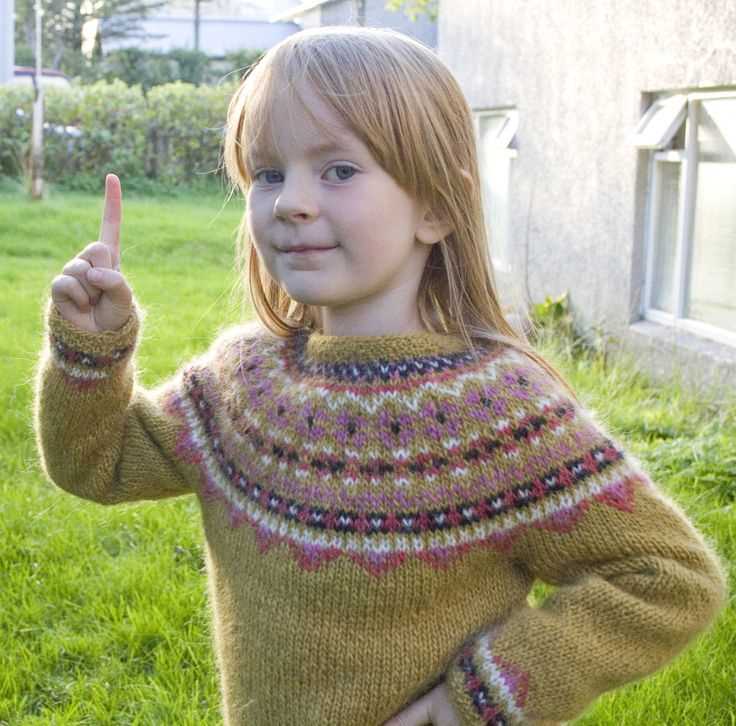
The diamond pattern is one of the most iconic Icelandic sweater designs. It is characterized by a repeating diamond motif, often with contrasting colors. This pattern is versatile and can be adapted to different styles and color combinations, making it a favorite among knitters.
2. Icelandic Snowflake
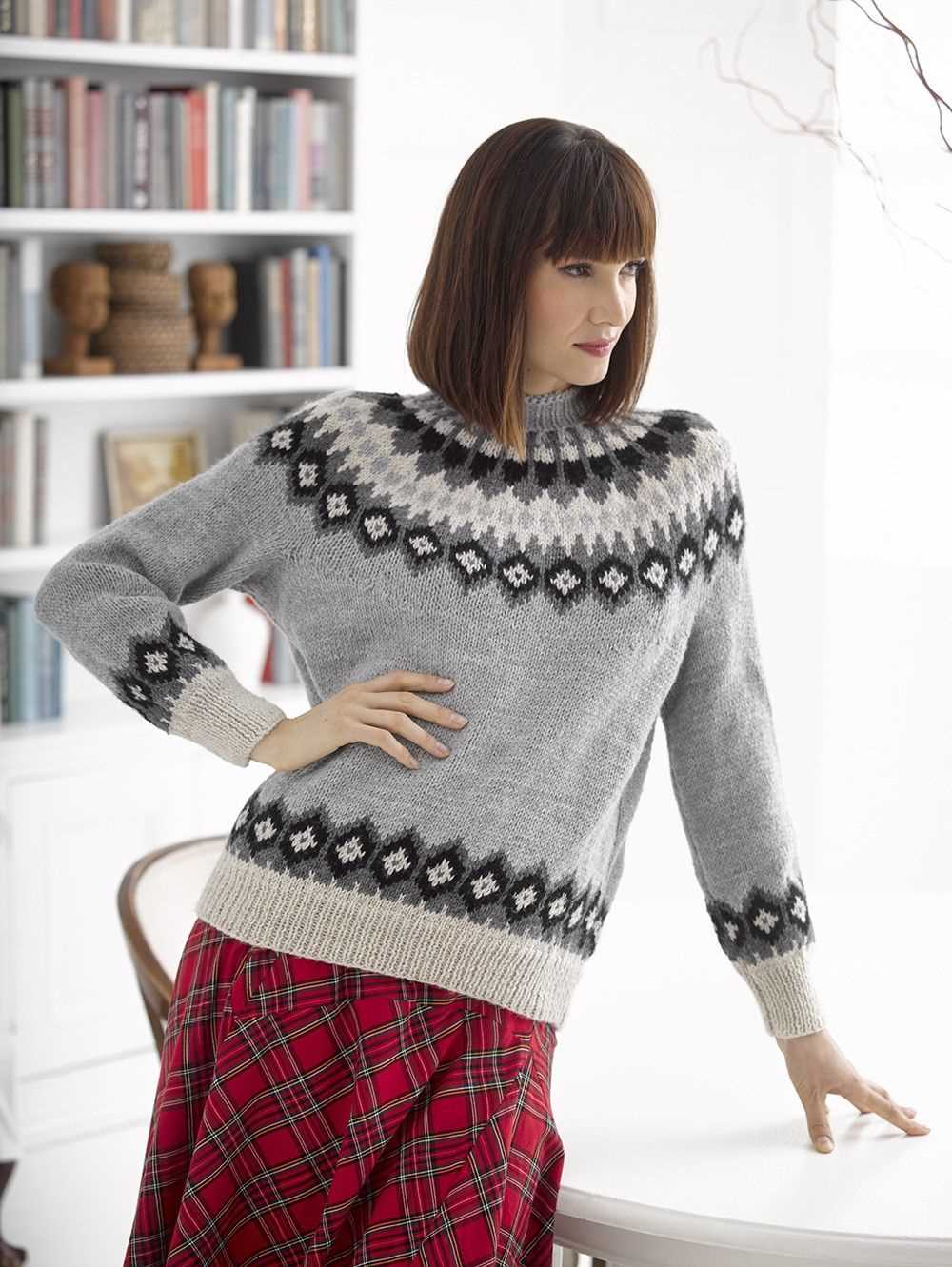
The Icelandic snowflake pattern is another classic design that is frequently used in Icelandic sweaters. It features a central snowflake motif surrounded by geometric shapes or other traditional Icelandic symbols. This pattern is perfect for winter garments and adds a touch of elegance to any sweater.
3. Riddari
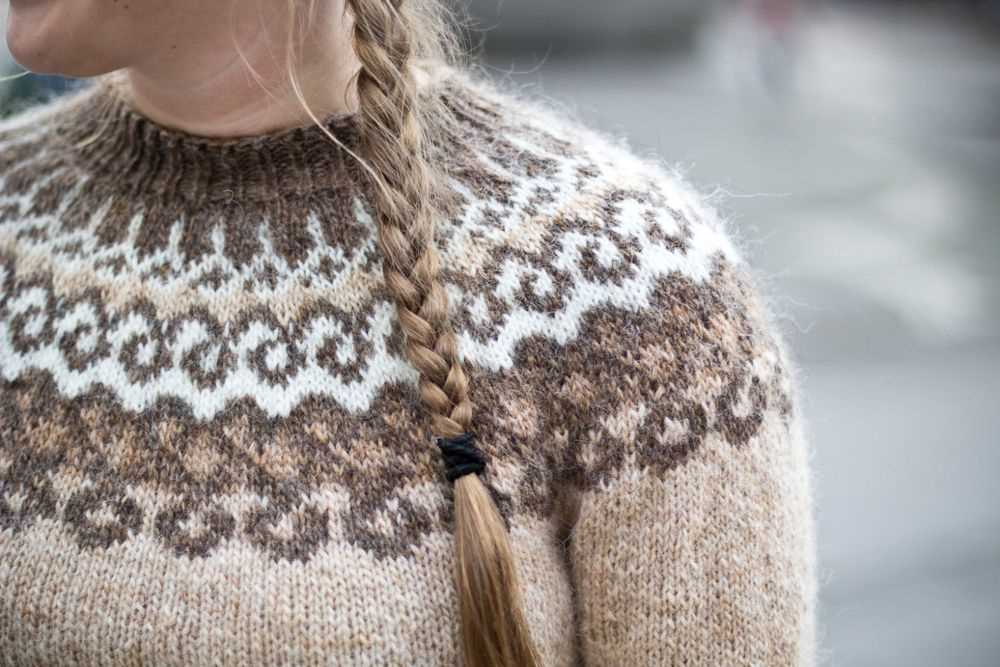
The Riddari pattern is named after a mountain in Iceland and is known for its bold and striking geometric designs. This pattern typically includes repeating rows of triangles, diamonds, or other geometric shapes. The Riddari pattern is often knit with contrasting colors, creating a visually stunning effect.
4. Icelandic Moss Stitch
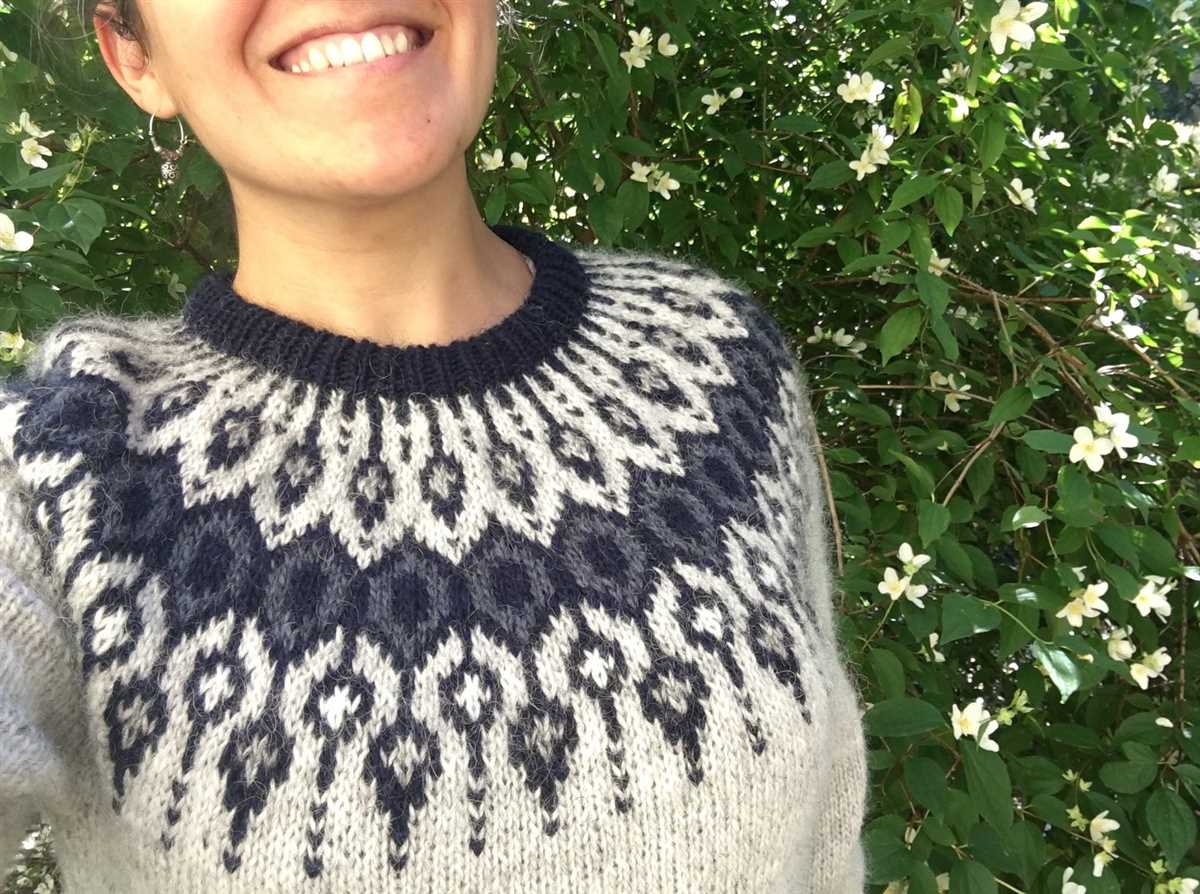
The Icelandic moss stitch pattern is a textured design that resembles the moss-covered lava fields of Iceland. It is created by alternating knit and purl stitches to create a cozy and rustic texture. This pattern is often used for the yoke or cuffs of Icelandic sweaters, adding an extra touch of warmth and visual interest.
These are just a few examples of the popular Icelandic sweater patterns. Each pattern has its own unique charm and history, making Icelandic sweaters a cherished and sought-after garment worldwide.
The Symbolism Behind Icelandic Knitting Designs
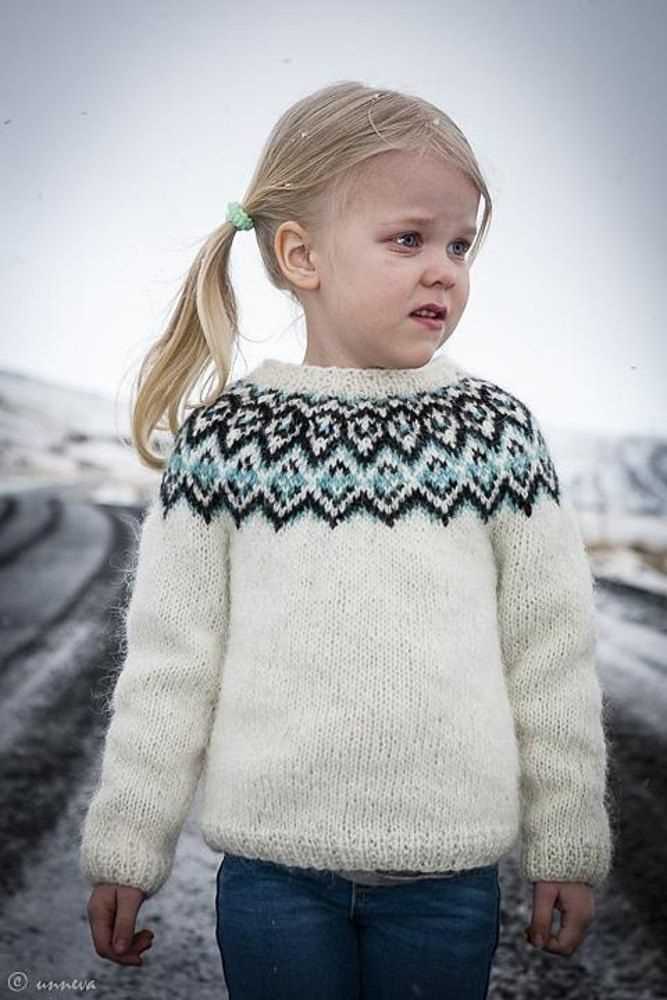
Icelandic knitting designs carry a rich history and are infused with symbolism that reflects the country’s culture and traditions. These unique designs are not only aesthetically pleasing but also hold deeper meanings, making them cherished pieces of cultural heritage.
One of the most prominent symbols in Icelandic knitting patterns is the “hugrún,” also known as the “Hidden Rune.” This symbol is characterized by a series of interconnected loops and knots, which represent protection and warding off evil spirits. The hugrún has been passed down through generations, and it is believed to bring good luck and safeguard the wearer from harm.
In addition to the hugrún, other common motifs in Icelandic knitting designs include various natural elements. The wave pattern, for example, symbolizes the power and unpredictability of the sea, a vital aspect of Iceland’s geography and livelihood. The tree of life design represents fertility and growth, while the snowflake pattern signifies purity and the beauty of winter landscapes.
- The use of colors in Icelandic knitting designs also holds significance. White, for instance, represents purity and innocence, while red symbolizes passion and energy. Blue is associated with calmness, and green represents nature and fertility. These colors are carefully selected to enhance the symbolism and meaning behind the patterns.
- Furthermore, each region in Iceland has its own unique knitting patterns and symbols, adding to the diversity and depth of the craft. These patterns often reflect the local environment, legends, and folklore specific to that area. The intricate designs tell stories and carry the legacy of generations, connecting the present knitters with the past.
Icelandic knitting designs not only provide warmth and comfort but also serve as a visual representation of the country’s cultural heritage. The symbolism behind these patterns adds an extra layer of meaning and significance, making each piece of knitted garment unique and treasured. Whether it is a traditional sweater, mittens, or a scarf, Icelandic knitting patterns continue to captivate and inspire people around the world.
How to Read Icelandic Knitting Charts
Reading Icelandic knitting charts may seem daunting at first, but with a little practice and understanding of the symbols and conventions used, it becomes much easier.
Symbols: Icelandic knitting charts use a variety of symbols to represent different stitches. These symbols are usually included in a key or legend at the beginning or end of the chart. It’s important to refer to the key and familiarize yourself with the symbols before starting to knit. Common symbols may include squares for knit stitches, dots for purl stitches, and arrows for decreases or increases.
Rows and Rounds: Icelandic knitting charts are typically worked in the round, so each round of knitting is represented by a row on the chart. You read the chart from the bottom up, just like you would knit. If you’re knitting flat, simply read the chart from right to left for odd-numbered rows and from left to right for even-numbered rows.
Repeats and Mirroring: Many Icelandic knitting charts have repeat sections, indicated by brackets or lines with the number of stitches to repeat. These repeats allow you to easily repeat a pattern across a row or round. Additionally, some charts may have mirrored sections, where you knit the same pattern but in the opposite direction. Pay attention to any instructions or symbols that indicate mirroring.
Managing Chart Size: Icelandic knitting charts can sometimes be quite large, especially for complex patterns or garments. To make it easier to read and follow, you can use highlighter tape or a magnet board to mark your current row and keep track of your progress. You can also print out the chart on multiple sheets and tape them together to create a larger, more manageable chart.
Written Instructions: If you prefer written instructions over charts, some Icelandic knitting patterns also provide written instructions alongside the charts. These instructions will often describe each row or round in detail, including the stitches to work and any increases or decreases. You can use the written instructions as a helpful supplement to the charts or follow them exclusively if you prefer.
With practice and patience, reading Icelandic knitting charts will become second nature. Remember to take your time, refer to the key, and trust in your knitting skills. Soon you’ll be creating beautiful Icelandic-inspired knits that showcase the rich tradition and patterns of this unique craft.
Icelandic Knitting vs. Other Nordic Knitting Traditions
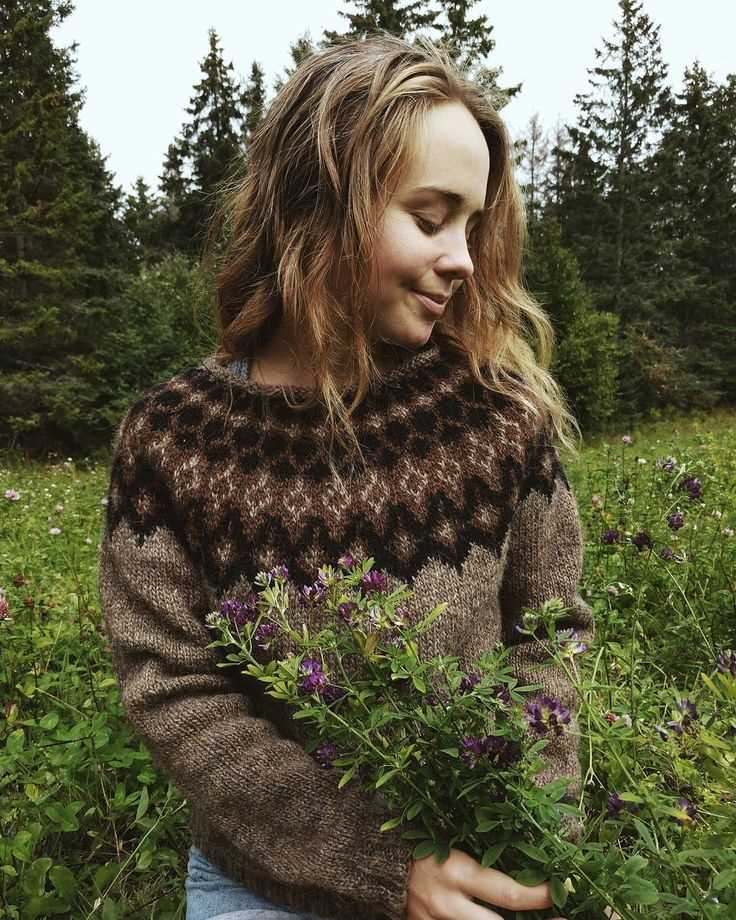
The knitting traditions of Iceland have a unique and distinct style that sets them apart from other Nordic countries. While all Nordic knitting traditions share similarities in terms of their use of natural fibers and intricate designs, Icelandic knitting patterns have a few notable differences that make them stand out.
One significant difference is the use of the Icelandic wool, which is known for its exceptional warmth and durability. This wool comes from native sheep breeds that have adapted to the harsh Icelandic climate, resulting in a unique fiber that is both lightweight and insulating. The use of this wool in Icelandic knitting patterns gives them a distinctive texture and warmth that sets them apart.
In contrast, other Nordic knitting traditions may use different types of wool or blends, resulting in a different feel and appearance of the finished garments. For example, Scandinavian knitting traditions often incorporate finer yarns, such as merino or alpaca, which give the knitted items a softer and drapey quality.
- Another notable difference is the use of color in Icelandic knitting patterns. Icelandic designs often feature bold, contrasting colors in intricate geometric motifs, inspired by the country’s rich history and nature. This use of vibrant color combinations creates visually striking pieces that are instantly recognizable as Icelandic.
On the other hand

other Nordic knitting traditions may lean towards more muted color palettes, drawing inspiration from the natural landscapes of their respective countries. Neutral tones, such as earthy browns, greys, and blues, are commonly used in traditional Norwegian and Swedish knitting.
Overall, while all Nordic knitting traditions share a common heritage and love for the craft, Icelandic knitting
stands out for its use of locally sourced wool, unique texture, and vibrant colors. Whether you’re a fan of Icelandic knitting or other Nordic knitting traditions, there’s no denying the beauty and artistry that goes into these intricately designed garments.
The Role of Icelandic Knitting in Contemporary Fashion
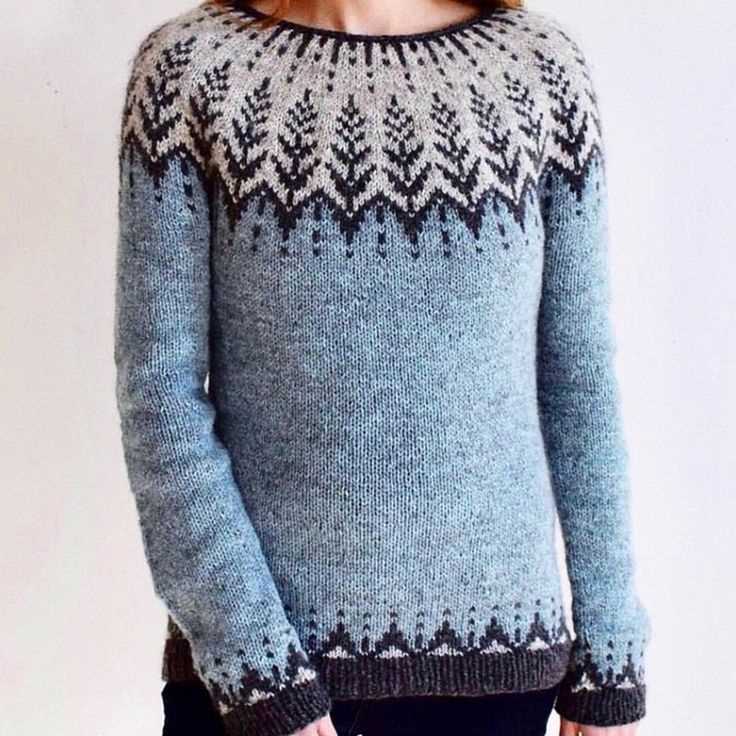
Icelandic knitting patterns have played a significant role in contemporary fashion, infusing traditional craftsmanship with modern design. These unique patterns, known as Lopapeysa, have become iconic symbols of Icelandic culture and are highly sought after by fashion enthusiasts around the world.
One of the reasons why Icelandic knitting patterns have gained popularity in contemporary fashion is their distinct and intricate designs. The patterns often feature geometric shapes, intricate motifs, and bold color combinations, creating visually stunning garments that stand out in a crowd. The use of local, high-quality wool called lopi adds to the appeal of these creations, as it provides warmth and durability, making them perfect for the cold Icelandic climate.
Moreover, Icelandic knitting patterns represent a connection to the country’s rich cultural heritage. These patterns have been passed down through generations, with each design telling a unique story. In a world where fast fashion dominates, Icelandic knitting offers a sustainable alternative, as these handcrafted pieces are made to last.
Contemporary fashion designers have embraced Icelandic knitting patterns and incorporated them into their collections, bringing a fresh and modern twist to these traditional designs. By combining the timeless appeal of the patterns with innovative cuts and silhouettes, designers have created garments that seamlessly blend tradition and modernity.
Overall, Icelandic knitting patterns have become an integral part of contemporary fashion, serving as a link between the past and the present. These patterns not only showcase the exquisite craftsmanship of Icelandic knitters but also celebrate the country’s heritage and provide a sustainable and unique option in the fashion industry.
The Global Appeal of Icelandic Knitting
Icelandic knitting has gained global recognition and appeal for its unique and intricate patterns. The tradition of knitting in Iceland dates back centuries, with patterns passed down through generations. These patterns often feature motifs inspired by Icelandic nature, such as snowflakes, waves, and leaves. The combination of these intricate designs with the high-quality, locally sourced Icelandic wool has made Icelandic knitting a sought-after craft around the world.
One of the reasons for the global appeal of Icelandic knitting is its versatility. Icelandic knitters are known for their creativity and innovation in designing patterns that can be used for a wide range of items, from sweaters and shawls to hats and mittens. This versatility allows knitters to personalize their creations and make them unique to their own style and preferences.
Another factor contributing to the global appeal of Icelandic knitting is the environmentally friendly and sustainable nature of the craft. Icelandic wool is known for its eco-friendly production process, as it is sourced from free-roaming sheep that graze on pesticide-free, volcanic pastures. This natural production method, combined with the durability and insulation properties of Icelandic wool, makes it a popular choice for those who prioritize sustainability in their purchases.
The popularity of Icelandic knitting has also been boosted by the growing interest in handmade and artisanal products. In a world dominated by mass-produced goods, Icelandic knitting offers a unique and authentic alternative. Each handmade piece tells a story and reflects the skill and craftsmanship of the knitter. This appeal of creating and owning one-of-a-kind, meaningful items has resonated with people across different cultures and continents.
In conclusion, the global appeal of Icelandic knitting can be attributed to its unique patterns, versatility, sustainable production methods, and the growing interest in handmade and artisanal products. As this craft continues to evolve and gain recognition, it is likely to remain a cherished and valued tradition both in Iceland and around the world.
Preserving and Promoting Icelandic Knitting Heritage
Icelandic knitting patterns are not just beautiful works of art; they also hold significant historical and cultural value. Preserving and promoting Icelandic knitting heritage is essential to ensure that these traditional patterns continue to be appreciated and passed down to future generations.
One way to preserve Icelandic knitting heritage is through documentation. By documenting the various knitting patterns, techniques, and stories behind them, we can create a comprehensive resource that helps to preserve both the patterns and the history associated with them. This documentation can be in the form of written records, photographs, or even videos that capture the intricacies of Icelandic knitting.
Education and workshops
Another crucial aspect of preserving and promoting Icelandic knitting heritage is through education and workshops. By offering knitting classes and workshops that focus on Icelandic knitting techniques and patterns, we can ensure that this traditional art form continues to thrive. These workshops can be targeted towards both locals and tourists who are interested in learning more about Icelandic knitting and its cultural significance.
Showcasing Icelandic knitting patterns
Additionally, showcasing Icelandic knitting patterns in exhibitions and events can help raise awareness and appreciation for this unique art form. Exhibitions can feature hand-knit garments, accessories, and even artwork inspired by Icelandic knitting patterns. By displaying these works in galleries or at cultural events, we can attract a wider audience and spark interest in Icelandic knitting among a diverse range of people.
Collaboration with local artisans
Collaborating with local artisans who specialize in Icelandic knitting can also play a significant role in preserving and promoting this heritage. By working together, artisans can create new designs that incorporate traditional Icelandic knitting patterns with a modern twist. These collaborations can result in innovative pieces that appeal to a wider audience and help keep the art of Icelandic knitting relevant in today’s world.
In conclusion, preserving and promoting Icelandic knitting heritage is vital to ensure that this traditional art form continues to be valued and celebrated. Through documentation, education, showcasing, and collaboration, we can help preserve the rich history and cultural significance of Icelandic knitting patterns for future generations to enjoy.
Tips and Tricks for Successful Icelandic Knitting Projects

Knitting Icelandic patterns can be a rewarding and enjoyable project, but it can also present some unique challenges. Here are some tips and tricks to help you have a successful experience with your Icelandic knitting projects.
1. Familiarize yourself with the Icelandic knitting techniques
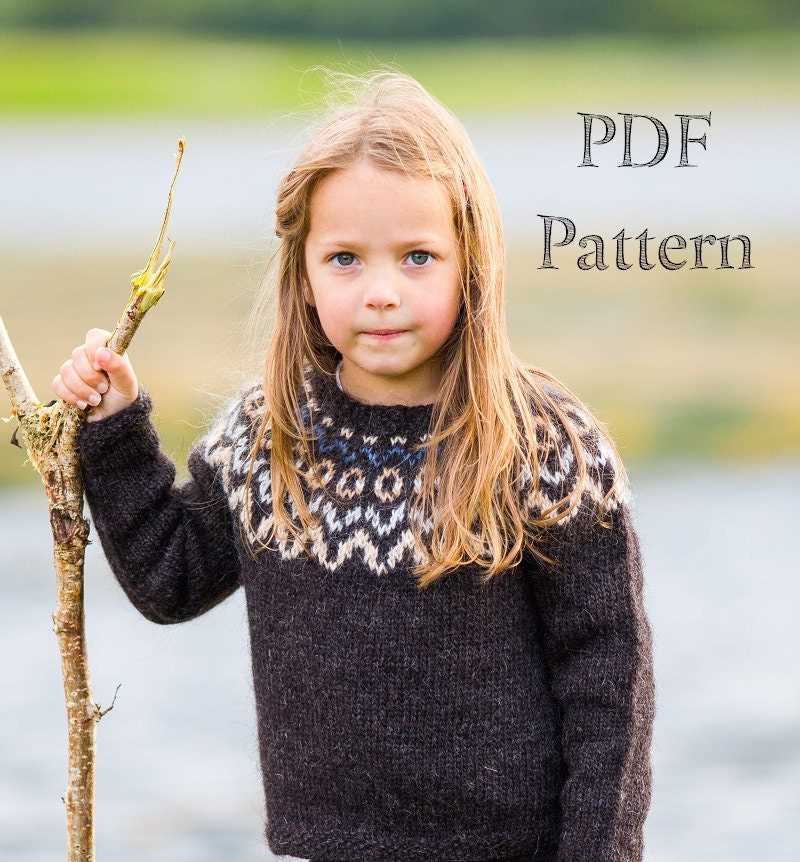
Before starting an Icelandic knitting project, it’s important to understand the unique techniques used in Icelandic knitting. Familiarize yourself with the different types of Icelandic colorwork, such as the traditional lopapeysa sweater, and learn about the specific stitches and patterns that are commonly used. This will help you read and follow Icelandic knitting charts and instructions more easily.
2. Choose the right yarn
One of the key elements of Icelandic knitting is the use of Icelandic wool, known as lopi. This lightweight yet warm yarn is perfect for creating traditional Icelandic garments. When choosing yarn for your project, make sure to select the appropriate weight and color of lopi yarn to match the pattern. This will ensure that your finished project has the authentic look and feel of Icelandic knitting.
3. Practice your tension and gauge

Tension and gauge are crucial in Icelandic knitting, as they determine the size and fit of your finished project. Take the time to swatch and practice your tension before starting your project. This will help you achieve the right size and ensure that your stitches are even and consistent throughout. Use blocking techniques to help shape and stretch your finished knit items to their desired dimensions.
4. Follow knitting charts and use markers
Icelandic knitting patterns often use charts to indicate the colorwork and stitch patterns. Familiarize yourself with reading knitting charts and use markers to help keep track of your progress. Markers can be particularly helpful when working on intricate colorwork patterns or complex stitch designs. They will help you stay organized and prevent any mistakes in your knitting.
5. Take care of your Icelandic knitwear

Once you have finished your Icelandic knitting project, it’s important to take proper care of your knitwear. Icelandic wool is known for its durability, but it still requires gentle handling. Follow the care instructions provided with the pattern to clean and store your finished knit items. Avoid using harsh chemicals or excessive heat, as these can damage the wool fibers and affect the overall quality of your knitwear.
By following these tips and tricks, you can enhance your Icelandic knitting experience and create beautiful, authentic pieces that showcase the rich tradition and artistry of Icelandic knitting patterns.
Where to Find Authentic Icelandic Knitting Patterns
If you’re interested in creating your own Icelandic knitting projects, there are several resources available to help you find authentic Icelandic knitting patterns. Whether you’re looking for traditional patterns or modern designs inspired by Icelandic motifs, these options can help you get started on your knitting journey.
Icelandic Knitting Books
One of the best ways to find authentic Icelandic knitting patterns is through Icelandic knitting books. There are several books available that showcase traditional patterns and provide instructions for creating the designs. Some popular books include “Icelandic Knitting: Using Rose Patterns” by Hélène Magnússon and “Traditional Icelandic Knitting Patterns” by Karen Lauger.
Online Knitting Communities and Forums
Online knitting communities and forums can be excellent resources for finding authentic Icelandic knitting patterns. Websites such as Ravelry and Knitting Paradise have dedicated sections for sharing and discussing knitting patterns. By joining these communities and participating in the discussions, you can connect with fellow knitting enthusiasts who may be able to provide you with access to authentic Icelandic patterns.
Icelandic Knitting Workshops and Classes
If you prefer a more hands-on approach, attending Icelandic knitting workshops or classes can be a great way to learn and discover authentic patterns. These workshops are often held in Iceland and led by experienced Icelandic knitters who can teach you the techniques and share their knowledge of traditional patterns. Check local knitting shops or community centers for information on upcoming workshops or classes in your area.
Visiting Knitting Museums
Planning a trip to Iceland? Don’t forget to visit knitting museums! Museums such as the Icelandic Handknitting Association in Reykjavik and the Textile Museum in Blönduós feature collections of traditional Icelandic knitting patterns and garments. In addition to admiring the beautiful pieces on display, you may also have the opportunity to learn about the history and significance of these patterns.
By exploring these resources, you can find a wide variety of authentic Icelandic knitting patterns to incorporate into your projects. Whether you’re an experienced knitter or a beginner, experimenting with these patterns will not only allow you to create beautiful and unique pieces but also give you a glimpse into the rich knitting heritage of Iceland.