
Estonian knitting patterns are a traditional and intricate form of knitting that originated in Estonia, a small country in Northern Europe. These patterns have a rich history and are known for their beauty and complexity. They are often used to create stunning garments and accessories, such as shawls, socks, and mittens.
One of the most recognizable features of Estonian knitting patterns is the use of lace. Lace knitting is a technique that involves creating delicate and intricate patterns using a combination of knit and purl stitches. Estonian lace patterns are known for their floral motifs, which are often inspired by the country’s natural surroundings, including flowers, leaves, and forests.
In addition to lace, Estonian knitting patterns also incorporate unique stitch patterns and techniques. For example, the “nupp” stitch is a decorative technique that involves creating small bobbles or knots on the surface of the fabric. This stitch is often used to emulate the look of traditional Estonian jewelry.
Today, Estonian knitting patterns continue to be cherished and celebrated by knitters around the world. Many knitting enthusiasts enjoy the challenge of mastering the intricate stitch patterns and creating their own unique designs. Whether you’re a beginner or an experienced knitter, exploring Estonian knitting patterns is a fascinating journey into a rich and beautiful knitting tradition.
Estonian Knitting Patterns

Estonian knitting patterns are known for their intricate designs and delicate lacework. These patterns have a long history and are deeply rooted in Estonian culture. They often feature motifs inspired by nature, such as flowers, leaves, and birds.
One of the most famous Estonian knitting techniques is the “nupp” stitch, which involves creating small bobbles on the fabric. Nupps are used to create texture and add depth to the knitted piece. Estonian lacework is also characterized by its unique construction, with motifs often worked in a diamond pattern and bordered by delicate lace edging.
Estonian shawls are particularly renowned for their beauty and elegance. Traditionally, these shawls were made as wedding gifts and were considered prized possessions. The intricate lace patterns and delicate stitches make Estonian shawls a unique and treasured accessory.
- Estonian knitting patterns often require fine yarn and small needles to achieve the intricate lacework.
- Traditional Estonian designs incorporate a mix of knit and purl stitches, as well as yarn overs and decreases, to create the lace motifs.
- Estonian lace shawls are frequently passed down through generations, preserving the tradition and artistry of Estonian knitting.
Overall, Estonian knitting patterns are a testament to the skill and craftsmanship of the Estonian people. The intricate lacework and delicate designs make these patterns truly unique and cherished in the world of knitting.
History of Estonian Knitting
Estonian knitting has a rich history that dates back centuries. It is believed to have originated in the 13th century, when German settlers introduced knitting to Estonia. However, it was not until the 19th century that knitting became popular among the Estonian peasants. Knitting was not only a necessity for providing clothing and warmth in the harsh climate, but it also became an important cultural tradition.
The tradition of Estonian knitting is characterized by intricate lace patterns and a unique knitting technique. The lace patterns are often inspired by nature, with motifs of flowers, leaves, and animals. One of the most famous Estonian lace patterns is the “nupp” pattern, which features small raised stitches that resemble dewdrops. The unique knitting technique, known as “kiri,” involves working with multiple colors and creating intricate patterns using only two needles.
Estonian knitting gained international recognition in the 19th century, when Estonian knitters participated in various exhibitions and received awards for their craftsmanship. Knitted items, such as socks, mittens, and shawls, became popular exports, and Estonian knitting techniques were adopted by knitters in other countries. However, during the Soviet era, the tradition of Estonian knitting faced a decline, as knitting was seen as a symbol of bourgeois culture and was discouraged by the government.
Fortunately, in recent years, there has been a revival of interest in Estonian knitting. Knitters from Estonia and around the world are rediscovering the beauty and intricacy of Estonian lace patterns and the unique kiri technique. Traditional Estonian knitting patterns are now being preserved and passed down through generations, ensuring that this important cultural tradition will continue to thrive for years to come.
Characteristics of Estonian Knitting Patterns

Traditional Estonian knitting patterns are known for their intricate designs and delicate lacework. These patterns incorporate various stitches and techniques that have been passed down through generations, creating a rich tapestry of Estonian knitting heritage.
One characteristic of Estonian knitting patterns is the use of complex lace motifs. These motifs often feature intricate openwork designs, such as floral patterns, leaves, and geometric shapes. Estonian lace patterns are characterized by their fine detail and delicate, airy feel. This is achieved through the use of thin yarn and small needles, allowing for the creation of intricate lace stitches.
Another notable characteristic of Estonian knitting patterns is the incorporation of nupps. Nupps are small bobbles that are created by increasing a set number of stitches into a single stitch and then decreasing them back down again. They add texture and visual interest to the lace motifs, creating a three-dimensional effect. Nupps are often used in Estonian lace shawls and scarves, adding an extra element of complexity and beauty to the finished piece.
Estonian knitting patterns also often feature traditional motifs that are specific to the region or culture. These motifs can include traditional Estonian motifs such as the Estonian star, snowflakes, or folk symbols. These motifs add a touch of cultural significance to the knitted items and reflect the rich history and traditions of Estonia.
Overall, Estonian knitting patterns are characterized by their intricate lacework, delicate motifs, and attention to detail. These patterns showcase the skill and craftsmanship of Estonian knitters and are a beautiful representation of the country’s knitting heritage.
Traditional Estonian Knitting Techniques
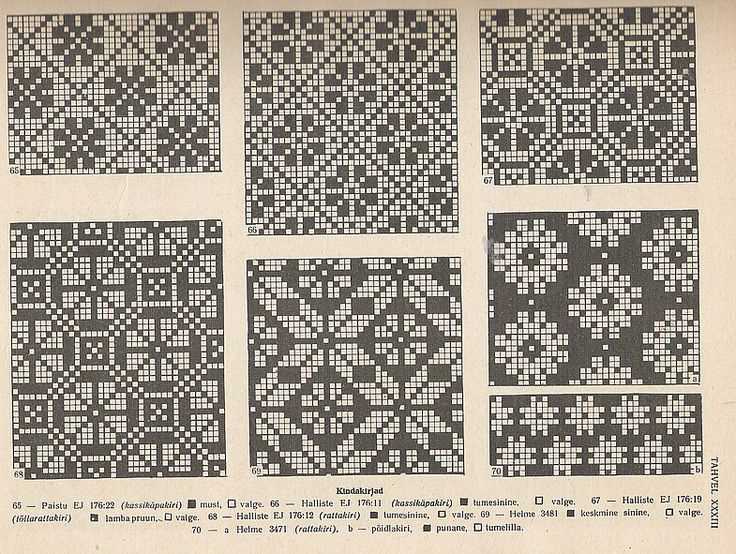
Estonian knitting is known for its intricate lace patterns and delicate motifs that have been passed down through generations. These traditional techniques have a rich history and are an important part of Estonian culture.
One of the most iconic Estonian knitting techniques is the “nupp” stitch. Nupps are small, decorative bobbles that are created by increasing several stitches into one and then decreasing them back down. They add texture and dimension to knitted lace, and are often used to represent flowers or other motifs.
Another technique commonly used in Estonian knitting is the “star stitch.” This stitch creates a beautiful star-shaped motif and is frequently used in the borders of shawls and other lace accessories. The star stitch requires careful attention to detail and precise needlework, but the end result is truly stunning.
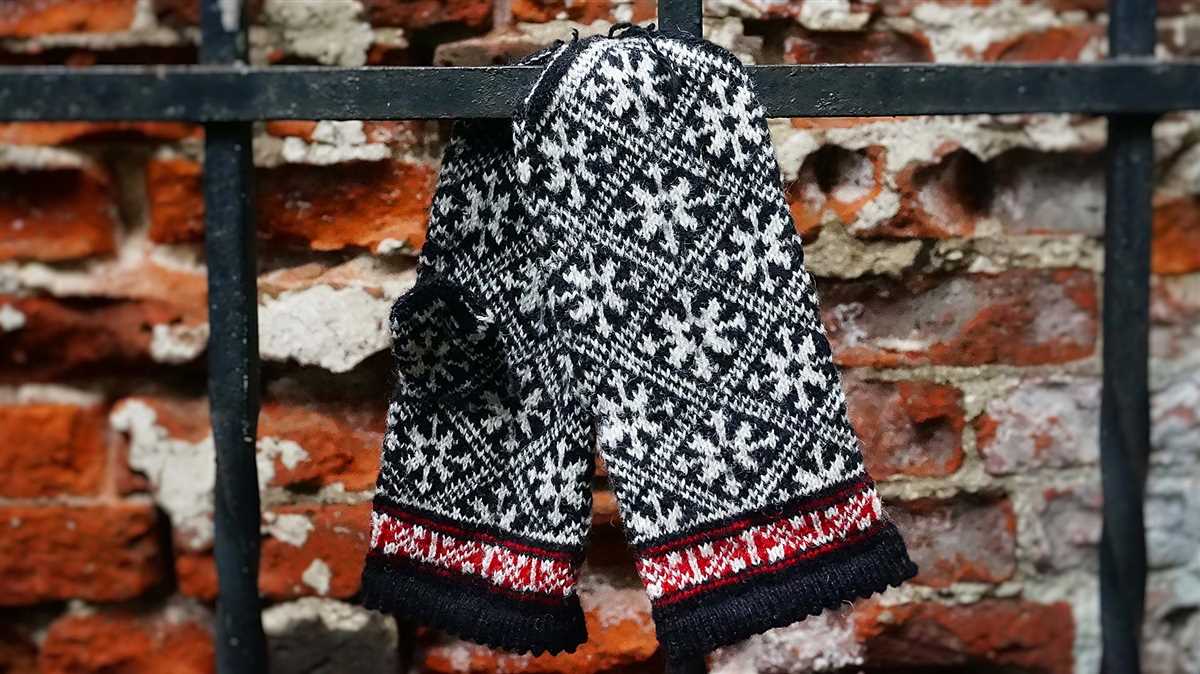
Estonian knitters also employ a technique called “stranded colorwork” or “Fair Isle knitting.” This involves using multiple colors of yarn in each row to create intricate and detailed patterns. Estonian colorwork often features traditional motifs such as hearts, flowers, and geometric designs. This technique requires skill in managing multiple strands of yarn, but the final product is well worth the effort.
In addition to these specific techniques, Estonian knitting also utilizes various stitches and combinations to create a wide range of textures and patterns. Knitters often incorporate lace, cables, and textured stitches to add interest and depth to their projects. The combination of these techniques and the use of fine yarns results in beautifully intricate and lightweight garments and accessories.
Popular Estonian Knitting Patterns

Estonian knitting patterns have a rich history and are known for their intricate designs and intricate stitchwork. These patterns have been passed down through generations and continue to be popular among knitters around the world.
One of the most well-known Estonian knitting patterns is the Haapsalu shawl. This exquisite lace shawl is typically knit from fine, delicate yarn and features intricate lace patterns, including nupps, which are small decorative bobbles. The Haapsalu shawl is known for its elegance and beauty, and is often used as a traditional wedding accessory in Estonia.
Another popular Estonian knitting pattern is the Roositud technique. This technique involves the use of contrasting colors to create intricate floral motifs on knitted garments. The Roositud technique is often used on mittens, socks, and sweaters, and the resulting designs are truly stunning. Knitters who enjoy colorwork will appreciate the beauty and complexity of the Roositud technique.
The Estonian lace knitting is also highly regarded for its delicate and intricate lace patterns. These lace patterns often feature beautiful motifs inspired by nature, such as leaves, flowers, and butterflies. Estonian lace shawls and scarves are treasured for their skillful lacework and are frequently passed down as heirlooms.
In addition to these specific patterns, Estonian knitting is also known for its attention to detail and high-quality craftsmanship. Knitters in Estonia take great pride in their work and use only the finest materials to create their masterpieces. Whether it’s creating lace patterns with hundreds of stitches or knitting intricate colorwork motifs, Estonian knitters are known for their skill and dedication.
- Estonian knitting patterns often incorporate traditional Estonian motifs and designs, which add a unique cultural touch to the finished garments.
- Many knitters also enjoy the challenge of knitting Estonian lace patterns, as they require focus and attention to detail.
- With their exquisite designs and meticulous craftsmanship, Estonian knitting patterns continue to inspire and captivate knitters all over the world.
Estonian Lace Knitting
Estonian lace knitting is a beautiful and intricate craft that has been passed down through generations in Estonia. This traditional knitting technique involves creating delicate lace patterns using fine yarn and small needles. The patterns typically feature intricate lace motifs such as flowers, leaves, and geometric shapes, which are often inspired by nature and traditional Estonian design.
One of the distinctive features of Estonian lace knitting is the use of nupps – small decorative bobbles that create texture and depth in the lace. These nupps are made by increasing a certain number of stitches in one stitch and then decreasing them back down. They add an extra level of complexity to the patterns and make them uniquely Estonian.
Another characteristic of Estonian lace knitting is the border patterns that are often incorporated into shawls and scarves. These borders are typically wide and feature intricate lace motifs that create a stunning and eye-catching edge. Estonian lace shawls, in particular, are highly prized for their beauty and delicate craftsmanship.
To create Estonian lace knits, crafters need to have a good understanding of lace knitting techniques and be comfortable working with fine yarn and small needles. The patterns often include complex stitch combinations and require patience and attention to detail. However, the end result is a truly stunning piece of handmade art that can be treasured for generations.
Estonian Colorwork Knitting
Estonian colorwork knitting is a traditional technique that has been passed down through generations in Estonia. It is characterized by intricate geometric patterns and vibrant colors, which create visually stunning designs. The technique involves knitting with multiple colors at the same time to create the patterns, using a combination of stranded knitting and intarsia.
One of the key features of Estonian colorwork knitting is the use of traditional Estonian motifs, such as flowers, stars, and snowflakes. These motifs are often inspired by nature and reflect the rich cultural heritage of Estonia. The colorwork patterns are worked in a seamless manner, creating a smooth and even fabric.
Traditional Estonian techniques

There are several traditional techniques used in Estonian colorwork knitting, including the “roosimine” technique, which involves knitting the pattern in the round and using a special technique to create vertical lines. Another technique is the “kolmevärveline” or three-color technique, where three colors are used to create a vibrant and intricate design.
Estonian colorwork knitting is a highly skilled craft that requires patience and precision. The knitter must carefully follow the charted patterns and ensure that the tension is even across the fabric. The resulting fabric is not only visually striking but also warm and durable, making it perfect for garments and accessories.
Contemporary interpretations
In recent years, Estonian colorwork knitting has gained popularity among contemporary knitters and designers. Many knitters have started to experiment with new color combinations and motifs, giving the traditional technique a modern twist. This has led to the creation of unique and innovative designs that appeal to a wider audience.
Additionally, Estonian colorwork knitting has also gained recognition internationally, with workshops and classes being held in various countries. This has allowed knitters from different cultures to learn and appreciate the beauty and intricacy of Estonian colorwork knitting.
Famous Estonian Knitting Designers
Estonia is known for its rich knitting tradition, and over the years, many talented designers have emerged from this small Baltic country. These designers have made significant contributions to the world of knitting, blending traditional Estonian techniques with modern designs.
One of the most renowned Estonian knitting designers is Leili Kuldkepp. Her designs are known for their intricate lace patterns and delicate motifs inspired by Estonian nature and folklore. Kuldkepp’s attention to detail and fine craftsmanship have earned her international recognition, and her designs have been featured in various knitting publications and exhibitions.
Another prominent figure in the Estonian knitting scene is Reet Piiri. Piiri is known for her innovative approach to colorwork and her ability to combine traditional Estonian patterns with contemporary designs. She often experiments with different textures and yarns, creating unique and visually striking garments.
Piret Piirsoo is another Estonian knitting designer who has gained worldwide acclaim. Piirsoo’s designs are characterized by their clean lines, geometric shapes, and bold color choices. She often incorporates elements of Estonian knitting traditions, such as nupps and traditional stitch patterns, into her modern and stylish designs.
Other notable Estonian knitting designers include Koidula Hundi, whose designs are known for their timeless elegance, and Maie Landra, who is known for her use of vibrant colors and intricate Fair Isle patterns. These designers, along with many others, continue to inspire and influence the world of knitting with their creativity and passion for the craft.
Key Points:
- Estonian knitting designers blend traditional techniques with modern designs.
- Leili Kuldkepp is known for her intricate lace patterns inspired by Estonian nature and folklore.
- Reet Piiri combines traditional Estonian patterns with contemporary designs.
- Piret Piirsoo incorporates elements of Estonian knitting traditions into her modern designs.
- Other notable Estonian knitting designers include Koidula Hundi and Maie Landra.
Modern Interpretations of Estonian Knitting

Estonian knitting is known for its intricate lace patterns and traditional motifs that have been passed down through generations. In recent years, there has been a resurgence of interest in Estonian knitting, with modern knitters putting their own spin on these traditional techniques.
One way that modern knitters are interpreting Estonian knitting is by incorporating contemporary colors and textures into their designs. While traditional Estonian knitting often features a limited color palette of natural hues, modern interpretations may include bold, bright colors or even gradients. Similarly, knitters may experiment with different types of yarns, such as those with added texture or sparkle, to give their projects a unique twist.
Another way that Estonian knitting is being reimagined is through the use of modern construction techniques. Traditional Estonian lace shawls are typically knit from the center out, but modern knitters may choose to work their projects in different directions or use modular construction methods. This allows for greater creativity and customization, while still honoring the essence of Estonian knitting.
Additionally, modern interpretations of Estonian knitting often incorporate elements from other knitting traditions. Knitters may combine Estonian lace motifs with elements of Fair Isle knitting, creating a fusion of styles and techniques. This blending of different knitting traditions adds a contemporary twist to the traditional Estonian patterns and reflects the evolving nature of the craft.
Overall, modern interpretations of Estonian knitting offer a fresh take on traditional techniques, combining the rich history of Estonian knitting with contemporary creativity. Whether it’s through bold colors, innovative construction methods, or the fusion of different knitting traditions, these modern interpretations keep the art of Estonian knitting alive and thriving.
Knitting Supplies for Estonian Patterns

When knitting Estonian patterns, it is important to have the right supplies to create authentic and beautiful designs. Here are some essential knitting supplies you will need to get started:
1. Knitting Needles
Choose knitting needles that are suitable for the yarn weight and gauge specified in the Estonian pattern. Circular needles are commonly used for knitting lace shawls and other large projects. Double-pointed needles may be required for smaller items like gloves or socks. Make sure to have a variety of needle sizes to achieve the correct tension.
2. Yarn

High-quality yarn is a must when knitting Estonian patterns. Look for lace-weight or fingering-weight yarns that have a smooth and even texture. Traditional Estonian patterns often use wool or a wool-silk blend for its warmth and drape. Choose yarn colors that complement the design and allow the intricate stitches to stand out.
3. Stitch Markers
Stitch markers are extremely helpful when working on Estonian lace patterns, as they can be used to mark pattern repeats or specific stitches. Opt for lightweight and easy-to-use markers that won’t snag on your yarn. They will help you keep track of your progress and ensure the accuracy of your stitches.
4. Blocking Supplies

Blocking is an essential step in creating the beautiful drape and open lacework that Estonian patterns are known for. Invest in blocking supplies such as blocking mats, blocking wires, and rust-resistant pins to shape and stretch your finished project. These tools will help you achieve the desired measurements and enhance the overall beauty of your knitted piece.
With the right knitting supplies, you’ll be able to create stunning Estonian patterns that showcase the intricate stitches and delicate lacework. Take your time to choose high-quality materials that will result in a finished project you can be proud of. Happy knitting!
Tips for Knitting Estonian Patterns

Estonian knitting patterns are known for their intricate lace motifs and rich cultural heritage. If you’re new to knitting Estonian patterns, here are some tips to help you get started and create beautiful traditional designs.
1. Familiarize Yourself with Estonian Lace Stitches
Before diving into an Estonian knitting project, take the time to study and practice the different lace stitches commonly used in Estonian patterns. These can include nupps (small bobbles), various yarn overs, and intricate lace motifs. Familiarizing yourself with these stitches will make it easier to follow the pattern instructions and achieve the desired results.
2. Use High-Quality Yarn
Invest in high-quality yarn for your Estonian knitting projects. The delicate lace stitches and intricate patterns of Estonian knitting deserve to be showcased with the best materials. Look for yarns that have a good stitch definition and are soft to the touch. This will not only enhance the final result but also make knitting more enjoyable.
3. Take Your Time with Blocking

Blocking is an essential step in Estonian knitting to open up the lace stitches and create a professional finish. Take your time when blocking your finished project, ensuring that you stretch and pin out the lace motifs evenly. This will help to enhance the patterns and give your knitting a polished look.
4. Pay Attention to Gauge

Gauge is crucial in any knitting project, and Estonian patterns are no exception. Take the time to swatch and check your gauge before starting your project. Since Estonian knitting often involves intricate lace motifs, it’s essential to achieve the correct gauge to ensure that the pattern’s proportions and stitch counts are accurate.
5. Join a Knitting Community
Joining a knitting community or forum can be a great way to connect with other knitters who have experience with Estonian patterns. It’s an excellent opportunity to ask questions, seek advice, and share your progress and finished projects. You may even discover new resources and patterns that inspire your knitting journey.
By following these tips, you’ll be well on your way to knitting beautiful Estonian patterns. Enjoy the process and embrace the rich tradition and creativity of Estonian knitting!
Where to Find Estonian Knitting Patterns
There are various sources where you can find Estonian knitting patterns to create your own beautiful pieces. Whether you are looking for traditional lace patterns or contemporary designs, these resources can help you get started on your knitting journey.
Online Websites and Ravelry

One of the easiest ways to find Estonian knitting patterns is through online websites and platforms such as Ravelry. Ravelry is a popular online community for knitters, crocheters, and other fiber artists, where you can find a wide range of knitting patterns, including Estonian designs. You can search for patterns based on different categories, such as lace, shawls, mittens, or socks, and filter them by difficulty level or yarn weight. Many talented Estonian designers share their patterns on Ravelry, making it a great resource to discover and purchase unique Estonian knitting patterns.
Estonian Knitting Books
If you prefer having a physical copy of knitting patterns, Estonian knitting books are a fantastic resource to explore. There are several books available that focus specifically on Estonian knitting techniques and patterns. These books often include detailed instructions, charts, and helpful tips to guide you through the knitting process. Some popular Estonian knitting books include “Knitting Lace: Estonia” by Nancy Bush and “Pitsilised Koekirjad” by Leili Reimann. You can find these books in local knitting shops, online retailers, or even borrow them from your local library.
Estonian Knitting Workshops and Classes

If you prefer a more hands-on approach to learning Estonian knitting, attending workshops or classes is a great option. Many knitting festivals and events offer workshops taught by experienced Estonian knitters who can teach you the techniques and guide you in creating traditional Estonian patterns. These workshops provide an opportunity to connect with other knitters and immerse yourself in the Estonian knitting culture. Additionally, some knitting shops or community centers may offer knitting classes specifically focused on Estonian knitting, where you can learn from local experts.
Knitting Communities and Social Media
Joining knitting communities and engaging with fellow knitters on social media platforms can also be a helpful way to find Estonian knitting patterns. There are knitting forums and groups dedicated to various knitting styles and techniques, including Estonian knitting. By joining these communities, you can connect with other knitters who share the same interest and exchange tips, recommendations, and patterns. Social media platforms like Instagram and Pinterest are also great sources for finding inspiration and discovering Estonian knitting patterns shared by designers, bloggers, and knitting enthusiasts.
In conclusion, whether you prefer online resources, books, workshops, or community engagement, there are ample opportunities to find Estonian knitting patterns. Exploring these different sources will help you discover unique and beautiful Estonian designs that you can incorporate into your own knitting projects.