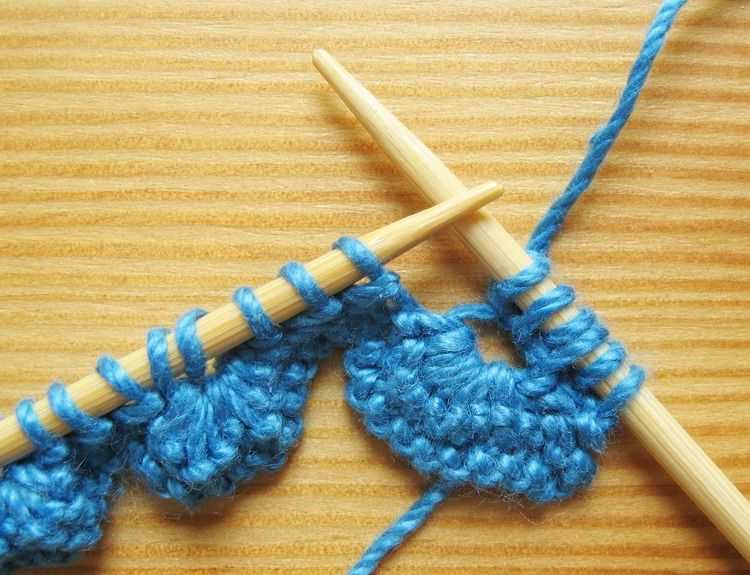
Knitting is a beautiful and versatile craft, allowing us to create unique and cozy pieces of clothing and accessories. One popular knitting pattern that adds a touch of elegance and femininity to any project is the scalloped knitting pattern. This pattern creates a delicate edge with a scalloped design that resembles the waves of the ocean, adding a feminine and sophisticated touch to scarves, shawls, blankets, and more.
The scalloped knitting pattern is achieved by a combination of strategically placed increases and decreases that create the unique wave-like shape. This pattern can be incorporated at the edges of your project or even throughout the entire piece, depending on your preferences and creativity. With the scalloped knitting pattern, you can transform any simple design into an eye-catching masterpiece.
One of the great things about the scalloped knitting pattern is its versatility. It can be used with any type of yarn, whether you prefer a chunky and cozy look or a delicate and lightweight feel. Additionally, the pattern can be easily adjusted to fit any size or shape, making it accessible for knitters of all skill levels.
What is a scalloped knitting pattern?
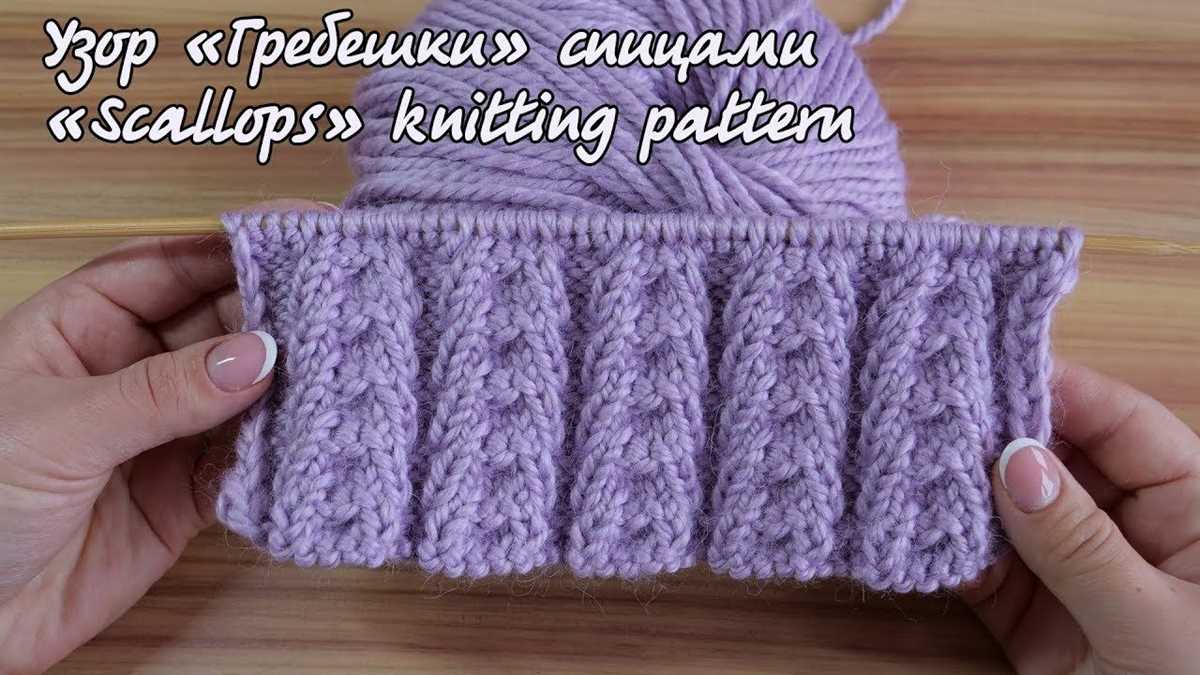
A scalloped knitting pattern is a decorative stitch pattern that creates a series of rounded, scalloped edges in a knitted fabric. These scalloped edges can be used to add visual interest and texture to various knitting projects, such as blankets, scarves, hats, and garments.
The scalloped pattern is created by using a combination of increases and decreases to shape the fabric. Typically, the pattern begins with a few rows of stockinette stitch or another basic stitch pattern, and then the scalloped edges are formed by working specific increases and decreases in a repeating sequence.
To create the scalloped shape, knitters often use techniques such as yarn overs, which create extra stitches, and knit or purl two stitches together, which decrease the stitch count. By strategically placing these increases and decreases, a series of gentle curves are formed, resembling the shape of scallop shells.
Scalloped knitting patterns can vary in complexity, depending on the number and type of increases and decreases used. Some patterns may feature just a few scallops along the edges, while others may create an all-over scalloped design. Additionally, knitters can experiment with different yarn weights and colors to further enhance the texture and visual impact of the pattern.
How to create a basic scalloped knitting pattern?

Creating a basic scalloped knitting pattern can add a beautiful and intricate detail to your knitting projects. Follow these steps to create your own scalloped pattern:
1. Choose your yarn and needles
Start by selecting the yarn and needles that you want to use for your project. A light or medium weight yarn and corresponding needles will work well for a scalloped pattern. Consider using a yarn with a bit of elasticity to enhance the shape of the scallops.
2. Cast on stitches
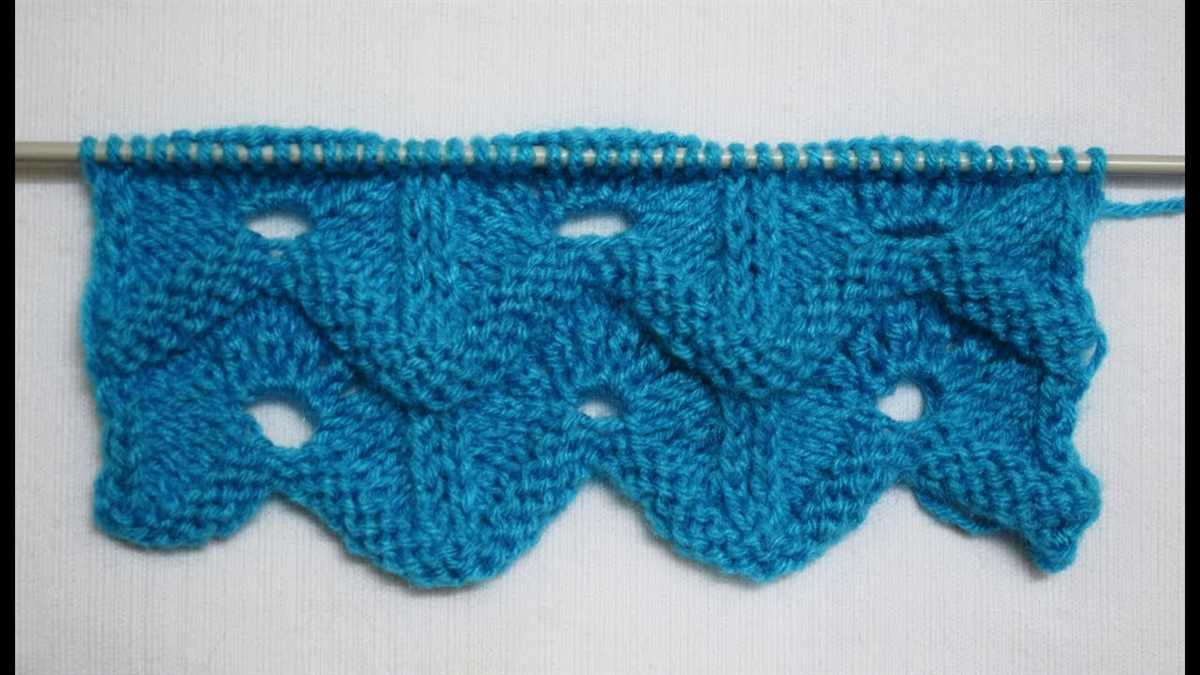
Begin your scalloped pattern by casting on an even number of stitches. The number of stitches you cast on will depend on the desired width of your project.
3. Knit the first row
Knit across the first row using the knit stitch. This will create the foundation for your scalloped pattern.
4. Start the scallops

To create the scallops, you will work in groups of stitches. Begin by knitting two stitches together, then yarn over, and knit two stitches together again. Repeat this pattern across the row.
5. Repeat rows
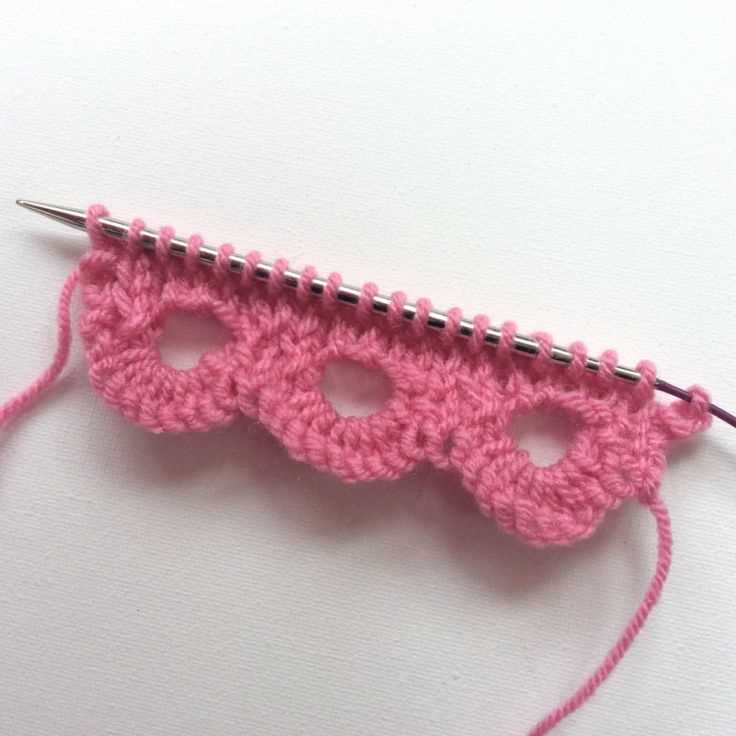
Continue repeating the second and third rows until you have reached the desired length of your project. Make sure to follow the pattern of knitting two stitches together, yarn over, and knitting two stitches together for each scallop.
6. Bind off stitches
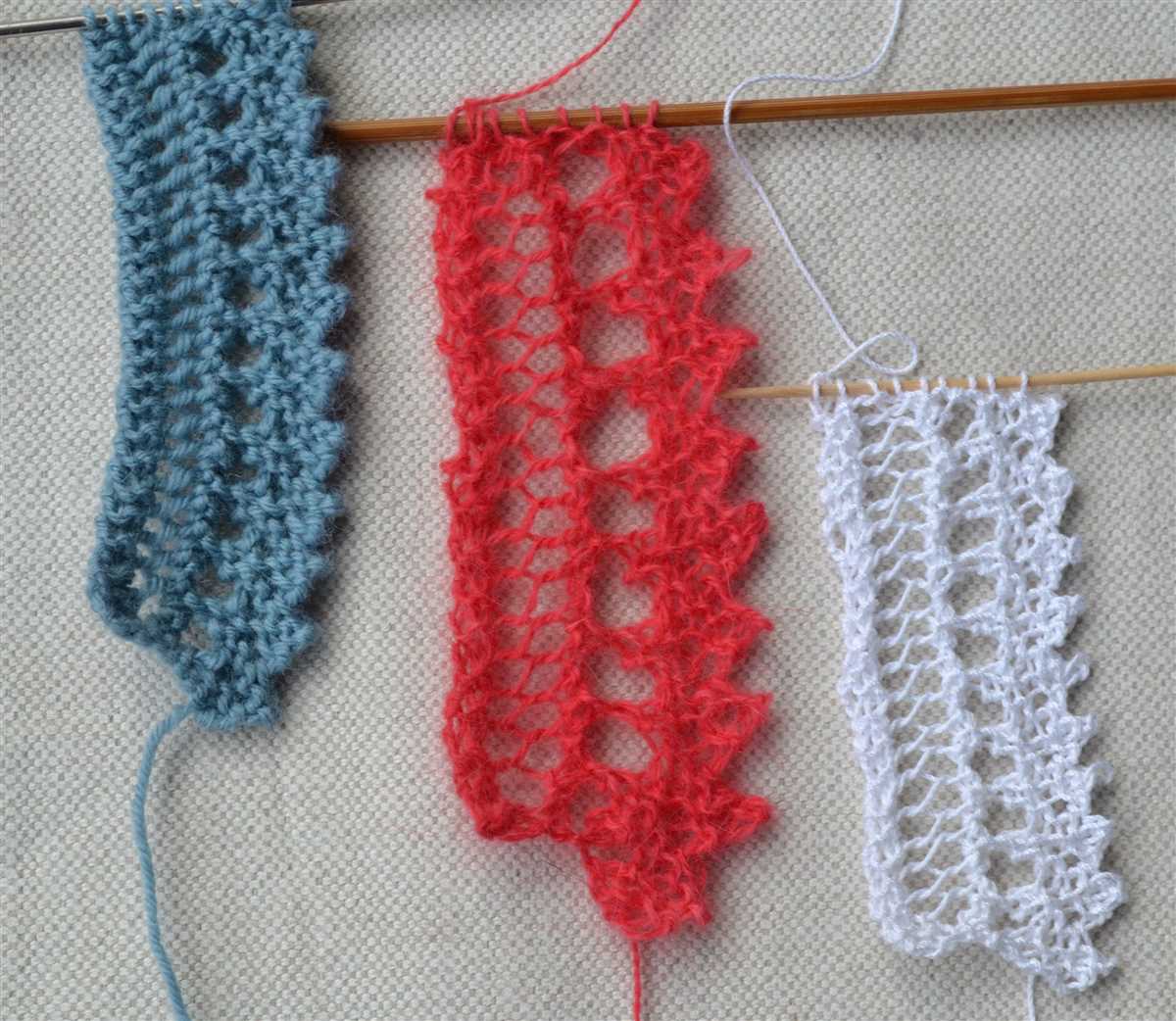
Finally, bind off your stitches to complete your scalloped knitting pattern. Make sure to bind off loosely to maintain the elasticity and shape of the scallops.
With these simple steps, you can create a basic scalloped knitting pattern to add an elegant touch to your projects. Experiment with different yarns and colors to personalize your designs and create unique scalloped patterns.
Tips for Incorporating Scalloped Knitting Patterns into Your Projects
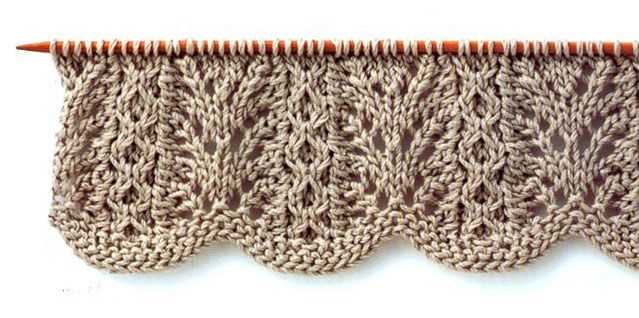
Scalloped knitting patterns can add a touch of elegance and femininity to any knitting project. Whether you’re working on a sweater, scarf, or blanket, incorporating scalloped edges or motifs can help elevate your design. Here are some tips to help you successfully incorporate scalloped knitting patterns into your projects:
Choose the Right Yarn:
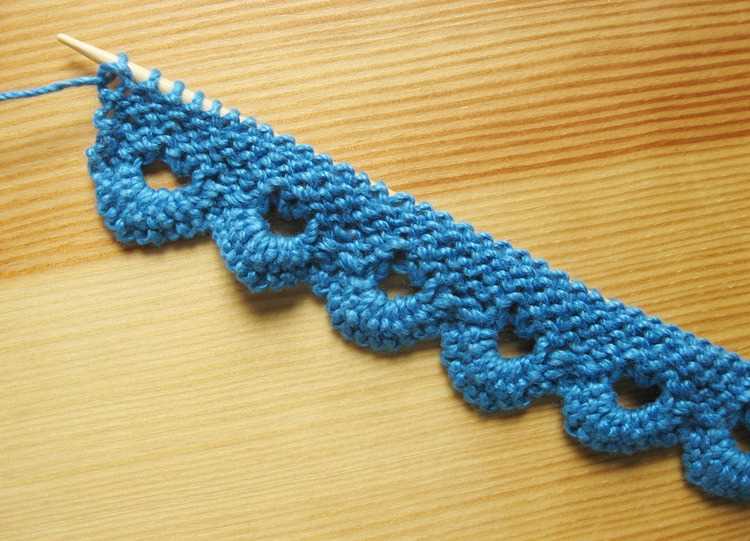
When working with scalloped knitting patterns, it’s important to choose a yarn that has good stitch definition. Yarns with smooth and plied textures will help showcase the delicate curves and details of the scallops. Avoid using yarns with fuzzy or textured fibers, as they can obscure the pattern and make it less visible.
Select an Appropriate Pattern:
There are several different types of scalloped knitting patterns to choose from, including edge scallops, all-over scallop motifs, and scalloped lace patterns. Consider the overall style and purpose of your project, and choose a pattern that complements it. For example, if you’re knitting a baby blanket, a soft and subtle scalloped lace pattern might be more suitable, while a bold and intricate scallop motif could work well for a statement sweater.
Practice Proper Blocking Techniques:
Blocking is an essential step in achieving a polished and professional finish for any knitting project, especially those with scalloped patterns. Pay attention to the blocking instructions provided with your pattern, and use blocking wires or pins to shape the scallops and enhance their definition. Take your time to ensure each scallop is symmetrical and evenly spaced.
Experiment with Color and Texture:
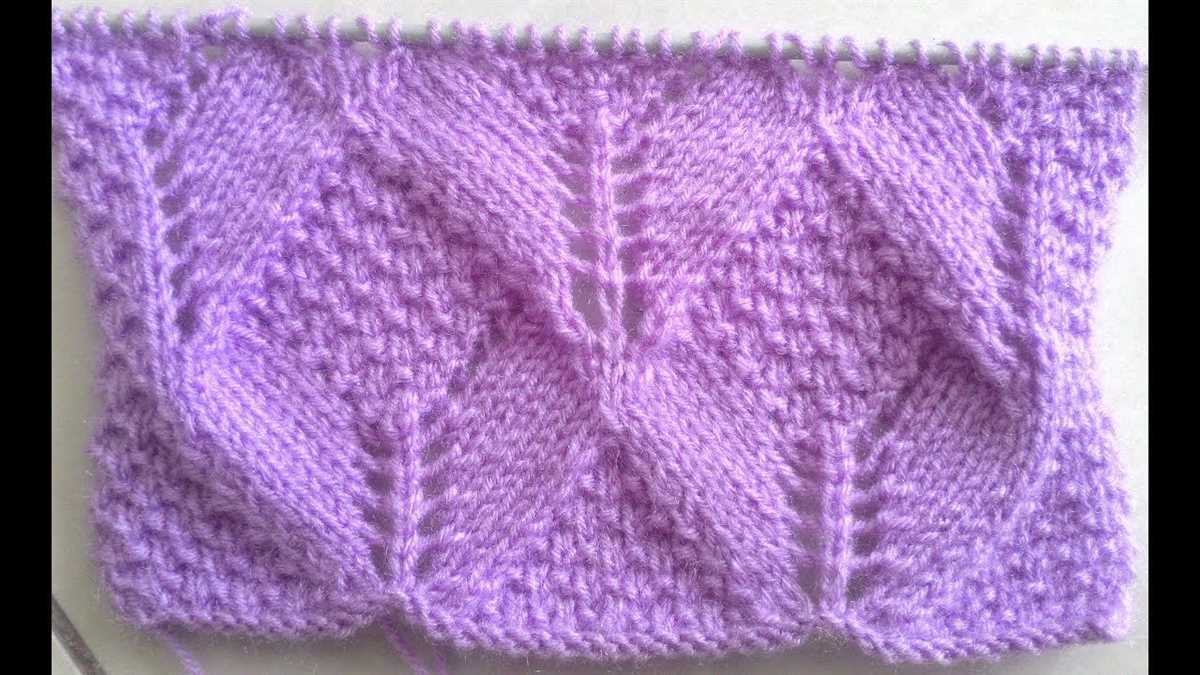
Scalloped knitting patterns offer the opportunity to play with color and texture. Consider incorporating different colored yarns for each scallop or alternating between solid and variegated yarns to create visual interest. Additionally, you can experiment with different stitch patterns within the scallops themselves to add texture and depth to your design.
By following these tips, you can successfully incorporate scalloped knitting patterns into your projects and create stunning and unique pieces that showcase your knitting skills and creativity.
Various types of scalloped knitting patterns
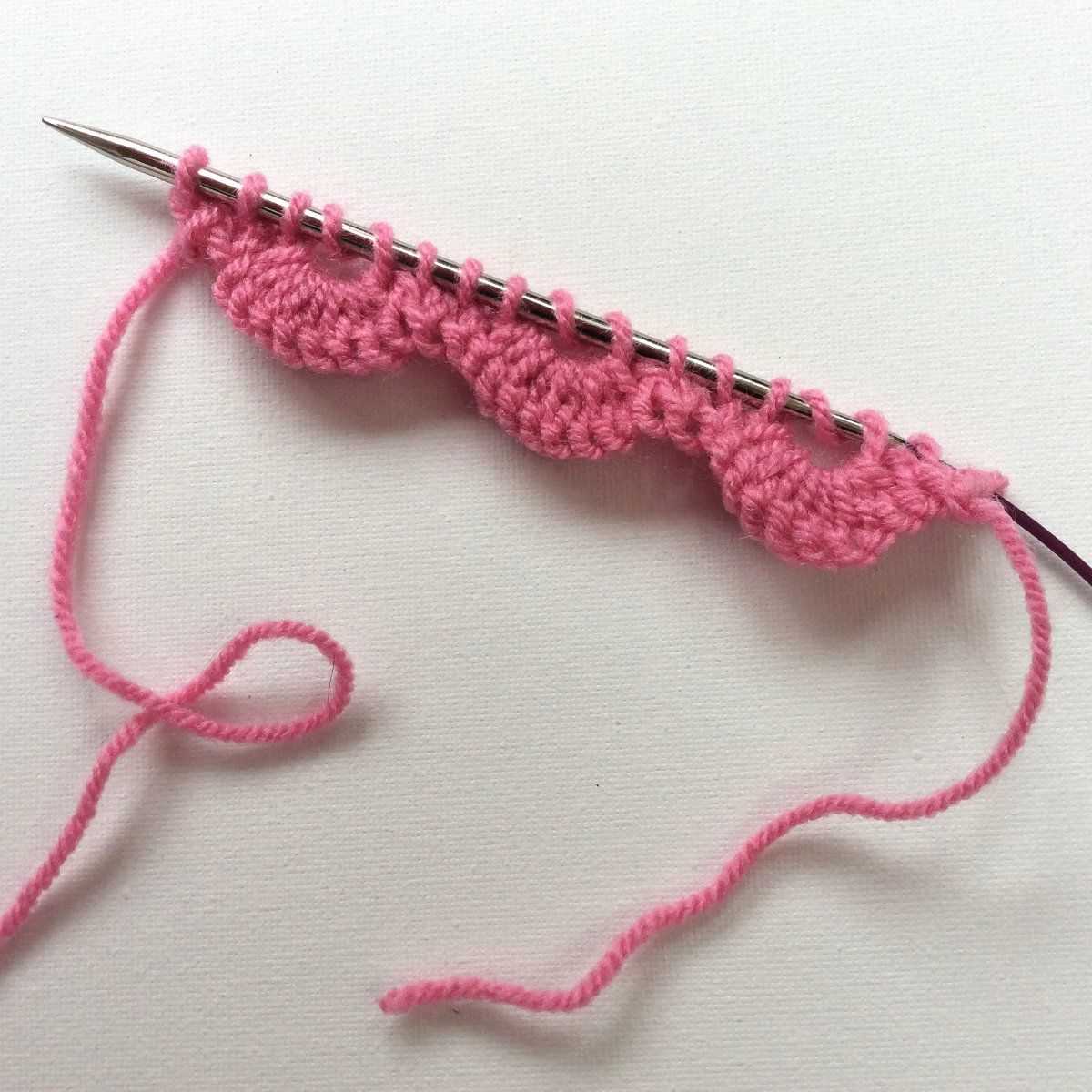
Scalloped knitting patterns are a popular choice for adding decorative details to garments, accessories, and home decor items. These patterns create a textured edge that resembles the shape of a scallop shell. There are several different types of scalloped knitting patterns, each with its own unique design and complexity.
One type of scalloped knitting pattern is the basic scallop stitch. This stitch is created by alternating knit and purl stitches in a specific sequence to create a repeating pattern of small scallops. The resulting fabric has a delicate, lacy look and is perfect for adding a decorative edge to items like blankets, scarves, and baby clothes.
Another type of scalloped knitting pattern is the shell stitch. This stitch is created by combining increases and decreases in specific rows to form larger, more pronounced scallops. The shell stitch can be used to create larger motifs or to add a bold, eye-catching border to a knitting project. It is often used in shawls, cardigans, and blankets to create a dramatic and elegant look.
The picot stitch is another popular scalloped knitting pattern. This stitch is created by casting on a few extra stitches and then knitting them together with the next few stitches to create a small, decorative loop. These loops resemble tiny scallops and can be used to add an interesting detail to cuffs, collars, or edges of garments.
There are many other variations of scalloped knitting patterns, including lace patterns, cable patterns, and textured patterns. Each of these patterns can be modified and adapted to create unique designs and effects. Whether you’re a beginner or an experienced knitter, experimenting with different scalloped knitting patterns can be a fun and creative way to add a touch of elegance and charm to your projects.
Creating Depth and Texture with a Scalloped Knitting Pattern

When it comes to knitting, there are endless patterns and techniques that can add depth and texture to your projects. One such pattern that can achieve a beautiful, scalloped effect is the scalloped knitting pattern. This pattern consists of rows of increases and decreases, creating a wave-like pattern that resembles the edges of a scallop shell.
To create this pattern, you will need to have a solid understanding of basic knitting stitches, such as knitting and purling. The pattern typically starts with a foundation row, followed by a series of alternating knit and purl rows. The increases and decreases are strategically placed to create the waves and curves that give the pattern its scalloped effect.
One way to add even more depth to your scalloped knitting pattern is by incorporating additional stitches or techniques. For example, you can try using different yarn weights and textures to create contrasting sections within the pattern. You can also experiment with different stitch patterns, such as lace or cable stitches, to create even more intricate designs.
In addition to the aesthetic appeal, scalloped knitting patterns can also add structural integrity to your projects. The waves and curves created by the pattern can make the fabric more stretchy and flexible, which is especially useful for items like hats, socks, and gloves.
Overall, the scalloped knitting pattern is a versatile and visually interesting technique that can elevate your knitting projects to the next level. Whether you’re creating a delicate lace scarf or a cozy sweater, this pattern is sure to add depth and texture that will impress both knitters and non-knitters alike.
Adding Embellishments to a Scalloped Knitting Pattern
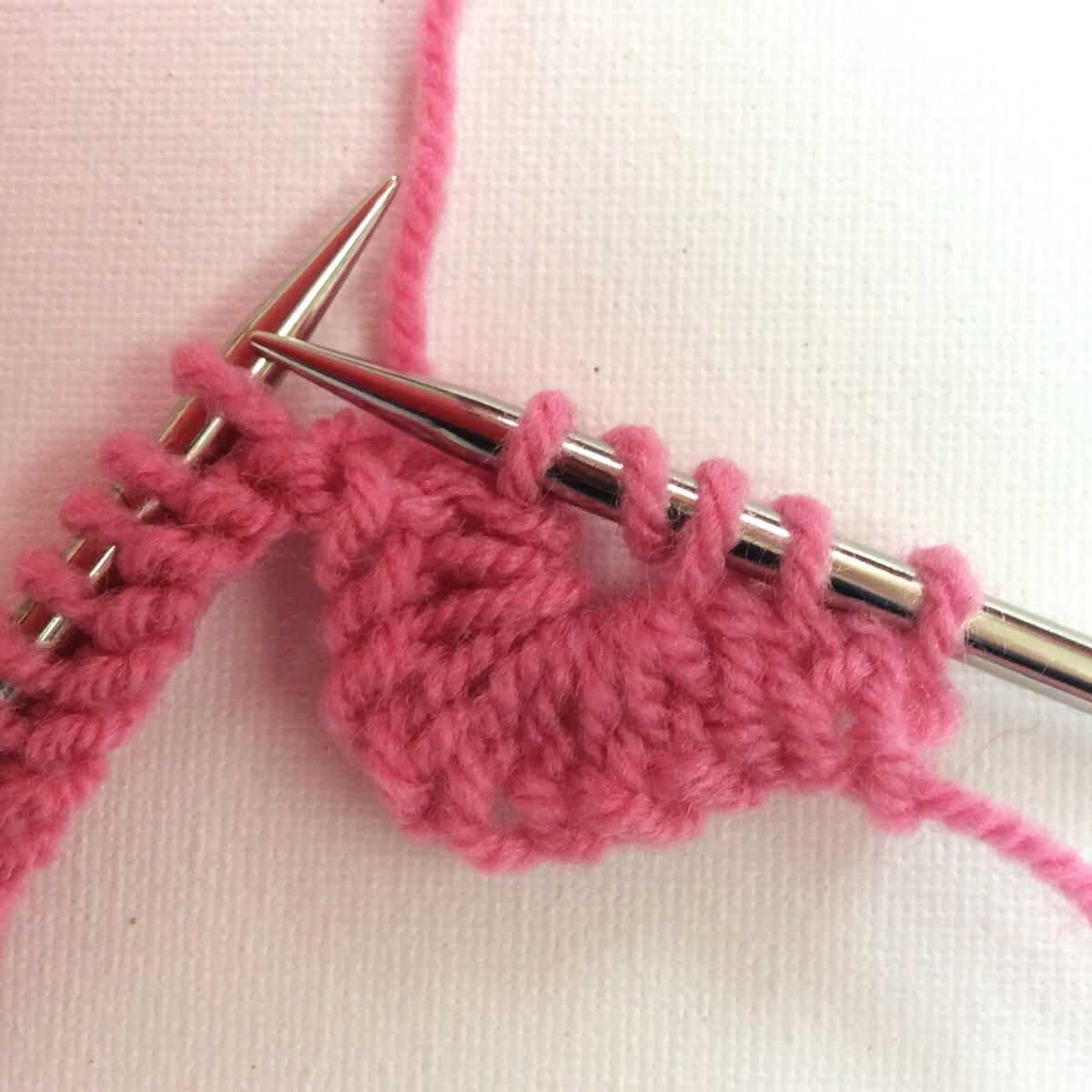
Scalloped knitting patterns are a beautiful and decorative way to add texture and interest to your knitting projects. However, sometimes you may want to take your scalloped pattern to the next level by adding embellishments. This can be done in several ways, allowing you to personalize and customize your knitting even further.
1. Beads: One way to add embellishments to a scalloped knitting pattern is by incorporating beads. You can thread beads onto your yarn before knitting and then incorporate them into your scallop stitches as you go. This will create a beautiful and eye-catching effect that will elevate your scalloped pattern to new heights.
2. Embroidery: Another way to add embellishments to your scalloped knitting pattern is through embroidery. Using a contrasting color of yarn or embroidery thread, you can embroider designs or patterns onto your scallops. This can be done after the knitting is complete, allowing you to add intricate details and motifs to your finished piece.
3. Ribbon or Lace: If you want to add a touch of elegance to your scalloped knitting pattern, consider incorporating ribbon or lace into your design. You can knit your scallops and then weave ribbon or lace through the stitches to create a delicate and feminine look. This can be particularly effective for projects such as shawls or baby blankets.
4. Appliques: Appliques are another way to add embellishments to your scalloped knitting pattern. You can create small motifs, such as flowers or leaves, and then sew them onto your scallops. This will add dimension and interest to your knitting, making it truly unique and personalized.
5. Sequins: For a bit of sparkle and glamour, consider adding sequins to your scalloped knitting pattern. You can either stitch them onto your scallops using a needle and thread, or you can incorporate them into the knitting itself by knitting them in as you go along. Either way, the sequins will catch the light and add a touch of luxury to your finished piece.
Incorporating these embellishments into your scalloped knitting pattern will allow you to create a one-of-a-kind piece that reflects your own personal style and creativity. Whether you choose beads, embroidery, ribbon, appliques, or sequins, your scalloped knitting pattern will be taken to the next level with these additional decorative touches.
How to troubleshoot common issues with scalloped knitting patterns
Knitting a scalloped pattern can be a beautiful way to add texture and depth to your projects. However, like any knitting pattern, there can be some common issues that arise. Understanding how to troubleshoot these issues will help you achieve the desired result in your scalloped knitting projects.
1. Uneven or distorted scallops
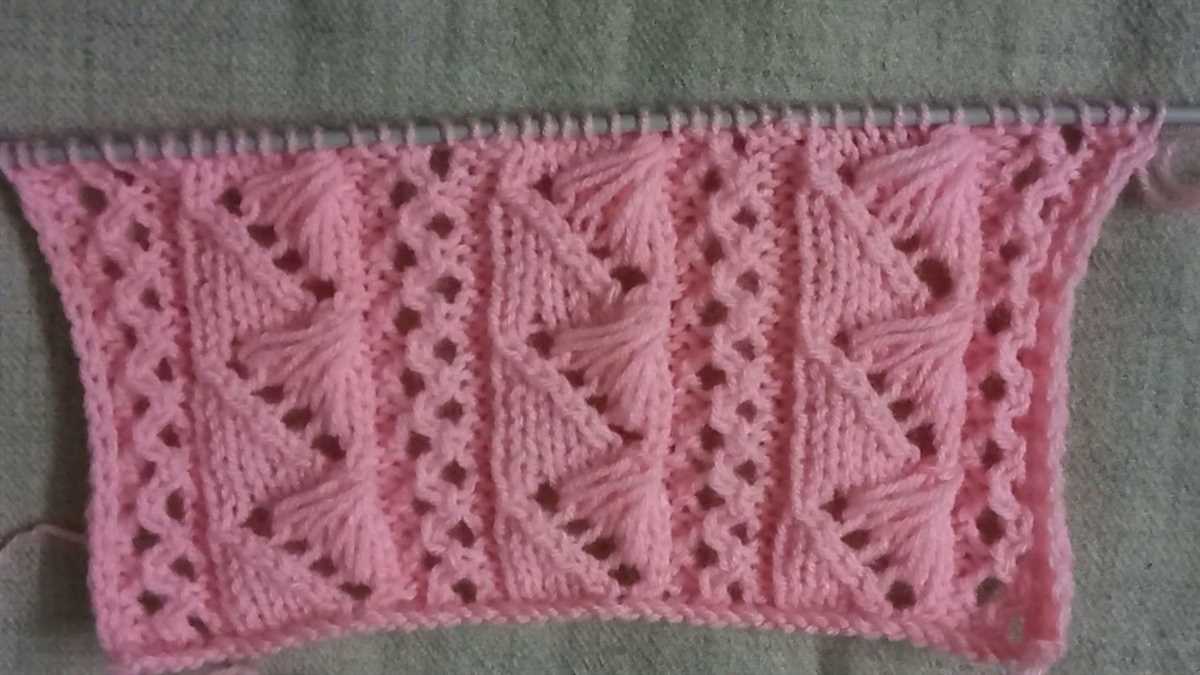
If your scallops are turning out uneven or distorted, the problem is likely with your tension. Ensure that you are consistently maintaining the same tension throughout your knitting. If necessary, you may need to adjust the size of your knitting needles to achieve a more even tension.
2. Stitches falling off the needle
If you find that your stitches are frequently falling off the needle, it may be a sign that your stitches are too loose. Ensure that you are not overstretching your stitches when working them. You can also try using a smaller needle size to tighten up your stitches and prevent them from slipping off.
3. Gaps or holes between scallops
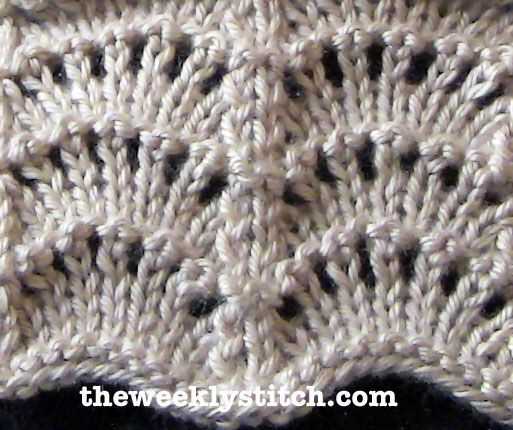
If you notice gaps or holes between your scallops, it could be due to an incorrect stitch count or missed stitches. Double-check that you are following the pattern correctly and counting your stitches accurately. It’s easy to accidentally skip a stitch or make an extra one, so pay close attention to ensure all stitches are accounted for.
4. Curling edges
Curling edges can be a common issue with scalloped knitting patterns. To fix this, you can try blocking your finished piece by wetting it and then pinning it into shape to dry. Blocking will help flatten out the edges and give them a more finished look.
5. Not achieving desired shape or size
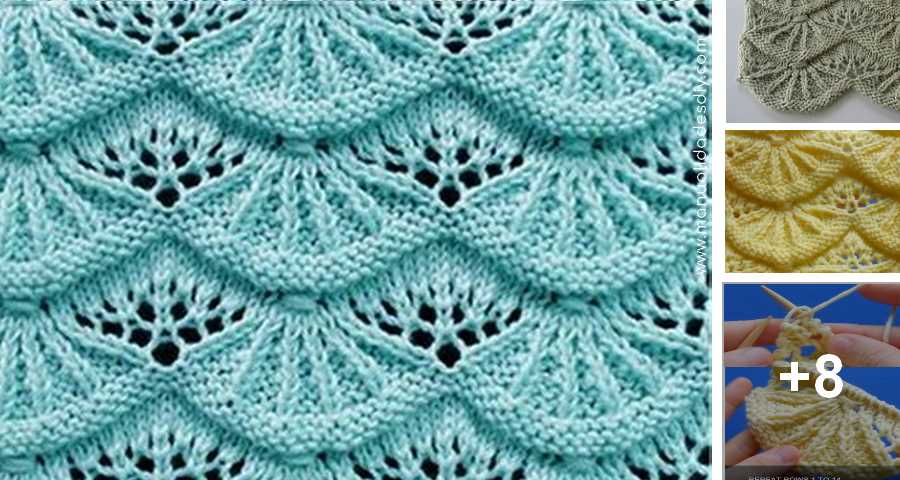
If you are not achieving the desired shape or size with your scalloped knitting pattern, it could be due to incorrect gauge. Make sure you are using the recommended yarn weight and needle size stated in the pattern. You may need to swatch and adjust your needle size to match the gauge specified in the pattern.
By understanding and addressing these common issues, you can troubleshoot any problems that arise while knitting scalloped patterns. With practice and attention to detail, you’ll be able to create beautiful scalloped designs with ease.
Inspiration for using scalloped knitting patterns in your projects
Scalloped knitting patterns are a beautiful and versatile technique that can add an elegant and delicate touch to your knitted projects. Whether you’re knitting a scarf, a blanket, or a sweater, incorporating scalloped edges or motifs can take your design to the next level. Here are some ideas and inspiration for using scalloped knitting patterns in your projects.
Add scalloped edges to a blanket or scarf
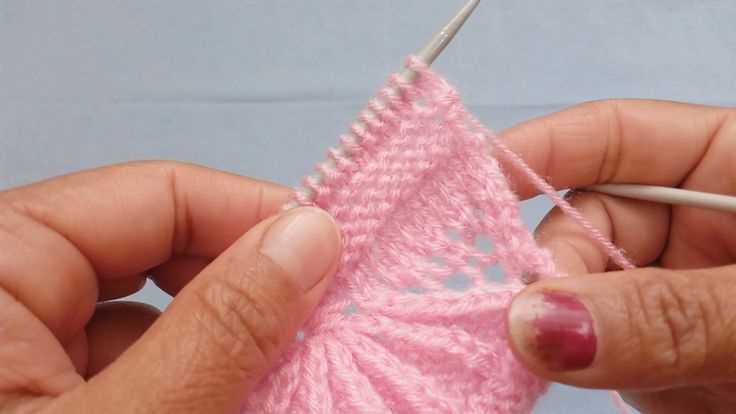
Scalloped edges can instantly elevate the look of a blanket or scarf. You can add a simple scalloped border to the edges of your knitted piece by working a series of increases and decreases in a repeated pattern. This will create a lovely undulating edge that adds a touch of elegance and femininity to the design.
Create a scalloped lace pattern
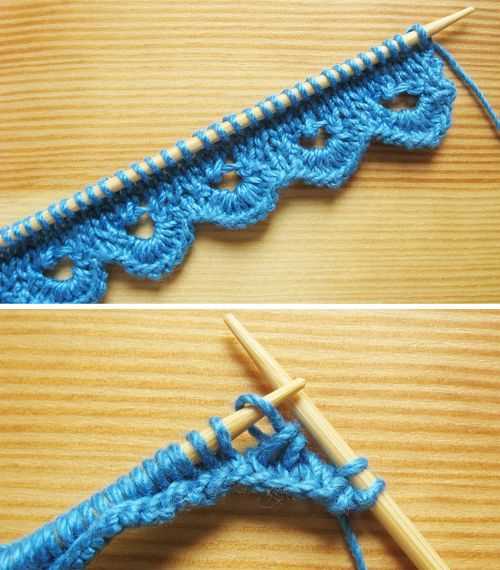
Scalloped lace patterns are another great way to incorporate scalloped knitting into your projects. Lace patterns often feature intricate and delicate motifs, and adding a scalloped edge to these motifs can create a beautiful effect. You can use a scalloped lace pattern to create a delicate border on a shawl or a cardigan, or even as a panel within a larger project.
Add scalloped details to a garment
If you’re looking to add some extra interest and texture to a knitted garment, consider incorporating scalloped details. You can add scalloped edges to the hem, cuffs, or collar of a sweater or cardigan. This will give the piece a unique and eye-catching finish. You can also create scalloped motifs within the body of the garment, adding a touch of elegance and femininity.
Experiment with different yarn weights and colors
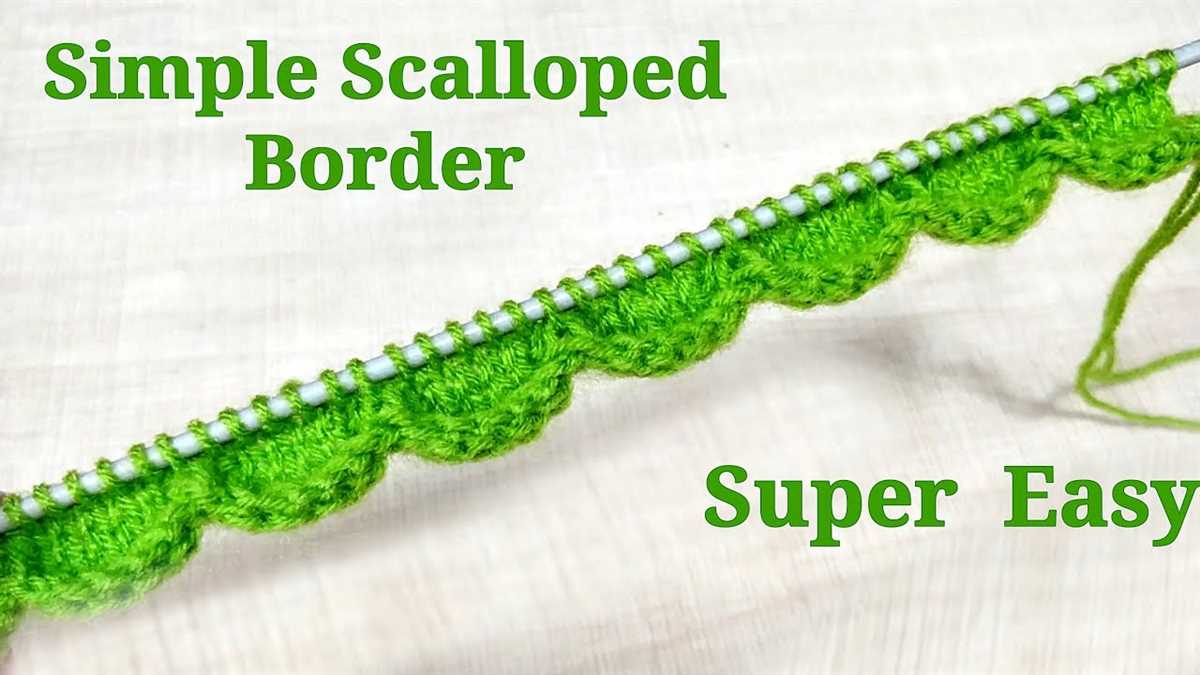
Don’t be afraid to experiment with different yarn weights and colors when working with scalloped knitting patterns. Thicker yarns can create bolder and more pronounced scalloped edges, while lighter weight yarns can give a more delicate and subtle effect. You can also play around with different color combinations to create unique and interesting designs. For example, using a variegated or self-striping yarn can add even more depth and dimension to your scalloped patterns.
With these ideas and inspiration, you can start incorporating scalloped knitting patterns into your projects and create beautiful and unique designs that are sure to impress.
Q&A:
What is a scalloped knitting pattern?
A scalloped knitting pattern is a type of knitting pattern that creates curved edges that resemble the shape of a scallop shell. It is achieved through a combination of increases and decreases in the knitting stitches, creating a decorative and textured edge.
How do you create a scalloped knitting pattern?
To create a scalloped knitting pattern, you will need to follow a specific stitch pattern that incorporates increases and decreases. Typically, this involves knitting or purling stitches together to decrease, and yarn overs or make one stitches to increase. By repeating this pattern, you can create the desired scalloped edge.
What can you use a scalloped knitting pattern for?
A scalloped knitting pattern can be used in a variety of knitting projects, such as edging for blankets, scarves, shawls, or even sweaters. It adds a decorative element to your knitting and can elevate the overall look of your finished project.
Are there different variations of scalloped knitting patterns?
Yes, there are various variations of scalloped knitting patterns available. Some patterns may have larger or smaller scallops, while others may incorporate different stitches or combinations of stitches to create unique designs. Experimenting with different variations can help you create a scalloped knitting pattern that suits your preferences.