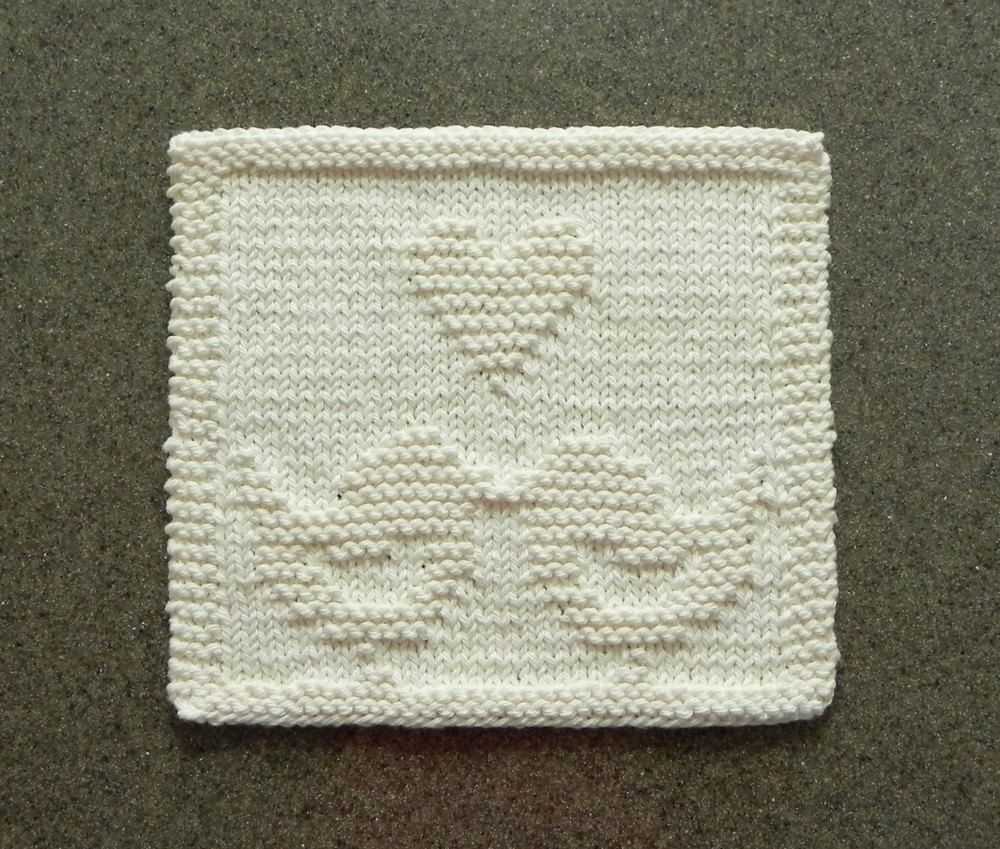
Are you looking for a quick and easy knitting project? Look no further than the Mini Almost Lost Washcloth! This adorable pattern is perfect for beginners or anyone wanting a small project to work on. The finished washcloth is the ideal size for face or dish washing, making it a practical addition to any kitchen or bathroom.
The Mini Almost Lost Washcloth pattern is beginner-friendly, with simple instructions and basic stitches. It’s a great way to practice your knitting skills and create something useful at the same time. Even if you’ve never picked up knitting needles before, you’ll be able to complete this pattern with ease.
This pattern uses cotton yarn, which is absorbent and gentle on the skin. The Mini Almost Lost Washcloth is also a fantastic way to use up any leftover yarn from previous projects, making it an economical choice. Plus, the pattern can easily be customized by choosing different colors or adding stripes for a unique touch.
Materials needed
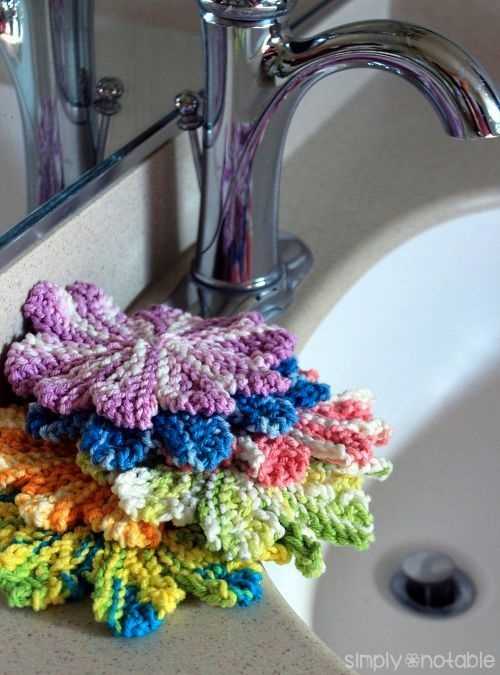
Before you begin knitting the mini washcloth, make sure you have the following materials:
- Knitting needles: You will need a pair of US size 6 (4mm) knitting needles.
- Yarn: Choose any worsted weight cotton yarn in your preferred color. You will need approximately 25 yards of yarn.
- Tapestry needle: A tapestry needle with a large eye will be needed for weaving in the ends of your yarn.
- Scissors: A pair of sharp scissors will be necessary for cutting the yarn.
- Stitch markers (optional): If you like to use stitch markers to keep track of your stitches, you may consider having a few on hand.
Once you have gathered all the necessary materials, you will be ready to start knitting your mini washcloth. Make sure to double-check the gauge and follow the instructions carefully to ensure a successful project. Happy knitting!
Gauge and Needle Size
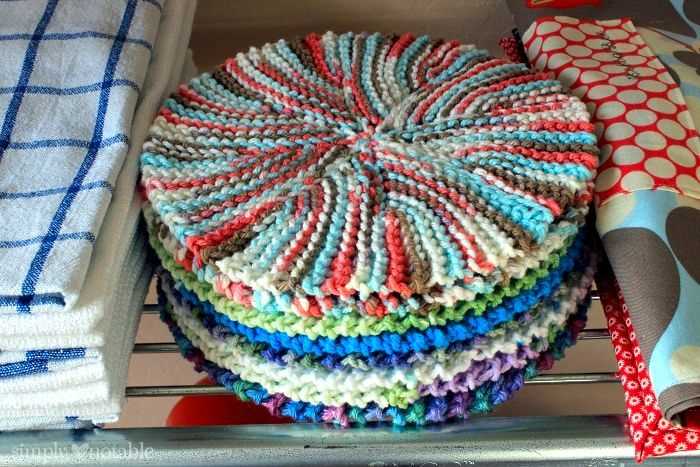
When knitting the Mini almost lost washcloth, it is important to achieve the correct gauge to ensure that the finished product turns out the right size. The pattern recommends using size US 7 (4.5 mm) knitting needles, but you may need to adjust the needle size depending on your personal knitting tension.
To determine if you have achieved the correct gauge, you can knit a gauge swatch using the same yarn and needles that you plan to use for the washcloth. The recommended gauge for this pattern is 20 stitches and 28 rows in a 4×4 inch (10×10 cm) square. If your gauge differs, you may need to change needle sizes accordingly.
Remember that the needle size and gauge can greatly affect the final size and appearance of the washcloth. If your stitches are too tight and the washcloth turns out smaller than intended, try using larger needles. On the other hand, if your stitches are too loose and the washcloth turns out larger than intended, try using smaller needles.
If you are unsure about which needle size to use or how to adjust your tension, it is always helpful to knit a gauge swatch and compare it to the recommended gauge. This will give you a better idea of how your stitches look and help you make the necessary adjustments to achieve the desired size and texture for your Mini almost lost washcloth.
Abbreviations
In order to make it easier to read and understand knitting patterns, abbreviations are often used. These abbreviations are a shortened version of the knitting terms and instructions, making the pattern more concise and easier to follow. Here are some common abbreviations that you may come across in the mini almost lost washcloth knitting pattern:
- K – Knit
- P – Purl
- YO – Yarn over
- K2tog – Knit two stitches together
- SSK – Slip slip knit
- RS – Right side
- WS – Wrong side
- St(s) – Stitch(es)
- Rep – Repeat
- Inc – Increase
- Dec – Decrease
By using these abbreviations, the pattern becomes easier to read and understand, especially for experienced knitters who are familiar with these terms. However, if you are a beginner, it’s important to familiarize yourself with these abbreviations before starting the pattern. You can refer to a knitting abbreviation chart or guide for more information on these terms.
Cast on and starting rows
When starting the Mini almost lost washcloth knitting pattern, the first step is to cast on your stitches. This pattern requires a total of 45 stitches. You can use any cast-on method you prefer, but make sure to leave a long tail for weaving in later.
After casting on, you will need to work the starting rows. The pattern provides both written instructions and a chart, so you can choose which one you prefer to follow. The starting rows consist of basic knit and purl stitches, which create the ribbed border of the washcloth. As you work these rows, be sure to maintain the correct stitch count and check your tension to ensure an even fabric.
If you are new to knitting or need a refresher on these stitches, there are many online tutorials and videos available that can help guide you through the process. Once you have completed the cast on and starting rows, you will be ready to move on to the main body of the washcloth pattern.
Main body pattern
The main body of the washcloth is knitted in a simple stitch pattern, which creates a textured and absorbent fabric. To begin, cast on 36 stitches using your preferred method.
Once you have cast on, the pattern is worked in rows back and forth. Begin by knitting one row. Then, continue with the following pattern:
Row 1:
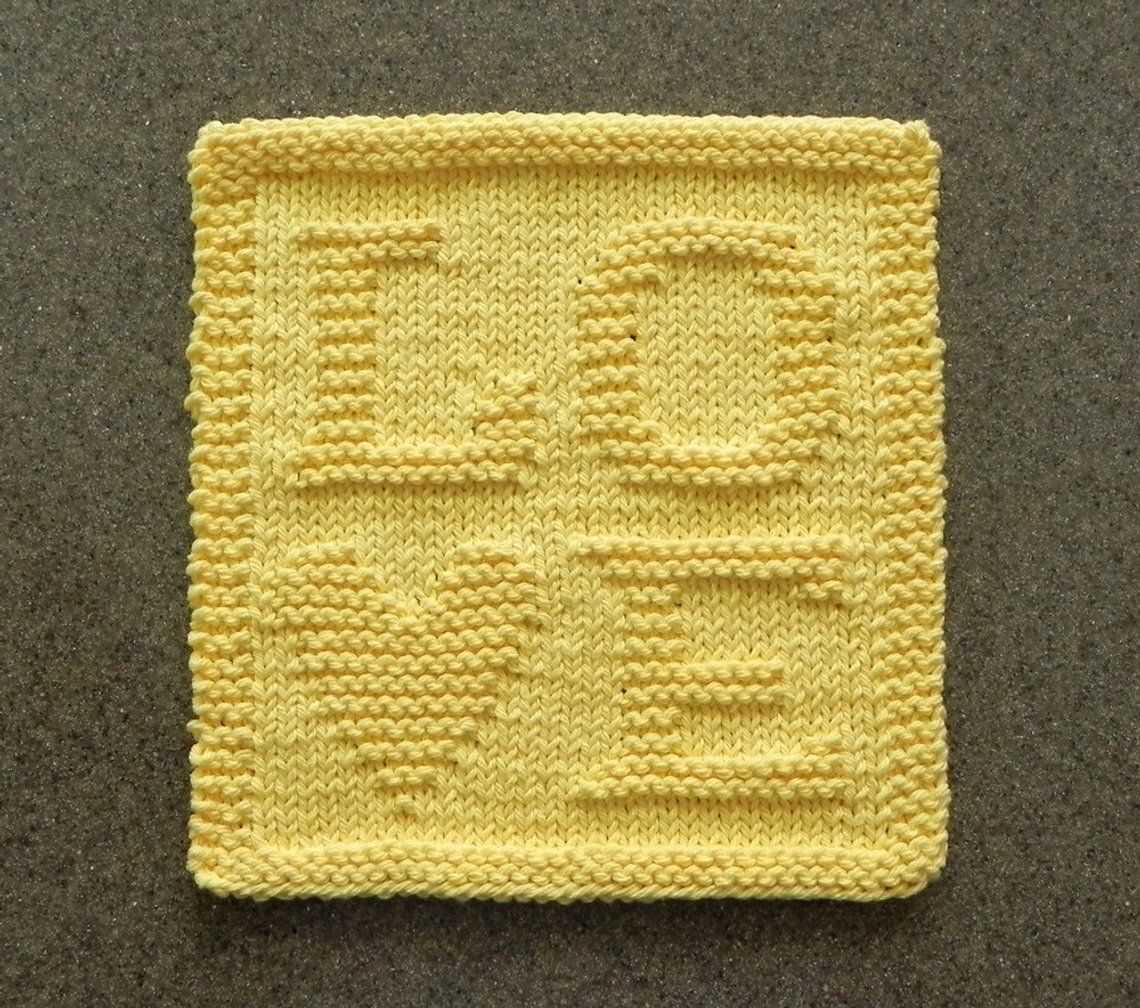
Knit all stitches.
Row 2:
Purl all stitches.
Repeat these two rows until the washcloth measures approximately 8 inches in length, or until you reach your desired size. Make sure to end on a Row 2 (purl) to maintain the pattern consistency.
Once you have reached the desired length, it’s time to move on to the next section of the pattern to finish the washcloth.
Decreasing stitches
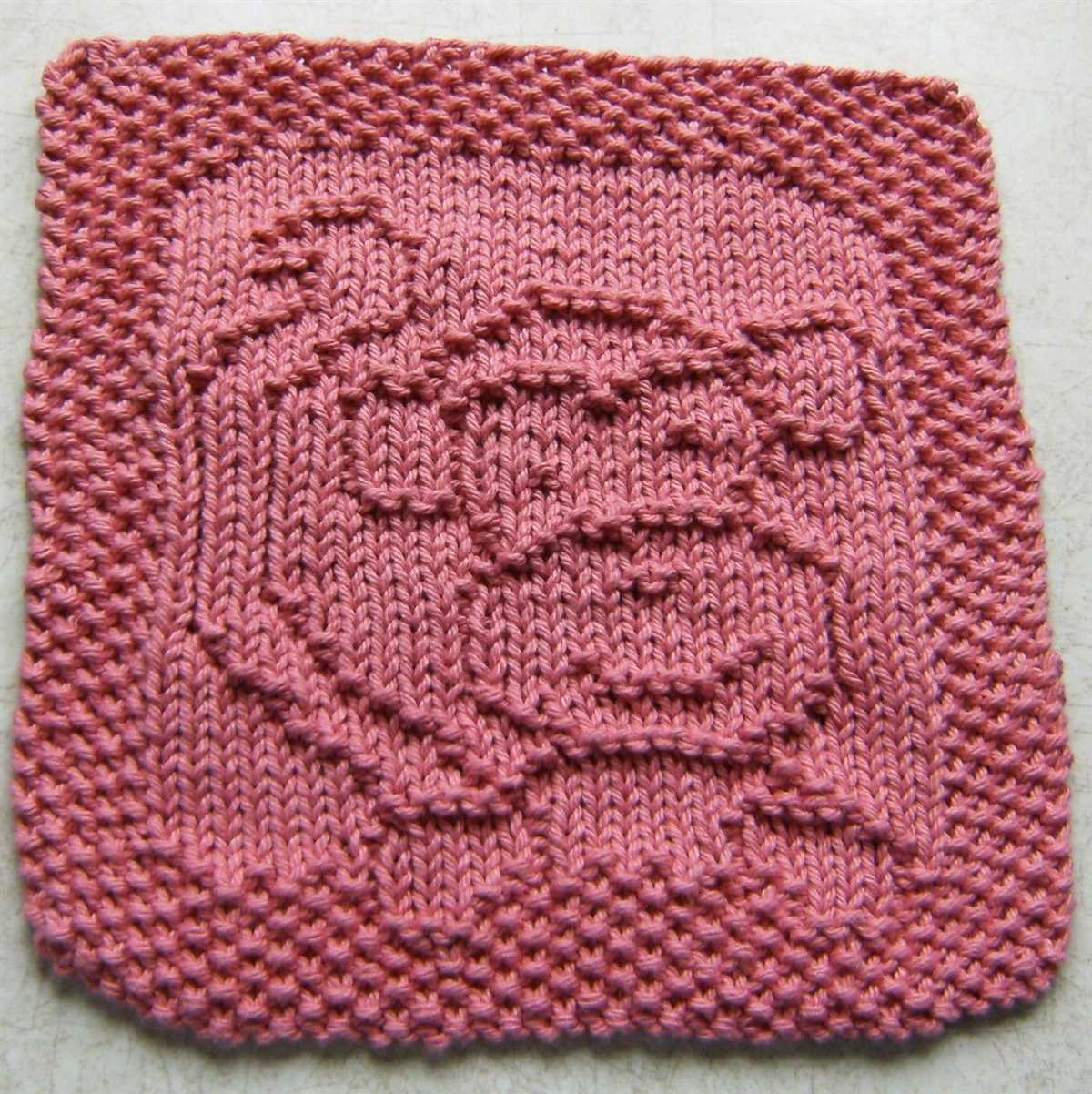
Decreasing stitches is an essential technique in knitting that allows you to shape your work and create a variety of patterns. There are several methods for decreasing stitches, each with its own unique result. Here are some common methods:
1. Knit two stitches together (k2tog)
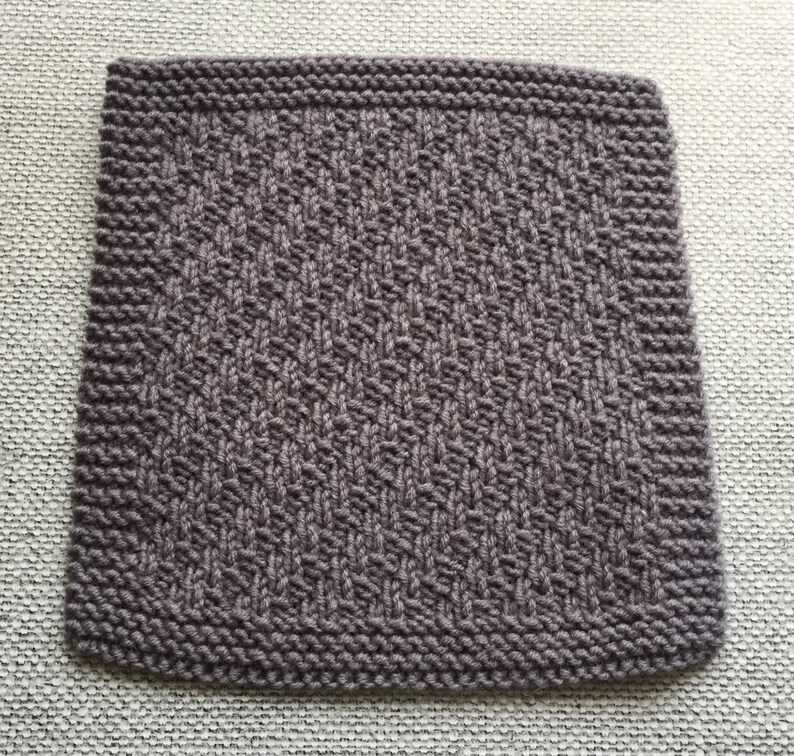
This is the most basic and commonly used method for decreasing stitches. To execute this decrease, simply insert the right needle into the next two stitches on the left needle, then knit them together as if they were one stitch.
2. Slip, slip, knit (ssk)
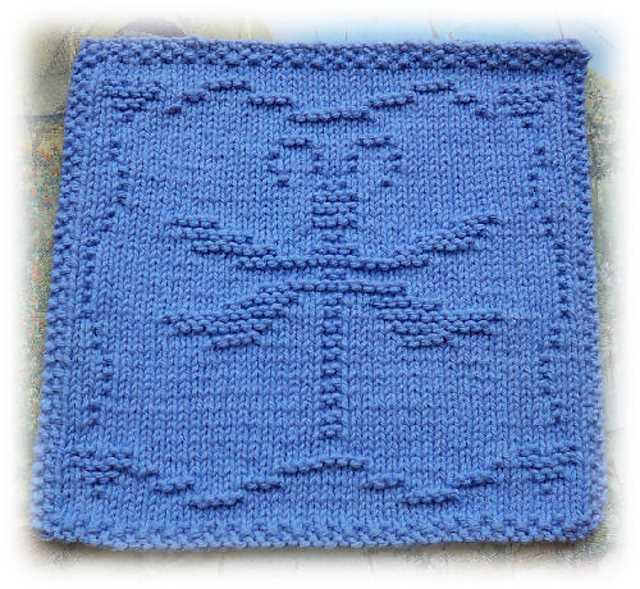
The ssk decrease is used to create a left-leaning decrease. To perform this decrease, slip two stitches individually from your left needle onto the right needle as if you were going to knit them. Then insert the left needle into the front loops of the slipped stitches and knit them together.
3. Slip, slip, purl (ssp)
The ssp decrease is similar to the ssk decrease, but it is used when you are working on the purl side of your knitting. To execute this decrease, slip two stitches individually from the left needle to the right needle as if you were going to purl them. Then insert the left needle into the front loops of the slipped stitches and purl them together.
4. Central double decrease (CDD)
The CDD is a decrease that creates a centered double decrease and is commonly used for lace patterns. To perform this decrease, slip two stitches together as if to knit, knit the next stitch, then pass the slipped stitches over the knitted stitch.
These are just a few of the many methods for decreasing stitches in knitting. The best method to use depends on the specific project and desired outcome. Experiment with different techniques to add variety and shape to your knitting projects!
Finishing the washcloth
After completing the final row, it’s time to finish off the washcloth. To do this, cut the yarn, leaving a tail that is about 6 inches long. Thread the tail through the last stitch on the needle and pull it tight to secure it. This will prevent the stitches from unraveling.
To give the washcloth a clean and polished look, it’s important to weave in the ends. Using a tapestry needle, thread the tail through the stitches on the wrong side of the washcloth. This can be done by weaving the needle in and out of the stitches, going in different directions to ensure that the end is secure. Once the tail is woven in, trim any excess yarn.
Note: It’s recommended to wash the finished washcloth before use to remove any oils or debris from the yarn. This can simply be done by hand washing in warm water with a mild detergent. Gently squeeze out the excess water and lay flat to dry.
Optional border
- If desired, you can add a border to the washcloth to give it a decorative edge. This can be done by picking up stitches along the sides of the washcloth using a knitting needle.
- Once the stitches are picked up, you can knit a few rows in a contrasting color or a different stitch pattern to create the border. This is a great opportunity to get creative and add your own personal touch to the washcloth.
- After completing the border, finish off by binding off the stitches and weaving in any loose ends.
Blocking the washcloth
Blocking is an essential step in finishing any knitted project, including washcloths. It helps to shape and even out the stitches, and gives the washcloth a more professional and finished look. It also helps the washcloth to lay flat and absorb water more efficiently.
To block the washcloth, start by gently washing it in warm water with mild soap. Avoid twisting or wringing the washcloth, as this can stretch or distort the stitches. After rinsing, gently squeeze out excess water without wringing. Lay the washcloth flat on a clean towel and roll it up, pressing gently to remove more moisture.
Next, lay the washcloth on a blocking board or a clean, dry towel. Use rustproof pins to secure the washcloth in place, stretching it slightly if desired to open up the stitches. Pay attention to the edges and corners, making sure they are straight and well-defined. If the washcloth has any lace or textured sections, use the pins to define the pattern and keep it in place.
Leave the washcloth to dry completely in a well-ventilated area, away from direct heat or sunlight. Once dry, remove the pins and gently reshape the washcloth if necessary. It is now ready to use or give as a gift.
Variations and Customization
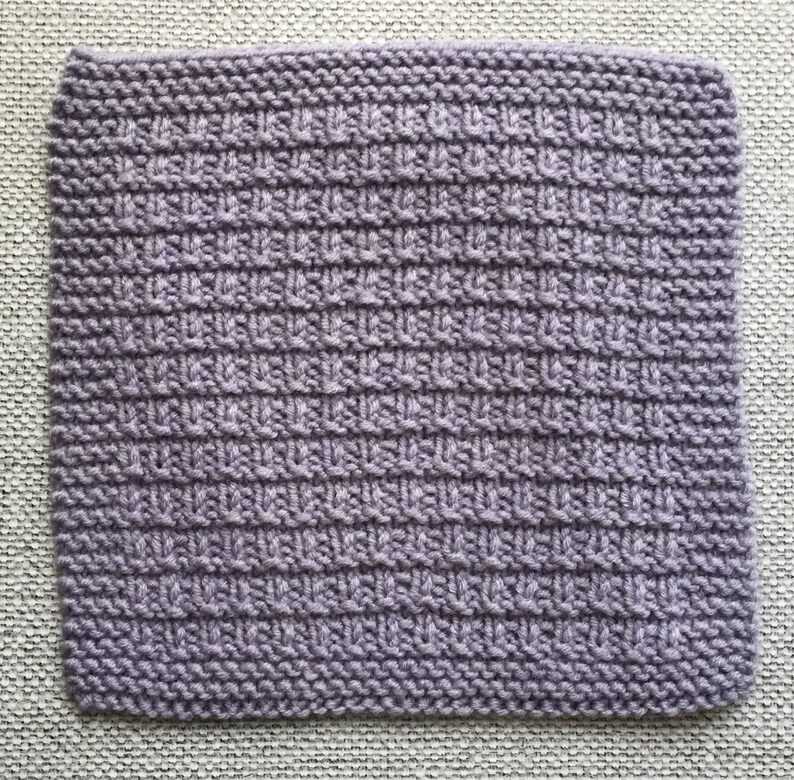
Once you have mastered the mini washcloth knitting pattern, you can begin to explore different variations and customization options to make each washcloth unique. Here are a few ideas to get you started:
Color Changes
One simple way to customize your washcloth is by changing the color of the yarn. You can experiment with different shades and combinations to create a vibrant, colorful washcloth. Try using variegated yarn for a fun, striped effect or choose a solid color for a more classic look.
Pattern Stitch Variations
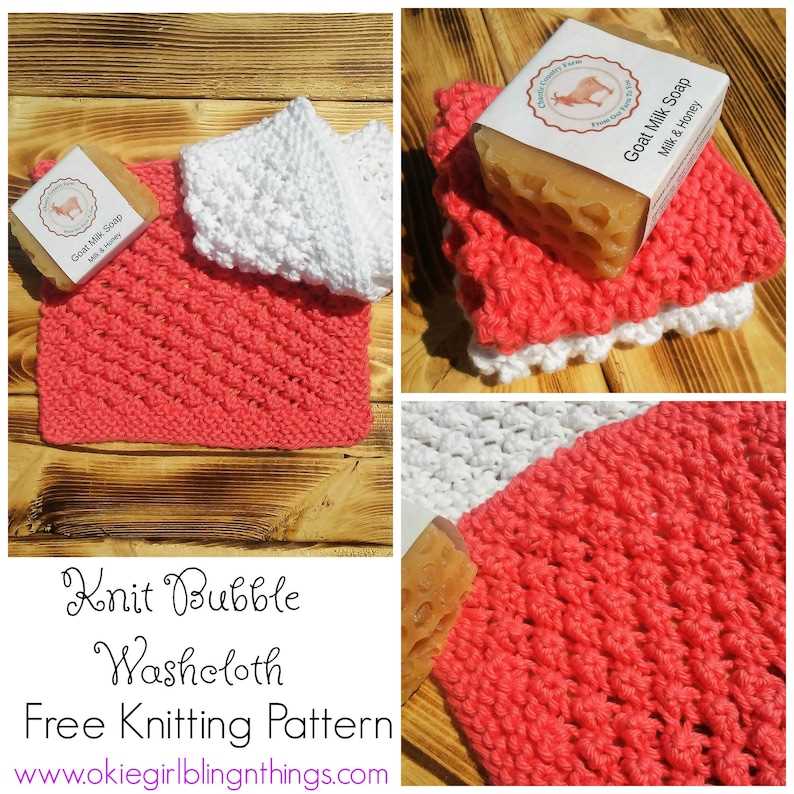
If you want to take your washcloth to the next level, you can try incorporating different pattern stitches into the design. For example, you could add a cable stitch border or include lace panels for an elegant touch. By experimenting with different stitch patterns, you can create a washcloth that is not only practical but also visually interesting.
Size Adjustments
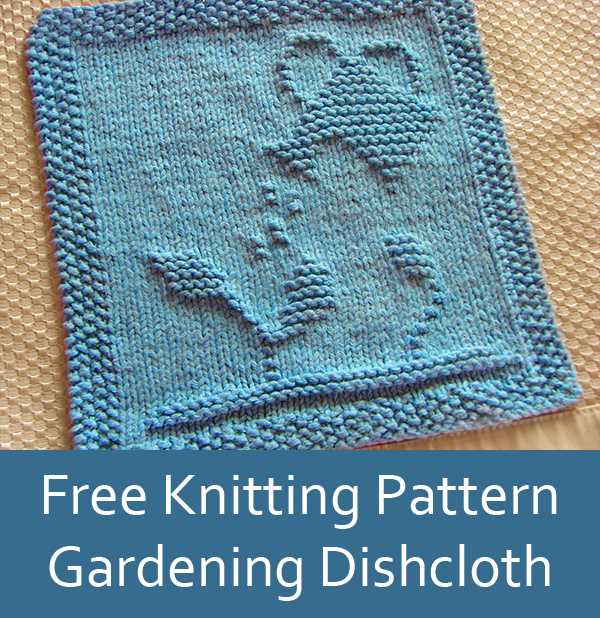
If you prefer a larger or smaller washcloth, you can easily adjust the size of the pattern to suit your needs. Simply cast on more or fewer stitches to change the width, and work more or fewer rows to change the length. This allows you to customize the washcloth to fit your personal preferences or specific requirements.
Embellishments and Trims
To add some extra flair to your washcloth, you can incorporate embellishments or trims. For example, you could sew on a small button at the corner or add a decorative crochet border. These small details can elevate the look of your washcloth and make it truly one-of-a-kind.
With these variations and customization options, you can create a collection of mini washcloths that are not only functional but also reflect your personal style and creativity.
Tips and Tricks
If you’re new to knitting or just looking for some helpful tips, we’ve got you covered. Here are some handy tips and tricks to keep in mind when working on the Mini Almost Lost Washcloth knitting pattern.
1. Choose the right yarn
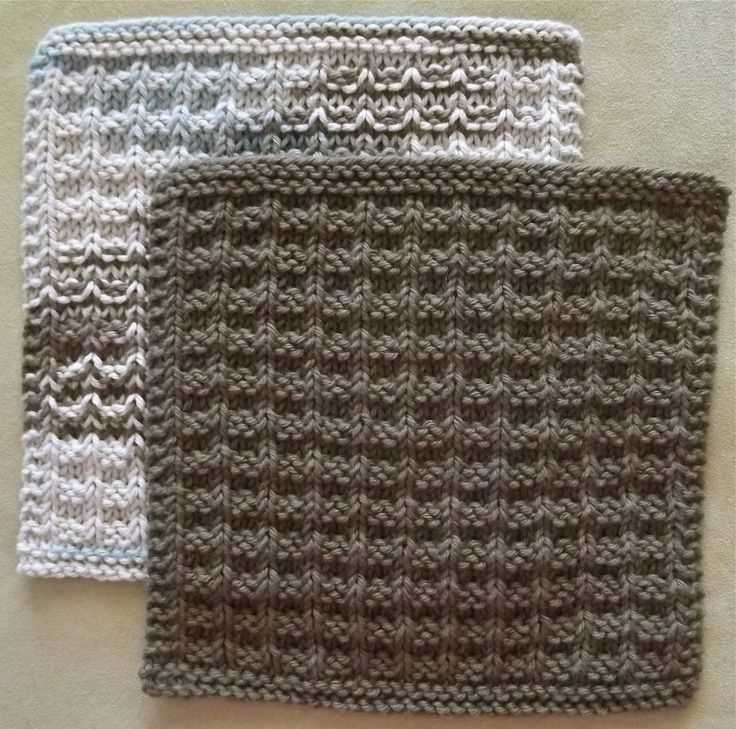
When starting any knitting project, it’s important to choose the right yarn for the job. For the Mini Almost Lost Washcloth, opt for a cotton yarn that is absorbent and durable. This will ensure that your washcloth not only looks great but also functions well.
2. Gauge is important
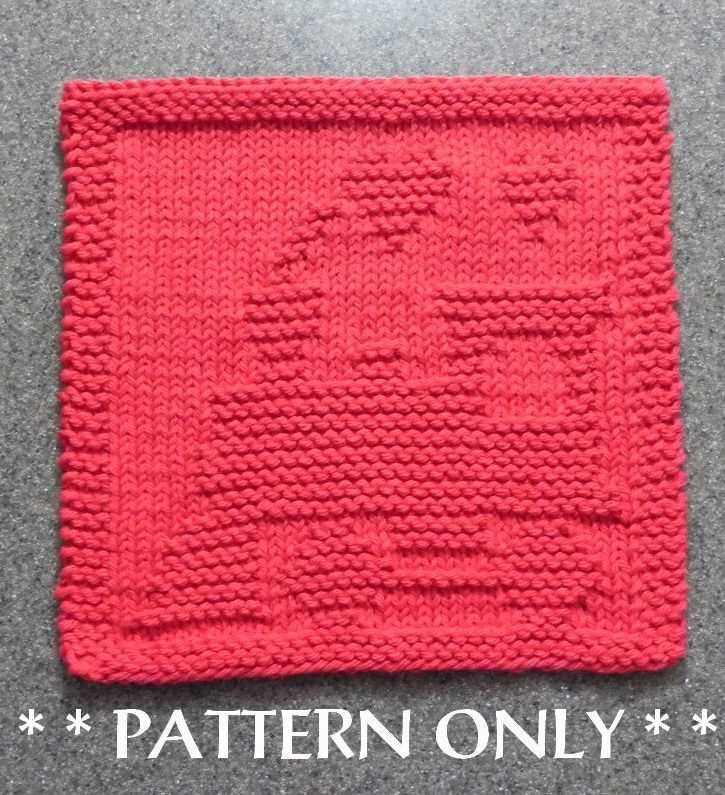
Before diving into the pattern, take the time to check your gauge. Gauge refers to the number of stitches and rows per inch using the recommended needle size. This step is crucial to ensure that your finished washcloth will be the correct size. Use a swatch to check your gauge and make any necessary adjustments to your needles or tension.
3. Count your stitches
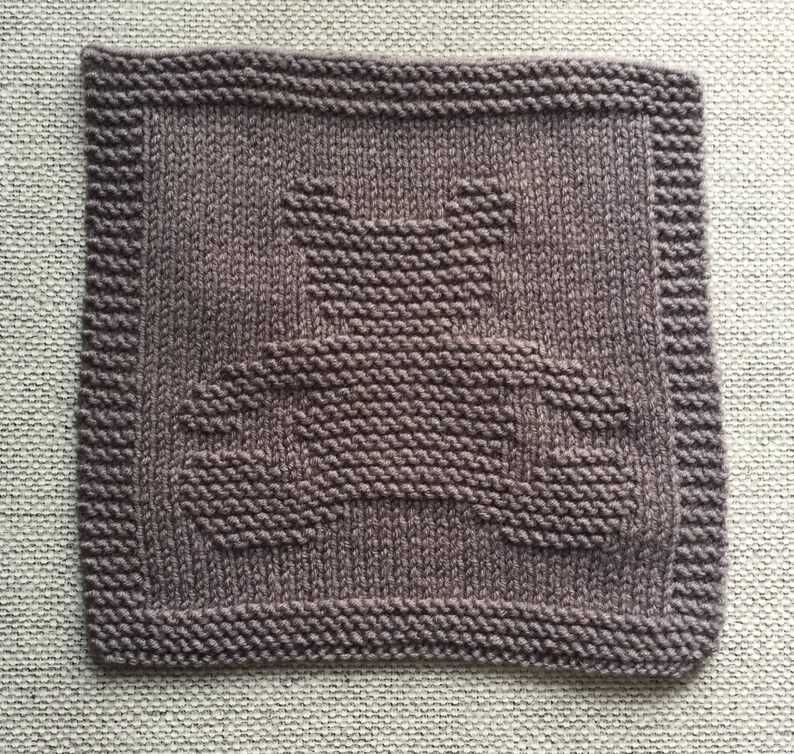
Counting stitches is essential when following any knitting pattern, including the Mini Almost Lost Washcloth. Double-check your stitch count at the end of each row or pattern repeat to make sure you haven’t accidentally added or dropped any stitches. This will help prevent any mistakes and keep your washcloth looking neat and uniform.
4. Use stitch markers
To help keep track of your progress and pattern repeats, consider using stitch markers. These small ring-shaped markers can be placed on your needles to mark specific stitches or sections of the pattern. This is especially useful for complicated stitch patterns or when working with multiple colors.
5. Take breaks and stretch
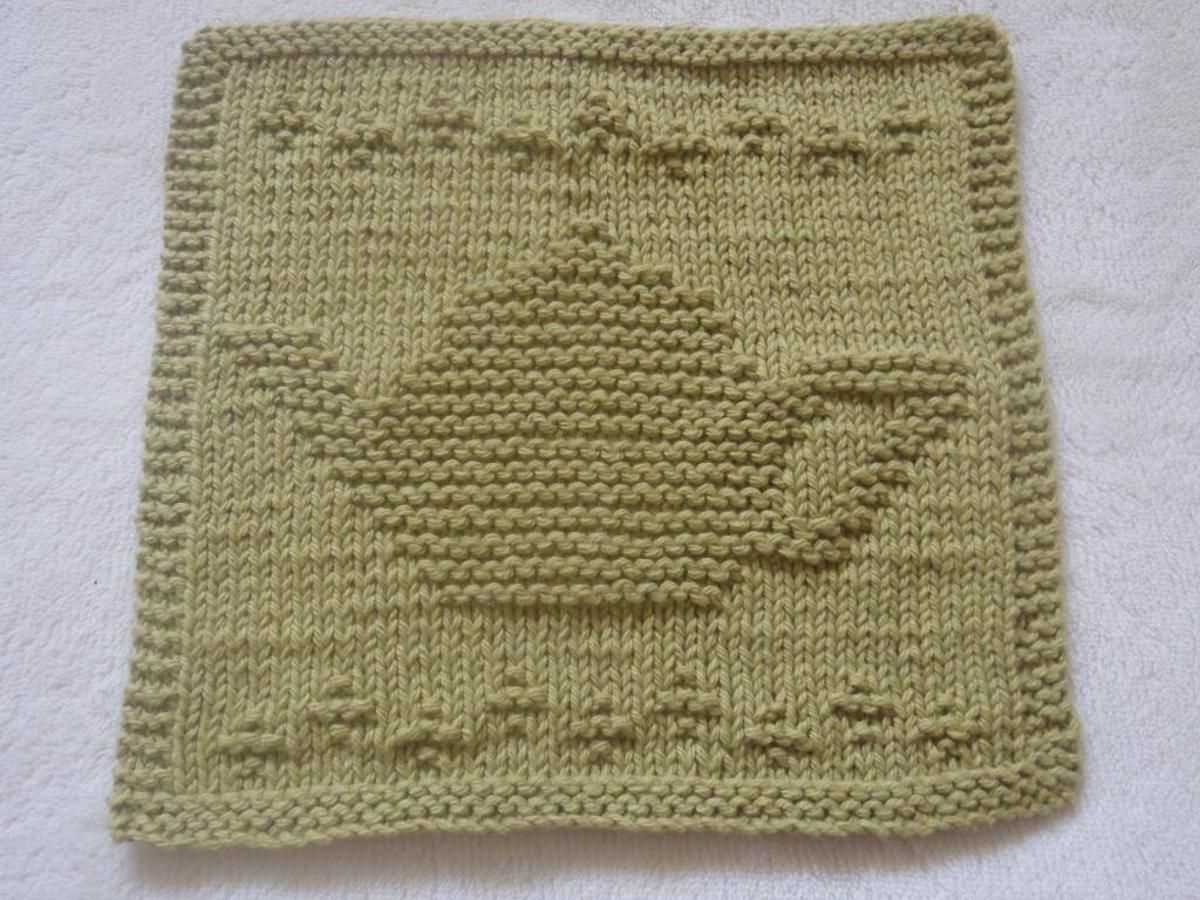
Knitting can be a repetitive and sometimes strenuous activity, so it’s important to take breaks and stretch your hands and wrists to avoid strain or discomfort. Set aside regular intervals to rest and stretch, and listen to your body’s signals to prevent any knitting-related injuries.
6. Enjoy the process
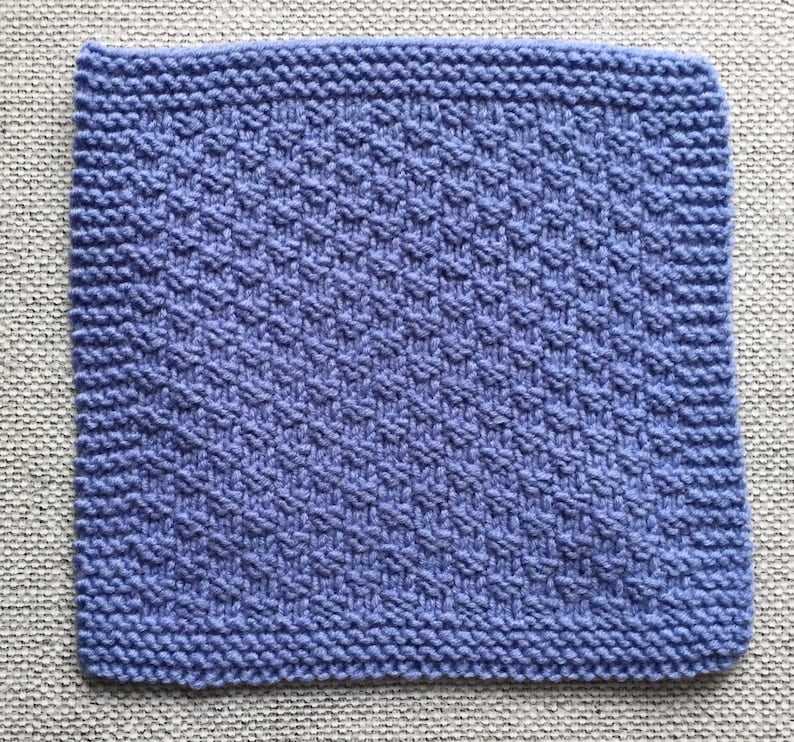
While knitting can be challenging at times, it’s important to enjoy the process and have fun with your project. Take your time, savor the moments of creativity, and don’t be afraid to make mistakes. Remember, knitting is not just about the finished product but also about the joy and satisfaction that comes from creating something with your own hands.
Frequently Asked Questions
Here are some common questions that our users have about the mini almost lost washcloth knitting pattern:
-
Can I use different yarn for this pattern?
Yes, you can use any type of yarn for this pattern. However, keep in mind that using a different yarn may result in a different finished size and texture. It’s always a good idea to make a gauge swatch before starting the project to ensure the desired size.
-
How long does it take to knit this washcloth?
The time it takes to knit this washcloth will vary depending on your knitting skills and the amount of time you can dedicate to the project. On average, it can take a few hours to complete.
-
Can I sell the washcloths made from this pattern?
Yes, you can sell the washcloths made from this pattern, as long as you give credit to the original pattern designer. It’s always a good idea to check the specific copyright and licensing information for the pattern before selling the finished products.
-
Can I make this pattern larger or smaller?
Yes, you can adjust the size of the washcloth by changing the number of stitches and rows. Keep in mind that altering the size may affect the overall look of the pattern. You may need to make adjustments to the number of stitches for the border to maintain the pattern’s symmetry.
Now that you have answers to some frequently asked questions, you’re ready to start knitting your own mini almost lost washcloth! Have fun experimenting with different yarns and sizes to create unique and personalized washcloths.
Q&A:
What is the Mini almost lost washcloth knitting pattern?
The Mini almost lost washcloth knitting pattern is a small but intricate pattern for knitting a washcloth. It is called “almost lost” because it features a complex design that may seem challenging, but with attention and patience, knitters can create a beautiful piece.
How many stitches are in the Mini almost lost washcloth knitting pattern?
The Mini almost lost washcloth knitting pattern typically has a stitch count of 48 stitches. This number may vary slightly depending on the specific pattern and gauge of the knitter. It is important to follow the pattern instructions closely to ensure the correct number of stitches.
What materials are needed for the Mini almost lost washcloth knitting pattern?
To create the Mini almost lost washcloth, you will need yarn in the color of your choice, knitting needles in the appropriate size for the yarn, and a darning needle for weaving in the ends. The specific yarn weight and needle size will depend on the desired finished product and personal preference.
Is the Mini almost lost washcloth knitting pattern suitable for beginners?
The Mini almost lost washcloth knitting pattern is not recommended for beginners. It features intricate stitch patterns and requires intermediate knitting skills. It is best suited for knitters with some experience and comfort with more complex patterns.
Are there any video tutorials available for the Mini almost lost washcloth knitting pattern?
Yes, there are many video tutorials available online that can guide you through the Mini almost lost washcloth knitting pattern. These tutorials can be helpful for visual learners or those who prefer to see the knitting process in action. Just search for “Mini almost lost washcloth knitting tutorial” and you should find a variety of options.