
Knitting is a beloved craft that has been passed down through generations. It allows us to create beautiful, intricate designs using just a pair of needles and some yarn. One popular knitting pattern that has stood the test of time is the Celtic plait pattern. This pattern features interwoven cables that mimic the appearance of traditional Celtic knotwork. It is a challenging design that requires precision and concentration, but the end result is well worth the effort.
The Celtic plait knitting pattern is often used to create stunning garments such as scarves, sweaters, and hats. It can also be incorporated into smaller projects like mittens or socks for a touch of Celtic charm. The cables in this pattern create a three-dimensional effect, giving your finished product a unique and eye-catching texture. Whether you’re a beginner or an experienced knitter, the Celtic plait pattern is sure to impress.
To create the Celtic plait pattern, you’ll need to be familiar with basic cable knitting techniques. Cables are created by crossing stitches over each other, which gives the appearance of twisted ropes or braids. The Celtic plait pattern often incorporates multiple cable crosses, creating an intricate design that resembles the interwoven knots found in Celtic art and culture. This pattern requires careful attention to detail, but once you get the hang of it, you’ll be able to create stunning Celtic-inspired knits.
If you’re ready to take your knitting skills to the next level, give the Celtic plait pattern a try. This intricate design will challenge and inspire you, and the finished product will be a stylish and unique addition to your wardrobe. Whether you choose to knit a cozy sweater or a simple headband, the Celtic plait pattern is sure to impress with its timeless beauty and rich cultural heritage.
Celtic Plait Knitting Pattern: A Guide to Creating Beautiful Knitted Designs
Are you looking to add a touch of elegance and intricate design to your knitting projects? Then look no further than the Celtic plait knitting pattern. This timeless pattern is inspired by the ancient Celtic artistry and creates stunning textured designs that are sure to impress.
The Celtic plait knitting pattern involves intertwining and crossing of stitches to create a braided effect. It may seem complex at first, but with some practice and patience, you can master this technique and create beautiful and unique designs.
Getting Started:
If you’re new to knitting, it’s recommended to start with simpler patterns before attempting the Celtic plait. Familiarize yourself with basic knitting stitches and techniques before diving into this more intricate pattern.
Materials:
- Yarn of your choice
- Knitting needles suitable for your chosen yarn
- Tapestry needle
- Scissors
- Pattern guide or chart
Instructions:
- Choose your desired pattern and gather your materials.
- Begin by knitting a swatch to determine your gauge and ensure that your stitches are consistent.
- Follow the pattern guide or chart, which will provide detailed instructions on how to create the Celtic plait design.
- Pay close attention to the crossing and intertwining of stitches, as this is what creates the unique braided effect.
- After completing the pattern, make sure to block your finished piece to enhance its overall appearance and shape.
Design Ideas:
The Celtic plait knitting pattern can be used in a variety of projects, such as scarves, hats, sweaters, and blankets. You can experiment with different colors and yarn weights to create different effects and styles. Additionally, you can incorporate Celtic knotwork or other Celtic-inspired motifs into your designs for a truly unique and personalized touch.
Conclusion:
The Celtic plait knitting pattern is a wonderful way to add sophistication and intricate detail to your knitting projects. With practice and patience, you can master this technique and create beautiful and unique designs that are sure to impress. So grab your knitting needles, choose your favorite yarn, and start creating stunning Celtic-inspired pieces today!
What is a Celtic Plait Knitting Pattern?

A Celtic plait knitting pattern is a traditional knitting technique that originated in Celtic cultures. It is characterized by intricate and interwoven patterns that resemble Celtic knots and braids. The patterns are created by crossing and twisting multiple strands of yarn to create a woven effect. This creates a visually stunning design that is rich in texture and depth.
The Celtic plait knitting pattern is often used to create beautiful and unique garments and accessories, such as sweaters, scarves, and hats. It is a popular choice for those looking to add a touch of Celtic heritage to their knitting projects. The patterns can vary in complexity, ranging from simple braids to more intricate designs with multiple layers and twists.
One of the key features of the Celtic plait knitting pattern is its versatility. It can be used to create a variety of different looks, depending on the number of strands used and the direction of the twists. Some patterns may use two or three strands, while others may use more. The pattern can also be modified by changing the type or color of yarn used, allowing for endless possibilities for creativity and customization.
To create a Celtic plait knitting pattern, it is important to have a solid understanding of basic knitting techniques, such as casting on, knitting, and purling. It is also helpful to have some experience with more advanced knitting techniques, such as cable knitting, as the Celtic plait pattern can involve crossing and twisting the strands in a similar manner.
Overall, the Celtic plait knitting pattern is a beautiful and intricate technique that allows knitters to create stunning designs with a touch of Celtic heritage. Whether you are a beginner or an experienced knitter, incorporating this pattern into your projects can add a unique and special touch. So why not give it a try and unleash your creativity with a Celtic plait knitting pattern?
Understanding the History and Significance of Celtic Plait Designs
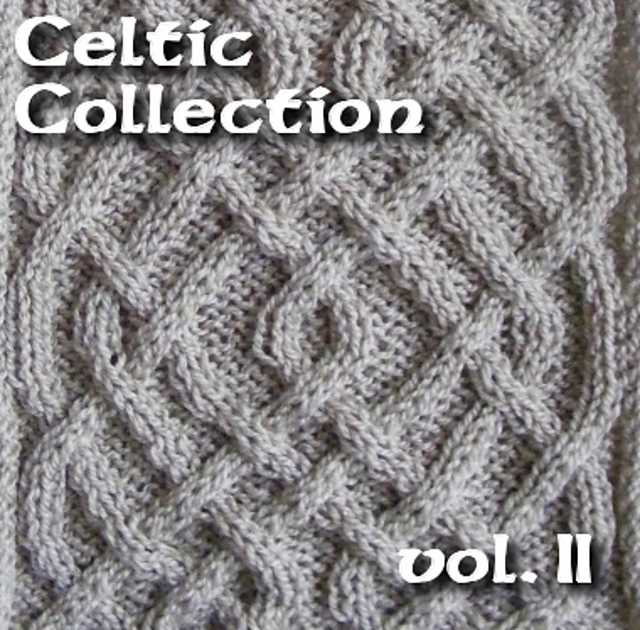
Celtic plait designs are a unique and intricate form of art that originated in ancient Celtic culture. These patterns, also known as Celtic braids or interlacing patterns, have a deep historical significance and are still widely used and appreciated today. Understanding the history and meaning behind these designs can help us appreciate their beauty and cultural importance.
The history of Celtic plait designs can be traced back to the early Celtic people who inhabited Ireland, Scotland, and parts of Europe. These designs were used in various aspects of Celtic life, including their artwork, jewelry, and manuscripts. They were often incorporated into religious symbols and were believed to have spiritual significance.
The Celtic plait designs are characterized by their intricate interwoven patterns, which create a sense of unity, balance, and continuity. The patterns often consist of a single continuous line that twists, turns, and loops in mesmerizing ways. This symbolism of interconnectedness reflects the Celtic belief in the interconnectedness of all things – the unity of nature, the cycle of life and death, and the relationship between the spiritual and earthly realms.
The significance of Celtic plait designs goes beyond their aesthetic appeal. They are also symbolic of Celtic identity and heritage. The intricate patterns represent the complex and rich culture of the Celts and their deep connection to their land and ancestry. Today, Celtic plait designs are still widely used in Celtic art, jewelry, and even tattoo designs as a way to honor and celebrate Celtic heritage.
Getting Started: Essential Materials and Tools for Celtic Plait Knitting
If you’re interested in trying your hand at Celtic Plait knitting, there are a few essential materials and tools that you’ll need to get started. This beautiful and intricate knitting style creates a woven pattern reminiscent of traditional Celtic designs. To achieve this look, you’ll need the following:
Materials:
- Yarn: Choose a yarn that is suitable for your desired project. For Celtic Plait knitting, you’ll want a yarn that is pliable and doesn’t split easily. It’s also important to select a color that will highlight the intricate pattern.
- Knitting Needles: Use knitting needles that are appropriate for your chosen yarn. The size of the needles will depend on the gauge you want to achieve for your project.
Tools:

- Cable Needle: This tool is essential for creating the twisted cable stitches that make up the Celtic Plait pattern. It is a short, double-pointed needle that holds stitches to be crossed over each other.
- Tapestry Needle: A tapestry needle is used for weaving in loose ends and finishing your project. It’s a good idea to have one on hand for any knitting project.
- Stitch Markers: Stitch markers help you keep track of your pattern and make it easier to count stitches. They are especially useful when working on complex Celtic Plait patterns.
Once you have gathered all the necessary materials and tools, you’ll be ready to start your Celtic Plait knitting project. Remember to read through the knitting pattern carefully and take your time with each stitch to ensure a beautiful result. Happy knitting!
Step-by-Step Instructions to Create a Basic Celtic Plait Pattern

If you are looking to add a touch of Celtic charm to your knitting projects, then mastering the art of creating a Celtic plait pattern is a must. The intricate and interwoven design of the Celtic plait adds an elegant and timeless look to any knitted item. Whether you are a beginner or an experienced knitter, you can easily create a basic Celtic plait pattern by following these step-by-step instructions.
Materials Needed:
- Yarn (preferably a solid color to highlight the pattern)
- Knitting needles (size will depend on the yarn weight)
- Tapestry needle
- Scissors
Step 1: Cast on stitches
To begin, cast on an odd number of stitches. This will ensure that the pattern will have a symmetrical look. Start with a provisional cast on or a long-tail cast on method. The number of stitches will depend on the width of the item you are knitting.
Step 2: Create the foundation rows
Next, work a few rows in a simple knit or purl stitch pattern to establish a solid foundation for the Celtic plait pattern. This will help the plait stand out and give it more definition.
Step 3: Start the plait pattern
Once you have worked the foundation rows, you can start creating the Celtic plait pattern. Begin by knitting the first stitch, then bring the yarn to the front of your work and slip the next stitch purlwise. Bring the yarn to the back of your work again, knitting the next stitch. Repeat this process until you reach the end of the row.
Step 4: Continue the plait pattern
On the next row, you will continue the plait pattern by starting with a purl stitch. Bring the yarn to the back of your work, slip the next stitch purlwise, and bring the yarn to the front of your work again, purling the next stitch. Repeat this process until you reach the end of the row.
Step 5: Repeat steps 3 and 4
Repeat steps 3 and 4 for as many rows as needed to achieve the desired length of your knitted item. The plait pattern will start to take shape as you continue to alternate between knitting and purling stitches.
Step 6: Bind off
Finally, when you have reached the desired length, bind off your stitches to complete the Celtic plait pattern. Use a stretchy bind off method to ensure a neat and flexible edge.
With these step-by-step instructions, you can easily create a basic Celtic plait pattern to add an eye-catching detail to your knitting projects. Experiment with different yarn colors and weights to create unique and personalized designs. Once you master the basic pattern, you can even try more advanced variations and incorporate Celtic plait patterns into more complex knitting projects.
Adding Variation: Exploring Different Celtic Plait Knots

When it comes to Celtic plait knitting patterns, there are endless possibilities for adding variation and creating unique designs. One way to achieve this is by exploring different Celtic plait knots. These intricate knots are a hallmark of Celtic art and can be incorporated into your knitting project to add an element of complexity and beauty.
One popular Celtic plait knot is the Trinity knot, also known as the Triquetra. This knot consists of three interlocking loops, symbolizing the eternal cycle of life, death, and rebirth. The Trinity knot is often used as a symbol of the Holy Trinity in Christian culture, but its meaning can be interpreted in various ways. Incorporating the Trinity knot into your knitting pattern can create a visually stunning and meaningful design.
Another Celtic plait knot to explore is the Dara knot. This knot is named after the Irish word “dara,” which means “oak tree.” It represents strength, stability, and endurance. The Dara knot consists of four interlocking loops that form a square shape. Adding the Dara knot to your knitting pattern can symbolize these qualities and bring a sense of grounding and resilience to your project.
In addition to these well-known Celtic plait knots, there are numerous other variations to discover. The possibilities are truly endless, and each knot carries its own unique symbolism and aesthetic appeal. By incorporating different Celtic plait knots into your knitting pattern, you can create a design that is truly one-of-a-kind and showcases your creativity and appreciation for Celtic art.
Whether you choose to incorporate the Trinity knot, the Dara knot, or any other Celtic plait knot, experimenting with different patterns and designs can bring a new level of interest and beauty to your knitting projects. So go ahead and explore the world of Celtic plait knots – you never know what amazing creations you might discover!
Incorporating Celtic Plait Knitting into Your Projects
If you’re looking to add an intricate and timeless design element to your knitting projects, consider incorporating Celtic plait knitting patterns. These patterns feature interwoven knot-like designs that are reminiscent of traditional Celtic art. Whether you’re knitting a scarf, hat, or sweater, Celtic plait patterns can add a touch of elegance and complexity to your finished piece.
When using Celtic plait knitting patterns, it’s important to choose the right yarn and needles for your project. Opt for a yarn that has good stitch definition, such as a smooth or slightly textured yarn. This will ensure that the intricate details of the Celtic plait pattern are clearly visible. Additionally, choose a needle size that complements your yarn weight, allowing you to achieve the desired tension and drape.
To get started with Celtic plait knitting, familiarize yourself with the various types of plait patterns available. There are single strand and double strand plait patterns, as well as variations that incorporate twists and turns. Once you’ve chosen a pattern, it’s helpful to chart it out on graph paper or use a knitting chart software to keep track of your stitches.
As you begin knitting your Celtic plait pattern, pay close attention to the stitch count and pattern repeat. Mistakes in counting or repeating can throw off the entire design. Take your time and follow the pattern instructions carefully. If you’re new to knitting Celtic plait patterns, it may be helpful to practice on a small swatch before tackling a larger project.
When incorporating Celtic plait patterns into your knitting projects, consider how the pattern will flow across the garment. For example, using a Celtic plait pattern as an edge detail on a scarf or sweater can create a beautiful border. Alternatively, you could center the pattern on the front of a garment for a bold statement. Experiment with different placements and combinations to find the look that best suits your project.
In conclusion, Celtic plait knitting patterns are a unique and intricate way to elevate your knitting projects. By carefully selecting the right yarn and needles, learning different pattern variations, and paying attention to stitch count and placement, you can create stunning pieces that showcase the beauty of Celtic plait designs.
Troubleshooting Common Issues When Knitting Celtic Plait Patterns
Knitting Celtic plait patterns can be a beautiful and intricate way to create stunning designs in your knitting projects. However, like any knitting technique, it can sometimes present challenges and common issues. Here are some troubleshooting tips to help you overcome these issues and create flawless Celtic plait patterns.
Tangled or Twisted Plaits

One common issue that knitters face when working on Celtic plait patterns is tangling or twisting of the plait. This can happen when the stitches are not properly crossed or when the tension is too loose. To prevent this, make sure to carefully follow the pattern instructions and take your time when crossing the stitches. Additionally, be mindful of maintaining consistent tension throughout your work. If you still find your plaits tangling or twisting, try using stitch markers or a cable needle to keep track of the stitches and prevent them from getting mixed up.
Inconsistent Plait Sizes
Another issue that may arise when knitting Celtic plait patterns is inconsistent plait sizes. This can make your finished project look uneven and less professional. To ensure uniform plait sizes, it is crucial to maintain consistent tension throughout your work. Pay close attention to your knitting gauge and make any necessary adjustments. Additionally, double-check your stitch count after each completed plait section to ensure you are not accidentally skipping or adding stitches. Taking the time to carefully measure and adjust your work as you go will help you achieve consistent and symmetrical plait patterns.
Losing Track of the Plait Pattern
It is not uncommon to lose track of the plait pattern when working on Celtic plait patterns, especially if they are complex or have multiple variations. To avoid confusion, consider using stitch markers or row counters to keep track of your progress. Highlighting or color-coding the different sections of the pattern can also help you stay organized and follow the pattern more easily. If you do make a mistake and get off track, don’t panic. Carefully unravel the stitches until you reach the mistake and then reknit from there, referring to the pattern instructions as needed.
By troubleshooting these common issues when knitting Celtic plait patterns, you can overcome challenges and create beautifully crafted projects. Remember to take your time, pay attention to detail, and practice patience as you work through your project. Happy knitting!
Tips and Tricks for Achieving Perfect Celtic Plait Patterns
Knitting Celtic plait patterns can be a fun and challenging project for any experienced knitter. The intricate design of these traditional Irish cables adds a unique touch to any knitted garment or accessory. Here are some tips and tricks to help you achieve perfect Celtic plait patterns.
1. Choose the Right Yarn
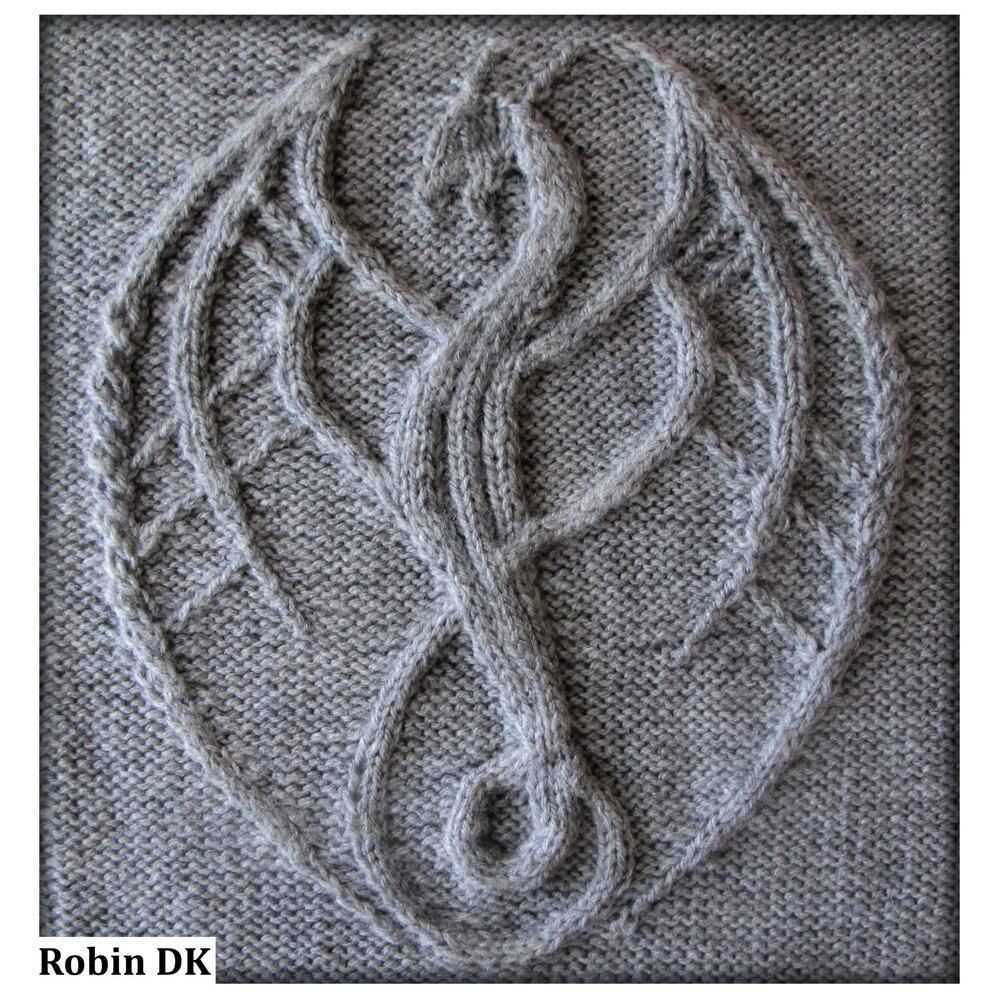
When knitting Celtic plait patterns, it’s important to choose the right yarn. Look for a yarn that has good stitch definition and is not too fuzzy or slippery. A smooth, tightly spun yarn with a good amount of twist will help the cables stand out and hold their shape.
2. Use Cable Needles
Using cable needles is crucial when knitting Celtic plait patterns. Cable needles come in different shapes and sizes, so experiment to find the one that works best for you. Make sure to choose a cable needle that is the appropriate size for your yarn and stitches. Cable needles will help you hold the stitches in the correct order and create the intricate twists and turns of the plait pattern.
3. Read and Follow Charted Patterns
Celtic plait patterns are typically charted, so it’s important to be comfortable reading and following charted patterns. Take the time to familiarize yourself with the symbols and instructions before you begin. Use a knitting chart ruler or highlighter tape to keep your place in the pattern and to help you stay on track.
4. Block Your Work
Blocking your work is essential for achieving a polished and professional finish with Celtic plait patterns. After completing your project, gently wash and block your knitting to even out the stitches and open up the cables. Use blocking wires or pins to shape the plait pattern and let it dry thoroughly before wearing or gifting.
5. Practice and Patience
Knitting Celtic plait patterns requires practice and patience. Start with smaller projects like hats or scarves before tackling larger garments. Take your time, especially when working the cable twists, and don’t be afraid to rip out and rework sections until you’re satisfied with the result. With practice and patience, you’ll soon be creating beautiful Celtic plait patterns.
By following these tips and tricks, you’ll be well on your way to achieving perfect Celtic plait patterns in your knitting projects. Whether you’re a seasoned cable knitter or just starting out, these intricate designs are sure to add a touch of Celtic charm to your creations.
Inspiration: Showcasing Stunning Celtic Plait Knitted Creations
Celtic plait knitting patterns are a beautiful way to add intricate and unique designs to your knitted creations. These patterns are inspired by the traditional Celtic knots and braids, which have been a significant part of Celtic art and culture for centuries. Knitting enthusiasts have taken this ancient art form and incorporated it into their own designs, resulting in stunning and eye-catching pieces.
One of the most striking aspects of Celtic plait knitting is the intricacy of the patterns. Different stitches and techniques are used to create the illusion of interwoven knots, giving the finished piece a three-dimensional look. This attention to detail and craftsmanship is what sets Celtic plait knitting apart from other knitting patterns.
One popular way to use Celtic plait knitting patterns is to incorporate them into accessories such as scarves, hats, and mittens. These pieces become unique and fashionable, with the Celtic plait designs adding a touch of elegance and sophistication. The patterns can also be used in larger projects, such as blankets or sweaters, creating a statement piece that is sure to impress.
The versatility of Celtic plait knitting patterns allows for endless creativity and customization. Knitters can choose from various patterns and designs, adapting them to fit their own personal style. The patterns can also be combined with other knitting techniques, such as colorwork or lace, to create even more intricate and stunning pieces.
If you’re looking to add a touch of Celtic charm to your knitting projects, exploring Celtic plait knitting patterns is a fantastic choice. Whether you’re a beginner or an experienced knitter, these patterns offer endless possibilities for creating unique and captivating pieces. So grab your knitting needles and get ready to be inspired by the beauty of Celtic plait knitting!
Taking Your Celtic Plait Knitting Skills to the Next Level
Celtic plait knitting patterns are a beautiful and intricate way to add Celtic designs to your knitting projects. Once you have mastered the basics of creating Celtic plaits, you may be ready to take your skills to the next level. Here are some ways to expand your Celtic plait knitting skills and create even more stunning designs:
1. Experiment with Different Yarns and Colors

One way to elevate your Celtic plait knitting is to experiment with different types of yarn and colors. Try using variegated or self-striping yarns to create unique and dynamic plait patterns. Additionally, playing with colors can enhance the Celtic design and make it stand out even more. Don’t be afraid to mix and match yarns to create a truly personalized and eye-catching project.
2. Incorporate Different Celtic Knots
Celtic plait knitting typically uses a basic Celtic knot pattern, but there are many other Celtic knots to explore. Expand your repertoire by incorporating different types of knots into your plait patterns. Research different Celtic knot designs and experiment with incorporating them into your knitting projects. This will add complexity and interest to your work, creating visually stunning pieces.
3. Explore Three-Dimensional Designs
If you’re ready for a challenge, consider adding three-dimensional elements to your Celtic plait knitting. This can be done by incorporating bobbles, cables, or lacework into your plait patterns. By adding texture and dimension, you can create intricate and engaging designs that truly showcase your knitting skills.
4. Use Different Stitch Combinations

Just as there are countless variations of Celtic knots, there are also many stitch combinations that can be used to create unique plait patterns. Experiment with different knitting stitches, such as twisted stitches, slipped stitches, or lace stitches, to create new and interesting Celtic plait designs. By combining different stitches, you can create intricate and textured patterns that add depth and complexity to your knitting projects.
In conclusion, Celtic plait knitting provides endless opportunities for creativity and personalization. By experimenting with different yarns, colors, knots, stitch combinations, and three-dimensional designs, you can take your Celtic plait knitting skills to new heights. Whether you’re creating delicate accessories or cozy garments, the art of Celtic plait knitting will always be a captivating and impressive technique.