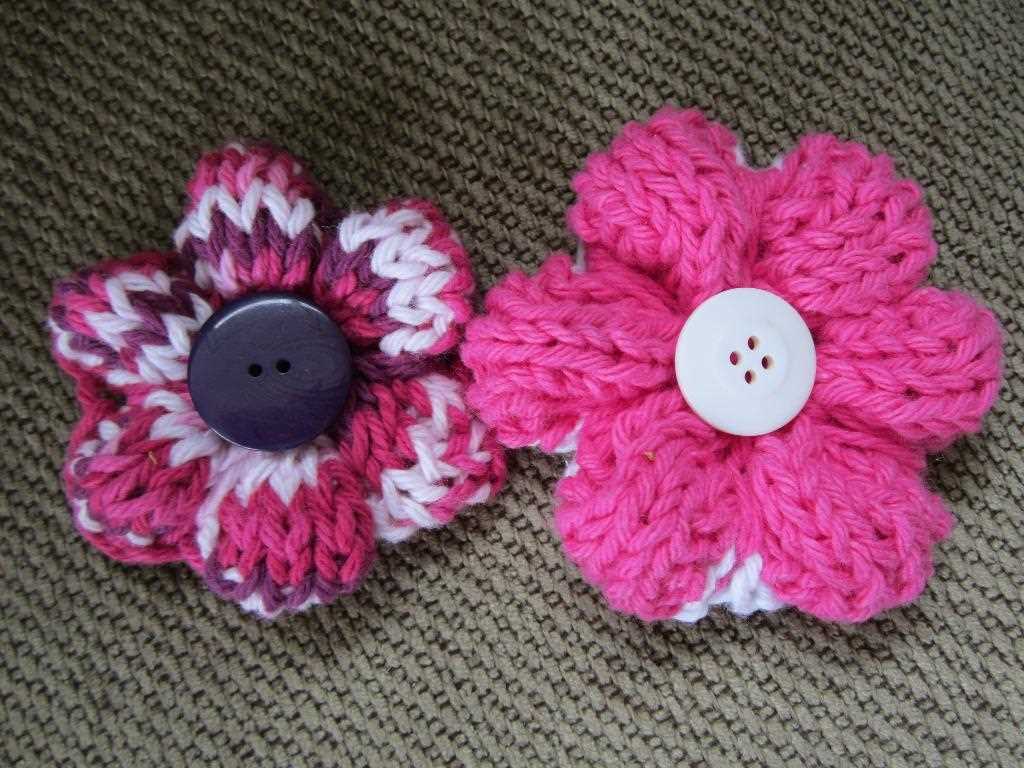
Knitting flowers is a fun and creative way to add a decorative touch to any project. Whether you want to embellish a hat, a scarf, or even a blanket, knitting flowers can be a simple yet effective way to enhance your knitting skills.
This easy flower knitting pattern is perfect for beginners and experienced knitters alike. It uses basic knitting stitches such as knit and purl, and the finished result is a beautiful, delicate flower that can be sewn onto any knitting project.
In this article, we will provide step-by-step instructions on how to knit this easy flower pattern, as well as tips and tricks for making your flowers look their best. So grab your knitting needles and let’s get started on this fun and rewarding project!
How to Knit a Flower: Easy and Quick Pattern for Beginners
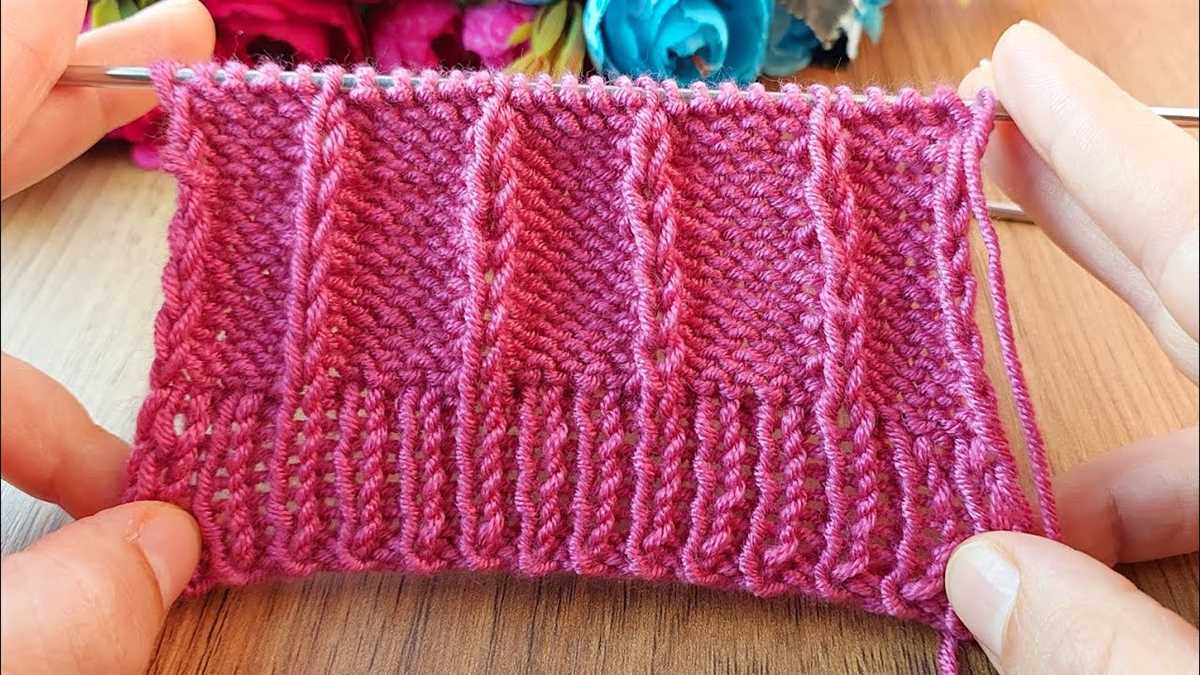
Knitting a flower can be a fun and rewarding project for beginners. With just a few basic knitting techniques, you can create a beautiful flower that will add a touch of charm to any project or home decor. Whether you’re knitting a flower to embellish a hat, scarf, or even as a standalone accessory, this easy and quick pattern will guide you through the process step by step.
To begin, you’ll need some basic knitting supplies including yarn, knitting needles, scissors, and a tapestry needle. Choose a yarn color that matches your desired flower or go for an accent color to create a statement piece. Once you have your supplies ready, follow the steps below to start knitting your flower:
- Cast on stitches: Start by making a slipknot and placing it on your knitting needle. Then, cast on the desired number of stitches, depending on the size of your flower. As a beginner, you can start with about 8-10 stitches.
- Knit the first row: With the yarn in your right hand, insert the right needle into the first stitch on the left needle from left to right. Wrap the yarn around the right needle counterclockwise, bring the right needle down and through the stitch, and slip the stitch off the left needle. Repeat this process until you have knitted all the stitches on the left needle.
- Purl the second row: Turn your work, so the needle with the stitches becomes the right needle. With the yarn in your right hand, insert the right needle into the first stitch on the left needle from right to left. Wrap the yarn counterclockwise, bring the right needle down and through the stitch, and slip it off the left needle. Repeat this process until you have purled all the stitches on the left needle.
- Repeat knit and purl rows: Continue knitting the third and fourth rows in the same manner as the first and second rows. This will create a basic stockinette stitch pattern, which will be the base of your flower.
- Shape the petals: After completing a few rows of stockinette stitch, you can start shaping the petals of your flower. This can be done by increasing or decreasing stitches in each row. To increase, knit into the front and back of the same stitch. To decrease, knit two stitches together. Experiment with different combinations to create the desired petal shape.
- Bind off: Once you have shaped all the petals, it’s time to bind off your stitches. Knit the first two stitches, then use your left needle to lift the first stitch over the second stitch and off the right needle. Repeat this process until you have one stitch remaining. Cut the yarn, leaving a long tail, and thread it through the last stitch to secure it.
- Finishing touches: To give your flower a polished look, use a tapestry needle to weave in any loose ends and secure the flower petals in place. You can also add a button or bead in the center of the flower for an extra touch of embellishment.
Now that you have completed your first knitted flower, you can experiment with different yarn colors, stitch patterns, and petal shapes to create a variety of floral designs. Don’t be afraid to let your creativity flourish and enjoy the process of knitting your own beautiful flowers.
Materials Needed for Knitting a Flower
Knitting flowers can be a fun and rewarding project. Whether you’re a beginner or an experienced knitter, creating beautiful and intricate flowers can add a touch of charm to any garment, accessory, or home décor item. To get started, you will need a few essential materials:
Yarn:
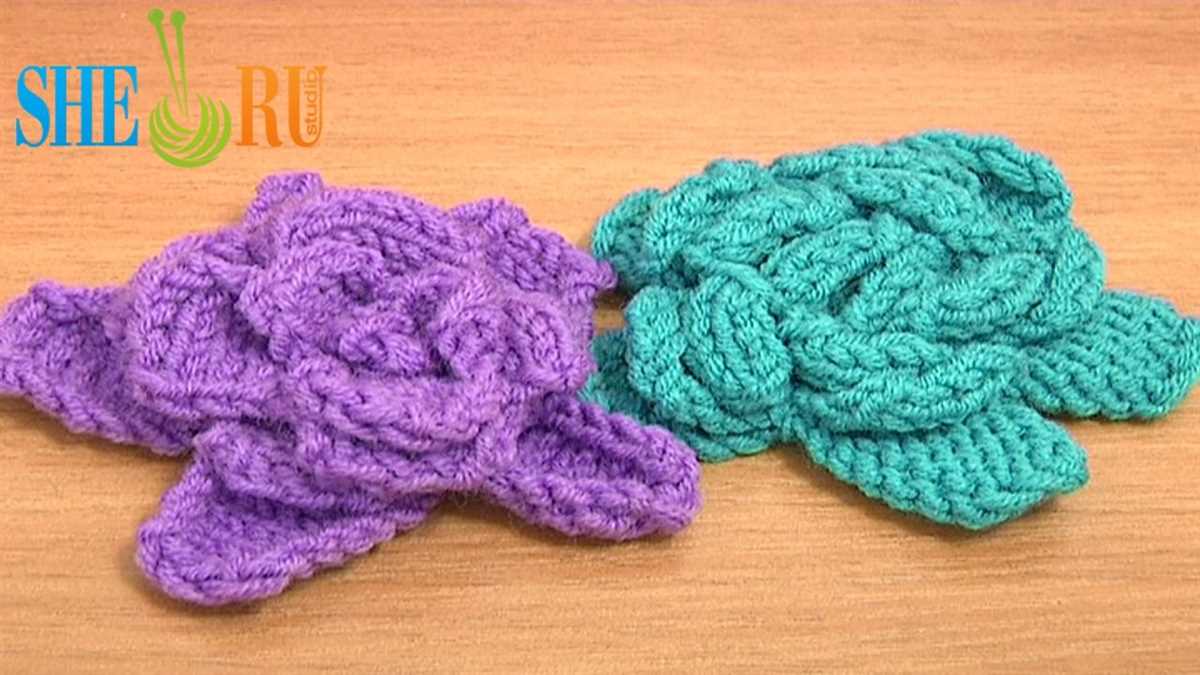
Choose a yarn that is suitable for your project and desired flower size. You can use any type of yarn, from fine to bulky, depending on the look and feel you want to achieve. Some popular choices for knitting flowers include cotton, wool, and acrylic yarns. Pick colors that complement your project or go for a bright and vibrant assortment for an eye-catching display.
Knitting Needles:
Make sure you have the right size knitting needles for your chosen yarn. The size will depend on the desired gauge and tension of your project. Circular or double-pointed needles may be more comfortable for some knitters, while others prefer straight needles. Choose the type that works best for you and your knitting style.
Tapestry Needle:
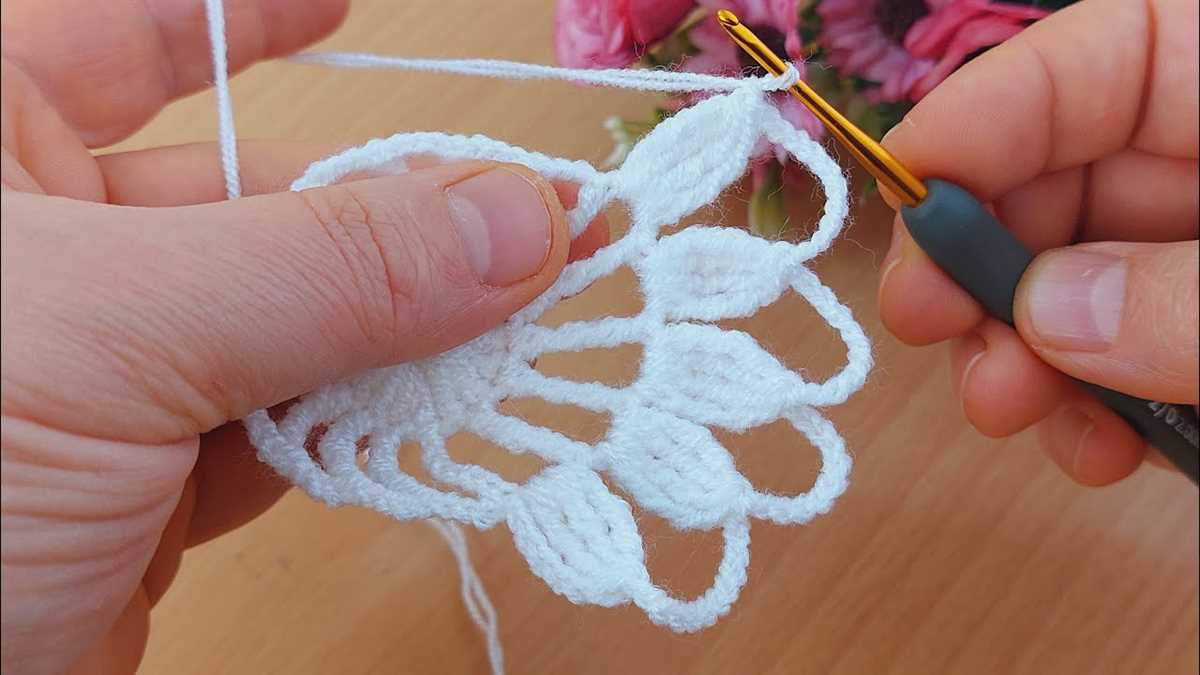
A tapestry needle, also known as a yarn needle or a finishing needle, is an essential tool for weaving in ends and stitching your knitted flower together. This needle has a large eye and a blunt tip, making it easy to thread and maneuver through your stitches without damaging the yarn or the knitted fabric.
Scissors:
A good pair of scissors is necessary for cutting the yarn and trimming any excess ends. Choose sharp scissors that are comfortable to use and can handle various types of yarn. Keeping them within reach will make your knitting process more efficient and enjoyable.
Optional Embellishments:
If you want to add an extra touch of creativity to your knitted flower, consider using some optional embellishments. These can include buttons, beads, sequins, or embroidery floss. These additional elements can bring your flower to life and give it a unique and personalized look.
With these materials in hand, you’ll be well-prepared to start knitting beautiful flowers. Don’t forget to gather any additional resources or patterns you may need to guide you through your project, and enjoy the process of creating your own stunning knitted blooms!
Step-by-Step Instructions for Knitting a Flower
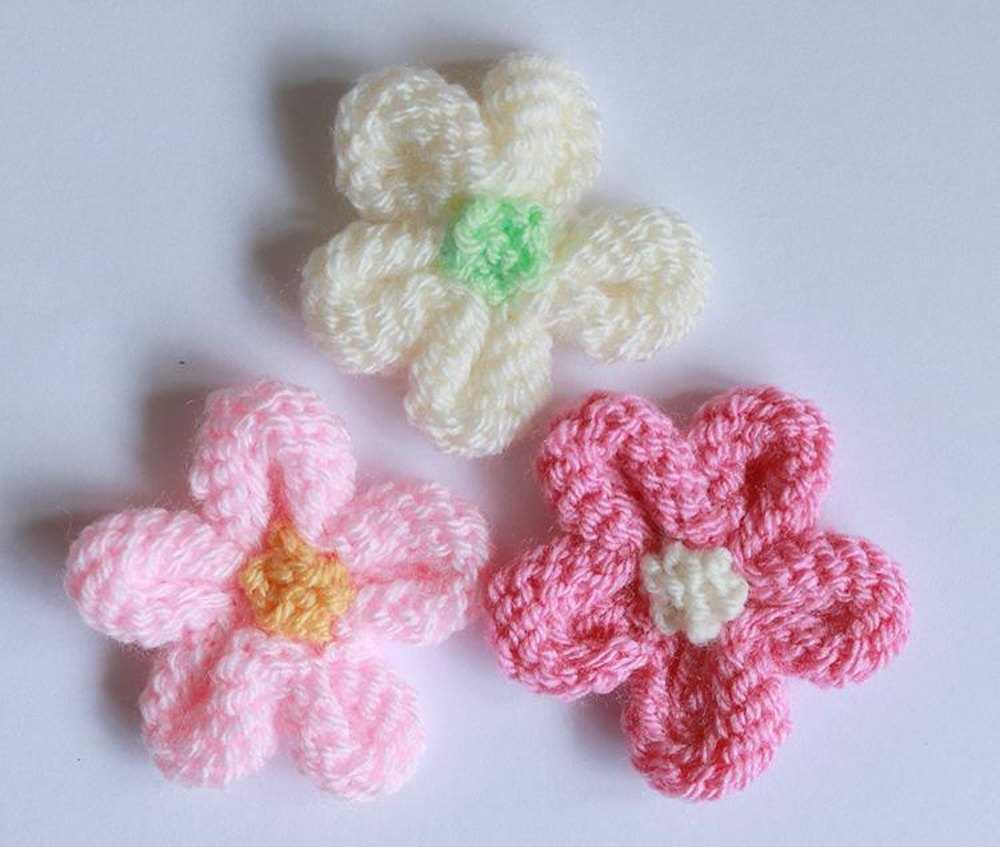
Knitting flowers can be a fun and relaxing project, and it’s a great way to add a touch of beauty to your knitted creations. Whether you’re a beginner or an experienced knitter, creating a flower using the easy pattern is a great way to enhance your skills and create something unique.
Materials Needed:
- Yarn in the color of your choice
- Knitting needles (size according to the yarn weight)
- Tapestry needle
- Scissors
Instructions:
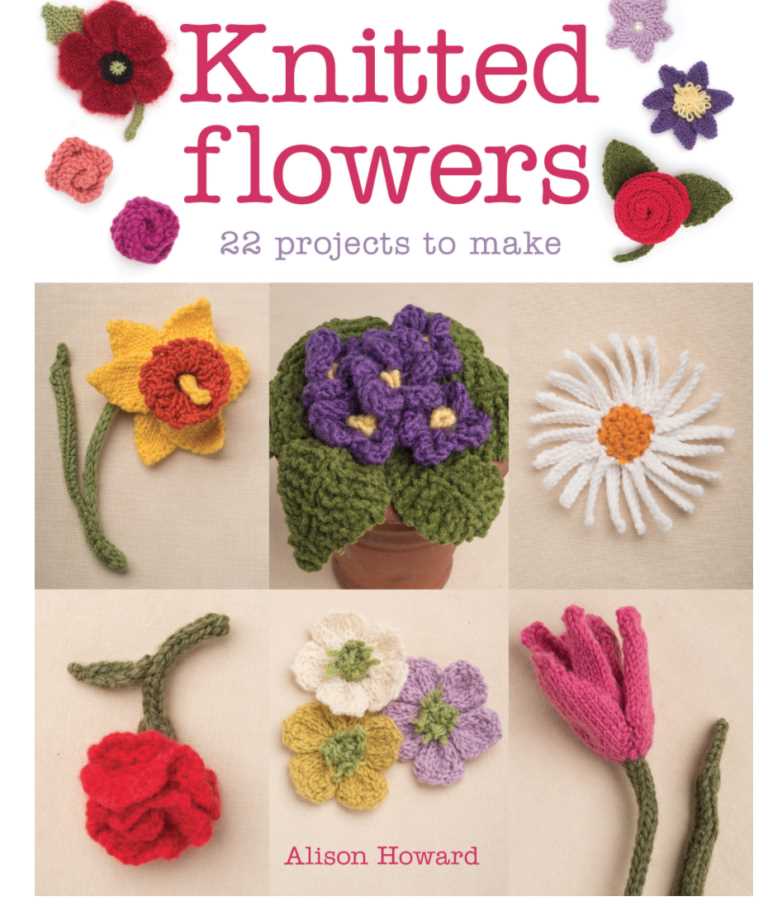
- Cast on stitches: Start by casting on a multiple of 6 stitches. This will determine the size of your flower. For example, you can cast on 24 stitches for a small flower or 36 stitches for a larger one.
- Knit the first row: Knit all the stitches in the first row to create the base of the flower. This will set the foundation for the petals.
- Create the petals: Begin the petal pattern by knitting 2 stitches together, then yarn over and knit the next stitch. Repeat this pattern across the row until you reach the end. This creates a knit-two-together-yarn-over (k2tog-yo) pattern that forms the petals.
- Repeat rows: Repeat the second and third rows until your flower has reached the desired size. You can create a small flower by repeating these rows for a few inches, or continue for a larger flower.
- Bind off: Once your flower is the desired size, bind off all the stitches. This will secure the petals and complete the flower.
- Weave in ends: Use a tapestry needle to weave in any loose yarn ends to give your flower a neat finish.
- Finishing touches: You can add a button or bead to the center of your flower or attach it to a hair clip or brooch pin to create a stylish accessory.
- Experiment with variations: Once you have mastered the basic flower pattern, feel free to experiment with different yarns, colors, and stitch variations to create unique flower designs.
By following these step-by-step instructions, you can easily create beautiful knitted flowers to add a pop of color and creativity to your knitting projects. Whether you’re knitting flowers for embellishments, decorations, or accessories, this easy flower pattern is a versatile and enjoyable project for knitters of all skill levels.
Tips and Tricks for Knitting a Perfect Flower

Knitting flowers can be a fun and rewarding project for knitters of all skill levels. Whether you’re a beginner or an experienced knitter, it’s always helpful to have some tips and tricks to ensure that your flower turns out perfectly. Here are some helpful suggestions to keep in mind:
1. Choose the Right Yarn:
When knitting a flower, it’s important to choose the right type of yarn. Opt for a lightweight yarn in a vibrant color to create a beautiful flower. Avoid using thick or bulky yarn as it may make the flower look too heavy and bulky.
2. Start with Simple Flower Patterns:
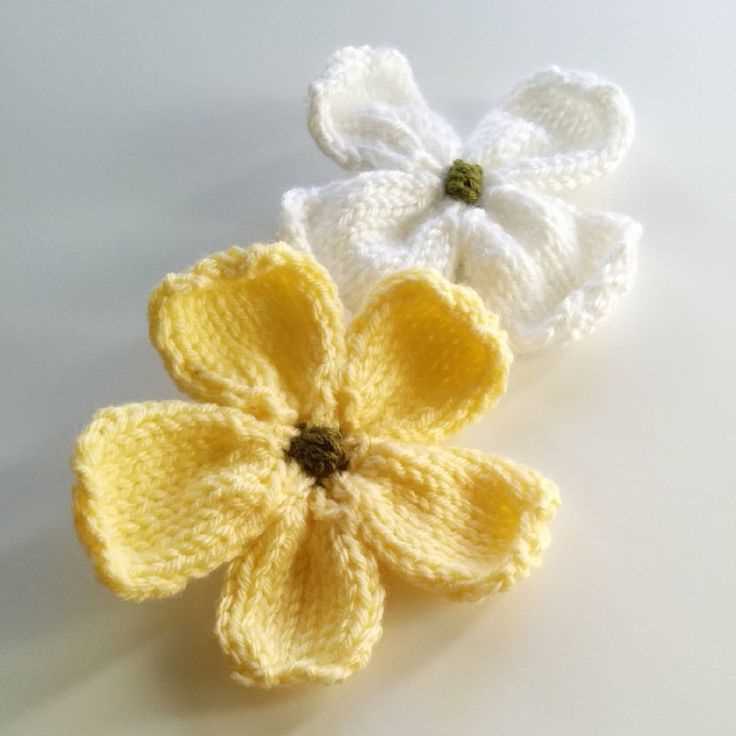
If you’re new to knitting flowers, it’s best to start with simple patterns. Look for patterns that use basic stitches and require minimal shaping. This will help you build your skills and confidence before attempting more complex flower designs.
3. Utilize Stitch Markers:
When following a flower knitting pattern, it can be helpful to use stitch markers to keep track of your progress. Place a stitch marker after completing a specific set of stitches or at the beginning of a round to help you stay organized and avoid making mistakes.
4. Block Your Flower:
Blocking is an essential step in knitting a perfect flower. After completing your flower, wet block it by gently soaking it in water, then reshape it and allow it to dry flat. This will help even out the stitches and give your flower a neat and polished look.
5. Embellish with Beads or Buttons:
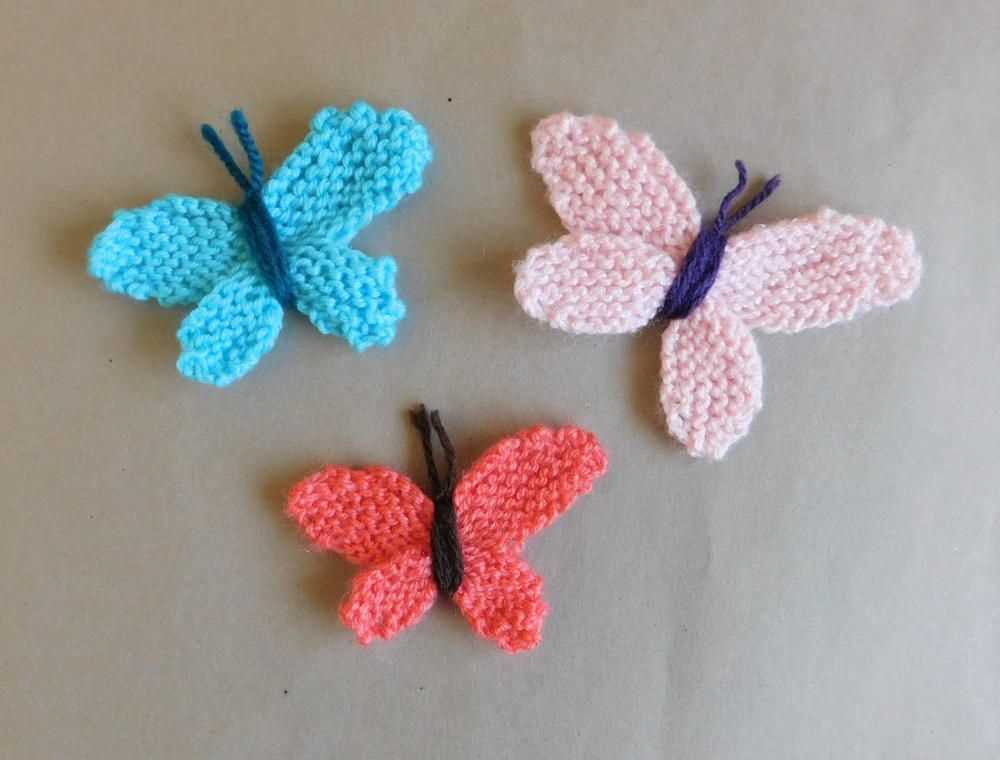
To add an extra touch of charm to your knitted flower, consider embellishing it with beads or buttons. Sew them onto the center of the flower to create a beautiful focal point. This will give your flower a unique and personalized touch.
6. Practice Tension Control:
Knitting flowers requires good tension control. Pay attention to your tension as you knit to ensure that your stitches are consistent and even. Practice maintaining a relaxed grip on the yarn and needles to achieve a smooth and professional finish.
By following these tips and tricks, you’ll be able to knit a perfect flower every time. Happy knitting!
Choosing the Right Yarn and Needles for Flower Knitting
Knitting flowers can be a fun and rewarding project, but choosing the right yarn and needles is essential in achieving the desired results. It’s important to consider the type and weight of yarn, as well as the size and material of the needles.
Yarn: When it comes to knitting flowers, it’s best to choose a yarn that is lightweight and has good stitch definition. A smooth and pliable yarn, such as cotton or acrylic, is ideal for showcasing the intricate details of the flower pattern. Avoid using bulky or textured yarns, as they may obscure the delicate petals and leaves.
Needles: The size and material of the needles can greatly affect the outcome of your knitted flowers. For a finer and more delicate flower, choose smaller sized needles, such as US size 3 or 4 (3.25mm or 3.5mm). If you want a larger and more substantial flower, opt for larger sized needles, such as US size 8 or 9 (5mm or 5.5mm).
The material of the needles also plays a role in the overall look and feel of the knitted flower. Metal or bamboo needles provide a smooth and even stitch, while plastic needles may create a slightly looser stitch. Experiment with different needle materials to find the one that best suits your preference and desired outcome.
Tension: Lastly, pay attention to your tension when knitting flowers. Keep a consistent and even tension throughout your work to ensure that the petals and leaves are uniform in size and shape. Practice your tension by knitting a small gauge swatch before starting your flower project.
By choosing the right yarn and needles, and maintaining a steady tension, you can create beautiful and intricate knitted flowers that can be used as embellishments for various craft projects or simply enjoyed as decorative pieces. Enjoy the process and let your creativity bloom!
Creating Different Types of Flowers with the Same Pattern
If you have a favorite flower knitting pattern that you love, why not experiment and create different types of flowers using the same pattern? With a few modifications, you can transform the basic pattern into a variety of beautiful flower designs.
Here are some ideas to get you started:
- Tulip Variation: By changing the shape and size of the petals, you can create a tulip-like flower. Use vibrant colors like red, pink, or yellow to make it more realistic. Add a green stem and leaves to complete the look.
- Rose Variation: Play around with the number of petals and the shape of the flower to mimic a rose. Experiment with different shades of red, pink, or white to create a romantic and elegant rose-inspired flower.
- Sunflower Variation: To create a sunflower, you can modify the pattern by making larger petals with a yellow or orange color. Add a dark brown center and some green leaves to capture the essence of a sunflower.
- Daisy Variation: To make a daisy-like flower, adjust the size and shape of the petals. Use white or light-colored yarn and add a yellow center to resemble the classic daisy. You can also experiment with different petal lengths to make it more unique.
- Orchid Variation: Orchids are known for their intricate and delicate blooms. Use a thin and lightweight yarn to create the fine details of an orchid. Experiment with different petal shapes and consider adding a touch of purple or pink to mimic the natural colors of an orchid.
By using the same basic flower knitting pattern and modifying it according to different flower types, you can create an entire garden of beautiful and unique flowers. Let your creativity flow and enjoy the process of experimenting and exploring different variations of your favorite flower pattern.
Adding Embellishments and Decorations to Your Knitted Flower
Once you have completed your knitted flower, you can add various embellishments and decorations to enhance its appearance and make it truly unique.
Ribbon: One simple way to add a pop of color and texture to your knitted flower is by attaching a small ribbon to its center. You can either use a matching ribbon that complements the colors in your flower or go for a contrasting color to create an eye-catching effect.
Beads: Another option is to sew beads onto your knitted flower. You can use beads of different shapes and sizes to create a cascading effect or arrange them in a pattern. Sew the beads onto the center of your flower or along the edges of the petals for a touch of sparkle and dimension.
Buttons: Buttons can also be a fun and creative way to decorate your knitted flower. Choose buttons in various colors, shapes, and sizes to add visual interest. Sew the buttons onto the center of the flower or scatter them throughout the petals for a whimsical look.
Embroidery: If you enjoy embroidery, you can use different stitching techniques to embellish your knitted flower. Add small embroidered designs or patterns onto the petals to give them an intricate and delicate look. Consider using contrasting thread colors to make the embroidery stand out even more.
Leaves: To give your knitted flower a more realistic feel, you can knit or crochet small leaves and attach them to the base of the flower. Use green yarn or experiment with different colors for a more imaginative approach. Arrange the leaves in a natural-looking way around the flower to complete the overall look.
Felt: For a different texture, you can cut out small shapes from felt and glue them onto the petals or center of your knitted flower. Felt adds a soft and plush element to your creation and allows for endless possibilities in terms of colors and patterns.
Final Thoughts
Adding embellishments and decorations to your knitted flower is a wonderful way to showcase your creativity and personalize your finished piece. Whether you choose to use ribbon, beads, buttons, embroidery, leaves, or felt, remember to have fun and experiment with different combinations to create a flower that is truly one-of-a-kind.
Using Knitted Flowers in Various DIY Projects
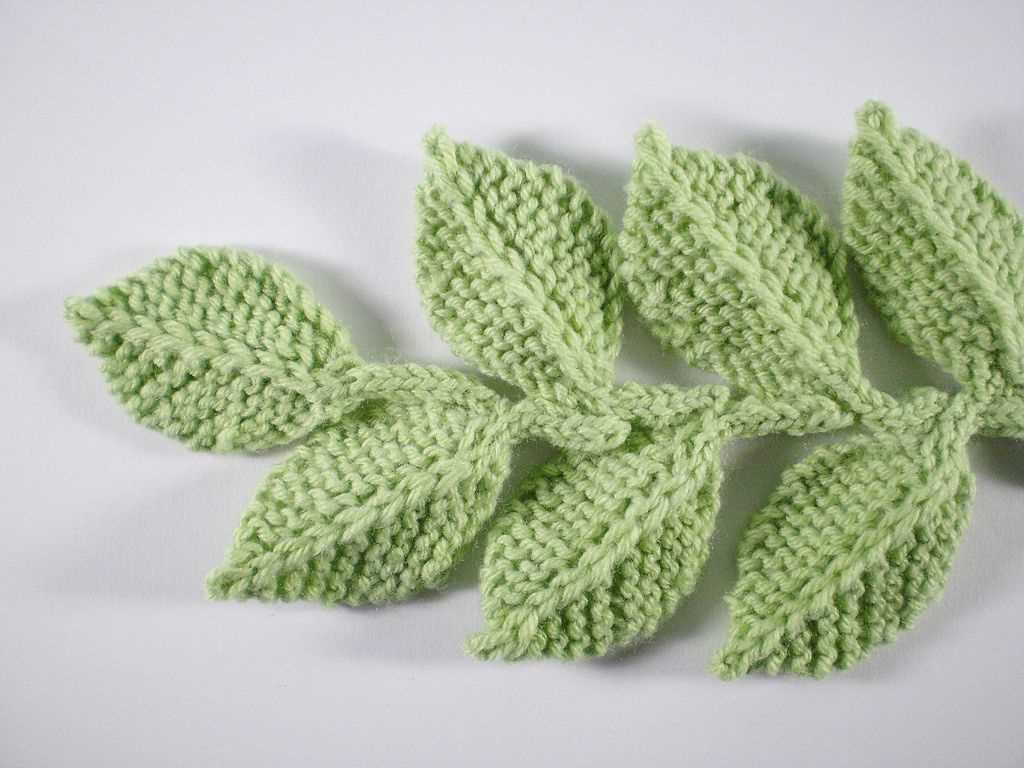
Knitted flowers can add a charming touch to a variety of DIY projects. Whether you’re looking to embellish clothing, accessories, or home decor items, knitted flowers are a versatile and easy-to-make option.
One great way to incorporate knitted flowers is by attaching them to hats, headbands, or hair clips. This can instantly elevate a simple accessory and give it a unique and personalized look. Knitted flowers can also be used to decorate tote bags or purses, adding a pop of color and texture to an otherwise plain item.
You can also use knitted flowers to create beautiful home decor pieces. For example, you can sew them onto a plain cushion cover or blanket to give it a decorative touch. Knitted flowers can also be used to create a lovely centerpiece for a table or to adorn a wreath for your front door.
In addition to garments and home decor, knitted flowers can also be used in crafting projects. For instance, you can glue them onto a picture frame to give it a unique look, or use them to create a one-of-a-kind greeting card. Knitted flowers can also be sewn onto a fabric-covered notebook to make it more eye-catching and personalized.
With their endless possibilities, knitted flowers are a fun and creative way to add a touch of handmade charm to your DIY projects. Whether you’re a seasoned knitter or just starting out, you’re sure to find joy in creating these adorable and versatile flowers.
Common Mistakes to Avoid While Knitting Flowers
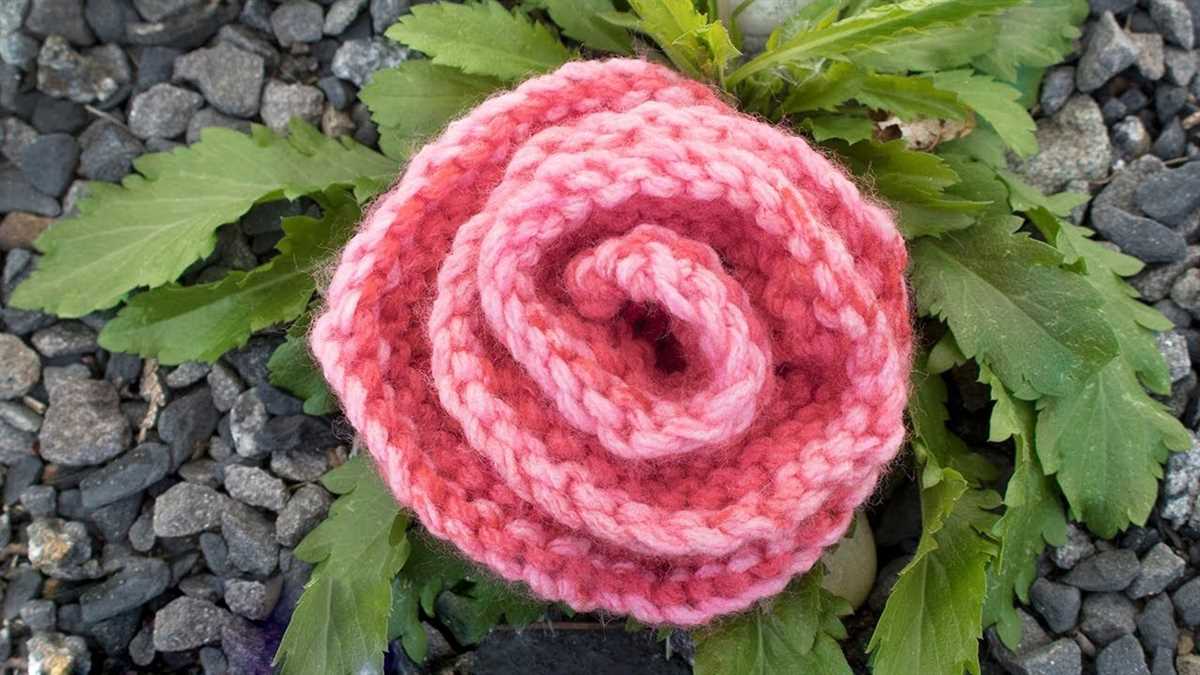
Knitting flowers can be a fun and rewarding project for any knitter, but there are some common mistakes that can easily be avoided. By being aware of these mistakes, you can ensure that your knitted flowers turn out beautifully every time.
1. Not checking gauge
One of the biggest mistakes knitters make when working on flower patterns is not checking gauge. Gauge refers to the number of stitches and rows per inch in your knitting. If you don’t match the gauge specified in the pattern, your flower may turn out too small or too big. Take the time to swatch and check your gauge before starting your project to ensure a properly sized flower.
2. Incorrect yarn or needle size

Using the wrong yarn weight or needle size can also lead to a disappointing result. If the yarn is too thick, your flower may look bulky and lose its delicate look. Conversely, if the yarn is too thin, your flower may appear flimsy and lack structure. Similarly, the wrong needle size can affect the tension and overall appearance of your flower. Be sure to use the recommended yarn weight and needle size from the pattern for best results.
3. Skipping blocking
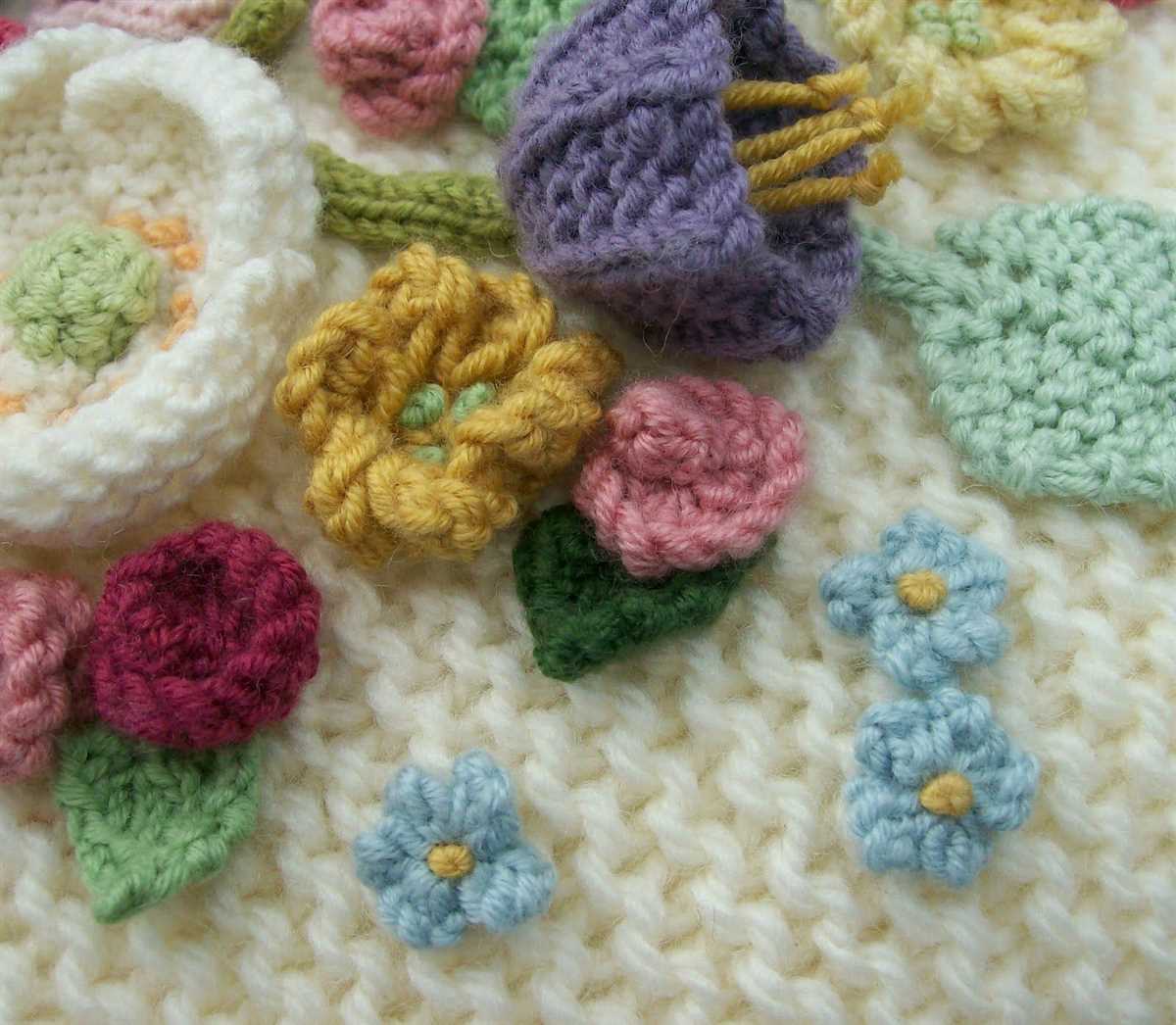
Blocking is an essential step in knitting that helps to shape and define your finished flower. It involves wetting your knitted piece, shaping it, and allowing it to dry in the desired shape. Skipping this step can result in a flower that looks uneven or lacks definition. Take the time to block your flower according to the pattern instructions for a polished and professional-looking finished product.
4. Lack of attention to pattern instructions

When knitting flowers, it’s important to carefully read and follow the pattern instructions. Skipping or misinterpreting a step can lead to mistakes that are difficult to correct later on. Take the time to read through the entire pattern before starting and make sure you understand each step before proceeding. This will help ensure that your flower turns out as intended.
5. Not weaving in ends properly
After completing your flower, it’s important to properly weave in the ends to prevent them from coming undone. Not weaving in ends securely can result in loose threads sticking out and potentially unraveling your hard work. Take the time to weave in ends neatly and securely to give your flower a professional finish.
Avoiding these common mistakes will help you create beautiful knitted flowers that you can be proud of. By paying attention to gauge, using the correct yarn and needle size, blocking, following pattern instructions, and properly weaving in ends, you’ll be well on your way to knitting stunning flowers for any project.
Inspiration and Ideas for Flower Knitting
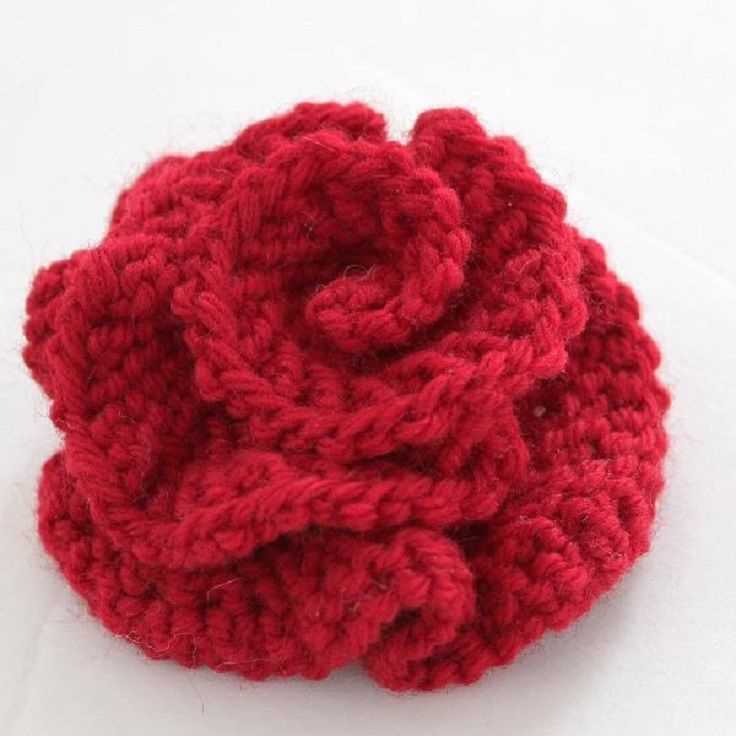
If you’re feeling inspired to knit some flowers, there are infinite possibilities for creating beautiful floral designs. Whether you’re a beginner or an experienced knitter, there’s a flower pattern out there for you. Here are a few ideas to get you started:
1. Knitted Bouquet
Create a stunning bouquet of flowers by knitting a variety of different flower patterns. Mix and match colors and textures to create a unique arrangement. Use a variety of knitting stitches and techniques to add depth and detail to each flower.
2. Floral Headband
Knit a cute headband adorned with knitted flowers. You can choose to make a single large flower or a band with multiple smaller flowers. This accessory is perfect for adding a touch of charm to any outfit.
3. Flower Appliqués
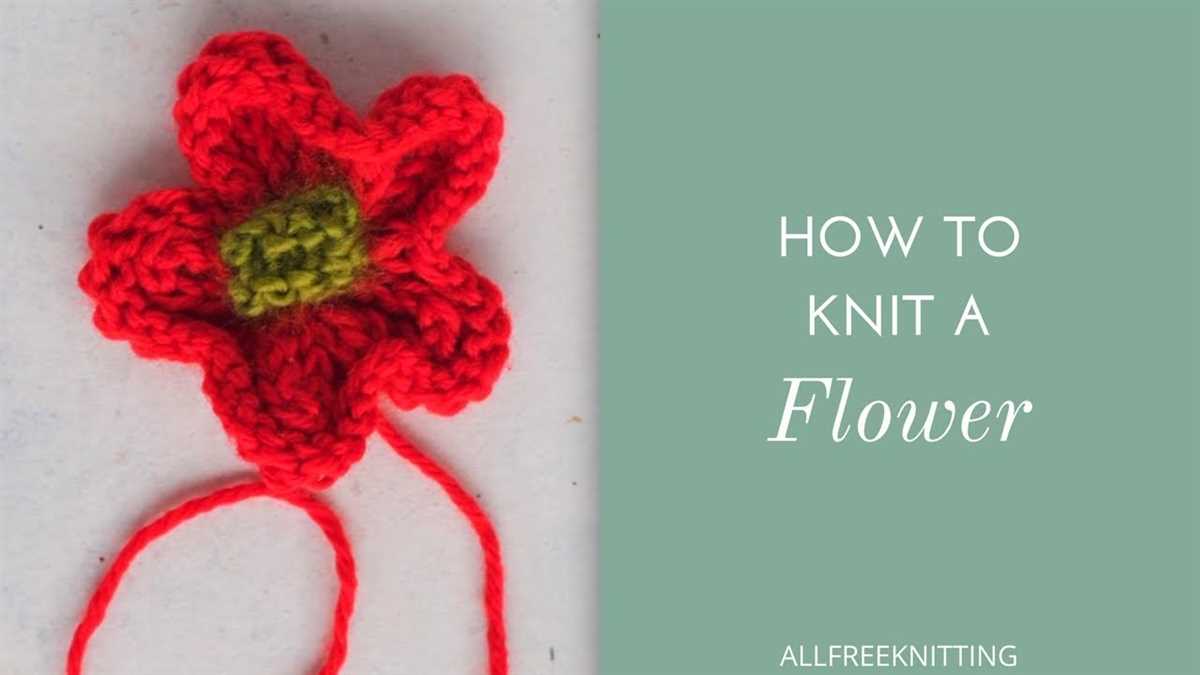
Knit small flower appliqués that you can sew or glue onto various items such as bags, hats, or even clothing. These appliqués can be a great way to customize and personalize your projects.
4. Flower Ornaments
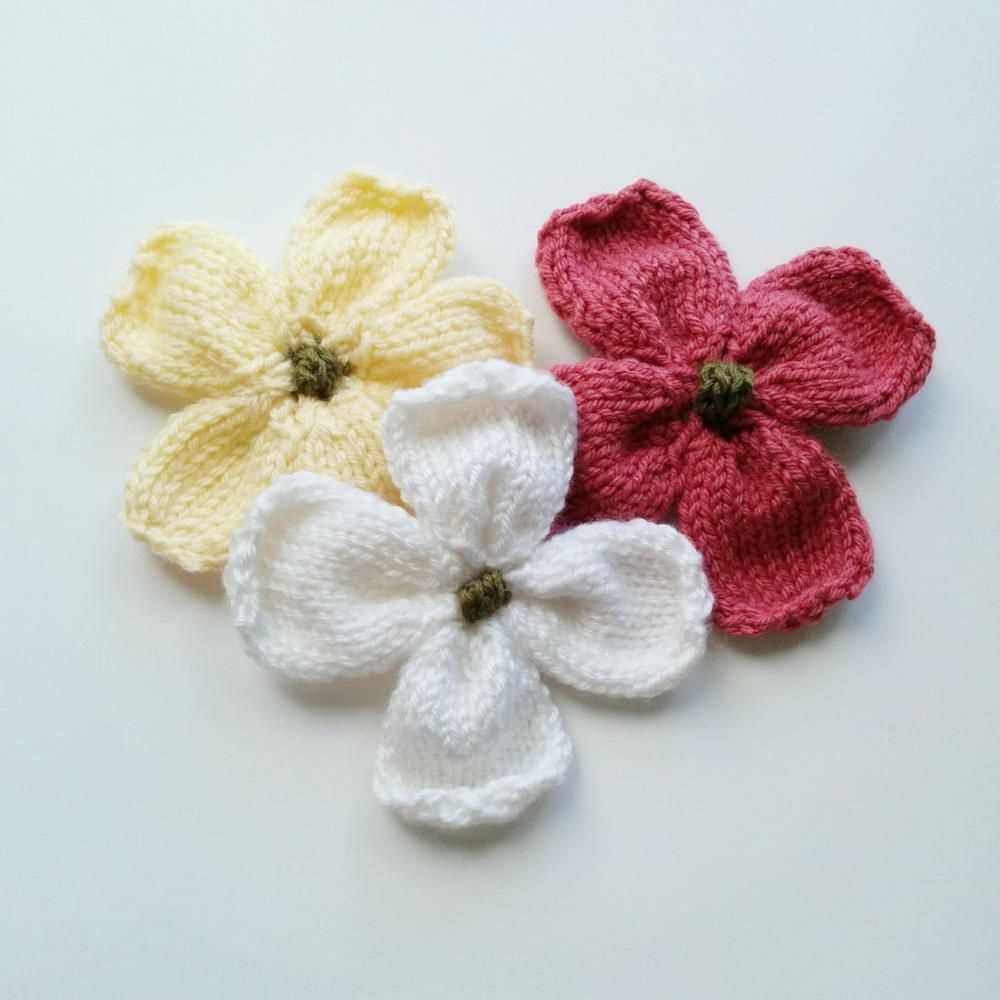
Create knitted flower ornaments to decorate your home or give as gifts. These can be hung on a Christmas tree, used as window decorations, or displayed as a centerpiece. Experiment with different sizes and colors to create a festive and vibrant atmosphere.
5. Flower Garland
Knit a garland of flowers to hang across a wall, doorway, or mantelpiece. This can be a great way to add a touch of nature and color to your living space. Choose a theme or mix different flower patterns to create a unique and eye-catching garland.
6. Flower Bookmark
Knit a small flower and attach it to a ribbon or yarn to create a lovely bookmark. This is a great way to combine your love for knitting with your love for reading. You can even explore different flower patterns to represent different genres or themes.
7. Flower Sweater or Cardigan
For more advanced knitters, consider incorporating knitted flowers into a larger garment such as a sweater or cardigan. You can create a statement piece by adding flowers to the sleeves, collar, or hem. This is a great way to showcase your knitting skills and create a one-of-a-kind piece.
Whichever project you choose, knitting flowers is a fun and creative way to add a touch of nature to your knitting. Whether you knit a bouquet or create flower appliqués, the possibilities are endless. So gather your yarn and needles, and let your imagination bloom!