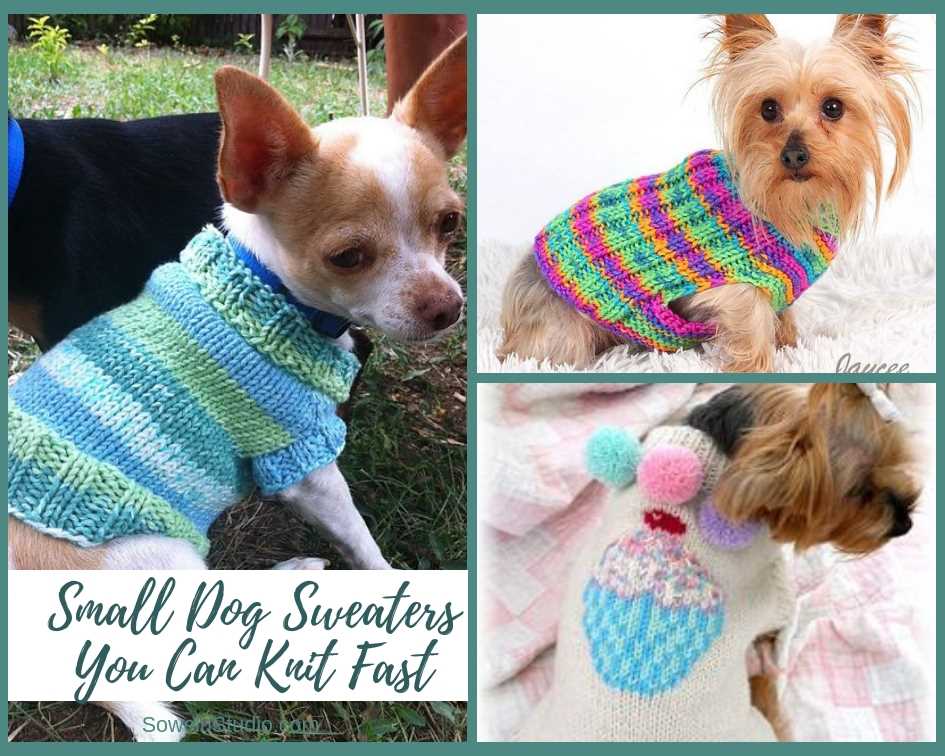
If you have a furry friend in your life, chances are you want to keep them warm and stylish during the colder months. A knit dog coat is the perfect way to achieve both of these goals. Knitting a dog coat can be a fun and rewarding project, allowing you to customize the design and fit for your pup. Whether you’re an experienced knitter or just starting out, there are plenty of patterns available to suit all skill levels and breeds.
One popular option is a cable knit dog coat, which features a classic and timeless design. The cable pattern adds depth and texture to the coat, making it both fashionable and cozy. Another popular choice is a Fair Isle dog coat, which incorporates colorwork to create intricate and eye-catching designs. With so many patterns to choose from, you’re sure to find the perfect style to match your pup’s personality.
When knitting a dog coat, it’s important to consider the measurements and shape of your dog. Taking accurate measurements of your dog’s chest, length, and neck will ensure that the coat fits properly and comfortably. You’ll also need to select the appropriate yarn and knitting needles for your chosen pattern. Using a soft and warm yarn, such as merino wool or alpaca, will help keep your furry friend cozy during those chilly walks.
Once you’ve gathered your materials and selected your pattern, it’s time to get started on your knit dog coat. Follow the pattern carefully, paying attention to any specific instructions or stitch patterns. Knitting a dog coat can be a time-consuming project, but the end result is well worth the effort. Your pup will be the envy of the dog park with their stylish and custom-made coat!
Why Your Dog Needs a Knit Coat
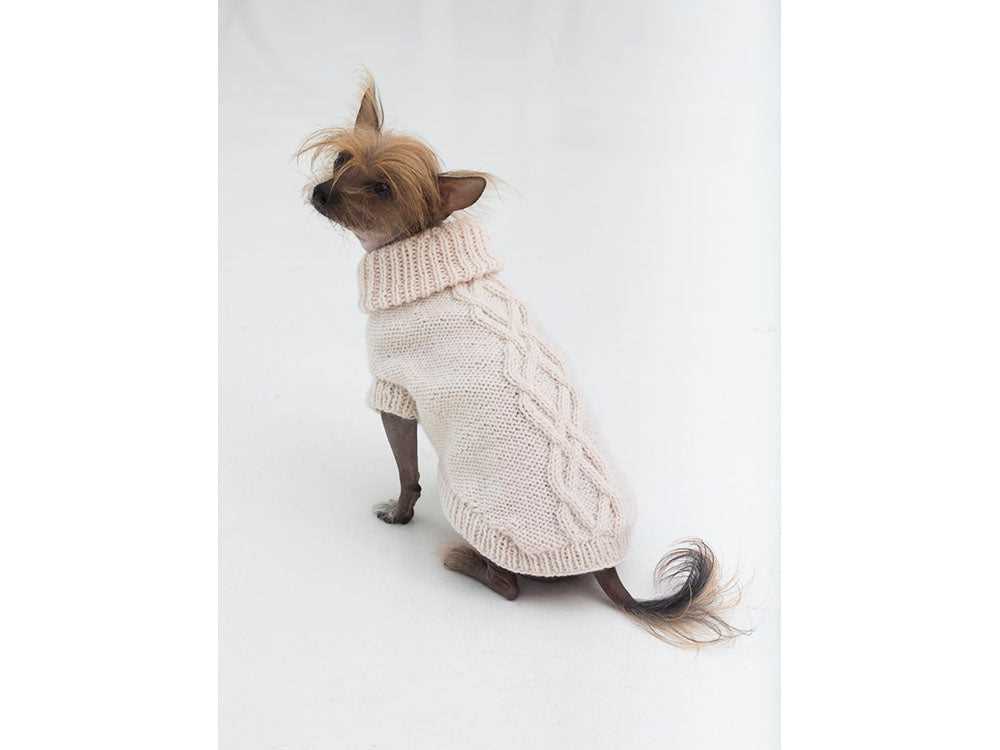
As the weather gets colder, it’s important to remember that dogs need protection from the elements just like humans do. One way to keep your furry friend warm and cozy is by knitting them a coat. Here are a few reasons why your dog needs a knit coat:
1. Insulation
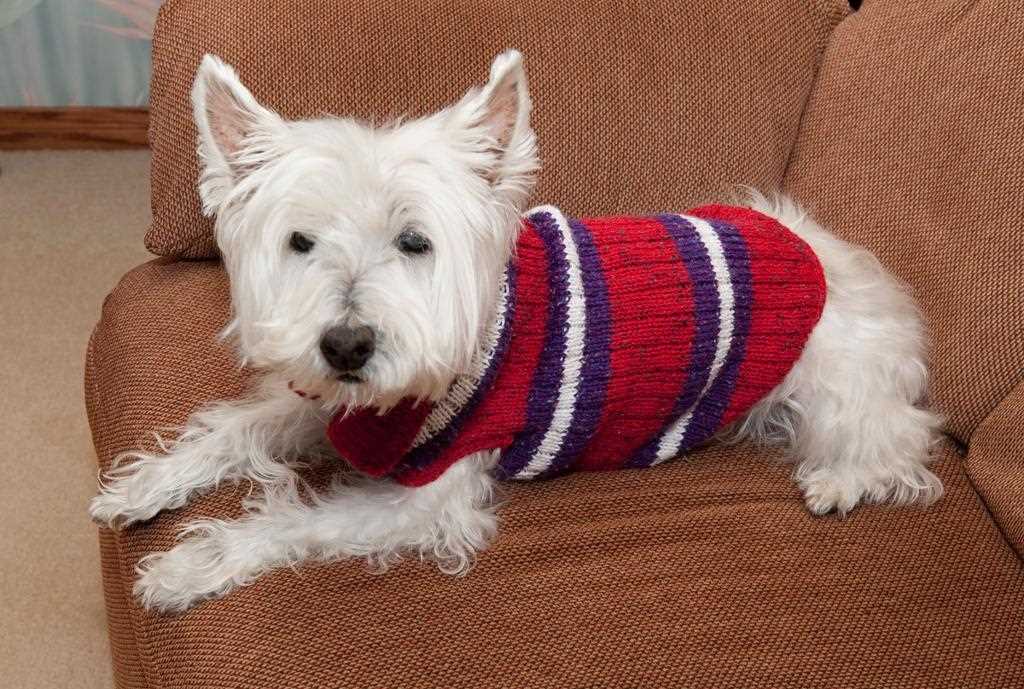
A knit coat can provide an extra layer of insulation for your dog, helping to keep them warm in chilly weather. Just like humans, dogs feel the cold and need protection from low temperatures. The knit fabric traps heat and can help regulate your dog’s body temperature, making them more comfortable when going on walks or spending time outdoors.
2. Fashionable and Stylish
A knit dog coat can be both functional and fashionable. You can choose from a variety of colors and patterns to suit your dog’s personality and style. Whether you prefer a classic design or something more unique, knitting your dog a coat allows you to customize their wardrobe while keeping them warm.
3. Comfort and Protection

A knit coat is not only warm but also comfortable for your dog to wear. The soft and stretchy fabric allows for ease of movement, so your dog won’t feel restricted or uncomfortable while wearing the coat. Additionally, a coat can provide protection from wind, rain, and snow, keeping your dog dry and comfortable even in inclement weather.
4. Senior Dogs and Dogs with Short Hair
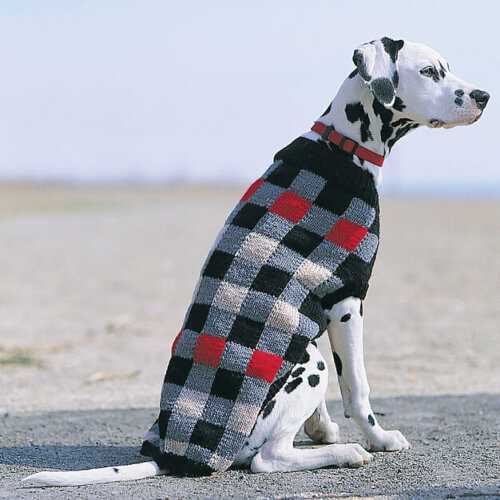
Elderly dogs and those with short hair are more susceptible to cold temperatures. Their bodies may not be able to regulate their temperature as effectively as younger dogs or those with thicker fur. Knitting them a coat can provide the extra warmth and protection they need to stay comfortable and healthy, especially during the winter months.
In conclusion, knitting your dog a coat can offer numerous benefits, including insulation, style, comfort, and protection. It’s a thoughtful way to show your love and care for your furry companion and ensure they stay warm during the colder months. So why not grab your knitting needles and get started on creating a cozy coat for your four-legged friend?
Choosing the Right Yarn for Your Dog Coat
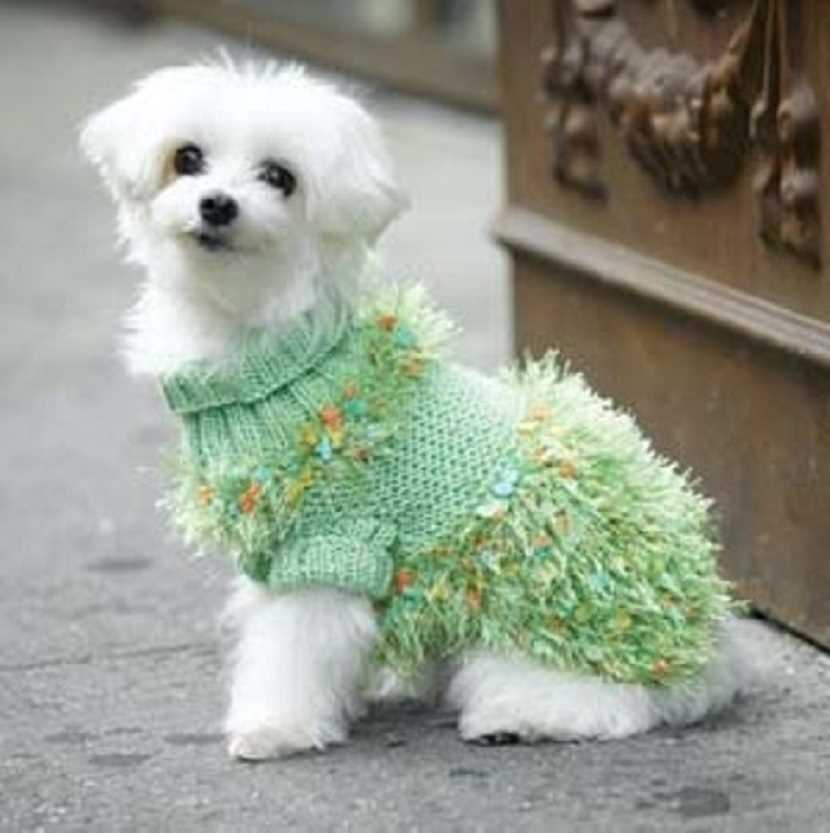
When it comes to knitting a dog coat, choosing the right yarn can make a huge difference in both the appearance and functionality of the finished garment. There are several factors to consider when selecting yarn for a dog coat, including the dog’s size, breed, and the desired level of warmth and comfort.
Type of Yarn: One of the first decisions to make is the type of yarn to use for the dog coat. The most common types of yarn used for this purpose are acrylic, wool, and blends of various fibers. Acrylic yarn is often preferred for its durability and washability, while wool offers natural warmth and insulation.
Weight of Yarn: Another important consideration is the weight of the yarn. The weight of the yarn will determine the thickness and heaviness of the dog coat. For small, short-haired breeds, a lighter weight yarn may be more suitable, while larger breeds or those living in cold climates may benefit from a heavier weight yarn.
Color and Design: The color and design of the yarn can add a fun and stylish touch to the dog coat. Consider the dog’s coloring and choose a yarn color that complements their fur. Additionally, you may want to incorporate different stitches or patterns to add texture and interest to the coat.
Texture and Comfort: Dogs have sensitive skin, so it’s important to choose a yarn that is soft and comfortable to wear. Avoid yarns that are scratchy or irritating, as these can cause discomfort or even skin issues for your furry friend. Look for yarns with a smooth texture and consider using a yarn with a bit of stretch for a more comfortable fit.
- In conclusion, choosing the right yarn for your dog coat is essential for creating a functional and fashionable garment for your pet.
- Consider factors such as the type of yarn, weight, color, design, and texture to ensure a comfortable and stylish coat.
- Always keep in mind your dog’s size, breed, and specific needs when making your yarn selection.
- With the right yarn, you can create a beautiful and cozy coat that your dog will love to wear.
Understanding Different Yarn Types
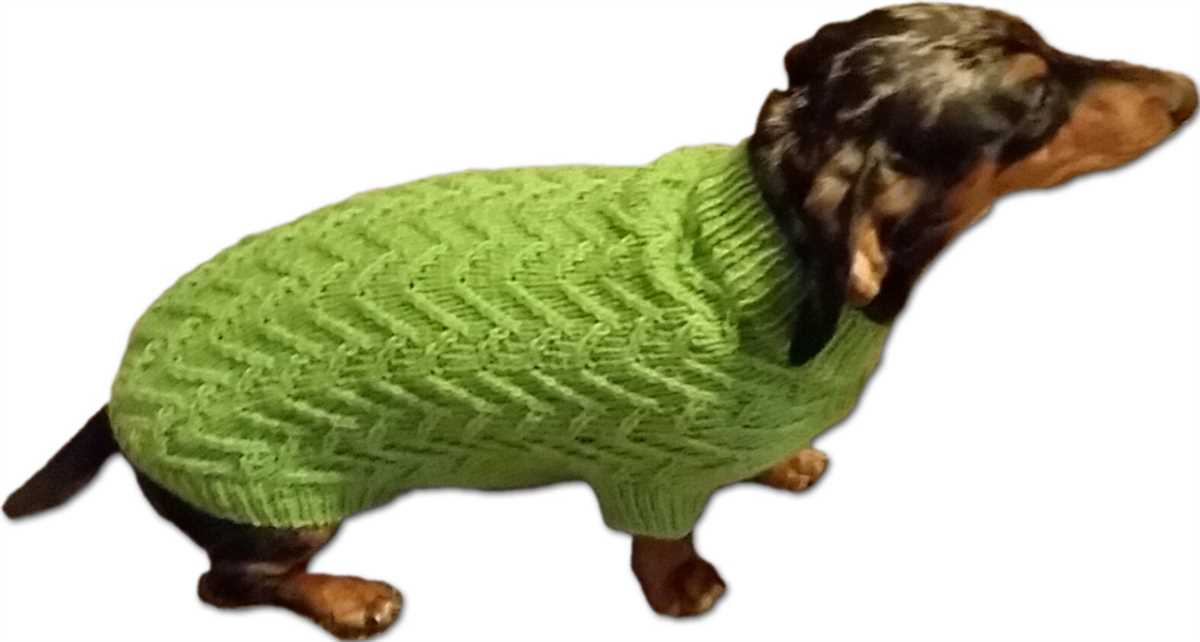
When it comes to knitting dog coats, it’s important to understand the different types of yarn available and how they can affect the final result of your project. Choosing the right yarn can make a significant difference in both the appearance and functionality of the coat.
1. Acrylic yarn: Acrylic yarn is a popular choice for dog coats because it is affordable, easy to care for, and comes in a wide range of colors. It is also lightweight and warm, making it suitable for colder weather. However, it tends to have less stretch and can pill over time.
2. Wool yarn: Wool yarn is a natural fiber that is known for its warmth and softness. It is an excellent choice for dog coats, especially in colder climates. Wool also has good elasticity, making it easy to knit with and providing a snug fit. However, it can be more expensive and may require more care than other yarn types.
3. Cotton yarn: Cotton yarn is a breathable and lightweight option for dog coats, making it suitable for warmer weather. It is also hypoallergenic, making it an ideal choice for dogs with sensitive skin. However, cotton yarn has less elasticity and may not provide as much warmth as other yarn types.
4. Blended yarn: Blended yarn combines different fibers to create a unique combination of properties. For example, a blend of wool and acrylic can provide the warmth of wool with the affordability of acrylic. Blended yarns can offer the best of both worlds and can be a great choice for dog coats.
5. Novelty yarn: Novelty yarns are speciality yarns that add texture and visual interest to a dog coat. They can include features like sequins, fur, or metallic threads. While they may look appealing, novelty yarns can be more challenging to work with and may not provide the same level of warmth or functionality as other yarn types.
In conclusion, understanding the different types of yarn available can help you choose the best yarn for your knitted dog coat. Consider factors such as warmth, stretch, care requirements, and the overall look you want to achieve. By selecting the right yarn, you can create a comfortable and stylish coat for your furry friend.
Determining the Right Thickness and Weight
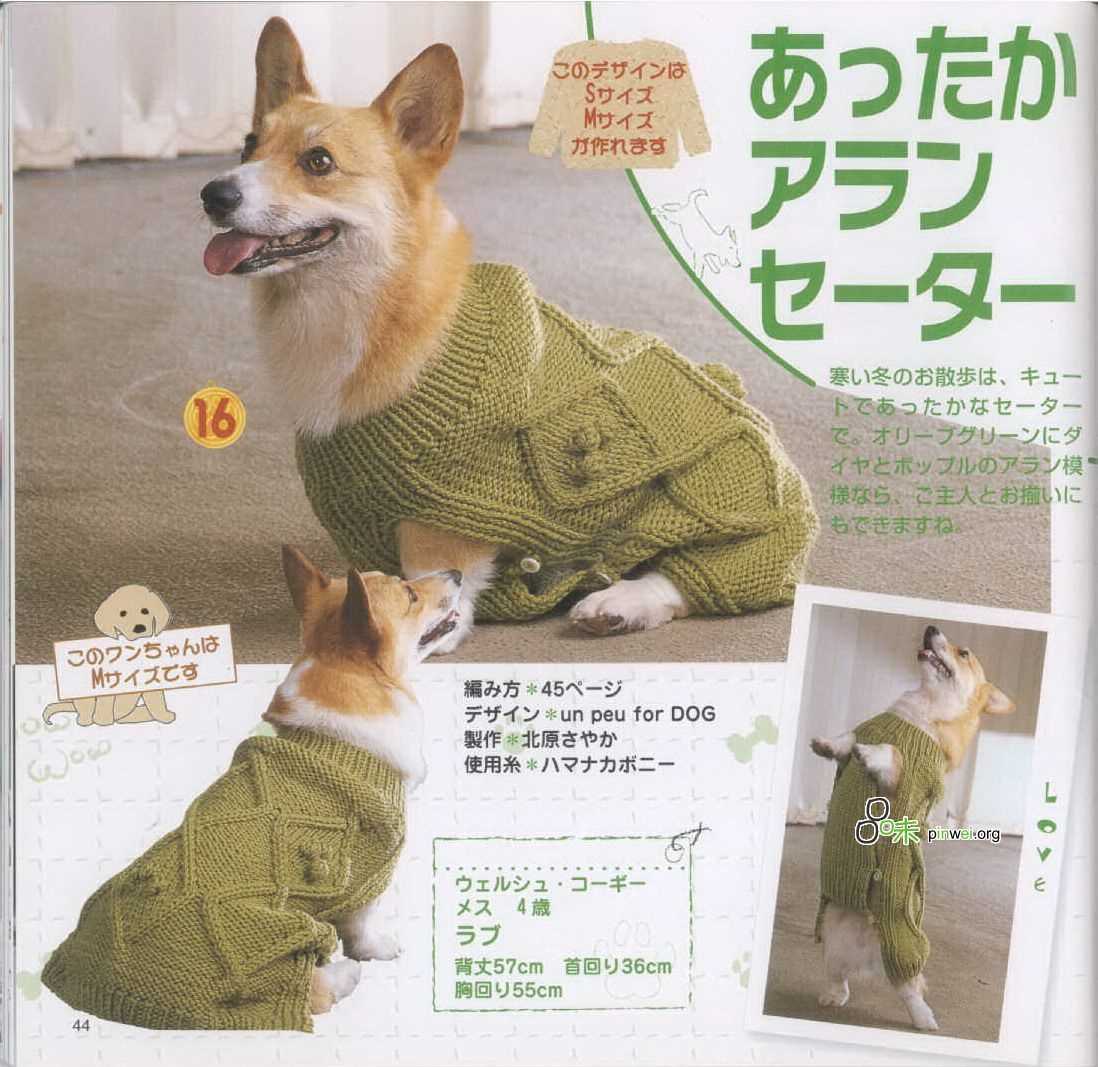
When knitting a dog coat, it’s important to choose the right thickness and weight of yarn to ensure the coat provides the necessary warmth and comfort for your furry friend. Factors such as the dog’s size and breed, the climate you live in, and the intended use of the coat should all be considered when selecting the yarn.
Dog Size and Breed: Larger dogs may require a thicker yarn to provide adequate insulation and coverage. Smaller dogs, on the other hand, may benefit from a lighter weight yarn that won’t weigh them down. Additionally, certain dog breeds may have specific needs – for example, a short-haired breed like a Chihuahua may require extra warmth compared to a long-haired breed like a Golden Retriever.
Climate: The climate you live in plays a significant role in determining the thickness and weight of yarn for your dog’s coat. If you live in a cold climate with harsh winters, a bulky or super bulky yarn would be more appropriate to keep your dog cozy and warm. In milder climates, a medium or worsted weight yarn may be sufficient.
Intended Use: Consider the intended use of the coat when selecting the yarn. If you’re knitting a coat for everyday wear, a softer and lighter weight yarn may be preferred for comfort. However, if you’re knitting a coat for outdoor activities or for use in extreme weather conditions, a thicker, more durable yarn would be more suitable.
Ultimately, the right thickness and weight of yarn for a dog coat will depend on the specific needs and preferences of your dog. It’s always a good idea to consult knitting patterns or seek advice from experienced knitters to ensure you choose the best yarn for your project.
Considering Your Dog’s Comfort and Sensitivity
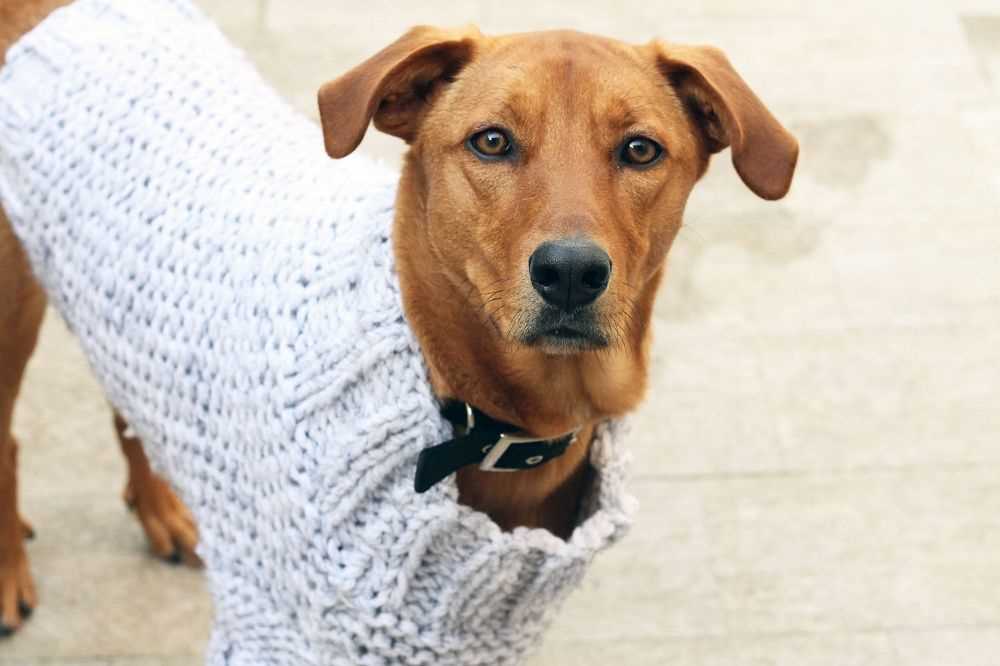
When knitting a coat for your dog, it is important to consider their comfort and sensitivity. Dogs can be sensitive to different materials and textures, so it is crucial to choose a yarn that is soft and non-irritating to their skin. Look for yarns that are specifically labeled as hypoallergenic or made from natural fibers, such as cotton or merino wool, which are known for their softness.
Another factor to consider is the fit of the coat. Just like humans, dogs come in different shapes and sizes, so it is essential to measure your dog accurately before starting the knitting process. A well-fitting coat should provide enough room for your dog to move comfortably, without being too tight or restrictive. Taking accurate measurements of your dog’s chest, neck, and length will ensure a proper fit.
Choosing the right design
When selecting a knit dog coat pattern, consider your dog’s specific needs and preferences. Some dogs may prefer a coat with a higher collar or a hoodie to keep their neck warm, while others may prefer a simpler design. Additionally, consider the climate in which your dog will be wearing the coat. If you live in a colder area, you may want to choose a pattern that includes a lining or uses a thicker yarn for added warmth.
- Consider the length of the coat as well. Some dogs may feel more comfortable with a longer coat that covers their entire body, while others may prefer a shorter design that only covers their back.
- It’s also worth considering any special features your dog may need. For example, if your dog has arthritis or joint issues, a coat with adjustable closures or openings for harnesses may be more suitable.
- Lastly, think about the ease of putting on and taking off the coat. Look for patterns that include buttons, Velcro, or adjustable straps to make the process easier for both you and your dog.
By considering your dog’s comfort and sensitivity, as well as their specific needs and preferences, you can ensure that the knit dog coat you create will be both functional and comfortable for your furry friend.
Measuring Your Dog for a Perfect Fit
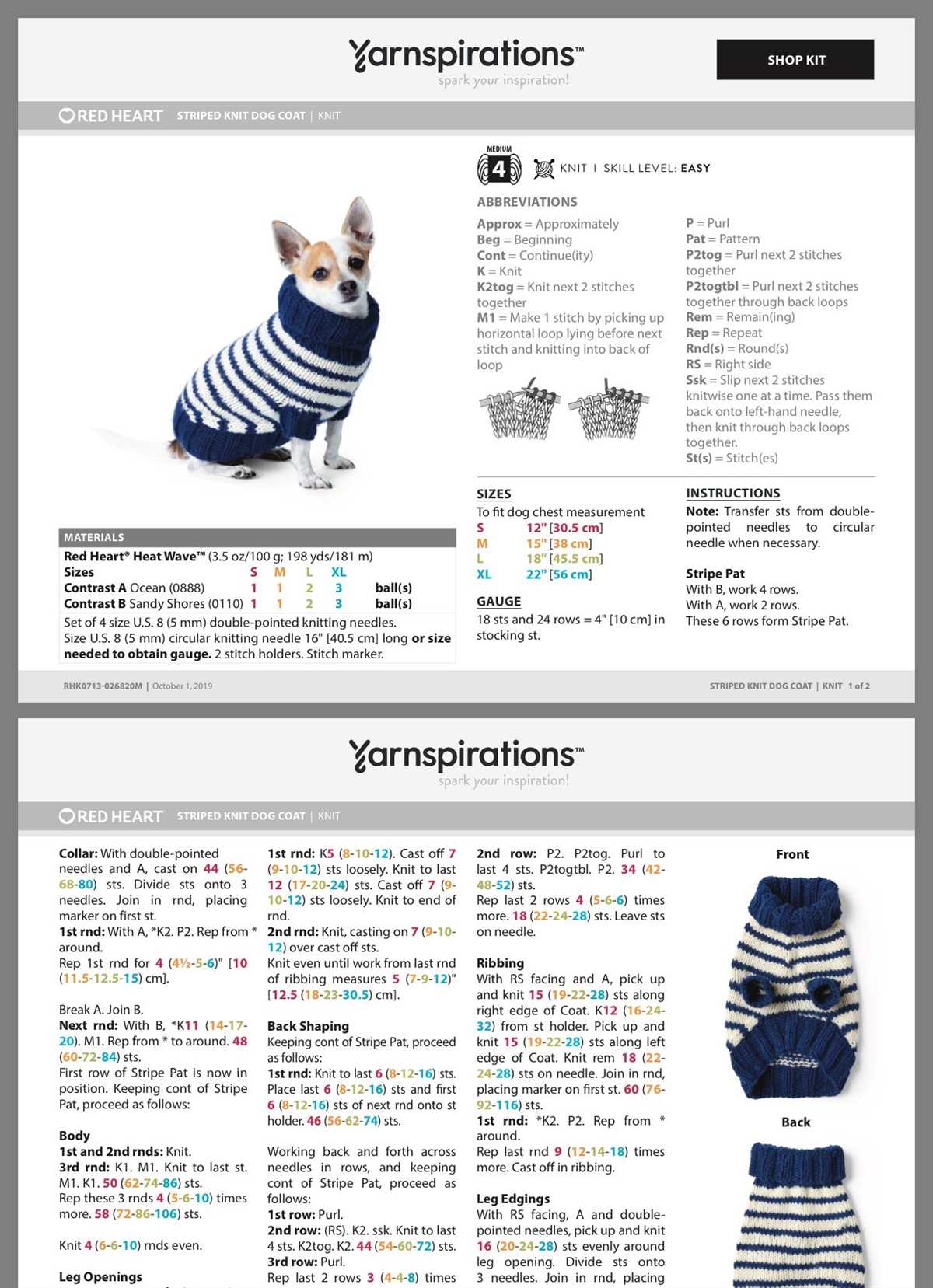
When it comes to knitting a dog coat, it is important to ensure that it fits your furry friend perfectly. Taking accurate measurements of your dog is the first step to achieving a great fit.
Measuring the Length: Start by measuring the length of your dog from the base of their neck to the base of their tail. This measurement will determine the overall length of the coat. Make sure to measure along the spine and avoid measuring over any curves.
Measuring the Chest: Next, measure the widest part of your dog’s chest. This will help determine the width of the coat. Wrap the measuring tape snugly around their chest, just behind their front legs.
Measuring the Neck: Measure the circumference of your dog’s neck at the base. This measurement will determine the size of the collar opening. Make sure to leave enough room for your dog to be comfortable.
Measuring the Leg Openings: If you are knitting a coat with leg openings, measure the circumference of your dog’s front legs at the widest part. This will ensure that the openings are not too tight or too loose. Repeat the measurement for the hind legs if necessary.
Keep these measurements handy when selecting a dog coat pattern and adjusting it to the size you need. By taking accurate measurements, you can ensure that your dog will be comfortable and stylish in their new knitted coat!
Taking Accurate Body Measurements
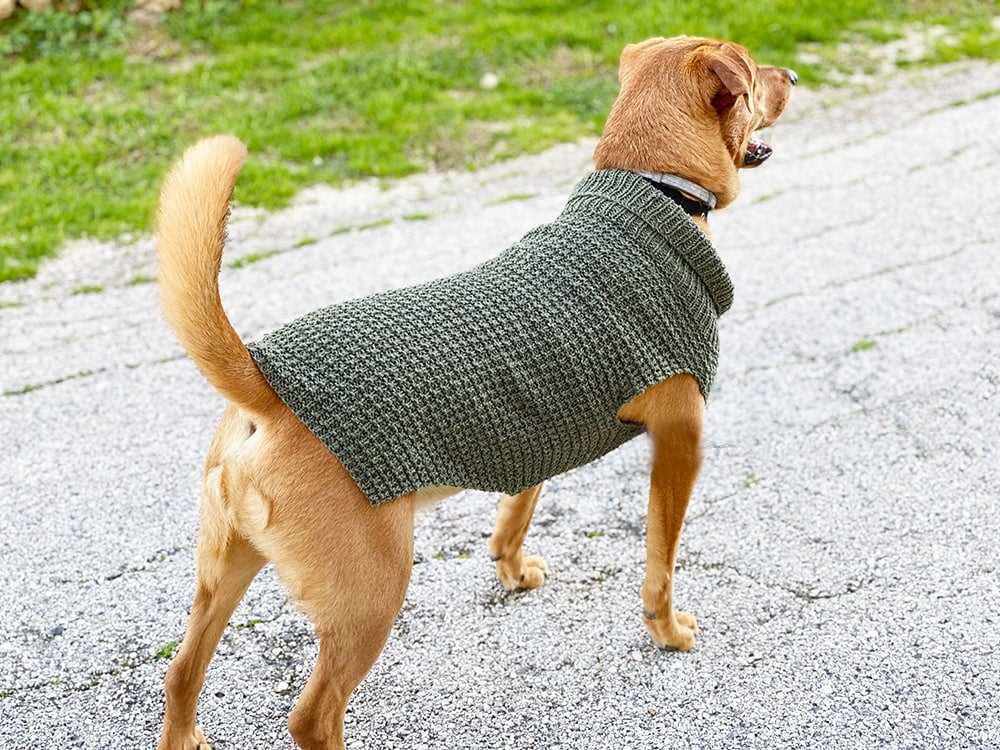
Before starting to knit a dog coat, it is essential to take accurate body measurements of your furry friend. This will ensure that the coat fits properly and provides the necessary warmth and comfort.
Step 1: Measure the Chest
Start by measuring the circumference of the widest part of your dog’s chest. Wrap the measuring tape around the chest, just behind the front legs. Make sure the tape is snug but not too tight.
Step 2: Measure the Neck
Next, measure the circumference of your dog’s neck. Place the measuring tape around the base of the neck, where the collar usually sits. Again, ensure that the tape is snug but not too tight.
Step 3: Measure the Length
To determine the length of the coat, measure from the base of your dog’s neck to the base of their tail. Make sure your dog is standing straight and measure along the spine for an accurate measurement.
Step 4: Measure the Leg Openings
If you plan to make leg openings in the dog coat, measure the circumference of each leg where the opening will be. This will ensure a proper fit and freedom of movement.
Step 5: Record the Measurements
Write down the measurements you have taken for easy reference while knitting. It is also helpful to take note of your dog’s breed or size to compare with the knitting pattern.
By taking accurate body measurements, you can create a dog coat that fits perfectly and keeps your furry friend cozy and stylish.
Adjusting for Different Breeds and Sizes
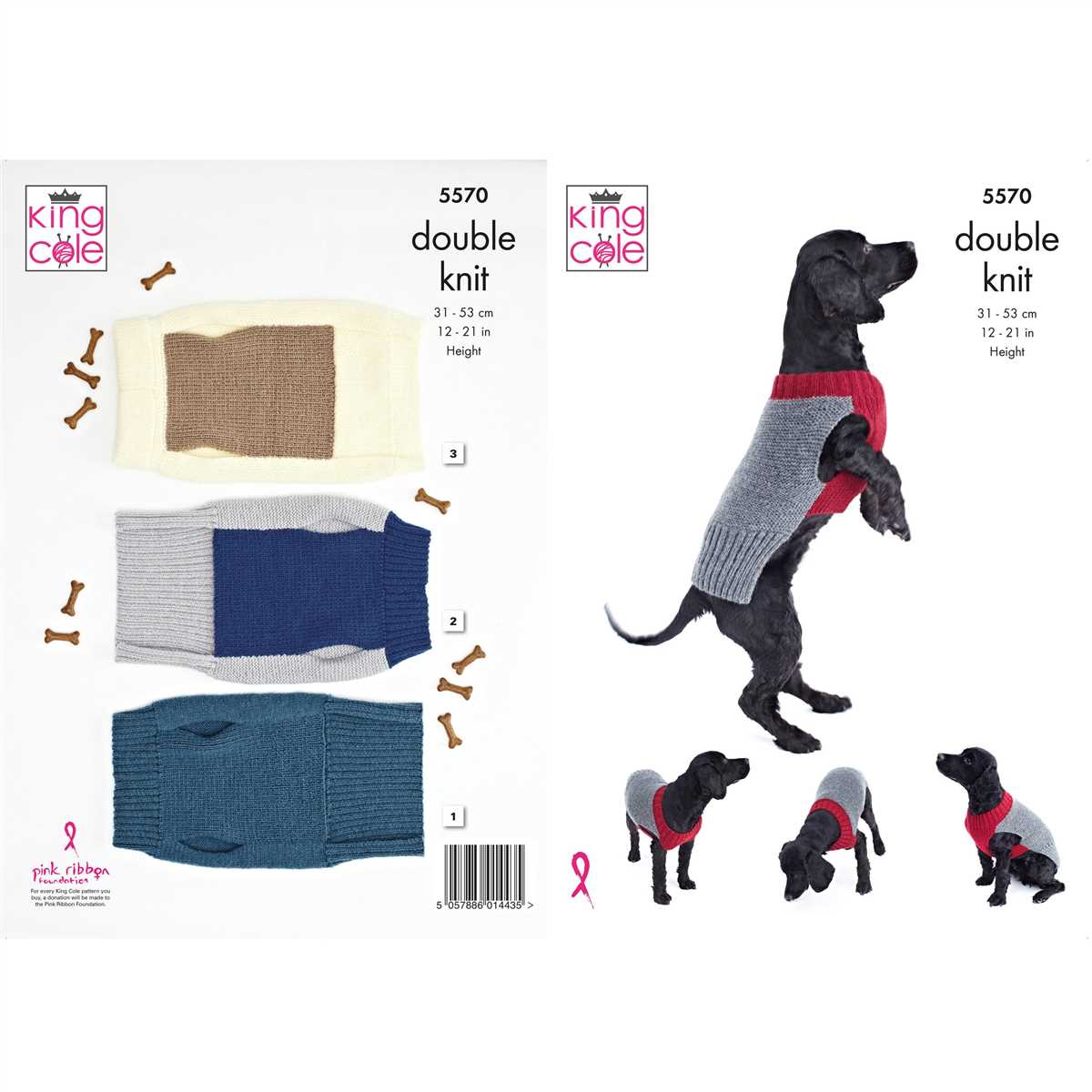
When it comes to knitting a dog coat, one size does not fit all. Different dog breeds come in various shapes and sizes, so it’s essential to adjust the pattern accordingly. By customizing the measurements and proportions, you can ensure a comfortable and well-fitting coat for your furry friend.
Take accurate measurements: Begin by measuring your dog’s neck circumference, chest circumference, and length from the base of the neck to the tail. These measurements will serve as a guide to adapt the pattern to your dog’s specific size. Keep in mind that different breeds will have different proportions, so it’s crucial to take accurate measurements.
Create a gauge swatch: Before starting the coat, knit a small swatch using the recommended yarn and needles. This will help you determine the number of stitches and rows per inch, which is crucial for resizing the pattern. By comparing your gauge swatch to the pattern’s gauge, you can adjust the number of stitches and rows to achieve the desired size.
Adjust width and length: To accommodate different chest sizes, you may need to add or subtract stitches from the pattern. For larger dogs, you may want to increase the width of the coat. Similarly, for smaller breeds, you may need to decrease the width. Additionally, you can adjust the length of the coat by adding or subtracting rows, depending on your dog’s measurements.
Consider breed-specific characteristics: Different breeds have particular characteristics that may require additional adjustments. For example, dogs with longer bodies or shorter legs may need modifications to ensure a proper fit. Take into account any specific traits of your dog’s breed when adapting the pattern.
Test and make adjustments: It’s essential to try the coat on your dog as you go to ensure a proper fit. If necessary, make adjustments to the pattern as you knit to achieve the desired size and shape. Remember that each dog is unique, so don’t be afraid to make modifications as needed.
By taking appropriate measurements, adjusting width and length, and considering breed-specific characteristics, you can easily adapt a knit dog coat pattern to fit your furry companion. With a little customization, you can create a cozy and stylish garment that will keep your dog warm and comfortable during the colder months.
Tips for Properly Fitting the Neck and Legs
When knitting a dog coat, it’s important to ensure a proper fit for the neck and legs. This will not only make the coat more comfortable for your furry friend, but also help prevent any slipping or discomfort. Here are some tips to help you achieve the right fit:
1. Measuring the neck
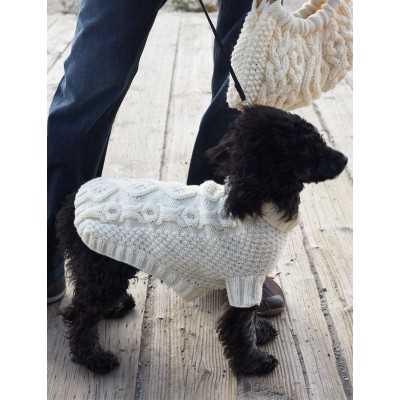
Start by measuring the circumference of your dog’s neck. Wrap a measuring tape around the base of the neck, where the collar would normally sit. Make sure to add a bit of extra room for comfort. This measurement will be crucial for determining the size of the neck opening in your knit dog coat pattern.
2. Creating a snug but not tight fit
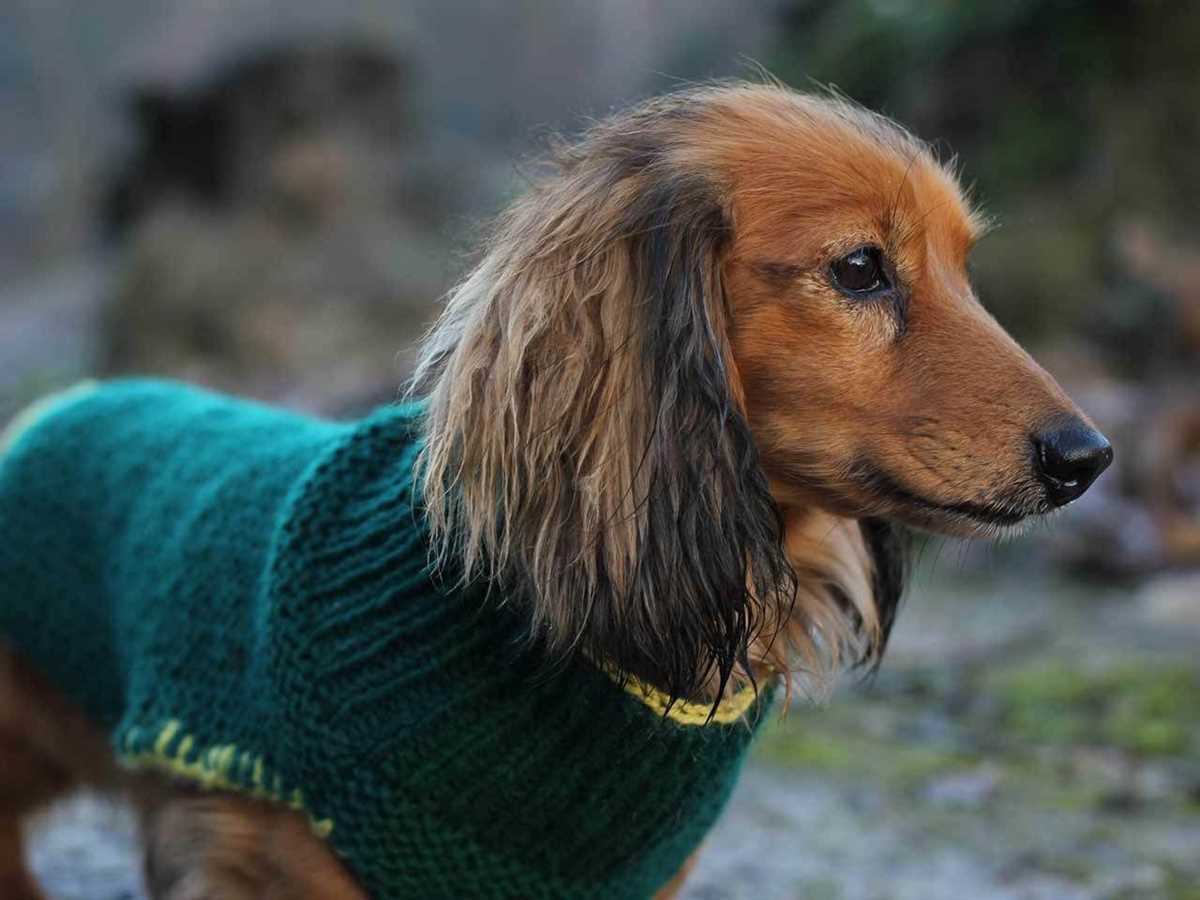
When knitting the neck opening, it’s important to make it snug enough so that the coat stays in place, but not too tight that it restricts your dog’s movement or causes discomfort. Use stretchy ribbing or adjust the stitch counts accordingly to achieve the desired fit.
3. Shaping the leg holes
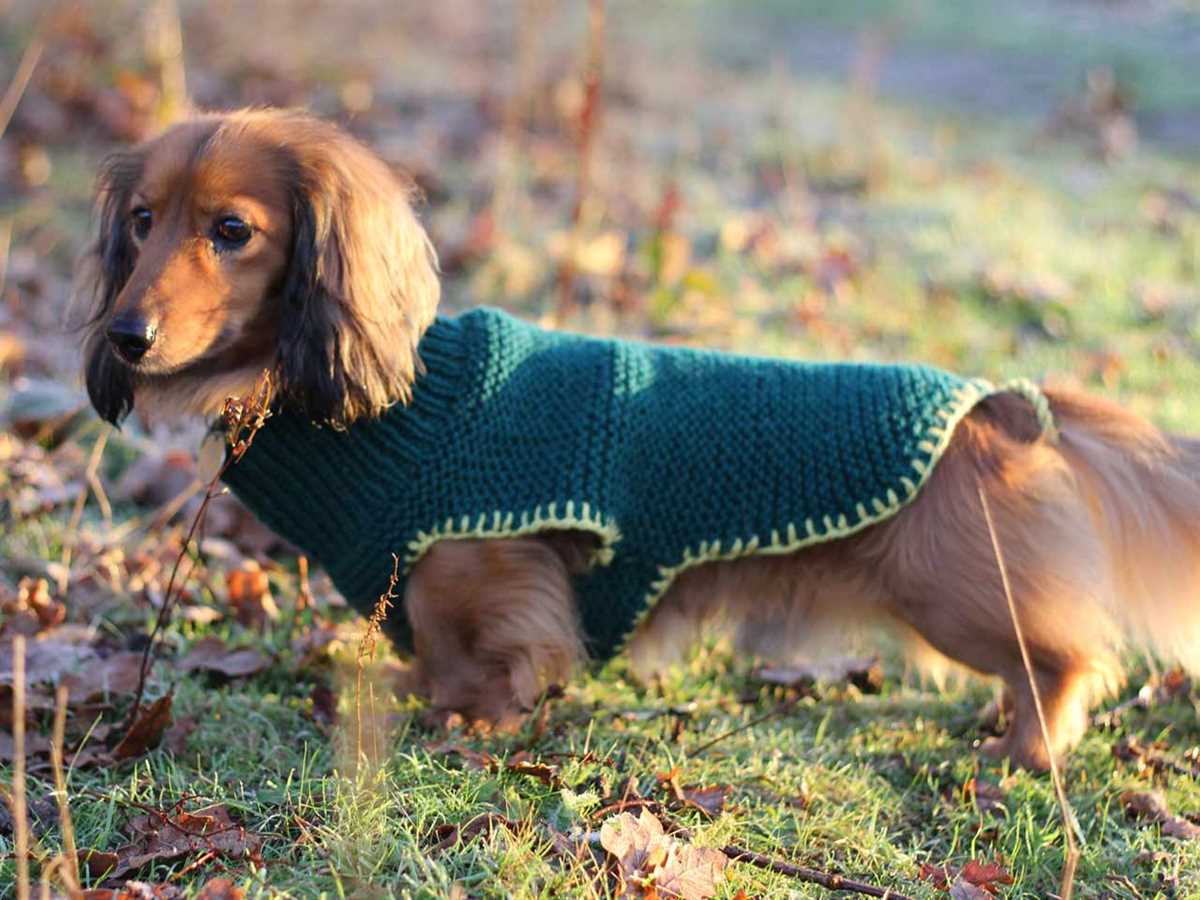
For dog coats that have leg holes, proper shaping is essential to ensure a good fit. Measure the circumference of your dog’s front legs and knit the leg openings accordingly. Consider adding a bit of extra room for ease of movement, especially if your dog is particularly active.
4. Checking the fit
Once you have completed knitting the coat, try it on your dog to check the fit. Make sure the neck opening is comfortable and not too tight, and that the leg holes allow for easy movement. Adjustments can be made by adding or removing stitches as necessary.
By following these tips and taking accurate measurements, you can create a knit dog coat that fits your furry friend perfectly.
Knitting Techniques for Your Dog Coat
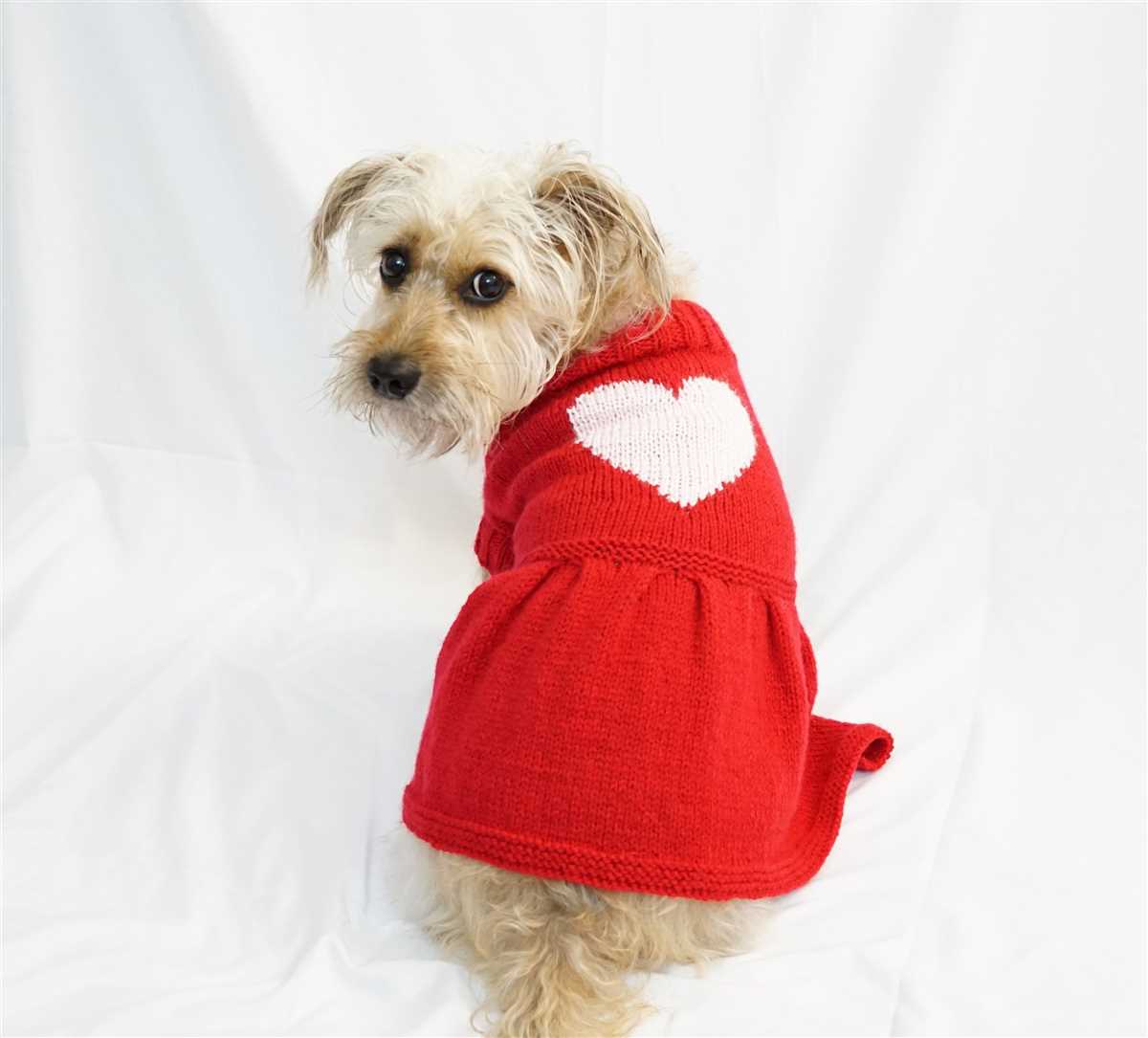
When it comes to knitting a cozy and fashionable dog coat for your furry friend, it’s important to have the right knitting techniques in your arsenal. Whether you’re a beginner or an experienced knitter, these techniques will help you create a stylish and snug coat for your canine companion.
Choosing the right yarn: The first step in knitting a dog coat is selecting the right yarn. Look for a yarn that is warm, durable, and machine washable. Acrylic blends or soft wool are great options, as they provide warmth without being too heavy. Consider your dog’s size and breed when choosing the yarn weight as well; a larger dog will require a thicker yarn, while a smaller dog may benefit from a lighter weight yarn.
Measuring your dog: Before you start knitting, it’s essential to take accurate measurements of your dog. This will ensure that the coat fits properly and provides the necessary coverage. Measure the length from the base of the neck to the base of the tail, the circumference of the neck, and the circumference of the chest. Write down these measurements so you can refer to them as you knit.
Creating a gauge swatch: To ensure that your dog coat turns out the right size, it’s crucial to create a gauge swatch before starting the project. Use the recommended needle size and yarn weight, and knit a small square of fabric. Measure the number of stitches and rows within a 4-inch square, and compare it to the gauge specified in the pattern. Adjust your needle size if necessary to achieve the correct gauge.
Knitting in the round: Many dog coat patterns are knitted in the round to create a seamless and comfortable fit. To knit in the round, you will need circular knitting needles or double-pointed needles. Follow the pattern instructions carefully, making sure to join your stitches in a circle and avoid twisting them. Knitting in the round eliminates the need for seaming and allows for easy customization and fitting.
Adding decorative details: Once you have the basic structure of the dog coat established, you can add decorative details to personalize the design. Consider incorporating cable stitches, colorwork, or textured patterns to enhance the overall look of the coat. Be mindful of your dog’s comfort when adding embellishments, ensuring they don’t interfere with movement or cause any discomfort.
Finishing touches: After completing the main body of the dog coat, it’s time to add the finishing touches. This includes sewing on buttons, attaching snaps or Velcro closures, and adding any necessary straps or fasteners. Make sure that these finishing elements are securely attached and easily adjustable, allowing for a snug and comfortable fit on your dog.
With these knitting techniques in your repertoire, you’ll be well-equipped to knit a cozy and stylish dog coat for your furry companion. Experiment with different patterns, colors, and yarns to create a unique and fashionable garment that will keep your dog warm and comfortable in any weather.
The Basic Knit Stitch
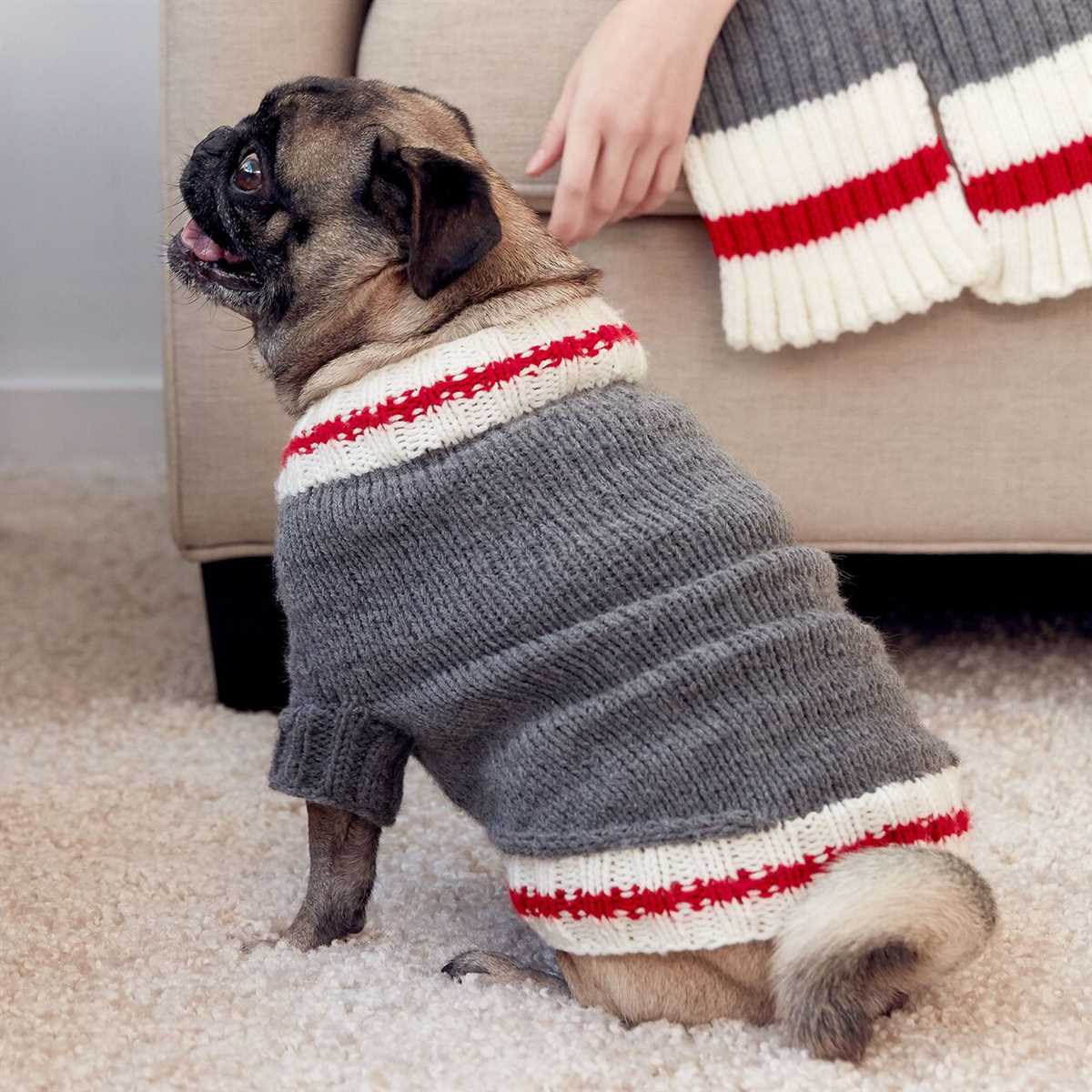
The basic knit stitch is the foundation of all knitting patterns and projects. It is a versatile and simple stitch that is easy to learn and master. Whether you are a beginner or an experienced knitter, understanding and practicing the basic knit stitch is essential.
The technique: The basic knit stitch is created by inserting the right-hand needle into the first stitch on the left-hand needle from front to back, and then wrapping the yarn around the right-hand needle. The yarn is then pulled through the stitch to create a new loop on the right-hand needle. This process is repeated across the row until all the stitches have been worked.
Materials: To practice the basic knit stitch, you will need a pair of knitting needles and some yarn. The size of the needles and yarn will depend on the project you are working on, so be sure to choose the appropriate materials for your desired outcome.
Benefits: The basic knit stitch is not only the foundation of knitting, but it also allows for a wide range of stitch patterns and designs. By combining knit stitches with other techniques, such as purl stitches and yarn overs, you can create beautiful texture and intricate patterns in your knitting. Additionally, knitting has been shown to have therapeutic benefits, promoting relaxation and stress reduction.
Tips:
- When working the knit stitch, make sure to keep your tension even to achieve consistent stitches.
- Take breaks and stretch your hands and fingers to avoid strain or cramping.
- Practice the basic knit stitch regularly to improve your skills and speed.
- Experiment with different yarns and needle sizes to achieve different effects and textures in your knitting.
Adding Texture and Patterns
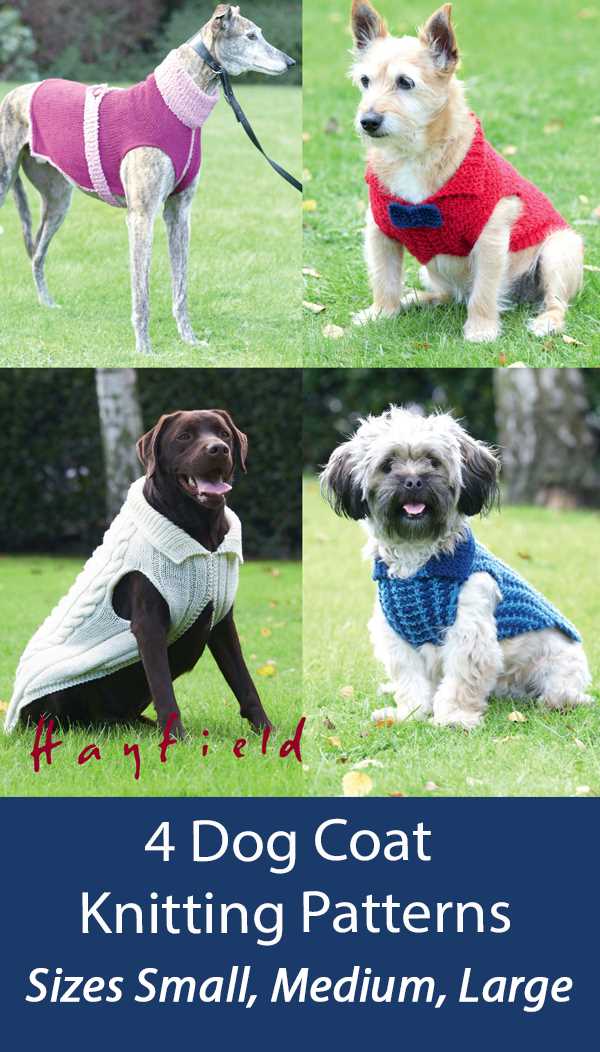
When knitting a dog coat, adding texture and patterns can elevate the design and make it more visually appealing. By incorporating different stitches and techniques, you can create a unique and stylish garment for your furry friend.
One way to add texture is by using a variety of stitch patterns. For example, you can alternate between knit and purl stitches to create a ribbed effect that adds elasticity and snugness to the coat. Another option is to incorporate cables, which create a raised pattern and add depth to the fabric. Cables can be simple or intricate, depending on your skill level and desired look.
Stripes and colorwork
Adding stripes is another way to introduce patterns into your dog coat. You can use different colors of yarn to create bold or subtle stripes, depending on your preference. Stripes can be horizontal, vertical, or diagonal, and they can be of equal width or varying widths. This allows for endless possibilities in creating a unique design.
Colorwork is another technique that can be used to add patterns. Fair Isle, intarsia, and stranded knitting are popular colorwork techniques that involve working with multiple colors of yarn. This can create intricate and pictorial designs, such as polka dots, hearts, or paw prints, adding a playful touch to the dog coat.
Finishing Touches: Buttons, Zippers, and Fasteners
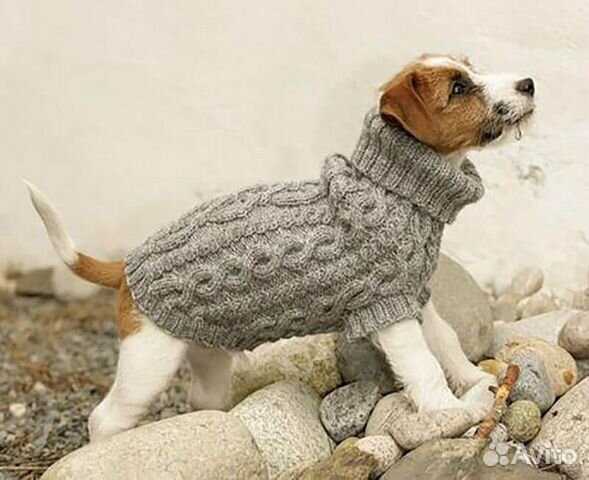
Once you have completed knitting your dog coat, it’s time to add the finishing touches. This includes choosing the right buttons, zippers, or other fasteners to secure the coat on your furry friend.
Buttons are a classic option for dog coats. They come in various sizes, colors, and designs, allowing you to personalize the coat to match your dog’s personality. Make sure to sew the buttons securely onto the coat, ensuring they won’t easily come loose during your dog’s adventures.
If you prefer a more secure closure, zippers are a great choice. They provide a snug fit and are less likely to come undone. When attaching a zipper, make sure it is the appropriate length for the coat and sew it in place carefully to ensure it stays in position.
Other fasteners, such as Velcro or snap buttons, can also be used to secure the coat. These options are convenient and easy to use, especially if you need to quickly put on or remove the coat. Just be careful to choose strong and durable fasteners that will withstand your dog’s movements and activities.
When selecting buttons, zippers, or other fasteners, consider both functionality and style. Choose options that are suitable for your dog’s size, comfort, and ease of use. Additionally, take into account the overall design and color scheme of the coat to create a cohesive and fashionable look.
- Buttons: Classic option with various sizes and designs.
- Zippers: Provides a secure fit and less likely to come undone.
- Velcro or snap buttons: Convenient and easy to use for quick on/off.
Remember, the finishing touches are crucial to complete the look and functionality of your dog’s coat. Take the time to choose the right buttons, zippers, or fasteners, and sew them securely. Your furry friend will thank you for it!