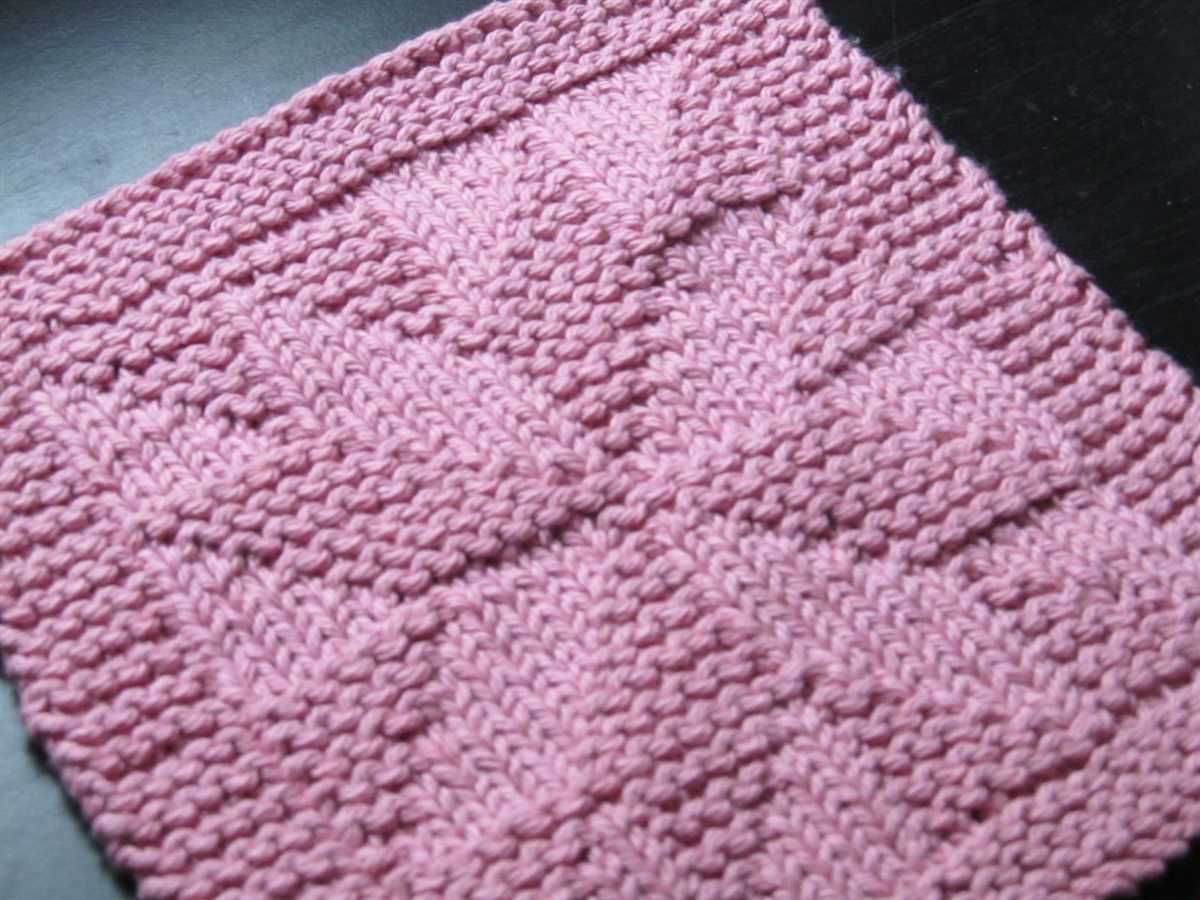
Knitting is not only a relaxing and creative hobby, but it can also be practical. One great project for knitters of all skill levels is making cotton dishcloths. These knitted dishcloths are not only eco-friendly and reusable, but they also make great gifts for friends and family. With so many free knitting patterns available, you can easily find one that suits your style and skill level.
Cotton dishcloths are perfect for cleaning dishes, countertops, and other surfaces in your kitchen. They are absorbent, durable, and can be easily machine washed. Plus, knitting your own dishcloths allows you to customize the size, shape, and design to suit your needs.
Whether you are new to knitting or a seasoned pro, there are endless options when it comes to choosing a free pattern for cotton dishcloths. From simple garter stitch squares to intricate lace designs, there is something for everyone. You can experiment with different stitch patterns, colors, and yarn thicknesses to create unique and personalized dishcloths.
In this article, we will explore some of the best free knitting patterns for cotton dishcloths. We will provide links to the patterns and offer tips and tricks to help you get started. So grab your knitting needles and a ball of cotton yarn, and let’s get started on your next knitting project!
Benefits of using cotton dishcloths
Cotton dishcloths are a popular choice for many people due to their numerous benefits. One of the main advantages of using cotton dishcloths is their excellent absorbency. Cotton is known for its ability to soak up liquids, making it ideal for wiping up spills and drying dishes. Unlike other materials, cotton dishcloths can hold a significant amount of moisture without becoming saturated, allowing for efficient cleaning.
In addition to their absorbency, cotton dishcloths also offer excellent durability. Cotton is a strong and resilient material that can withstand frequent use and washing without losing its shape or effectiveness. This means that cotton dishcloths can last for a long time, saving you money in the long run as you won’t need to constantly replace them.
Furthermore, using cotton dishcloths is environmentally friendly. Unlike disposable paper towels or synthetic materials, cotton is a natural and renewable resource. By opting for cotton dishcloths, you can reduce your ecological footprint by minimizing waste and promoting sustainability. Additionally, cotton is biodegradable, meaning that when it eventually wears out, it will decompose naturally without harm to the environment.
Cotton dishcloths are also gentle on surfaces and won’t scratch delicate dishes or countertops. The soft texture of cotton allows for effective cleaning while protecting your kitchenware. Moreover, cotton is hypoallergenic and less likely to cause skin irritation or allergic reactions, making it a safe choice for individuals with sensitive skin.
- Excellent absorbency
- Durable and long-lasting
- Environmentally friendly
- Gentle on surfaces
- Hypoallergenic
Essential Tools for Knitting Cotton Dishcloths
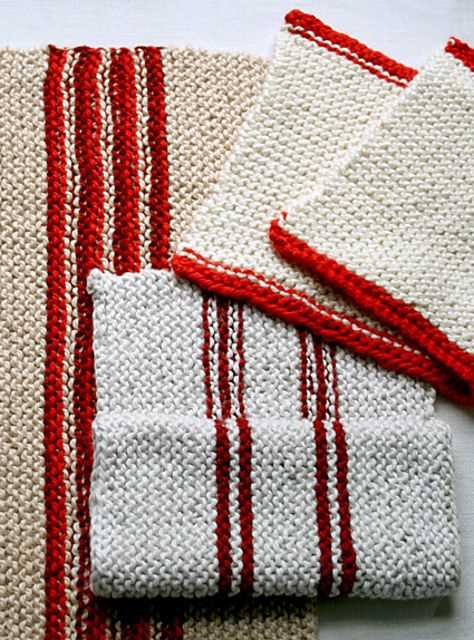
When it comes to knitting cotton dishcloths, having the right tools is essential. Not only will the right tools make the knitting process more enjoyable, but they will also help you achieve the desired outcome. Here are some essential tools that every knitter should have when working on cotton dishcloths:
1. Knitting Needles:
To knit cotton dishcloths, you will need a pair of knitting needles. The size of the needles will depend on your personal preference and the desired gauge of the finished dishcloth. It is recommended to use size 7 or 8 knitting needles for most cotton dishcloth patterns. The needles should be smooth, straight, and comfortable to hold.
2. Cotton Yarn:
Cotton yarn is the perfect choice for knitting dishcloths as it is absorbent, durable, and soft. Look for 100% cotton yarn in a thickness that suits your knitting style and the desired texture of the dishcloth. There are many different colors and variations of cotton yarn available, allowing you to get creative with your dishcloth designs.
3. Stitch Markers:
Stitch markers are handy tools that help you keep track of your stitches and pattern repeats. They can be particularly useful when knitting dishcloths with intricate stitch patterns or when working on multiple projects at once. Use stitch markers to mark the beginning of each round or to indicate specific sections of your dishcloth pattern.
4. Scissors:
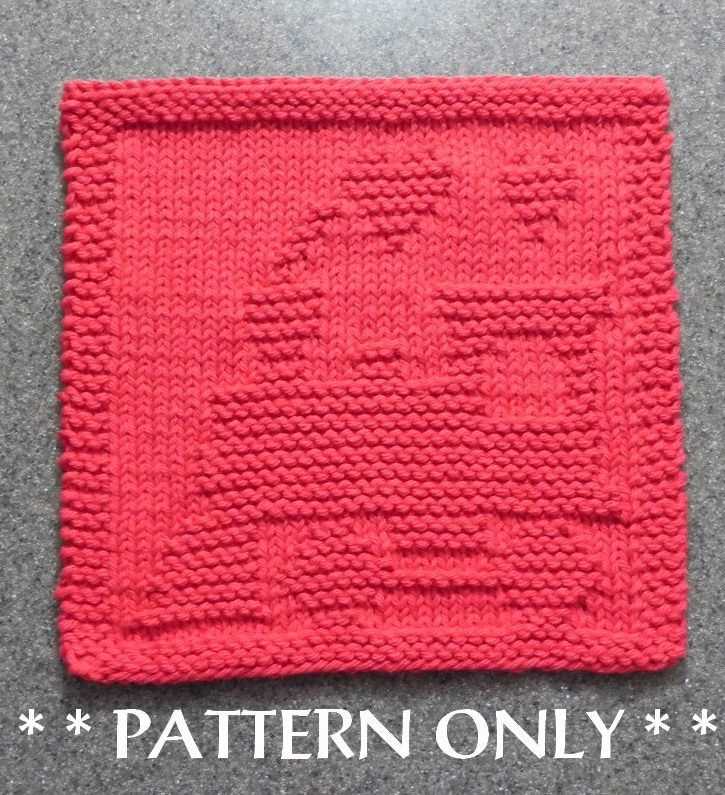
A pair of sharp scissors is essential for cutting yarn and weaving in loose ends. Make sure to keep a dedicated pair of scissors for your knitting projects, as using dull or unsuitable scissors can make the process more difficult and result in uneven cuts.
5. Tapestry Needle:
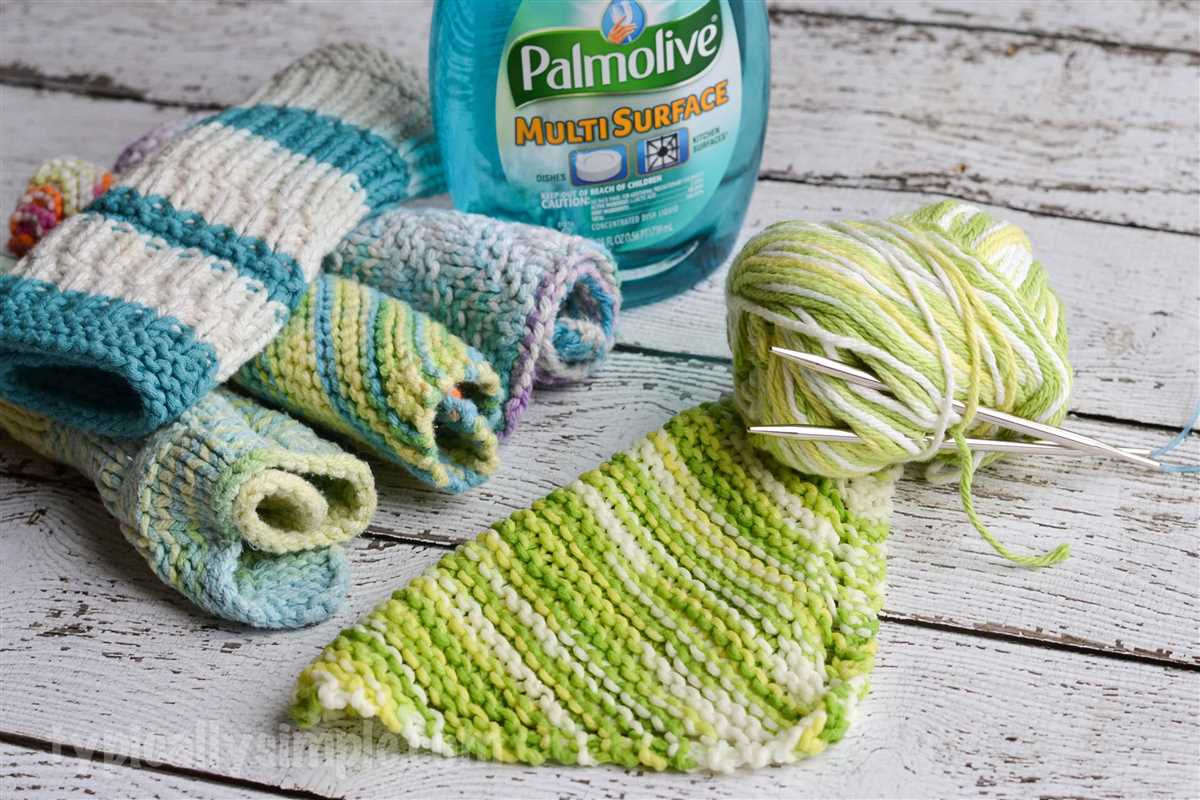
A tapestry needle, also known as a yarn needle, is used for weaving in ends and sewing up seams. Choose a needle with a blunt tip and a large enough eye to accommodate your yarn. A tapestry needle is an essential tool for finishing touches and giving your cotton dishcloth a polished look.
6. Row Counter:
Keeping track of your rows is important when knitting dishcloths with specific dimensions or stitch patterns. A row counter is a small, handheld device that helps you keep count of your rows as you knit. It eliminates the need for manual counting and allows you to easily pick up where you left off.
By having these essential tools at hand, you’ll be well-equipped to knit beautiful cotton dishcloths with ease and precision. So gather your supplies, choose your favorite pattern, and enjoy the cozy and practical results of your knitting endeavors.
Basic Knitting Stitches for Beginners

If you are just starting out with knitting, it’s important to master the basic stitches before moving on to more complex patterns. These essential stitches will form the building blocks for all your future knitting projects. Here are the key stitches every beginner should learn:
1. Knit Stitch (Garter Stitch)
The knit stitch is the most basic stitch in knitting. It creates a fabric with ridges on both sides, known as the garter stitch. To execute the knit stitch, simply insert the right-hand needle through the front of the first stitch on the left-hand needle, wrap the yarn around the right-hand needle, and pull the loop through to create a new stitch.
2. Purl Stitch
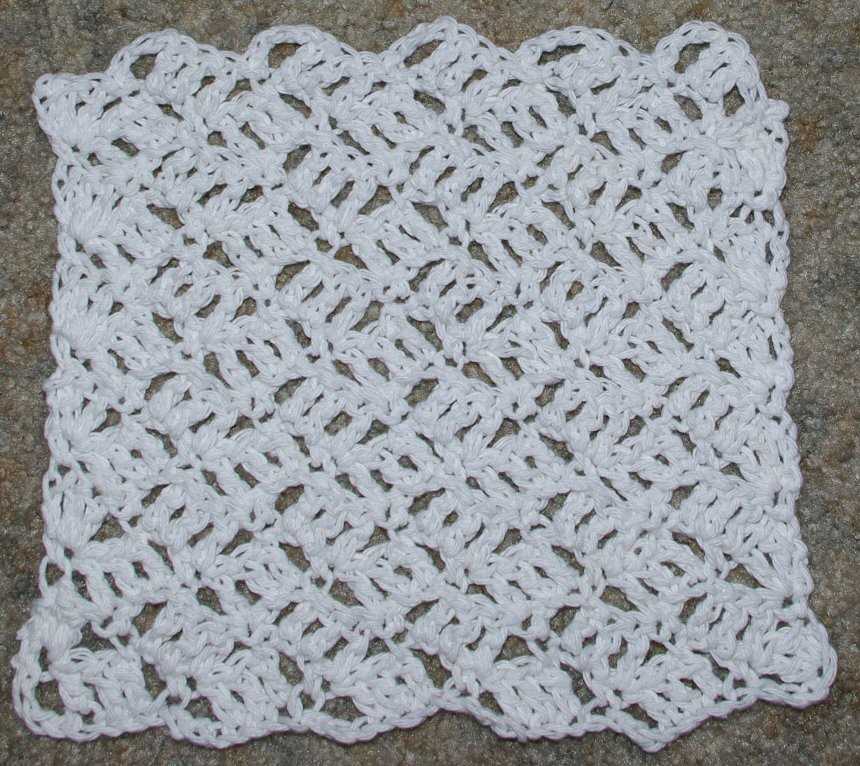
The purl stitch is another fundamental stitch in knitting. It has a reverse effect compared to the knit stitch, creating bumps on both sides of the fabric. To purl, insert the right-hand needle through the back of the first stitch on the left-hand needle, wrap the yarn around the right-hand needle, and pull the loop through to form a new stitch.
- 3. Stockinette Stitch: The stockinette stitch is created by alternating rows of knit and purl stitches. This creates a smooth, flat fabric on one side (the knit side) and a bumpy texture on the other side (the purl side).
- 4. Rib Stitch: The rib stitch is a versatile stitch pattern that creates a stretchy and textured fabric. It is typically used for cuffs, edges, and trim. To create the rib stitch, alternate between knit and purl stitches in a regular pattern.
- 5. Seed Stitch: The seed stitch is another textured stitch pattern that alternates knit and purl stitches across the row, then alternates the pattern on subsequent rows. It creates a bumpy surface that resembles scattered seeds.
By practicing and mastering these basic knitting stitches, you will gain the confidence and skills needed to take on more complex projects. Remember to start with simple patterns and gradually challenge yourself as you become more comfortable with different stitches and techniques.
Easy knitting patterns for beginners
Knitting is a popular craft that many people find relaxing and enjoyable. If you’re a beginner looking to get started with knitting, there are plenty of easy knitting patterns available that will help you practice your skills and create beautiful projects. These patterns are perfect for beginners, as they typically use basic stitches and simple techniques.
One of the easiest knitting patterns for beginners is the garter stitch scarf. This pattern only requires you to know how to knit, making it a great project for those just starting out. All you need to do is cast on your stitches and then knit every row until your scarf reaches the desired length. This pattern is perfect for practicing your tension and getting comfortable with the knitting needles.
If you’re looking to create something other than a scarf, another easy knitting pattern for beginners is the dishcloth. Dishcloths are small, quick projects that are perfect for learning new stitches. You can find many free knitting patterns for cotton dishcloths online, which will guide you through the process step by step. These patterns typically use simple stitches like the knit stitch and the purl stitch, allowing you to practice these basic techniques while creating a useful item for your home.
When you’re just starting out with knitting, it’s important to choose projects that are simple and achievable. Easy knitting patterns for beginners, like the garter stitch scarf and the dishcloth, will help you build your skills and confidence. As you become more comfortable with the basic stitches, you can start taking on more complex patterns and experimenting with different techniques. Remember, practice makes perfect, so keep knitting and enjoy the process!
Intermediate knitting patterns for more advanced knitters
For knitters who have mastered the basics and are looking for a bit more of a challenge, there are plenty of intermediate knitting patterns available. These patterns typically require a greater level of skill and may introduce new techniques or stitch patterns.
One popular intermediate knitting pattern is the cable knit sweater. This pattern involves creating intricate cable designs using cable needles and working with multiple stitches at once. It requires careful attention to detail and precision in order to create the complex cable patterns.
Another intermediate knitting pattern is the lace shawl. Lace knitting involves creating delicate, openwork designs using yarn overs and decreases. It requires good stitch control and an understanding of knitting charts to create the intricate lace patterns.
Cable Knit Sweater Pattern
- Materials needed: Worsted weight yarn, cable needles, circular and double-pointed needles
- Size: XS (S, M, L, XL)
- Difficulty level: Intermediate
This cable knit sweater pattern is perfect for intermediate knitters looking to challenge their skills. The pattern includes detailed instructions for creating the cable designs and provides sizing options for a range of sizes. With a bit of patience and practice, you’ll have a beautiful cable knit sweater to show off!
Lace Shawl Pattern
- Materials needed: Lace weight yarn, circular needles
- Finished size: Approx. 60 inches wingspan
- Difficulty level: Intermediate
If you’re ready to try your hand at lace knitting, this lace shawl pattern is a great place to start. The pattern includes both written instructions and a chart, allowing you to choose your preferred method. With its delicate lace motifs and beautiful drape, this shawl will be a stunning addition to your wardrobe or a thoughtful gift for a loved one.
Advanced knitting patterns for experienced knitters
If you’re an experienced knitter looking for a new challenge, these advanced knitting patterns are perfect for you. These patterns require a higher skill level and will test your knitting abilities. Whether you want to create intricate lace designs or explore new stitch patterns, these patterns will push you to your limits.
One advanced knitting pattern to try is a cable-knit sweater. Cable knitting involves crossing stitches over each other to create a twisted, textured design. This pattern will require knowledge of cable knitting techniques and the ability to read complex charts. The end result will be a beautiful, cozy sweater that showcases your knitting skills.
Lace shawl
If you’re looking to expand your lace knitting skills, try knitting a lace shawl. This pattern will challenge your ability to work with fine yarn and delicate stitches. Lace shawls often feature intricate stitch patterns, such as yarn overs and decreases, to create a lacy, airy fabric. The end result will be a stunning accessory that can be worn year-round.
Fair Isle mittens
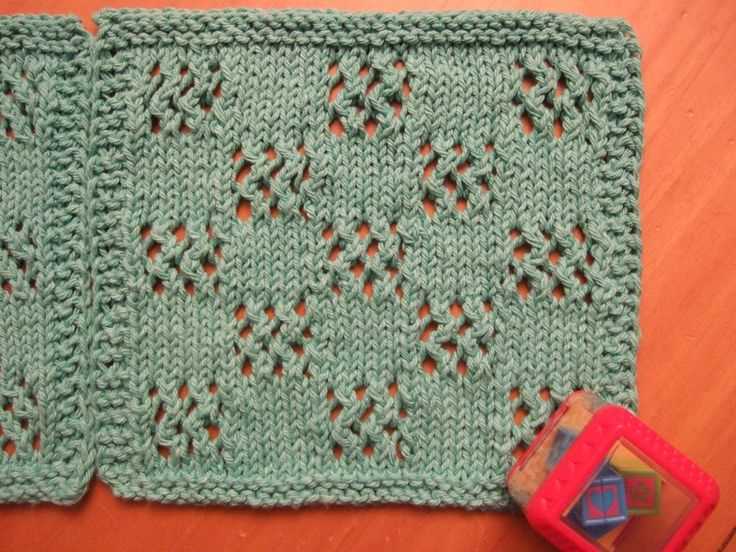
For knitters interested in colorwork, Fair Isle mittens are a great project to try. Fair Isle knitting involves working with multiple colors of yarn in one row to create intricate patterns. This pattern will require the ability to carry the unused yarn behind the work and catch floats to create a neat fabric. The end result will be a pair of cozy mittens with a beautiful, traditional pattern.
These advanced knitting patterns will challenge and inspire you to continue pushing the boundaries of your knitting skills. Whether you choose to tackle a cable-knit sweater, a lace shawl, or Fair Isle mittens, each pattern offers a unique opportunity to enhance your knitting abilities and create something truly special.
Different stitch patterns to create unique dishcloths
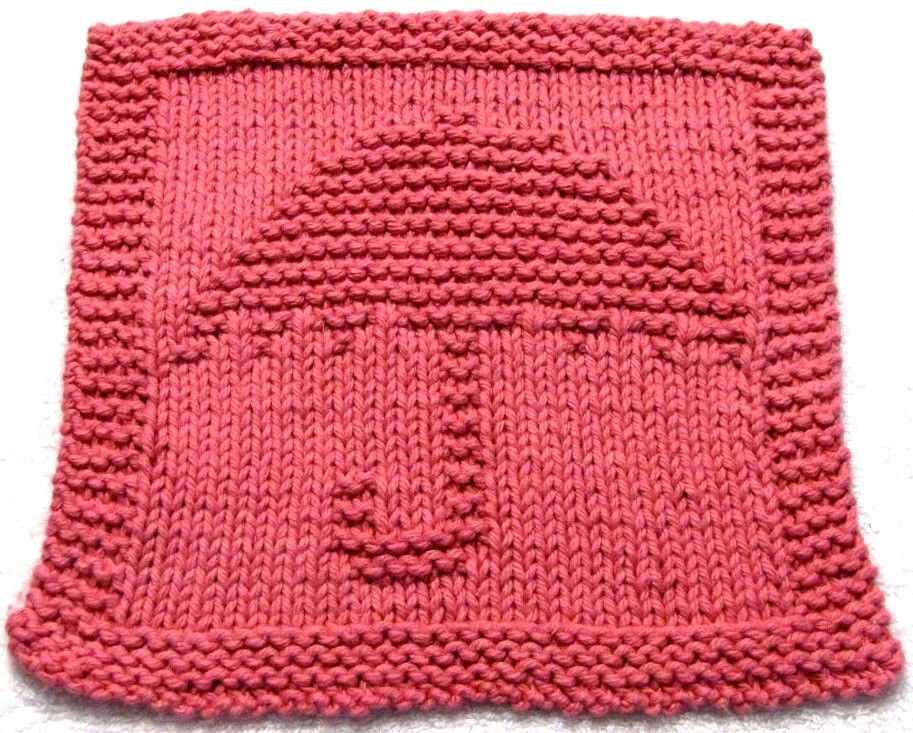
Cotton dishcloths are not only practical items for your kitchen, but they can also be a fun and creative project to make. When knitting dishcloths, you have the opportunity to experiment with different stitch patterns, adding visual interest and uniqueness to your creations. Here are some stitch patterns that you can try to create unique dishcloths:
1. Garter Stitch
The garter stitch is a simple yet versatile stitch pattern that is perfect for beginners. It creates a textured fabric with ridges that is great for scrubbing dishes. To knit a dishcloth using the garter stitch, all you need to do is to knit every row.
2. Seed Stitch
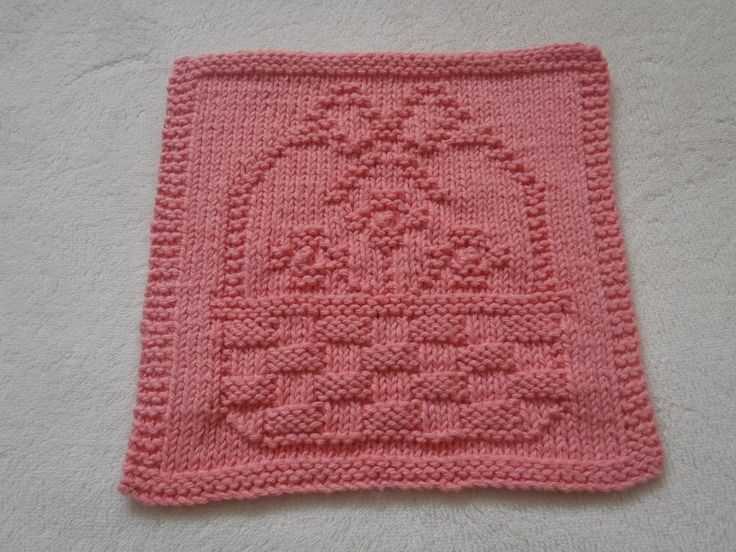
The seed stitch adds a touch of sophistication to your dishcloths. It is created by alternating knits and purls in a specific pattern. The result is a fabric with a bumpy texture that is not only visually appealing but also adds extra scrubbing power.
3. Basketweave Stitch
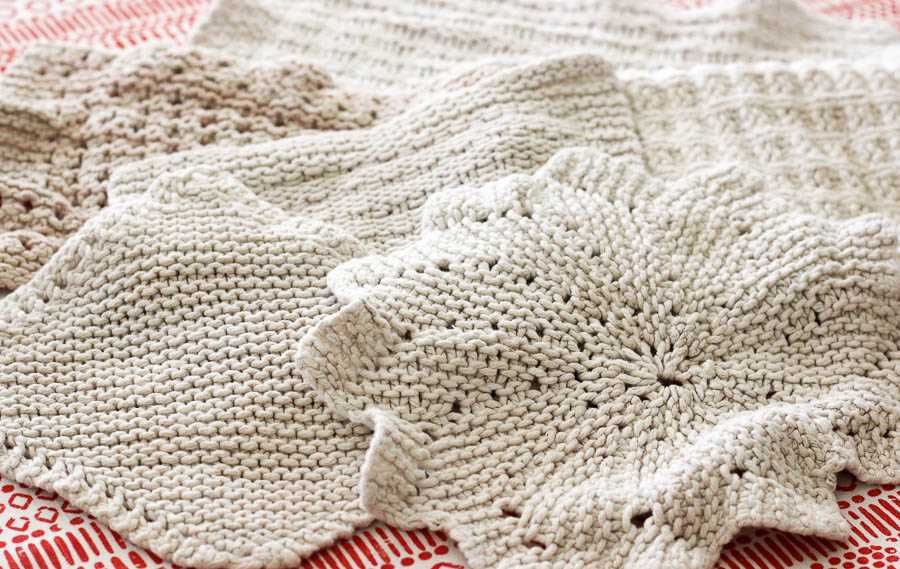
If you’re looking for a stitch pattern that creates a more intricate texture, the basketweave stitch is a great choice. It involves alternating between blocks of knits and purls, creating a woven-like pattern. The result is a dishcloth with a beautiful, textured surface that is perfect for washing dishes.
4. Chevron Stitch
The chevron stitch adds a stylish zigzag pattern to your dishcloths. It is achieved by knitting increases and decreases in a specific pattern, creating a triangular shape. The chevron stitch creates a visually appealing texture that will make your dishcloth stand out.
With these different stitch patterns, you can create unique dishcloths that are not only functional but also visually appealing. Experiment with different stitch patterns and colors to create your own personalized collection of dishcloths that will brighten up your kitchen.
Tips for choosing the right cotton yarn
When it comes to knitting dishcloths, choosing the right cotton yarn is essential for achieving the desired results. Here are some tips to help you make the right choice:
Consider the weight:
There are various weights of cotton yarn available, ranging from light to bulky. Lighter weights are best for delicate dishcloths or those with intricate patterns, while bulkier weights are more suitable for thicker, more absorbent dishcloths. Consider the texture and thickness you want your finished dishcloth to have, and choose the appropriate weight accordingly.
Look for quality:
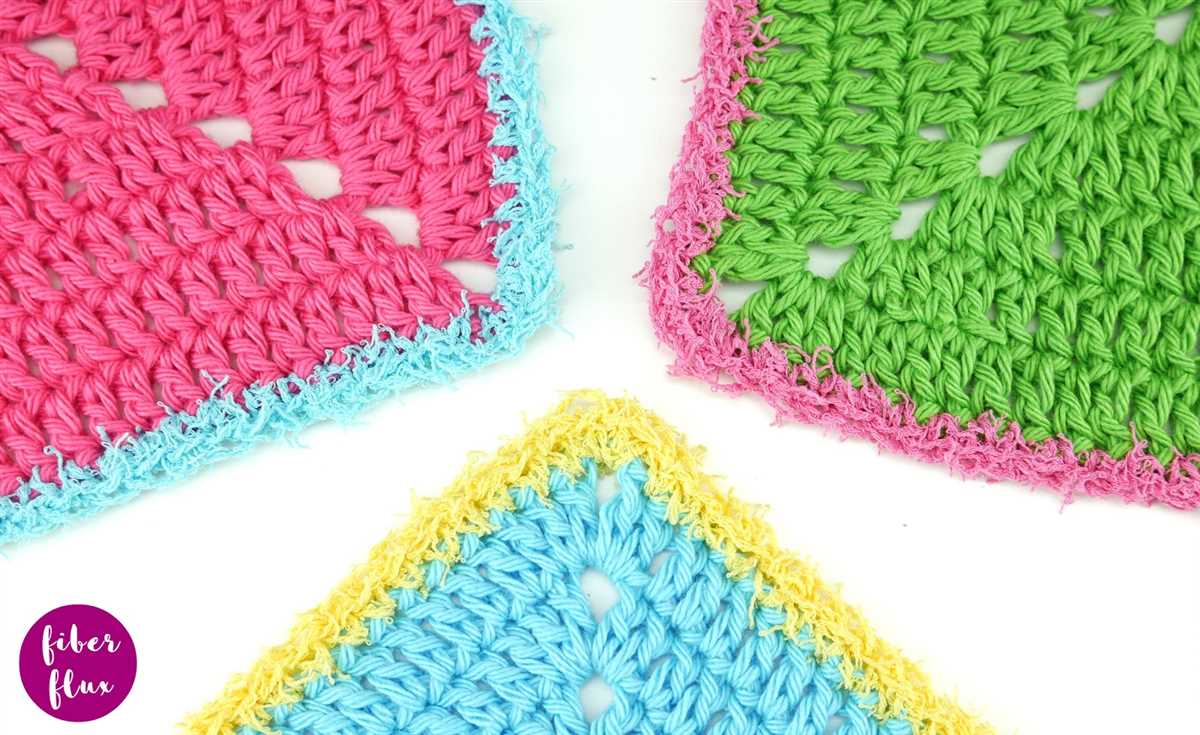
High-quality cotton yarn will produce durable and long-lasting dishcloths. Look for yarns made from 100% cotton, as these tend to hold up well over time and retain their shape and absorbency. Check the label for information about the yarn’s construction and any additional treatments it may have undergone to ensure its quality.
Consider the color:
Cotton yarn is available in a wide range of colors, allowing you to get creative with your dishcloth designs. Consider the color scheme in your kitchen or the recipient’s preferences when selecting the yarn. Keep in mind that lighter colors may show stains more easily, so if you’re concerned about maintaining a pristine appearance, you may want to opt for darker shades.
Check the care instructions:
Some cotton yarns may require special care when washing, while others are machine washable. Check the care instructions on the yarn label to ensure that it aligns with your desired washing routine. If you prefer low-maintenance options, choose yarns that can be easily laundered without compromising their quality.
By considering the weight, quality, color, and care instructions of the cotton yarn, you can select the perfect yarn for your dishcloth knitting projects. Enjoy creating functional and beautiful dishcloths for your kitchen or as thoughtful gifts!
How to Take Care of Your Cotton Dishcloths
Cotton dishcloths are a practical and eco-friendly option for cleaning your kitchen. Not only are they absorbent and durable, but they can also be easily washed and reused. To ensure that your cotton dishcloths stay in good condition and last a long time, here are some tips for proper care:
1. Washing

When it comes to washing your cotton dishcloths, it’s best to avoid using harsh detergents or bleaching agents, as these can weaken the fibers and cause them to deteriorate over time. Instead, opt for a mild detergent and wash them in warm water. You can either hand wash them or use a gentle cycle in your washing machine. Avoid washing them with items that have zippers or rough surfaces that could snag the fabric.
2. Drying
After washing, it’s important to properly dry your cotton dishcloths to prevent any potential unpleasant odors or mildew. The best way to dry them is by laying them flat on a clean, dry surface or hanging them up to air dry. Avoid using high heats or direct sunlight, as these can cause the fibers to shrink or become damaged.
3. Storing
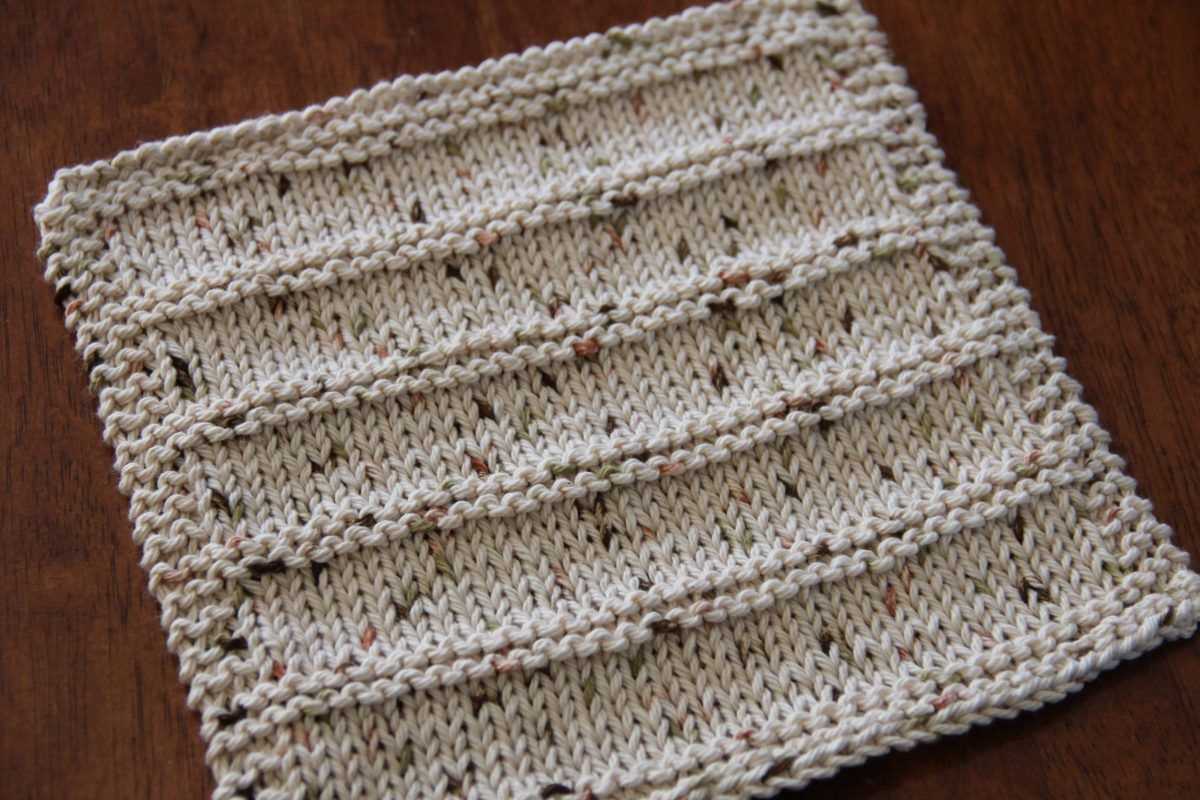
When not in use, it’s recommended to store your cotton dishcloths in a clean and dry place. Avoid folding them while they are still damp, as this can lead to mildew growth. It’s also a good idea to periodically inspect your dishcloths for any signs of wear and tear, such as fraying or thinning. If you notice any damage, it’s best to replace them to ensure optimal cleaning performance.
By following these simple care instructions, you can prolong the lifespan of your cotton dishcloths and maintain their effectiveness in keeping your kitchen clean and tidy.
Creative ways to use cotton dishcloths
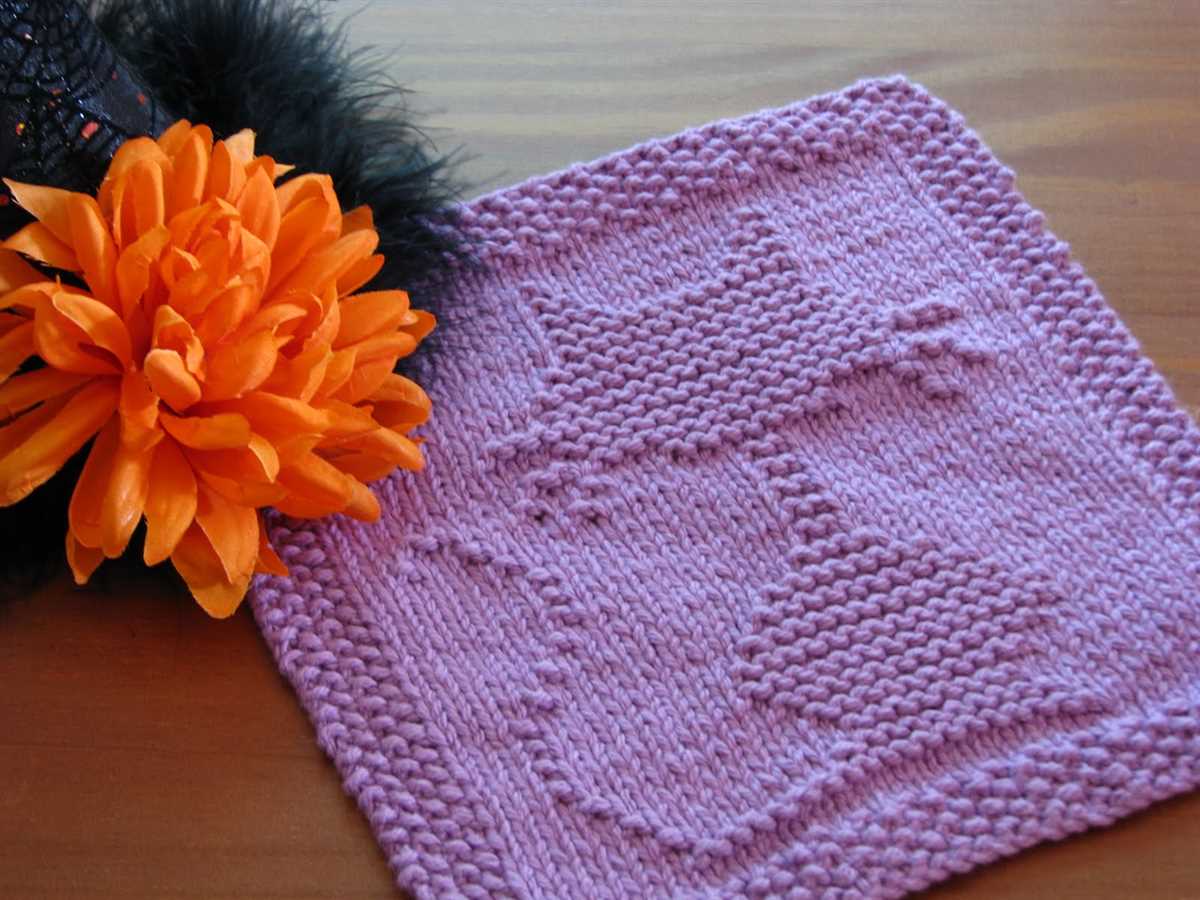
Cotton dishcloths are not just for washing dishes anymore. With their soft and absorbent texture, they can be used in a variety of creative ways around the house. Here are some ideas to get you started:
1. Kitchen accessories
Aside from their main purpose of washing dishes, cotton dishcloths can be used as pot holders or trivets to protect your countertops and tables from hot pots and pans. Simply fold the dishcloth into a square or rectangle and place your hot cookware on top.
2. Bathroom essentials
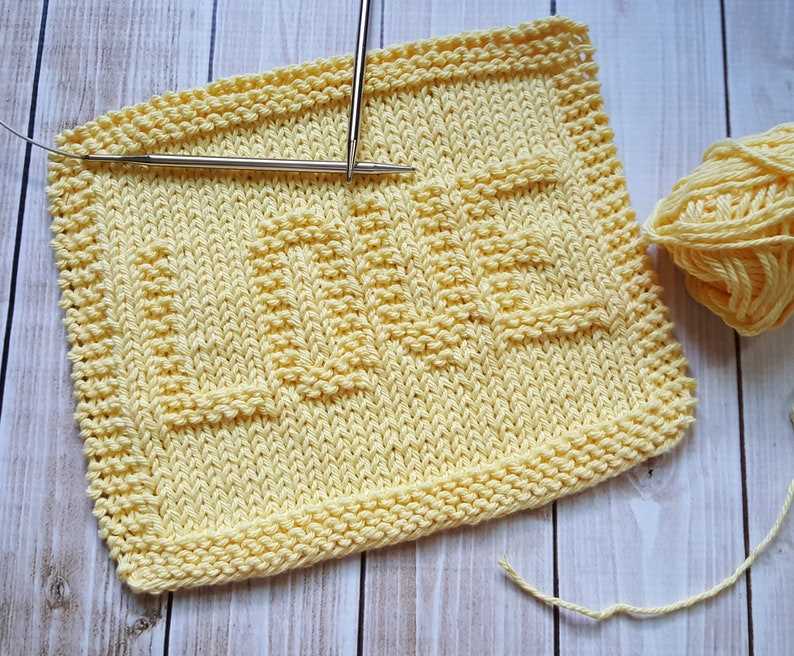
Cotton dishcloths are perfect for using as face towels or washcloths in the bathroom. They are gentle on the skin and can be easily washed and reused. You can also use them as bath mitts by folding them over your hand and applying soap or body wash.
3. Cleaning tools
Instead of using disposable wipes or paper towels, opt for reusable cotton dishcloths when cleaning various surfaces in your home. They are great for wiping down countertops, dusting furniture, or even cleaning windows. After use, simply toss them in the laundry and they’re ready for the next cleaning session.
4. Handmade gifts
If you enjoy knitting or crocheting, cotton dishcloths make great homemade gifts for friends and family. You can create intricate patterns or designs to add a personal touch. Package them with a beautifully tied ribbon and they make a thoughtful and practical present.
5. Outdoor use
Take your cotton dishcloths outdoors and use them as napkins or placemats during picnics or barbecues. They are easy to clean and can add a touch of charm to your outdoor dining experience.
Cotton dishcloths are versatile and can be used in many creative ways. Whether in the kitchen, bathroom, or as handmade gifts, they are practical and eco-friendly alternatives to disposable options.
The Eco-friendly Benefits of Using Cotton Dishcloths
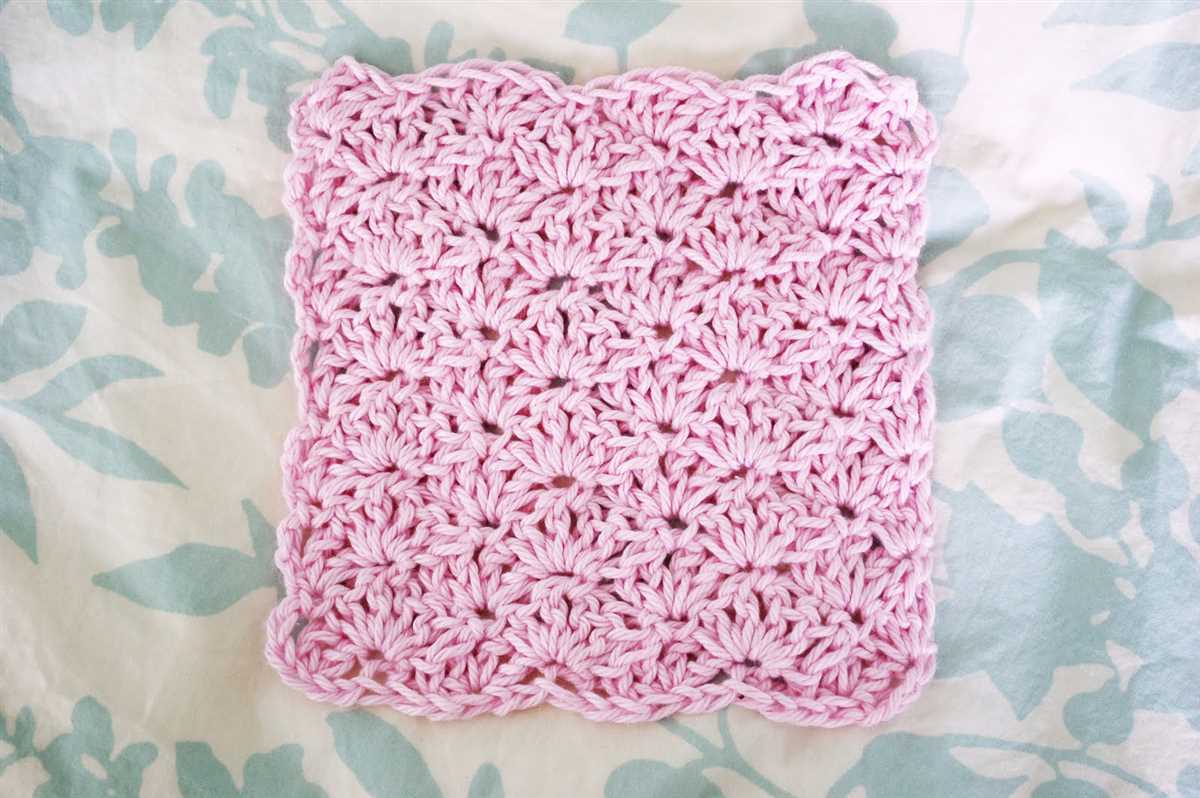
Cotton dishcloths are not only practical and versatile, but they also offer several eco-friendly benefits. By choosing to use cotton dishcloths instead of disposable paper or synthetic materials, you’re making a positive impact on the environment.
Here are some of the eco-friendly benefits of using cotton dishcloths:
- Reduced Waste: Disposable paper towels and synthetic sponges contribute to the growing problem of waste. By using cotton dishcloths, you can significantly reduce the amount of waste generated in your kitchen. Cotton dishcloths can be washed and reused multiple times, avoiding the need for disposable materials.
- Biodegradable: Cotton is a natural fiber derived from plants, making cotton dishcloths biodegradable. When disposed of properly, cotton dishcloths can break down naturally over time, minimizing environmental impact.
- Sustainable Resource: Cotton is a renewable resource that can be sustainably harvested. By choosing cotton dishcloths, you’re supporting sustainable agricultural practices, as cotton can be grown without the use of harmful pesticides and herbicides.
- Low Energy Consumption: Compared to the production process of synthetic materials, cotton production requires relatively low energy consumption. By using cotton dishcloths, you’re indirectly reducing energy consumption and minimizing greenhouse gas emissions associated with manufacturing processes.
- Chemical-free Cleaning: Cotton dishcloths offer a chemical-free alternative for cleaning. Unlike disposable paper towels and synthetic sponges that often contain chemical additives, cotton dishcloths provide a natural and non-toxic option for cleaning various surfaces in your kitchen.
In conclusion, using cotton dishcloths is not only a sustainable choice but also a practical one. These eco-friendly alternatives to disposable paper towels and synthetic sponges help reduce waste, are biodegradable, support sustainable agriculture, minimize energy consumption, and provide chemical-free cleaning. So why not make the switch to cotton dishcloths and make a positive impact on both your kitchen and the environment?