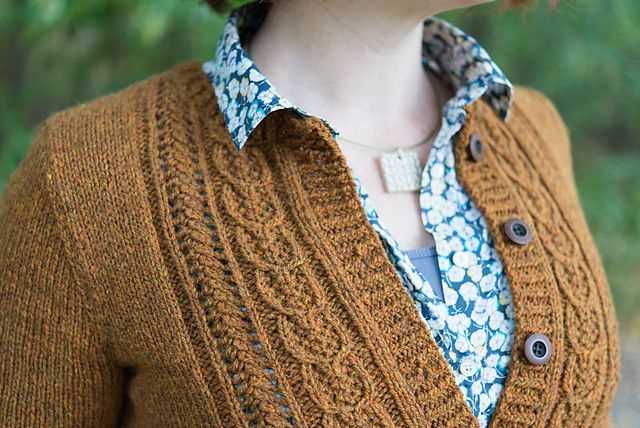
Knitting has always been a beloved craft, with roots dating back centuries. Vintage inspired knitting patterns allow crafters to capture the timeless beauty of bygone eras while creating stunning and unique pieces. Whether you’re a beginner knitter or an experienced crafter, these patterns offer a chance to explore different techniques and styles that were popular in the past.
Vintage knitting patterns often draw inspiration from iconic fashion eras, such as the glamorous 1920s, the elegant 1950s, or the bohemian 1970s. These patterns incorporate details like lacework, cable stitches, or colorwork, creating garments and accessories that exude a sense of nostalgia and sophistication.
One of the joys of knitting with vintage inspired patterns is the opportunity to recreate the look and feel of hand-knit items that were treasured by previous generations. Whether it’s a cozy cardigan, a delicate lace shawl, or a charming baby jumper, these patterns allow us to connect with the past and preserve the art of hand knitting for the future.
Vintage Inspired Knitting Patterns

Knitting has always been a popular hobby, and many people love the classic, timeless appeal of vintage knitting patterns. These patterns are often inspired by designs from the past, bringing a touch of nostalgia to your knitting projects. Whether you are a seasoned knitter or just starting out, vintage inspired knitting patterns offer a unique and charming way to create beautiful garments and accessories.
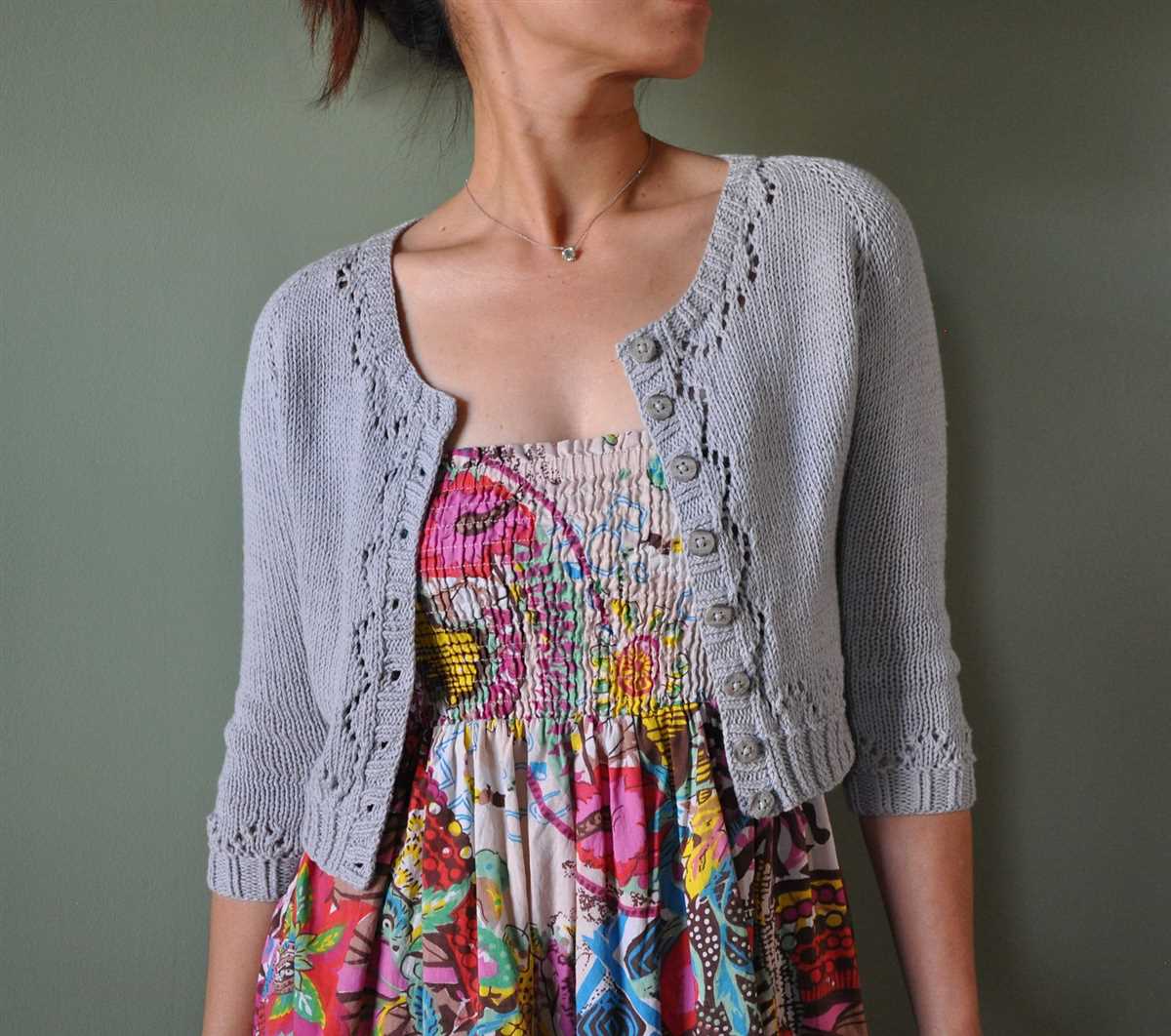
One of the great things about vintage inspired knitting patterns is that they can be adapted to suit your own personal style. You can choose from a range of designs, including classic Fair Isle patterns, delicate lacework, and intricate cable knits. These patterns often feature timeless silhouettes and details, such as elegant collars, flared sleeves, and delicate button closures, that add a touch of vintage glamour to your finished project.
Benefits of using vintage inspired knitting patterns:

- Unique Style: Vintage inspired knitting patterns offer a unique and distinctive style that sets your projects apart from modern designs.
- Learn New Skills: Vintage knitting patterns often feature more advanced techniques, giving you the opportunity to learn new skills and expand your knitting repertoire.
- Quality and Durability: Many vintage knitting patterns were designed to create garments that would stand the test of time. By using these patterns, you can create high-quality, durable pieces that will last for years to come.
- Connect with the Past: Knitting with vintage inspired patterns allows you to connect with the rich history of knitting and pay homage to the talented knitters of the past.
Whether you are knitting a cozy sweater, a delicate shawl, or a trendy hat, vintage inspired knitting patterns offer endless possibilities. They provide a sense of nostalgia and allow you to create beautiful and unique pieces that reflect your own personal style. So grab your needles, choose a vintage inspired pattern, and start knitting your own piece of history!
The History of Vintage Knitting Patterns

Vintage knitting patterns have a rich and fascinating history, dating back to the early 1900s. These patterns were a reflection of the fashion trends of their time and were often published in knitting magazines and booklets. Knitting was not only a popular hobby but also a practical skill that allowed women to create their own clothing and accessories.
During the 1920s and 1930s, knitting patterns featured elegant and feminine designs, inspired by the Art Deco movement. Women’s fashion at this time embraced a more relaxed and casual style, with knitted cardigans, sweaters, and shawls becoming popular choices. These vintage patterns often incorporated intricate lace and cable stitches, creating unique and beautiful garments.
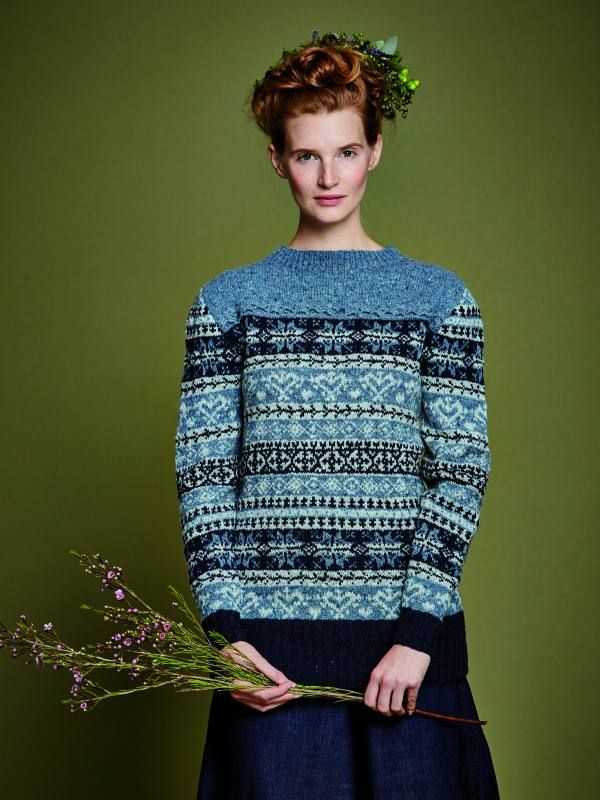
One example of a popular vintage knitting pattern is the Fair Isle sweater, which originated in the Shetland Islands in the early 1900s. This pattern features intricate colorwork and geometric designs, creating a classic and timeless look. Fair Isle knitting continues to be popular today and is often seen in vintage-inspired knitting patterns.
In the 1940s and 1950s, knitting patterns reflected the fashion trends of the time, with styles influenced by Hollywood movies and the post-war era. Sweaters with fitted waistlines, feminine details, and matching accessories such as hats and gloves were common in these vintage patterns. The 1950s also saw the rise of the “New Look” silhouette, with full skirts and tailored sweaters becoming fashionable.
Patterns from the 1960s and 1970s showcased the changing fashion trends of the time, with mod-inspired designs and bold colors. Knitted mini skirts, bell-bottom pants, and colorful accessories were all the rage, reflecting the vibrant and youthful spirit of the era.
Today, vintage-inspired knitting patterns continue to be popular among knitting enthusiasts, who enjoy recreating the styles and designs of the past. These patterns serve as a reminder of the timeless beauty and craftsmanship of vintage fashion, while also allowing knitters to express their creativity and individuality.
Choosing the Right Yarn for a Vintage Look

When it comes to creating a vintage-inspired knitting project, one of the most important elements to consider is the choice of yarn. The right yarn can make all the difference in achieving an authentic vintage look. Here are some tips for choosing the perfect yarn for your vintage-inspired knitting pattern.
Consider the Fiber Content
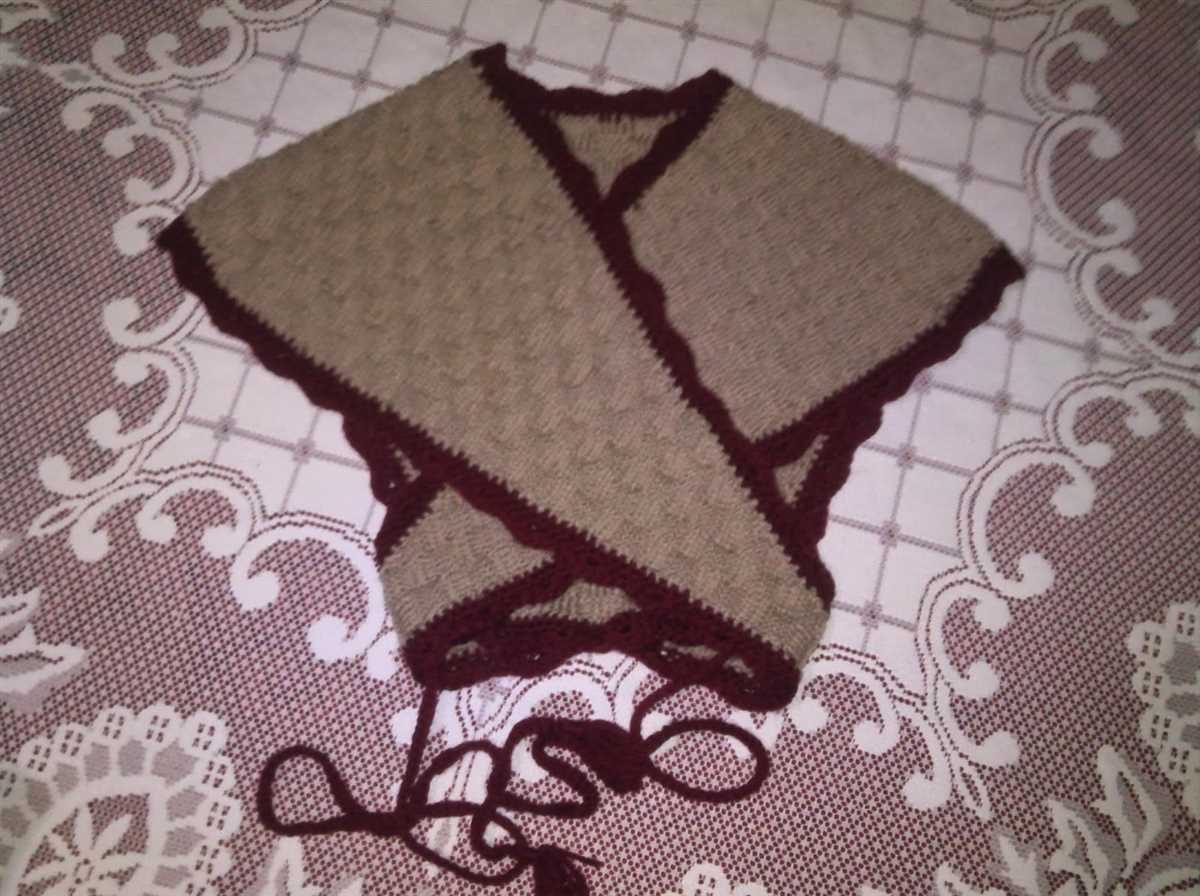
Start by considering the fiber content of the yarn. Natural fibers such as wool, alpaca, and cotton were commonly used in vintage knitting projects. These fibers not only have a timeless appeal but also offer the necessary drape and structure for vintage-inspired designs. Look for yarns that are made from primarily natural fibers to achieve an authentic vintage look.
Opt for Traditional Yarn Weight
Vintage knitting patterns often call for specific yarn weights, so choosing the right weight is crucial when aiming for an authentic vintage look. Laceweight, fingering, and sport weight yarns were popular choices in vintage knitting. These finer weights allow for delicate stitch patterns and finer details. However, it’s essential to match the yarn weight called for in the pattern to ensure the right gauge and drape.
Explore Vintage Colorways

Another key aspect of achieving a vintage-inspired look is selecting the right colors. Vintage knitting often showcased soft, muted hues, pastels, and earthy tones. Look for yarns that offer a range of vintage-inspired colorways, or consider using natural dye techniques to achieve an authentic vintage look. Experimenting with different color combinations can help you create a truly unique vintage-inspired knitting project.
Consider Texture and Tweeds

Texture plays a significant role in vintage knitting designs. Consider choosing yarns with a bit of texture or those that feature tweed or flecks of color for an added vintage-inspired touch. These details can enhance the overall look and feel of your knitting project, bringing it closer to the iconic vintage aesthetic.
By considering the fiber content, yarn weight, colorways, and texture, you can choose the right yarn that perfectly captures the essence of a vintage look. Experiment with different options and have fun creating your own unique vintage-inspired knitting projects.
Knitting Techniques for Vintage Patterns
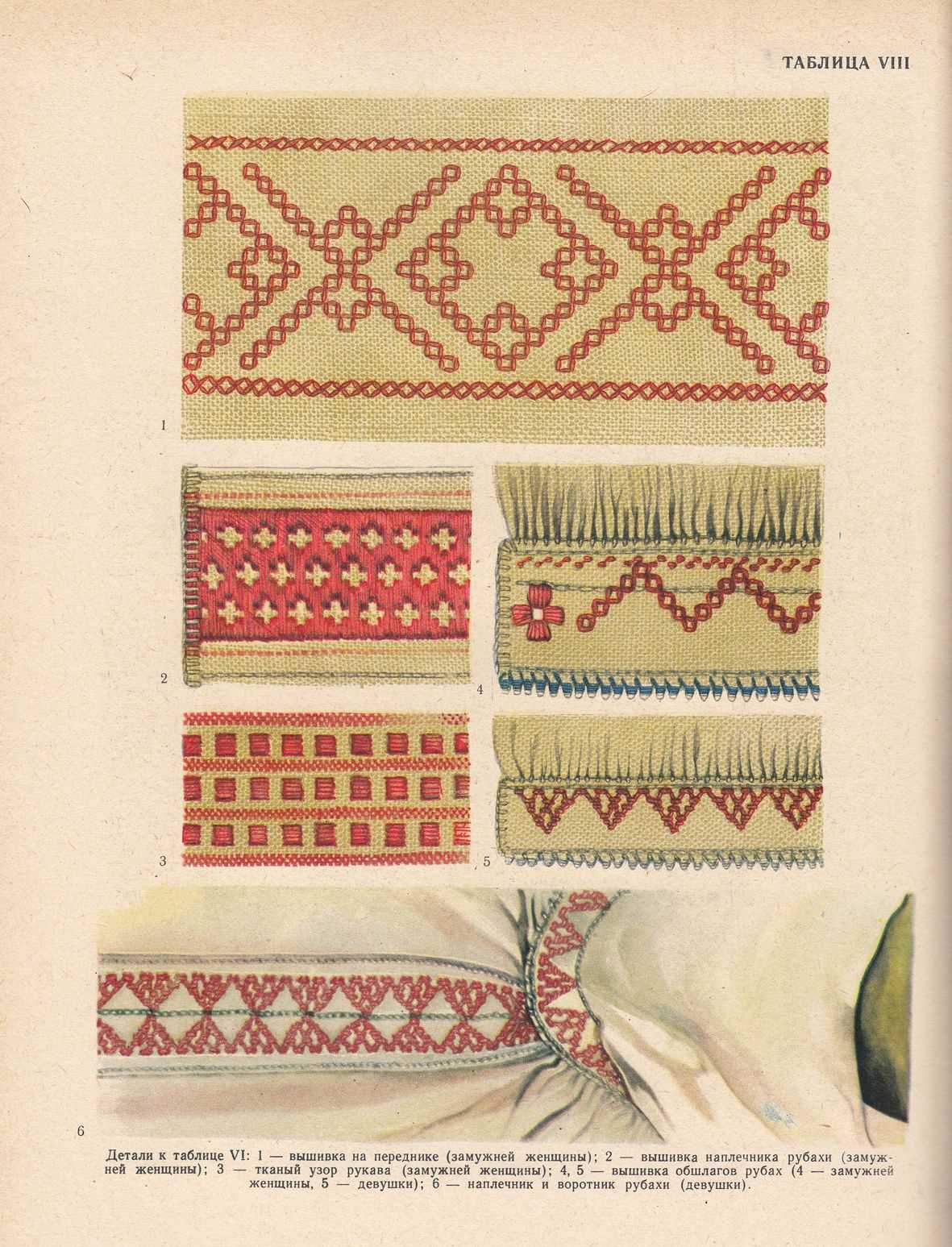
When it comes to knitting vintage-inspired patterns, it’s important to familiarize yourself with a variety of knitting techniques that were commonly used during the eras you are inspired by. These techniques not only add authenticity to your knitted creations, but they also give you the opportunity to learn new skills and expand your knitting repertoire.
One popular technique used in vintage patterns is lace knitting. Lace knitting involves creating delicate and intricate patterns using a combination of yarn overs, decreases, and increases. This technique was particularly popular during the Victorian era, and mastering it will enable you to create beautiful shawls, doilies, and other delicate accessories that evoke the elegance of the past.
Another essential knitting technique for vintage patterns is colorwork. Colorwork involves incorporating multiple colors into a single piece to create stunning patterns and motifs. Fair Isle knitting, for example, was commonly used in traditional Scottish garments and often features intricate patterns inspired by nature. By learning and practicing colorwork techniques, you’ll be able to add unique and vibrant designs to your vintage-inspired knits.
Cable knitting is yet another important technique in vintage pattern repertoire. Cables create a raised and textured effect by crossing stitches over each other. This technique was particularly popular during the 1940s and 1950s, and mastering it will allow you to recreate the timeless elegance of vintage sweaters and cardigans. In addition to cables, other textured stitches such as bobbles and popcorn stitches were often used in vintage patterns to add depth and interest to garments.
In addition to these techniques, it’s also important to have a good understanding of garment construction and finishing techniques such as picking up stitches, seaming, and working buttonholes. Paying attention to these finer details will ensure that your vintage-inspired knits look polished and professional.
In summary, knitting vintage-inspired patterns involves mastering a variety of techniques including lace knitting, colorwork, cable knitting, and various textured stitches. By familiarizing yourself with these techniques, you’ll be able to create authentic and beautiful garments and accessories that reflect the elegance of the past.
Creating a Classic Sweater with Vintage Inspiration

When it comes to knitting, there is something timeless and beautiful about creating vintage-inspired pieces. Whether it’s the intricate stitch patterns or the elegant silhouettes, vintage knitting patterns offer a nod to the past while still being fashionable today. One classic piece that you can create with vintage inspiration is a sweater.
The first step in creating a classic sweater with a vintage vibe is choosing the right pattern. Take a look at vintage knitting pattern books or websites for inspiration. Look for patterns that feature unique stitch details, such as lace or cables, as these are often key elements in vintage designs. Consider the silhouette as well – fitted, cropped sweaters were popular in the past and can add a retro flair to your overall look.
Once you have chosen a pattern, it’s time to select the perfect yarn. Vintage-inspired sweaters often look best in natural fibers like wool or cotton. Look for yarns that have a classic look and feel, such as tweeds or heathers. Consider the color as well – earth tones and jewel tones were popular in vintage knitting, so opt for shades like deep reds, mustard yellows, or forest greens.
After gathering your materials, it’s time to start knitting. Pay attention to the details in the pattern, as vintage-inspired designs often feature intricate stitch patterns or unique construction methods. Take your time with each stitch, making sure to achieve the desired tension and gauge. Don’t be afraid to consult online tutorials or knitting resources if you come across a technique that is new to you.
Finally, don’t forget the finishing touches. Vintage sweaters often have delicate buttons or intricate edging to complete the look. Take your time when sewing on buttons, ensuring that they align perfectly with the buttonholes. Consider adding a decorative collar or cuff to add an extra vintage touch to your sweater.
- Choose a vintage-inspired pattern
- Select the right yarn
- Pay attention to the details in the pattern
- Add finishing touches like buttons or edging
By following these steps, you can create a classic sweater with a vintage vibe that will be a timeless addition to your wardrobe. Whether you’re looking to recreate a piece from the past or put your own spin on a vintage design, vintage-inspired knitting patterns offer endless possibilities for creativity and style.
Accessories and Embellishments for a Vintage Touch
When it comes to knitting vintage-inspired pieces, it’s not just about the patterns or the yarn. The right accessories and embellishments can really elevate your finished project and give it that authentic vintage touch. From delicate lace trims to dainty buttons, here are some ideas to help you add those extra special details to your knitting.
Lace trims: Lace trims are a classic embellishment that can take any knitted garment from plain to elegant. You can add a delicate lace trim to the hem of a cardigan or the cuffs of a sweater to give it a touch of vintage charm. Choose a lace pattern that complements your garment and attach it with a whipstitch or a slip stitch.
Buttons: The right buttons can make all the difference in giving your knitted piece a vintage look. Look for antique or vintage buttons in thrift stores or online marketplaces. Choose buttons with intricate designs, such as mother-of-pearl or metal ones with detailed engravings. Sew them onto your garment using matching thread to make them stand out.
Ribbon and bows: Adding a ribbon or a bow can instantly transform a plain knitted accessory into a vintage-inspired masterpiece. Use a satin ribbon to tie a bow around the brim of a knitted hat or attach a velvet ribbon as a belt to a knitted dress. This simple addition can add a touch of femininity and elegance to your design.
Embroidery: Embroidery is another beautiful way to embellish your vintage-inspired knitting projects. You can add delicate floral motifs or intricate designs to the yoke of a sweater or the front of a cardigan. Choose embroidery floss that complements the colors of your knitting and use basic stitches like the satin stitch or the French knot to create stunning details.
Beads and sequins: For those looking to add a touch of glamour to their vintage-inspired knits, beads and sequins are the way to go. You can sew tiny beads onto the edges of a shawl or add sequins to a knitted clutch to make it sparkle. Play around with different colors and sizes to create eye-catching patterns or designs.
Incorporating these accessories and embellishments into your vintage-inspired knitting projects will not only enhance their overall aesthetic but also give them a unique and personalized touch. Get creative and experiment with different combinations to make your knits truly stand out!
How to Size Vintage Patterns for Modern Wear
When working with vintage knitting patterns, it’s important to keep in mind that the sizing may be different from what we’re used to in modern clothing. Vintage patterns often come in standard sizes that may not match our current measurements. However, with a few adjustments, you can still create beautiful vintage-inspired garments that fit you perfectly.
1. Take accurate measurements: Begin by measuring your bust, waist, and hips using a tape measure. Compare these measurements to the size chart provided in the vintage pattern to determine the closest size. Keep in mind that vintage patterns may have different sizing conventions, such as using dress sizes instead of numeric measurements.
2. Adjust the gauge: Vintage patterns often have different gauge requirements than modern knitting patterns. To ensure that your garment will fit properly, swatch the recommended yarn and needle size and adjust your needle size as needed to match the gauge specified in the pattern. This will ensure that your stitches and rows per inch match those of the original design.
3. Consider ease: Vintage patterns may have different ease allowances than modern patterns. Ease refers to the amount of extra room in a garment beyond your actual body measurements. Some vintage patterns may have more ease than modern patterns, so it’s important to consider how much ease you prefer. Measure a garment you already own that fits you well and compare the measurements to the pattern to determine the desired ease.
4. Make adjustments as needed: Once you’ve determined the closest size and adjusted your gauge and ease, you may still need to make additional adjustments to ensure a perfect fit. For example, you may need to lengthen or shorten the garment, adjust the sleeve length, or add in shaping for a more tailored look. Follow the instructions in the pattern for these adjustments, or consult a knitting reference book for guidance.
5. Test the fit as you go: While knitting your vintage-inspired garment, regularly try it on to check the fit. This will allow you to make any necessary adjustments as you progress, ensuring that the final result will be a well-fitted piece. Remember, it’s always easier to make adjustments while knitting than after the garment is complete.
By following these steps and taking the time to properly size vintage patterns for modern wear, you’ll be able to create beautiful and unique garments that capture the timeless charm of bygone eras.
Exploring Different Vintage Knitting Styles
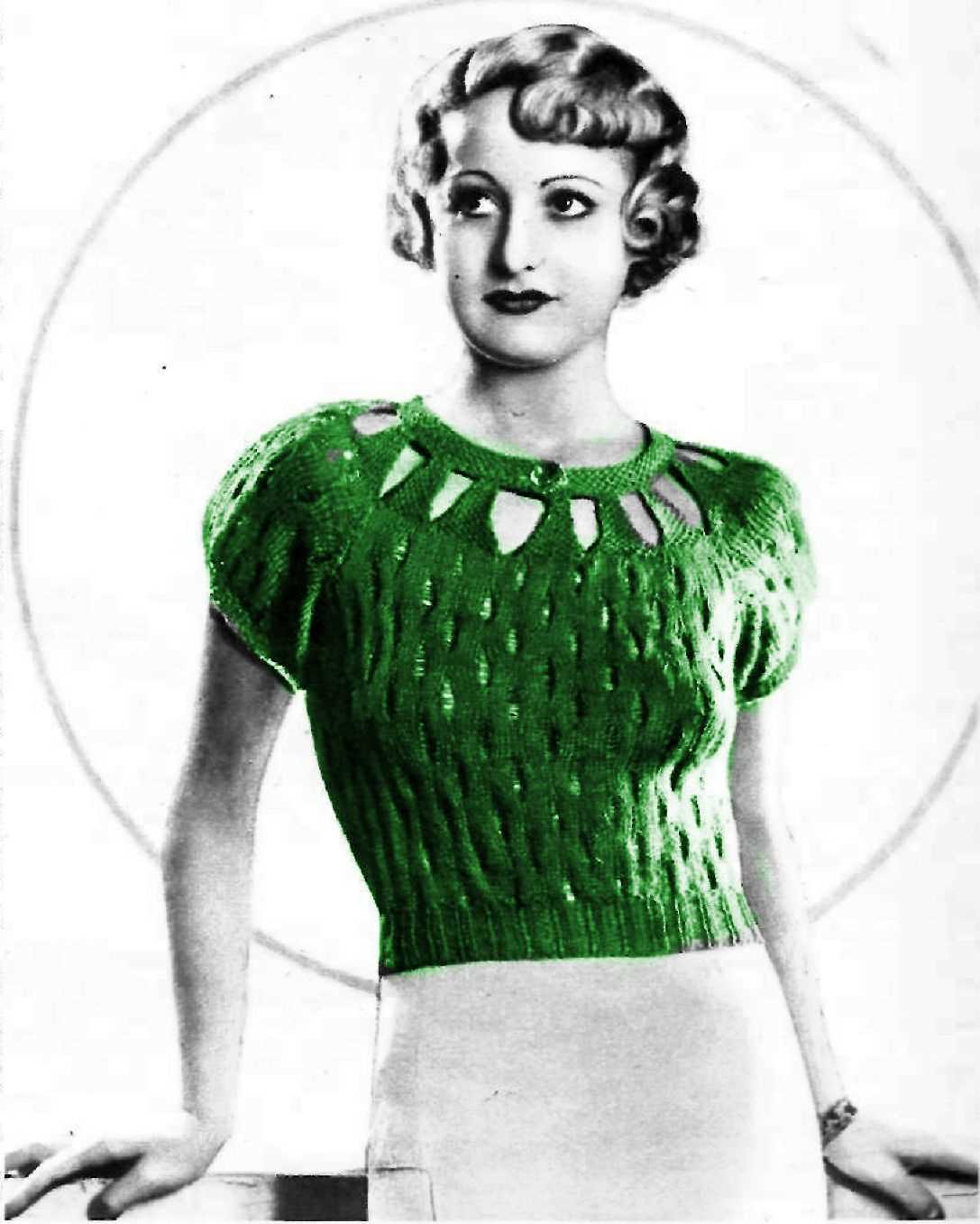
When it comes to vintage knitting patterns, there are many different styles to explore. Each style has its own unique characteristics and techniques that can add a touch of nostalgia to your knitting projects. Whether you’re a fan of the elegant and intricate lacework of the Victorian era or the bold and vibrant colors of the 1960s, there is a vintage knitting style for everyone.
The Victorian Era: One of the most popular vintage knitting styles is inspired by the Victorian era. This style is characterized by delicate lacework, intricate stitch patterns, and feminine designs. Vintage knitting patterns from this era often feature motifs such as flowers, leaves, and delicate lace edges. The use of fine yarns and small needles creates a delicate and dainty finished product.
1930s and 1940s Fashion:
The 1930s: The 1930s marked a transition in fashion, and this was reflected in knitting patterns as well. Knitwear from this period often featured simple and elegant designs, with clean lines and minimal embellishments. Sweaters and cardigans were popular, as well as stylish accessories like berets and gloves.
The 1940s: The 1940s were heavily influenced by World War II, and knitting became not only a hobby but also a way to support the war effort. Practicality and durability were key in knitting patterns from this era. Women’s knitwear often featured padded shoulders and fitted silhouettes, while men’s knitwear included classic patterns like cables and argyle.
- The Swinging Sixties:
- Retro 80s:
- The Flapper Style:
Adapting Vintage Patterns for Contemporary Fashion
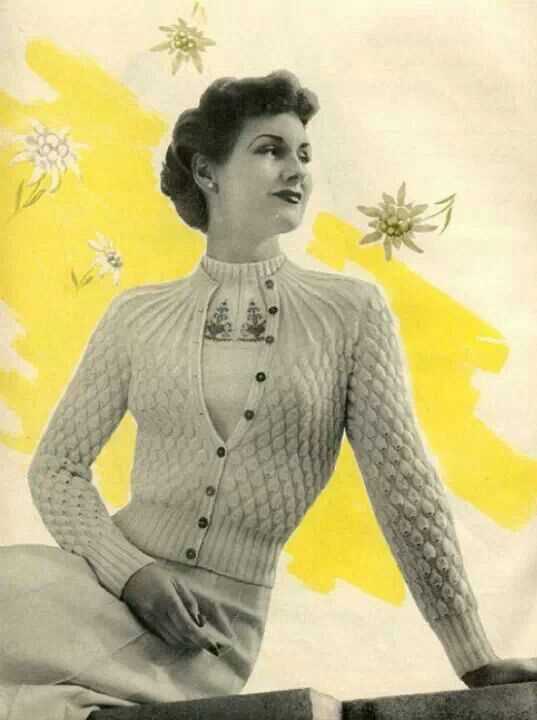
Vintage knitting patterns are a wonderful resource for creating unique and stylish garments that have a timeless appeal. However, many vintage patterns can be quite challenging to follow, as they were written in a different era and may use outdated terminology or techniques. Adapting these patterns to suit modern fashion trends can be a fun and creative process that allows you to put your own personal touch on your knitting projects.
When adapting vintage patterns for contemporary fashion, it’s important to first consider the desired style and silhouette. Vintage patterns often feature fitted shapes, high necklines, and longer hemlines, which may need to be modified to achieve a more modern look. This could involve adjusting the sizing, shortening the length, or adding contemporary details such as a V-neck or cropped sleeves.
One approach to adapting vintage patterns is to keep the overall style and silhouette intact, but update the yarn and color choices. For example, if a pattern calls for a bulky wool yarn in a traditional shade, you could switch it out for a lighter weight yarn in a trendy color to create a more lightweight and modern garment. This can breathe new life into an old pattern and make it more wearable for today’s fashion-conscious knitter.
Another way to adapt vintage patterns is to incorporate modern design elements. For example, if a pattern calls for intricate lacework, you could substitute it for a simpler, more contemporary stitch pattern that still retains the overall aesthetic of the original design. This allows you to put your own creative spin on the pattern while still honoring its vintage roots.
Overall, adapting vintage knitting patterns for contemporary fashion is a creative and rewarding process that allows you to blend the best of both eras. Whether you choose to modify the silhouette, update the yarn and color choices, or incorporate modern design elements, the end result will be a one-of-a-kind garment that combines the charm of vintage knitting with the style of today’s fashion.
Tips for successfully knitting vintage patterns

Knitting vintage patterns can be a fun and rewarding experience, but it can also present some challenges. Here are some tips to help you successfully navigate your way through these unique knitting projects:
1. Familiarize yourself with vintage knitting terminology
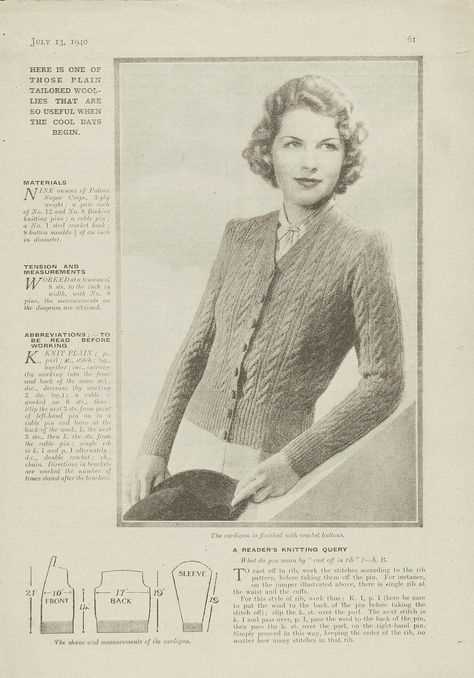
Vintage knitting patterns often use different terminology than modern patterns. Take some time to familiarize yourself with vintage knitting terms and abbreviations before diving into a vintage project. This will help you understand the instructions and ensure that you’re following the pattern correctly.
2. Adjust the gauge
Most vintage patterns were written for different yarn weights and needle sizes than what we commonly use today. Before starting a project, make a gauge swatch using your chosen yarn and needles, and compare it to the gauge specified in the pattern. Adjust your needle size as needed to match the pattern gauge and achieve the correct sizing.
3. Use modern resources for clarification
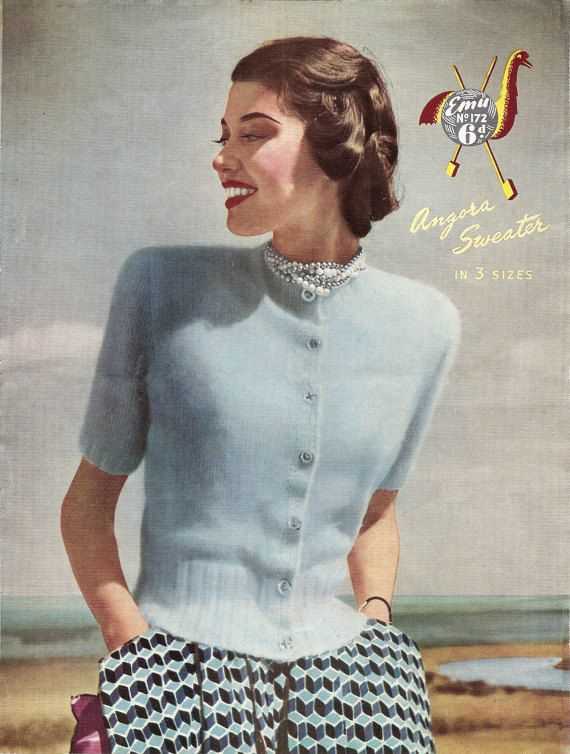
If you come across confusing instructions or techniques in a vintage pattern, don’t hesitate to consult modern knitting resources. Online tutorials, knitting books, and forums can provide valuable information and guidance to help you understand and complete your project successfully.
4. Take note of pattern modifications
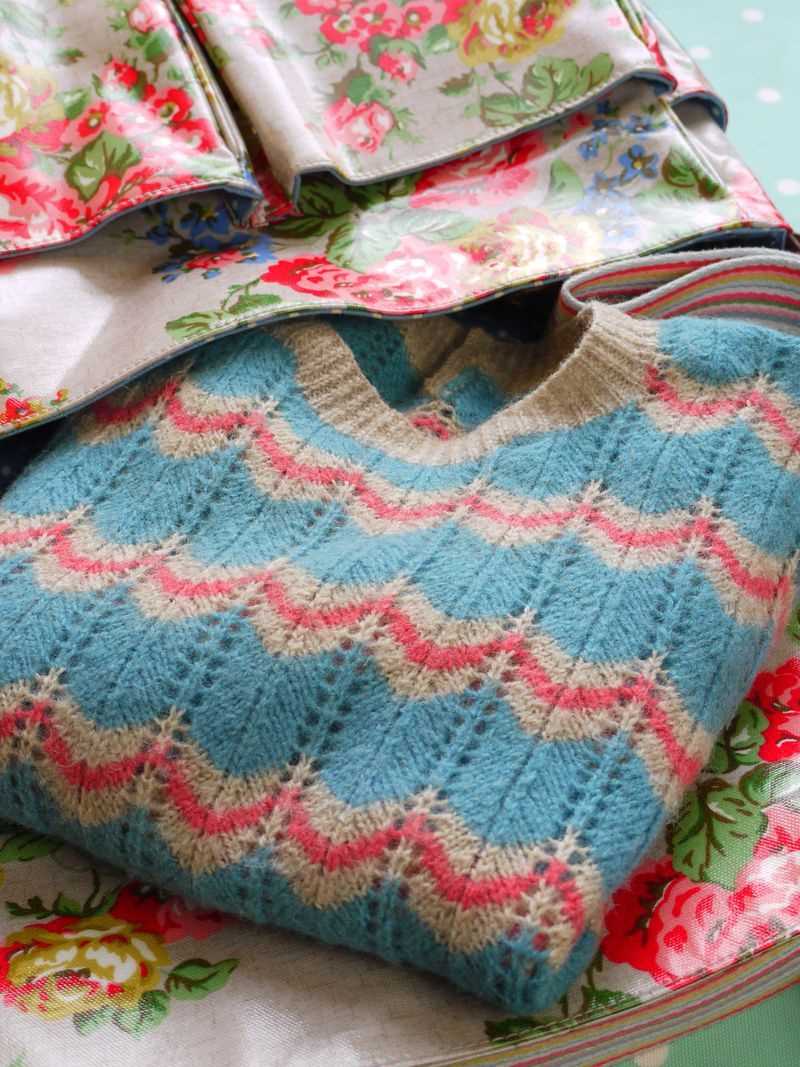
Vintage patterns often require modifications to fit modern sizes and styles. Pay attention to any notes or suggestions provided by the pattern designer or other knitters who have tackled the same project. They may have valuable insights on how to customize the pattern to your liking.
5. Be patient and take your time
Vintage patterns can sometimes be more intricate and detailed than modern patterns. Take your time to read and understand the instructions, and don’t be afraid to unravel and start over if needed. Patience is key when working with vintage patterns to ensure that you achieve the desired result.
By following these tips, you’ll be well-equipped to successfully knit vintage patterns and create beautiful, timeless garments with a touch of vintage flair.
Where to Find Vintage Knitting Patterns
Looking to add a touch of nostalgia to your knitting projects? Vintage knitting patterns are a great way to bring a timeless charm to your creations. Whether you’re interested in recreating an authentic vintage design or putting a modern twist on a classic pattern, there are plenty of resources available to help you find the perfect vintage knitting patterns.
Here are some top places to look for vintage knitting patterns:
- Online knitting communities: Websites and forums dedicated to knitting often have sections or threads where members share and discuss vintage patterns. These communities can be a great source of inspiration and a place to connect with fellow vintage knitting enthusiasts.
- Online marketplaces: Platforms like Etsy and eBay offer a wide range of vintage knitting patterns, both in digital and physical formats. You can browse through different eras and styles to find the perfect pattern for your project.
- Local thrift stores and vintage shops: Don’t underestimate the treasure trove of vintage knitting patterns that can be found in thrift stores and vintage shops. These places often have a selection of old knitting magazines and booklets that you can explore.
- Library archives: Many public and university libraries have collections of vintage knitting patterns that can be accessed through their archives. You can search for specific knitting books or magazines from different time periods.
- Online pattern archives: Some websites, such as Ravelry and Knitting Pattern Central, have collections of vintage knitting patterns that are available for free. These archives are a convenient way to access a wide range of vintage patterns without spending any money.
Remember, when using vintage knitting patterns, it’s important to check for any necessary updates or modifications to ensure the pattern is still accurate and fits your desired size. Additionally, feel free to add your own personal touches and adaptations to make the pattern uniquely yours.
With the abundance of resources available, finding vintage knitting patterns has never been easier. Explore different sources, get inspired, and enjoy the timeless beauty of vintage knitting.