
Lace knitting is a beautiful and intricate technique that involves creating delicate patterns in your knitting using a combination of yarn overs and decreases. This technique can be used to create stunning shawls, scarves, sweaters, and more. Lace knitting patterns have been popular for centuries and continue to be a favorite among knitters today.
One of the things that make lace knitting patterns so appealing is the wide variety of designs that you can create. From simple, geometric patterns to elaborate, floral motifs, there is something for everyone. Lace patterns can range from beginner-friendly to more advanced, giving knitters of all skill levels the opportunity to try their hand at this technique.
When it comes to lace knitting, the yarn you choose is important. Typically, lace patterns call for lightweight yarns, such as lace weight or fingering weight, which help to create the delicate and airy look that lace knitting is known for. These yarns allow the intricate stitches and patterns to shine, and are often made from natural fibers like silk or wool.
Whether you’re a beginner or an experienced knitter, lace knitting patterns offer endless possibilities for creativity and self-expression. With a little practice and patience, you can create beautiful, heirloom-quality pieces that are sure to be cherished for years to come. So grab your needles and some fine yarn, and start exploring the world of lace knitting today!
Lace Knitting Patterns: Elevate your Knitting Projects

Are you tired of knitting the same old patterns over and over again? Are you looking for a way to elevate your knitting projects and create stunning pieces that will impress everyone? Look no further than lace knitting patterns. Lace knitting is a beautiful and intricate technique that adds a touch of elegance and sophistication to any knitted item.
With lace knitting patterns, you can create delicate and lacy designs that are perfect for shawls, scarves, cardigans, and even socks. The intricate lace stitches add an extra dimension to your knitting, creating a visually stunning and eye-catching pattern. Whether you’re a beginner knitter or an experienced one, lace knitting patterns offer a wide range of options to challenge and inspire you.
Why Choose Lace Knitting?
- Versatility: Lace knitting patterns can be adapted to various projects and styles. From traditional lace motifs to modern geometric designs, lace knitting allows you to express your creativity and create unique and personalized pieces.
- Elegance: The delicate and lacy stitches create a sense of elegance and sophistication, making lace knitting perfect for special occasions and formal wear.
- Attention to detail: Lace knitting requires precision and focus, making it a perfect way to challenge yourself and improve your knitting skills.
- Aesthetic appeal: The openwork created by lace knitting stitches gives a light and airy look to the finished piece, adding visual interest and making it a standout item.
Don’t be intimidated by the intricate look of lace knitting. With the right pattern and some practice, you’ll be able to create stunning lace items that will impress everyone. So why not give lace knitting a try and take your knitting projects to the next level?
The History and Origins of Lace Knitting

Lace knitting has a rich history that dates back centuries. Its origins can be traced to Europe, specifically to countries like Belgium, France, and Italy. Lace knitting was initially a luxury craft practiced by the nobility and royalty, with intricate lace patterns adorning their clothing and accessories. The technique of producing lace with knitting needles allowed for the creation of delicate and intricate designs, which soon became highly sought after.
During the Renaissance period, lace knitting grew in popularity, spreading to other European countries. It became a symbol of wealth and status, with items such as lace collars and cuffs becoming fashionable among the upper classes. Lace knitting patterns were closely guarded secrets, passed down through generations within families or guilds.
The Industrial Revolution in the 19th century brought significant changes to the production of lace. The invention of the knitting machine allowed for faster and more efficient production, making lace more accessible to a broader range of people. However, hand-knitted lace remained highly valued for its craftsmanship and unique designs.
Today, lace knitting continues to be a popular craft, with knitters around the world incorporating lace patterns into their projects. Lace shawls, scarves, and sweaters are just a few examples of the beautiful and intricate pieces that can be created with lace knitting techniques. Modern knitters have the advantage of a vast selection of lace knitting patterns and resources, enabling them to explore and create stunning designs.
Choosing the Right Yarn for Your Lace Knitting

When it comes to lace knitting, choosing the right yarn is crucial to the success of your project. Lace knitting patterns typically feature delicate, intricate designs that require a yarn with certain qualities to truly bring out the beauty of the stitches.
Fiber content: One of the first things to consider when selecting yarn for lace knitting is the fiber content. Natural fibers, such as wool, silk, or alpaca, are often preferred for their ability to block and hold the shape of the lace stitches. These fibers also tend to have a beautiful drape, enhancing the elegant look of lace knitting. However, blends that include synthetic fibers like nylon can also be a good choice, as they add strength and durability to the yarn.
Weight: Lace knitting patterns usually call for a lightweight yarn as it allows for more intricate stitch work and creates a more delicate finished product. Lace weight or fingering weight yarns are commonly used for lace knitting, but you can also experiment with slightly heavier weight yarns to achieve different effects. Keep in mind that the weight of the yarn will also affect the final size of your project, so be sure to swatch and adjust your needle size accordingly.
Texture: The texture of the yarn can also greatly impact the look of your lace knitting. Smooth, evenly spun yarns are often preferred for lace projects as they allow the stitches to shine and show off their intricate details. However, you can also experiment with yarns that have some texture, such as boucle or mohair, to create a more unique and textured lace effect.
Color: Lastly, consider the color of your yarn. While lace knitting can look stunning in any color, lighter shades tend to showcase the intricate details of the lace stitches more clearly. Variegated or hand-dyed yarns can also add an extra dimension to your lace knitting, creating a beautiful play of colors within the delicate lacework.
In conclusion, when choosing yarn for your lace knitting projects, consider the fiber content, weight, texture, and color of the yarn to ensure that it complements the intricacy of your lace patterns and brings out the true beauty of your stitches.
Tips and Tricks for Working with Lace Knitting Patterns
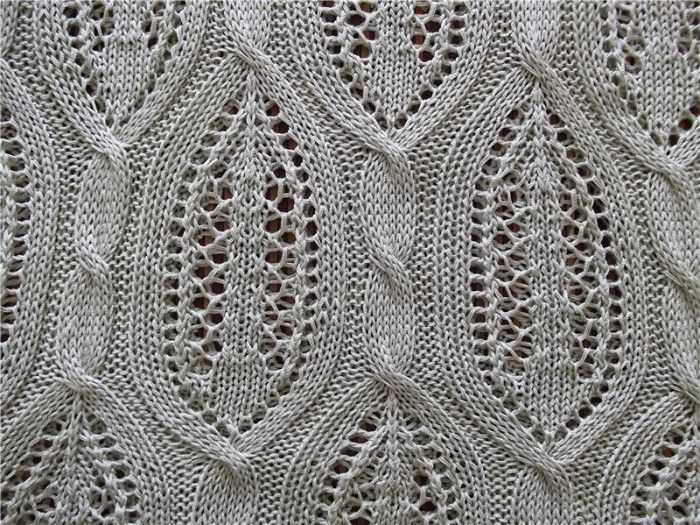
Knitting lace can be a challenging and rewarding experience. Whether you’re a beginner or an experienced knitter, there are some tips and tricks that can help you successfully work with lace knitting patterns. Here are a few suggestions to get you started.
1. Choose the Right Yarn and Needles
When working with lace patterns, it’s important to choose the right yarn and needles. Lace knitting often requires finer yarns, such as lace weight or fingering weight, to create delicate and intricate designs. Select a yarn that has good stitch definition and a fiber content that complements the drape you desire for your finished project. In terms of needles, opt for a size that allows you to achieve the gauge specified in the pattern.
2. Use Lifelines

Lifelines are a great tool when working with lace patterns. They are thin threads or pieces of yarn that are inserted into a row of live stitches after completing a section of the pattern. If you make a mistake later on, you can easily rip back to the lifeline without losing all of your progress. To insert a lifeline, thread a tapestry needle with a contrasting color yarn and carefully slip it through the live stitches on your needle. Be sure to insert the lifeline after completing a row correctly, so you have a reference point.
3. Pay Attention to Stitch Markers

Stitch markers are invaluable when working with lace patterns as they can help you keep track of your progress and make it easier to identify pattern repeats. Place stitch markers before and after pattern repeats and at any specific points indicated in the pattern. This will help you stay on track and catch any mistakes before they become harder to fix.
4. Block Your Lace Project
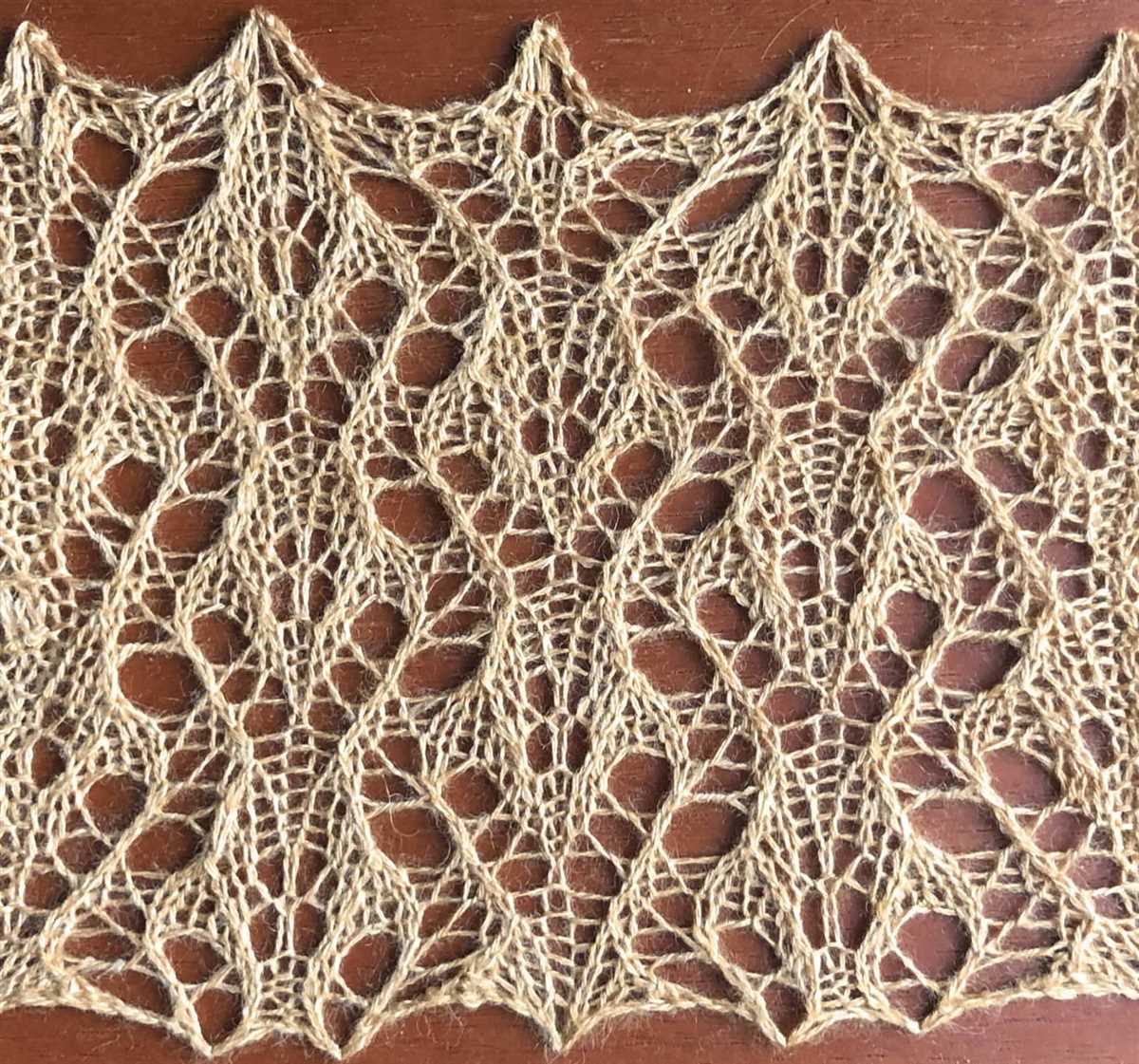
Blocking is an essential step when working with lace knitting patterns. It helps open up the lace stitches, evens out the fabric, and allows the pattern to shine. To block your lace project, gently wash it using a wool wash or mild soap, then lay it flat on a blocking mat or towel. Shape the project to the desired measurements, pinning it in place if necessary. Allow it to dry completely before removing the pins.
With these tips and tricks in mind, you’ll be well-equipped to tackle lace knitting patterns and create beautiful, intricate designs. Remember to be patient, take your time, and enjoy the process of creating stunning lace projects.
Exploring Different Lace Knitting Stitch Patterns
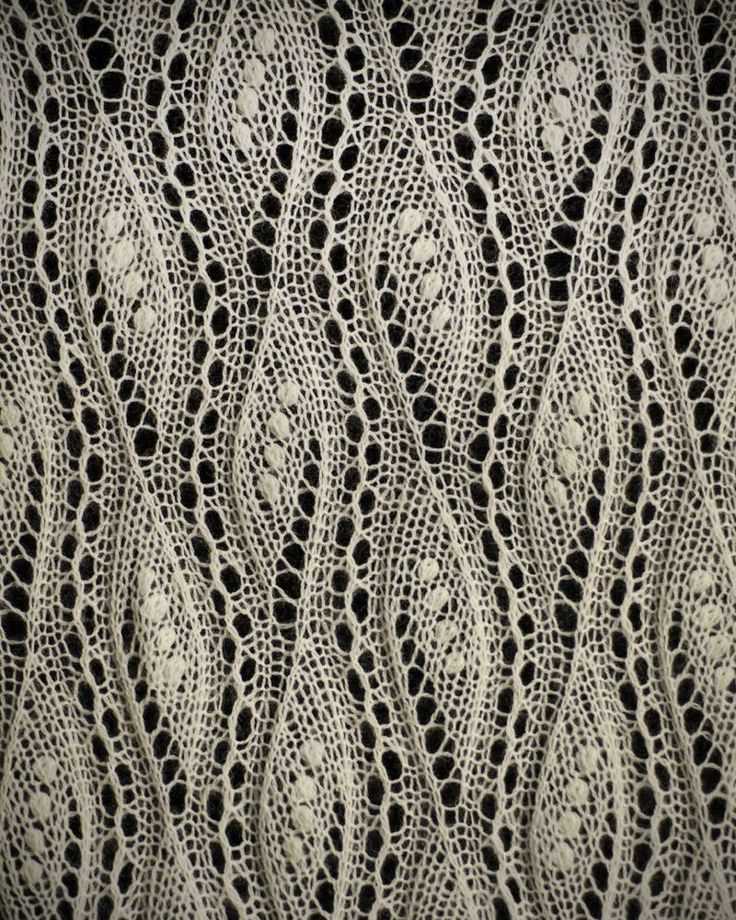
When it comes to lace knitting, there is an endless variety of beautiful stitch patterns to explore. Lace knitting involves creating patterns of holes and decorative motifs with yarn overs and decreases. These patterns can be used to create delicate shawls, elegant garments, or even intricate lace accessories. Each lace stitch pattern has its own unique look and texture, making it an exciting journey to explore different designs.
One popular lace knitting stitch pattern is the “Feather and Fan” stitch. This pattern creates a wave-like design with alternating peaks and valleys, resembling the shape of feathers. It is a classic lace stitch pattern that is often used in light and airy shawls or blankets. The “Feather and Fan” stitch is created by repeating a series of yarn overs and decreases in a specific pattern, resulting in a stunning effect.
Another interesting lace knitting stitch pattern is the “Honeycomb” stitch. This pattern features a honeycomb-like texture with interlocking hexagonal shapes. It is created by combining yarn overs, decreases, and slip stitches in a strategic manner. The “Honeycomb” stitch can be used to create a variety of lace projects, from cozy sweaters to intricate lace scarves.
If you’re looking for a more complex lace knitting stitch pattern, the “Cable and Lace” stitch is a great option. This pattern combines traditional cable knitting with delicate lace motifs. It involves creating intricate twists and crosses with the knitting needles, while also incorporating yarn overs and decreases. The “Cable and Lace” stitch creates a stunning combination of texture and intricacy, perfect for advanced lace knitters.
Whether you’re a beginner or an experienced lace knitter, exploring different lace knitting stitch patterns can be a rewarding endeavor. Each pattern presents a unique challenge and opportunity for creativity. By experimenting with different stitches, yarn types, and color combinations, you can create your own personalized lace knitting projects that showcase your skills and style.
How to Read and Follow Lace Knitting Charts
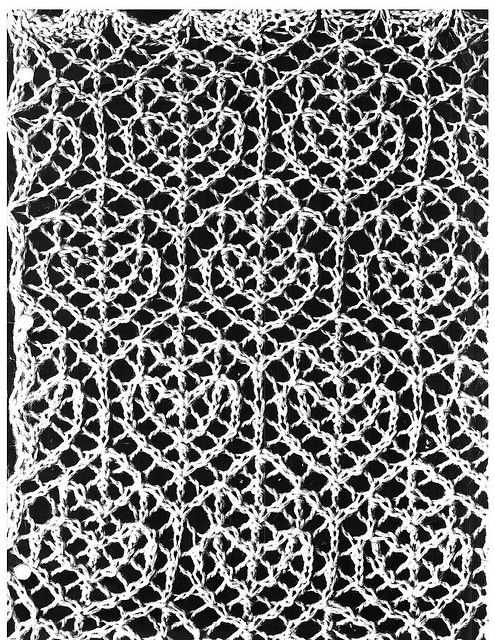
When it comes to lace knitting patterns, understanding how to read and follow lace knitting charts is essential. Lace knitting charts provide a visual representation of the stitches and techniques used in a lace pattern. By following these charts, you can create intricate and beautiful lace designs.
1. Familiarize Yourself with the Symbols: Lace knitting charts use a series of symbols to represent different stitches and techniques. It’s important to familiarize yourself with these symbols before you start working on a pattern. Common symbols include a dot for knit stitches, a horizontal line for purl stitches, a right-leaning line for yarn overs, and a square for decreases.
2. Read the Chart from Right to Left: Lace knitting charts are read from right to left, just like you would read a book. The right-hand side of the chart represents the first row, and each subsequent row is worked from right to left. Pay close attention to the row numbers and stitch counts indicated on the chart.
3. Use Stitch Markers and Highlighters: To make it easier to follow along with the lace knitting chart, use stitch markers to mark key points in the pattern. This can help you keep track of stitch counts and pattern repeats. Additionally, using a highlighter to mark off each row as you complete it can be helpful to ensure accuracy.
4. Understand the Repeat Sections: Most lace knitting patterns have repeat sections, where a specific set of stitches is repeated multiple times. These sections are often indicated by brackets or asterisks on the chart. Understanding how these repeats work is crucial to successfully following a lace knitting chart.
5. Take Your Time and Practice: Lace knitting can be challenging, especially when working with intricate patterns. Take your time and practice the stitches and techniques before diving into a complex lace project. Start with simpler lace patterns to build your confidence and skills before moving on to more advanced designs.
6. Keep Notes and Track Your Progress: As you work through a lace knitting chart, it can be helpful to keep notes and track your progress. This can include noting any modifications you make, keeping track of row counts, or jotting down reminders for specific stitches. These notes will be invaluable if you need to refer back to the pattern in the future.
By following these tips and practicing regularly, you’ll become more comfortable with reading and following lace knitting charts. Soon, you’ll be able to take on more complex lace patterns and create stunning lace designs!
Creating Beautiful Edgings with Lace Knitting
When it comes to creating beautiful edgings for your knitted projects, lace knitting can add an elegant touch. Lace knitting patterns are known for their intricate and delicate designs, adding a feminine and decorative element to any project. Whether you’re working on a shawl, scarf, or even a garment, incorporating lace edgings can elevate your knitting to the next level.
Lace knitting patterns: There are numerous lace knitting patterns available, ranging from simple to complex designs. Some popular lace stitches include the leaf pattern, honeycomb stitch, and feather and fan stitch. These patterns often feature yarnovers and decreases that create the open and lacy effect. Choose a lace pattern that complements your project and adds the desired level of intricacy.
Adding lace edgings: Lace edgings can be added to the edges of your knitting project, whether it’s a scarf, shawl, or even a sleeve. You can also incorporate lace motifs within the body of your project for a more seamless look. The key is to carefully follow the lace knitting pattern and ensure proper stitch count to maintain the integrity of the design.
Choosing the right yarn: When working with lace knitting patterns, it’s important to choose a yarn that showcases the delicate stitches. Light and airy yarns such as lace weight or fingering weight yarns are often the best choice for lace knitting. These yarns allow the lace stitches to stand out and create a beautiful drape.
Blocking for a polished finish: After completing your lace edgings, blocking is essential to achieve a polished and professional look. Blocking helps to even out the stitches, open up the lace, and shape the project to its desired dimensions. Gently steam or wet block your lace project according to the yarn’s care instructions, and watch as the lace pattern comes to life.
With lace knitting patterns, you have the opportunity to create stunning edgings that add a touch of elegance to your knitting projects. Whether you’re a beginner or an experienced knitter, incorporating lace into your designs can elevate your knitting to new heights. So grab your needles, choose a beautiful lace pattern, and create something truly spectacular.
Adding Lace Knitting to Garments and Accessories
When it comes to knitting, lace patterns can add a touch of elegance and sophistication to any garment or accessory. Whether you are knitting a sweater, a scarf, or even a shawl, incorporating lace detail can elevate the overall look and make your project stand out.
Considerations for Adding Lace Knitting: Before diving into lace knitting, it’s important to consider a few key factors. First, choose the right yarn for your project. Light and airy yarns, such as lace weight or fingering weight, work best for achieving delicate lace patterns. Additionally, think about the level of intricacy you want to incorporate. Lace knitting can range from simple eyelet patterns to intricate lace motifs, so choose a pattern that matches your skill level and desired outcome.
Garments:
Adding lace knitting to garments can transform a simple design into a stunning piece. For example, incorporating a lace panel down the back of a sweater or along the sleeves can instantly add visual interest and femininity. Another option is to knit a lace yoke for a top or dress, creating a delicate and ethereal look. You can also add lace detail to the hem or cuffs of a sweater or cardigan, creating a beautiful finishing touch.
Accessories:
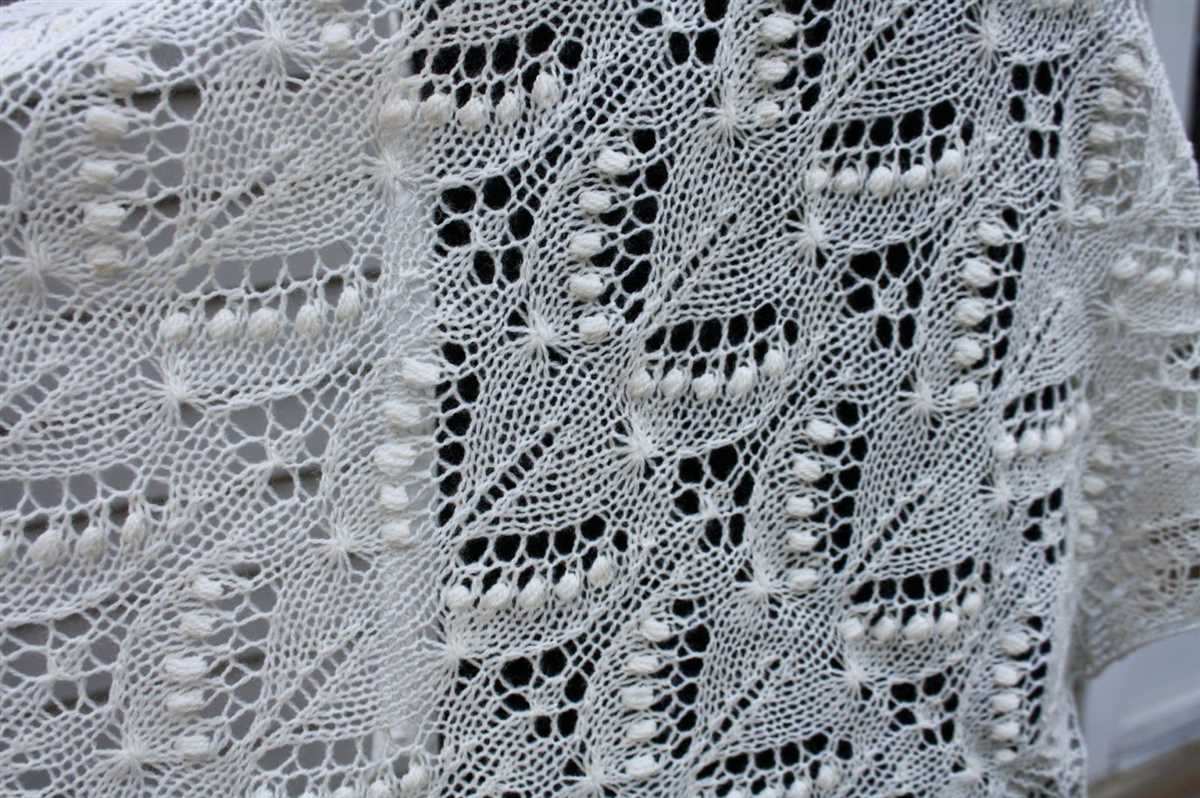
Lace knitting can also be incorporated into various accessories, such as scarves, shawls, and even hats. Knitting a lace scarf can add an elegant touch to any outfit, especially when using a luxurious yarn like silk or cashmere. Shawls with lace patterns can be draped over the shoulders for a romantic and feminine look. And for those looking to add a touch of lace to their headwear, knitting a lacy hat can be a stylish and unique accessory.
In conclusion, adding lace knitting to garments and accessories can elevate their overall look and make them stand out. With careful consideration of yarn choice and pattern complexity, you can create stunning pieces that showcase your knitting skills and personal style. So, why not give lace knitting a try and add a touch of elegance to your next project?
Adapting Lace Knitting Patterns for Different Skill Levels
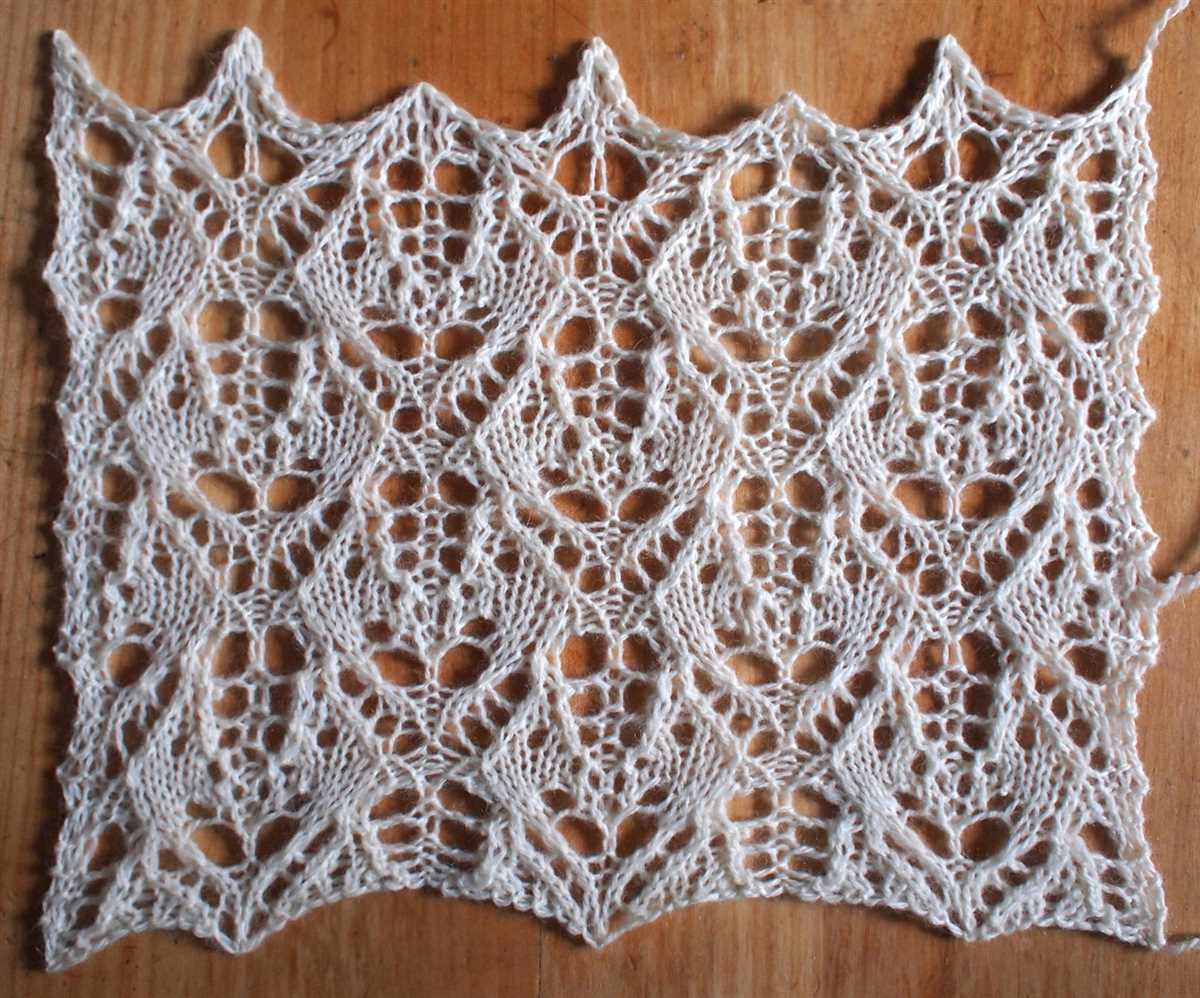
Lace knitting patterns can be intricate and challenging, requiring a certain level of skill and experience to complete successfully. However, with some adaptation and modification, these patterns can also be enjoyed by knitters of all skill levels, from beginners to advanced. By making a few adjustments and simplifying the design, beginners can tackle lace knitting with confidence, while advanced knitters can add their own creative touches to make the pattern more challenging.
Simplifying the Pattern for Beginners: For beginners, it is important to start with lace knitting patterns that have simple and repetitive motifs. Look for patterns that use basic lace stitches such as yarn overs and decreases, which are easier to learn and execute. Consider using thicker yarn and larger needles to make the lace stitches more visible and easier to work with. Breaking the pattern into smaller sections or repeating a simpler motif can also make it more manageable for beginners.
Adding Complexity for Advanced Knitters: Advanced knitters can take a lace knitting pattern and make it their own by adding more complex stitches or incorporating different stitch patterns. Experiment with different combinations of lace stitches, such as lace cables or lace bobbles, to create more intricate and unique designs. Advanced knitters can also modify the pattern by adjusting the stitch count or incorporating additional motifs to make the pattern more challenging and complex.
Customizing the Design: Regardless of skill level, knitters can customize lace knitting patterns to suit their style and preferences. This can be done by adding or removing sections of the pattern, adjusting the size or shape of the finished project, or even changing the color or yarn used. Adding beads or other embellishments can also enhance the overall look of the lace pattern and make it more personalized.
Learning Resources: There are many resources available for learning and adapting lace knitting patterns for different skill levels. Knitting books, online tutorials, and knitting communities are great places to find guidance and support. Taking workshops or classes focused on lace knitting can also provide valuable guidance and help knitters expand their skills and knowledge.
Overall, lace knitting patterns can be a rewarding and enjoyable challenge for knitters of all skill levels. By adapting and modifying the patterns, beginners can learn and progress in their lace knitting skills, while advanced knitters can continue to push the boundaries and create unique and intricate designs.
Blocking and Finishing Techniques for Lace Knitting Projects
Lace knitting projects require special attention when it comes to blocking and finishing. Blocking is the process of shaping and stretching your finished project to create even stitches and open up the lace patterns. It can make a significant difference in the final appearance of your project and is an essential step for achieving the desired drape and texture.
1. Wet Blocking: One common method of blocking is wet blocking, which involves soaking your lace knitting project in water or a blocking solution, gently squeezing out the excess moisture, and then pinning it to a flat surface to dry. This method allows the fibers to relax and the stitches to set in their intended shape. It is particularly effective for natural fiber yarns, such as wool or cotton.
2. Steam Blocking: Steam blocking is another popular technique for blocking lace knitting projects. This method involves using a steam iron or a garment steamer to lightly steam the project without actually touching it with the iron or the steamer. The steam helps to soften the fibers and allows the stitches to be shaped and opened up. It is a quick and effective method, but it requires caution to avoid over-steaming or damaging the yarn.
3. Pinning and Measuring: When blocking a lace knitting project, it is essential to pin it to the blocking surface to hold it in shape. Use rust-proof pins and place them along the edges of the project, focusing on the lace patterns and any areas that require shaping. You can also use blocking wires or strings to create straight lines or smooth curves. It is helpful to measure your project during the blocking process to ensure that it maintains the desired dimensions.
4. Finishing Touches: After the blocking process is complete, it is time for the finishing touches. Remove the pins or wires gently, being careful not to pull or stretch the project. If needed, weave in any loose ends or secure any lace motifs that may have shifted during blocking. You may also consider lightly pressing the finished project with an iron on the appropriate setting, using a pressing cloth to protect the yarn. This will give it a polished appearance.
In conclusion, blocking and finishing techniques are important for achieving professional results in lace knitting projects. Whether you choose wet blocking or steam blocking, it is essential to follow the instructions for your specific project and yarn. Take the time to pin and shape your project accurately, and handle it with care during the finishing process. With these techniques, you can enhance the beauty and elegance of your lace knitting projects.
Popular Lace Knitting Projects for Home Décor
Lace knitting is a versatile craft that adds an elegant touch to any home décor. With its intricate patterns and delicate designs, lace knitting can create a sophisticated and timeless aesthetic. Whether you’re a seasoned knitter or just starting out, there are plenty of popular lace knitting projects that can enhance the beauty of your home.
Lace Table Runner

A lace table runner is a classic and elegant addition to any dining table. Knitting a lace table runner allows you to showcase your skills while adding a touch of refinement to your home. You can choose from a variety of lace patterns and designs to create a personalized table runner that complements your existing décor. Whether you prefer simple motifs or intricate lacework, a lace table runner is sure to impress your guests.
Lace Pillow Covers
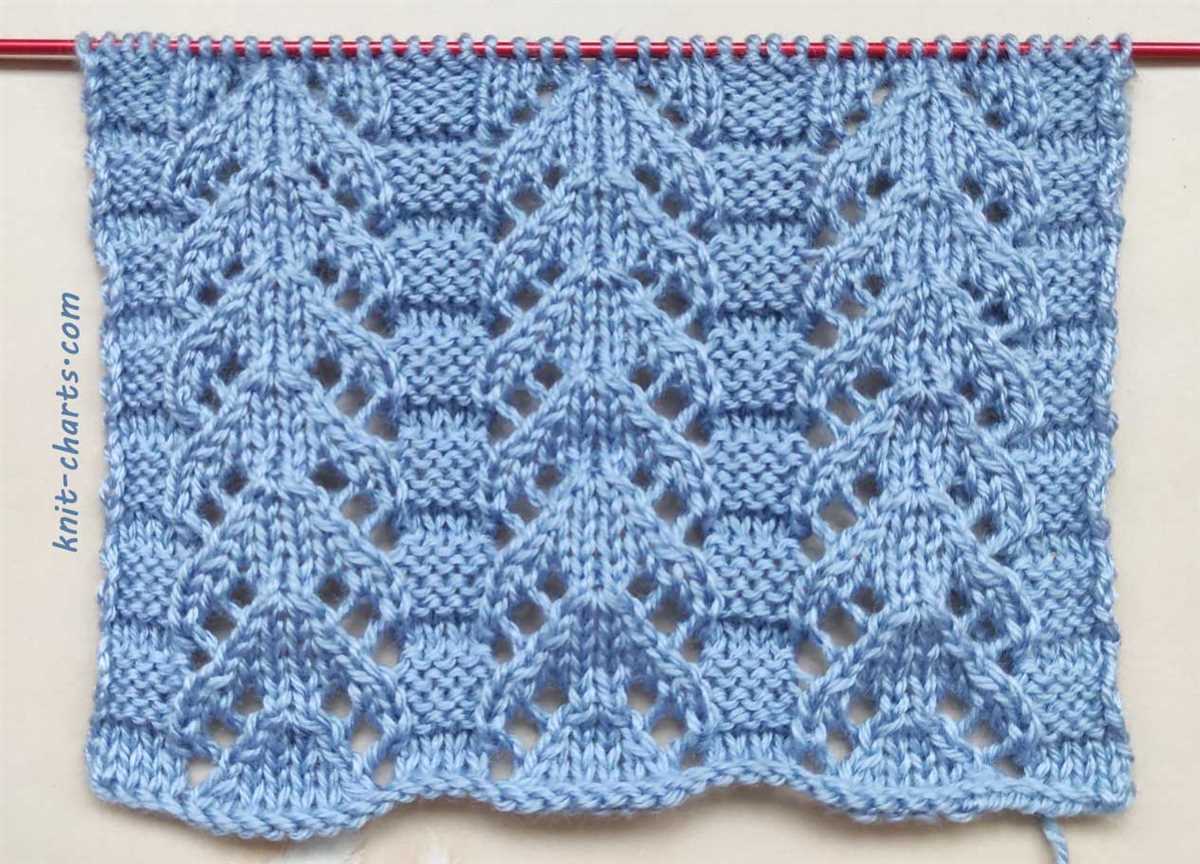
Adding lace pillow covers to your living room or bedroom can instantly elevate the look and feel of the space. The delicate lace patterns add texture and visual interest to an otherwise plain pillow. You can choose from a wide range of lace patterns, from floral designs to geometric motifs, to match your personal style. Knitting lace pillow covers also allows you to experiment with different yarn colors and textures, making it a fun and creative project.
Lace Curtain Panels

Lace curtain panels are a timeless and romantic way to dress up your windows. Knitting lace curtain panels allows you to customize the design and size to fit your specific window dimensions. Whether you prefer a simple lace pattern or a more intricate design, lace curtain panels can add a touch of elegance to any room in your home. They also allow natural light to filter through while still providing privacy, making them a practical and beautiful addition to your home décor.
Lace Wall Hangings
Lace wall hangings are a unique and artistic way to incorporate lace knitting into your home décor. You can create intricate lace patterns and designs that can be framed or displayed on their own. Lace wall hangings can be used as focal points in a room or as subtle accents that add texture and visual interest to a gallery wall. They are also a great way to showcase your knitting skills and add a personal touch to your home.
Overall, lace knitting is a versatile craft that can be used to enhance the beauty of your home. Whether you choose to knit a lace table runner, pillow covers, curtain panels, or wall hangings, the intricate patterns and delicate designs of lace knitting will add an elegant touch to your home décor.
Get Inspired with Stunning Lace Knitting Examples
Knitting intricate lace patterns can be a rewarding and beautiful way to enhance your knitting skills. From delicate shawls to intricate doilies, lace knitting offers an endless array of possibilities for creating stunning and unique pieces. In this article, we have explored various lace knitting patterns, from beginner-friendly options to advanced designs.
If you are new to lace knitting, it’s a good idea to start with simpler patterns that have fewer lace motifs and repetitive elements. This will help you become familiar with the basic lace stitches and techniques, such as yarn overs and decreases. As you gain confidence, you can progress to more complex patterns with intricate lace motifs and stitch patterns.
Examples of Stunning Lace Knitting Patterns:
1. Delicate Lace Shawl: This elegant shawl features an intricate lace stitch pattern that creates a delicate and airy texture. Knit with a soft and lightweight yarn, it is perfect for draping over your shoulders on a cool evening.
2. Lace Baby Blanket: Knitting a lace blanket for a baby is a special way to celebrate a new arrival. Choose a soft and washable yarn in your favorite color and knit a beautiful lace pattern that will be cherished for years to come.
3. Lace Socks: Add a touch of elegance to your feet with lace socks. Knit with a fine yarn and delicate lace motif, these socks are both stylish and cozy. They make a great gift for yourself or a loved one.
4. Intricate Doily: Lace doilies are a classic knitting project that can be used to adorn tables, dressers, or display precious items. With their intricate patterns and delicate lace stitches, they add a touch of elegance to any room.
5. Lace Sweater: Create a statement piece with a lace sweater. This versatile garment can be worn year-round and adds a touch of sophistication to any outfit. Choose a lace stitch pattern that suits your style and showcase your knitting skills.
Remember, lace knitting requires patience, attention to detail, and practice. As with any new knitting technique, it’s important to start with simpler patterns and gradually progress to more complex designs. Take inspiration from these stunning lace knitting examples and let your creativity soar as you knit beautiful lace creations.