
Out of print knitting patterns refer to knitting patterns that are no longer in production or available for purchase. These patterns often become highly sought after, as they are no longer easily accessible. Knitting enthusiasts may spend hours searching for these patterns online, in thrift stores, or even at knitting conventions in the hopes of finding a rare gem.
Out of print knitting patterns can be particularly desirable for several reasons. Firstly, they offer a sense of nostalgia and a connection to the past. Many knitters enjoy recreating vintage designs and incorporating them into their own modern wardrobes. Finding an out of print pattern allows them to recreate a piece of knitting history and preserve traditional knitting techniques.
Additionally, out of print knitting patterns may also be sought after for their unique and innovative designs. These patterns often feature intricate stitch patterns, unusual construction methods, or unusual garment shapes that are not commonly found in contemporary patterns. Knitters who enjoy a challenge or are looking to expand their skills may be drawn to these patterns as a way to push themselves creatively.
What are out of print knitting patterns?

Out of print knitting patterns refer to knitting patterns that are no longer being published or made available for purchase. These patterns are usually from older publications or designers who have discontinued their patterns. They may include designs for garments, accessories, or home decor items.
The reasons why knitting patterns go out of print can vary:
- Designers may retire or pass away: When a designer retires or passes away, their patterns may no longer be available for purchase. This can happen if the designer did not pass on the rights to their patterns to another person or company.
- Changes in fashion trends: Like any other industry, knitting patterns can become outdated as fashion trends change. Patterns that were popular in the past may no longer be in demand, leading to them going out of print.
- Discontinuation of publications: Knitting patterns are often published in books or magazines. If these publications are discontinued or no longer in circulation, the patterns within them can become out of print.
- Limited availability: Some knitting patterns are released in limited quantities, and once they sell out, they may no longer be reprinted. This can create a sense of exclusivity and rarity for these patterns.
In the world of knitting, out of print patterns can become highly sought after by collectors and enthusiasts. They may be seen as valuable pieces of knitting history or cherished for their unique designs and techniques. Fortunately, with the rise of online platforms and digital downloads, some out of print knitting patterns are being made available again, allowing new generations of knitters to enjoy these timeless designs.
Why are out of print knitting patterns sought after?
Out of print knitting patterns are often sought after by passionate knitters and collectors alike. These patterns, which are no longer being published or readily available for purchase, hold a certain allure and appeal. Here are a few reasons why out of print knitting patterns are in high demand:
1. Nostalgic value:
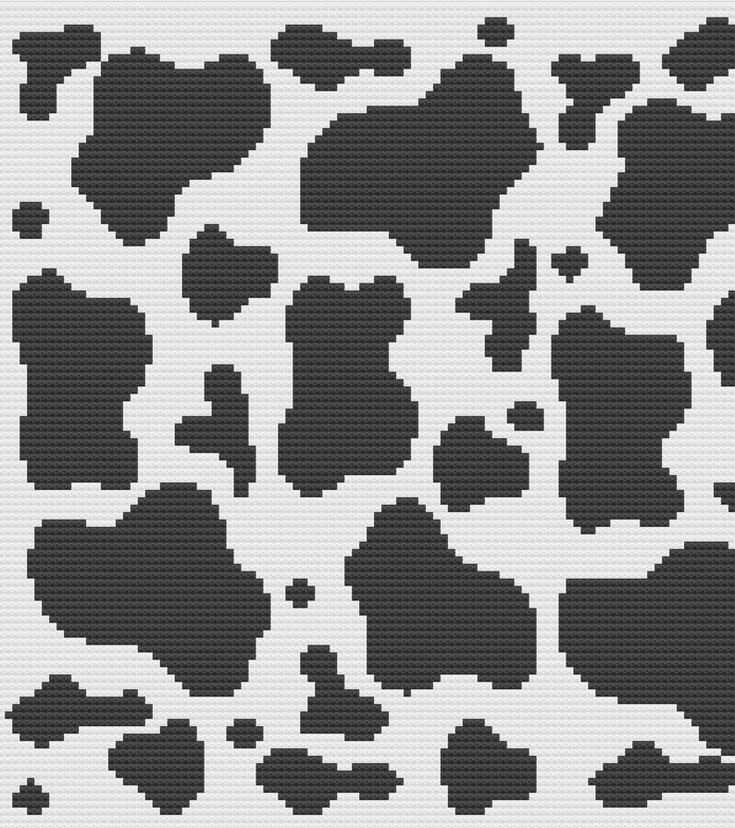
Out of print knitting patterns often evoke a sense of nostalgia, bringing back memories of past trends and styles. Knitters may be drawn to these patterns as a way to recreate vintage designs or pay homage to traditional knitting techniques. The appeal lies in the connection to the past and the opportunity to create something unique.
2. Uniqueness and exclusivity:
With out of print knitting patterns, there is a sense of exclusivity. These patterns are no longer widely available, making them harder to come by. Knitters who manage to find and obtain these patterns feel a sense of achievement and are able to create something special that not everyone has access to. It adds an element of uniqueness and individuality to their knitting projects.
3. Quality and craftsmanship:
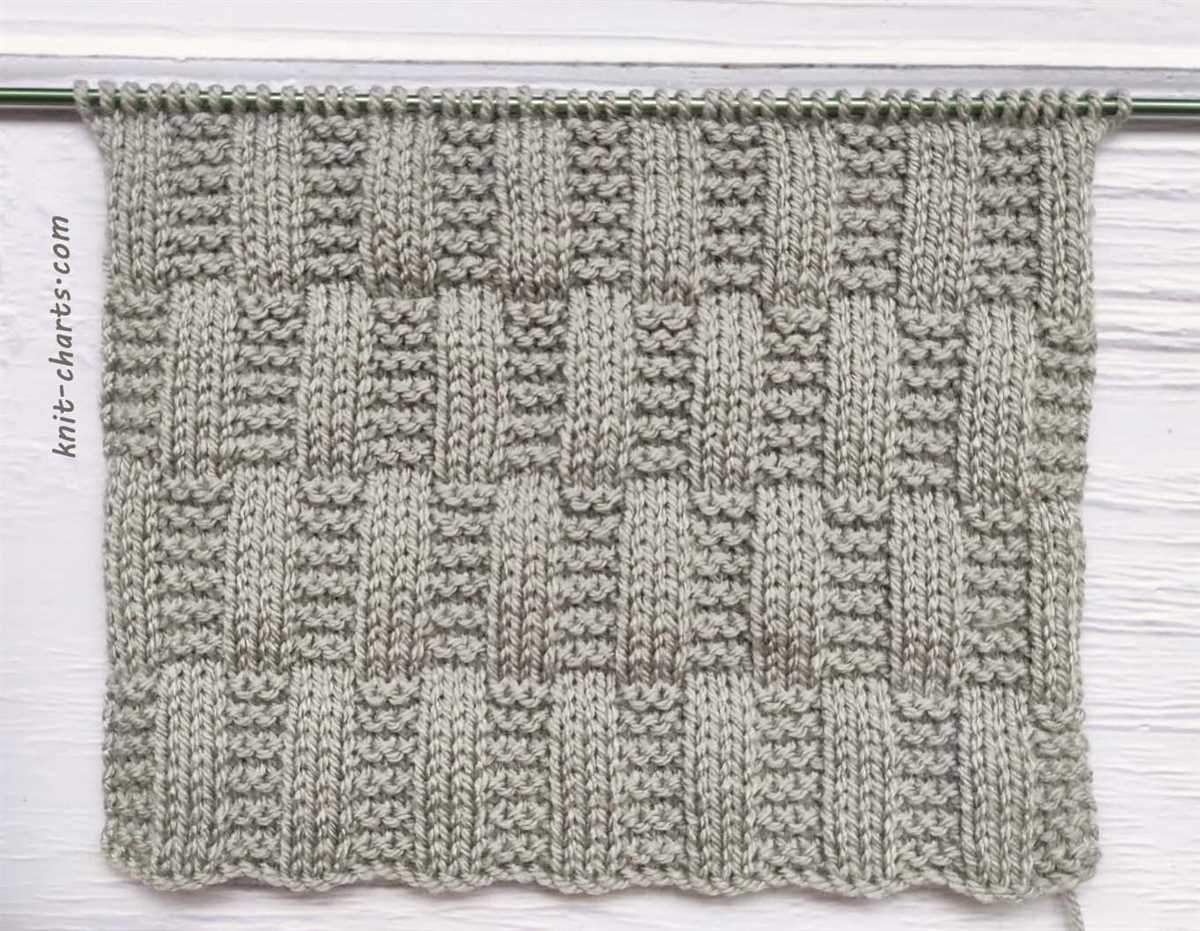
Out of print knitting patterns are often cherished for their quality and attention to detail. These patterns have withstood the test of time and have been chosen for publication based on their design, clarity, and overall appeal. Knitters appreciate the craftsmanship that goes into these patterns and the opportunity to work on projects that have been vetted and trusted by generations of knitters.
In summary, the appeal of out of print knitting patterns lies in their nostalgic value, the sense of uniqueness and exclusivity they offer, and the quality and craftsmanship they represent. Knitters and collectors actively seek out these patterns to create something special and connect with the rich history of knitting.
Where can you find out of print knitting patterns?

Out of print knitting patterns can be difficult to find, but there are a few places where you may have some luck in locating these vintage gems. Here are some options to consider:
1. Online marketplaces: Websites such as eBay and Etsy often have a wide selection of out of print knitting patterns available for purchase. These marketplaces allow individuals to sell their own collections or unused patterns, giving you a chance to find unique designs that are no longer in circulation.
2. Local yarn stores: Some local yarn stores may carry a selection of out of print knitting patterns in their vintage or secondhand sections. These stores often have a variety of older knitting materials and patterns available for purchase, so it’s worth checking with your local shop to see if they have any in stock.
3. Online communities and forums: Online knitting communities and forums can be a great resource for finding out of print knitting patterns. Members of these communities often share their own collections and are willing to trade or sell patterns that they no longer need. Participating in these communities can help you connect with other knitting enthusiasts who may have the patterns you’re looking for.
4. Secondhand bookstores or thrift shops: Don’t overlook the possibility of finding out of print knitting patterns in secondhand bookstores or thrift shops. These shops often have a variety of used books and magazines, including knitting pattern books from previous years. While it may take some digging, you may stumble upon hidden treasures at an affordable price.
5. Online pattern archives: Some websites specialize in archiving and preserving out of print knitting patterns. These archives often offer free or low-cost access to a wide range of patterns that are no longer in circulation. Exploring these online archives can be a great way to discover unique and vintage designs, all from the comfort of your own home.
Remember, finding out of print knitting patterns may require some persistence and patience, but the search can be worthwhile for those who appreciate the charm and nostalgia of vintage knitting designs.
Tips for finding out of print knitting patterns online

Out of print knitting patterns can be a treasure trove for avid knitters looking for unique and vintage designs. While these patterns may no longer be easily accessible through traditional means, the internet has made it possible to find and acquire them online. Here are some tips to help you in your search:
1. Explore online knitting forums and communities

One of the best ways to find out of print knitting patterns online is by tapping into the knowledge and experience of fellow knitters. Joining online knitting forums and communities can provide you with a wealth of information and resources. Ask for recommendations or post specific requests for the patterns you are looking for. You may be surprised by the generosity of fellow knitters who are willing to share their own collections or point you in the right direction.
2. Utilize knitting pattern archives
Several websites specialize in archiving out of print knitting patterns. These websites are dedicated to preserving and digitizing knitting pattern collections that may have otherwise been lost to time. Browse through these archives and use their search functions to find specific patterns or browse by category. Some archives may require a subscription or payment for access to their full collections, but the wealth of patterns available can be well worth it.
3. Check online marketplaces and auction sites
Online marketplaces and auction sites can be a great resource for finding out of print knitting patterns. Websites like Etsy, eBay, and Ravelry often have sellers who specialize in vintage knitting patterns. Keep an eye out for listings that mention “out of print” or “vintage” patterns, and make sure to read the item descriptions carefully to ensure you are purchasing an authentic pattern. Additionally, joining knitting-related Facebook groups or following knitting enthusiasts on social media platforms may lead you to individuals or shops selling rare patterns.
4. Contact knitting pattern designers, publishers, or authors
If you have a specific knitting pattern in mind that is out of print, it may be worth reaching out directly to the designer, publisher, or author. They may have copies of the pattern available or be able to provide guidance on where to find it. Some designers and publishers also offer pattern reprints or digital versions of their out of print patterns for sale on their websites. Don’t hesitate to send a polite email or inquiry to see if they can assist you.
With a bit of research, patience, and resourcefulness, you can successfully find out of print knitting patterns online. Explore different avenues, connect with fellow knitters, and don’t be discouraged if your search takes time. The joy of discovering and working on a unique and rare knitting pattern will make the effort worthwhile.
How to Find Out of Print Knitting Patterns in Thrift Stores?
Thrift stores can be treasure troves for finding out of print knitting patterns. These patterns may no longer be available in stores or online, making them difficult to find. However, with a little patience and a keen eye, you can uncover hidden gems in thrift stores. Here are a few tips for finding out of print knitting patterns in thrift stores.
- Visit Thrift Stores Regularly: To increase your chances of finding out of print knitting patterns, make it a habit to visit thrift stores regularly. New items arrive frequently, so checking back every week or two can help you stay updated with the latest inventory.
- Explore the Craft Section: Head straight to the craft or sewing section of the thrift store. Look for shelves, bins, or racks that may hold knitting patterns. These patterns might be mixed with other craft supplies, so take your time to search through the items.
- Check Vintage Sections: Some thrift stores have separate sections dedicated to vintage items. These sections often have a variety of knitting patterns from different decades. Take a thorough look through these sections as they may hold hidden treasures.
- Ask the Store Staff: If you can’t find any knitting patterns, don’t hesitate to ask the store staff. They might have some patterns tucked away or may have seen them come in recently. Friendly interactions with the staff can also create a positive relationship, increasing the likelihood of them keeping an eye out for knitting patterns on your behalf.
- Bring a List or Specific Requests: If you have a specific list of out of print knitting patterns you’re looking for, bring it with you to the thrift store. Alternatively, you can ask the staff if they can keep an eye out for particular patterns. Being specific can help narrow down the search and increase your chances of finding what you’re looking for.
Remember, finding out of print knitting patterns in thrift stores requires patience and persistence. Not every trip will yield results, but when you do find that rare knitting pattern, the satisfaction is priceless. Happy hunting!
How to restore or recreate out of print knitting patterns?
Out of print knitting patterns can be a treasure trove for avid knitters looking for unique and timeless designs. However, finding these patterns can be a challenge as they are often no longer available for purchase. Luckily, there are ways to restore or recreate out of print knitting patterns so that they can be enjoyed by future generations of knitters.
1. Research and locate the pattern: Start by doing thorough research to locate the out of print knitting pattern you are interested in. Check online knitting communities, forums, and websites that specialize in vintage knitting patterns. You may also find luck in local yarn shops or through knitting clubs and guilds.
2. Use existing resources: If you are lucky enough to find a physical copy of the out of print knitting pattern, make sure to treat it with care. If the pattern is in good condition, you can photocopy or scan it to keep a digital copy. This will help preserve the pattern and make it easier to recreate if necessary.
3. Recreate the pattern: If you are unable to find an existing physical or digital copy of the out of print knitting pattern, you can recreate it by examining any available information and resources. This may involve studying pictures or descriptions of the finished garment, analyzing similar patterns from the same era, or even consulting with experienced knitters who are familiar with vintage designs.
4. Make necessary adjustments: When recreating an out of print knitting pattern, it is important to be prepared for potential discrepancies or errors in the original instructions. Vintage knitting patterns often use different terminology and techniques compared to modern patterns. Take the time to carefully read and understand the pattern instructions, and make any necessary adjustments or modifications based on your own knitting knowledge and experience.
5. Share your findings: After successfully restoring or recreating an out of print knitting pattern, consider sharing your findings with other knitters who may be interested. You can create a digital copy of the pattern and make it available online, contribute to knitting communities and forums, or even publish a blog post or article about your experience. By sharing your findings, you can help preserve and revive these timeless knitting patterns for future generations to enjoy.
Understanding copyright laws for out of print knitting patterns
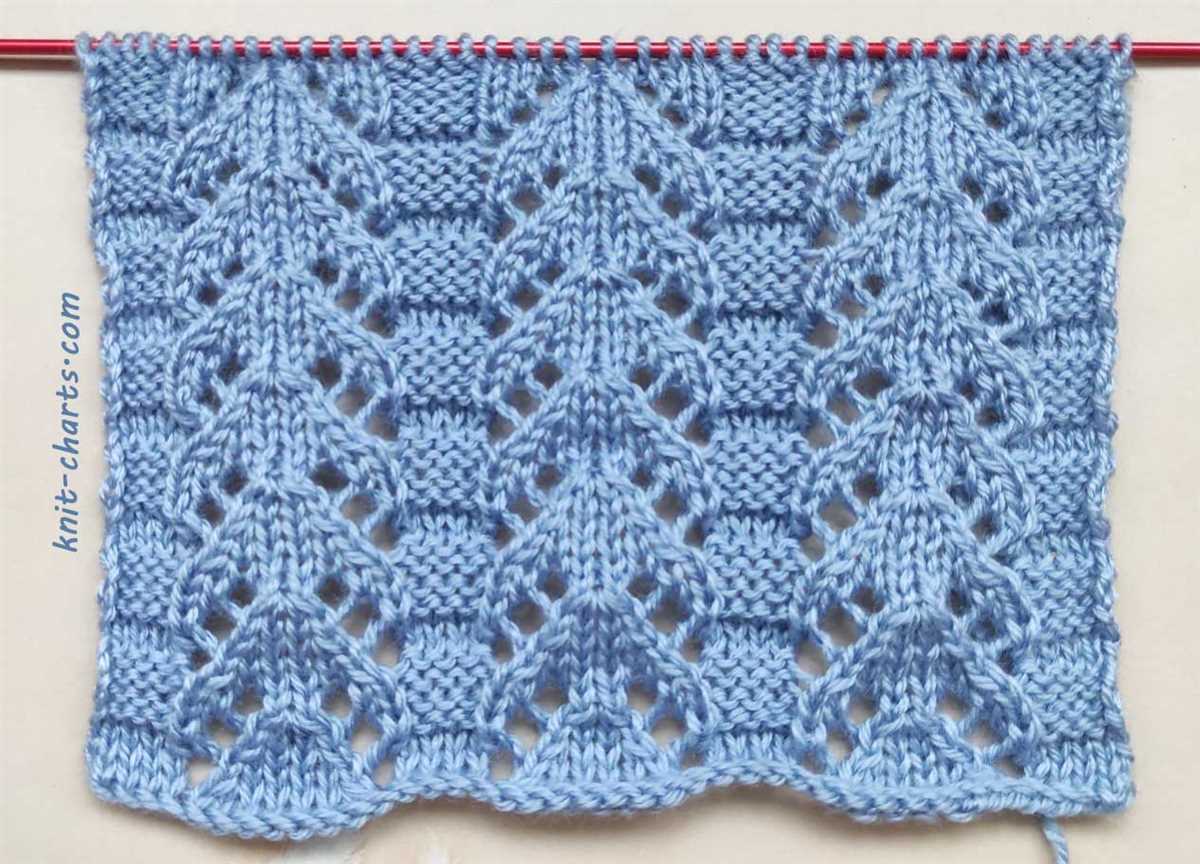
In the world of knitting, there is often a desire to recreate or use older knitting patterns that may no longer be in print. However, it is important to understand the copyright laws surrounding these patterns in order to avoid any legal issues.
Copyright protection: Knitting patterns, just like any other creative work, fall under the protection of copyright laws. This means that the original creator of a knitting pattern has the exclusive right to reproduce, distribute, or prepare derivative works based on that pattern.
Expired copyright: Copyright protection for knitting patterns typically lasts for the life of the creator plus an additional 70 years. Once this period has expired, the pattern falls into the public domain and can be used freely without permission from the creator or their estate. However, it is important to note that the specific copyright laws may vary depending on the country.
Using out of print knitting patterns: If a knitting pattern is out of print but still within its copyright period, it is generally not legal to reproduce or distribute copies of the pattern without permission from the copyright holder. However, knitting enthusiasts may be able to legally use the pattern to create items for personal use or to gift to others.
Seeking permission: If you wish to use an out of print knitting pattern for any commercial purposes, such as selling the finished products, it is best to seek permission from the copyright holder or their estate. They may grant you a license to use the pattern in exchange for royalties or other compensation.
Alternative sources: If you are unable to obtain permission to use an out of print knitting pattern, there are alternative sources to consider. Some knitting communities or libraries may hold copies of old patterns that can be borrowed or accessed for personal use. Additionally, there are websites and online marketplaces where independent designers sell their own patterns, which may offer similar designs to those that are out of print.
Conclusion: Understanding copyright laws for out of print knitting patterns is important to ensure that you are acting within the bounds of the law. While it may be tempting to use or reproduce these patterns without permission, it is always best to seek proper authorization or explore alternative sources to avoid any potential legal issues.
Collecting and preserving out of print knitting patterns

Out of print knitting patterns can be a treasure trove for knitting enthusiasts and collectors. These patterns, often filled with nostalgic and vintage designs, can be valuable and sought after by those looking to recreate classic styles or add unique pieces to their wardrobes.
Preserving these patterns is essential to ensure their availability for future generations of knitters. Many individuals and organizations are dedicated to collecting, archiving, and digitizing these patterns, making them accessible to a wider audience.
Collecting: Knitting enthusiasts often dedicate their time and efforts to finding and collecting out of print knitting patterns. They search through second-hand stores, estate sales, and online marketplaces to find rare and coveted designs. These collectors appreciate the craftsmanship and artistry that went into creating these patterns and enjoy the thrill of discovering hidden gems.
Preserving: Once these patterns are collected, preserving them becomes crucial. Storing them in acid-free archival boxes or folders helps protect them from degradation and damage. Proper handling techniques, such as wearing gloves and avoiding creasing or folding, can also prevent harm. Some collectors even choose to scan these patterns and create digital copies, ensuring their preservation even if the physical copies deteriorate.
Digitizing: The digital age has revolutionized the accessibility of out of print knitting patterns. Many organizations and websites now offer digitized versions of these patterns, making it easier for knitters around the world to access and recreate these designs. Digital archives and databases play a significant role in preserving these patterns and ensuring they remain available to future generations.
In conclusion, collecting and preserving out of print knitting patterns is essential to celebrate the artistry and craftsmanship of past designs. These patterns, with their unique styles and techniques, are a valuable resource for knitters and collectors alike. By actively seeking, storing, and digitizing these patterns, we can ensure their availability and enjoyment for years to come.
Top 5 Out of Print Knitting Pattern Designers
Out of print knitting patterns can be a treasure trove for avid knitters looking for unique and timeless designs. These patterns often come from talented designers who have made a mark in the knitting world. Here, we present the top 5 out of print knitting pattern designers whose designs continue to inspire and captivate knitters worldwide.
1. Elizabeth Zimmermann
Elizabeth Zimmermann is an iconic figure in the knitting world. Her innovative designs and approach to knitting revolutionized the craft. Her out of print patterns are highly sought after for their timeless style and clear instructions. Knitters who manage to get their hands on her patterns are treated to a world of creativity and knitting wisdom.
2. Kaffe Fassett
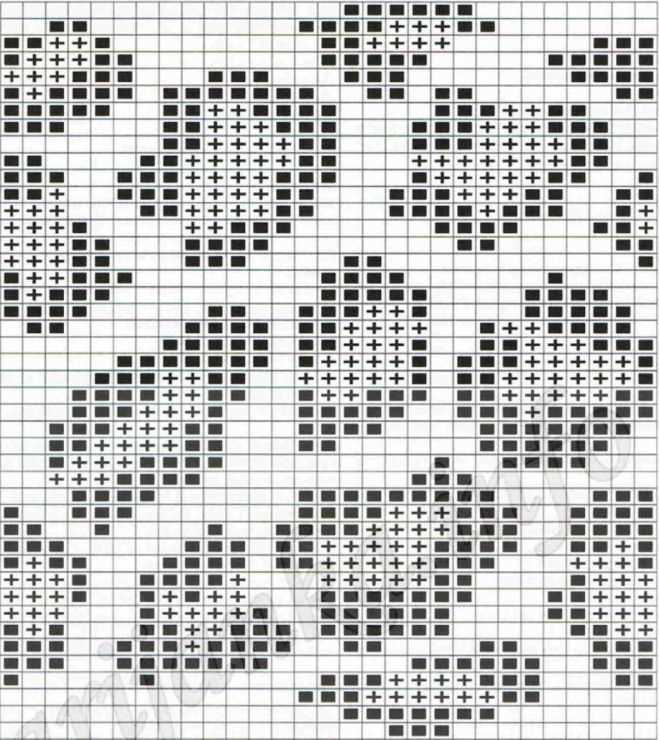
Kaffe Fassett is a renowned knitwear designer known for his bold use of color and intricate patterns. His out of print knitting patterns are like works of art, combining various geometric shapes and vibrant hues. Knitting one of his designs is an experience in itself, as you witness your knitting project transform into a masterpiece.
3. Debbie Bliss
Debbie Bliss is a British knitwear designer whose out of print patterns are cherished for their classic elegance. Her designs often feature delicate lacework, intricate cable patterns, and beautifully tailored garments. Knitting one of Debbie Bliss’s patterns is like creating a timeless heirloom piece that can be cherished for generations.
4. Alice Starmore
Alice Starmore is known for her intricate colorwork and traditional Fair Isle designs. Her out of print knitting patterns are beloved by knitting enthusiasts who appreciate the artistry and complexity of her designs. Knitting a Starmore pattern not only results in a stunning finished product but also provides a valuable lesson in color theory and technique.
5. Jean Moss
Jean Moss is a British knitwear designer who creates elegant and sophisticated patterns. Her out of print patterns often incorporate unique stitch patterns and textures, resulting in garments that are both stylish and wearable. Knitting a Jean Moss design allows you to explore different knitting techniques and create garments that stand out in any wardrobe.
While these out of print knitting pattern designers may no longer be actively creating new designs, their legacy lives on through their patterns. Whether you’re a beginner or an experienced knitter, exploring their designs will provide endless inspiration and help you create beautiful and unique pieces.
The History of Out of Print Knitting Patterns
Knitting patterns have been around for centuries, providing people with instructions on how to create beautiful and intricate designs using yarn and needles. However, not all knitting patterns have stood the test of time. Some patterns, for various reasons, have gone out of print and become rare collector’s items.
One reason why knitting patterns go out of print is that they simply become outdated. Just like fashion trends, knitting designs can go in and out of style. Patterns that were once popular may no longer be in demand, leading to their discontinuation. Additionally, changes in knitting techniques and preferences can also contribute to patterns going out of print. New and more modern patterns may take their place, leaving older ones to gather dust.
Another reason for patterns becoming out of print is the limited availability of physical copies. Many knitting patterns were originally published in magazines or books, which may have had limited print runs. As time goes on, these publications may become harder to find, leading to patterns becoming rare and out of print. In some cases, copyright issues or changes in ownership may also prevent patterns from being reprinted or distributed.
Despite their scarcity, out of print knitting patterns still hold value and appeal to dedicated knitters and collectors. These patterns often represent a piece of knitting history, showcasing different styles and techniques from a particular time period. Some knitters may also be nostalgic for patterns that were popular during their upbringing or that remind them of a certain era.
In recent years, the internet has played a role in bringing back some out of print knitting patterns. Websites and online communities have been created that allow knitters to share and access digital versions of rare patterns. This has made it easier for knitters to find and recreate designs that were once thought to be lost forever. However, there are still many patterns that remain elusive and highly sought after, making them valuable treasures in the knitting world.
How to Make Money Selling Out of Print Knitting Patterns

If you have a collection of out of print knitting patterns, you can potentially make some extra money by selling them. Here are some steps to help you get started:
1. Evaluate the market: Research the demand for out of print knitting patterns. Look for online communities, forums, and marketplaces where people are actively seeking these patterns. This will give you an idea of the potential customer base.
2. Organize and digitize your patterns: Gather all your out of print knitting patterns and organize them in a way that makes it easy for you to find and access them. Consider scanning or taking high-quality photos of each pattern to create digital copies. This will allow you to easily share and sell them online.
3. Determine the pricing: Decide how much you want to charge for each pattern. Consider factors such as the rarity of the pattern, its popularity, and the condition of the original copy. You may also want to browse online marketplaces to see what price other sellers are charging for similar patterns.
4. Choose a platform to sell: There are several platforms where you can sell your out of print knitting patterns, such as Etsy, eBay, Ravelry, or your own website. Choose a platform that suits your needs and preferences. Make sure to create clear and enticing product listings to attract potential buyers.
5. Market your patterns: Promote your patterns to reach a larger audience. Utilize social media platforms, knitting communities, and relevant forums to showcase your collection and attract potential buyers. Consider running targeted ads or collaborating with knitting influencers to increase your reach.
Conclusion
Selling out of print knitting patterns can be a profitable venture if done strategically. By evaluating the market, organizing and digitizing your patterns, determining fair pricing, choosing the right selling platform, and effectively marketing your collection, you can make money while sharing your love for knitting and preserving these valuable patterns for other enthusiasts.