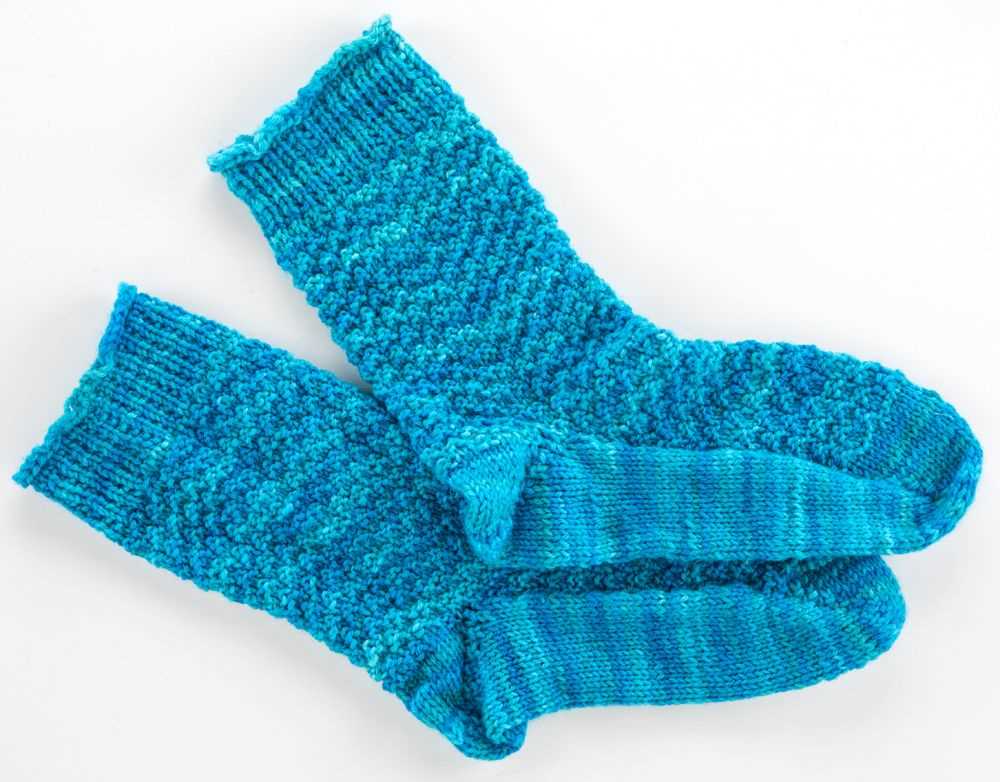
If you are a fan of knitting and have little ones in your life, you might be looking for some free patterns to make adorable and cozy socks for children. Knitting socks can be a fun and rewarding project, and there are plenty of options available for children’s sizes.
One of the great things about knitting socks for children is that they are quick to make and don’t require a lot of yarn. This means you can use up any leftover yarn from previous projects and create beautiful and unique socks for your little ones. Whether you are an experienced knitter or just starting out, there are patterns available for every skill level.
When it comes to children’s sock patterns, the options are endless. You can choose from traditional patterns with ribbed cuffs and simple stitches, or you can get creative with colorwork, stripes, and fun motifs. The best part is that you can customize the patterns to suit your child’s preferences and personality.
Why knit socks for children?
Knitting socks for children can be a rewarding and practical project. Whether you are a seasoned knitter or just starting out, making socks for little ones has its own unique benefits.
1. Customization: Knitting allows you to create customized socks for each child. You can choose their favorite colors, patterns, and even incorporate personal touches like initials or special designs. This makes the socks not only functional but also personalized and unique.
2. Perfect fit: Children’s feet grow quickly, and store-bought socks may not always provide the perfect fit. By knitting socks, you can ensure that they fit well and comfortably. Adjustments can be made easily to accommodate growing feet, and you can create socks with the perfect amount of toe room, ankle fit, and leg length.
3. Warmth and comfort: Hand-knitted socks are often thicker and warmer than store-bought ones. Children’s feet are more sensitive to temperatures, and well-knit socks can keep their feet cozy and comfortable, especially during colder months. The softness of hand-knit socks also adds an extra layer of comfort.
4. Skill-building: Knitting socks for children can also be an opportunity to improve your knitting skills. Sock knitting can be challenging at first, but it allows you to learn new techniques like increasing, decreasing, and working with small stitches. As you progress, you’ll gain confidence and become more proficient in knitting.
5. Handmade with love: Handmade items are always special, and knitting socks for children is no exception. The act of creating something with your own hands, especially for a child, shows love and care. Hand-knitted socks become meaningful gifts that can be cherished and passed down as heirlooms.
In summary, knitting socks for children is a practical and rewarding undertaking. It allows you to customize the socks, provide a perfect fit, offer warmth and comfort, improve your knitting skills, and create precious handmade items filled with love.
Advantages of knitted socks for children
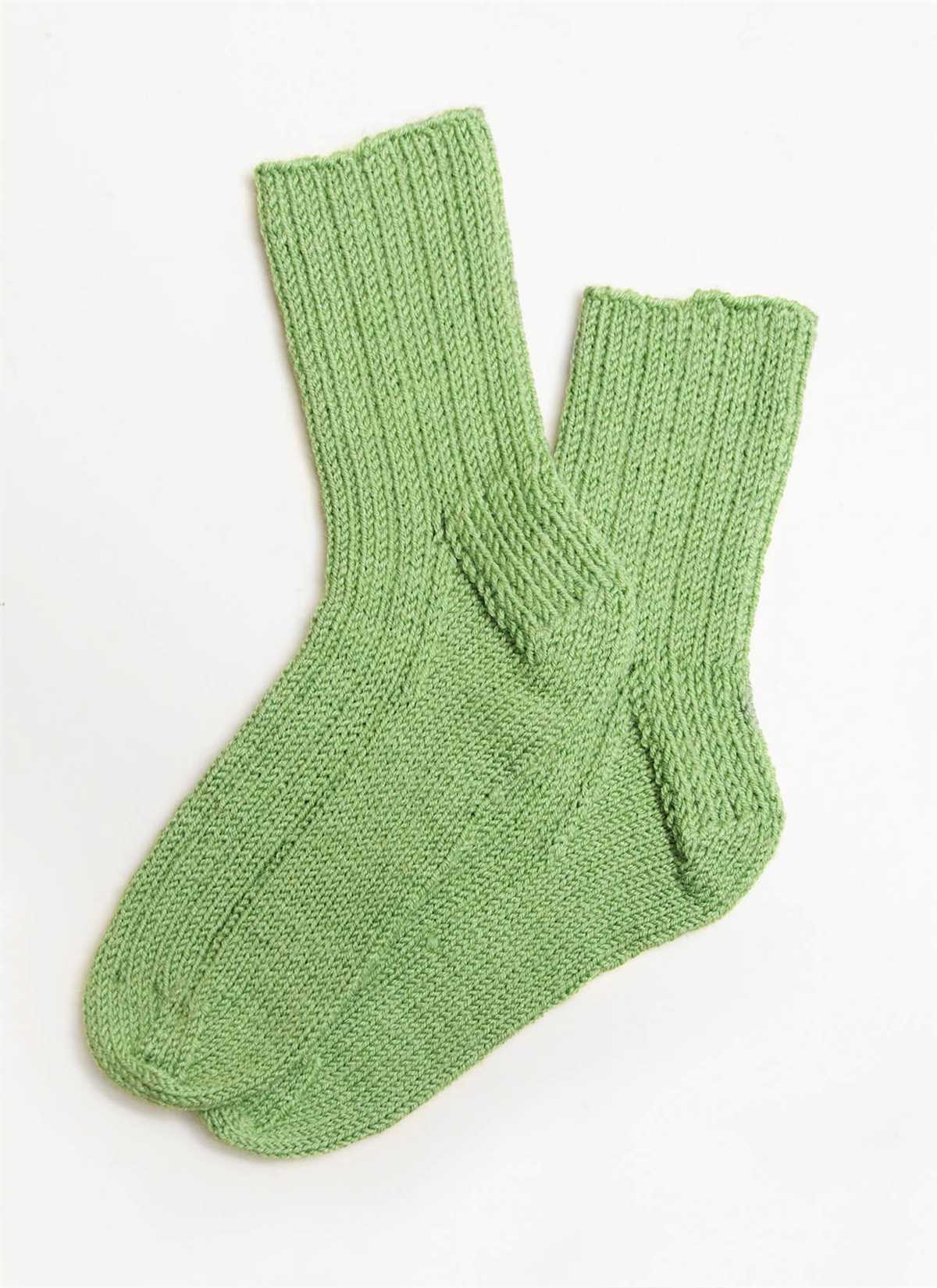
Knitted socks for children have numerous advantages that make them an ideal choice for keeping children’s feet warm and cozy. Firstly, knitted socks are made from soft and breathable materials, such as wool or cotton, which provide comfort and allow the feet to breathe, preventing excessive sweating and odors.
Additionally, knitted socks are often made with a seamless design, which eliminates any uncomfortable seams that can irritate sensitive skin and cause discomfort. This seamless design also ensures a better fit and reduces the risk of blisters or abrasions on children’s delicate skin.
Moreover, knitted socks often have a stretchy and flexible construction, allowing them to mold to the shape of the child’s foot and provide a snug fit without constricting blood flow. This feature not only enhances comfort but also promotes proper foot development in growing children.
Another advantage of knitted socks for children is their durability. Knitted socks are known for their strength and ability to withstand regular wear and tear, making them a long-lasting option for busy and active children. They can be easily washed and maintained, ensuring that they stay in good condition for a long time.
Furthermore, knitted socks offer a wide range of designs and patterns, adding a fun and playful element to children’s outfits. From vibrant colors to charming motifs, children can choose socks that reflect their personality and make getting dressed an enjoyable experience.
In conclusion, knitted socks are an excellent choice for children due to their comfort, seamless design, flexibility, durability, and attractive designs. These socks provide the perfect combination of functionality and style, ensuring that children’s feet stay warm, comfortable, and fashionable.
Essential tools for knitting children’s socks
Knitting children’s socks can be a fun and rewarding project, but having the right tools is essential to ensure a successful outcome. Here are some key tools that every knitter should have when making children’s socks:
1. Knitting Needles
A good set of knitting needles is one of the most important tools for knitting children’s socks. Durable and smooth needles made from materials like stainless steel or bamboo are ideal for this project. They should be the right size for the yarn you will be using, typically around size 2.5-3.5mm.
2. Yarn
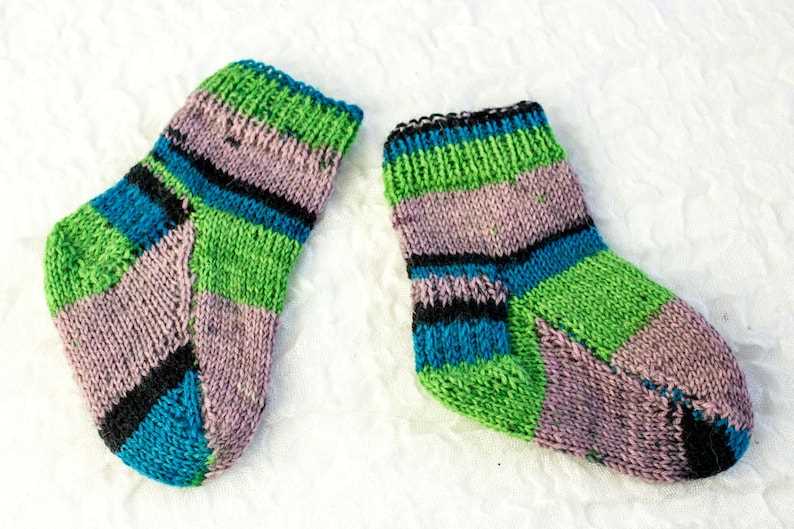
Choosing the right yarn is crucial for creating comfortable and durable children’s socks. Opt for a soft and stretchy yarn made from natural fibers, such as wool or cotton. It’s important to consider the weight of the yarn as well, with sport or fingering weight being popular choices for socks.
3. Stitch Markers
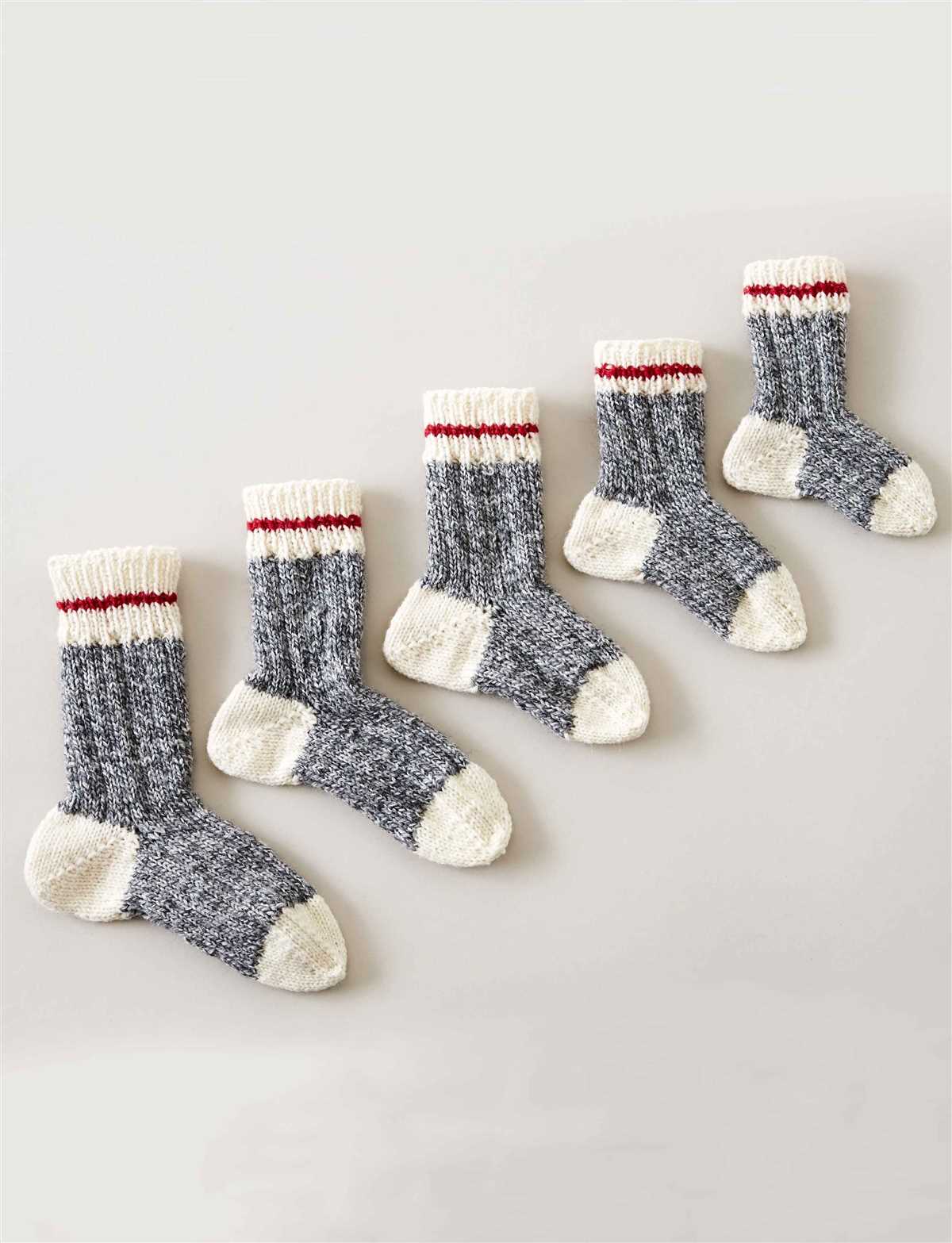
Using stitch markers can help you keep track of your progress and make it easier to follow the pattern. Place a marker at the beginning of each round or to mark specific stitch patterns. Make sure to choose markers that are easy to slip on and off the needles, like small plastic rings or locking stitch markers.
4. Tapestry Needles
Tapestry needles are essential for weaving in loose ends and finishing off your socks. Choose a blunt-tipped needle with a large eye that can accommodate the yarn you are using. These needles make it easier to sew in loose ends and give your socks a polished look.
5. Row Counter
A row counter is a handy tool for keeping track of your stitches and rows as you knit. This is especially useful when working on complex stitch patterns or when making socks with different sections. You can use a physical row counter that attaches to your needles or download a row counting app on your phone.
By having these essential tools at hand, you’ll be well-equipped to knit beautiful and comfortable children’s socks. So grab your knitting needles, yarn, and other tools, and get ready to create adorable and cozy socks for the little ones!
Understanding sock construction
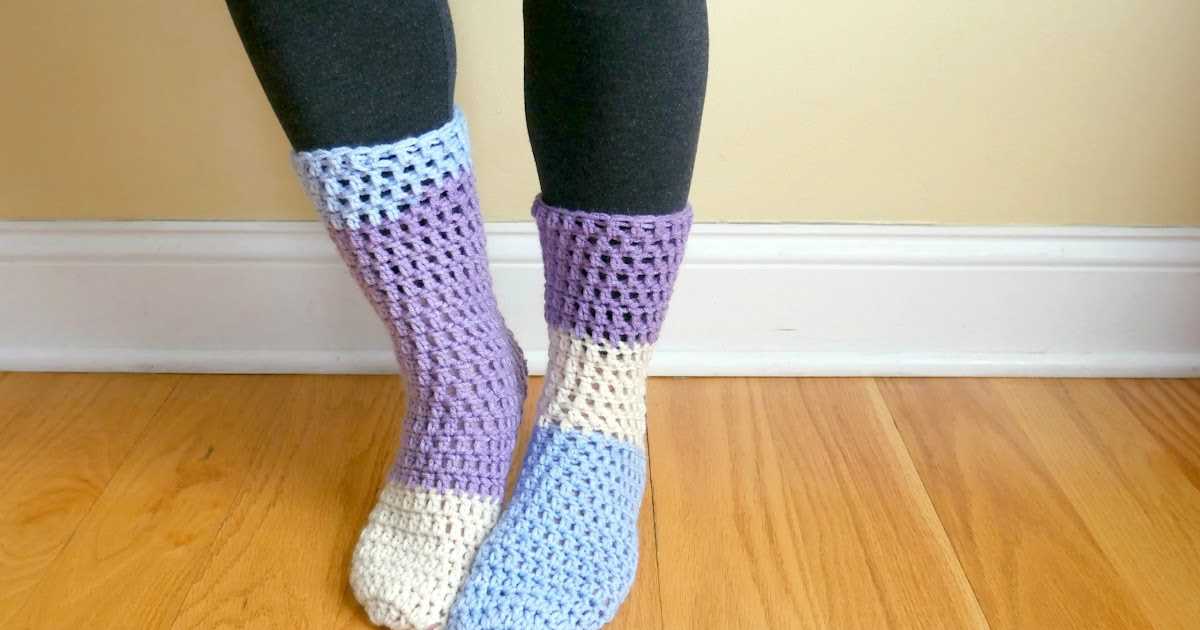
When it comes to knitting socks, it is important to understand the construction of the sock itself. Socks are typically knitted in the round, which means there are no seams to sew up in the end. This method is commonly used because it provides a comfortable and seamless fit.
Sock construction usually begins at the cuff, which is the ribbed part at the top of the sock. The ribbing helps to keep the sock in place and provides a stretchy and snug fit around the leg. Different patterns may use different types of ribbing, such as 1×1 or 2×2 rib, to achieve different effects.
From the cuff, the sock then transitions into the leg. The leg is usually worked in a plain stockinette stitch, which creates a smooth fabric. Depending on the pattern, the leg can be worked to any desired length. Some patterns may include textured stitches or lace panels to add interest to the leg of the sock.
Next, the sock transitions into the heel flap, which is worked back and forth in rows. The heel flap is typically worked with a slip stitch pattern, which creates a sturdy fabric and adds durability to the sock. After the heel flap is completed, stitches are then picked up along the edges to create the heel turn.
The heel turn is worked using short rows, which creates a curved shape that fits around the heel. This shaping helps to create a snug fit and prevents any gaps or bagginess in the sock. Once the heel turn is completed, the sock then transitions into the foot, which is worked in the same manner as the leg.
Finally, the sock is completed with the toe. In a traditional sock construction, the toe is usually worked using a type of decreasing method, such as the Kitchener stitch, to create a seamless and comfortable finish. Some patterns may also include a toe seam for added durability.
Important points to consider:
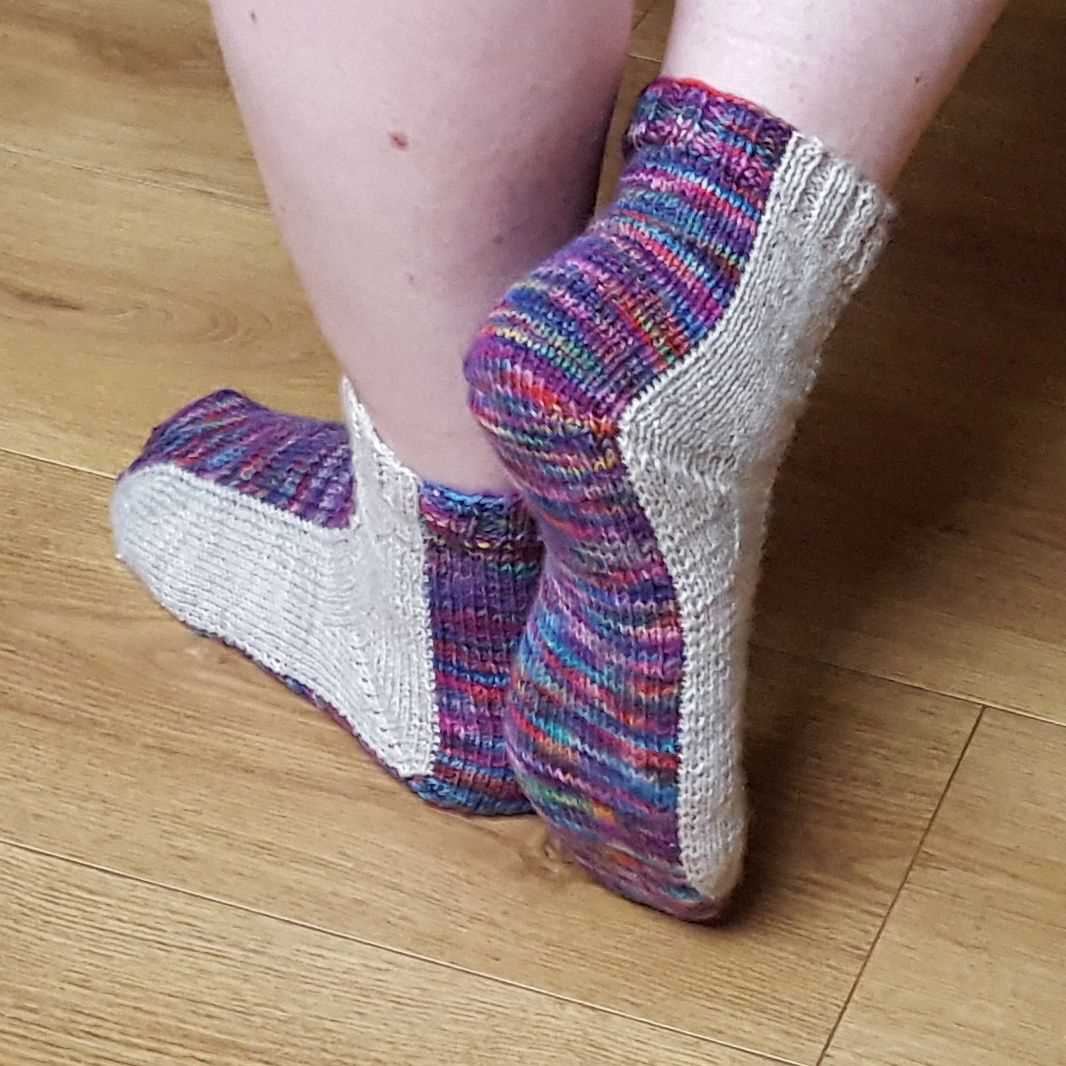
- Socks are typically knitted in the round to create a seamless fit.
- The construction begins at the cuff and transitions through the leg, heel, and foot.
- Heel flaps and turns are used to create a snug fit and prevent gaps in the sock.
- The toe is typically worked using a decreasing method to create a seamless finish.
Classic Ribbed Sock Pattern for Children
If you’re looking for a timeless and versatile sock pattern for children, the classic ribbed sock pattern is a perfect choice. With its simple yet stylish design, this pattern is suitable for both boys and girls and can be customized with different colors and yarns.
The ribbed pattern adds elasticity and ensures a snug fit, making these socks comfortable to wear and perfect for active kids. The pattern is also great for beginners, as it only requires basic knitting skills and is easily adjustable to different sizes.
To create these classic ribbed socks, you’ll need a set of double-pointed needles and a sock weight yarn. Start by casting on the desired number of stitches and distribute them evenly across three needles. Then, you can begin the ribbing pattern by alternating knit and purl stitches in each round.
For the foot section, you can continue the ribbing pattern or switch to plain stockinette stitch for a smoother finish. The heel and toe sections can be knitted using a different stitch pattern, such as garter stitch or a decorative pattern, to add some visual interest to the socks.
Once you’ve completed both socks, don’t forget to weave in the ends and block the socks to ensure a professional and polished look. Your children will love wearing these classic ribbed socks, and you can feel proud knowing you’ve created something both functional and fashionable.
Cute animal-themed sock pattern for children
If you’re looking for a fun and adorable knitting project for your little ones, this cute animal-themed sock pattern is perfect! These socks are not only cozy and warm, but they also feature cute animal designs that your kids will love.
The pattern includes instructions for knitting socks with different animal themes, such as cats, dogs, pandas, and bunnies. Each sock has a unique design that will make your child’s feet look extra cute and stylish. Whether they love cats or have a fascination with pandas, they’ll be excited to wear these socks every day!
To knit these animal-themed socks, you’ll need basic knitting skills and knowledge of techniques such as knitting in the round, making increases and decreases, and basic colorwork. The pattern provides detailed instructions and charts to help you create the perfect socks for your little ones.
The socks are knitted using soft and durable yarn, ensuring that they are comfortable to wear and can withstand plenty of playtime adventures. They are also designed to have a snug fit, so they stay on your child’s feet securely.
Not only are these animal-themed socks perfect for keeping your child’s feet warm, but they also make a great gift for birthdays or special occasions. Knitting these socks with love and care will create a lasting and cherished item that your child will enjoy for years to come.
Colorful Striped Sock Pattern for Children
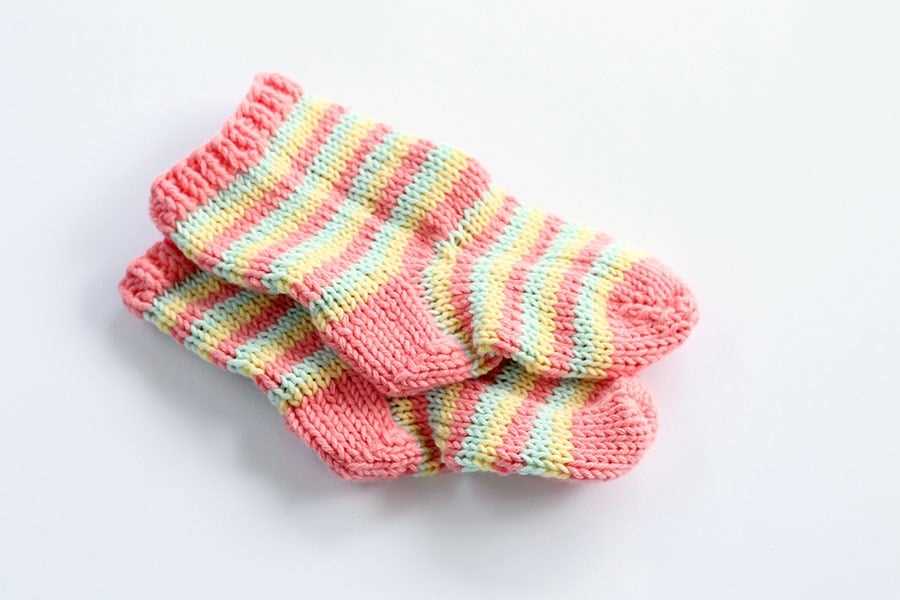
Looking for a fun and vibrant sock pattern for your little ones? Look no further than this colorful striped sock pattern for children. These socks are not only cozy and warm but also add a pop of color to any outfit.
The pattern features a variety of bright, contrasting colors that are sure to catch your child’s eye. With bold stripes running from the cuff to the toes, these socks are perfect for adding some fun and excitement to their wardrobe. Whether they’re wearing them with sneakers or boots, these socks will make a statement.
Materials Needed:
- Worsted weight yarn in various colors
- Size 4 double-pointed needles
- Tapestry needle
- Stitch markers
Instructions:
- Cast on the desired number of stitches (this will depend on the size of your child’s foot). Divide the stitches evenly across three needles (or four if you prefer).
- Join in the round, being careful not to twist the stitches.
- Work the desired number of rounds in a rib stitch pattern (e.g., k2, p2) for the cuff.
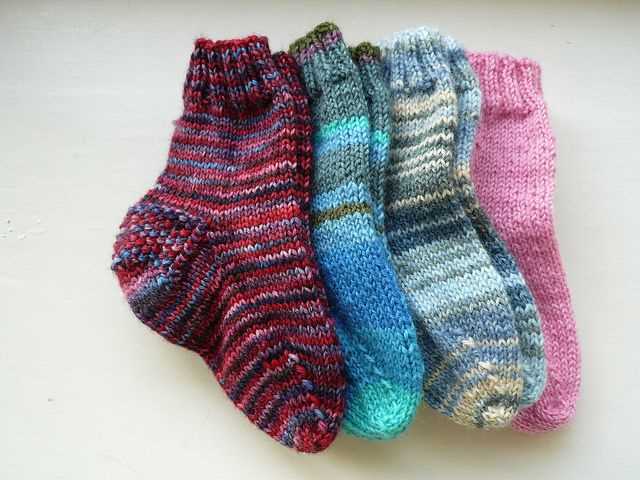
- Begin the striped pattern by knitting a round with the first color. Switch to the second color and continue knitting for another round. Repeat this pattern until you have achieved the desired number of stripes. Make sure to carry the unused yarn up the inside of the sock to avoid loose floats.
- Continue knitting in the round, maintaining the striped pattern, until the sock reaches the desired length.
- Shape the toe by decreasing stitches. You can choose to use a standard toe decrease or try a different method, like a star toe decrease, for added interest.
- Bind off the remaining stitches and weave in any loose ends.
These colorful striped socks are not only a joy to knit but also a delight for little feet to wear. Get creative with your color choices and make each pair unique. Your children will love showing off their colorful and cozy socks!
Using different stitches for unique patterns
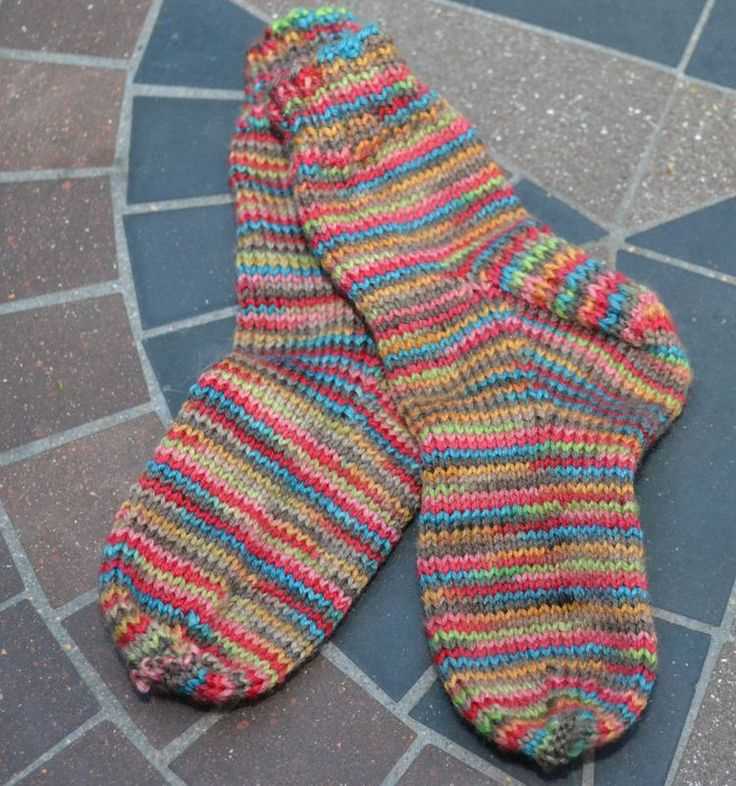
When it comes to knitting children’s socks, using different stitches can create unique and interesting patterns. By incorporating various knitting techniques, you can make each sock design stand out and showcase your creativity. One of the advantages of using different stitches is that it allows you to customize the pattern according to your own preferences and the child’s taste.
Ribbing stitch: One of the most common stitches used in children’s socks is the ribbing stitch. This stitch creates a stretchy and snug fit, making it perfect for keeping little feet warm and cozy. It is commonly used for the cuff and sometimes for the entire sock to ensure a comfortable and secure fit.
- Cable stitch: The cable stitch is another popular choice for creating unique and visually appealing patterns on children’s socks. This stitch involves crossing stitches over each other to create a twisted effect. By incorporating cable stitches into your sock design, you can add a touch of sophistication and complexity.
- Seed stitch: The seed stitch is a simple yet effective stitch pattern that can add texture and visual interest to children’s socks. It consists of alternating knits and purls, creating a bumpy and textured fabric. This stitch works well for both plain and patterned socks, providing a subtle and interesting detail.
- Fair Isle stitch: The Fair Isle stitch is a traditional knitting technique that involves working with multiple colors in a single row. By using this stitch, you can create beautiful and intricate patterns on children’s socks. Fair Isle patterns often feature colorwork and geometric designs, making them perfect for adding a pop of color and visual appeal to the socks.
Using different stitches in children’s sock knitting not only adds visual interest but also allows you to explore your creativity and make each pair of socks unique. Whether you choose to incorporate ribbing, cables, seed stitch, or Fair Isle patterns, you can create socks that are not only functional but also fun to knit and wear.
Sizing and adjusting patterns for children’s socks
When it comes to knitting children’s socks, finding the right size is essential to ensure a comfortable fit. While many knitting patterns provide standard sizes, it’s important to remember that children’s feet can vary greatly in size. Therefore, it may be necessary to adjust the pattern to suit your child’s individual measurements.
Measuring the foot: Before starting a project, it is recommended to measure the child’s foot accurately. This can be done by placing a ruler or measuring tape against the bottom of the foot and measuring from the heel to the longest toe. Take note of this measurement as it will serve as a reference when adjusting the pattern.
Adjusting the pattern: If the desired sock size is not provided in the pattern, it is possible to adjust it by modifying the stitch count. To do this, calculate the gauge by knitting a swatch and measuring the number of stitches per inch. From there, divide the foot measurement by the gauge and round to the nearest whole number. This will give you the approximate number of stitches to cast on. It may be necessary to add or subtract a few stitches to ensure a snug fit.
When making adjustments, keep in mind that socks should have some negative ease to ensure they stay in place. It is also important to consider the stretchiness of the yarn being used and make adjustments accordingly. Additionally, knitting a test sock or consulting a knitting resource for guidance on sizing and adjusting patterns can be helpful.
By taking the time to measure and adjust the pattern, you can create custom-fitted socks that will keep your child’s feet cozy and comfortable.
Tips for knitting socks quickly
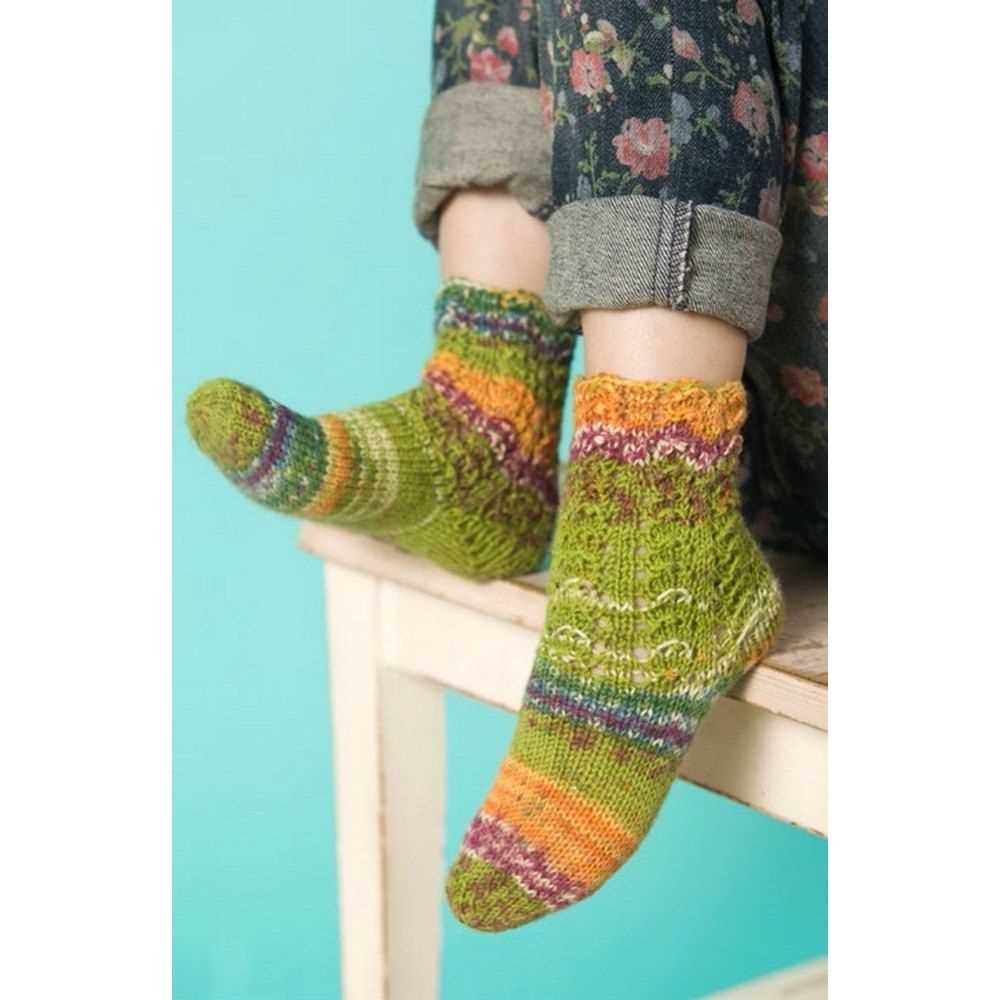
Knitting socks can be a fun and rewarding project, but it can also be time-consuming. If you’re looking to speed up your sock knitting process, here are some tips to help you knit socks quickly:
1. Use thicker yarn:
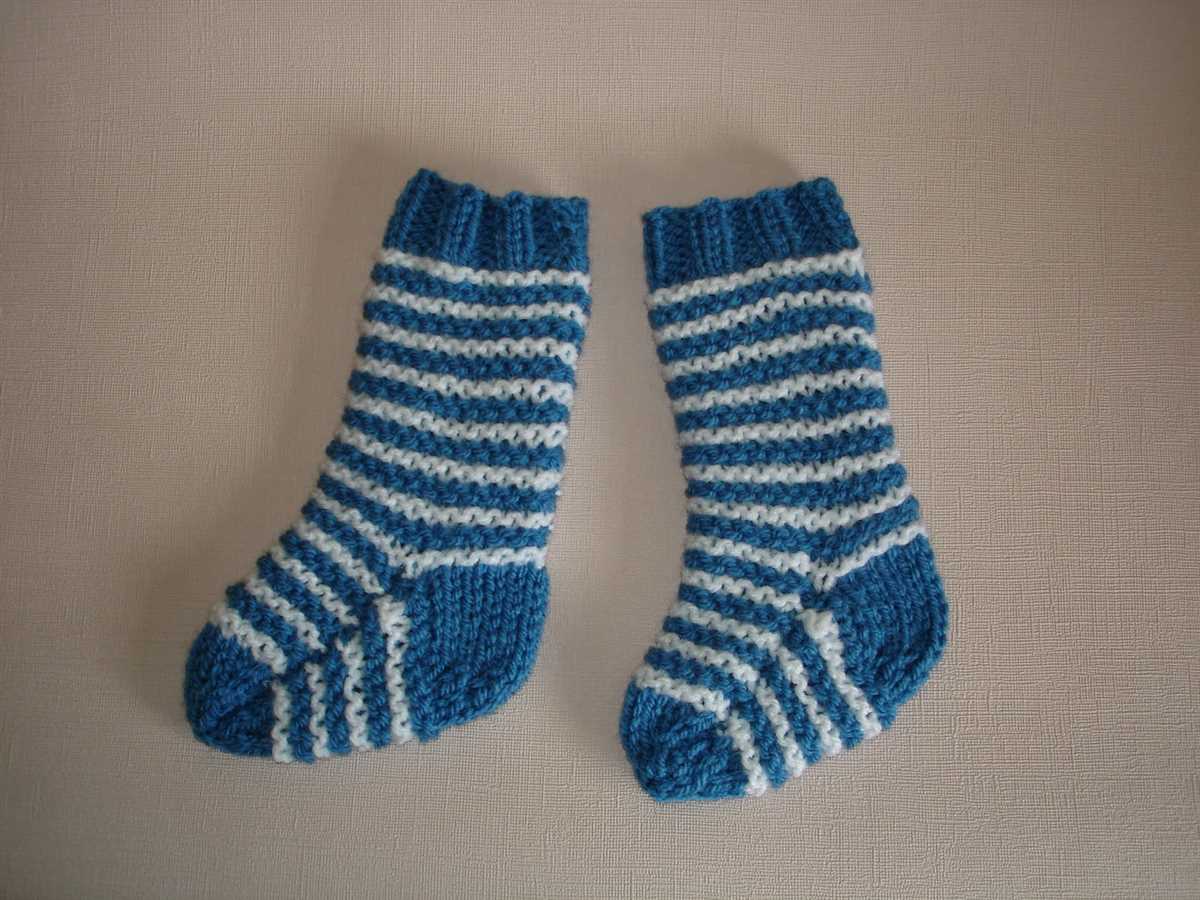
Choosing a thicker yarn can significantly speed up your knitting progress. Thicker yarn means fewer stitches, which means quicker knitting. Consider using a worsted or bulky weight yarn for your socks.
2. Use circular needles:
- Using circular needles can help you knit faster by eliminating the need to constantly turn your work.
- With circular needles, you can knit in the round, making it easier to complete each round without stopping.
- This can also help prevent ladders from forming between your needles.
3. Knit two socks at once:
Knitting two socks at once can be a time-saving technique, especially if you tend to get bored or lose motivation when knitting repetitive patterns.
4. Avoid complicated patterns:
Choosing simple and easy-to-memorize stitch patterns can speed up your sock knitting process.
5. Use stitch markers:
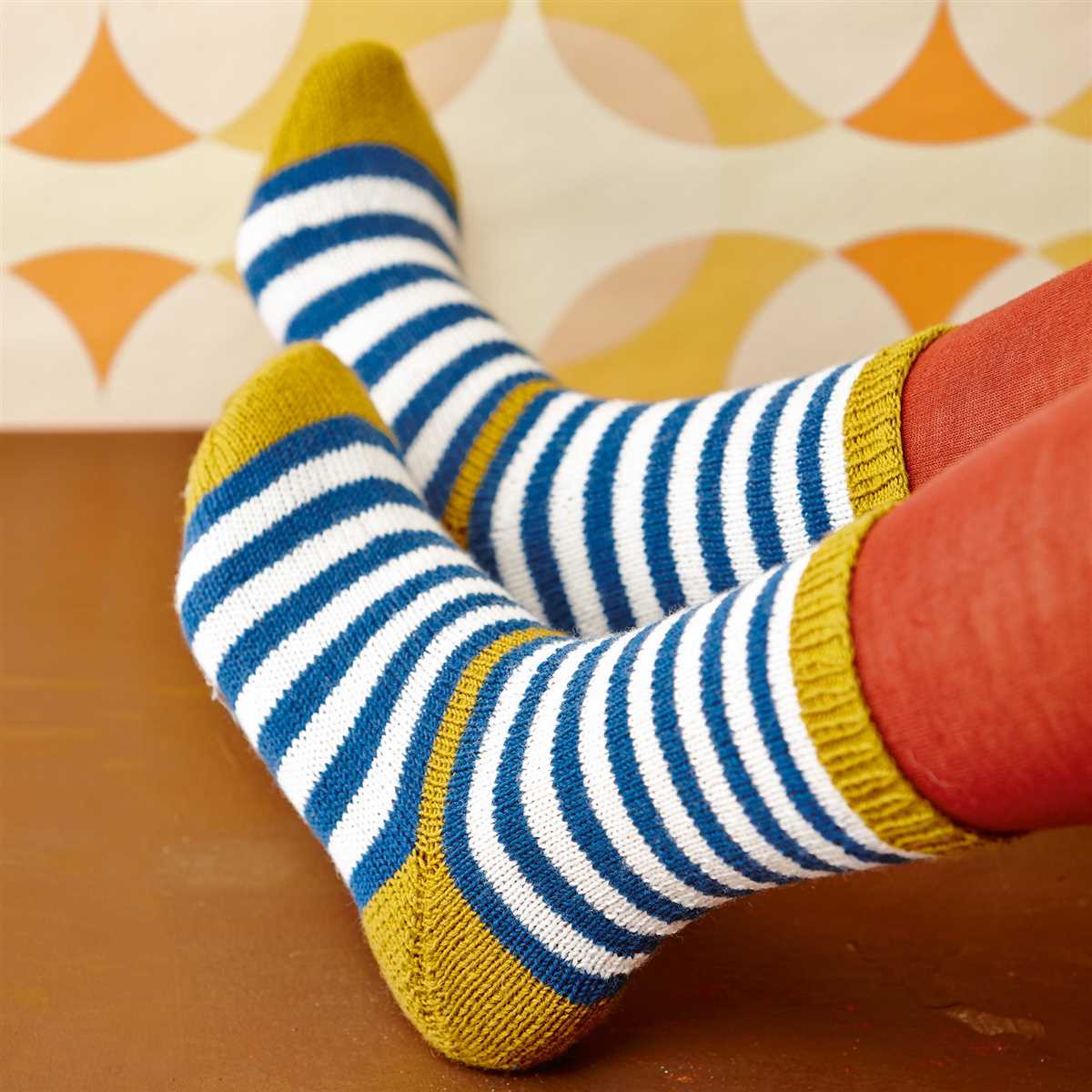
- Using stitch markers can help you keep track of your progress and prevent mistakes.
- With stitch markers, you can easily identify the beginning of each round and ensure that you are following the pattern correctly.
6. Practice efficient knitting techniques:
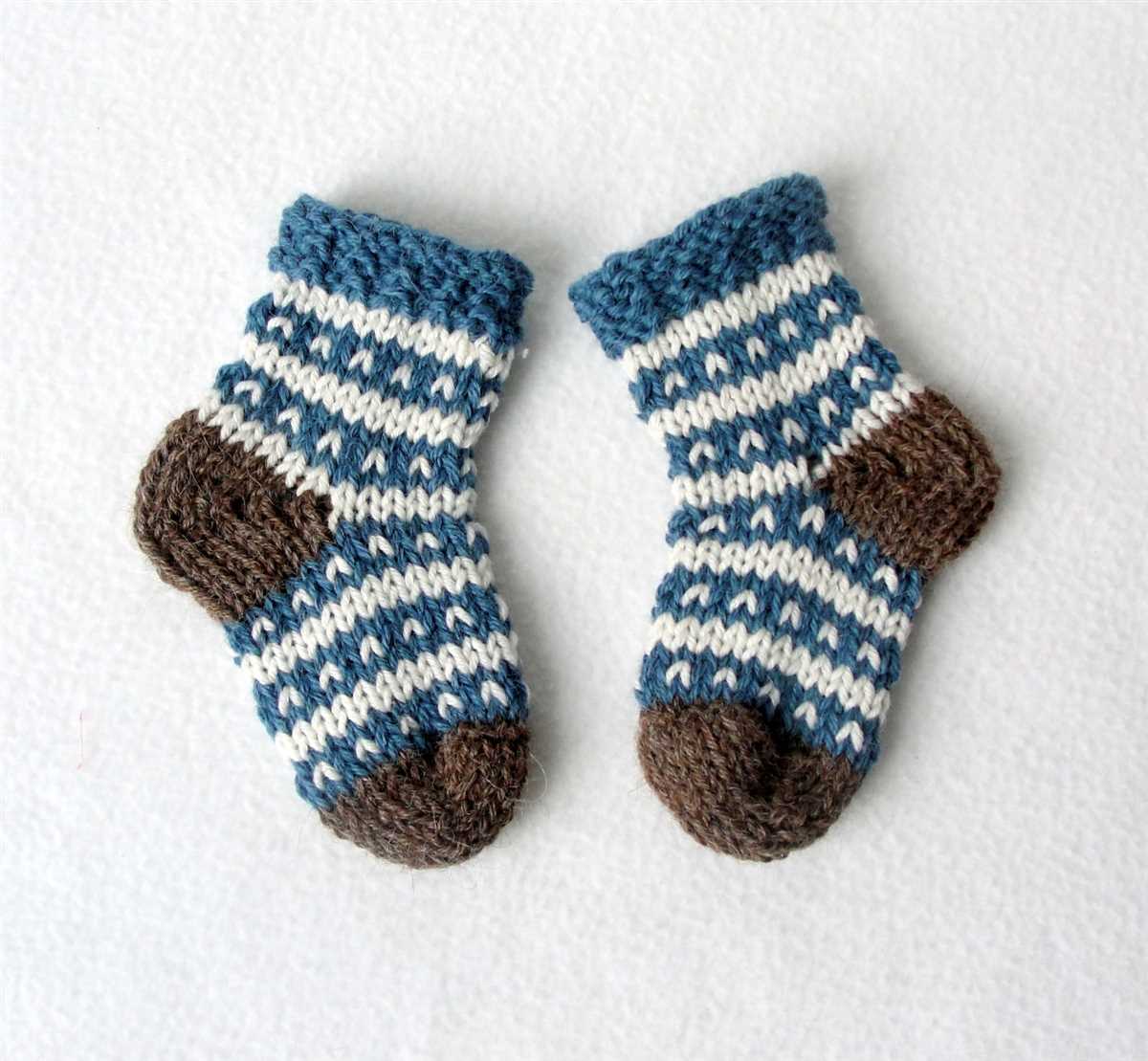
- Learning efficient knitting techniques, such as the magic loop method or the continental knitting style, can help you knit faster.
- These techniques can enable you to work with more speed and precision, resulting in quicker sock knitting.
By following these tips, you can speed up your sock knitting process and create beautiful socks for yourself or your loved ones in no time.
Troubleshooting common sock knitting problems
Knitting socks can be both fun and rewarding, but it can also come with its fair share of challenges. Here, we discuss some common problems that knitters may encounter while working on children’s knitted sock patterns and offer solutions to overcome them.
1. Uneven stitches or tension issues
If you notice that the stitches on your sock are turning out uneven or your tension seems off, it could be due to a few factors. One possibility is that you may be unintentionally switching between knitting styles, such as from English to Continental or vice versa. Consistency in your knitting style is crucial for achieving even stitches. Another reason could be using different types or sizes of knitting needles while working on your project. Double-check that you are using the correct size and type of needles as specified in the pattern.
2. Twisted stitches or twisted cables
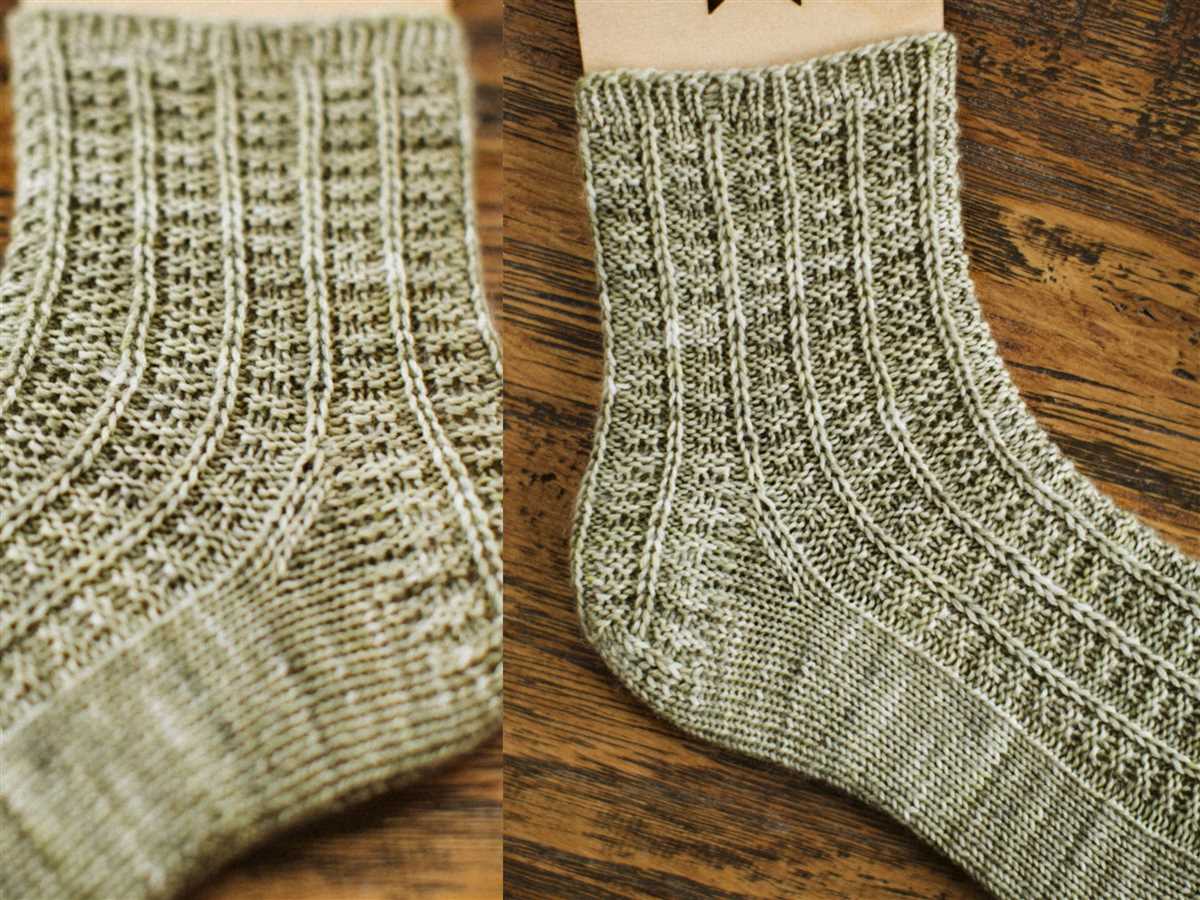
Twisted stitches or cables that are not aligned properly can be frustrating and affect the overall look of your sock. One common cause of twisted stitches is accidentally knitting into the back loop of a stitch instead of the front loop. To avoid this, make sure to insert your needle into the front loop of each stitch when knitting. If you are working on a cable pattern, pay close attention to the instructions and make sure the cables are crossing in the correct direction. Using cable needles can help with keeping the cables in order and prevent twisting.
3. Sock turning out too big or too small
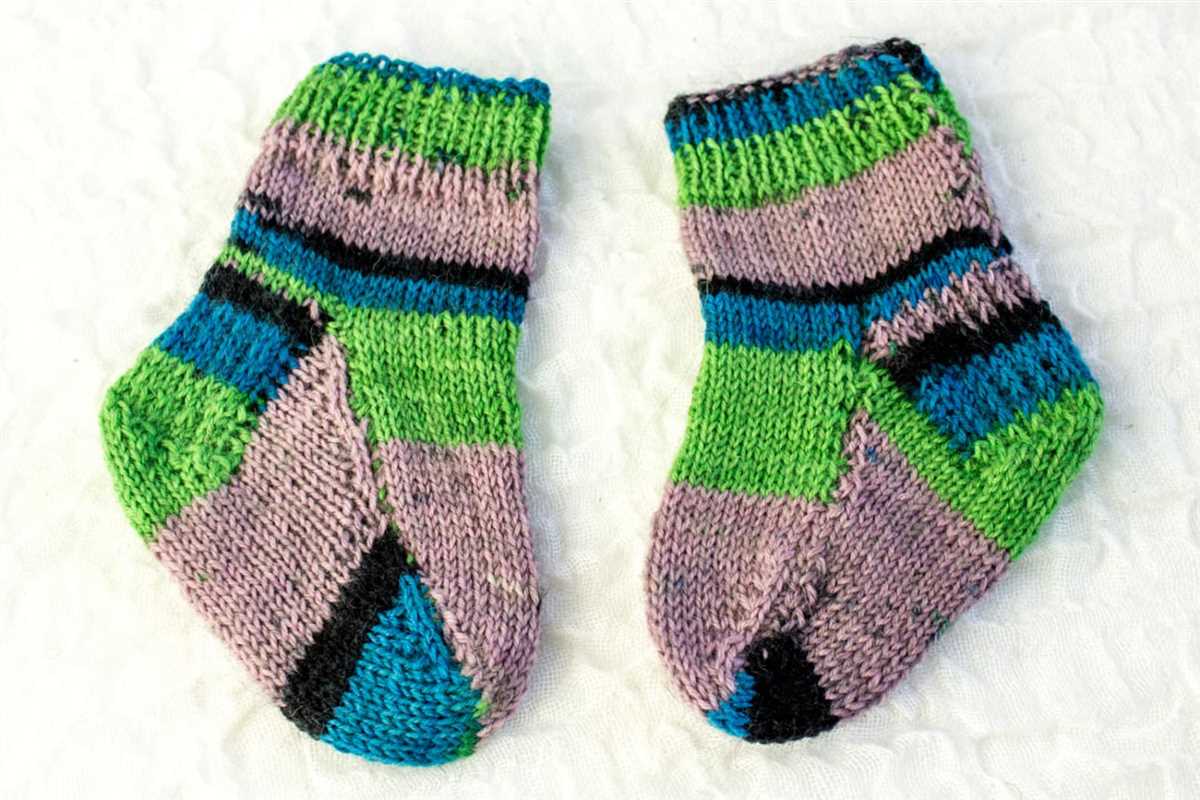
Getting the right size for your child’s sock is crucial for a comfortable fit. If your sock is turning out too big or too small, it may be due to incorrect gauge or tension. Always make sure to check your gauge before starting the project and adjust your needle size if necessary. Additionally, pay attention to any specific instructions in the pattern regarding size adjustments or modifications. If you need to make alterations, such as adding or removing stitches, do so in a way that maintains the integrity of the pattern.
4. Yarn tangling or splitting
Tangling or splitting yarn can be frustrating while knitting socks, especially if you are using a delicate or loosely spun yarn. To prevent tangling, consider using a yarn holder or wrapping your yarn around your fingers to create tension. If your yarn keeps splitting, try using smoother needles or adjusting your tension. In some cases, changing to a different type or brand of yarn may also solve the problem.
While these are some common problems knitters may face when working on children’s knitted sock patterns, they can all be overcome with patience and practice. Remember to carefully read and follow the pattern instructions, take your time, and don’t hesitate to reach out for help or advice from fellow knitters if needed. Happy knitting!
Resources for finding more free children’s sock patterns
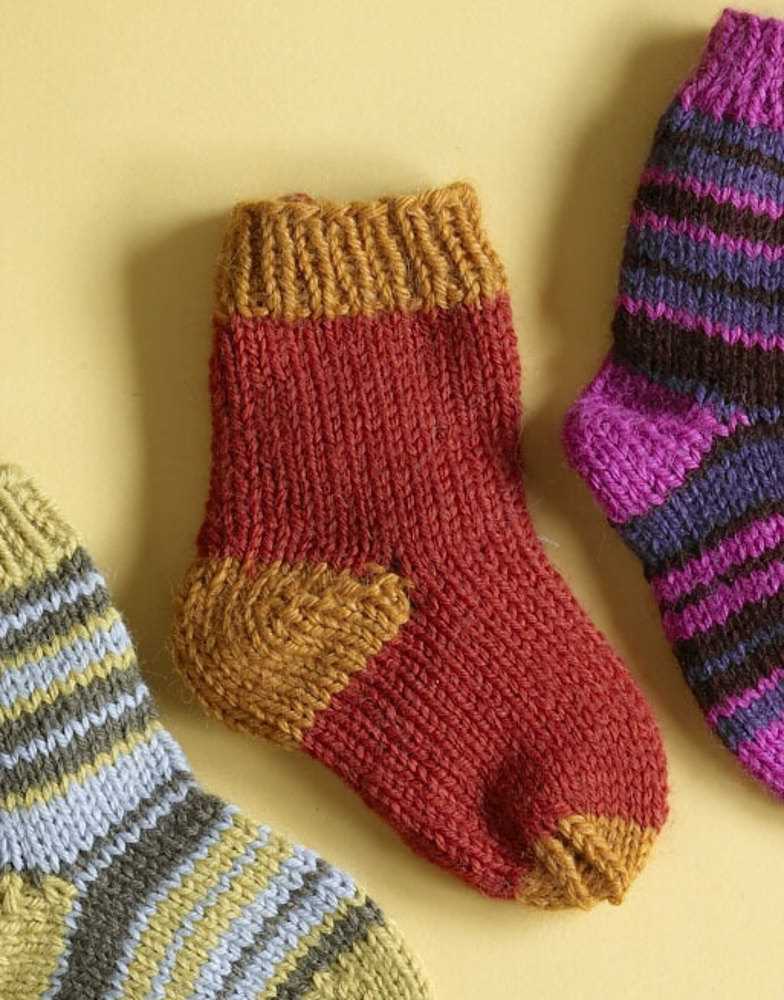
In addition to the patterns mentioned above, there are many other resources available online where you can find free children’s sock patterns. These resources provide a wide variety of patterns for different skill levels and design preferences.
Here are some of the popular websites and platforms where you can find more free children’s sock patterns:
- Ravelry: Ravelry is a community website for fiber artists and knitters. It has a vast collection of patterns, including children’s sock patterns. You can search and filter patterns by various criteria such as age, skill level, and construction method.
- Knitty: Knitty is an online knitting magazine that publishes free knitting patterns. They have a dedicated section for children’s patterns, where you can find a variety of sock patterns for kids.
- LoveCrafts: LoveCrafts is an online platform for knitting, crochet, and other crafts. They have a section for free patterns, including children’s sock patterns. You can explore their collection and find patterns suitable for your needs.
- AllFreeKnitting: AllFreeKnitting is a website that features free knitting patterns from various designers and brands. They have a section specifically for children’s patterns, where you can find both knit and crochet sock patterns for kids.
Remember to check the skill level and gauge requirements of each pattern before starting your project. Also, don’t forget to read user reviews and ratings to get an idea of the pattern’s accuracy and clarity.
With these resources, you’ll be able to find a wide range of free children’s sock patterns to inspire your knitting projects. Happy knitting!