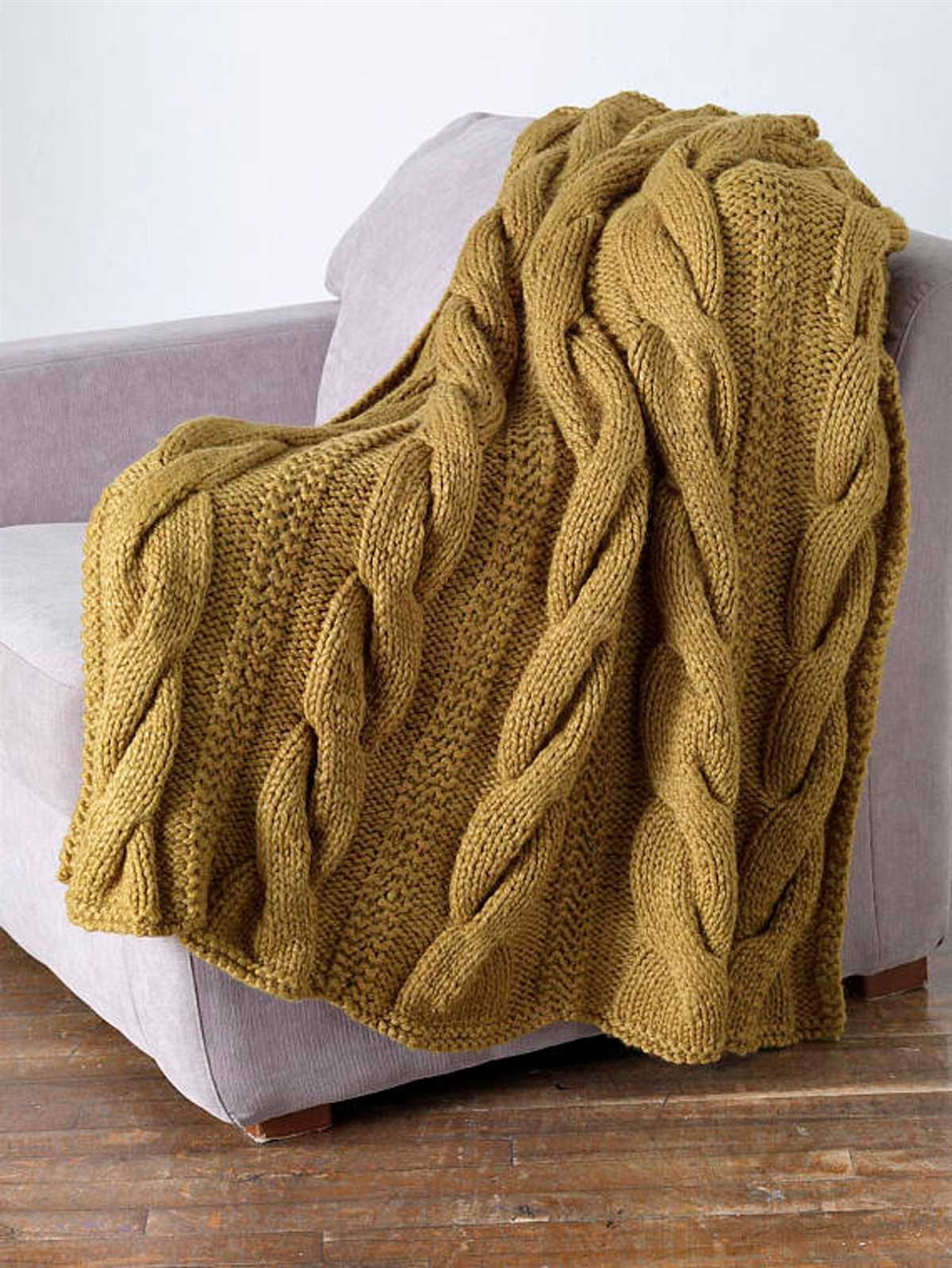
When it comes to cozying up during the colder months, there’s nothing quite like wrapping yourself in a chunky knit blanket. These blankets not only provide warmth but also add a touch of style to any space. The best part is, you can create your very own chunky blanket with a simple hand-knitting pattern.
If you have always wanted to try your hand at knitting but felt intimidated by complex patterns, this chunky blanket pattern is perfect for beginners. With just a few basic stitches and some chunky yarn, you’ll be able to create a beautiful blanket in no time.
The key to a chunky blanket lies in the thickness of the yarn and the size of the knitting needles. By using extra thick yarn and oversized needles, your finished blanket will have a cozy, luxurious feel. Plus, the larger stitches make the project progress quickly, meaning you can enjoy your blanket sooner rather than later.
The Ultimate Chunky Blanket Hand Knit Pattern: Create Your Own Cozy Masterpiece!

Are you ready to snuggle up in the warmest and coziest blanket you’ve ever wrapped yourself in? Look no further than the ultimate chunky blanket hand knit pattern! With this pattern, you’ll be able to create your very own masterpiece that will not only keep you warm but also add a touch of luxury to any room.
Materials: To get started on your chunky blanket, you’ll need some essential materials. Grab a pair of large knitting needles, around size 50, and a bunch of super bulky yarn. The yarn should be soft and squishy, making your blanket extra comfortable. Choose your favorite color or mix and match for a unique design.
Step-by-Step Instructions:

- Cast on: Start by casting on a multiple of stitches according to the size of blanket you want. For a standard throw blanket, you can cast on around 50 stitches, but feel free to adjust depending on your desired size.
- Knit stitch: Once you’ve cast on, it’s time to start knitting. Use the knit stitch to create beautiful rows of soft and chunky goodness. Continue knitting until your blanket reaches the desired length.
- Binding off: Once you’re happy with the length of your blanket, it’s time to bind off. Simply knit two stitches, then pull the first stitch over the second stitch and off the needle. Repeat this process until you have one stitch left. Cut the yarn, leaving a long tail, and pull it through the final stitch to secure it.
- Finishing touches: To make your blanket extra special, you can add some finishing touches. Consider adding a fringe by cutting several long strands of yarn and folding them in half. Insert the folded end through a space between stitches and pull the loose ends through the loop. Repeat this across the edge of your blanket for a beautiful fringe detail.
And there you have it! With just a few simple steps, you can create your very own cozy masterpiece. Wrap yourself in the warmth and comfort of your hand-knitted chunky blanket and enjoy those cool evenings with a touch of luxury.
Why Chunky Blankets are All the Rage in Home Decor
Chunky blankets have become a popular element in home decor, adding a cozy and stylish touch to any space. These oversized, hand-knit blankets are not only functional but also serve as a statement piece in the room. The chunky texture and luxurious feel of these blankets create a warm and inviting atmosphere, making them a must-have for any home.
One of the reasons why chunky blankets are all the rage in home decor is their versatility. They can be used in various settings, from living rooms to bedrooms, and even outdoor spaces. Their neutral colors and natural fibers allow them to blend seamlessly with any interior design style, whether it’s modern, bohemian, or farmhouse. These blankets can be draped over a sofa or bed, folded neatly on a chair, or even displayed as wall art.
Another factor that contributes to the popularity of chunky blankets is their DIY appeal. Many people are now opting to make their own blankets using chunky yarn and large knitting needles. This trend has gained traction on social media platforms, with countless tutorials and patterns available for aspiring knitters. The process of hand knitting a chunky blanket allows individuals to personalize their home decor and create a unique piece that reflects their own style and personality. It also adds a sense of accomplishment and pride to those who take on the challenge.
In conclusion, chunky blankets have become a must-have item in home decor due to their cozy texture, versatile design, and DIY appeal. Whether bought or handmade, these blankets add warmth and style to any space, making them a popular choice among homeowners and interior design enthusiasts.
Choosing the Right Yarn and Needles for Your Chunky Blanket
When it comes to creating a cozy and chunky blanket, one of the most important decisions you’ll need to make is choosing the right yarn and needles. The yarn you choose will determine the overall look and feel of your blanket, while the needles will affect the size and texture. Here are some factors to consider when making your selection.
Yarn Weight: The weight of the yarn is crucial in achieving the desired chunky look for your blanket. Look for yarns that are labeled as “super bulky” or “chunky” to ensure they are thick enough. These types of yarns are typically made with multiple strands of fiber, creating a dense and warm fabric.
Yarn Material: Consider the material of the yarn based on your preferences and intended use of the blanket. Natural fibers like wool and alpaca are known for their warmth and durability, while synthetic fibers like acrylic offer a wider range of colors and are often more affordable. You can also find blends that combine different materials for the best of both worlds.
Needle Size: The size of the needles you use will determine the final drape and texture of your blanket. For a chunky blanket, opt for larger-sized needles, such as size 19 or 25. These larger needles will create larger stitches and a looser fabric, resulting in a cozier and more dimensional blanket.
Knitting Technique: Additionally, consider your knitting technique when choosing your needles. If you prefer to knit tightly, you may need to adjust your needle size accordingly to achieve the desired chunkiness. Experimenting with different needle sizes and knitting samples can help you find the perfect combination for your project.
Color and Texture: Finally, don’t forget to consider the color and texture of the yarn for your chunky blanket. Opt for neutral tones for a classic and versatile look, or go bold with vibrant colors to make a statement. You can also consider yarns with additional texture or unique fibers, like boucle or mohair, to add visual interest to your blanket.
In conclusion, when choosing the right yarn and needles for your chunky blanket, consider the weight and material of the yarn, the size of the needles, your knitting technique, and the color and texture of the yarn. By taking these factors into account, you’ll be able to create the perfect cozy blanket that meets your style and comfort preferences.
Getting Started: Casting On and Basic Knitting Stitches

When beginning your knitting project, the first step is to cast on the desired number of stitches onto your knitting needle. Casting on is the process of creating the foundation row of stitches. There are several different methods for casting on, but one of the most commonly used methods is the long tail cast on. This method involves creating a slip knot at the end of the yarn and then using the tail and working yarn to form each stitch.
Once you have cast on your stitches, it’s time to start working the basic knitting stitches. The two most fundamental stitches in knitting are the knit stitch and the purl stitch. The knit stitch creates a smooth, V-shaped pattern on the right side of the fabric, while the purl stitch creates a bumpy, textured pattern on the right side.
Knit Stitch
To work the knit stitch, insert the right needle into the first stitch on the left needle from front to back. Wrap the working yarn clockwise around the right needle, and then use the right needle to pull the loop of yarn through the stitch, slipping the old stitch off the left needle. Repeat this process for each stitch, creating a row of knit stitches.
Purl Stitch
The purl stitch is worked similarly to the knit stitch, but instead of inserting the right needle from front to back, it is inserted from back to front. The working yarn is wrapped counterclockwise around the right needle, and the loop of yarn is pulled through the stitch, slipping the old stitch off the left needle. Repeat this process for each stitch, creating a row of purl stitches.
By alternating between the knit stitch and the purl stitch, you can create a variety of different stitch patterns and textures in your knitting project. Practice these basic knitting stitches until you feel comfortable with the technique, and then you can move on to more advanced stitch patterns and techniques.
Understanding the Chunky Blanket Pattern: Stitch Counts and Measurements
When it comes to knitting a chunky blanket, understanding stitch counts and measurements is crucial for achieving the desired outcome. Whether you are a beginner or an experienced knitter, knowing how to properly interpret and follow the pattern’s instructions will make the process much easier.
Stitch counts: The chunky blanket pattern will specify the number of stitches required for each row or section. It is important to carefully count your stitches as you work to ensure that you have the correct number. The pattern may also include instructions for increasing or decreasing stitches to create specific patterns or shapes within the blanket.
Measurements: The measurements provided in the pattern will guide you in creating a blanket of the desired size. It will typically include the dimensions for both the width and length of the blanket. Make sure to pay attention to these measurements and check your work periodically to ensure that you are on track.
It is also important to consider the gauge of your knitting when following the chunky blanket pattern. The gauge refers to the number of stitches and rows per inch, which can vary depending on the type of yarn and needles used. To achieve the desired gauge, it is recommended to create a swatch before starting the blanket to ensure that your stitches match the pattern’s requirements.
Table:
| Stitch Instructions | Stitch Count |
|---|---|
| Cast on | 80 stitches |
| Row 1: Knit all stitches | 80 stitches |
| Row 2: Purl all stitches | 80 stitches |
| Repeat rows 1 and 2 until desired length | 80 stitches |
| Cast off | 0 stitches |
As shown in the table above, the stitch count remains constant throughout the knitting pattern, indicating that no increases or decreases are required. Following these instructions and paying attention to the provided stitch counts and measurements will help you successfully complete your chunky blanket project.
Adding Texture and Style: Advanced Stitch Patterns for Your Blanket

When you are looking to take your chunky blanket hand knit pattern to the next level, incorporating advanced stitch patterns can be a great way to add texture and style. These stitch patterns can create unique and eye-catching designs that will make your blanket stand out.
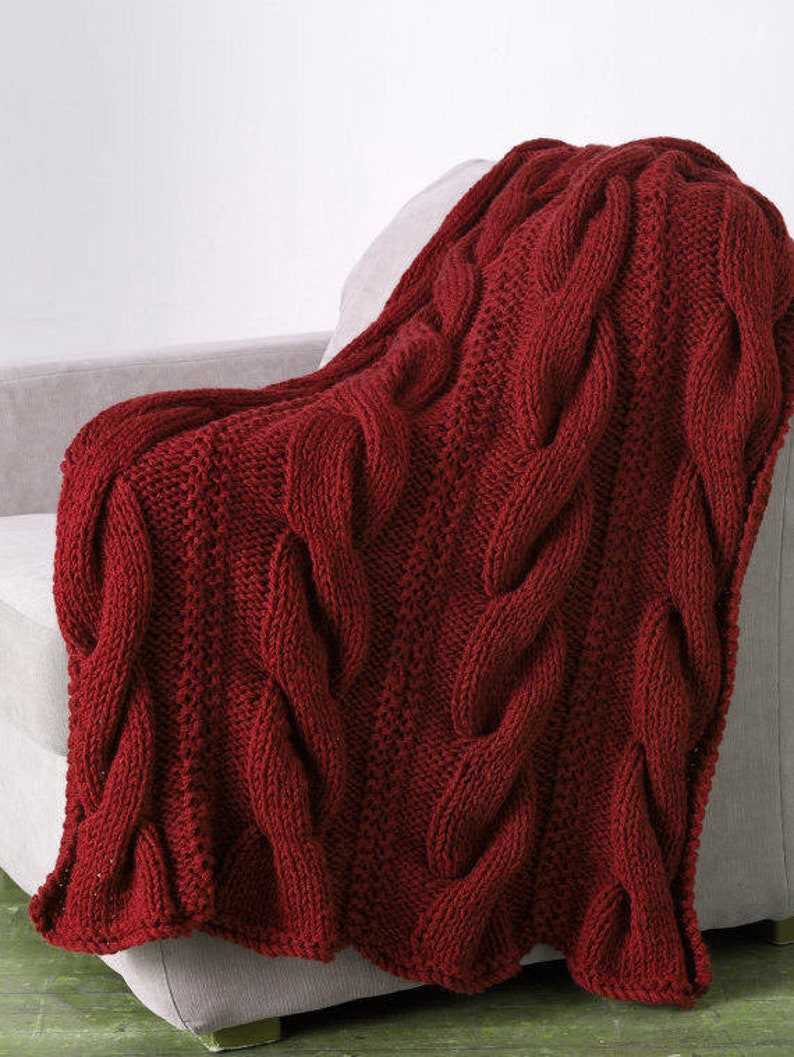
Cable Knit Stitch: One popular advanced stitch pattern is the cable knit stitch. This stitch creates a twisted, interlocking pattern that resembles the cables of a sweater. By incorporating cable knit stitches into your blanket, you can add depth and visual interest.
Lace Stitch: For a delicate and ethereal look, consider using a lace stitch pattern. Lace stitches are often characterized by the use of yarn-overs and decreases to create intricate and openwork designs. This can add a feminine and elegant touch to your chunky blanket.
Bobble Stitch: If you want to add some playful texture to your blanket, the bobble stitch is a great choice. Bobble stitches create small, raised bumps that give the blanket a fun and tactile element. This stitch pattern is perfect for a cozy and whimsical blanket.
These are just a few examples of advanced stitch patterns that you can incorporate into your chunky blanket hand knit pattern. Experimenting with different stitch patterns can help you create a blanket that is not only warm and cozy but also visually stunning. Don’t be afraid to mix and match stitch patterns to create a truly one-of-a-kind design.
- Cable Knit Stitch
- Lace Stitch
- Bobble Stitch
Tips and Tricks for Maintaining Consistent Tension and Gauge
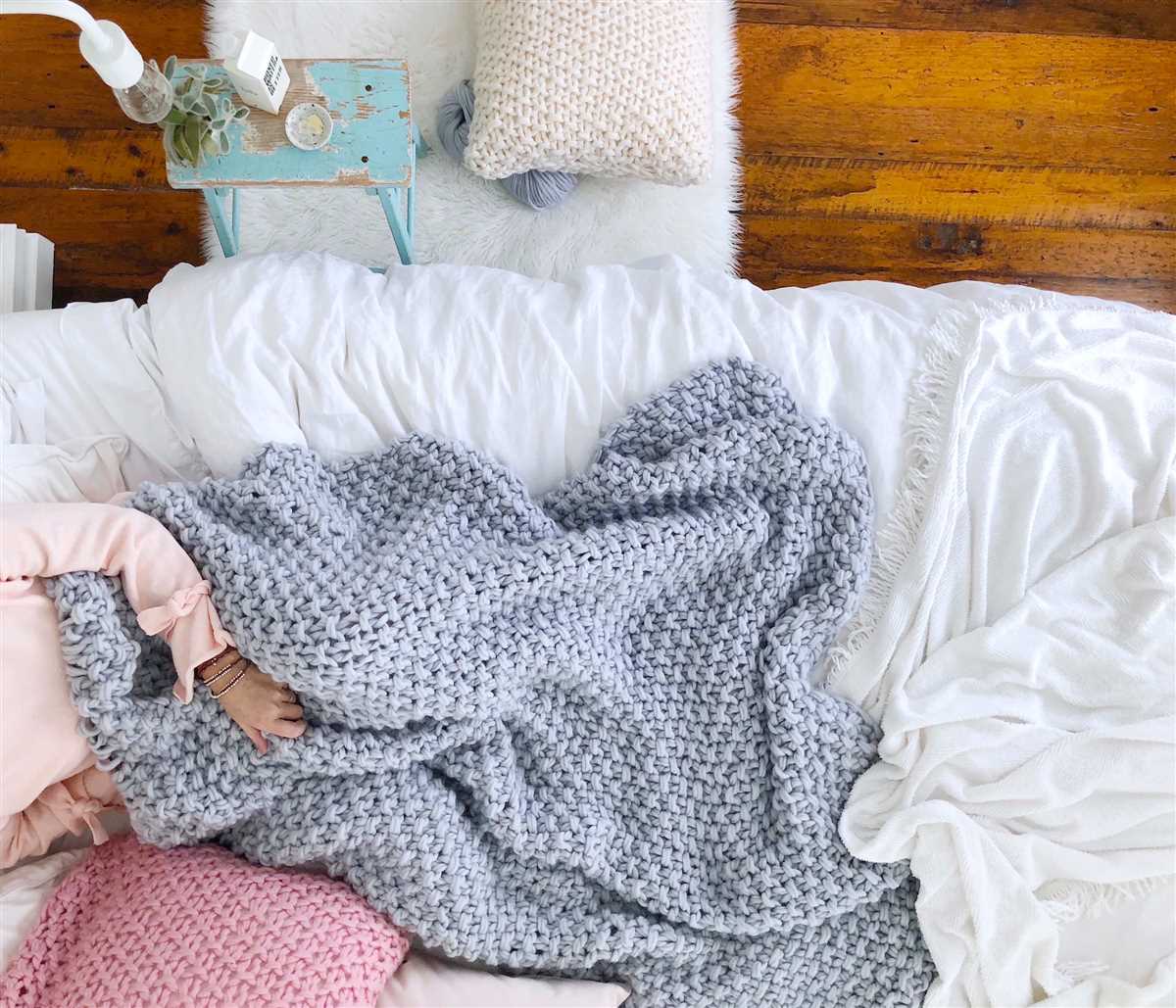
When knitting a chunky blanket by hand, maintaining consistent tension and gauge is crucial to ensure that your finished project turns out well. Here are some tips and tricks to help you achieve the desired results:
1. Choose the right yarn
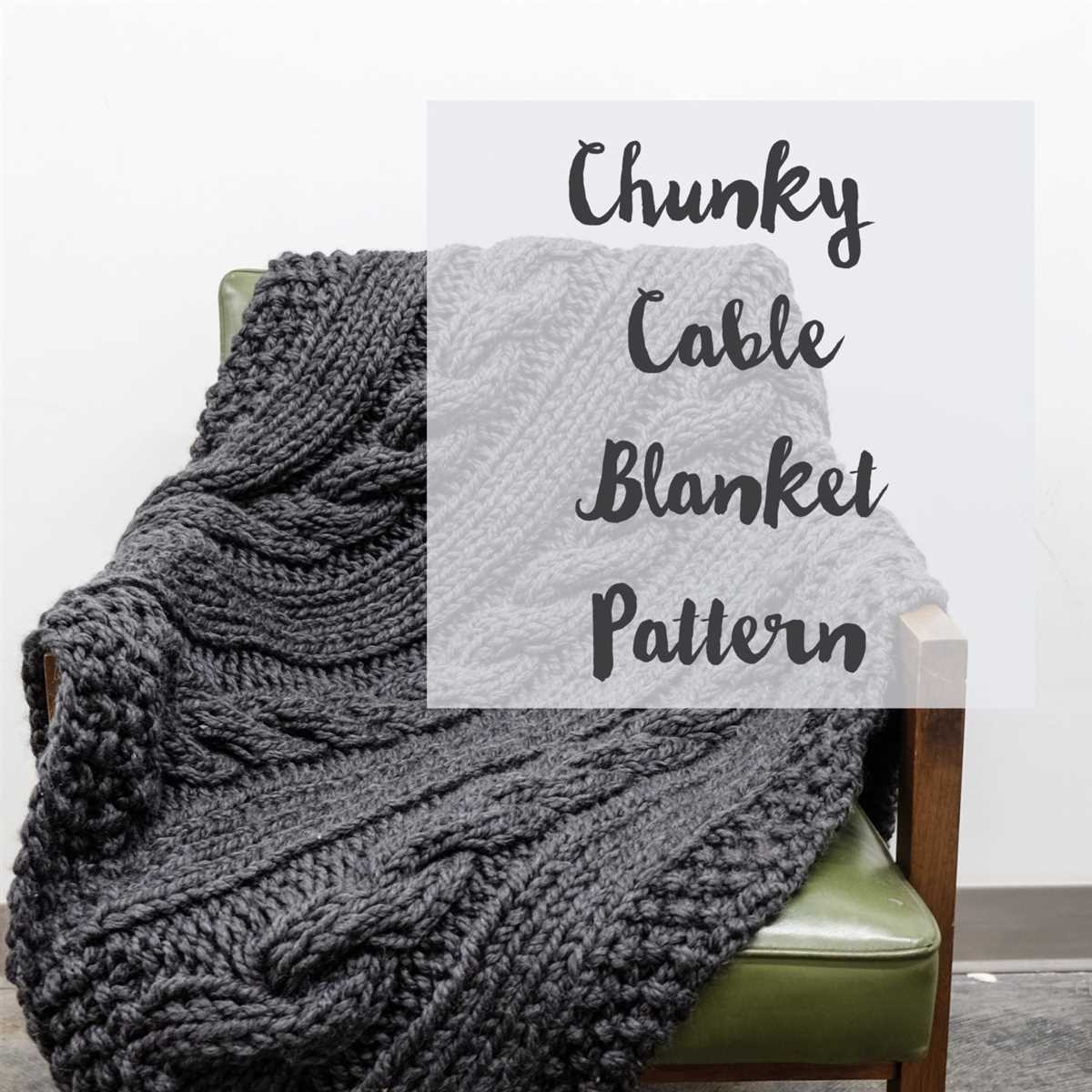
Start by selecting a yarn that is suitable for the pattern and the size needles you plan to use. The thickness and elasticity of the yarn will play a significant role in maintaining consistent tension. Experiment with different yarns to find the one that works best for you.
2. Use the right size needles
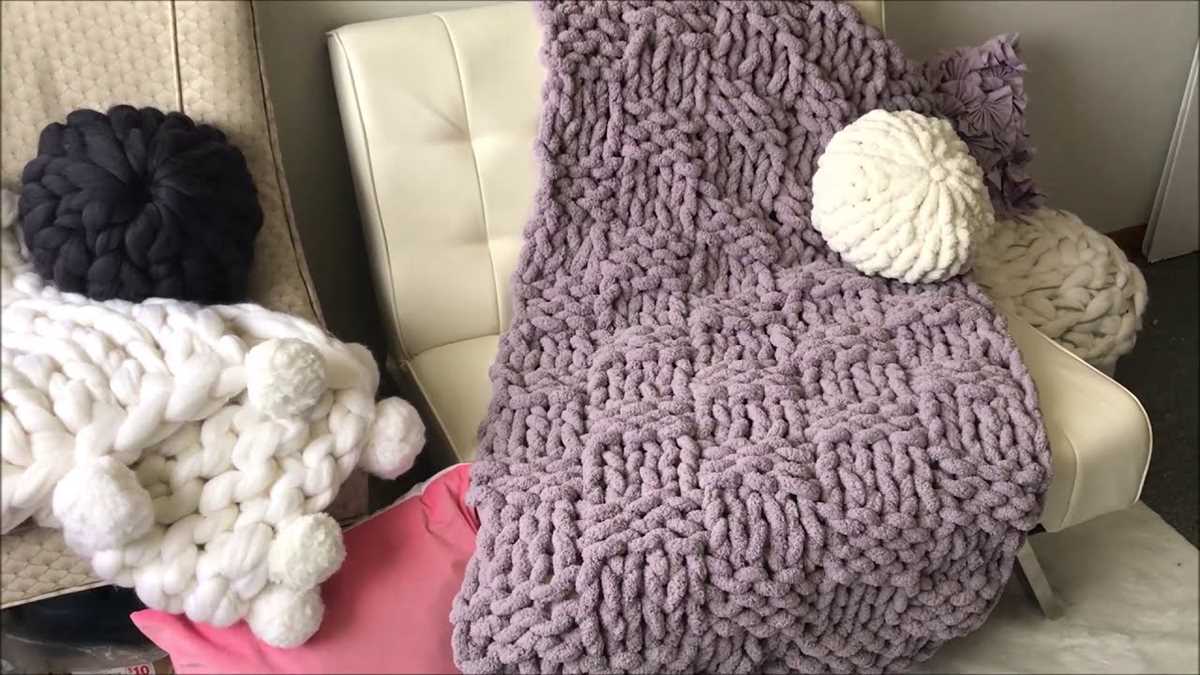
The size of your needles will also affect your tension and gauge. Follow the pattern’s recommendations for needle size to achieve the desired results. If your tension is too loose, try using smaller needles, and if it’s too tight, try using larger needles.
3. Practice proper hand placement
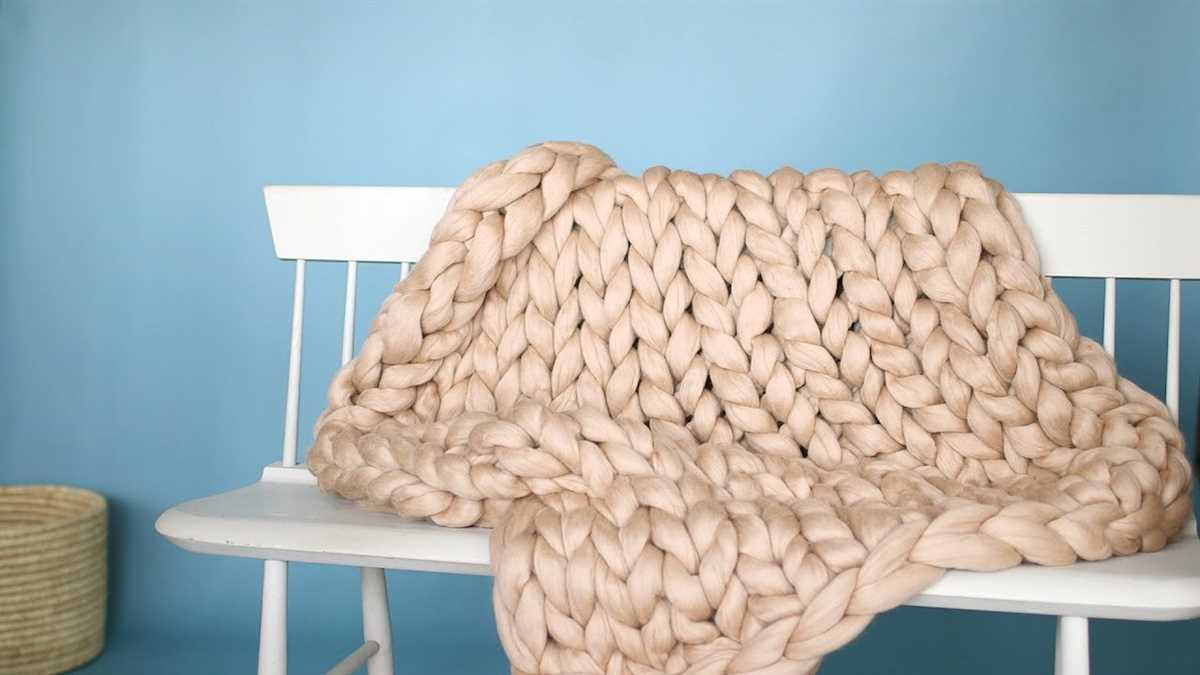
Proper hand placement can help you maintain even tension while knitting. Hold the yarn firmly but not too tightly, and make sure your stitches are consistent in size. Avoid pulling or tugging on the yarn excessively, as it can lead to uneven tension.
4. Take regular breaks
Knitting for long periods without breaks can cause fatigue, resulting in uneven tension. Take regular breaks to rest your hands and relax your muscles. This will help you maintain a more consistent gauge throughout your project.
5. Check your tension regularly
Periodically check your tension as you knit to ensure it remains consistent. Use a gauge ruler or a tape measure to measure the number of stitches and rows per inch. If your tension is off, make adjustments as needed to achieve the desired gauge.
By following these tips and tricks, you can improve your ability to maintain consistent tension and gauge while knitting a chunky blanket by hand. Remember, practice makes perfect, so don’t get discouraged if it takes some time to develop the right technique. With patience and perseverance, you’ll be able to create beautiful, professional-looking blankets.
Creating Beautiful Edges: Techniques for Neat and Professional Finishes
When it comes to knitting, attention to detail is key to achieve a polished and professional look. One area where this is particularly important is creating neat and tidy edges. Whether you’re working on a chunky blanket or any other hand-knit project, the edges can make a significant impact on the overall appearance. Fortunately, there are several techniques you can use to ensure your edges are beautiful and well-finished.
1. Slip stitch edge: One simple and effective technique for creating clean edges is the slip stitch edge. This involves slipping the first stitch of every row purlwise, with the yarn in the back when knitting flat or in the front when working in the round. This creates a smooth edge and prevents the edge stitches from becoming too tight or loose.
2. Selvedge edge: Another technique to achieve a professional finish is using selvedge edges. These are extra stitches at the beginning and end of each row that are worked in a specific way to create a seamless edge. Common selvedge techniques include knitting the first and last stitch of every row or slipping the first stitch of every row knitwise with the yarn in the back.
3. i-cord edging: For a more decorative edge, you can consider using an i-cord edging. This involves knitting a small tube of stitches separately and then attaching it to the edge of your project. The i-cord adds a clean and polished finish that can elevate the overall look of your knitwear.
4. Garter stitch border: If you prefer a simpler and more subtle edge, a garter stitch border can be a great choice. The garter stitch creates a textured and reversible edge that frames your project nicely. This technique works well with a variety of stitch patterns and can be easily incorporated into your design.
5. Crochet border: If you’re comfortable with both knitting and crochet, adding a crochet border can give your project a polished and professional finish. Crochet borders can be worked in a contrasting color or simply in the same yarn as your project, providing a decorative edge that adds structure and prevents curling.
In conclusion, paying attention to the edges of your hand-knit projects is essential to achieve a neat and professional finish. Whether you choose to use slip stitch edges, selvedge edges, i-cord edging, garter stitch borders, or crochet borders, these techniques can elevate the overall appearance of your work. Experiment with different techniques and find the one that best suits your project to create beautiful edges that will impress everyone.
Customizing Your Chunky Blanket: Adding Colors and Patterns
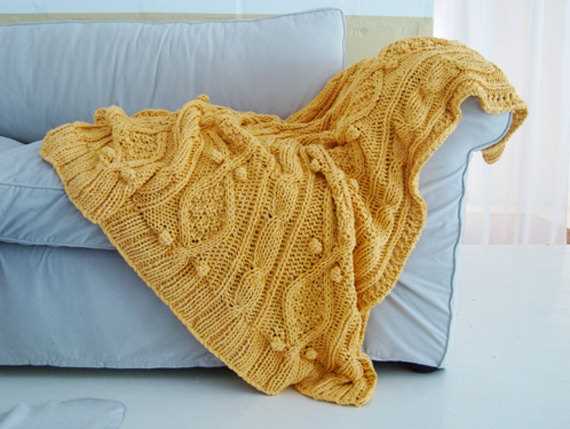
When it comes to creating a chunky blanket with a hand-knit pattern, the possibilities for customization are endless. One way to make your blanket truly unique is by adding different colors and patterns into the design. Here are a few ideas to help you get started:
1. Gradient Colors:
Add depth and dimension to your chunky blanket by using a gradient color scheme. Start with one color and gradually transition to another, creating a beautiful ombre effect. You can choose colors that complement each other or go for a bold and contrasting look. The choice is yours!
2. Color Blocking:
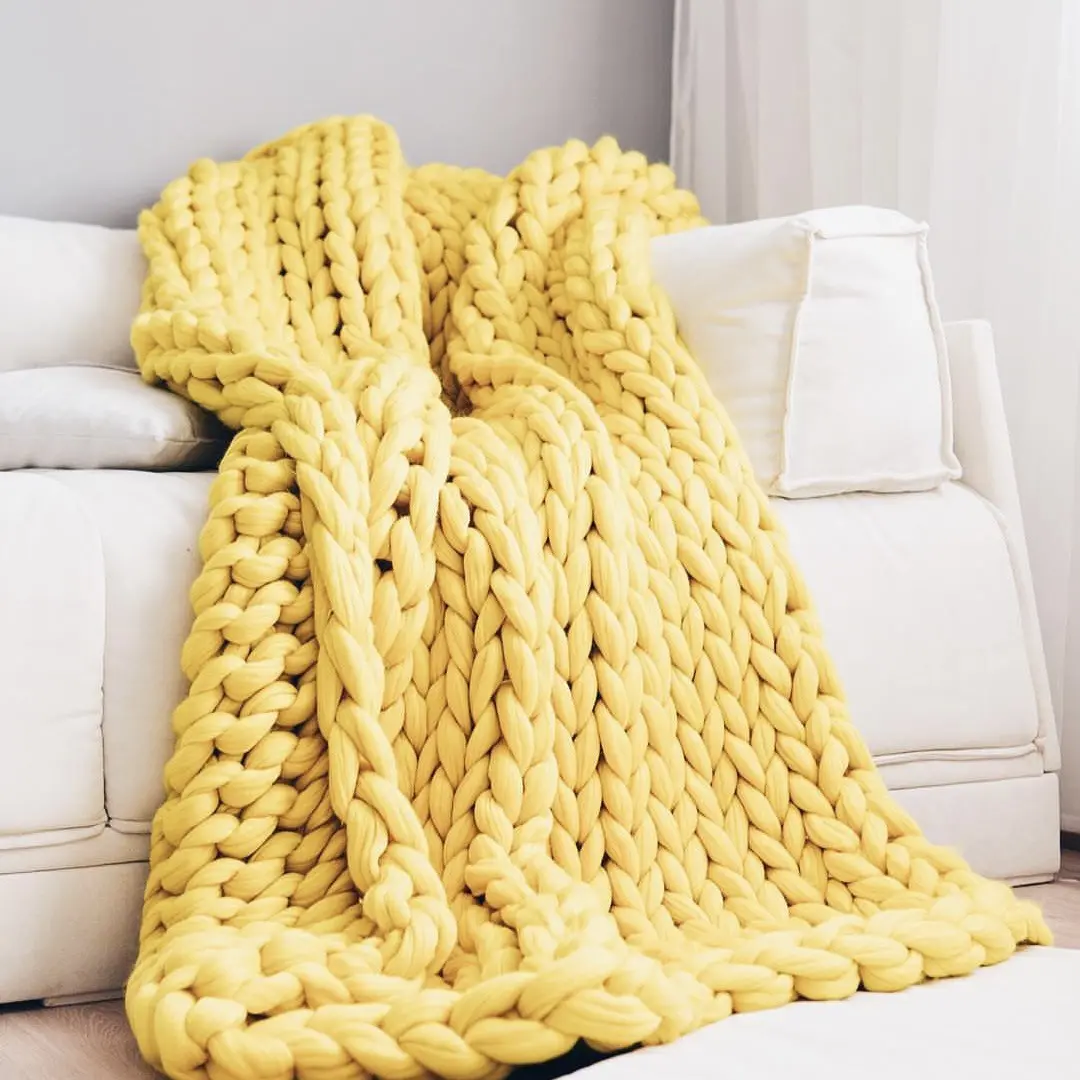
If you prefer a more structured and geometric design, consider using color blocking techniques in your chunky blanket. Divide the blanket into sections and use different colors for each section. This creates a visually appealing pattern that is sure to make a statement.
3. Fair Isle Motifs:
Get creative with your hand-knit pattern by incorporating Fair Isle motifs into your chunky blanket. Fair Isle knitting involves using multiple colors in a single row to create intricate patterns and designs. Whether you choose traditional motifs or create your own, Fair Isle patterns can add a touch of elegance and sophistication to your blanket.
4. Cable Knitting:
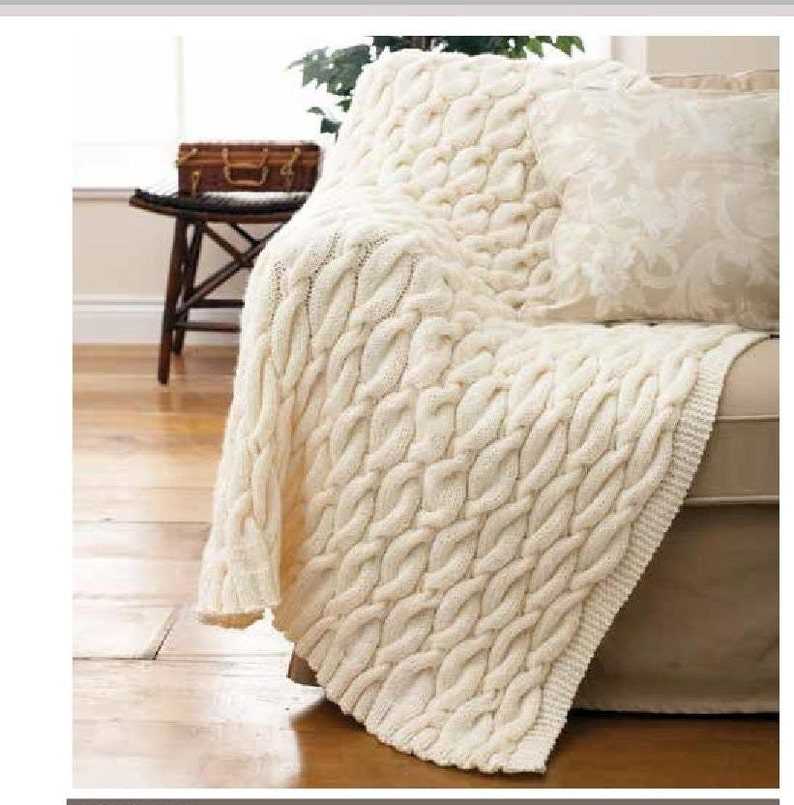
Add texture and interest to your chunky blanket by incorporating cable knitting. Cable knitting involves crossing stitches over each other to create raised cables that resemble twisted ropes. This technique can be used to create intricate patterns and add visual interest to your blanket.
5. Stripes and Checks:
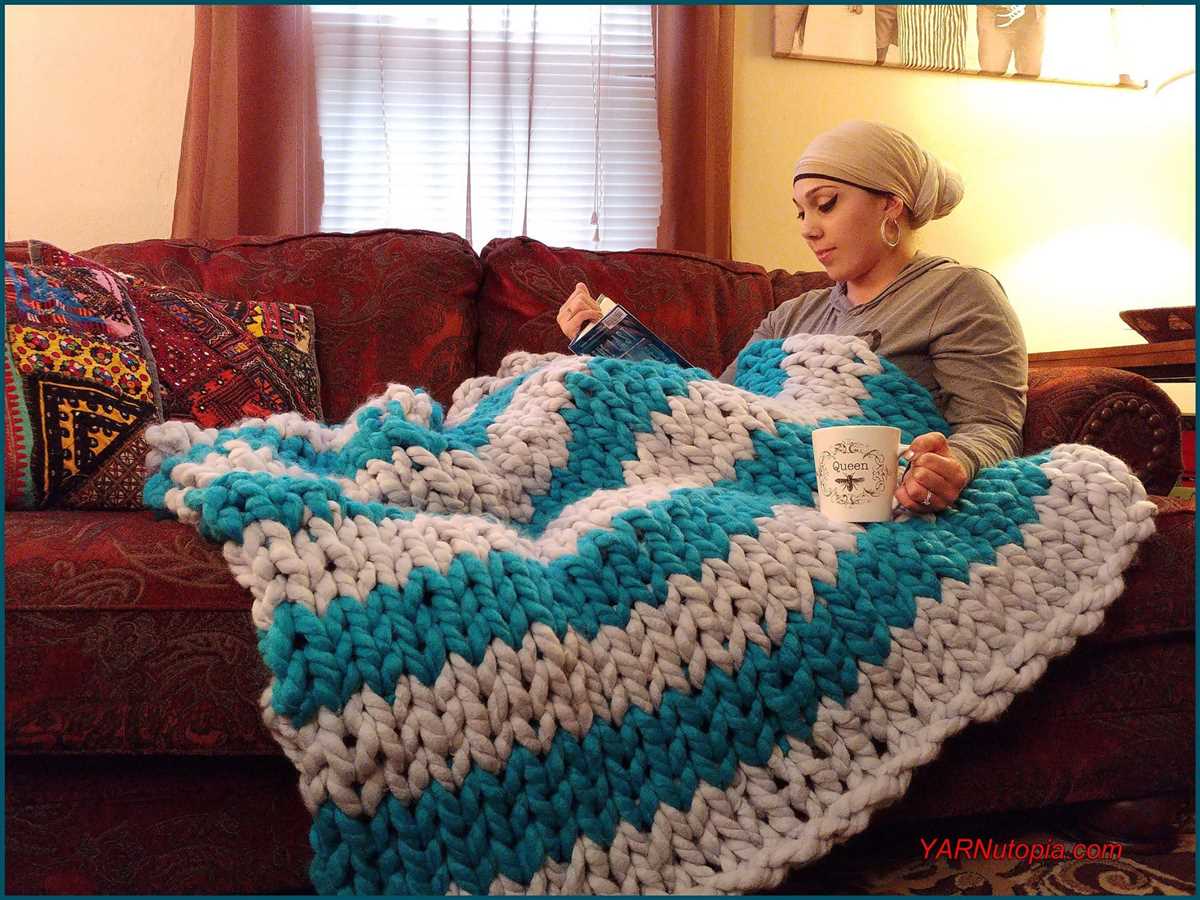
Add a classic touch to your chunky blanket by incorporating stripes or checkered patterns. Stripes can be created by simply switching colors after a certain number of rows, while checkered patterns can be achieved by alternating colors in a specific sequence. This simple yet effective customization option gives your blanket a timeless and versatile look.
Remember, the key to customizing your chunky blanket is to experiment and have fun with different colors and patterns. Whether you choose a subtle gradient or a bold color combination, adding your personal touch will make your chunky blanket truly one-of-a-kind.
Finishing Touches: Blocking and Seaming Your Hand Knit Blanket
Once you have completed knitting your chunky blanket, there are a few finishing touches that will give it a polished and professional look. Two important steps in this process are blocking and seaming the blanket.
Blocking:
Blocking is the process of shaping and stretching your hand knit blanket to its desired dimensions. It helps to even out the stitches, open up the lacework, and give the blanket a neat and tidy appearance. To block your blanket, you will need a large flat surface such as a clean floor or a blocking board.
Start by gently wetting the blanket with water. You can either soak it in a basin or spray it with a water bottle. Avoid wringing or twisting the blanket as this can damage the delicate fibers. Once the blanket is damp, lay it flat on the blocking surface and use blocking pins to secure the edges and corners. Stretch the blanket to the desired dimensions, making sure to maintain the overall shape. Allow the blanket to air dry completely before removing the pins.
Seaming:
Seaming is the process of joining individual knit pieces together to create a cohesive blanket. If your chunky blanket is composed of multiple panels or sections, you will need to seam them together to achieve the desired size. Depending on your blanket pattern, you may use a variety of seaming techniques such as mattress stitch or whip stitch.
To seam your blanket, thread a tapestry needle with the same yarn used for knitting and carefully stitch the panels together. Make sure to align the stitch patterns and maintain an even tension throughout the seaming process. Take your time and be diligent with your stitches to ensure a seamless and professional finish.
By taking the time to block and seam your hand knit blanket, you can transform it from a simple project to a beautiful and functional piece. These finishing touches will enhance the overall look and feel of your blanket, making it a cherished item for years to come.
How to Care for Your Chunky Knit Blanket and Keep it Looking Great
Contrary to their delicate appearance, chunky knit blankets are surprisingly easy to care for and can stay looking great for years with a few simple steps. Follow these tips to keep your chunky knit blanket in excellent condition:
1. Gentle Washing:
When it’s time to clean your chunky knit blanket, it’s essential to handle it with care. Hand-washing is generally the safest option to prevent damage. Use cold water and a gentle, wool-friendly detergent. Avoid wringing or twisting the blanket; instead, gently squeeze out excess water. Rinse it thoroughly and lay it flat to dry. Avoid hanging the blanket, as this can cause it to stretch.
2. Spot Cleaning:
If you notice any stains or spills on your chunky knit blanket, it’s best to address them immediately. Use a clean, damp cloth and a mild detergent to gently blot the spot. Avoid rubbing the area vigorously, as this can damage the delicate fibers. Once the stain is removed, let the area air dry completely.
3. Storage:
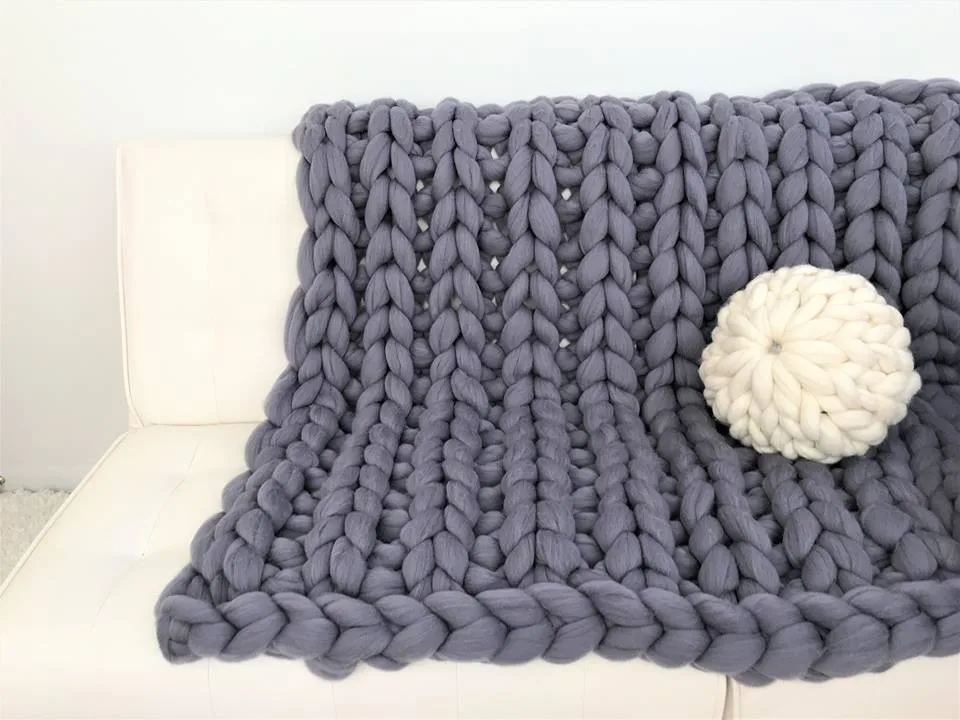
Proper storage is crucial to maintaining the quality and appearance of your chunky knit blanket. When not in use, make sure to keep it in a clean, dry place. Avoid storing it in a damp or humid environment, as this can lead to mold or mildew growth. To prevent moths or other pests from damaging the blanket, consider using airtight storage bags or placing cedar blocks nearby.
4. Protect from Pets and Sharp Objects:

While chunky knit blankets are incredibly cozy, they can be easily snagged or damaged by sharp objects or your furry friends. Avoid allowing pets with sharp claws on the blanket, and be cautious when using it around items that could potentially snag the fibers. If you have pets, consider using a protective cover or keeping the blanket out of their reach when not in use.
By following these simple steps, you can ensure that your chunky knit blanket stays in excellent condition and continues to bring warmth and comfort for years to come.
Chunky Blanket Hand Knitting: A Relaxing and Rewarding Hobby
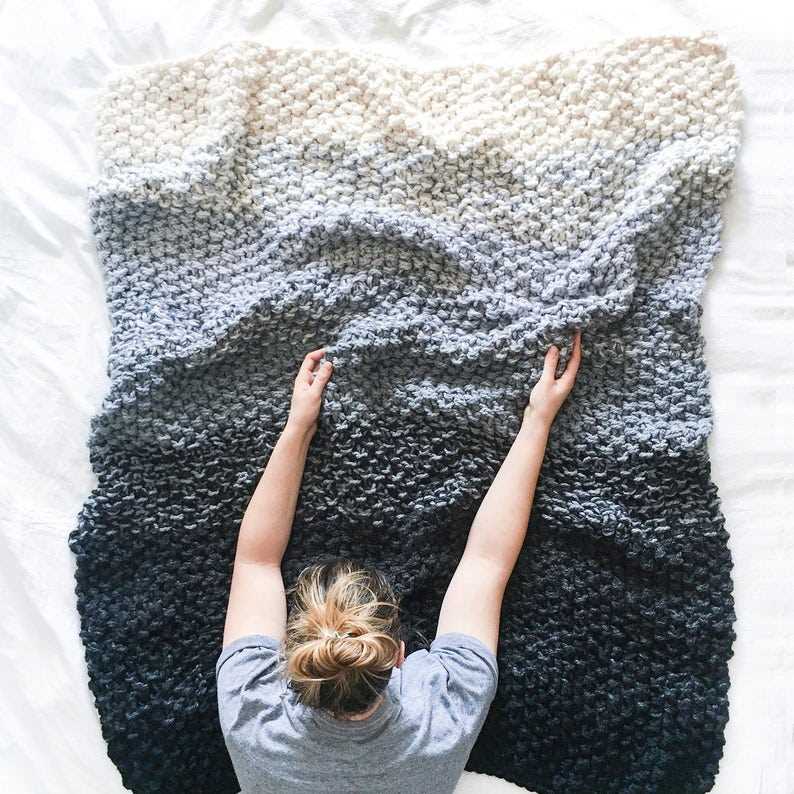
Hand knitting chunky blankets has become an increasingly popular hobby for many people. This cozy and stylish trend not only allows individuals to create their own beautiful and functional blankets, but it also provides a relaxing and rewarding experience. Whether you are an experienced knitter or a beginner, hand knitting a chunky blanket can be a fulfilling and enjoyable activity.
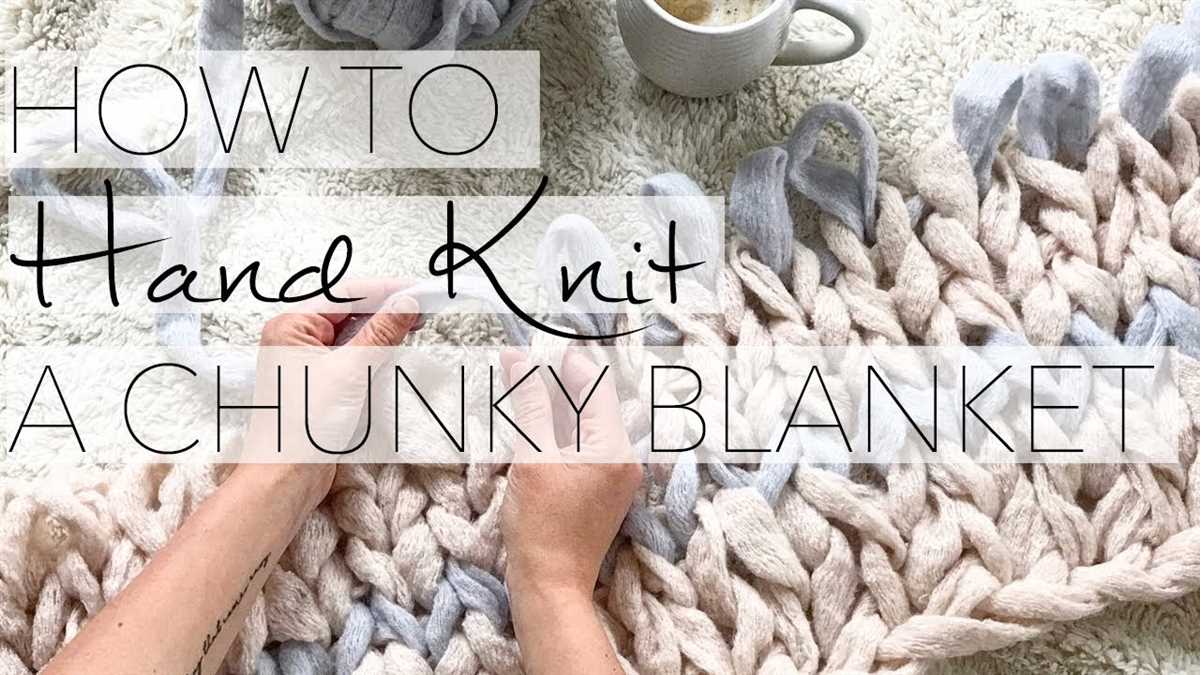
The process of hand knitting a chunky blanket involves using large, bulky yarn and oversized knitting needles or arms. The chunky yarn creates a soft and plush texture, while the oversized needles or arms allow for quick progress and large stitches. This combination makes hand knitting a chunky blanket a relatively fast and satisfying project, as you can see your blanket grow with each stitch.
One of the great benefits of hand knitting a chunky blanket is the therapeutic effect it can have on the mind and body. The repetitive motions of knitting can help to reduce stress, promote relaxation, and improve focus. Many people find that knitting gives them a sense of calm and tranquility, as they can concentrate on the rhythmic movements of the needles and the softness of the yarn. It can provide a much-needed break from the busyness of everyday life and create a space for mindfulness and self-care.
Not only is hand knitting a chunky blanket a relaxing activity, but it also allows individuals to express their creativity and personal style. With a wide variety of colors and textures available, you can choose the perfect yarn to match your decor or create a unique and eye-catching design. Whether you prefer a solid color or a combination of different shades, the possibilities for customization are endless.
Once you have completed your hand-knit chunky blanket, you will have a beautiful and functional piece that can add warmth and elegance to any room. The satisfaction of creating something with your own hands and seeing the finished product is truly rewarding. Whether you keep the blanket for yourself or give it as a gift to a loved one, it is sure to be cherished for years to come.
Overall, hand knitting a chunky blanket is not only a way to create a cozy and stylish accessory, but it also offers a relaxing and rewarding hobby. From the therapeutic effects of knitting to the ability to express creativity and create a unique piece, hand knitting a chunky blanket is an activity that brings joy and satisfaction to many. So why not pick up your knitting needles or arms and start creating your own chunky blanket today?
Get Inspired: Showcasing Stunning Chunky Blanket Projects from Knitters Around the World
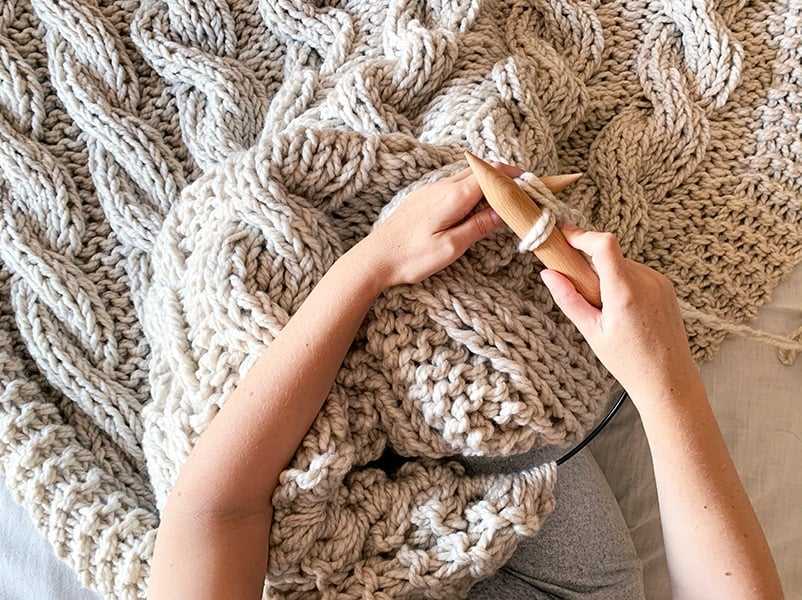
Chunky knit blankets have become a popular trend among knitters worldwide. Their oversized stitches and cozy texture make them a perfect addition to any home decor. In this article, we have gathered some of the most stunning chunky blanket projects from talented knitters around the world. Prepare to be inspired!
One of the standout projects is the “Fluffy Clouds” blanket created by Sarah from Australia. She used a beautiful cream-colored merino wool yarn and oversized knitting needles to achieve the chunky texture. The result is a fluffy, cloud-like blanket that looks incredibly inviting. Sarah’s attention to detail and precise knitting stitches are truly impressive.
Another remarkable project is the “Cozy Cabin” blanket by Thomas from Canada. He opted for a rich, dark gray yarn and paired it with a simple stitch pattern. The end result is a warm and inviting blanket that would perfectly complement any cabin or rustic-themed interior. Thomas’ dedication to creating a cozy atmosphere shines through in this beautifully hand-knit creation.
From New Zealand, we have Emily who has crafted a stunning chunky blanket called “Seaside Serenity.” She chose a beautiful blend of blues and greens to mimic the calming hues of the ocean. The intricate cable and lace stitch pattern adds a touch of elegance to the blanket. Emily’s attention to detail and skillful execution make this blanket a true work of art.
These are just a few examples of the incredible chunky blanket projects that knitters from around the world have created. Each project is unique and showcases the knitter’s creativity and skill. Whether you prefer a neutral color palette or vibrant hues, a simple stitch pattern or intricate designs, there is a chunky blanket project out there for everyone.
Conclusion
Chunky knit blankets have taken the knitting community by storm, and it’s easy to see why. They offer not only warmth and comfort but also serve as statement pieces for any living space. The stunning projects showcased in this article are just a glimpse of the endless possibilities when it comes to creating your own chunky blanket. So, grab your needles, choose your favorite yarn, and let your creativity soar as you embark on your own chunky blanket project. Happy knitting!