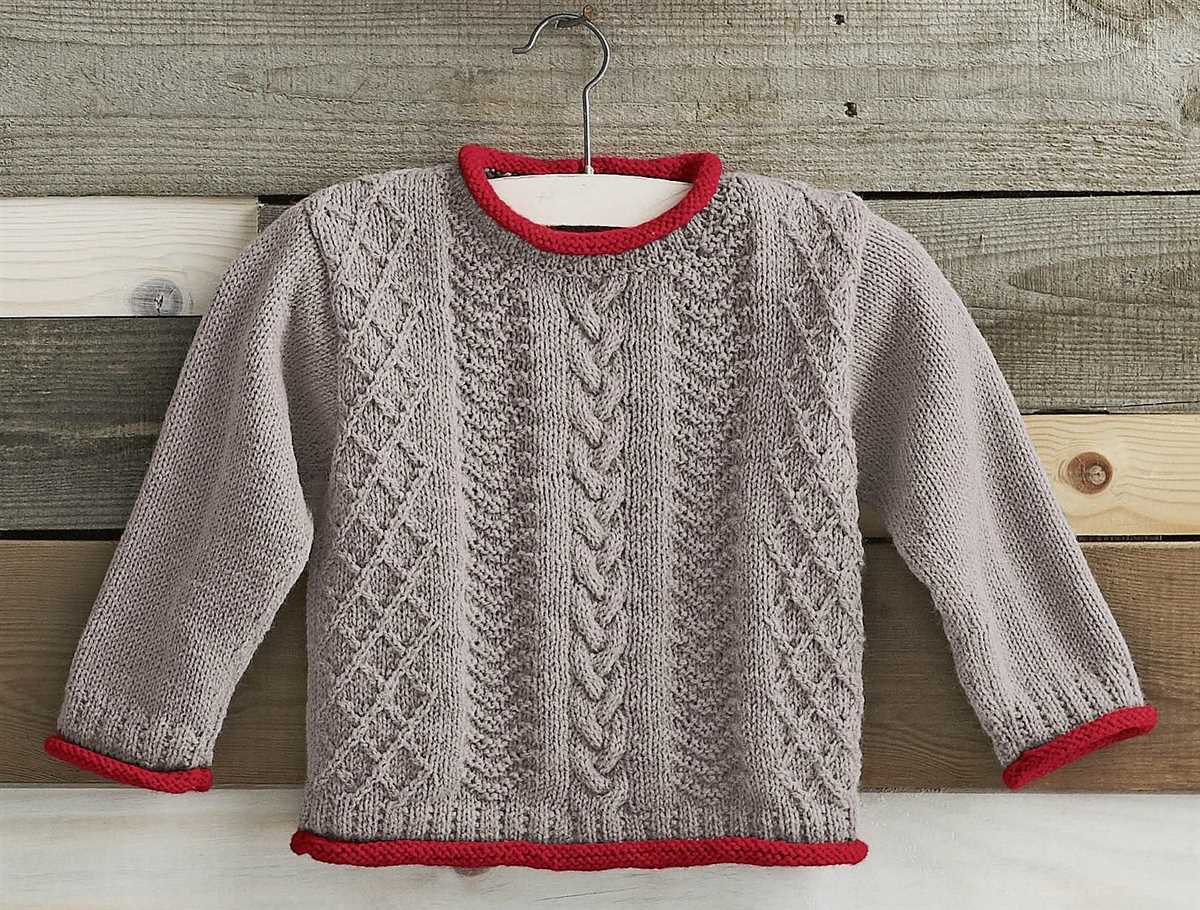
Whether you’re a beginner or an experienced knitter, classic sweater patterns are always a great option. With their timeless designs and versatility, these patterns are perfect for creating a variety of looks. From cozy cable-knit sweaters to elegant lace designs, there’s a classic pattern out there for everyone.
One of the best things about classic sweater knitting patterns is that they never go out of style. With their clean lines and simple construction, these sweaters are wardrobe staples that can be worn year after year. Whether you’re looking for a casual everyday sweater or a chic statement piece, you’re sure to find a pattern that suits your style.
Knitting a classic sweater can be a rewarding project for knitters of all skill levels. For beginners, it’s a great opportunity to practice basic knitting techniques and learn new skills. And for experienced knitters, it’s a chance to showcase their expertise and create a beautiful garment that will be cherished for years to come.
So, if you’re looking for your next knitting project, consider trying a classic sweater pattern. With their timeless appeal and endless styling possibilities, these patterns are sure to become a favorite in your knitting repertoire.
Classic Sweater Knitting Patterns
Knitting is a beloved hobby for many, and one of the most popular projects for knitters is creating classic sweaters. These timeless garments are versatile, comfortable, and can be customized to suit any style. Whether you’re a beginner or an experienced knitter, there are a variety of classic sweater knitting patterns available to suit your skill level and preferences.
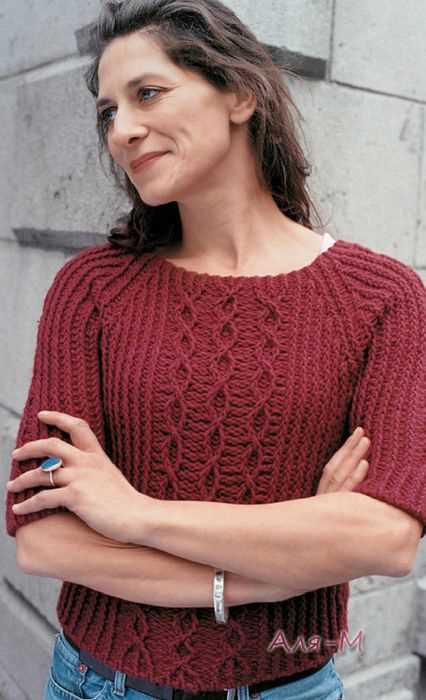
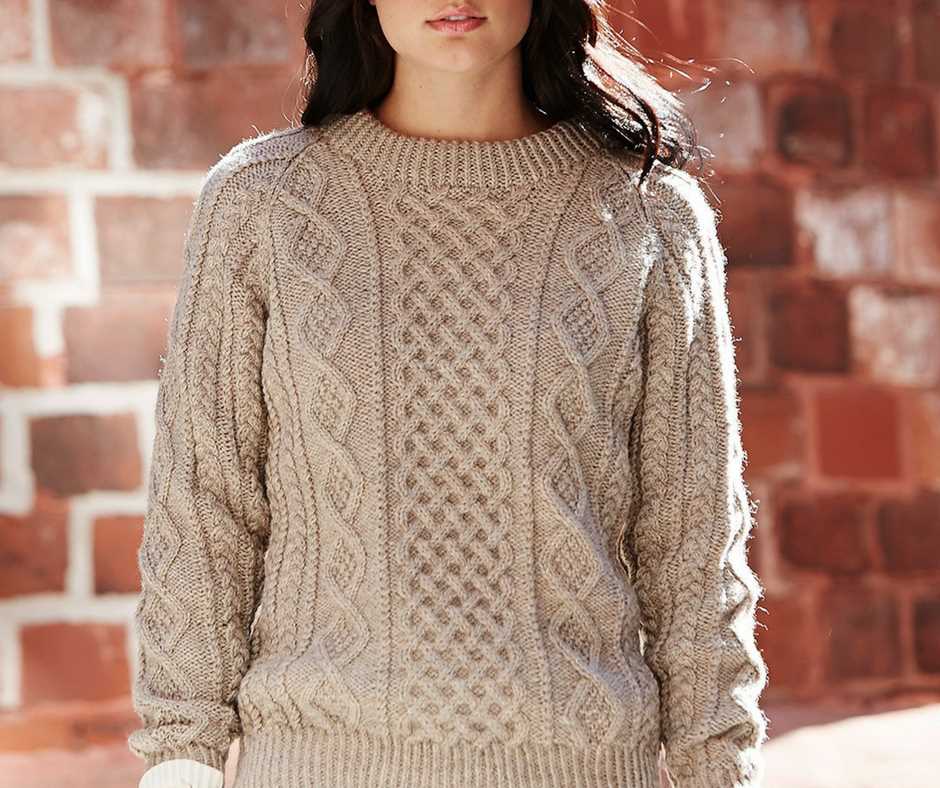
One popular type of classic sweater is the cable knit sweater. This pattern features intertwining cables, which create a beautiful, textured design. Cable knit sweaters are perfect for keeping warm during the colder months, and they add a touch of elegance to any outfit. They can be knit with a wide range of yarns, from cozy wool to luxurious cashmere, allowing you to create a sweater that is both stylish and comfortable.
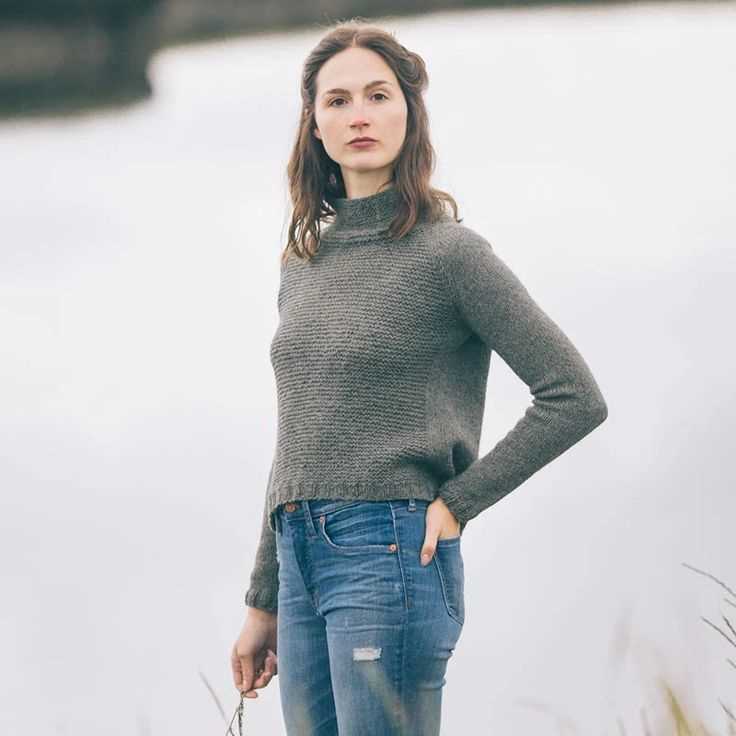
If you prefer a simpler design, the basic stockinette stitch sweater is a classic choice. This pattern is perfect for beginners, as it only requires the knit and purl stitches. Stockinette stitch sweaters have a smooth, uniform appearance and are great for showcasing the color and texture of your chosen yarn. They can be customized with a variety of necklines, sleeve lengths, and other details to create a sweater that suits your personal style.
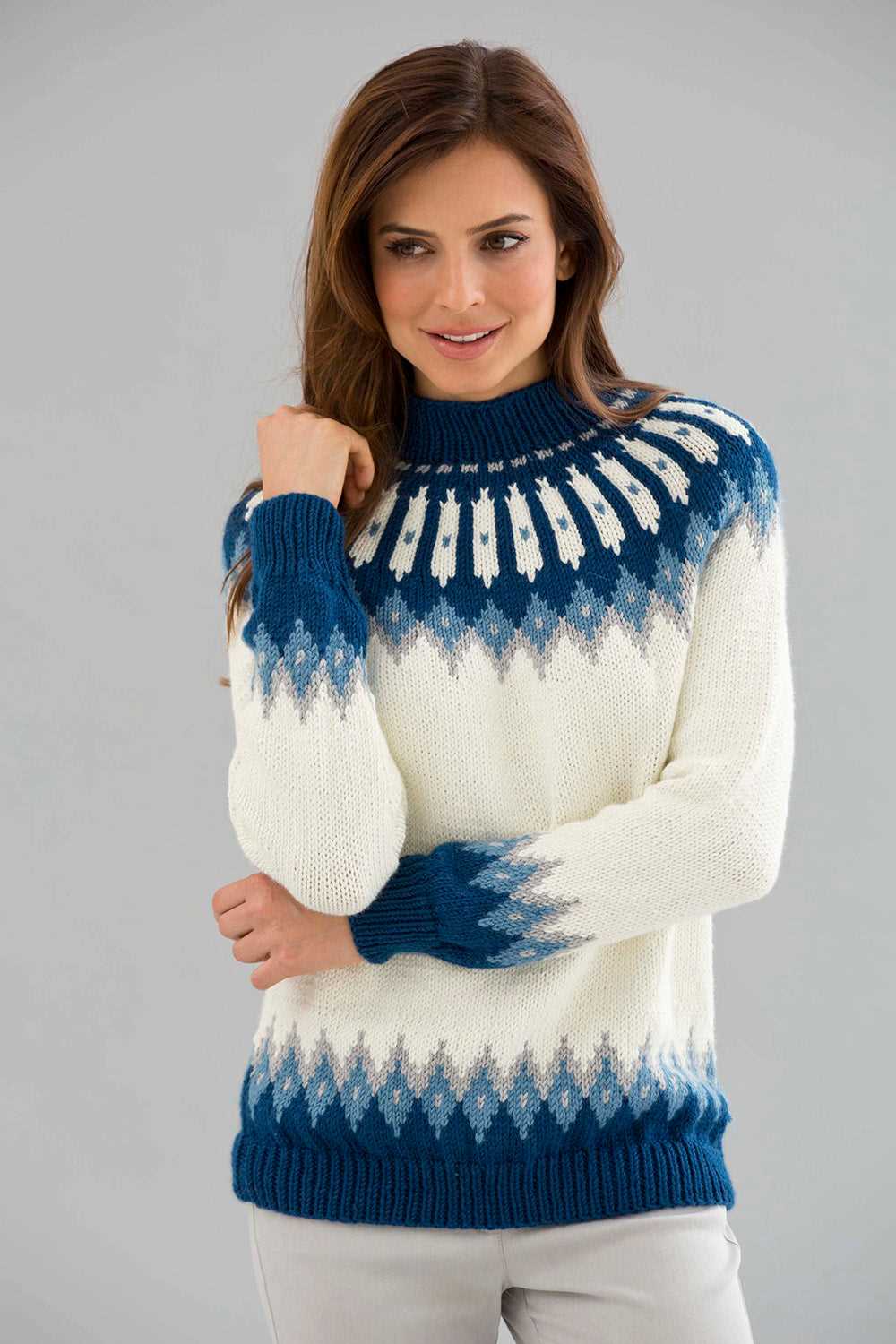
In addition to cable knit and stockinette stitch patterns, there are many other classic sweater knitting patterns to choose from. Fair Isle sweaters, with their intricate colorwork patterns, are perfect for those who enjoy a challenge. Aran sweaters, with their textured stitches and traditional Irish designs, are a timeless choice that never goes out of style. And for those who prefer a more casual look, raglan or dropped shoulder sweaters offer a relaxed, comfortable fit.
No matter your skill level or personal style, there is a classic sweater knitting pattern out there for you. These patterns provide endless opportunities for creativity and self-expression, allowing you to create a garment that is truly one-of-a-kind. So grab your yarn and needles, and start knitting your very own classic sweater today!
Inspiration for Your Next Knitting Project
Are you looking for your next knitting project? Whether you’re a beginner or an experienced knitter, there’s always something new and exciting to create. One classic option that never goes out of style is knitting sweaters. Sweaters are not only fashionable, but they also provide warmth and comfort during the colder months. If you’re in need of some inspiration, here are a few classic sweater knitting patterns that you might want to consider.
1. Cable Knit Sweater
A cable knit sweater is a timeless classic that adds texture and depth to any outfit. The intricate cable patterns create a beautiful design that is both visually appealing and cozy to wear. Whether you choose a chunky cable knit or a more delicate design, this type of sweater is sure to be a staple in your wardrobe.
2. Fair Isle Sweater
If you’re looking for a sweater with a pop of color and pattern, a Fair Isle sweater might be the perfect choice. This traditional knitting technique originated in the Fair Isle, Scotland and incorporates multiple colors to create intricate motifs and patterns. A Fair Isle sweater is a great way to showcase your knitting skills and create a unique and eye-catching garment.
3. Aran Sweater
The Aran sweater is another classic option that never goes out of style. Originating from the Aran Islands in Ireland, this type of sweater is known for its intricate cable patterns and textured stitches. The Aran sweater is not only beautiful to look at, but it also provides great insulation, making it perfect for colder climates.
No matter which pattern you choose, knitting a sweater is a rewarding and fulfilling project. It allows you to express your creativity and create a garment that is uniquely yours. So, pick up your knitting needles and get ready to embark on your next knitting adventure!
Choosing the Perfect Yarn
When it comes to knitting a classic sweater, choosing the perfect yarn is essential. The yarn you select will not only determine the overall look and feel of your finished project, but it will also affect the ease of knitting and the longevity of the garment. With so many options available, it can be overwhelming to decide which yarn is best suited for your sweater. However, by considering a few key factors, you can make an informed decision that will result in a beautiful and durable piece of knitwear.
1. Fiber Content: The first thing to consider when choosing yarn for your sweater is the fiber content. Different fibers have different characteristics, so think about what qualities you want in your finished garment. For a classic sweater, natural fibers like wool or alpaca are an excellent choice as they provide warmth and insulation. Cotton can be a good option for lightweight sweaters, while blends of synthetic fibers can add durability and easy care.
2. Weight: The weight of the yarn refers to its thickness and is typically indicated by a number ranging from 0 (lace weight) to 7 (super bulky). The weight of yarn you choose will depend on the desired drape and warmth of your sweater. For a classic sweater, medium-weight yarns such as worsted or aran are often recommended, as they provide a good balance of warmth and versatility.
3. Gauge and Care Instructions: Before purchasing yarn, it’s crucial to check the recommended gauge and care instructions provided by the pattern you are using. Gauge refers to the number of stitches and rows needed to create a standard square of fabric, and it ensures that your finished sweater will have the correct measurements. Care instructions will give you an idea of how your sweater should be washed and cared for to maintain its shape and appearance over time.
4. Color and Texture: Lastly, consider the color and texture of the yarn. Classic sweaters often look best in solid or heathered colors that showcase the stitch patterns. However, if you prefer a more vibrant or variegated look, make sure the yarn you choose complements the design and does not detract from the overall aesthetic. Additionally, the texture of the yarn will affect the stitch definition and drape of the sweater, so consider this when making your selection.
By carefully considering the fiber content, weight, gauge, care instructions, color, and texture of the yarn, you can ensure that you choose the perfect yarn for your classic sweater knitting project. Whether you prefer a cozy wool blend or a lightweight cotton, selecting the right yarn will play a significant role in the success of your finished garment.
Essential Tools for Sweater Knitting
When it comes to knitting a classic sweater, having the right tools is essential. These tools not only make the knitting process easier, but they also ensure that the final product turns out exactly as desired. Whether you’re a beginner or an experienced knitter, here are some must-have tools for sweater knitting:
Knitting Needles
One of the most important tools for sweater knitting is a set of knitting needles. Circular needles are a popular choice for sweater knitting as they allow you to easily knit in the round. They come in different sizes and materials, so choose the ones that suit the yarn and pattern you’ll be using.
Stitch Markers
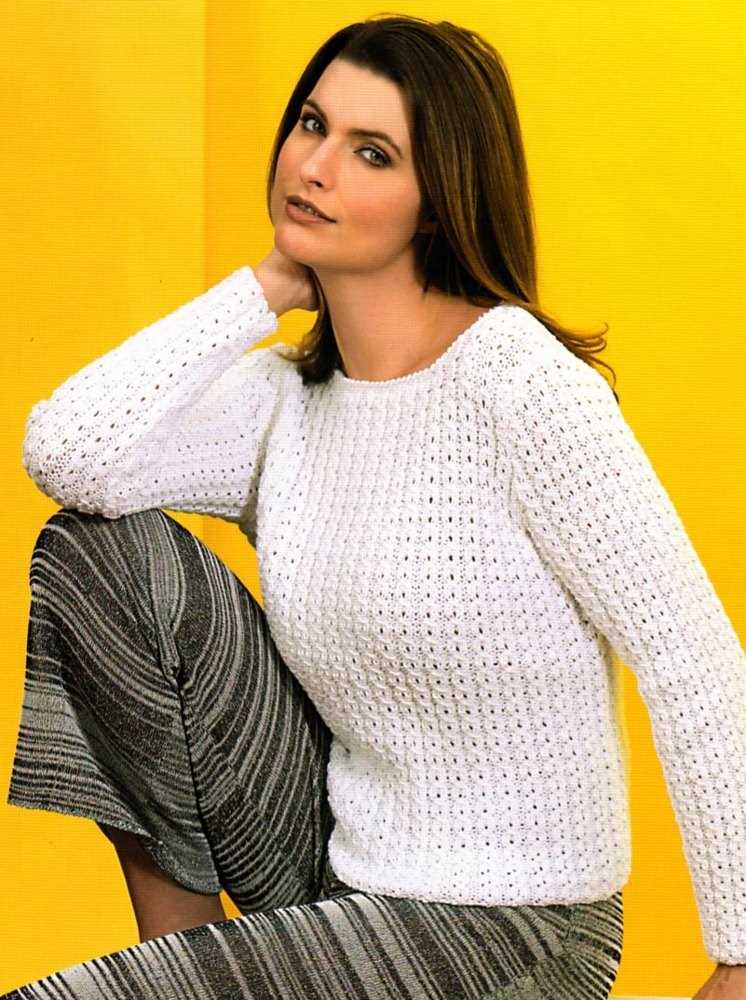
Stitch markers are small, usually colored, rings that are placed on the knitting needles to mark a specific stitch or section of the pattern. They help keep track of where you are in the pattern and can be easily moved as you progress. Stitch markers are particularly useful when knitting complex stitch patterns or shaping the sweater.
Tape Measure
A tape measure is an essential tool for checking and maintaining the correct dimensions of your knitted sweater. It’s important to measure your gauge before starting the project and throughout the knitting process to ensure that your sweater will fit correctly. A flexible tape measure is ideal for accurately measuring the length, width, and other dimensions of your sweater.
Yarn Needle
A yarn needle, also known as a darning needle or tapestry needle, is used for weaving in loose ends of yarn and seaming pieces together. It has a large eye that can easily accommodate yarn and a blunt tip to prevent splitting the yarn or damaging your knitting. A yarn needle is an essential tool for giving your sweater a neat and finished look.
Row Counter
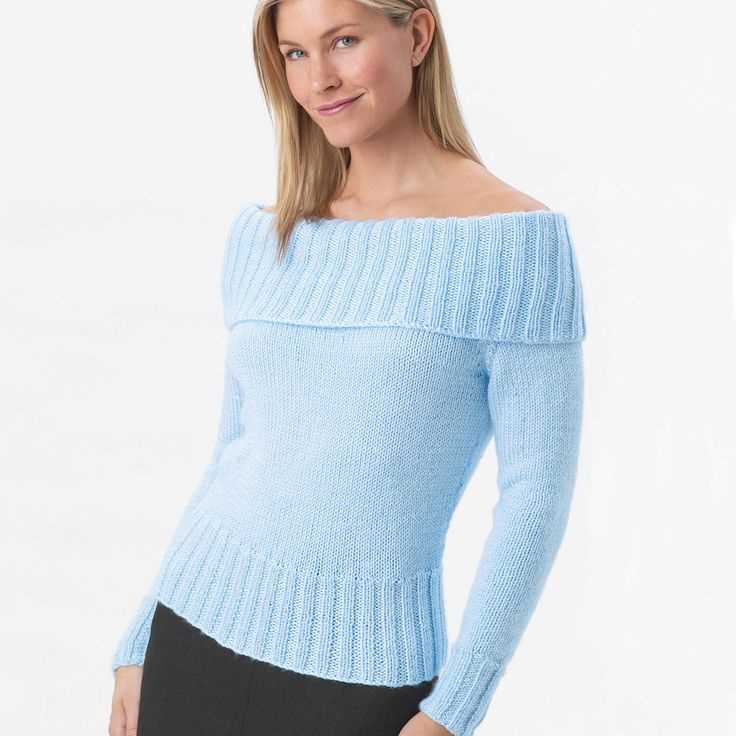
A row counter is a small device or digital app that helps you keep track of the number of rows or pattern repeats in your sweater. It eliminates the need to constantly count rows manually, which can be tedious and prone to errors. A row counter is especially useful when knitting long patterns or complex designs that require precise counting.
Blocking Tools
After completing your sweater, it’s important to block it to give it a professional finish. Blocking refers to the process of shaping and stretching the knitted fabric to its intended dimensions. Blocking tools include blocking mats, blocking pins, and blocking wires. These tools help ensure that your sweater retains its shape and allows the stitches to even out for a polished look.
With these essential tools in your knitting kit, you’ll have everything you need to confidently tackle any classic sweater knitting pattern. Now you can get started on creating your own cozy and stylish sweaters!
Understanding Sweater Sizing
When it comes to knitting sweaters, understanding sizing is crucial to ensure a perfect fit. Sweater sizing typically refers to the measurements of the finished garment and is usually expressed in terms of chest circumference, sweater length, and sleeve length. These measurements may vary depending on the design and style of the sweater, so it’s important to refer to the specific knitting pattern for accurate sizing information.
Chest circumference is one of the most important measurements in sweater sizing. It refers to the distance around the fullest part of the chest, usually just below the armpits. This measurement is important for determining the overall width of the sweater and ensuring a comfortable fit. To measure chest circumference, use a flexible tape measure and wrap it around the chest, making sure it’s parallel to the floor and not too tight or too loose.
Sweater length is another crucial measurement in sweater sizing. It refers to the distance from the top of the shoulder to the bottom hem of the sweater. The desired length may vary depending on the style of the sweater, with some sweaters being shorter and others longer. To measure sweater length, place one end of the tape measure at the top of the shoulder and let it hang down to the desired length.
Sleeve length is also an important consideration in sweater sizing. It refers to the distance from the top of the shoulder to the end of the sleeve, usually measured with the arm bent at a 90-degree angle. The desired sleeve length may vary depending on personal preference and the intended style of the sweater. To measure sleeve length, place one end of the tape measure at the top of the shoulder and measure down to the desired length while the arm is bent.
It’s worth noting that different knitting patterns may have different sizing guidelines, so it’s important to thoroughly read and understand the pattern before starting to knit. Some patterns may provide a range of sizes to choose from, while others may require specific measurements to be taken in order to achieve the desired fit. Taking accurate measurements and understanding sweater sizing will help ensure a successful knitting project and a sweater that fits just right.
Types of Classic Sweater Patterns
When it comes to classic sweater patterns, there are several popular styles that have stood the test of time. These patterns range from simple yet elegant designs to more intricate and detailed stitches. Each pattern has its own unique charm and appeal, making it a favorite among knitting enthusiasts.
Cable knit sweaters: One of the most iconic and timeless classic sweater patterns is the cable knit. This pattern features intertwining cables, creating a visually interesting texture. Cable knit sweaters are often associated with cozy winter wear and can be found in various styles, from chunky turtlenecks to lightweight cardigans.
Fair Isle sweaters: Another classic sweater pattern is Fair Isle, named after the remote island in Scotland where it originated. Fair Isle patterns are known for their intricate colorwork, combining multiple colors to create beautiful geometric designs. These sweaters often feature traditional motifs such as snowflakes, stars, or animals, and are perfect for adding a touch of traditional charm to your wardrobe.
Aran sweaters: Aran sweaters take inspiration from the Aran Islands off the west coast of Ireland. These sweaters are characterized by their intricate, textured patterns, often incorporating traditional Irish cable stitches. Aran sweaters are not only stylish but also known for their warmth and durability, making them perfect for colder climates.
Classic cardigans: While not a specific pattern per se, classic cardigans deserve a mention when talking about classic sweater designs. These versatile sweaters can be dressed up or down and come in a variety of styles, such as buttoned or open-front. Classic cardigans are a wardrobe staple and can be found in various materials, from lightweight cotton for spring and summer to cozy wool for colder months.
Fisherman sweaters: Fisherman sweaters, also known as Guernseys or Ganseys, have a long history dating back to the 19th century. These sweaters were worn by fishermen to protect them from the harsh conditions at sea. Fisherman sweaters often feature textured stitches and stitch patterns that symbolize different maritime themes, such as ropes or waves. Today, these sweaters are beloved for their timeless style and versatility.
Overall, classic sweater patterns offer a wide range of options for knitters of all skill levels. Whether you prefer the simplicity of a cable knit or the intricate colorwork of Fair Isle, there is a classic sweater pattern out there to suit your style and preferences.
A Step-by-Step Guide to Knitting a Sweater
Knitting a sweater is a rewarding and enjoyable project for knitters of all skill levels. Whether you are an experienced knitter looking for a new challenge or a beginner hoping to try your hand at a larger project, this step-by-step guide will help you successfully knit your own classic sweater.
Gather Your Materials: Before you begin, make sure you have all the necessary materials. This includes yarn in the desired color and weight, knitting needles in the appropriate size, stitch markers, a tapestry needle for weaving in ends, and a pair of scissors.
Step 1: Choose a Pattern
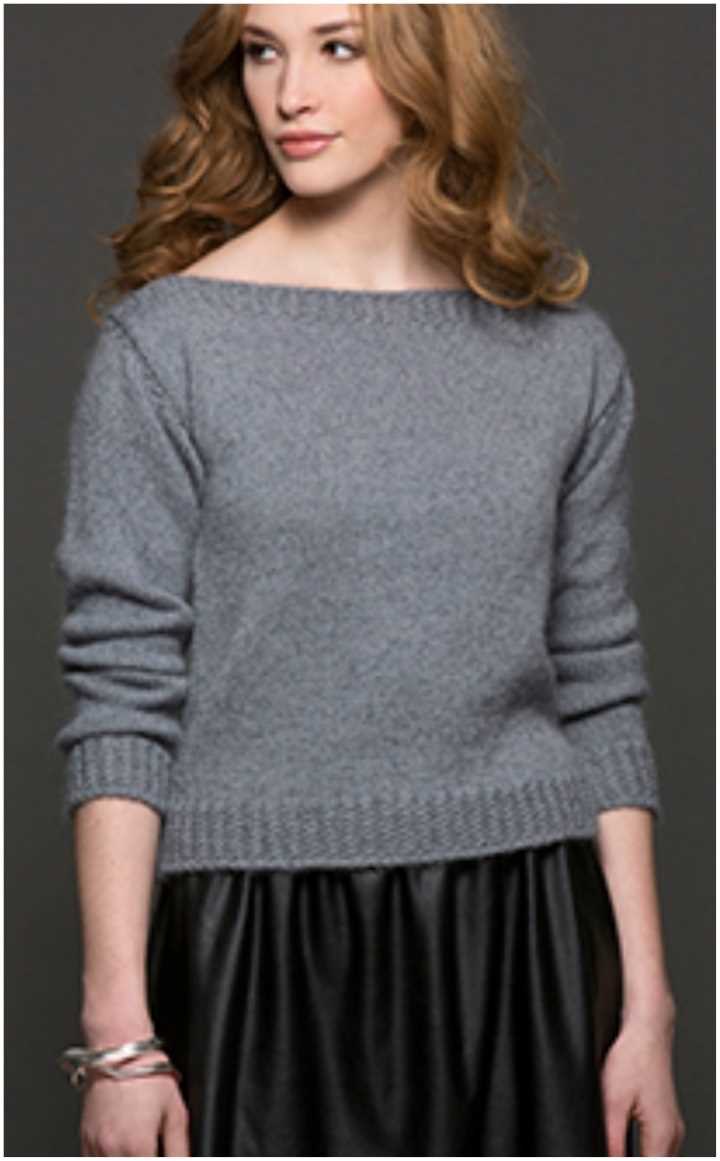
Start by choosing a sweater knitting pattern that you love. There are many classic sweater patterns available online or in knitting books and magazines. Look for a pattern that matches your skill level and has clear instructions. Remember to take note of the recommended yarn weight and needle size.
Step 2: Swatch and Gauge
Swatching is an important step that should not be skipped. It allows you to check your gauge and ensure that your finished sweater will fit properly. Follow the pattern instructions to knit a swatch using the recommended needle size and yarn. Measure your gauge by counting the number of stitches and rows in a 4×4 inch square. Adjust your needle size if necessary to match the pattern’s gauge.
Step 3: Cast On and Begin Knitting
With your swatch complete and your gauge confirmed, it’s time to cast on for your sweater. Follow the pattern instructions for casting on the required number of stitches. Pay attention to any stitch or row markers indicated in the pattern. These markers will help you keep track of shaping or pattern changes as you knit.
Step 4: Follow the Pattern
Now that you have cast on, it’s time to follow the pattern and start knitting the body of your sweater. Read each instruction carefully and complete the required stitches and rows. Take your time and refer back to the pattern whenever you have questions or need clarification.
Step 5: Shaping and Finishing
As you continue knitting, you may come across instructions for shaping your sweater, such as increasing or decreasing stitches for sleeves or waist shaping. Follow these instructions precisely to achieve the desired fit and silhouette. Once you reach the desired length, you will also need to finish off your sweater by binding off stitches and weaving in any loose ends.
Final Thoughts: Knitting a sweater is a rewarding and fulfilling project that allows you to create a timeless wardrobe staple. By following these step-by-step instructions and taking your time, you can knit a beautiful and cozy sweater that you will be proud to wear.
Customizing Your Sweater Design
When it comes to knitting your own sweater, one of the best things about it is the opportunity to customize the design. Whether you want to add a unique stitch pattern, change the neckline, or adjust the fit, there are countless ways to make your sweater truly one-of-a-kind.
Before you dive into customizing your sweater, it’s important to have a clear vision of what you want. Consider the style, color, and overall look you’re aiming for. Look for inspiration in knitting magazines, online patterns, or even in the sweaters you already own. Once you have a clear image in your mind, you can start making decisions about the specific modifications you want to make.
1. Experiment with different stitch patterns

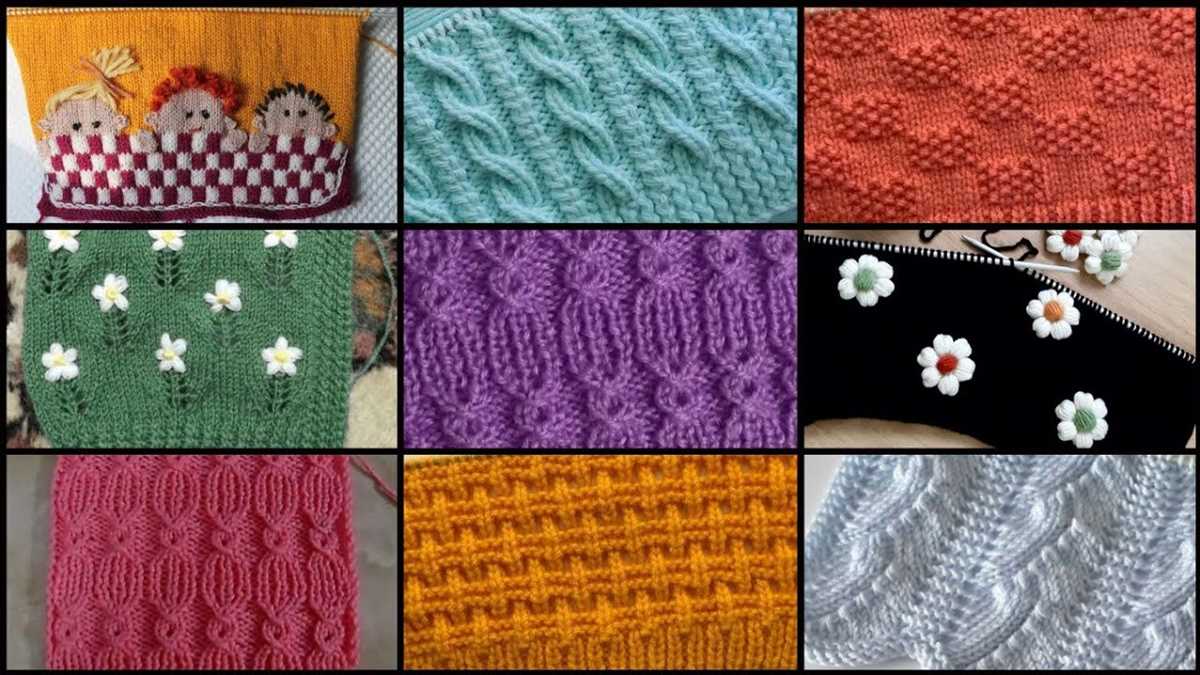
A great way to add a personal touch to your sweater is to experiment with different stitch patterns. This can be as simple as adding a cable panel down the front or a lace pattern on the sleeves. You can also combine different stitch patterns to create a unique design. Remember to swatch your stitch patterns to ensure they work well with your chosen yarn and gauge.
2. Customize the neckline
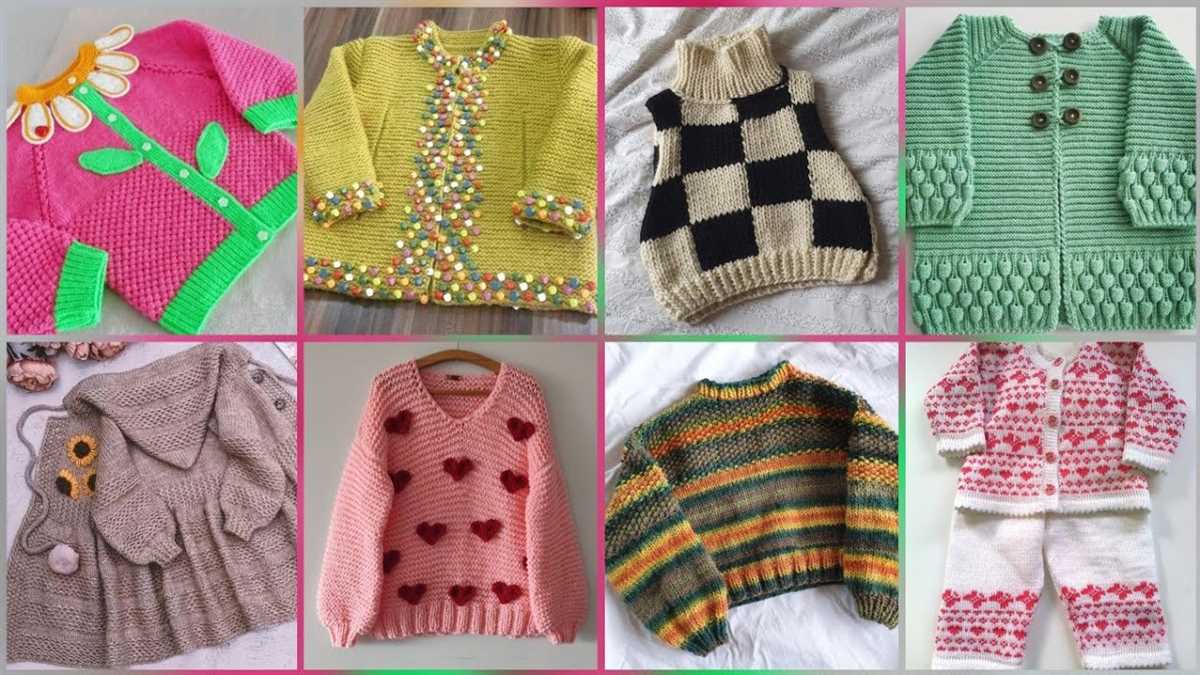
The neckline of a sweater can greatly impact its overall style and look. Consider whether you want a crew neck, V-neck, or boat neck, and adjust the pattern accordingly. You can also add ribbing or a contrasting color to the neckline for an interesting detail. Don’t be afraid to try different necklines to find the one that suits you best.
3. Adjust the fit
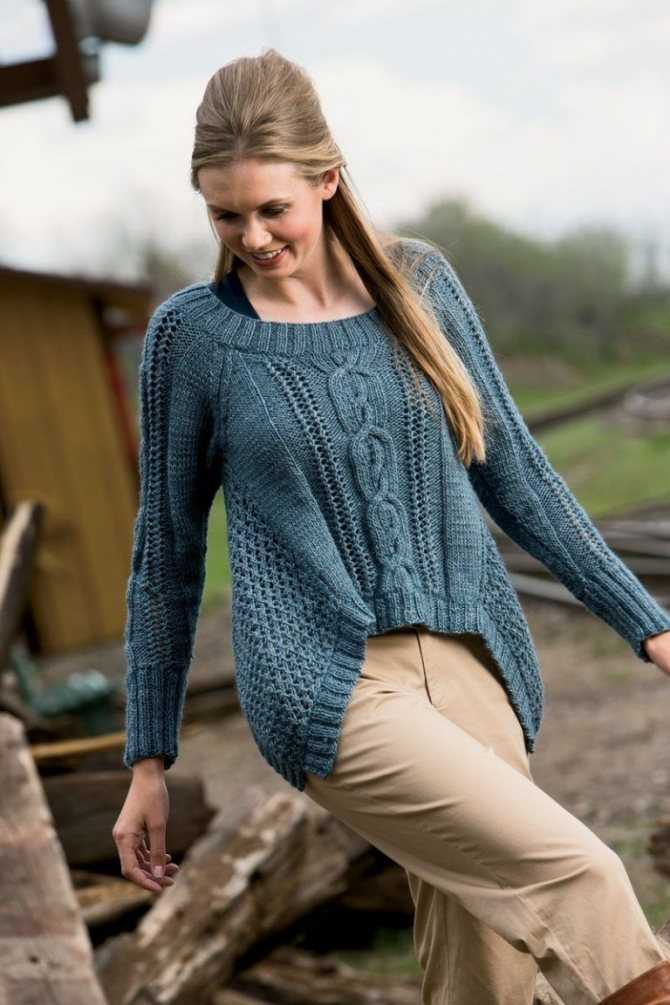
Not all sweater patterns will fit you perfectly right off the bat. Luckily, knitting allows you to easily adjust the fit to suit your body shape and preferences. You can make the sweater shorter or longer, add shaping to the waist or bust, or even size up or down for a different fit. Keep in mind that these modifications may require some calculations and adjustments to the pattern, so be sure to read through the instructions carefully before making any changes.
Remember, knitting is a creative process, and customizing your own sweater design is one of the joys of the craft. Don’t be afraid to experiment, take risks, and make the sweater truly yours. Happy knitting!
Adding Texture with Knit and Purl Stitches
Knitting is a versatile craft that allows for endless possibilities when it comes to creating texture in your projects. One of the most basic ways to add texture is by using different combinations of knit and purl stitches. By simply alternating between these two stitches, you can create a variety of patterns and designs that add depth and interest to your knitting.
The stockinette stitch is a classic example of how knit and purl stitches can create texture. By knitting one row and purling the next, you create a smooth surface on one side (the knitted side) and a bumpy surface on the other side (the purled side). This contrast in texture can be used to great effect in sweaters, scarves, and other garments.
Another popular stitch pattern that adds texture is the seed stitch. This pattern is created by alternating between knit and purl stitches within the same row and then shifting the stitches in the next row. The result is a richly textured fabric with small bumps and valleys. The seed stitch is often used as a border or edging, or it can be used throughout the entire garment for a more intricate design.
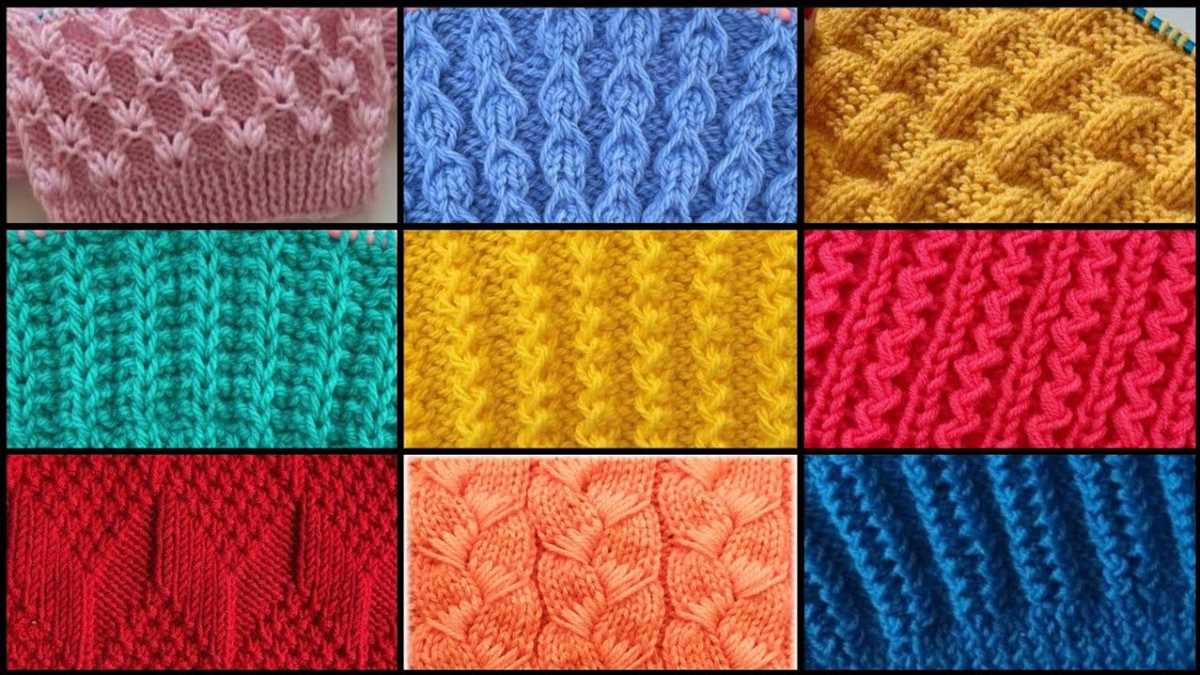
To create even more texture, you can experiment with different combinations of knit and purl stitches. For example, the rib stitch is created by knitting two stitches followed by purling two stitches and repeating this pattern across the row. This creates a stretchy fabric with vertical ridges. Other popular stitch patterns include the moss stitch, cable stitch, and basketweave stitch, all of which use various combinations of knit and purl stitches to add interest and texture to your knitting.
- Knit and purl stitches are the building blocks of texture in knitting.
- The stockinette stitch creates a smooth surface on one side and a bumpy surface on the other.
- The seed stitch adds small bumps and valleys to the fabric.
- Experiment with different combinations of knit and purl stitches to create unique textures.
Introducing Colorwork Patterns to Your Sweater
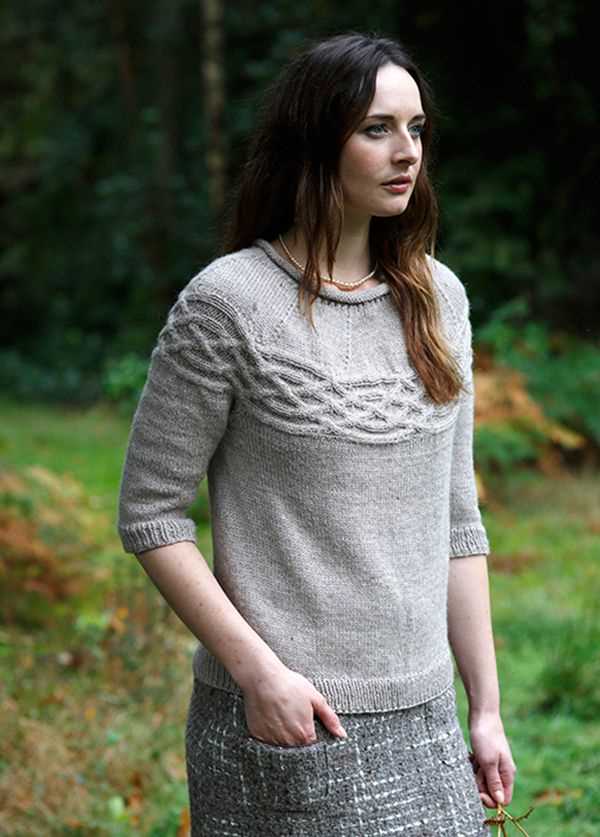
Adding colorwork patterns to your sweater can be a fun and exciting way to bring extra visual interest and creativity to your knitting projects. Whether you’re a beginner or an experienced knitter, incorporating colorwork into your sweater designs can take your skills to the next level and result in a truly unique and beautiful garment.
If you’re new to colorwork knitting, starting with simple patterns such as stripes or small motifs can be a great way to ease into the technique. Stripes are an easy way to introduce contrasting colors to your sweater, and they can be as bold or subtle as you prefer. You can experiment with different stripe widths and color combinations to create different effects and visual impact.
Once you feel more confident with colorwork, you can explore more complex patterns such as fair isle or intarsia. Fair isle knitting involves using multiple colors in each row to create intricate and detailed patterns, while intarsia allows you to knit separate blocks of color within your sweater. These techniques require careful attention to tension and can be challenging, but the end result is well worth the effort.
When incorporating colorwork patterns into your sweater, it’s important to consider the overall design and fit. You can choose to feature the colorwork on the entire sweater or limit it to specific areas such as the yoke, cuffs, or hem. Additionally, selecting the right yarn is crucial for achieving crisp and defined colorwork. Make sure to choose yarns that have good stitch definition and are similar in weight to ensure an even fabric.
So, whether you’re looking to add a pop of color to your wardrobe or challenge yourself with new knitting techniques, consider introducing colorwork patterns to your sweater designs. Get inspired by traditional and modern colorwork patterns, and let your creativity shine through in your knitting projects.
Finishing Touches: Blocking and Seaming
Once you have finished knitting your classic sweater, there are a few important steps to take to ensure a polished and professional-looking finished product. Two of these steps are blocking and seaming. Properly blocking your sweater will help to even out the stitches, relax the fibers, and achieve the desired dimensions and fit. Seaming, on the other hand, is the process of joining the different knitted pieces of the sweater together to create a cohesive garment.
Blocking: Before you begin blocking your sweater, it is important to read through the pattern instructions and determine the best method for blocking based on the type of yarn and stitch pattern used. Generally, blocking involves soaking the sweater in lukewarm water and then gently pressing out any excess water. You can then shape the sweater to its desired dimensions by pinning it to a flat surface, such as a blocking mat or towel. Allow the sweater to dry completely before removing the pins.
Seaming: Seaming is the process of joining the various pieces of the sweater together to create a finished garment. This involves using a needle and thread or yarn to sew the seams, following the specific instructions provided in the pattern. It is important to take your time with seaming to ensure neat and even stitches. A good tip is to use mattress stitch, which results in an invisible seam that blends seamlessly with the rest of the knitted fabric.
Tips for successful blocking and seaming:
- Always follow the pattern instructions for blocking and seaming.
- Use blocking tools such as blocking mats, rust-proof pins, and measuring tools to achieve precise dimensions.
- Allow your sweater to dry completely before removing the pins to prevent the stitches from stretching or distorting.
- Take your time with seaming and ensure that the stitches are neat and even.
- Practice the mattress stitch technique on scrap yarn before seaming your sweater to familiarize yourself with the process.
- Check the measurements and fit of your sweater after blocking and seaming to make any necessary adjustments before final finishing.
By following these steps and taking the time to properly block and seam your classic sweater, you can ensure a beautifully finished garment that is ready to be worn and admired. Don’t rush through these final touches – they can truly make a difference in the overall look and fit of your knitting project.
Tips for Caring for Your Hand-Knit Sweaters
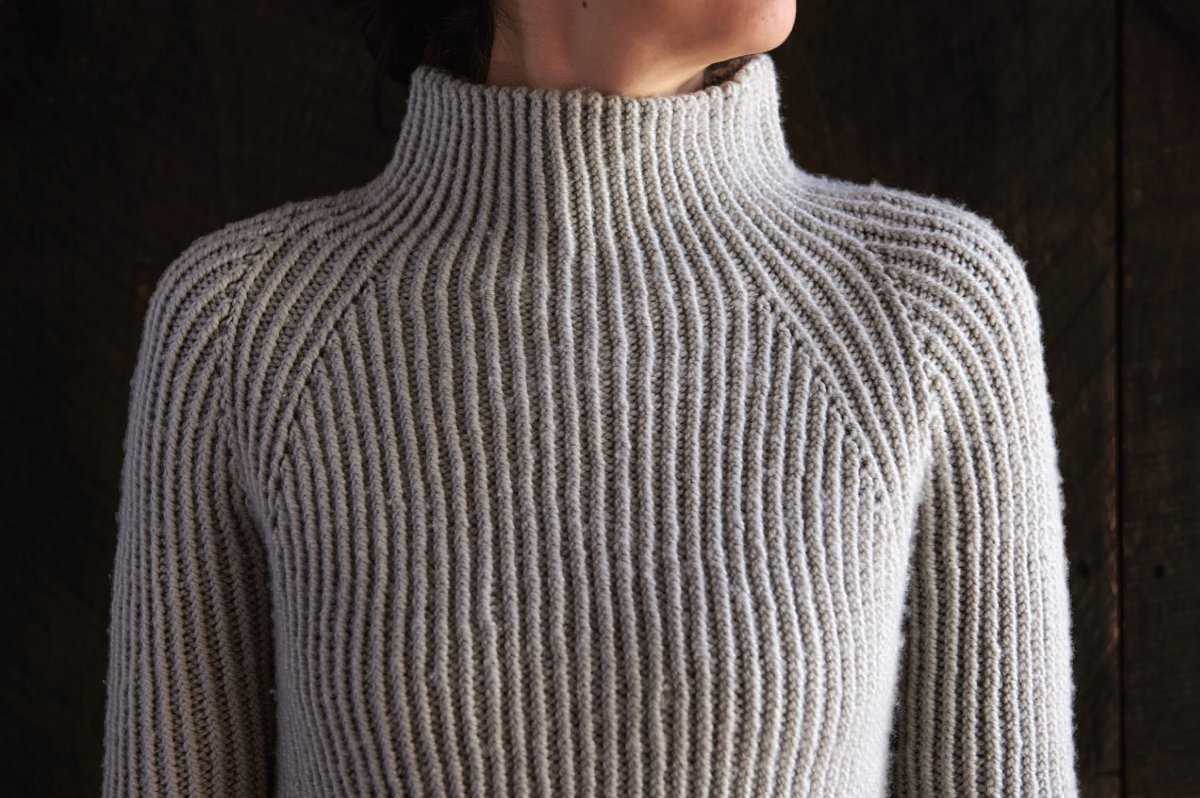
Hand-knit sweaters require special care to ensure they remain in good condition and last for many years. Here are some tips to help you properly care for your hand-knit sweaters:
- Hand wash your sweaters: Hand-knit sweaters are delicate and should be hand washed to avoid damage. Use lukewarm water and a gentle detergent specifically designed for wool or delicate fabrics. Avoid using bleach or harsh chemicals that may cause the colors to fade or the fibers to weaken.
- Handle with care: When washing, avoid twisting or wringing the sweater, as this can stretch or misshape the fibers. Instead, gently squeeze out excess water and lay it flat on a towel to dry.
- Use a sweater comb or fabric shaver: Over time, pilling may occur on the surface of your hand-knit sweater. To remove this, use a sweater comb or fabric shaver to gently remove the pills without damaging the fabric.
- Store properly: When not wearing your hand-knit sweater, it’s important to store it properly to prevent snagging or stretching. Fold the sweater neatly and store it in a clean, dry place, away from direct sunlight and any potential hazards that may cause damage.
- Avoid hanging: Hanging your hand-knit sweater can cause it to stretch or lose its shape over time. Instead, store it folded or lay it flat in a drawer or on a shelf.
- Rotate your sweaters: To ensure even wear, it’s a good idea to rotate your hand-knit sweaters and not wear the same one too often. This will help prevent excessive stretching in certain areas and extend the lifespan of your sweaters.
By following these tips, you can ensure that your hand-knit sweaters remain in great condition and continue to provide warmth and style for years to come.