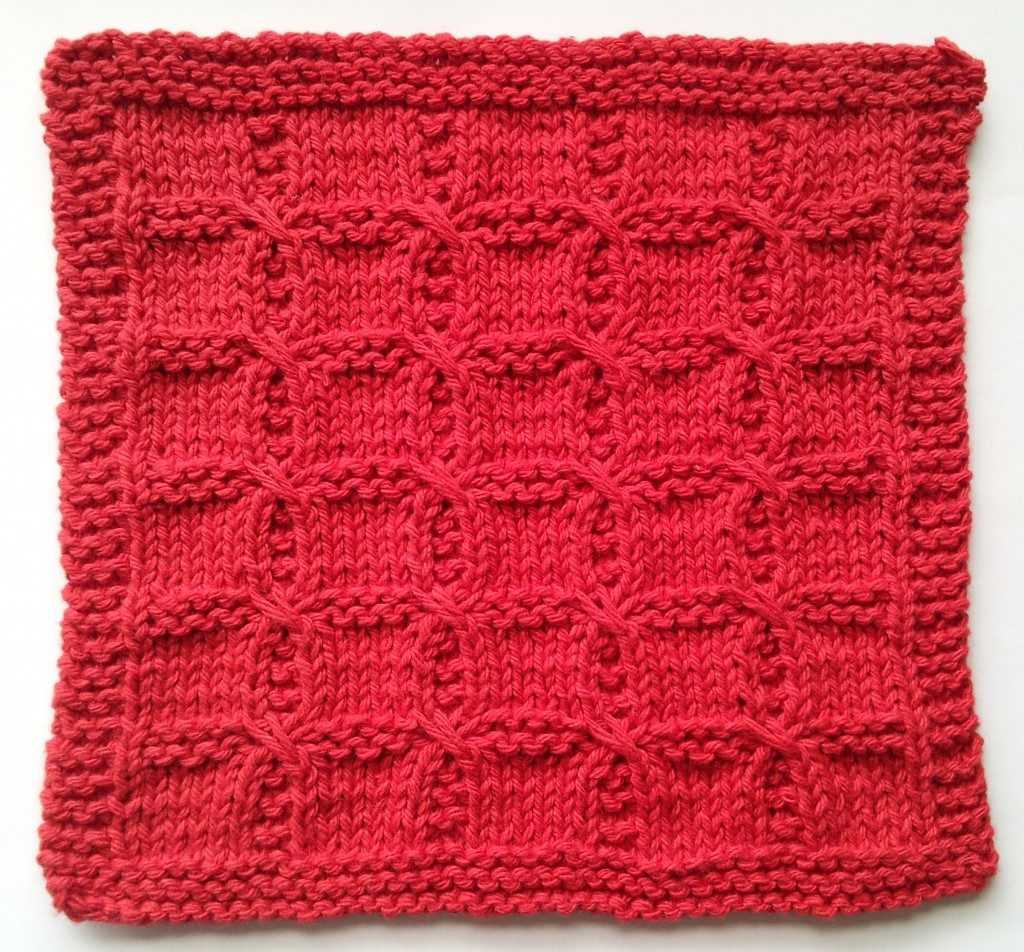
Are you tired of using old rags and paper towels to clean your dishes? Why not try knitting your own reusable cotton dishcloths instead? Not only are they a sustainable choice for your kitchen, but they are also a fun and easy project for knitters of all skill levels.
This cotton dishcloth knitting pattern is perfect for beginners looking to practice their knitting skills or more experienced knitters who want a quick and satisfying project. The pattern uses basic knitting stitches and requires only a few materials, making it a great option for beginners or for those looking to use up their yarn stash.
Not only are these dishcloths functional, but they also add a touch of handmade charm to your kitchen. Whether you choose to make them in bright, vibrant colors or classic neutrals, they are sure to become a staple in your cleaning routine. Plus, they are machine washable, so you can easily clean them after each use.
Cotton Dishcloth Knitting Pattern Free
Knitting dishcloths is a great way to practice your knitting skills while creating a practical and useful item for your kitchen. Using cotton yarn for dishcloths is a popular choice because it is absorbent, durable, and easy to clean. With a free knitting pattern, you can easily make your own cotton dishcloths in various designs and sizes.
One popular cotton dishcloth knitting pattern is the classic garter stitch dishcloth. This pattern is perfect for beginners as it only requires knowledge of the basic knit stitch. To make a garter stitch dishcloth, simply cast on your desired number of stitches, usually around 30-40, and knit every row until the dishcloth reaches your desired length. This simple pattern creates a textured and absorbent dishcloth that is perfect for everyday use.
If you’re looking for a more detailed pattern, you can try knitting a moss stitch dishcloth. The moss stitch creates a beautiful diamond pattern and adds some extra texture to your dishcloth. To make a moss stitch dishcloth, cast on an even number of stitches and use the following pattern: Row 1: knit 1, purl 1, repeat to the end of the row. Row 2: purl 1, knit 1, repeat to the end of the row. Repeat these two rows until the dishcloth is the desired length.
There are many other free cotton dishcloth knitting patterns available online. Some patterns feature lace designs, colorwork, or even different stitch patterns like seed stitch or basketweave. No matter which pattern you choose, knitting your own cotton dishcloths allows you to customize the size, color, and design to match your kitchen decor or personal style.
- Simple garter stitch dishcloth pattern:
- Cast on desired number of stitches
- Knit every row until desired length
- Bind off
- Moss stitch dishcloth pattern:
- Cast on an even number of stitches
- Row 1: knit 1, purl 1, repeat to end of row
- Row 2: purl 1, knit 1, repeat to end of row
- Repeat rows 1 and 2 until desired length
- Bind off
Why Use Cotton for Dishcloths?
Dishcloths are an essential item in any kitchen, used for a variety of tasks such as wiping down countertops, cleaning dishes, and scrubbing stubborn stains. When it comes to choosing the right material for your dishcloth, cotton is the top choice for many reasons.
Cotton is a natural fiber that is highly absorbent, making it perfect for cleaning up spills and soaking up excess moisture. Unlike synthetic materials, cotton is breathable and allows for better airflow, which helps prevent the growth of bacteria and odors. This is especially important when it comes to dishcloths, as they are constantly in contact with food particles and liquids, which can lead to unpleasant smells and the spread of germs if not properly cleaned.
Cotton dishcloths are also gentle on delicate surfaces like glassware and non-stick pans. The soft and smooth texture of cotton ensures that it won’t scratch or damage your kitchenware, making it ideal for cleaning and wiping without leaving any marks or residue behind. Additionally, cotton is a durable material that can withstand frequent use and washing, so you can rely on your cotton dishcloths to last for a long time.
Furthermore, cotton is an eco-friendly choice. Unlike synthetic fabrics, cotton is biodegradable and can break down naturally over time, reducing its impact on the environment. Choosing cotton dishcloths over disposable options also helps to reduce waste, making them a more sustainable and responsible choice.
In conclusion, when it comes to dishcloths, cotton is the go-to choice for its absorbency, breathability, gentleness on surfaces, durability, and eco-friendliness. Whether you prefer to knit your own cotton dishcloths or purchase them, this versatile material is sure to make your cleaning tasks easier and more effective.
Benefits of Knitting Your Own Dishcloths
Knitting your own dishcloths is not only a fun and relaxing hobby, but it also brings several benefits to your kitchen and everyday life. Here are some key advantages of knitting your own dishcloths:
1. Customization
One of the greatest benefits of knitting your own dishcloths is the ability to customize them according to your preferences. You can choose the colors, patterns, and textures that match your kitchen decor or personal taste. This allows you to create unique and personalized dishcloths that add a touch of style and character to your kitchen.
2. Eco-Friendly
By knitting your own dishcloths, you are reducing your carbon footprint and contributing to a more sustainable lifestyle. Unlike disposable paper towels or synthetic dishcloths, knitted dishcloths are reusable and can be washed and reused many times. This helps to minimize waste and conserve resources, making them an eco-friendly choice for cleaning and dishwashing.
3. Durability
Knitted dishcloths are known for their durability and long lifespan. When you knit your own dishcloths, you can choose high-quality materials and use strong stitches that ensure they withstand repeated use and frequent washing. Unlike store-bought dishcloths that may deteriorate quickly, homemade dishcloths can last for years, saving you money in the long run.
4. Effectiveness
Knitted dishcloths are highly effective in cleaning and scrubbing various surfaces, making them an essential tool in the kitchen. The texture of the knitted fabric helps to remove stubborn stains and food residue easily, while the absorbent nature of cotton yarn ensures efficient drying. Using homemade dishcloths can make your cleaning routine more effective and help you achieve better results.
5. Therapeutic Benefits
Knitting itself is a therapeutic activity that can help reduce stress and improve mental well-being. The repetitive motions and focused attention required in knitting can promote relaxation and mindfulness, allowing you to unwind and find solace in the rhythmic movements. Knitting your own dishcloths can provide a sense of accomplishment and satisfaction, boosting your mood and overall happiness.
In conclusion, knitting your own dishcloths not only adds a personal touch to your kitchen but also offers various advantages such as customization, eco-friendliness, durability, effectiveness, and therapeutic benefits. So, why not pick up your knitting needles and start creating practical and beautiful dishcloths for your home?
Choosing the Right Cotton Yarn
When knitting cotton dishcloths, it is important to choose the right type of cotton yarn that will provide the desired results. While there are many different types of cotton yarn available, not all will be suitable for dishcloths. Here are some factors to consider when selecting cotton yarn for your project:
1. Absorbency:
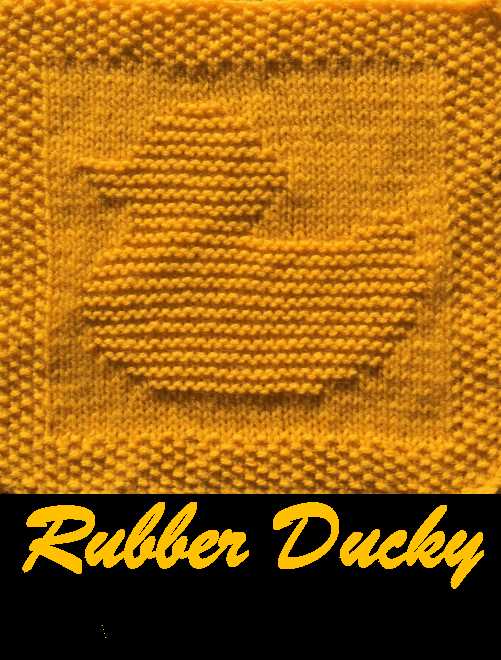
One of the main purposes of a dishcloth is to absorb moisture effectively. Therefore, it is crucial to choose a cotton yarn that has good absorbency properties. Look for cotton yarns that are labeled as being highly absorbent or designed specifically for dishcloths. These yarns are typically made of 100% cotton and have a tight twist to help with absorption.
2. Durability:
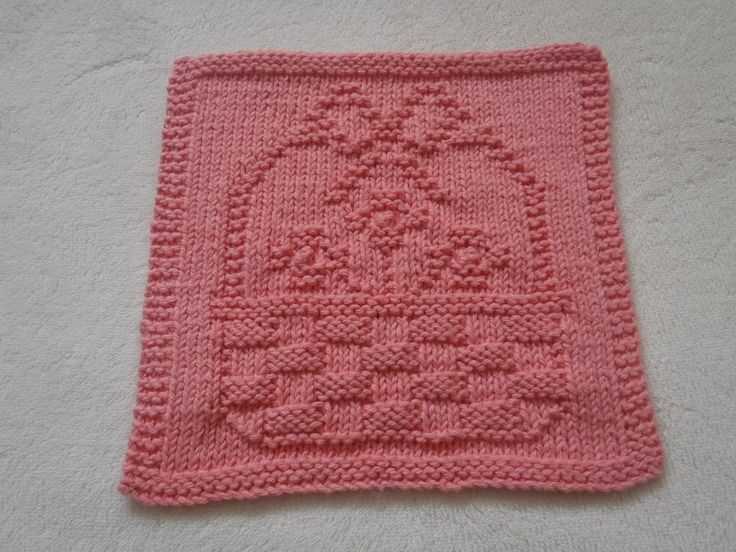
Dishcloths are often subjected to frequent washing and heavy use, so it is important to choose a cotton yarn that is durable. Look for yarns that have a higher ply count or are labeled as being strong and sturdy. This will ensure that your dishcloth can withstand multiple washes without losing its shape or becoming worn out.
3. Softness:
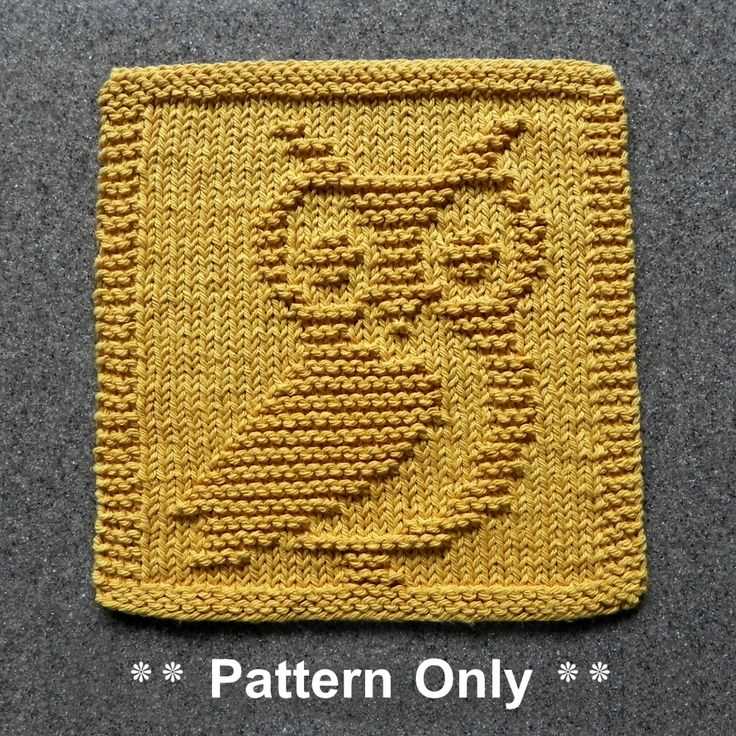
While absorbency and durability are key factors, it is also important to consider the softness of the cotton yarn. A soft and gentle yarn will be more comfortable to use when cleaning dishes or other surfaces. Look for cotton yarns that have a smooth texture and are labeled as being soft or suitable for sensitive skin.
4. Colorfastness:
If you plan on using your cotton dishcloths for a long time, it is important to choose a yarn that is colorfast. This means that the color will not bleed or fade when the dishcloth is washed. Check the label of the cotton yarn to ensure that it is colorfast and will maintain its vibrant color even after multiple washes.
By considering these factors, you can choose the right cotton yarn for your dishcloth knitting project. Whether you prefer a highly absorbent yarn or a soft and durable yarn, there are plenty of options available to suit your needs. Remember to always check the label of the yarn for specific care instructions to ensure the longevity of your dishcloth.
When it comes to knitting, having the right tools is essential for a successful and enjoyable experience. Whether you are a beginner or an experienced knitter, there are certain supplies that you will need to have on hand. Here are some of the essential knitting supplies:
1. Yarn
Yarn is the foundation of any knitting project. It comes in a variety of colors, weights, and fibers, allowing you to choose the perfect yarn for your project. Whether you prefer natural fibers like wool or cotton, or synthetic fibers like acrylic or nylon, make sure to have a good supply of yarn in your favorite colors and weights.
2. Knitting Needles
Knitting needles come in different sizes, lengths, and types. They can be made of different materials such as metal, wood, or plastic. The size of the knitting needles you need will depend on the thickness of the yarn and the desired gauge of your project. It’s always a good idea to have a variety of needle sizes in your collection to accommodate different projects.
3. Stitch Markers
Stitch markers are small, removable markers that are used to mark specific stitches or sections of a knitting project. They come in handy when working on complex patterns or when you need to keep track of increases, decreases, or color changes. Having a few stitch markers in your knitting bag can make a big difference in the accuracy and ease of your knitting.
4. Scissors
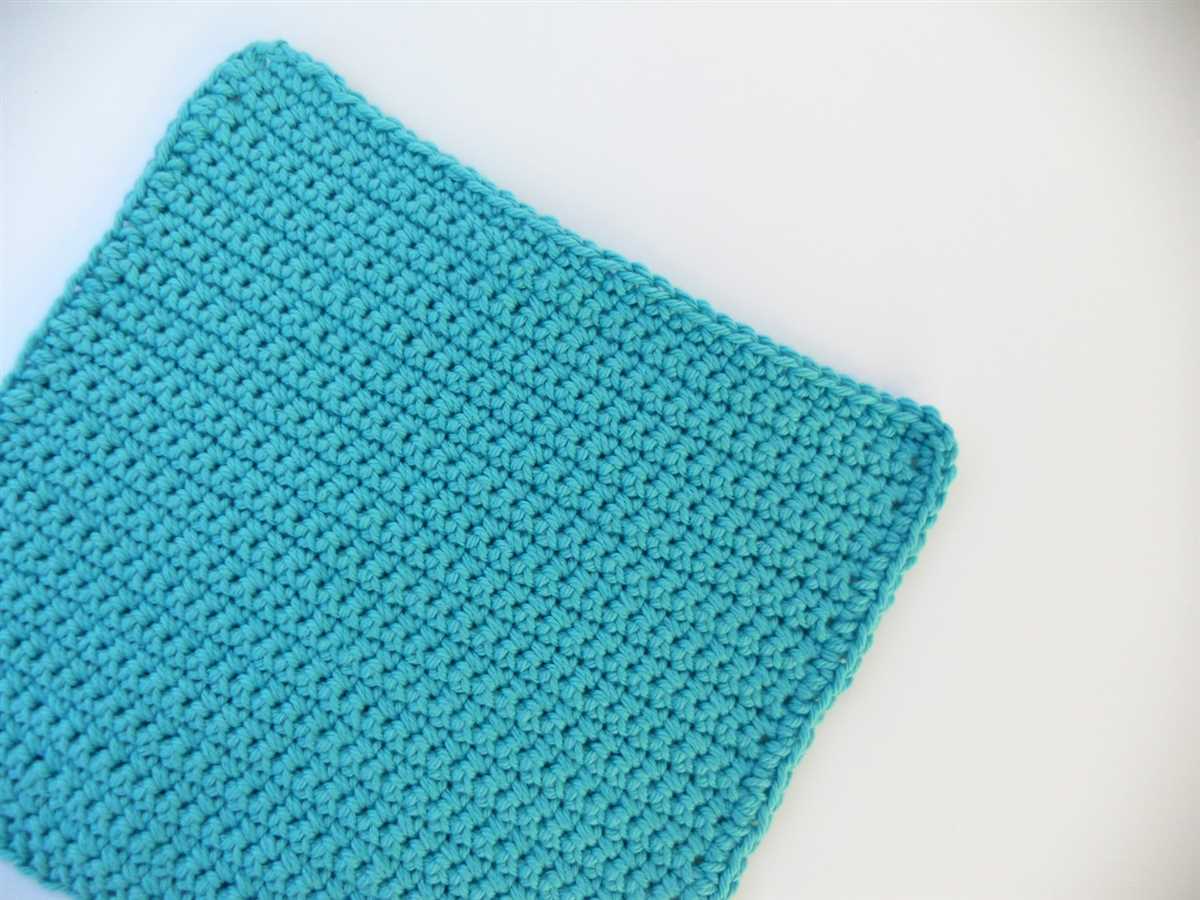
A good pair of scissors is essential for cutting yarn and finishing your knitting projects. Choose a pair of scissors that is sharp, durable, and comfortable to hold. Having a dedicated pair of scissors for your knitting can help prevent snagging or damaging your yarn.
5. Tapestry Needles
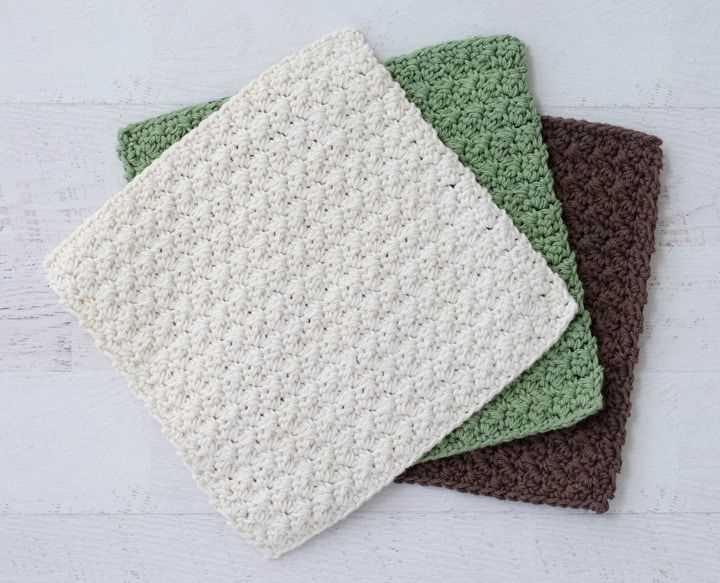
Tapestry needles, also known as yarn needles, are large-eyed needles used for weaving in ends and sewing pieces of your knitting project together. They have blunt ends, making them safe to use and preventing them from splitting your yarn. Having a set of tapestry needles in different sizes can be very useful when it comes to finishing touches on your knitted items.
These are just a few of the essential knitting supplies that every knitter should have. Whether you are working on a simple scarf or a complex sweater, having the right tools can make all the difference in the outcome of your projects. So, stock up on these supplies and get ready to unleash your creativity with knitting!
Basic Knitting Stitches for Dishcloths
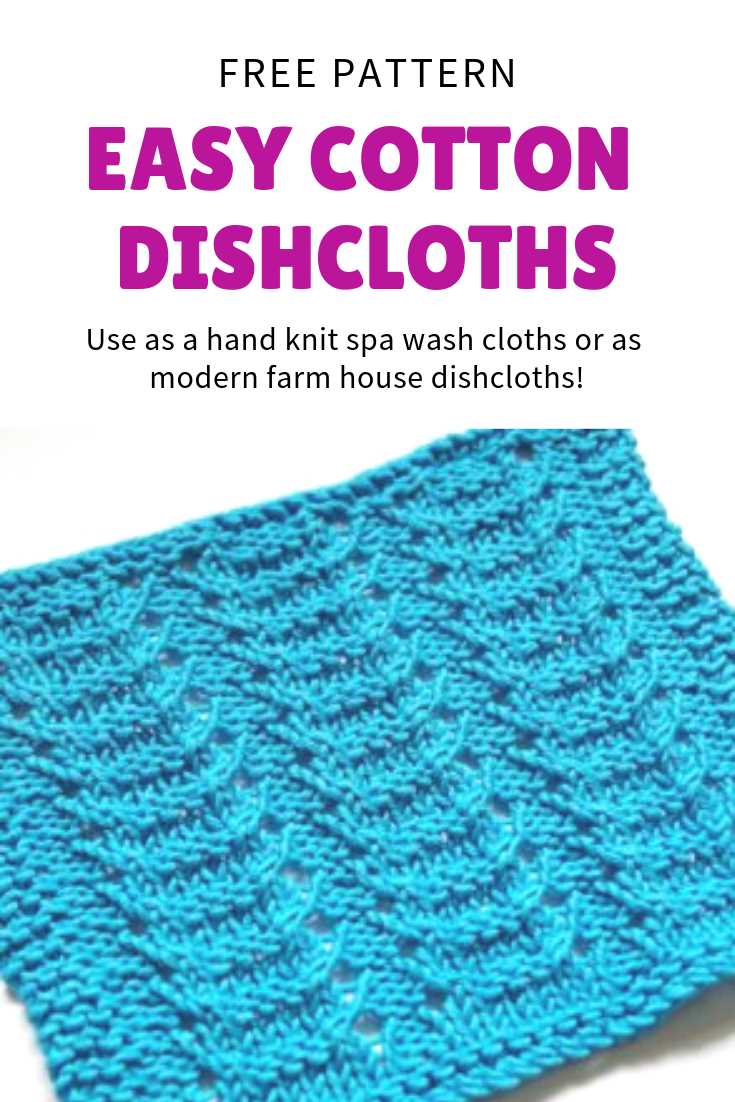
When it comes to knitting dishcloths, it’s important to have a good understanding of the basic stitches. These stitches will not only create a functional and durable dishcloth but also give it a beautiful texture and pattern.
Garter Stitch: One of the most basic knitting stitches is the garter stitch. It is created by knitting every row, resulting in a fabric with ridges on both sides. This stitch is great for dishcloths as it creates a sturdy and absorbent texture that is perfect for cleaning.
Stockinette Stitch: The stockinette stitch is another essential knitting stitch for dishcloths. It is created by knitting one row and purling the next, resulting in a smooth, flat fabric with a distinct stockinette pattern. This stitch is great for creating a soft and gentle surface that will feel nice against the skin while still having good absorbency.
Seed Stitch: The seed stitch is a textured stitch that is perfect for adding some visual interest to your dishcloths. It is created by alternating between knitting and purling stitches within each row. This stitch creates a bumpy texture that not only adds visual appeal but also enhances the scrubbing power of your dishcloth.
Ribbing: Ribbing is a versatile stitch that can be used to create borders or add elasticity to your dishcloths. It is created by alternating between knit and purl stitches in a pattern. Ribbing stitches can be used to create a decorative border around your dishcloth or add stretchiness to ensure a snug fit.
Basketweave Stitch: The basketweave stitch is a textured stitch that resembles a woven basket. It is created by knitting and purling blocks of stitches to create a checkerboard pattern. This stitch not only adds visual interest to your dishcloth but also enhances its scrubbing power by creating a textured surface.
These are just a few examples of the basic knitting stitches that you can use to create beautiful and functional dishcloths. Experiment with different stitch patterns and combinations to create unique designs that suit your style. Happy knitting!
Simple Cotton Dishcloth Knitting Pattern
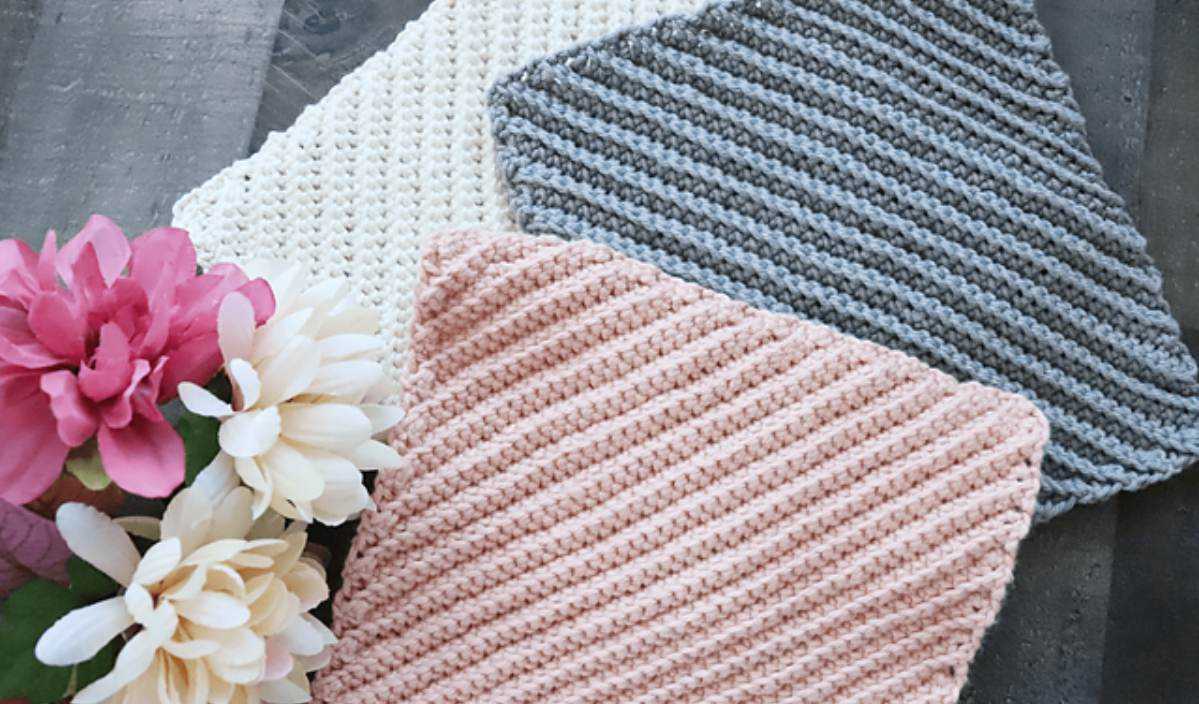
Are you looking for a simple and easy knitting pattern to make your own cotton dishcloth? Look no further! This pattern is perfect for beginners and experienced knitters alike. With just a few basic stitches, you can create a practical and durable dishcloth that will last for years.
To start, you will need some cotton yarn in your favorite color and a pair of knitting needles. Size 8 or 9 needles should work well for this project. Cast on 40 stitches to create a dishcloth that is approximately 8 inches wide. If you prefer a larger or smaller dishcloth, simply adjust the number of stitches accordingly.
Once you have cast on, you can begin knitting the dishcloth using the garter stitch. This means you will knit every row, creating a nice, textured fabric. Continue knitting in this pattern until your dishcloth measures about 8 inches in length.
When you have reached the desired length, it’s time to bind off. Simply knit the first two stitches, then insert your left needle into the first knitted stitch and lift it over the second knitted stitch and off the needle. Continue this process until you have bound off all the stitches. Cut the yarn, leaving a long tail, and pull it through the last stitch to secure it.
Your dishcloth is now complete and ready to use! The cotton yarn is sturdy and absorbent, making it great for cleaning dishes or other household tasks. And with the simple garter stitch pattern, you can easily whip up a stack of these dishcloths in no time.
- Materials needed:
- Cotton yarn
- Knitting needles (size 8 or 9)
- Instructions:
- Cast on 40 stitches.
- Knit every row in garter stitch until the dishcloth measures 8 inches.
- Bind off all stitches.
- Cut yarn and secure.
Enjoy knitting your own cotton dishcloths with this simple pattern. They also make great gifts for friends and family, and you can customize them with different colors or even add a fun border for some extra flair. Happy knitting!
Advanced Cotton Dishcloth Knitting Patterns
Looking to take your dishcloth knitting to the next level? Advanced cotton dishcloth knitting patterns provide an opportunity to challenge yourself and create beautiful and functional items for your kitchen. These patterns often feature more intricate stitch patterns and techniques, making them perfect for experienced knitters who want to expand their skills.
1. Lace and Cable Dishcloth: This pattern combines delicate lace panels with elegant cable stitches to create a textured and visually interesting dishcloth. The lace sections add a touch of femininity, while the cables provide structure and depth. Knitting this pattern will allow you to practice lace knitting and cable techniques.
2. Colorwork Dishcloth: Add some color to your kitchen with a colorwork dishcloth pattern. This type of pattern typically involves knitting with multiple colors to create intricate designs. Whether you choose to knit a simple geometric pattern or a more intricate motif, colorwork dishcloths are a great way to explore the art of knitting with different colors.
3. Mosaic Dishcloth: Mosaic knitting is a technique that involves slipping stitches to create color patterns while only working with one color at a time. This creates the illusion of complex stranded knitting without the need for multiple yarns. A mosaic dishcloth pattern will allow you to experiment with this technique and create a stunning and unique dishcloth.
4. Cable and Bobble Dishcloth: For those who love texture and dimension, a cable and bobble dishcloth pattern is a great choice. This pattern combines cable stitches and small bobbles to create a dishcloth that is both practical and visually appealing. Knitting this pattern will help you perfect your cable knitting and bobble-making skills.
5. Lace Edged Dishcloth: If you want to add a touch of elegance to your dishcloths, a lace-edged pattern is the way to go. This pattern typically involves knitting a simple square or rectangle shape and then adding a delicate lace border. The result is a dishcloth with a beautiful and dainty edge that will make washing dishes feel a bit more glamorous.
When knitting advanced cotton dishcloth patterns, be sure to choose a high-quality cotton yarn that is durable and absorbent. Additionally, take your time to read through the pattern instructions carefully and familiarize yourself with any new stitches or techniques before starting. With practice and patience, you’ll be able to create stunning and functional dishcloths to enhance your kitchen. Happy knitting!
Tips for Knitting Dishcloths
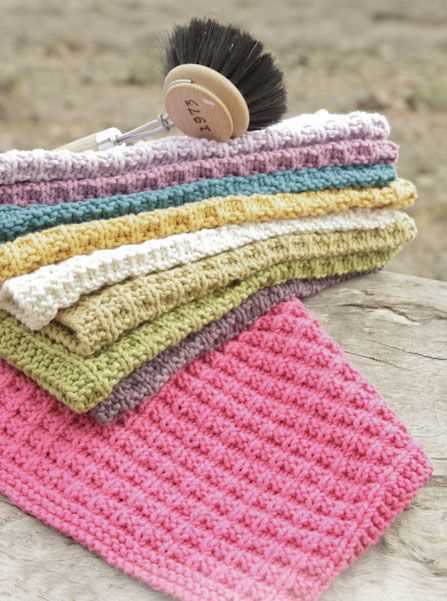
Knitting dishcloths can be a fun and rewarding project for beginners and experienced knitters alike. Whether you’re looking to create a functional item for your kitchen or a thoughtful gift for a loved one, here are some tips to help you perfect your dishcloth knitting skills:
1. Choose the Right Yarn
When knitting dishcloths, it’s important to choose a yarn that is absorbent and durable. Look for cotton or linen yarn, as these materials are known for their ability to soak up moisture and withstand frequent use. Avoid using acrylic or synthetic yarns, as they may not be as effective at cleaning.
2. Select the Right Needle Size
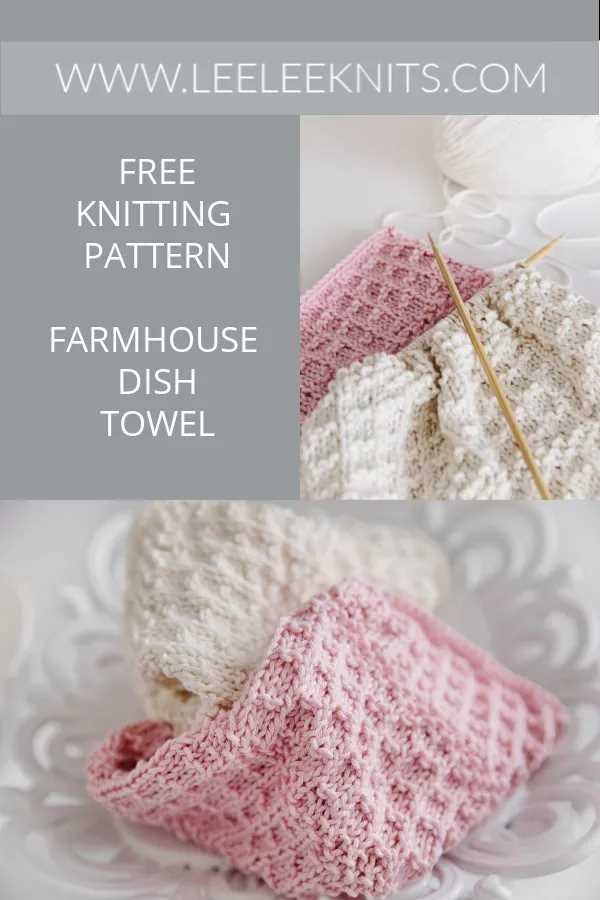
Using the appropriate needle size can make a big difference in the outcome of your dishcloth. For a tighter and more compact fabric, choose smaller needles. If you prefer a looser and more flexible texture, opt for larger needles. Experiment with different sizes to find the one that best suits your desired outcome.
3. Consider Pattern Complexity
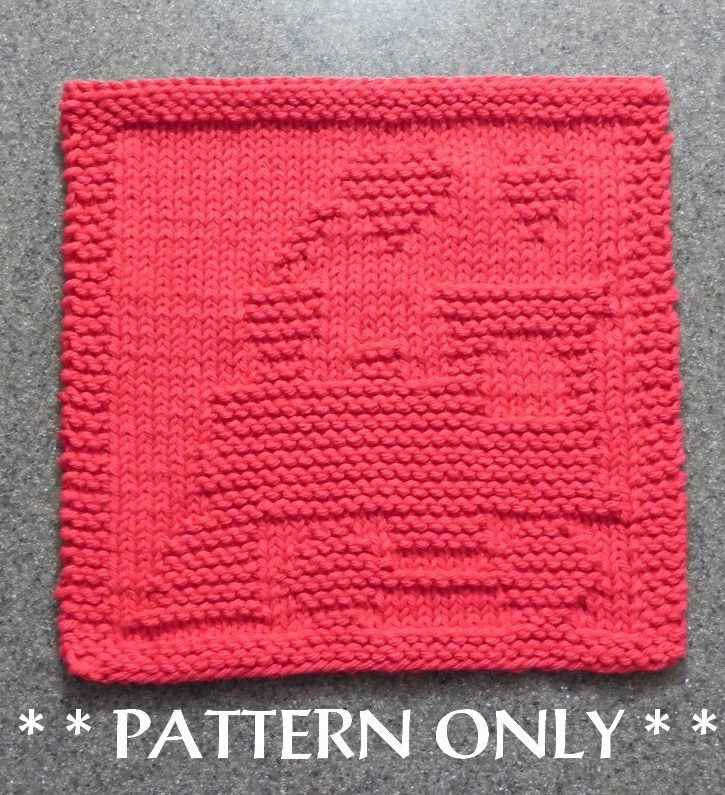
When selecting a dishcloth knitting pattern, keep in mind your skill level and the time you’re willing to invest. Simple patterns with basic stitches, such as garter or stockinette stitch, are great for beginners. If you’re more experienced, you can challenge yourself with intricate lace or cable patterns. Remember to read the pattern thoroughly before starting to ensure you understand the instructions.
4. Practice Proper Tension
Consistency in tension is crucial for achieving an even and professional-looking dishcloth. Practice maintaining a steady tension in your knitting by keeping your stitches neither too loose nor too tight. This may require some practice, but it will greatly improve the overall appearance of your finished project.
5. Blocking and Finishing
After completing your dishcloth, consider blocking it to give it a polished and neat finish. Blocking involves soaking the finished item in water and then shaping it to the desired dimensions, allowing it to dry flat. This process helps even out any irregularities and gives the dishcloth a more professional look. Follow the blocking instructions specific to the type of yarn used.
With these tips in mind, you’re ready to embark on your dishcloth knitting journey. Enjoy the process and have fun creating beautiful and functional items for your kitchen!
Washing and Caring for Cotton Dishcloths
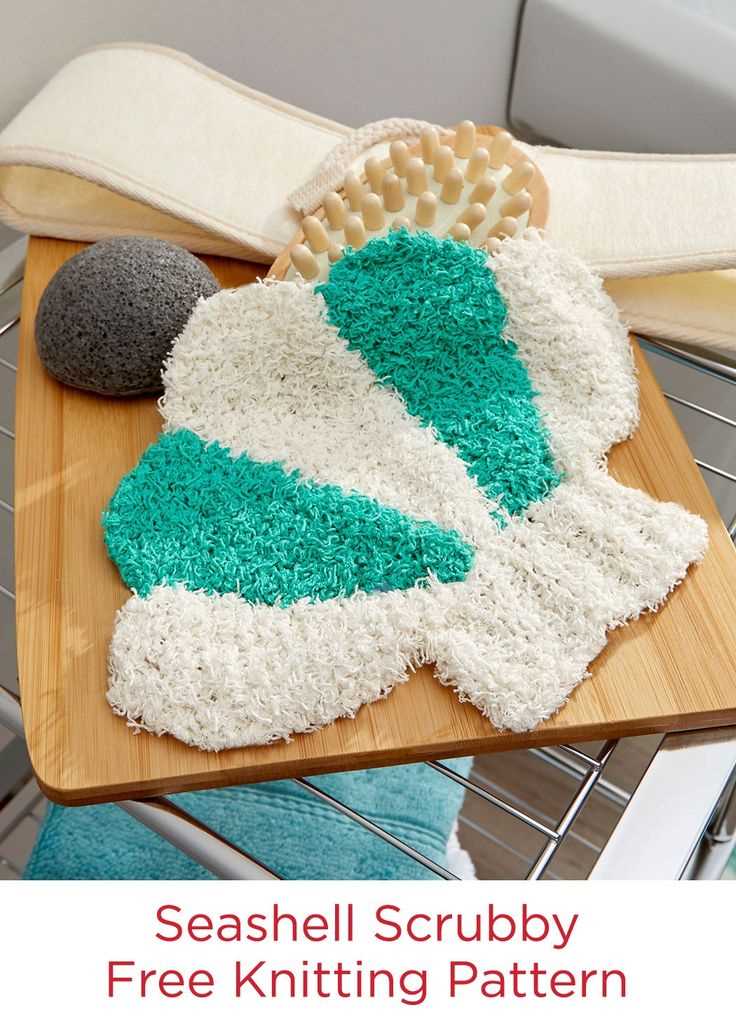
Once you have finished knitting your cotton dishcloths, it’s important to know how to properly wash and care for them to ensure their longevity and effectiveness. Follow these guidelines to keep your dishcloths clean and in good condition.
Washing: To wash your cotton dishcloths, simply toss them in the washing machine with your regular laundry. Use a gentle cycle with cold or warm water and avoid using bleach or harsh detergents, as these can damage the fibers. If you prefer, you can also hand wash the dishcloths in a basin or sink with mild soap and lukewarm water. Rinse them thoroughly to remove all soap residue.
Drying: After washing, gently squeeze out any excess water from the dishcloths. It is best to air dry them by laying them flat on a clean towel or hanging them up to dry. Avoid drying them in direct sunlight or using high heat, as this can cause them to shrink or lose their shape.
Storing: When not in use, it’s best to store your cotton dishcloths in a well-ventilated area to prevent moisture and mildew. You can fold them neatly and place them in a drawer or hang them on a hook. Avoid storing them in a damp area, such as under the sink, as this can lead to a musty smell.
Replacing: Over time, cotton dishcloths may become worn out or stained, so it’s important to regularly check their condition. If you notice any frayed edges, holes, or stubborn stains that cannot be removed, it’s time to replace them. Knitting new dishcloths or purchasing new ones will ensure that you always have fresh and effective cleaning tools in your kitchen.
In conclusion, by following these simple washing and caring instructions, you can keep your cotton dishcloths in excellent condition for a long time. Not only will they remain effective in cleaning your dishes, but they will also add a touch of handmade charm to your kitchen.