
Knitting hats on circular needles is a fantastic way to create beautiful, cozy accessories without the hassle of traditional straight needles. Circular needles allow you to easily knit in the round, resulting in a seamless and professional-looking finished product. Whether you’re a beginner or an experienced knitter, there are plenty of easy knitting patterns available for hats on circular needles.
One of the best things about knitting hats on circular needles is that they knit up quickly and can be customized to fit any head size. With a variety of yarns and stitch patterns to choose from, you can create a hat that is perfect for yourself or as a gift for a loved one. Plus, knitting hats on circular needles is a portable project that you can take with you wherever you go, making it a great option for knitting on the go.
From basic beanies to more intricate designs, easy knitting patterns for hats on circular needles can be found in a variety of styles. Whether you prefer a classic ribbed design, a cozy cable pattern, or a trendy slouchy hat, there is a pattern out there for you. And with the availability of online knitting communities and resources, finding and following these patterns has never been easier.
What are circular needles and why use them for knitting?

Circular needles are an essential tool for knitting projects, especially when it comes to creating hats. These knitting needles are long and typically have two pointed ends connected by a flexible cable. Unlike straight needles, circular needles allow you to knit in the round, making it easier to work on seamless projects like hats without needing to sew any seams.
There are several advantages to using circular needles for knitting hats. Firstly, the cable connecting the two needle ends allows you to hold a larger number of stitches than straight needles, making it ideal for projects that require a large number of stitches. This means you can easily knit hats of different sizes without worrying about running out of space on your needles.
- Versatility: Circular needles can be used for more than just knitting in the round. They are also great for knitting flat projects such as scarves or blankets. The flexibility of the cable allows you to comfortably hold more stitches and distribute their weight evenly, reducing strain on your hands and wrists.
- Portability: Circular needles are easier to carry around compared to straight needles, especially when working on larger projects. The cable allows you to fold your work in progress, making it more compact and easier to transport. This makes circular needles a great choice for knitting on the go.
- Decreased Seaming: Working with circular needles eliminates the need for seaming in many projects. When knitting a hat, for example, you can simply join the stitches in the round and continue knitting without having to sew the sides together later. This not only saves time and effort but also creates a cleaner and more seamless finished product.
In conclusion, circular needles are a valuable tool for knitting hats and other projects. They offer versatility, portability, and eliminate the need for seaming, making them a must-have for knitters of all skill levels.
Benefits of using circular needles for hat knitting
When it comes to knitting hats, circular needles offer numerous benefits that make the process easier and more efficient. Here are some advantages of using circular needles for hat knitting:
- Seamless knitting: Circular needles allow you to knit in the round, creating a seamless hat without the need for sewing or seaming. This not only saves time but also creates a neater and more professional-looking finished product.
- Comfort and convenience: Circular needles are generally more comfortable to work with, especially when knitting a large number of stitches. They distribute the weight of the project evenly, reducing the strain on your hands and wrists. Additionally, the flexible cord of circular needles allows you to easily hold and maneuver your knitting, making it ideal for knitting on the go.
- Ability to knit small circumferences: Circular needles come in various lengths, including shorter ones designed specifically for knitting hats. These shorter circular needles make it easier to work with small circumference projects like hats, as you don’t need to switch to double-pointed needles or constantly adjust the stitches on a long circular needle.
- Less risk of dropping stitches: With circular needles, your stitches are held securely on the cord, reducing the risk of accidentally dropping stitches. This can be particularly beneficial when knitting intricate patterns or using finer yarns.
- Versatility: Circular needles can be used for more than just knitting hats. They are also great for knitting other seamless projects like cowls, sweaters, and blankets. The versatility of circular needles makes them a valuable tool to have in your knitting arsenal.
These are just a few of the many benefits of using circular needles for hat knitting. Whether you’re a beginner or an experienced knitter, circular needles can greatly enhance your knitting experience and help you create beautiful and well-fitting hats with ease.
Choosing the right size and material for circular needles

When it comes to knitting hats using circular needles, choosing the right size and material is crucial for achieving the desired results. Circular needles, which consist of two short needle points connected by a flexible cable, offer a convenient way to knit seamless projects such as hats. Here are some factors to consider when selecting the appropriate size and material for your circular needles.
Size
The size of circular needles refers to the diameter of the needle points and the length of the cable. For knitting hats, it is important to choose a circular needle size that matches your desired gauge and yarn weight. The gauge, or the number of stitches and rows per inch, determines the overall size and fit of the hat. By using circular needles of the appropriate size, you can ensure that your hat will turn out as intended.
When selecting the size of circular needles, consider the circumference of the hat you want to create. If you plan on knitting a larger hat, you may need longer circular needles with a longer cable length to accommodate the stitches. On the other hand, if you are making a smaller hat, shorter circular needles with a shorter cable length may be more manageable.
Material
The material of circular needles can vary and each type has its own advantages. Common materials used for circular needles include metal, wood, and plastic. Metal needles are sturdy and slick, allowing stitches to glide smoothly. Wood needles provide a warm touch and are known to hold onto stitches better, reducing the chance of dropped stitches. Plastic needles are lightweight and often more affordable, making them a popular choice for beginners.
Consider your personal knitting style and preferences when choosing the material of circular needles. Some knitters prefer the speed and slickness of metal needles, while others enjoy the feel and grip of wooden needles. Trying out different materials can help you determine which one suits you best and enhances your knitting experience. Additionally, consider the yarn you will be using for your hat and how it interacts with different needle materials. Some yarns may slide more easily on metal needles, while others may cling better to wooden or plastic needles.
In conclusion, selecting the right size and material of circular needles is essential for successfully knitting hats. Consider the size that matches the gauge and hat circumference you desire, and choose a material that aligns with your knitting style and yarn preferences. With the right tools, you can create beautiful hats using circular needles.
Basic techniques for knitting hats with circular needles

Knitting hats with circular needles is a popular technique that allows for seamless construction and a comfortable fit. Whether you’re a beginner or an experienced knitter, mastering these basic techniques will help you create beautiful hats that showcase your creativity and skill.
Choosing the right circular needles: When starting a hat project, it is important to select the correct size circular needles that match your yarn weight. The length of the circular needles should be shorter than the circumference of the hat. Generally, a 16-inch circular needle works well for most adult hat sizes.
- Casting on: To start knitting your hat, you’ll need to cast on the desired number of stitches onto your circular needles. The long-tail cast-on method is commonly used for hats, but you can choose any cast-on method that you are comfortable with.
- Joining in the round: After casting on, you’ll need to join the stitches in the round to start knitting in the continuous circle. To do this, ensure that your cast-on stitches are not twisted, then place a stitch marker to mark the beginning of the round. Take care not to twist the stitches when joining.
- Knitting the body of the hat: Once you have joined in the round, you can start knitting the body of the hat. Whether you prefer simple stockinette stitch or intricate cable patterns, you can knit in the round using circular needles with ease. Simply knit every round until the hat reaches the desired length.
- Decreasing for the crown: To shape the crown of the hat and create a snug fit, you’ll need to decrease the number of stitches. Common decrease methods include knitting two stitches together (k2tog) or slipping one stitch knitwise, knitting the next stitch, and passing the slipped stitch over (ssk). Follow the pattern instructions or use a decrease method that you are comfortable with.
- Finishing the hat: After decreasing to a small number of stitches, cut the yarn leaving a long tail. Thread the tail through the remaining stitches, pulling tight to close the crown of the hat. Secure the tail on the inside of the hat and weave in any loose ends.
With these basic techniques, you’ll be able to knit a variety of hats using circular needles. Don’t be afraid to experiment with different stitch patterns, yarns, and colors to create hats that are unique and personalized. Happy knitting!
Pattern 1: Simple Ribbed Hat
In this easy knitting pattern, we will create a simple ribbed hat using circular needles. The ribbed design adds a stylish touch to the hat and helps create a comfortable fit. This pattern is suitable for beginner knitters or those looking for a quick and satisfying project.
Materials Needed:

- Circular knitting needles (size 8)
- Worsted weight yarn (1 skein)
- Stitch marker
- Tapestry needle
- Scissors
Instructions:

- Cast on 88 stitches onto the circular needles.
- Place a stitch marker to indicate the beginning of the round.
- Join the round and begin knitting in a 2×2 rib pattern: knit 2 stitches, purl 2 stitches. Repeat this pattern until the end of the round.
- Continue knitting in the 2×2 rib pattern for approximately 6 inches.
- Next, switch to knitting every stitch for the rest of the hat. This will create a stockinette stitch pattern.
- Continue knitting in stockinette stitch until the hat measures approximately 9 inches from the cast-on edge.
- Decrease the number of stitches by knitting two stitches together throughout the round.
- When there are only a few stitches left, cut the yarn leaving a long tail. Thread the tail through the tapestry needle and slip it through the remaining stitches, removing them from the knitting needle.
- Pull the tail tight to close the top of the hat.
- Weave in any loose ends and trim excess yarn.
This simple ribbed hat pattern is a great project for both beginner and experienced knitters. Once you have mastered the basic ribbing and stockinette stitch, feel free to experiment with different yarn colors or add embellishments such as pom-poms or buttons. Happy knitting!
Pattern 2: Cable knit hat

In this pattern, we will create a beautiful cable knit hat using circular needles. This pattern is perfect for intermediate knitters looking to expand their skills. The cable design adds a touch of elegance to the hat, making it a stylish accessory for the colder months.
To start, you will need the following materials:
- Circular knitting needles (size 8 or as preferred)
- Worsted weight yarn (about 200 yards)
- Cable needle
- Tapestry needle
- Stitch markers
Once you have gathered all the necessary materials, you can begin knitting the hat. The cable design consists of crossing stitches over each other, creating a visually appealing pattern. To accomplish this, you will need to follow a specific set of instructions:
- Cast on 100 stitches using the long-tail cast on method.
- Place a stitch marker to indicate the beginning of the round.
- Work 2×2 ribbing (knit 2 stitches, purl 2 stitches) for 2 inches.
- Begin the cable pattern by following the chart or written instructions provided with the pattern. This will typically involve crossing stitches to the left and right at designated points.
- Continue working the cable pattern until the hat measures approximately 7-8 inches in length, or desired length.
- Divide the stitches into equal halves and place a stitch marker to indicate the beginning of the round.
- Decrease rounds: *Knit 8 stitches, knit 2 together; repeat from * to end of round.
- Switch to double-pointed needles when necessary.
- Continue decreasing until you have a few stitches remaining.
- Using a tapestry needle, thread the yarn through the remaining stitches and pull tight to close the top of the hat.
Once you have completed the hat, weave in any loose ends and block the hat to shape if desired. Your cable knit hat is now ready to wear or give as a thoughtful handmade gift!
Pattern 3: Fair Isle Hat
Knitting a Fair Isle hat is a great way to practice colorwork and create a unique and beautiful accessory. This pattern uses circular needles to knit in the round, making it easy and enjoyable to make.
Materials:
- Size 8 (5mm) circular needles, 16-inch (40cm) long
- Size 8 (5mm) double-pointed needles
- Worsted weight yarn in two different colors (Main Color and Contrast Color)
- Tapestry needle for weaving in ends
Instructions:
- Cast on 96 stitches with the main color yarn onto the circular needles.
- Join in the round, being careful not to twist the stitches. Place a stitch marker to mark the beginning of the round.
- Work in a 2×2 ribbing pattern (knit 2, purl 2) for 2 inches.
- Switch to the contrast color yarn and begin the fair isle pattern. You can create your own design or follow a chart. Knit the pattern for 5-6 inches.
- Switch back to the main color yarn and knit in stockinette stitch until the hat measures approximately 7 inches from the cast on edge.
- Begin decreasing rounds as follows: Knit 8 stitches, knit 2 together, repeat until the end of the round.
- Continue decreasing in this manner on every round, knitting one less stitch before the decrease, until only a few stitches remain.
- Use the double-pointed needles to knit the remaining stitches together and fasten off.
- Weave in any remaining ends and block the hat to shape.
This Fair Isle hat pattern is a fun and rewarding project that will keep you warm and stylish during the colder months. Experiment with different color combinations and patterns to create a hat that is uniquely yours.
Pattern 4: Lace Stitch Hat
In this pattern, we will be using circular needles to create a beautiful lace stitch hat. Lace patterns can be a bit challenging, but with a little patience and practice, you’ll be able to create a stunning hat that is sure to impress.
To begin, you will need the following materials:
- Circular needles in a size suitable for the yarn you have chosen
- Yarn in your preferred color
- A tapestry needle for weaving in ends
- A stitch marker
Once you have gathered your materials, it’s time to start knitting! Begin by casting on the desired number of stitches onto your circular needles. For this pattern, we recommend using a multiple of 16 stitches.
Next, you’ll need to set up your lace pattern. The lace stitch pattern consists of a series of knit and purl stitches, along with yarn overs and decreases. Follow the instructions provided in the pattern to create the lace stitch design.
Continue knitting in the lace stitch pattern until your hat reaches your desired length. Then, it’s time to decrease for the crown. This will create the shape of the hat. Follow the decreasing instructions provided in the pattern to shape the crown.
Finally, bind off your stitches and weave in any loose ends. Your lace stitch hat is completed and ready to wear! Remember to block your hat to give it a polished finish and to help shape the lace stitches.
This lace stitch hat pattern is perfect for those looking to challenge their skills and create a unique, eye-catching accessory. Give it a try and see what beautiful creations you can make!
Troubleshooting common issues when knitting hats with circular needles

Knitting hats with circular needles can be a fun and rewarding project, but it’s not without its challenges. Here are some common issues that knitters may encounter and some troubleshooting tips to help overcome them:
Tangled or twisted stitches

If you find that your stitches are becoming tangled or twisted on your circular needles, it’s important to make sure that you are knitting in the correct direction. Check that you are working in the round in the same direction as your cast-on edge. Additionally, be mindful of the needle positioning and make sure you’re not inadvertently twisting the stitches as you go.
Uneven tension
If you notice that your hat has uneven tension, with some sections tighter or looser than others, it may be due to inconsistent tensioning of your yarn. Pay attention to how you are holding and tensioning your yarn and try to maintain a consistent grip throughout your project. Practice can also help improve your tension control over time.
Miscounted or dropped stitches

Counting your stitches is crucial when knitting hats, as miscounts or dropped stitches can significantly affect the shape and fit of your finished project. Use stitch markers to help you keep track of the number of stitches and check periodically to ensure that you haven’t accidentally dropped any. If you do encounter a dropped stitch, don’t panic! You can use a crochet hook or a spare circular needle to pick it up and fix it.
Difficulty joining in the round
Joining your work in the round can be a bit tricky, especially when working with a small number of stitches for a hat. To avoid a visible gap or ladder where you joined, make sure to snugly pull your working yarn at the beginning of each round. You can also use a technique called the “magic loop” or use double-pointed needles if you find it challenging to join with circular needles.
By being aware of these common issues and learning how to troubleshoot them, you can ensure smooth and enjoyable knitting experience when working on hats with circular needles.
Final Thoughts and Additional Resources
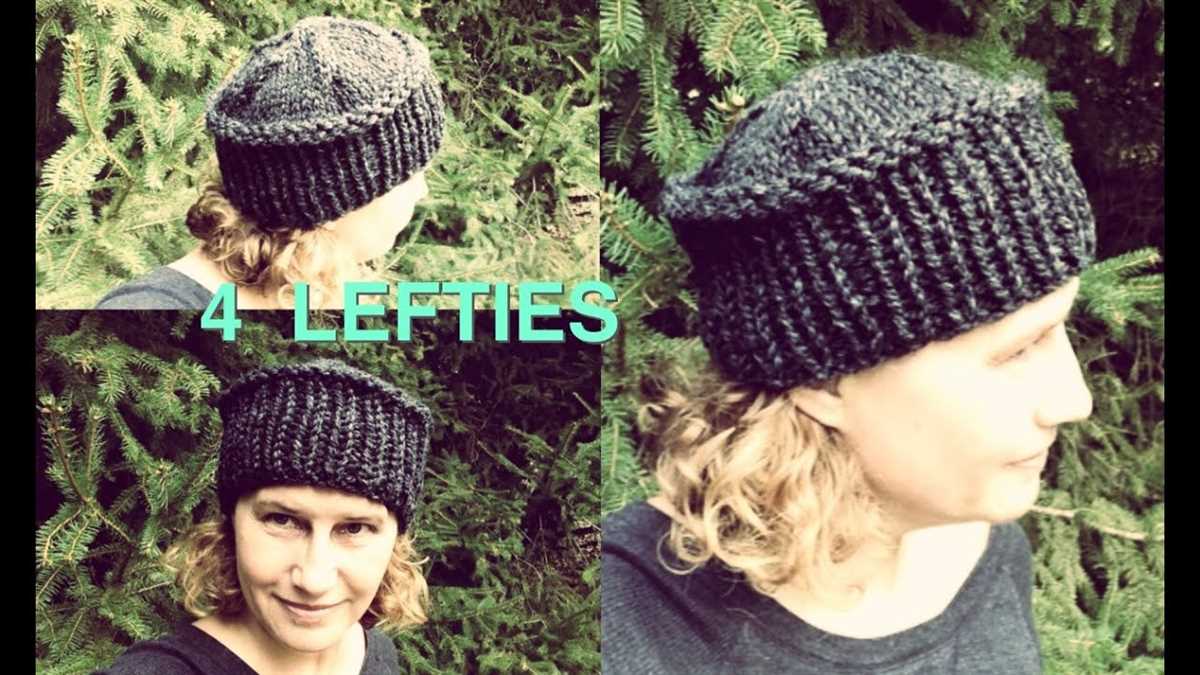
Knitting hats using circular needles can be a fun and rewarding project for beginners and experienced knitters alike. With easy knitting patterns available, you can create stylish and cozy hats for yourself or as gifts for your loved ones.
When using circular needles, it’s important to choose the right size and length for your specific project. Be sure to check the gauge and adjust your needle size if needed to achieve the desired fit and tension.
Remember to always start with a well-written pattern and take your time to understand the instructions before you begin. Don’t hesitate to seek help from more experienced knitters or online knitting communities if you encounter any difficulties.
Here are some additional resources that can help you with your journey of knitting hats using circular needles:
- Knitting websites and blogs: Websites like Ravelry, Knitty, and LoveKnitting are great sources for finding free knitting patterns, tutorials, and inspiration.
- YouTube tutorials: Video tutorials can be incredibly helpful, especially for visual learners. Search for channels like VeryPink Knits, KnittingHelp.com, and Arne & Carlos for tips and tricks on knitting hats with circular needles.
- Books: There are numerous knitting books that focus on hats and circular knitting. Some popular titles include “60 Quick Knits for Beginners” and “Circular Knitting Workshop” by Margaret Radcliffe.
By exploring these resources and practicing your knitting skills, you’ll soon be able to create beautiful hats using circular needles. Enjoy the process and happy knitting!