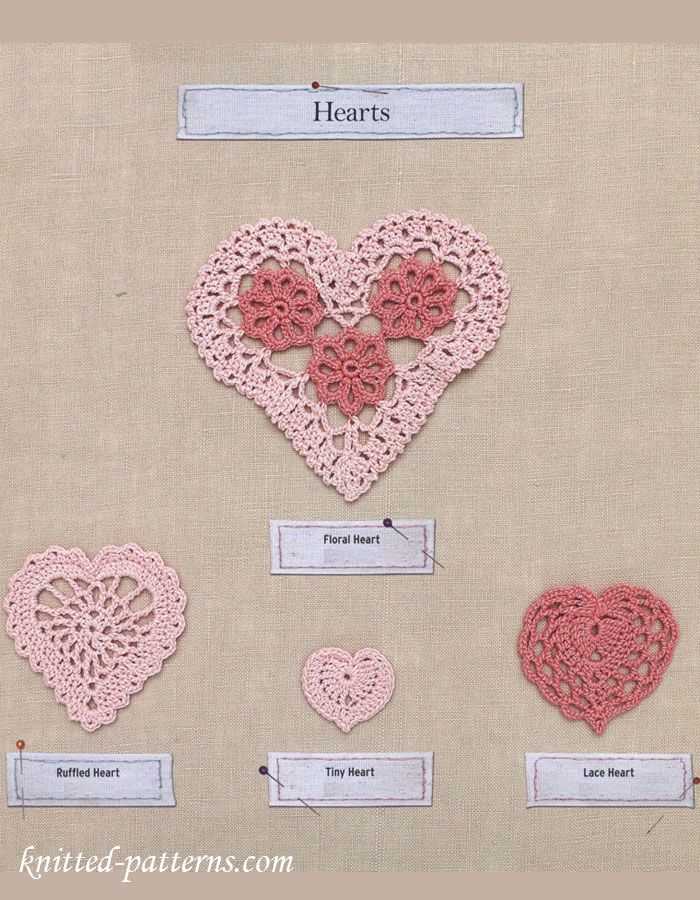
If you’re an avid knitter looking for a new and challenging pattern to try, look no further than the heart lace knitting pattern. This intricate design creates a beautiful and delicate heart shape that can be incorporated into a variety of knitting projects, from scarves and shawls to blankets and sweaters.
The heart lace knitting pattern is perfect for adding a touch of romance and elegance to your handcrafted items. Whether you’re knitting a gift for a loved one or simply want to add a special touch to your wardrobe, this pattern is sure to impress.
While the heart lace knitting pattern may appear complex, it is actually quite achievable with some practice and patience. The pattern typically includes a combination of basic knit and purl stitches, as well as a few more advanced techniques such as yarn overs and decreases. By following a detailed pattern and taking your time, you’ll be able to create a stunning heart lace design that you can be proud of.
There are numerous variations of the heart lace knitting pattern available, allowing you to customize the size and style of the hearts to suit your preferences. Whether you prefer a large and bold heart or a more delicate and subtle design, you can find a pattern that meets your needs. Additionally, the heart lace knitting pattern can be combined with other stitch patterns and motifs to create even more unique and intricate designs.
Are you ready to take your knitting skills to the next level? Give the heart lace knitting pattern a try and create beautiful and romantic designs that will impress everyone who sees them.
Create a Stunning Heart Lace Knitting Pattern
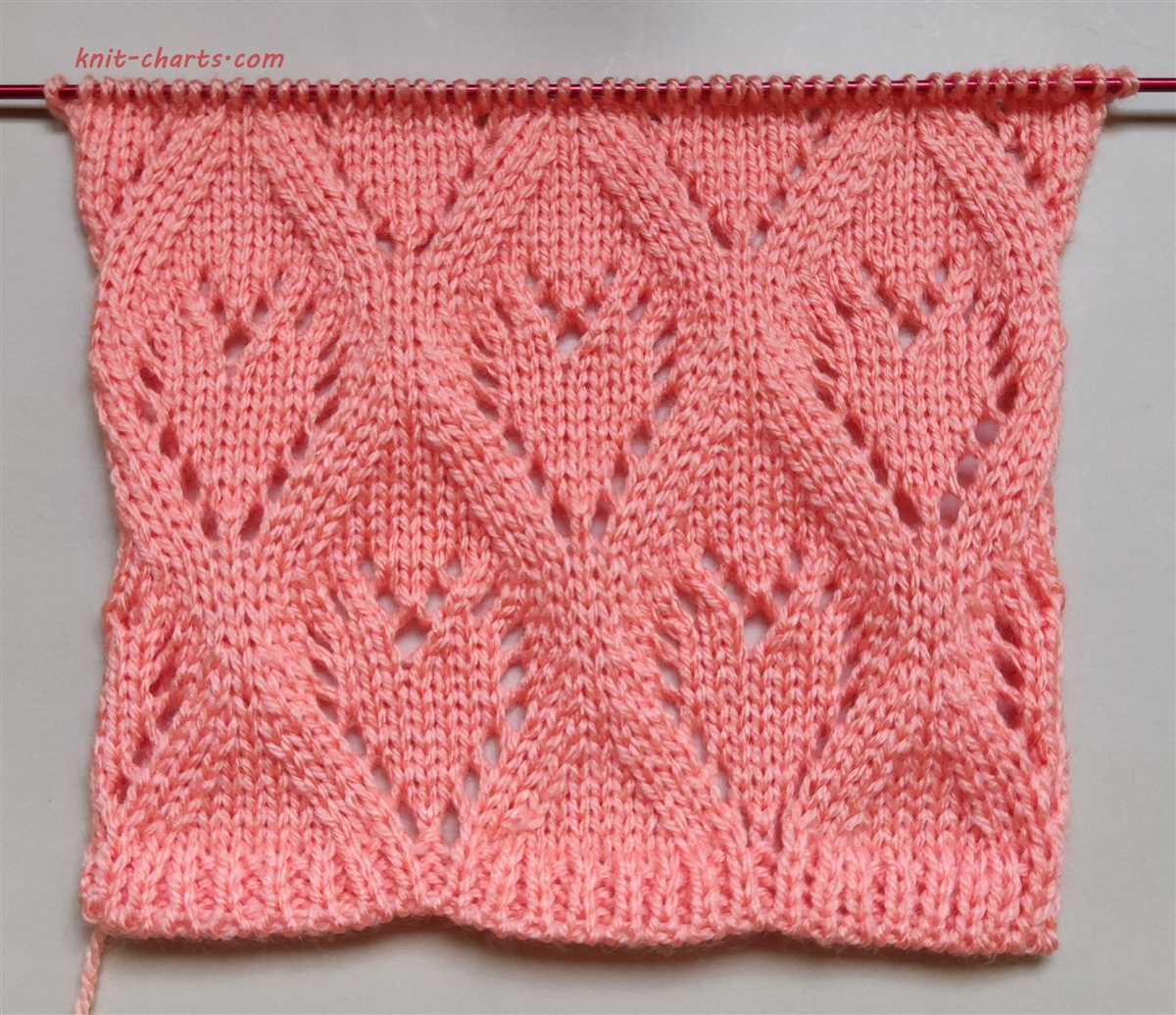
Knitting lace patterns can elevate any project to a new level of elegance, and one of the most beautiful and romantic lace patterns is the heart lace pattern. By adding delicate heart shapes to your knitting, you can create stunning garments, accessories, and home decor items that are perfect for special occasions or to add a touch of romance to your everyday life. Learning how to create the heart lace pattern is a rewarding endeavor that allows you to showcase your knitting skills and create unique and personal pieces.
To start knitting the heart lace pattern, you will need basic knitting skills, including casting on, knitting, purling, and yarn over. The heart lace pattern typically incorporates a combination of knit and purl stitches, yarn overs, and decreases, such as knit two together and slip, slip, knit. Once you have mastered these techniques, you can begin creating the beautiful heart lace pattern.
To create the heart lace pattern, you will need a lace knitting chart or written instructions. The chart will guide you through the different stitches and pattern repeats required to achieve the heart shape. If you prefer written instructions, make sure to carefully follow each step to ensure that your lace pattern is symmetrical and well-defined.
The heart lace pattern can be used in various knitting projects, such as scarves, shawls, sweaters, and even blankets. You can choose to incorporate the heart lace pattern as a central motif or as an all-over design. The choice of yarn and needles will also play a role in the final outcome of your heart lace knitting project. Opt for a delicate lace weight yarn and smaller needles to create a fine and intricate lace pattern, or choose a heavier yarn and larger needles for a bolder and more textured look.
Whether you are an experienced lace knitter or a beginner looking to challenge yourself, learning how to create a stunning heart lace knitting pattern is a worthwhile endeavor that will allow you to create beautiful and unique pieces. By incorporating the heart lace pattern into your knitting, you can add a touch of romance and elegance to your creations that will make them truly special.
What is a heart lace knitting pattern
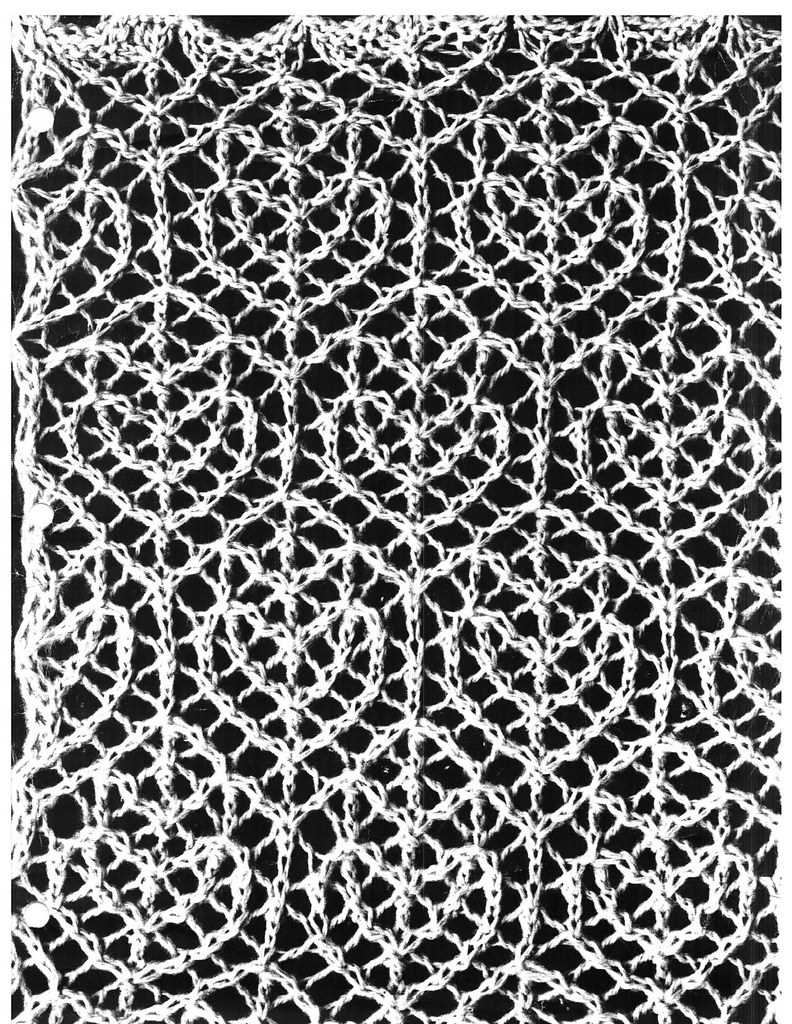
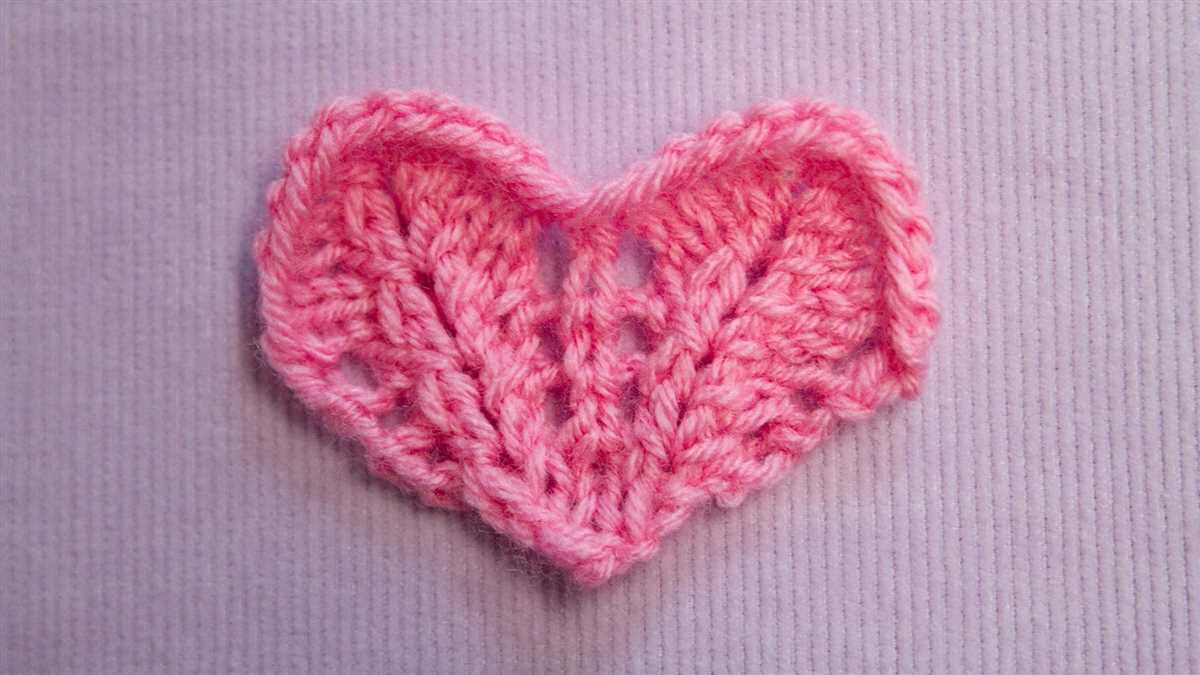
A heart lace knitting pattern is a design or motif that is knitted into a piece of fabric, typically using lace knitting techniques, to create the shape of a heart. It is a decorative element that can be incorporated into a variety of knitting projects, such as scarves, shawls, blankets, and even garments.
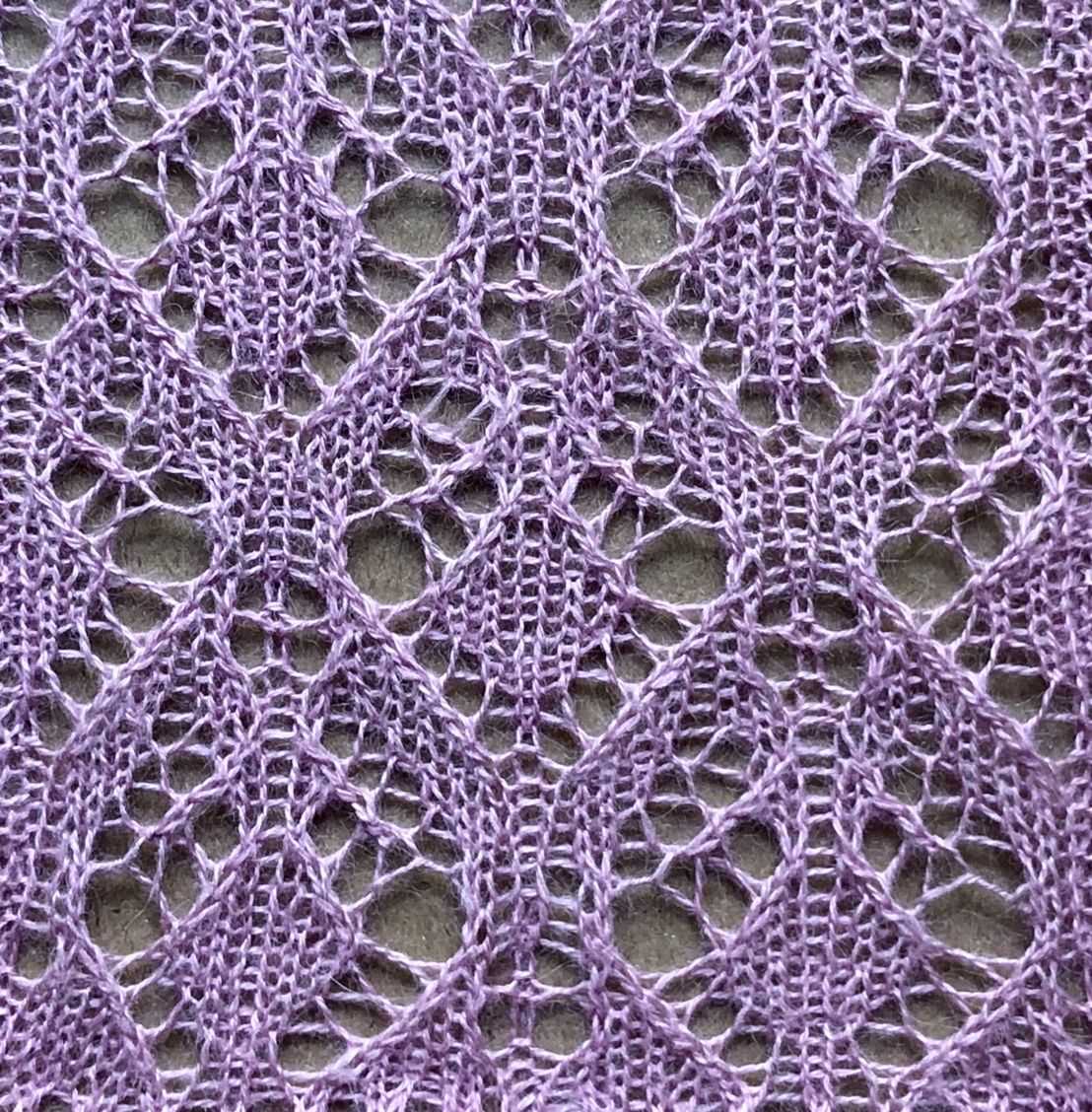
The heart lace knitting pattern is characterized by its intricate and delicate stitches, often resembling the intricate lacework commonly associated with traditional lace knitting. The pattern usually consists of a series of yarn overs, decreases, and various stitch combinations that are repeated across a row or multiple rows.
Knitting a heart lace pattern requires a certain level of skill and experience with lace knitting techniques, as it can be more challenging than other types of knitting patterns. The intricate stitch work and the need to keep track of yarn overs and decreases can make it a more time-consuming and detail-oriented project.
However, the end result of knitting a heart lace pattern can be truly stunning. The delicate and romantic design of the heart shape adds a touch of elegance and femininity to any knitted item. It can be used as a focal point in a design or as an accent to enhance the overall aesthetic of a project.
Heart lace knitting patterns can be found in various pattern books, online resources, and knitting magazines. They can range in complexity from simple and beginner-friendly patterns to more advanced designs that require a higher level of skill. Whether you are a beginner or an experienced knitter, there is a heart lace knitting pattern out there for you to try and incorporate into your next knitting project.
Materials needed for heart lace knitting
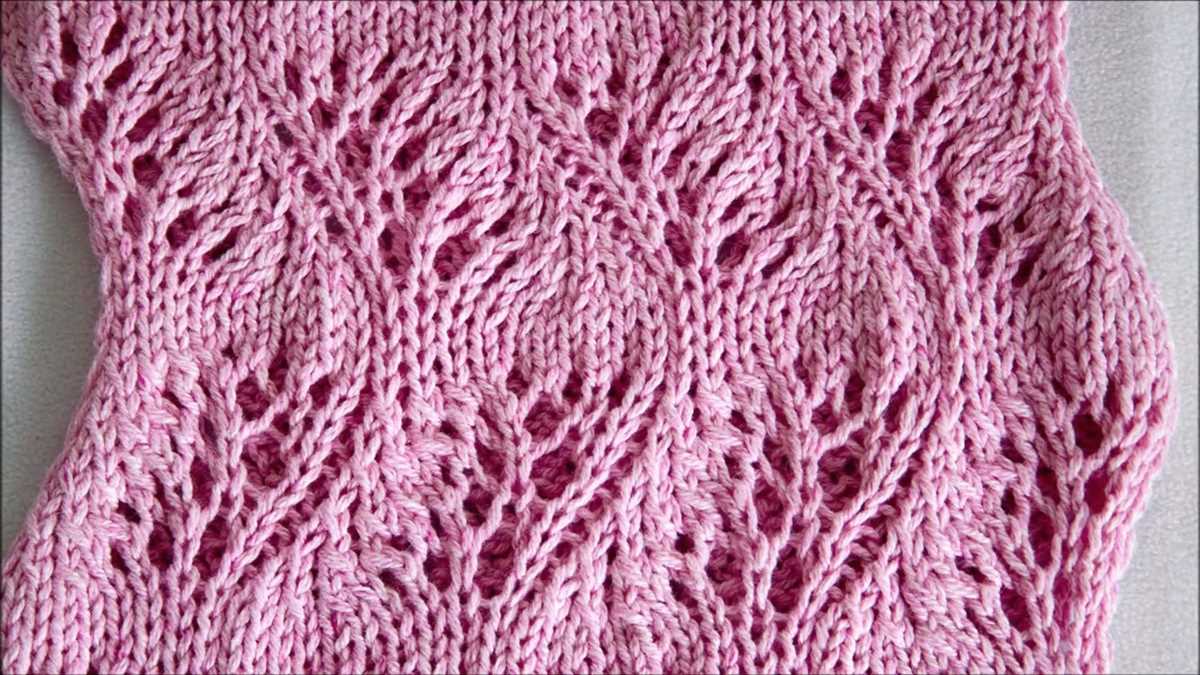
When starting a heart lace knitting project, it is important to have the right materials on hand. These materials will not only help you create beautiful lace patterns, but also ensure that your knitting experience is smooth and enjoyable. Here are the essential materials you will need:
- Yarn: Choose a yarn that is suitable for lace knitting, such as a lightweight fingering or lace weight yarn. The yarn should have good stitch definition and drape, allowing the delicate lace patterns to shine.
- Knitting needles: Opt for knitting needles in the appropriate size for your chosen yarn. Lace knitting often requires smaller needle sizes to create intricate stitch patterns. Circular needles are recommended for lace knitting, as they can accommodate a large number of stitches.
- Stitch markers: Use stitch markers to mark important sections of your knitting, such as the beginning of a round or a specific pattern repeat. This will help you keep track of your progress and prevent mistakes.
- Tapestry needle: A tapestry needle is essential for weaving in loose ends and tidying up your finished project. Choose a needle with a large eye and dull tip for ease of use.
- Blocking tools: Blocking is an important step in lace knitting to shape and open up the lace patterns. You will need blocking mats, rustproof T-pins, and a spray bottle filled with water. Some knitters also prefer using blocking wires to achieve more defined edges.
With these materials at your disposal, you will be well-equipped to dive into your heart lace knitting project. Remember to choose high-quality materials that suit your preferences and enhance the beauty of your lace patterns. Happy knitting!
Choosing the right yarn for your heart lace pattern
When it comes to knitting a heart lace pattern, choosing the right yarn is crucial to achieving the desired look and feel of the finished project. The delicate and intricate nature of the heart lace design requires a yarn that has good stitch definition and is able to showcase the intricate details of the pattern.
1. Yarn weight: The weight of the yarn you choose will have a significant impact on the final result of your heart lace pattern. For a delicate and intricate look, consider using a fine or lace weight yarn. These yarns have a lightweight and airy feel, which complements the delicate nature of the heart lace design. Alternatively, you can experiment with different yarn weights to achieve different effects. A heavier yarn will create a bolder and more pronounced heart lace pattern, while a lighter yarn will create a more delicate and ethereal effect.
2. Fiber content: The fiber content of the yarn will also play a role in the overall look and feel of your heart lace pattern. Natural fibers such as wool, silk, or cashmere are often preferred for lace knitting as they have good drape and stitch definition. These fibers also have a soft and luxurious feel that will enhance the delicate nature of the heart lace design. However, synthetic fibers such as acrylic or nylon can also be used, especially if you want a more affordable or easy-care option.
3. Color: The color of the yarn is another important consideration when knitting a heart lace pattern. To highlight the intricate details of the pattern, it is recommended to choose a solid or semi-solid color yarn. This will allow the heart lace design to take center stage and showcase its beauty. However, if you prefer a more whimsical or playful look, you can also experiment with variegated or self-striping yarns to add an interesting twist to your heart lace pattern.
By carefully considering these factors when choosing the right yarn for your heart lace pattern, you can ensure that your finished project will be a stunning and beautiful piece of knitted art.
Mastering the basic knitting stitches for heart lace
Knitting heart lace patterns can be a beautiful and intricate way to add a touch of elegance to any project. However, it can also be a bit daunting if you’re new to lace knitting or haven’t mastered the basic stitches. Fortunately, with a bit of practice and patience, you can become proficient in creating stunning heart lace designs.
The first step in mastering heart lace knitting is understanding the basic stitches. These include the knit stitch, purl stitch, yarn over, and knit two together (k2tog) or slip slip knit (ssk). The knit stitch is the most common and creates a smooth and flat fabric, while the purl stitch adds texture. Yarn over creates an extra stitch and is often used to make eyelets in lace patterns, while k2tog and ssk are decreases that help shape the heart motif.
Once you have a firm grasp on these basic stitches, you can begin to incorporate them into heart lace patterns. One popular pattern is the “Heart Lace Shawl,” which features a central heart motif surrounded by delicate lace stitches. To create this pattern, you’ll need to follow a chart or written instructions that specify when and how to use each stitch. It’s important to pay attention to the symbols or abbreviations used in the pattern, as they indicate which stitch to use.
For example, the pattern might instruct you to knit three stitches, yarn over, knit two together, and then repeat this sequence across the row. This would create a row of heart motifs.
With practice, you’ll become more comfortable with working lace patterns and be able to experiment with different designs and variations. You can try adding additional stitch motifs, such as leaves or flowers, to create unique heart lace projects. Remember to always read and understand the pattern before starting and take your time to ensure accurate stitches.
Understanding Lace Knitting Charts and Symbols
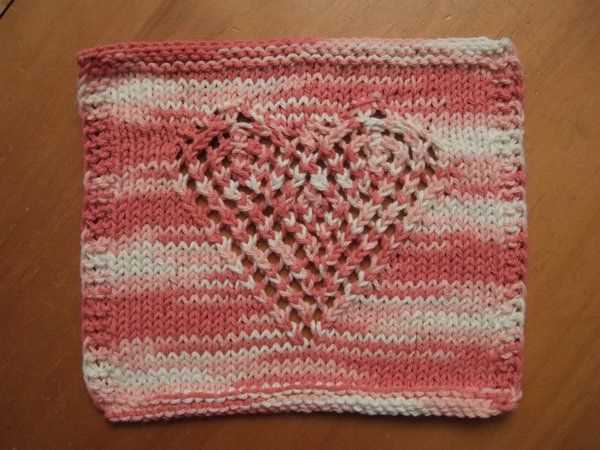
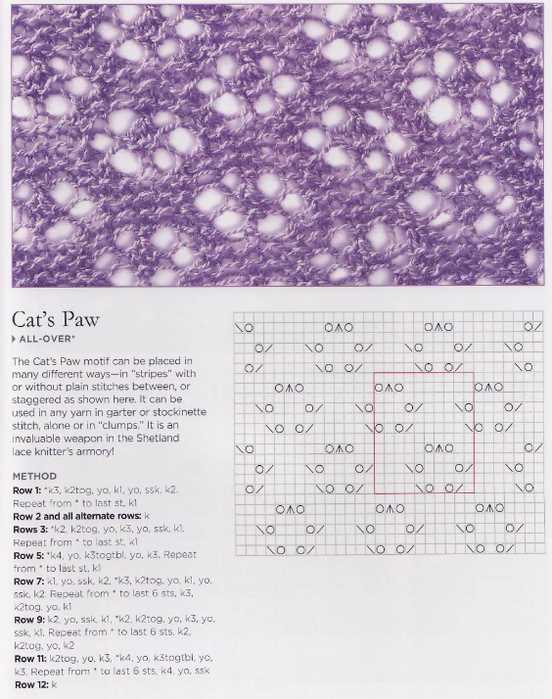
Lace knitting is a beautiful technique that creates delicate and intricate patterns. To successfully knit lace, it is important to understand lace knitting charts and the symbols used within them. Lace knitting charts are visual representations of the stitches and rows needed to create a lace pattern. They are typically presented as a grid, with each square representing a stitch and each row represented by a horizontal row of squares.
Rows and Stitch Repeat: Lace patterns often have repeating sections, known as the stitch repeat. The chart will indicate the number of stitches and rows that make up the repeat. This is helpful in understanding the overall structure of the pattern. The repeat may be a set of stitches that are worked multiple times across a row, or it may be a group of rows that are repeated vertically.
Symbols: Lace knitting charts use symbols to represent different types of stitches. These symbols are often standardized, making it easier for knitters to follow a pattern. Common symbols include a dot for a knit stitch, an open circle for a purl stitch, a diagonal line for a yarn over, and a horizontal line for a decrease stitch. The chart will include a key or legend that explains the meaning of each symbol used.
Reading the Chart: When reading a lace knitting chart, it is important to begin at the lower right corner and work from right to left for right-side rows (usually odd-numbered rows) and left to right for wrong-side rows (usually even-numbered rows). Each row is typically represented by a horizontal row in the chart, and the numbers on the sides indicate the row number. Following the symbols within the chart, knitters can visually see how each stitch is worked in relation to the pattern repeat.
Tracking Progress: Lace knitting charts also serve as a useful tool for tracking progress. As each stitch is worked, it can be marked off or shaded in on the chart to keep track of where you are in the pattern. This helps to minimize mistakes and make it easier to navigate through complex lace patterns.
Overall, understanding lace knitting charts and symbols is an essential skill for anyone interested in lace knitting. By becoming familiar with the structure of charts, the meaning of common symbols, and the techniques used to read and track progress, knitters can confidently tackle any lace knitting pattern and create beautiful lace designs.
Tips and tricks for knitting a perfect heart lace pattern
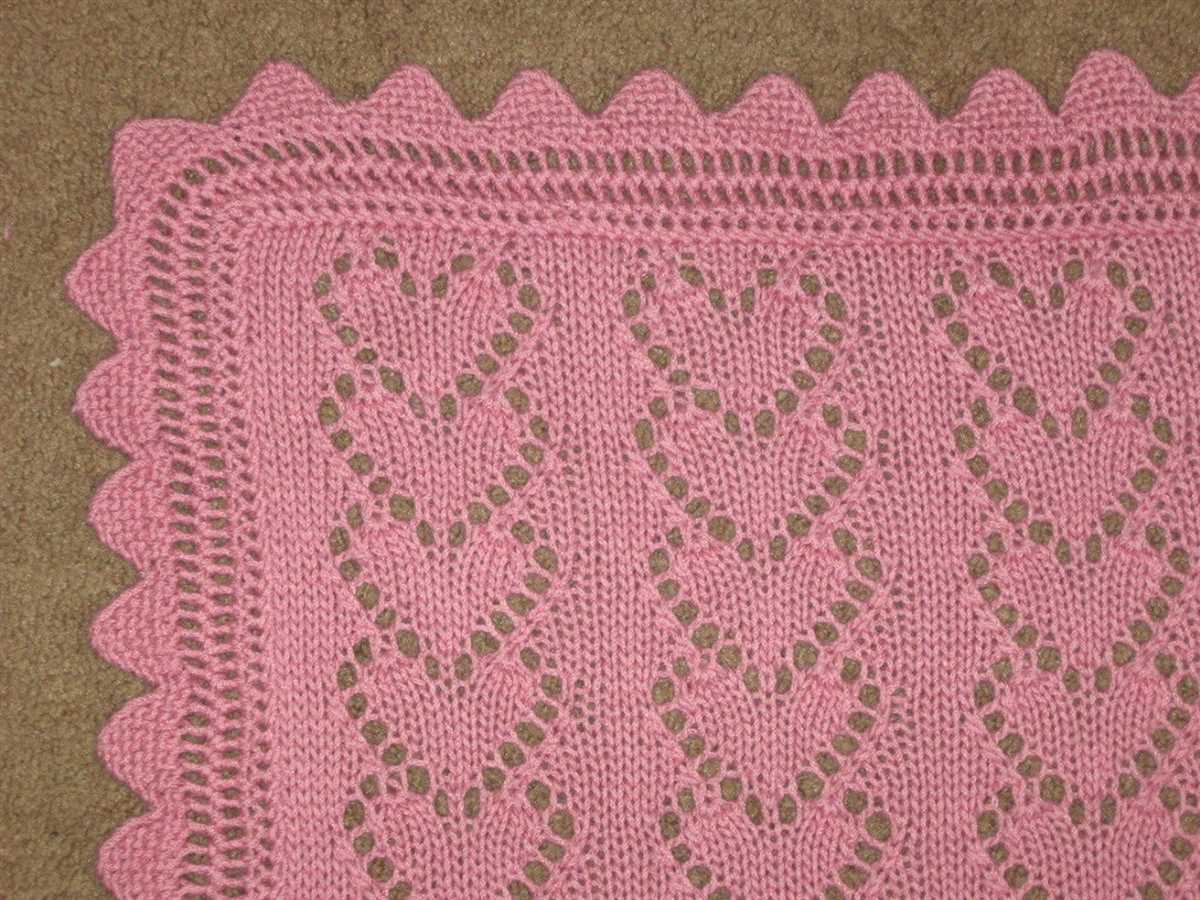
Knitting a heart lace pattern can be a beautiful and intricate project, but it can also be challenging. Here are some tips and tricks to help you create a flawless heart lace design:
1. Choose the right yarn and needles
When knitting a lace pattern, it’s important to choose a yarn that has good stitch definition and drapes nicely. A fingering weight or lace weight yarn works well for lace patterns. Additionally, using a needle size that complements your yarn will ensure that your stitches are even and the lace pattern is well-defined.
2. Practice the lace pattern before starting your project
Heart lace patterns often involve complex stitch combinations and yarn overs. It’s a good idea to practice the pattern on a smaller swatch or sample before starting your actual project. This will help you become familiar with the pattern and identify any potential issues or mistakes.
3. Use stitch markers to keep track of pattern repeats
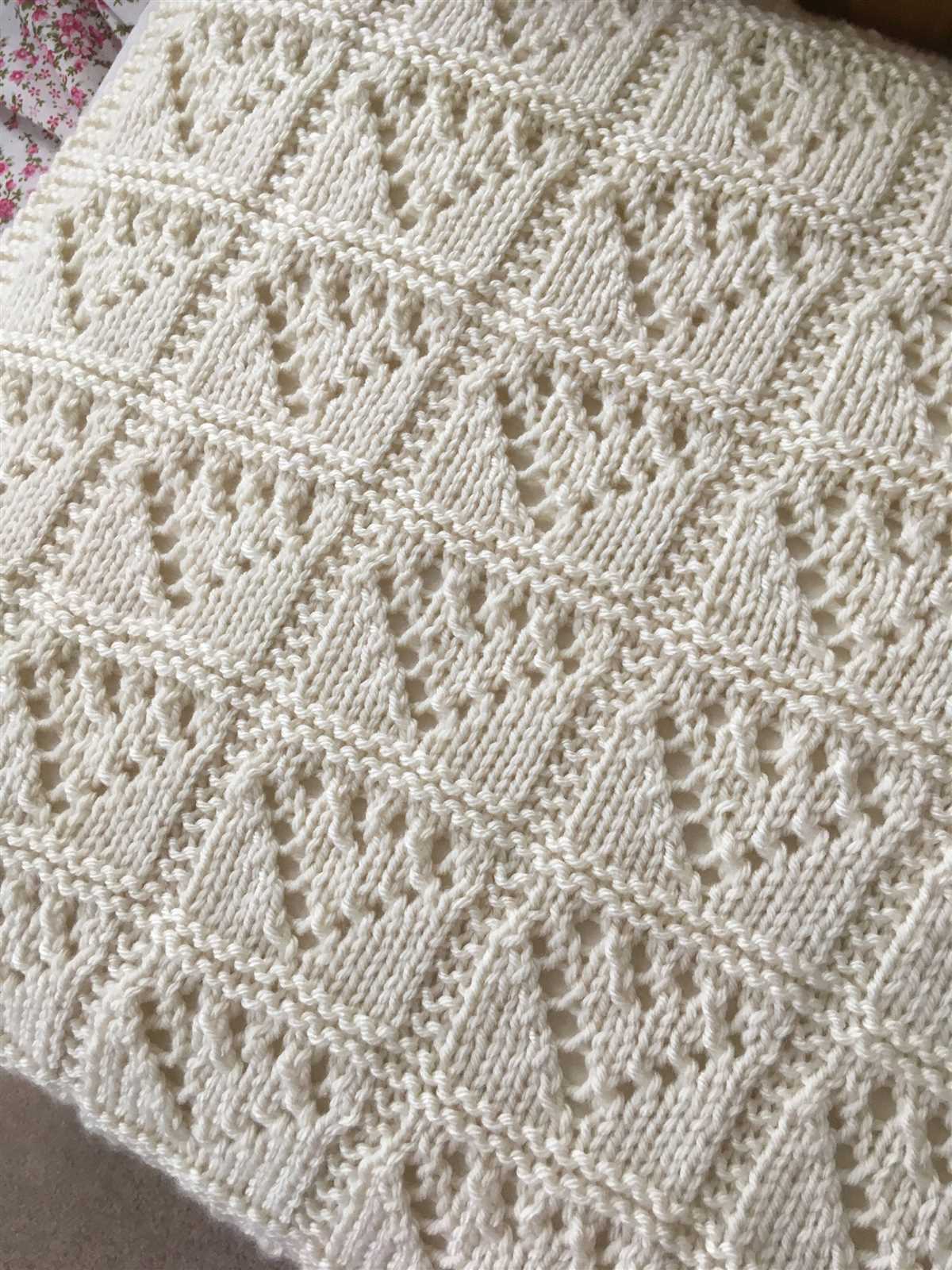
In lace knitting, pattern repeats are often used to create the desired design. Using stitch markers to mark the beginning and end of each repeat can help you keep track of where you are in the pattern. This will make it easier to identify mistakes and ensure that your lace pattern is consistent.
4. Block your finished project
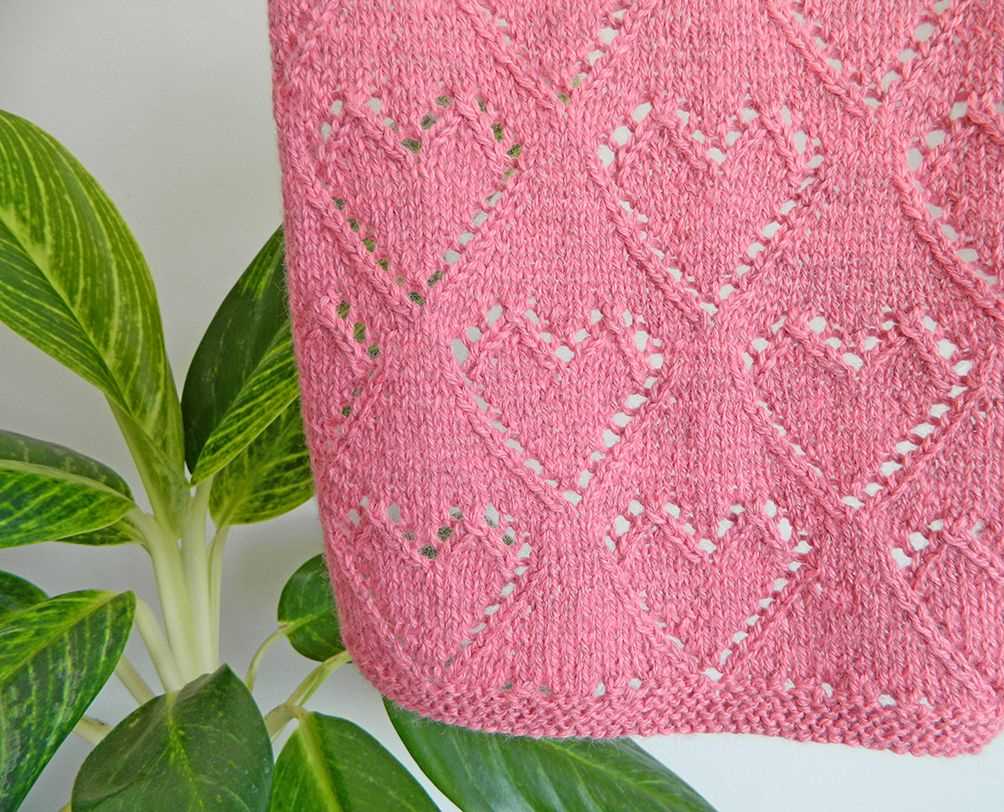
Blocking is an essential step in lace knitting. It involves gently wetting your finished project and shaping it to the desired measurements. Blocking helps to even out the stitches and open up the lace pattern, making it look more defined and professional.
5. Pay attention to tension
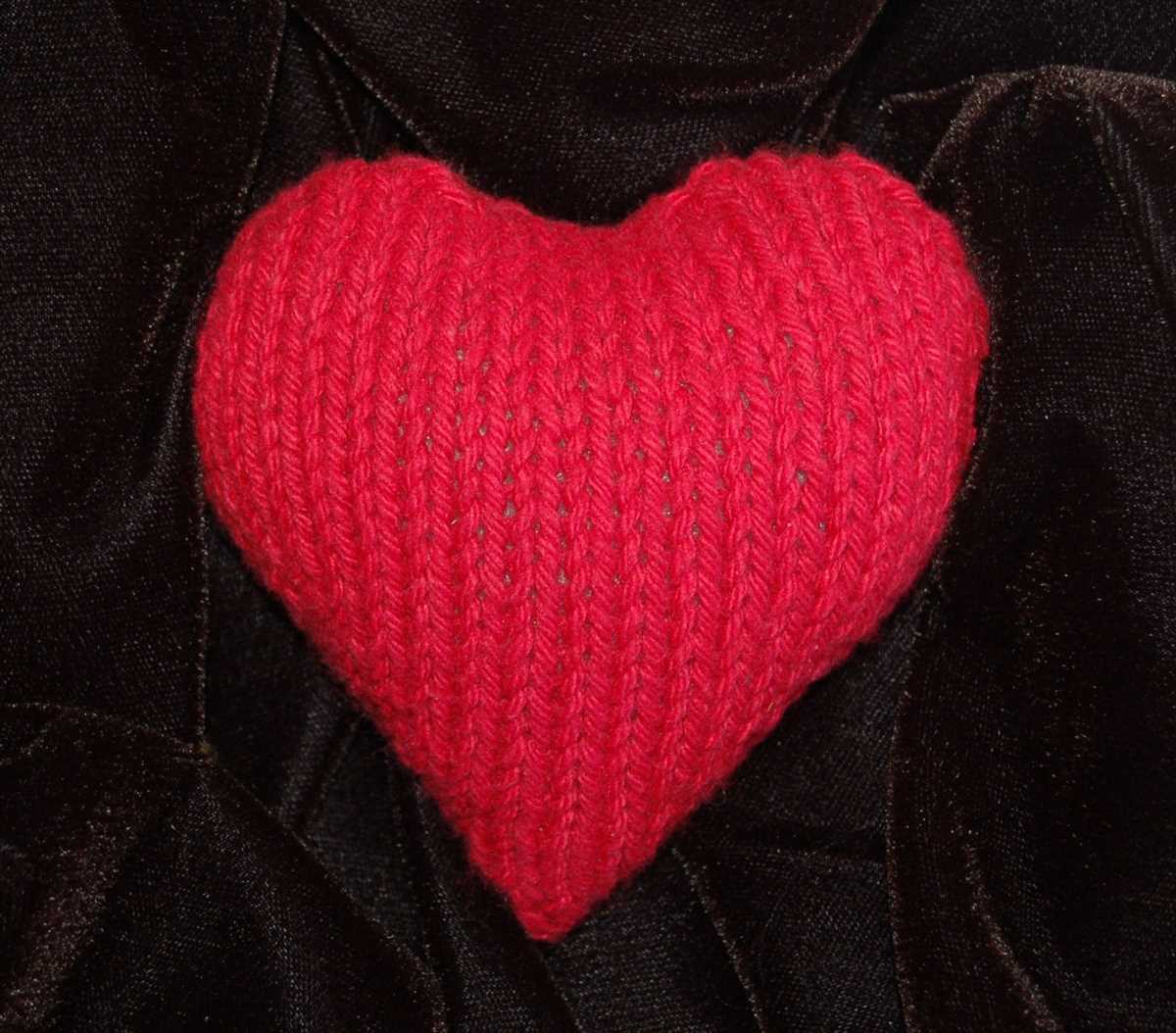
Tension is crucial in lace knitting, as inconsistent tension can distort the lace pattern. Make sure to keep your tension even throughout the project, and consider using blocking wires or pins to help maintain the shape of your lace.
By following these tips and tricks, you’ll be well on your way to knitting a perfect heart lace pattern. Whether you’re creating a delicate shawl or a cozy sweater, the intricate details of a heart lace design can add a touch of elegance to any knitting project.
Adding variations and personal touches to your heart lace
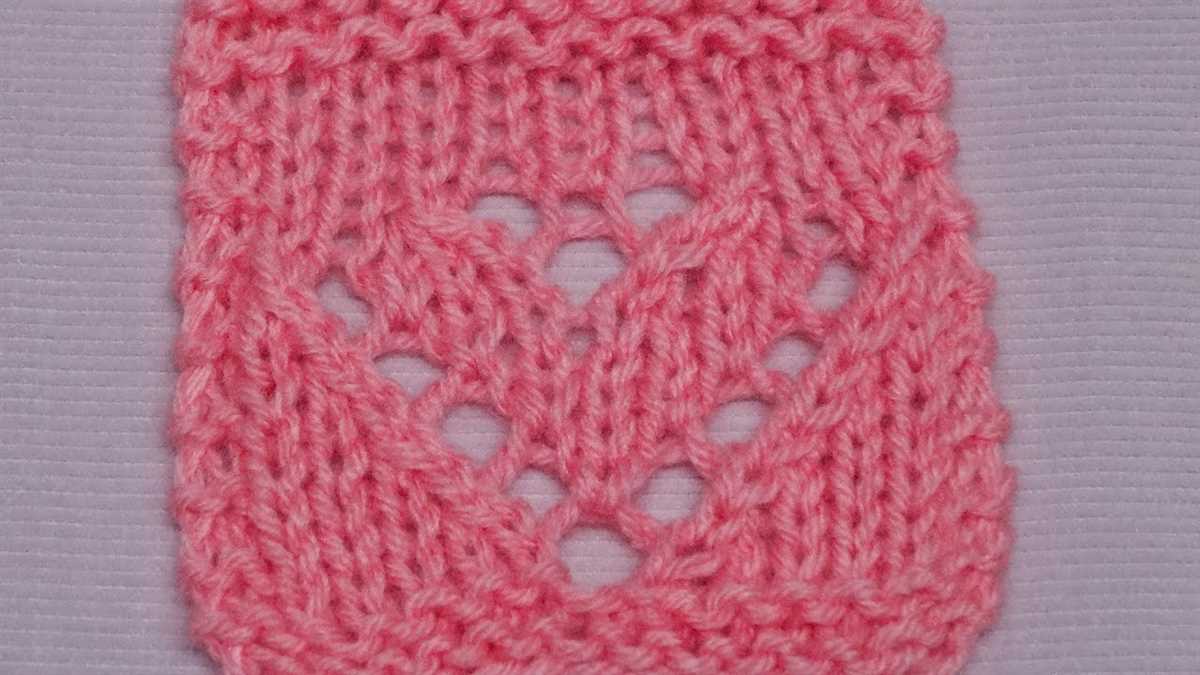
When it comes to knitting heart lace patterns, there are countless ways to add variations and personal touches to make your project truly unique. Whether you’re a seasoned knitter or just starting out, experimenting with different techniques and designs can be both fun and rewarding.
1. Changing the stitch pattern: One simple way to create variations in your heart lace knitting is to change the stitch pattern. You can try different combinations of knit and purl stitches to create interesting textures and designs. For example, instead of traditional stockinette stitch, you could incorporate ribbing or seed stitch for added dimension.
2. Adding color: Another way to personalize your heart lace is by adding color. You can experiment with different yarns and color combinations to create a truly eye-catching piece. For example, you could use variegated yarn to add pops of color throughout your pattern, or use multiple solid colors to create a gradient effect.
3. Embellishments and details: If you want to take your heart lace knitting to the next level, consider adding embellishments and details. This could include things like beads, sequins, or embroidery. These small touches can add a lot of visual interest and make your heart lace pattern truly special.
4. Customizing the size and shape: Don’t be afraid to customize the size and shape of your heart lace pattern to fit your needs. You can easily adjust the number of stitches or rows to make your heart larger or smaller, or even create a heart shape of a different proportion. This allows you to create personalized gifts or decorations that are tailored to your specific preferences.
5. Incorporating other stitch patterns: Finally, you can add even more variety to your heart lace knitting by incorporating other stitch patterns. For example, you could combine your heart lace with cables, lace motifs, or even bobbles for a more intricate and complex design. This allows you to showcase your knitting skills and create a truly unique piece.
Overall, adding variations and personal touches to your heart lace knitting is a great way to make your projects stand out and reflect your individual style and creativity. So don’t be afraid to experiment and have fun with different techniques and designs!
Blocking and Finishing Your Heart Lace Project
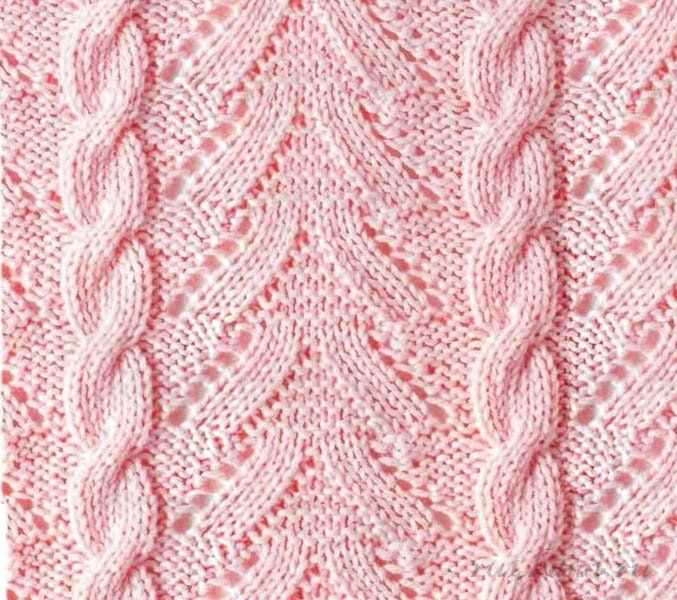
Blocking is an essential step in finishing your heart lace knitting project. It helps to shape the lace and ensure that the pattern is clearly visible. To block your project, you will need to soak it in lukewarm water with a gentle detergent for about 15 minutes. Gently squeeze out the excess water, making sure not to wring or twist the lace. Lay the project flat on a clean towel, shaping it to the desired dimensions and pinning it in place.
Once your project is blocked and dry, you can add any finishing touches. This may include weaving in loose ends, sewing on buttons or other embellishments, or adding a border or edging. Take your time with these details to ensure a polished final product.
When blocking your heart lace project, it’s important to pay attention to the dimensions of the lace. You want to make sure that the pattern is fully visible and that the hearts are defined. Use blocking pins to stretch the lace gently if needed, making sure not to distort the shape of the hearts.
To finish your project, consider adding a delicate picot edge or a simple garter stitch border. This will give your heart lace project a finished look and help it lay flat. You can also block the finished project one final time to set the edging or border in place.
Remember to always follow the instructions provided with your specific lace pattern, as different patterns may have slightly different blocking and finishing techniques. With a little care and attention to detail, your heart lace project will be a beautiful and intricate piece that you can be proud of.
Using Heart Lace in Different Knitting Projects
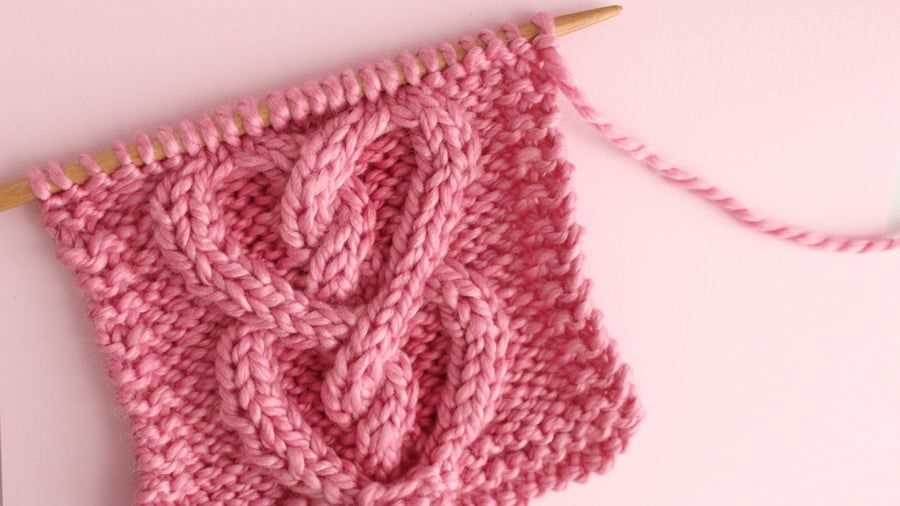
Heart lace is a beautiful and intricate knitting pattern that adds a touch of romance and elegance to any project. Whether you’re knitting garments, accessories, or home decor items, incorporating heart lace can create a stunning finished piece.
1. Sweaters and Cardigans: Heart lace can be used to create stunning details on sweaters and cardigans, adding a feminine and delicate touch. You can incorporate heart lace panels down the front or back of the garment, or even create an all-over heart lace pattern for a more intricate and eye-catching design.
2. Scarves and Shawls: Adding heart lace to scarves and shawls can instantly transform them into romantic and stylish accessories. You can create a heart lace border along the edges of the scarf or shawl, or even create a central heart lace motif for a focal point on the piece. The delicate nature of heart lace adds an airy and lightweight feel to these accessories.
3. Baby and Children’s Clothing: Heart lace patterns are perfect for creating adorable and charming baby and children’s clothing. You can use heart lace motifs to add details to baby booties, hats, or even entire baby blankets. The soft and delicate nature of heart lace pairs well with the innocence and sweetness of baby and children’s wear.
4. Home Decor Items: Heart lace patterns can also be used to create beautiful and decorative home decor items. You can incorporate heart lace motifs into cushion covers, table runners, or even curtains, adding a touch of elegance and romance to your living space. These heart lace accents can create a cozy and inviting atmosphere.
5. Accessories: Heart lace patterns can be used to create a variety of accessories, such as gloves, mittens, or even socks. Adding heart lace details to these smaller items can elevate their design and make them perfect for special occasions or as thoughtful gifts for loved ones. The intricate heart lace pattern adds a touch of sophistication and beauty.
Incorporating heart lace into your knitting projects allows you to create visually stunning pieces that evoke feelings of love and romance. Whether you choose to create an intricate heart lace pattern or simply add heart lace accents, the end result will be a truly unique and captivating piece that showcases your knitting skills and creativity.
Frequently Asked Questions About Heart Lace Knitting Patterns
Here are some frequently asked questions about heart lace knitting patterns:
1. What is a heart lace knitting pattern?
A heart lace knitting pattern is a knitting pattern that creates a design resembling hearts using lace techniques. It typically involves intricate stitch patterns and can be used to create items such as scarves, shawls, and blankets with a romantic or delicate look.
2. Are heart lace knitting patterns suitable for beginners?
Heart lace knitting patterns can be challenging for beginners, as they often require familiarity with lace knitting techniques and the ability to read complex stitch charts. However, with practice and patience, beginners can learn to create heart lace patterns. It is recommended to start with simpler lace patterns before attempting more intricate heart designs.
3. Can heart lace knitting patterns be adjusted to different sizes?
Yes, heart lace knitting patterns can be adjusted to different sizes by changing the number of stitches or the weight of the yarn used. Knitters can easily modify the pattern to make it larger or smaller, depending on their preferences or project requirements.
4. What are some popular heart lace knitting patterns?
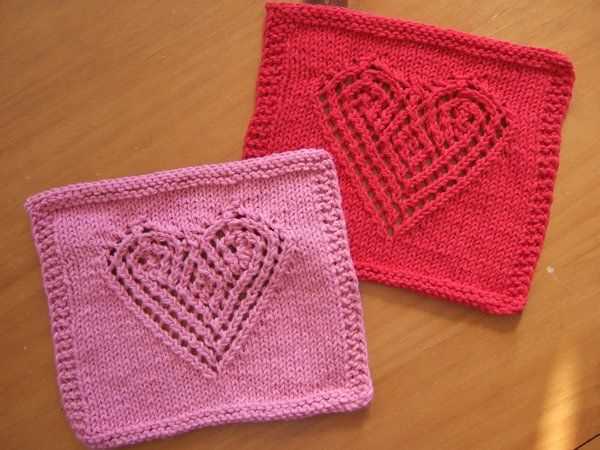
Some popular heart lace knitting patterns include the “Heartbeat Shawl,” “Sweetheart Dishcloth,” “Lovers’ Lace Scarf,” and “Love Lace Baby Blanket.” These patterns can be found in various knitting books, magazines, and online resources.
5. Can heart lace patterns be used for other types of projects?
Yes, heart lace knitting patterns can be used for a variety of projects beyond traditional scarves and shawls. Knitters can incorporate heart lace motifs into garments, such as sweaters or cardigans, or use them to add decorative touches to accessories like hats, gloves, or socks.
In conclusion, heart lace knitting patterns offer a beautiful and intricate way to incorporate a romantic or delicate design into knitting projects. While they may require some practice and experience, they can be adjusted to different sizes and used creatively in various types of projects. With the right pattern and determination, knitters of all levels can enjoy creating stunning heart lace designs.