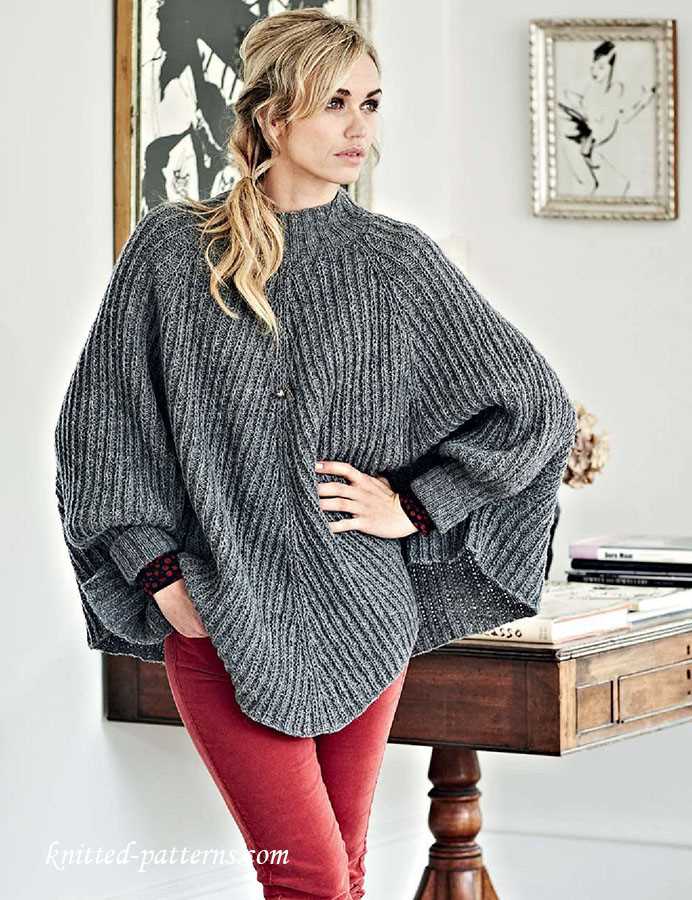
A poncho is a versatile and stylish garment that can be worn in any season. Knitted ponchos are especially popular because of their cozy and elegant look. Whether you are a beginner or an experienced knitter, there are countless poncho patterns to choose from. Whether you prefer a simple and classic design or something more intricate, there is a pattern out there to suit your style and skill level.
Knitted poncho patterns offer endless possibilities for customization. You can play with different stitch patterns, colors, and lengths to make a poncho that is uniquely yours. With a poncho, you can stay warm and chic during cool summer evenings, or layer it over your winter coat for extra warmth and style.
If you are new to knitting, a poncho can be a great project to start with. It is relatively simple to knit and doesn’t require any complicated shaping. Plus, the large size of the garment means that your progress will be visible after just a few rows, which can be incredibly satisfying for a beginner.
In this article, we will explore different knitted poncho patterns, ranging from simple and classic designs to more intricate lace patterns. We will also provide tips and tricks for choosing the right yarn and needles, as well as finishing techniques to give your poncho a professional look. So grab your needles and let’s get started on your next knitting adventure!
All you need to know about knitted poncho patterns
Knitted ponchos are versatile and stylish garments that can be a great addition to any wardrobe. Whether you are a beginner or an experienced knitter, there are a variety of patterns available that cater to different skill levels and design preferences.
Knitted poncho patterns come in various styles: From classic and simple designs to more intricate and decorative styles, there is a pattern for everyone. Some patterns may feature cables, lacework, or colorwork, while others may have a more basic and straightforward construction. It’s important to choose a pattern that matches your knitting skills and personal style.
Choosing the right yarn: The choice of yarn plays a crucial role in the outcome and feel of your knitted poncho. Depending on the desired look and feel, you can opt for different types of yarn such as wool, cotton, acrylic, or a blend of different fibers. It’s important to consider factors such as the season, climate, and desired drape when selecting the yarn for your poncho.
Understanding the pattern instructions: When working on a knitted poncho pattern, it’s essential to carefully read and understand the instructions before starting. Make sure to familiarize yourself with the abbreviations, stitch patterns, and construction techniques mentioned in the pattern. This will help you avoid any mistakes or confusion while knitting.
Tailoring the poncho to your size: Many knitted poncho patterns provide instructions for different sizes, allowing you to customize the fit according to your measurements. Take accurate measurements of your chest, length, and desired drape before starting the project. This will help you ensure a well-fitting and flattering poncho.
Experimenting with modifications: Once you are familiar with the basic construction and design of a knitted poncho, you can get creative and experiment with modifications. You can add fringe, change the neckline, or incorporate different stitch patterns to make your poncho unique and personalized.
In conclusion, knitted poncho patterns offer a wide range of options for knitters of all skill levels. By choosing the right pattern, yarn, and making modifications to fit your personal style, you can create a beautiful and functional garment that you will love to wear. So grab your knitting needles and start exploring the world of knitted ponchos!
History of Ponchos
Ponchos have a long history, dating back thousands of years. They were originally worn by native peoples in the Andes region of South America, including the Incas and other indigenous tribes. These early ponchos were made from wool and were used as a versatile garment to protect against the cold, wind, and rain of the high altitude mountainous regions.
The traditional South American ponchos were often woven by hand using techniques passed down through generations. They were typically made from natural fibers such as alpaca wool, llama wool, or sheep’s wool, and featured intricate designs and vibrant colors. The ponchos were not only practical, but they also held cultural significance, as they were often used to display one’s social status or tribal affiliation.
As European explorers arrived in South America and interacted with the local populations, the poncho quickly caught their attention. They recognized the practicality and versatility of the garment and began to adopt it into their own wardrobes. The poncho became particularly popular among the Spanish colonizers, who found it to be an ideal garment for the harsh climate of the Andes.
Over time, the poncho’s popularity spread beyond South America, and it became a fashionable and functional garment worldwide. In the 19th century, ponchos gained popularity among cowboys in North America, who found them to be a practical and durable alternative to traditional coats. The poncho also gained recognition as a symbol of rebellion and counterculture during the 1960s and 1970s.
- Original ponchos were worn by native peoples in the Andes region of South America.
- Traditional South American ponchos were made from natural fibers such as alpaca wool, llama wool, or sheep’s wool.
- Ponchos were adopted by European explorers and became popular among Spanish colonizers in South America.
- Ponchos gained popularity among cowboys in North America in the 19th century.
- Ponchos became a symbol of rebellion and counterculture in the 1960s and 1970s.
Origins of ponchos
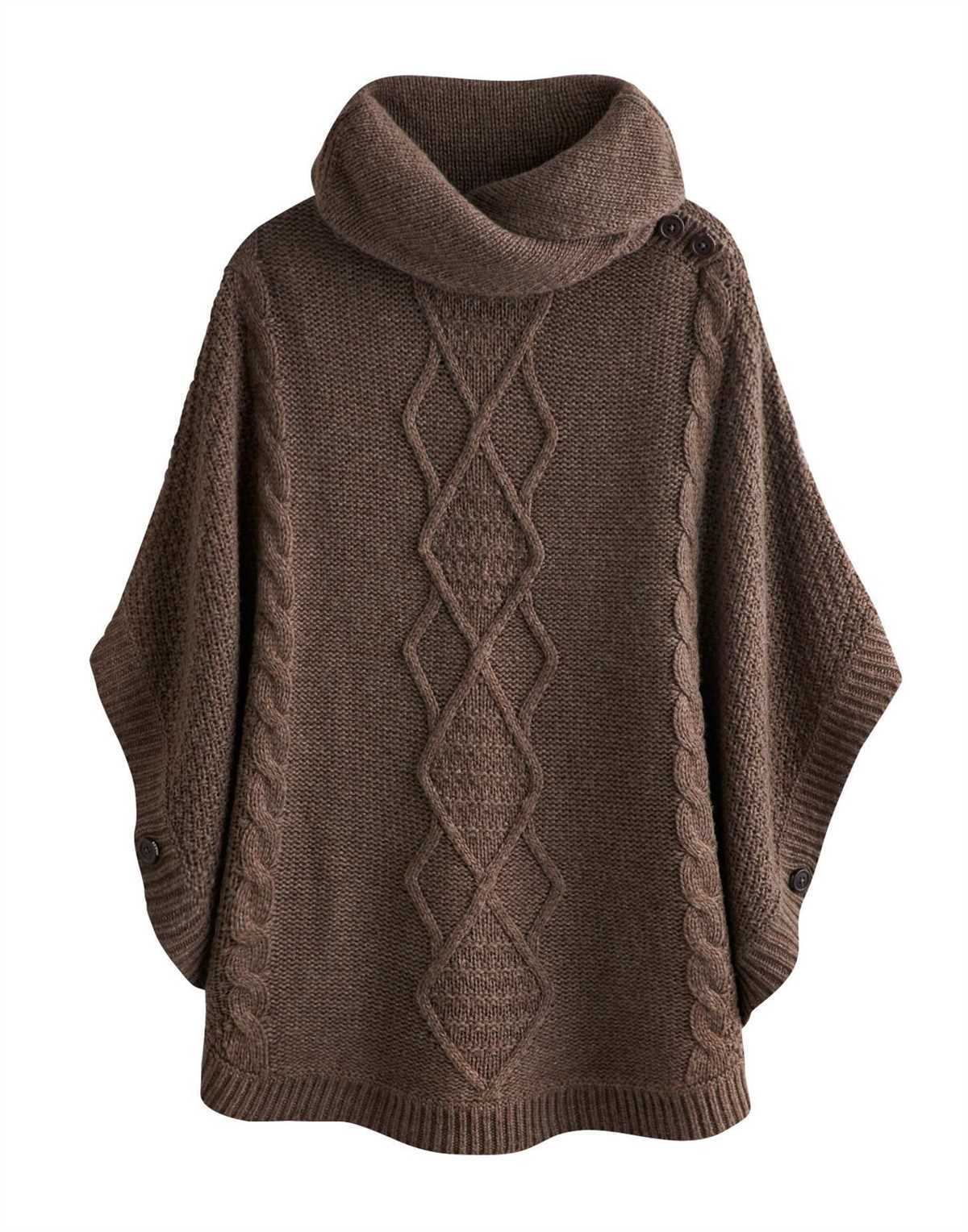
The poncho is a traditional garment with origins dating back thousands of years, originating from the indigenous cultures of South America. This versatile garment has been worn by various indigenous groups such as the Mapuche, Quechua, and Aymara peoples, and has since spread in popularity around the world.
One of the earliest known examples of the poncho can be found in the Andean region of South America, where it was used by the ancient peoples for protection against the harsh weather conditions of the high altitudes. Made from a single piece of fabric or woven material, the poncho offered warmth and shelter, while also allowing for ease of movement.
Originally, ponchos were made from natural fibers such as wool, alpaca, or llama. The wool of these animals provided excellent insulation and protection from the cold weather, making ponchos a practical choice for the indigenous peoples living in the Andes mountains.
As ponchos began to gain popularity outside of the indigenous communities, they underwent various stylistic and design changes. Today, knitted ponchos are a popular choice among fashion-conscious individuals, offering both warmth and style. With a wide range of patterns and colors available, knitted ponchos have become a versatile and fashionable accessory for both men and women.
Evolution of Poncho Designs
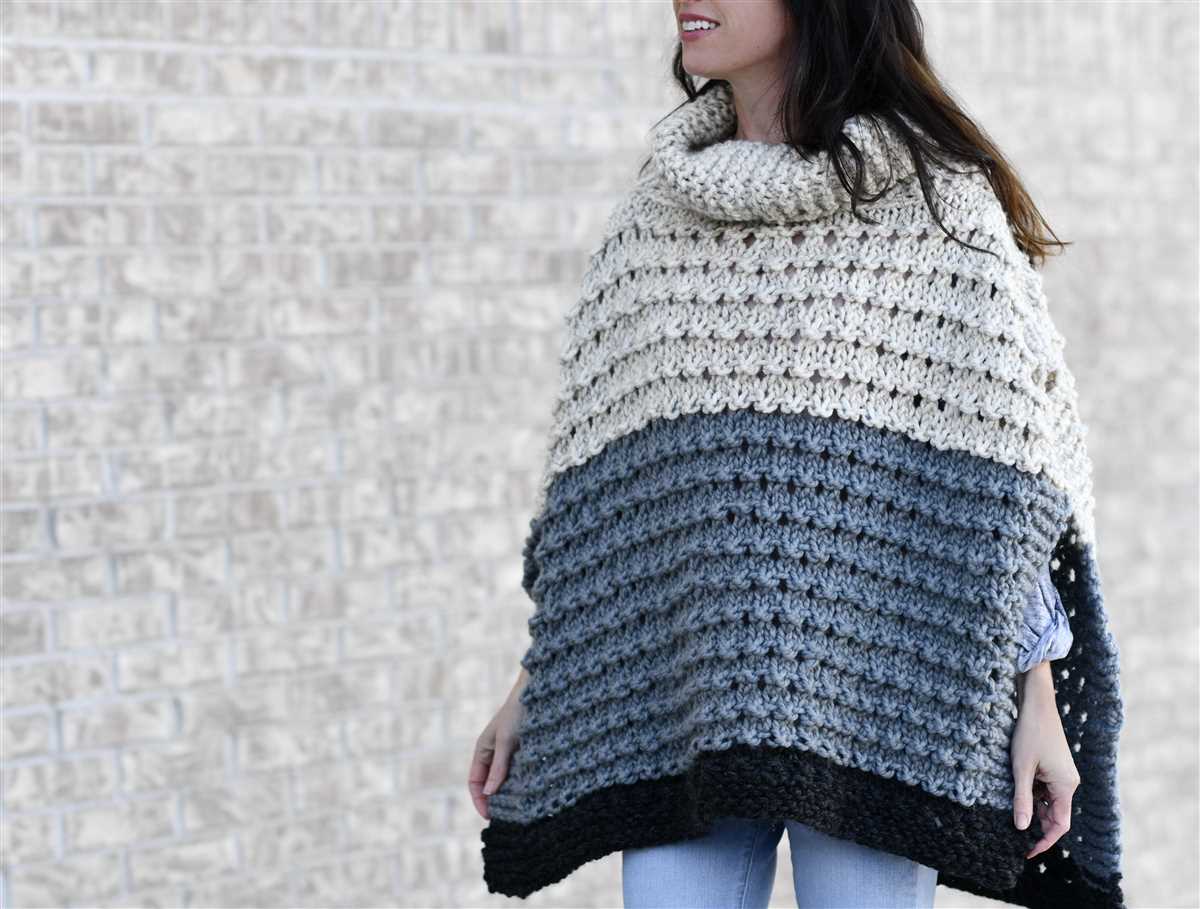
Ponchos have been a staple in fashion for centuries, with origins tracing back to the indigenous peoples of South America. These traditional ponchos were made from woven materials such as wool and cotton, and typically featured intricate patterns and vibrant colors. They were worn for both practical purposes and as a symbol of cultural identity. Over time, as fashion trends evolved, so did the designs of ponchos.
In the 1960s and 1970s, ponchos gained popularity in the mainstream fashion industry. Inspired by the bohemian style of the era, ponchos became a fashionable accessory for both men and women. These designs incorporated a variety of materials, including suede, leather, and synthetic fibers. Fringe and tassel details were also commonly seen, adding a touch of whimsy to the poncho’s silhouette.
In recent years, there has been a resurgence of interest in poncho designs, particularly in the knitting community. Knitted ponchos offer versatility and comfort, making them a popular choice for both casual and formal outfits. Modern poncho patterns often feature intricate stitch patterns, such as cables and lace, adding an element of texture and visual interest to the garment.
Additionally, with advances in technology, knitted ponchos can now be created with a wide range of yarns, from traditional wool to luxurious blends of cashmere and silk. This allows for endless possibilities in terms of color and texture, allowing knitters to customize their ponchos to their personal preferences.
Overall, the evolution of poncho designs reflects the ever-changing landscape of fashion. From the traditional woven ponchos of indigenous cultures to the bohemian-inspired styles of the 1960s and 1970s to the contemporary knitted variations of today, ponchos continue to be a fashionable and versatile wardrobe staple.
Different types of knitted ponchos
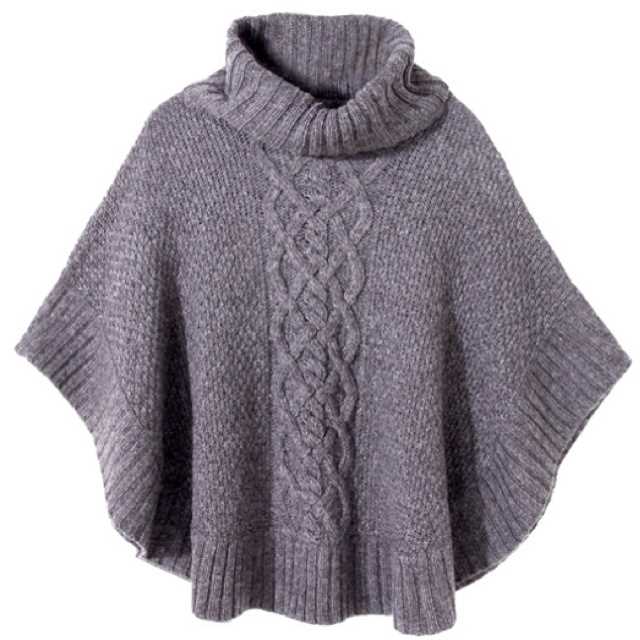
Knitted ponchos are a versatile and stylish addition to any wardrobe. They come in various styles and designs, making it easy to find the perfect one for your personal taste and fashion sense. Whether you prefer a classic, chunky knit or a more delicate lace pattern, there is a knitted poncho pattern out there for you!
1. Classic and cozy
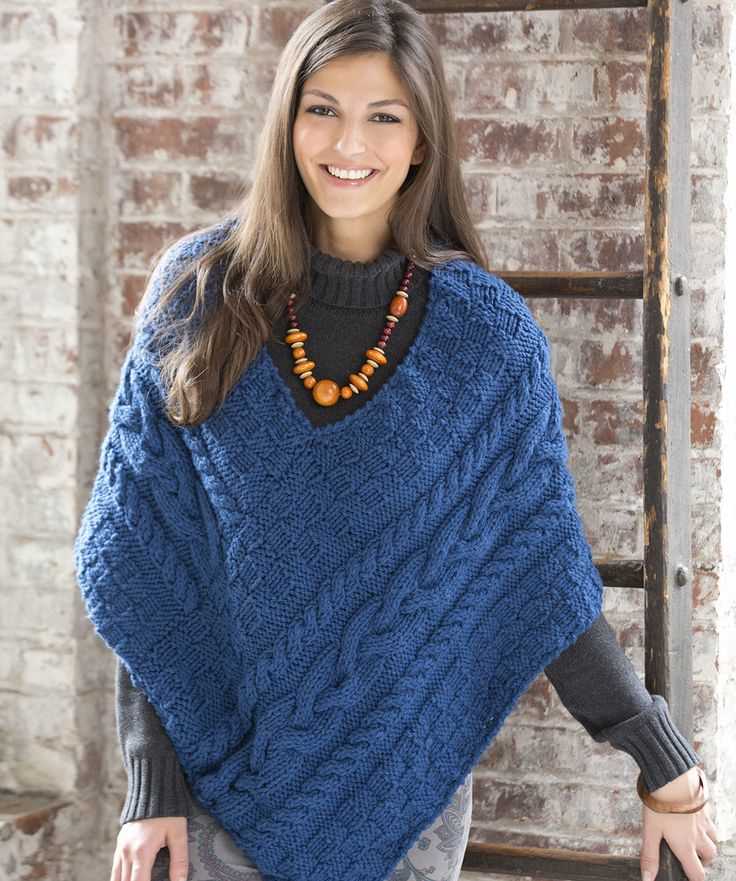
A classic knitted poncho is made with thick and warm yarn, perfect for keeping you cozy during the colder months. These ponchos often feature a loose, oversized fit and can be worn over any outfit for an extra layer of warmth. They are typically knit in a simple stockinette stitch, making them great for beginner knitters.
2. Lace and feminine
If you prefer a more delicate and feminine look, a lace knitted poncho is the way to go. These ponchos are often knit with a lighter weight yarn and feature intricate lace patterns that add a touch of elegance to any outfit. They can be worn over a dress for a formal event or paired with jeans for a more casual look.
3. Colorful and striped
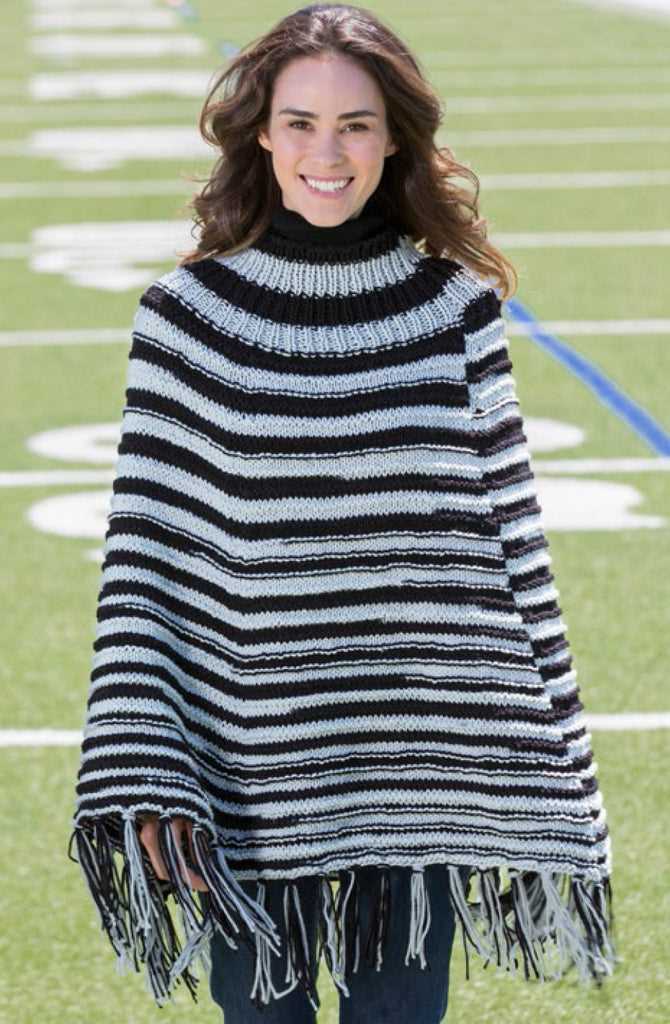
For those who love to make a statement, a colorful and striped knitted poncho is the perfect choice. These ponchos are often knit with vibrant, contrasting colors and feature bold stripes or color blocks. They are a fun and playful addition to any outfit and can be a great way to show off your knitting skills.
4. Hooded and practical
If you’re looking for a knitted poncho that is both stylish and practical, a hooded poncho is a great option. These ponchos often feature a cozy hood, perfect for keeping your head warm on chilly days. They can be knit with thick yarn for extra warmth or with a lighter weight yarn for a more versatile option. Hooded ponchos are also great for outdoor activities, providing extra protection from the elements.
5. Oversized and trendy
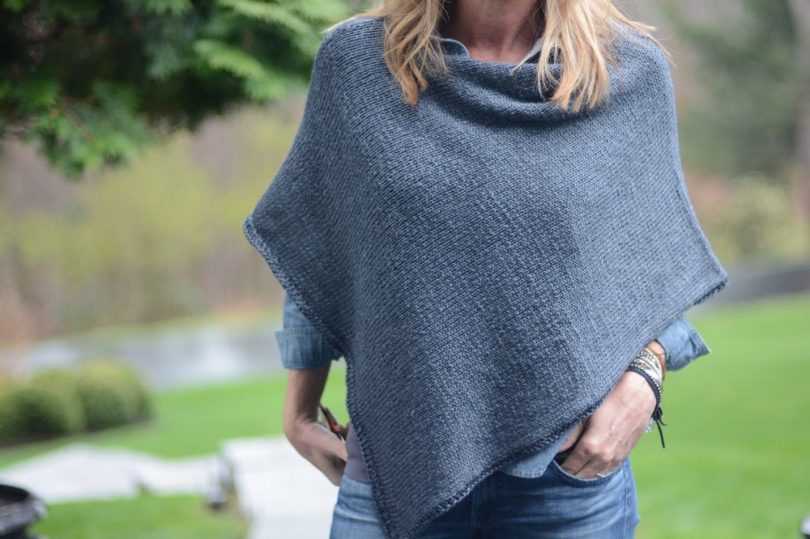
For those who love the oversized, boho-chic trend, an oversized knitted poncho is the way to go. These ponchos are typically knit with bulky yarn and feature a loose, drapey fit that adds a touch of effortless style to any outfit. They can be worn with leggings, jeans, or even a skirt for a trendy and fashionable look.
Classic Poncho Patterns
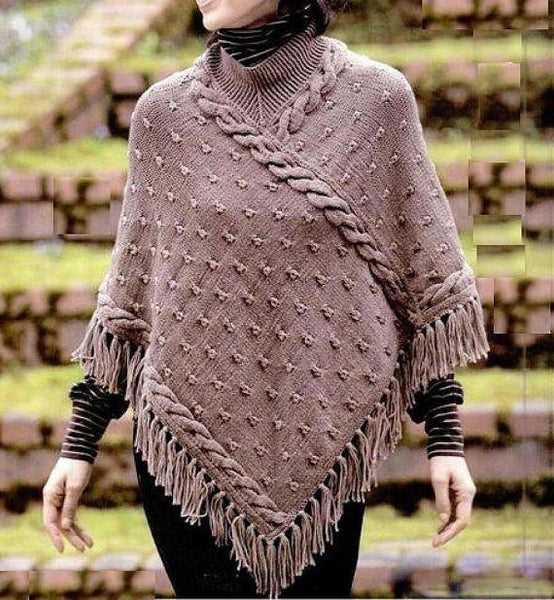
A classic poncho pattern is a timeless and versatile design that never goes out of style. These patterns are perfect for those who love the traditional look and enjoy the simplicity of a poncho. Whether you’re in the mood for a cozy winter poncho or a lightweight summer poncho, there are plenty of classic patterns to choose from.
One popular classic poncho pattern is the “Garter Stitch Poncho.” This pattern features a simple garter stitch pattern throughout, creating a textured and cozy look. It is usually knitted with bulky yarn and large needles, making it a quick and satisfying project to complete. The garter stitch poncho is perfect for wearing on chilly days and adds a touch of elegance to any outfit.
Knit and Purl Poncho
Another popular classic poncho pattern is the “Knit and Purl Poncho.” This pattern combines knit and purl stitches to create a beautiful, textured design. The alternating knit and purl stitches create a ribbed effect, adding interest and depth to the poncho. The knit and purl poncho can be made with any weight of yarn, allowing you to customize it for any season and style. It is a versatile pattern that can be dressed up or down, making it a wardrobe staple.
Lace Panel Poncho
If you’re looking for a classic poncho pattern with a touch of femininity, the “Lace Panel Poncho” is a perfect choice. This pattern features delicate lace panels and a simple stockinette stitch for the main body of the poncho. The lace panels add a touch of elegance and sophistication to the design, making it a great option for special occasions or dressier outfits. The lace panel poncho can be knitted with a lightweight yarn, making it perfect for warmer seasons or layering over a dress.
These classic poncho patterns are just a few examples of the many options available. Whether you prefer a simple garter stitch, a textured knit and purl design, or a delicate lace panel, there is a classic poncho pattern to suit your style. With their versatility and timeless appeal, these patterns are sure to become wardrobe favorites for years to come.
Hooded Poncho Patterns
A hooded poncho is a versatile and stylish addition to any wardrobe, perfect for staying warm and cozy in cooler weather. Whether you’re an experienced knitter or just starting out, there are numerous patterns available for creating your own hooded poncho. These patterns come in a variety of styles and designs, allowing you to find the perfect fit for your personal taste and preferences.
One popular hooded poncho pattern is the cable knit design. This pattern features intricate cable stitches that create a textured and visually appealing look. The addition of a hood adds an extra layer of warmth and functionality. Cable knit hooded ponchos can be made using various yarn weights and can be customized with different cable patterns to suit your individual style.
If you’re looking for a quick and easy project, a hooded poncho pattern with a simple ribbed design may be the perfect choice. This pattern typically uses a combination of knit and purl stitches to create a ribbed texture that stretches and provides a comfortable fit. The addition of a hood gives the poncho added versatility and can be worn up or down depending on the weather.
For those who prefer a more feminine and delicate look, lace pattern hooded poncho patterns are a great option. Lace stitches create an intricate and delicate design that adds a touch of elegance to the garment. The hooded poncho can be knitted using a lightweight yarn, making it perfect for layering over dresses or blouses for a dressier look.
No matter what style or design you choose, knitting a hooded poncho allows you to create a unique and personalized garment that is both functional and fashionable. Whether you’re knitting for yourself or as a gift for someone else, a hooded poncho is a versatile and timeless addition to any wardrobe.
Cape Poncho Patterns
If you’re looking for a stylish and versatile addition to your wardrobe, a cape poncho is the perfect choice. These patterns offer a modern twist on the classic poncho design, combining the warmth and comfort of a poncho with the elegant look of a cape.
One popular cape poncho pattern is the “Hooded Cape Poncho.” This pattern features a cozy hood and a loose, flowing silhouette that drapes beautifully over the shoulders. The pattern is perfect for intermediate knitters and includes detailed instructions for shaping the hood and creating the cape-like effect.
Materials needed:
- 5 skeins of bulky weight yarn
- Size 10 circular knitting needles
- Size 10 double-pointed needles
- Stitch markers
- Tapestry needle
Another popular pattern is the “Lace Cape Poncho.” This pattern combines delicate lace stitches with a cape design, creating a feminine and elegant look. The pattern is perfect for advanced knitters and includes detailed instructions for working the lace pattern and creating the cape shape.
Materials needed:
- 3 skeins of fingering weight yarn
- Size 6 circular knitting needles
- Stitch markers
- Tapestry needle
Whether you’re a beginner or an experienced knitter, there’s a cape poncho pattern for you. Knitting your own cape poncho allows you to customize the colors and style to suit your personal taste. Plus, it’s a fun and rewarding project that will keep you warm and stylish all winter long.
Choosing the right yarn for your knitted poncho
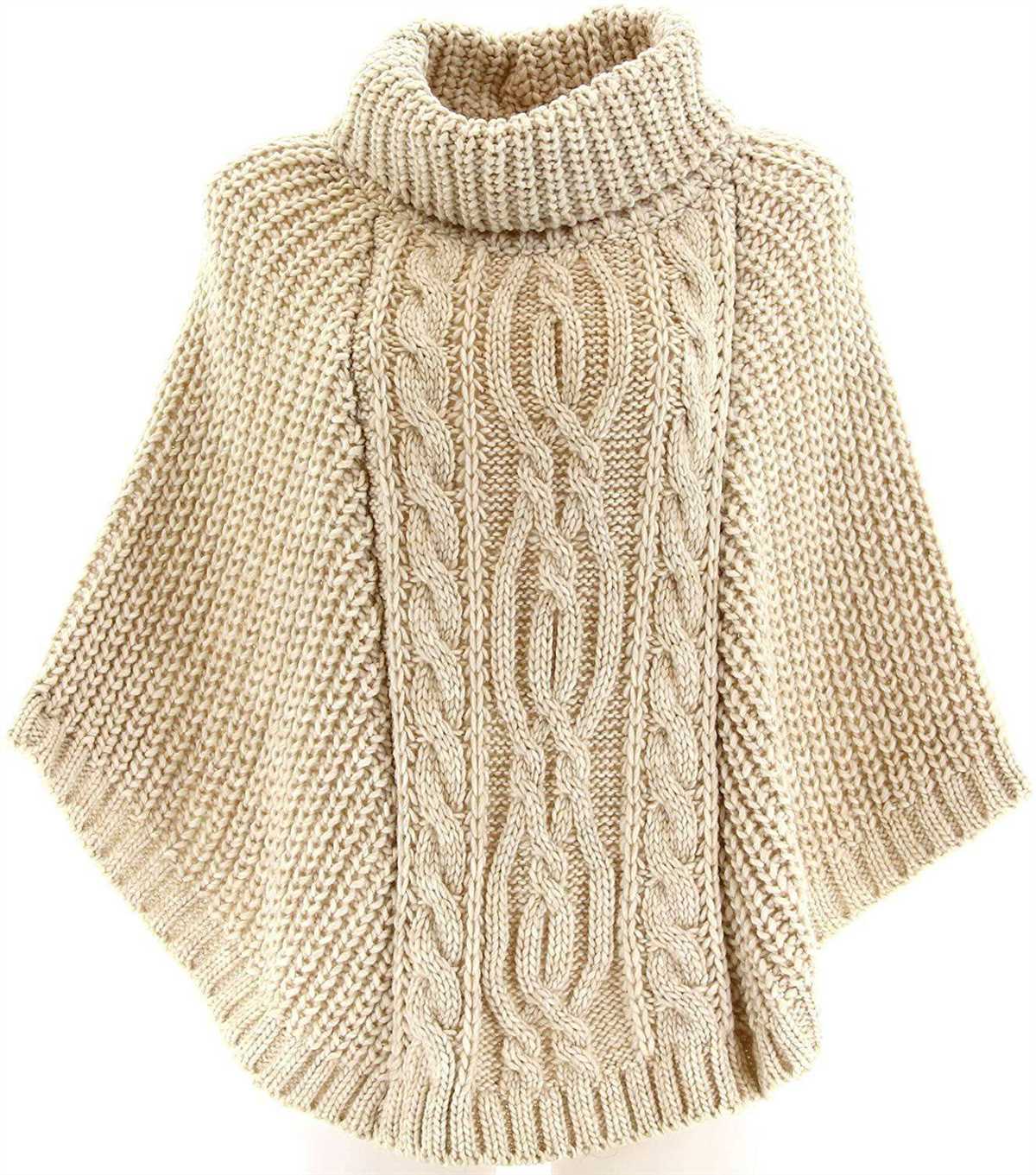
When it comes to knitting a poncho, choosing the right yarn is crucial to the overall look and feel of the finished garment. The yarn you select can greatly impact the drape, warmth, and durability of your knitted poncho. Therefore, it’s important to consider a few factors before making your yarn choice.
1. Fiber content:
One of the first things to consider when choosing yarn for your knitted poncho is the fiber content. Different fibers have different characteristics, which can affect the appearance and performance of your poncho. For a lightweight and breathable poncho, you might consider using yarns made from natural fibers such as cotton, linen, or bamboo. If you’re looking for warmth and coziness, wool or alpaca yarns could be a good choice.
2. Weight:
The weight of the yarn also plays a significant role in determining the final look and feel of your poncho. The weight of the yarn refers to its thickness, which can range from fine lace weight to bulky. Depending on the style and seasonality of the poncho you want to create, you may opt for a lightweight yarn for a delicate and airy design or a heavier yarn for a chunky and warm poncho.
3. Color and texture:
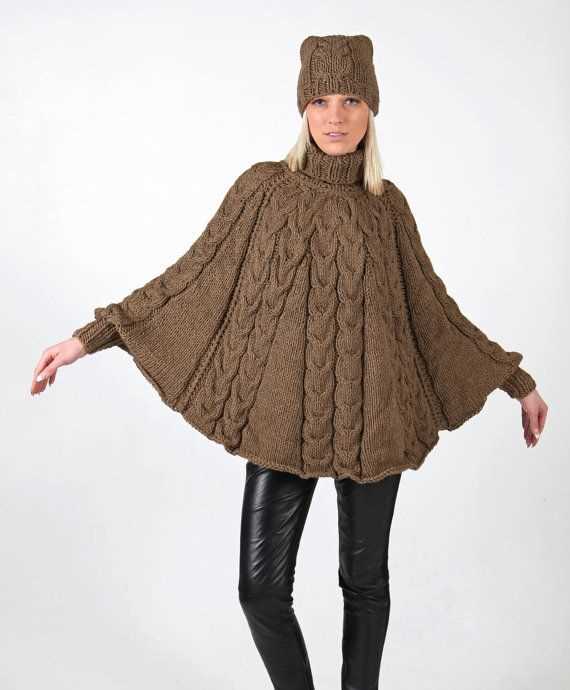
The color and texture of the yarn you choose can add visual interest and dimension to your knitted poncho. Consider the overall design and pattern of your poncho and select a yarn color that complements it. Additionally, think about the desired texture of the finished piece – do you want a smooth and sleek poncho or a more textured and rustic look? Choosing a yarn with the right color and texture can enhance the overall aesthetic appeal of your poncho.
In conclusion, when choosing yarn for your knitted poncho, consider the fiber content, weight, color, and texture to ensure the best results. Taking these factors into account will help you select the yarn that aligns with your desired style, comfort, and functionality for a stunning and well-crafted knitted poncho.
Essential Knitting Techniques for Ponchos
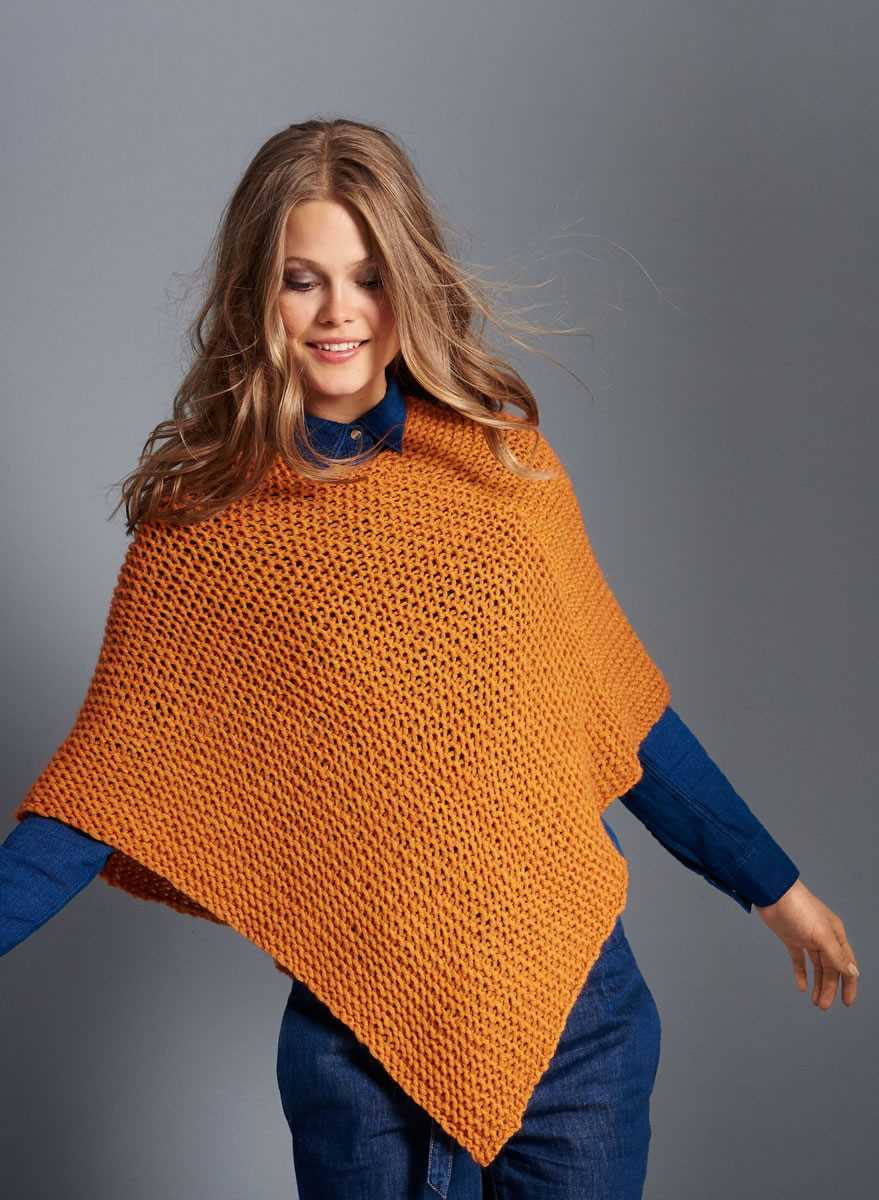
When it comes to knitting ponchos, there are several essential techniques that every knitter should know. These techniques will help you create beautiful and functional ponchos that are both stylish and comfortable to wear.
1. Casting On: The first step in knitting any project is casting on. For a poncho, you will typically need to cast on a large number of stitches to create the width of the garment. Make sure to use a stretchy cast-on method such as the long-tail cast-on or the German twisted cast-on, as this will allow the poncho to drape nicely over the shoulders.
2. Knit and Purl Stitches: Knitting and purling are the two fundamental stitches in knitting. These stitches create the fabric of the poncho. Depending on the pattern, you may be asked to alternate between knit and purl stitches to create different textures and patterns. It’s important to be comfortable with these basic stitches before attempting more advanced techniques.
3. Increasing and Decreasing: In order to shape the poncho, you will need to know how to increase and decrease stitches. This allows you to add or remove stitches in a controlled manner to create the desired shape. Common techniques for increasing include yarn overs and knit front and back (kfb). Decreasing techniques include knit two together (k2tog) and slip, slip, knit (ssk).
4. Lace and Cable Knitting: Lace and cable knitting are popular techniques for adding decorative elements to ponchos. Lace patterns create delicate, openwork designs, while cable patterns create twists and braids. These techniques require following a chart or written instructions and may involve working stitches out of order or using a cable needle.
5. Finishing Techniques: Once you have completed the main body of the poncho, you will need to finish the edges and any additional details. This may involve binding off, picking up stitches to add a ribbed collar or border, or seaming the sides together. Pay attention to the pattern instructions for the specific finishing techniques required for your poncho.
Becoming familiar with these essential knitting techniques will give you the skills you need to tackle any poncho pattern with confidence. Remember to practice and take your time, and soon you’ll be creating beautiful and unique ponchos to keep yourself warm and stylish.
Casting on and off
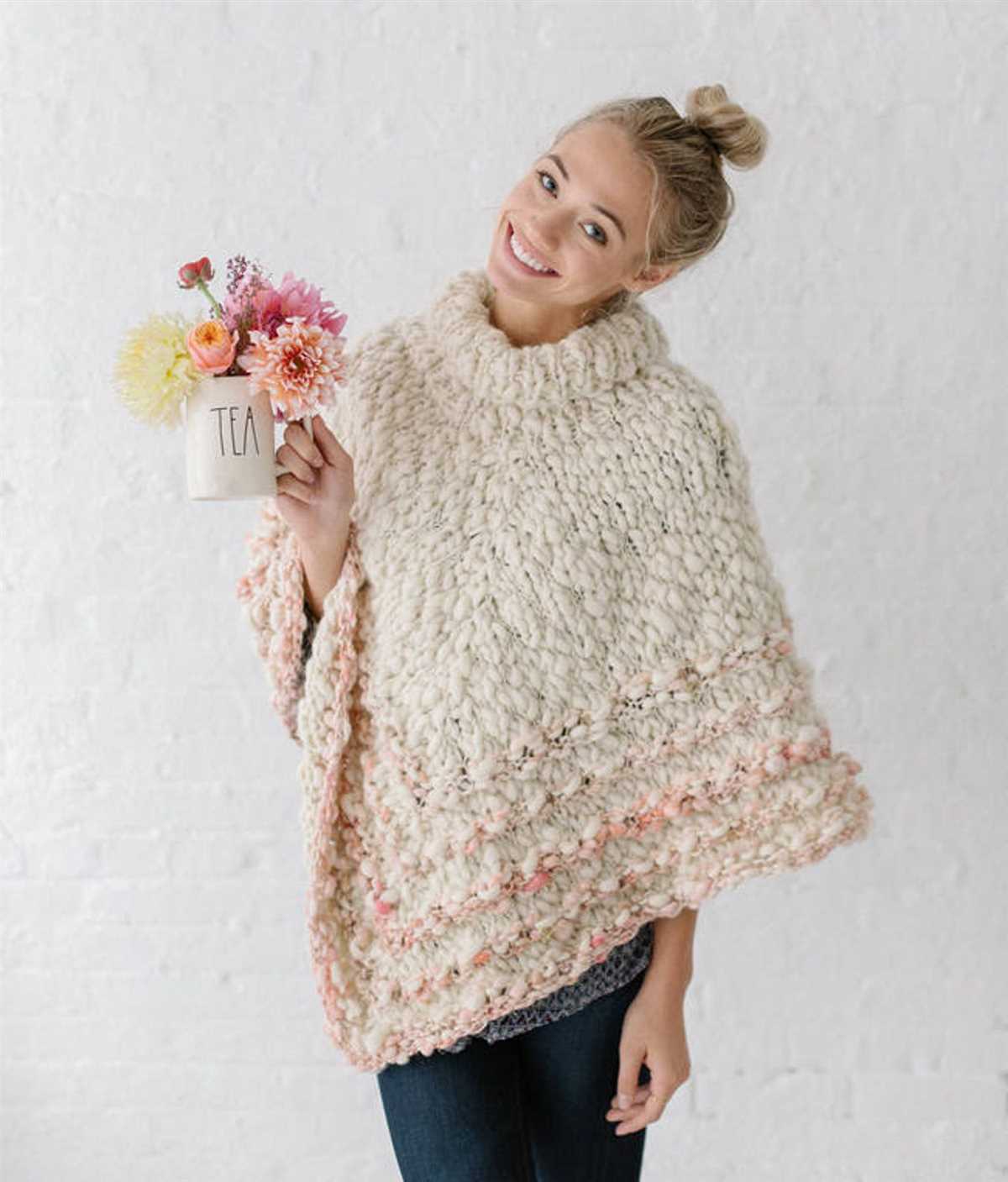
When knitting a poncho, one of the first steps is casting on. This is the process of creating the first row of stitches on the needle. There are several different methods for casting on, but the most common one is the long-tail cast on. To do this, you will need to measure out a length of yarn that is approximately three times the width of your finished poncho. Then, make a slip knot near the end of the yarn and slide it onto one of the needles. Hold the needle with the slip knot in your right hand and the other needle in your left hand. Insert the right needle into the slip knot from front to back, and then wrap the working yarn around the right needle. Pull the new loop through the slip knot, and slide it onto the left needle. Repeat this process until you have cast on the desired number of stitches for your poncho.
Once you have finished knitting your poncho, it’s time to cast off. This is the process of removing the stitches from the needle and securing the edge of your work. There are also several methods for casting off, but the most common one is the basic bind off. To do this, knit the first two stitches as usual. Then, use the left needle to lift the first stitch over the second stitch and off the right needle. You will be left with one stitch on the right needle. Knit the next stitch, and then lift the first stitch over the second stitch again. Repeat this process until you have only one stitch left. Cut the yarn, leaving a tail that is approximately six inches long. Thread the tail through the last stitch and pull tight to secure.
Step-by-step guide: Long-tail cast on
- Measure out a length of yarn that is approximately three times the width of your finished poncho.
- Make a slip knot near the end of the yarn and slide it onto one of the needles.
- Hold the needle with the slip knot in your right hand and the other needle in your left hand.
- Insert the right needle into the slip knot from front to back.
- Wrap the working yarn around the right needle.
- Pull the new loop through the slip knot and slide it onto the left needle.
- Repeat steps 4-6 until you have cast on the desired number of stitches for your poncho.
Step-by-step guide: Basic bind off
- Knit the first two stitches as usual.
- Use the left needle to lift the first stitch over the second stitch and off the right needle.
- You will be left with one stitch on the right needle.
- Knit the next stitch.
- Repeat steps 2-4 until you have only one stitch left.
- Cut the yarn, leaving a tail that is approximately six inches long.
- Thread the tail through the last stitch and pull tight to secure.
Cable knitting
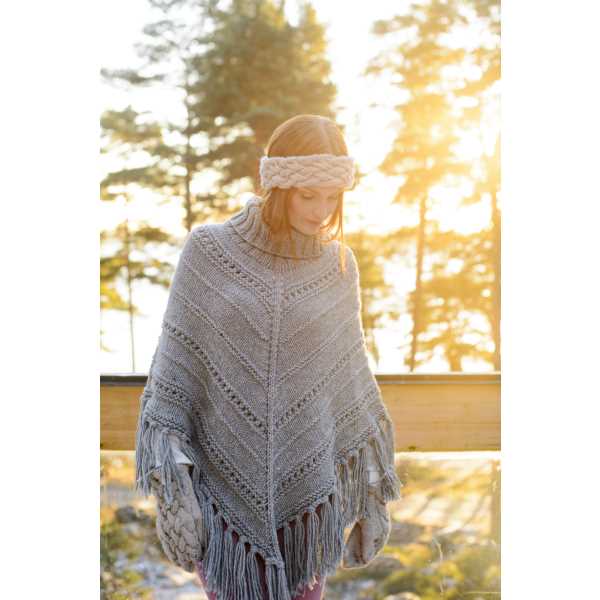
Cable knitting is a technique that creates beautiful, textured patterns on knitted garments, including ponchos. It involves crossing stitches over each other to form intricate designs that resemble cables. The technique is achieved by using a cable needle or a dpn to hold a few stitches while working with other stitches.
The beauty of cable knitting lies in the endless possibilities and variations of cable patterns that can be created. From simple twists to elaborate braids, there is a cable pattern to suit every knitter’s taste and skill level. Cable patterns can be used to create focal points on the poncho, adding visual interest and depth to the design.
Types of cable patterns
- Twist cables: These are the most basic cable patterns, consisting of crossing a few stitches over one another. They create a simple yet elegant look, perfect for beginner knitters.
- Braid cables: These cable patterns involve multiple twists and crosses, creating a more intricate design. They can be used to create stunning focal points on the poncho.
- Double cable: This cable pattern combines two cables side by side, creating a more complex and visually interesting design.
- Traveling cables: These cable patterns involve cables that move across the knitting, creating a sense of movement and flow in the design.
When using cable patterns in poncho knitting, it’s important to consider the yarn weight and needle size. Thicker yarns and larger needles will result in a more pronounced cable pattern, while finer yarns and smaller needles will create a more delicate look. The choice of cable pattern and yarn can completely transform the look and feel of the poncho, making it a unique and personalized piece.
Lace Knitting
Lace knitting is a versatile and beautiful technique that adds elegance and sophistication to any knitted project. It involves creating intricate and delicate patterns by using deliberate yarn overs and decreases, resulting in a fabric with holes or “eyelets”.
With lace knitting, you can create stunning shawls, scarves, and even sweaters. The openwork of lace patterns allows for breathability, making it a perfect choice for warmer weather garments. Lace patterns can also be used to add decorative touches to gloves, hats, and socks.
In lace knitting, the yarn overs are used to create new stitches, while the decreases are used to balance out the increased stitches. This creates a beautiful interplay of holes and solid fabric, giving the final piece a delicate and ethereal look.
There are countless lace knitting patterns available, ranging from simple and beginner-friendly to intricate and advanced. Some popular lace patterns include feather and fan, diamond lace, and trellis lace. Each pattern has its own unique stitch combinations and chart instructions, allowing knitters to experiment with different designs and create one-of-a-kind pieces.
To successfully knit lace, it is important to use fine yarn and smaller needles to achieve the desired delicate and lacy effect. It is also essential to pay attention to the stitch counts and pattern repeats, as mistakes can be difficult to fix once the fabric is complete.
In conclusion, lace knitting is a captivating technique that adds elegance and intricacy to any project. Whether you are a beginner or an experienced knitter, lace patterns offer endless possibilities for creating stunning and fashionable garments and accessories.
Q&A:
Q: Where can I find knitted poncho patterns?
A: There are many places where you can find knitted poncho patterns. You can search online on websites like Ravelry, LoveKnitting, or Etsy. There are also many knitting books and magazines that offer pattern collections, or you can check out your local library or yarn store for pattern books.
Q: How difficult are knitted poncho patterns for beginners?
A: Knitted poncho patterns can vary in difficulty, but there are many patterns available that are suitable for beginners. Look for patterns that are labeled as “easy” or “beginner-friendly” and start with simpler stitch patterns. It’s always a good idea to practice with some smaller projects before tackling a poncho to build your knitting skills.
Q: What kind of yarn should I use for a knitted poncho?
A: The choice of yarn for a knitted poncho is a personal preference, but it’s important to consider the pattern requirements. Some patterns may recommend specific types of yarn or yarn weights to achieve the desired drape and look. Worsted weight or bulky yarns are commonly used for ponchos, but you can experiment with different yarns to achieve different effects.
Q: Can I modify a knitted poncho pattern to fit my size?
A: Yes, it’s possible to modify a knitted poncho pattern to fit your size. You can adjust the stitch count or repeat sections to make the poncho wider or narrower, and you can also modify the length to make it shorter or longer. Keep in mind that making significant modifications may also require adjusting the pattern instructions, so it’s helpful to have some knitting experience.
Q: What are some popular knitted poncho patterns?
A: There are many popular knitted poncho patterns to choose from. Some classics include the “Cozy Cottage Poncho,” “Easy Folded Poncho,” and the “Boho Poncho.” You can also find a variety of patterns with different stitch patterns, textures, and designs to suit your style and preferences.