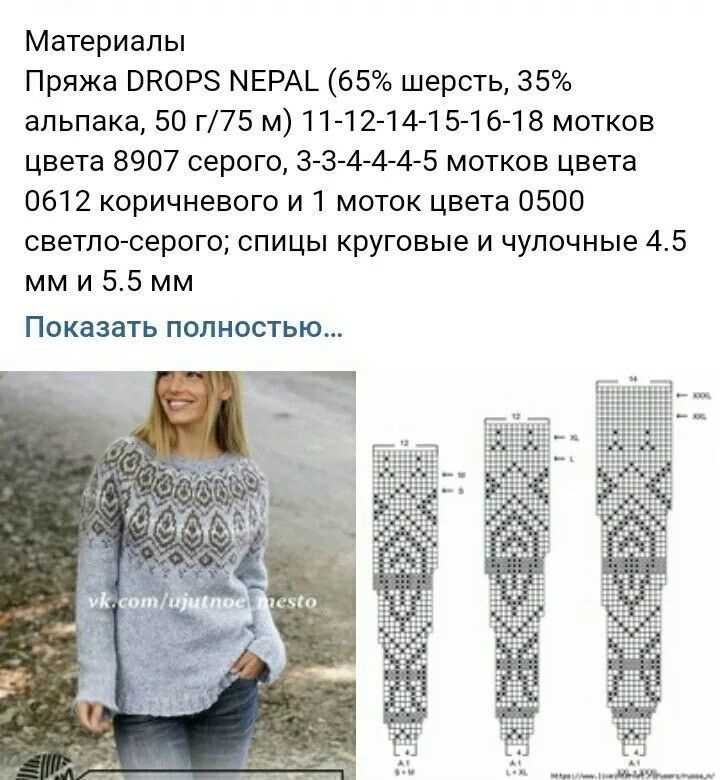
Lopapeysa is a traditional Icelandic sweater that originated in the early 20th century. It is characterized by its unique colorwork patterns and warmth, making it a popular choice for those living in cold climates. The Lopapeysa knitting pattern has gained international popularity and has become a beloved design for knitters around the world.
The Lopapeysa knitting pattern typically features a circular yoke with intricate geometric designs. The sweater is knitted in the round from the bottom up, making it seamless and comfortable to wear. The traditional Icelandic lopi yarn, made from Icelandic sheep’s wool, is used to create the sweater’s distinctive texture and warmth.
One of the most appealing aspects of the Lopapeysa knitting pattern is its versatility. While traditional patterns often include motifs inspired by Icelandic nature and culture, modern variations allow knitters to experiment with different color combinations and motifs, creating unique and personalized sweaters. Whether you prefer classic or contemporary designs, the Lopapeysa knitting pattern offers endless possibilities for creativity.
Lopapeysa Knitting Pattern
The Lopapeysa knitting pattern is a traditional Icelandic sweater pattern that has gained popularity around the world. Lopapeysa is known for its unique stranded colorwork, using two or more colors to create beautiful geometric patterns. The pattern typically features a circular yoke, ribbed hem, and cuffs, making it not only stylish but also warm and comfortable to wear.
To knit a Lopapeysa, you will need to be familiar with basic knitting techniques such as casting on, knitting, purling, and decreasing. The pattern usually calls for a bulky weight Icelandic wool, which creates a dense and insulating fabric. The stranded colorwork requires you to carry two yarns at the same time, creating floats on the back of the work that are later caught and secured. This technique adds warmth and durability to the sweater.
Materials
- Bulky weight Icelandic wool yarn in two or more colors
- Size 5mm and 6mm knitting needles
- Circular needles for the yoke
- Stitch markers
- Tapestry needle for weaving in ends
Instructions
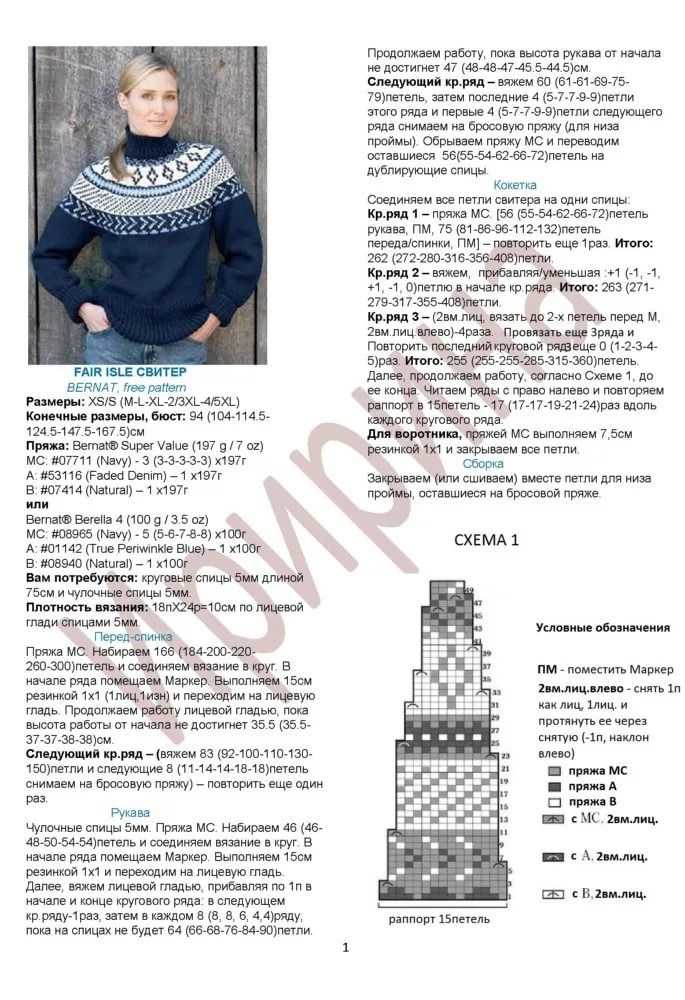
- Cast on the required number of stitches for the body and knit the ribbed hem.
- Begin the colorwork pattern, following the chart or written instructions provided.
- Continue knitting in the round, incorporating the color changes as indicated in the pattern.
- Shape the yoke by decreasing stitches evenly to create the desired fit.
- Switch to smaller needles and knit the ribbed cuffs.
- Finish off the sweater by weaving in any loose ends and blocking the garment to shape.
Once you have mastered the Lopapeysa knitting pattern, you can customize it to your liking by choosing different color combinations and motifs. This traditional Icelandic sweater is not only a cozy and stylish garment but also a way to connect with the rich knitting heritage of Iceland.
What is Lopapeysa?
Lopapeysa is a traditional Icelandic sweater that is known for its distinctive style and warm, insulating properties. It is a popular choice for both locals and tourists visiting Iceland, and has become an iconic symbol of Icelandic culture.
Derived from the Icelandic words “lóa” meaning “ewe” and “peysa” meaning “sweater”, Lopapeysa is made from Icelandic wool, which is known for its exceptional quality and durability. The wool is obtained from the unique breed of Icelandic sheep, which has adapted to the harsh weather conditions on the island.
One of the defining features of Lopapeysa is its circular yoke, which is usually decorated with intricate patterns and motifs. These patterns are knitted using a technique called stranded knitting, where multiple colors are carried along the back of the work, creating a double layer of fabric that provides extra warmth.
The traditional Lopapeysa design often incorporates geometric patterns, inspired by the Icelandic landscape and nature, such as mountains, trees, and animals. Each pattern has its own meaning and symbolism, making each Lopapeysa unique and meaningful.
Lopapeysa has gained international recognition for its style and functionality, and it has become a popular choice for outdoor enthusiasts and fashion-conscious individuals alike. Whether worn as a practical garment for outdoor activities or as a fashion statement, Lopapeysa continues to be cherished as a symbol of Icelandic heritage and craftsmanship.
History of Lopapeysa
The Lopapeysa is an iconic traditional Icelandic sweater that has been worn by Icelandic people for centuries. It is known for its distinct pattern and warmth, making it a popular choice for the cold Icelandic climate.
The history of the Lopapeysa can be traced back to the 17th century when sheep farming became an important industry in Iceland. The sweater was traditionally made using the fleece of Icelandic sheep, which is known for its unique quality. The wool is warm, water-resistant, and lightweight, making it perfect for creating warm and durable garments.
The Lopapeysa sweater features a circular yoke design, which is a common characteristic of Icelandic knitwear. The yoke is typically adorned with geometric patterns inspired by traditional Icelandic knitting techniques. These patterns often incorporate symbols and motifs that have cultural and historical significance.
The popularity of the Lopapeysa sweater has grown over the years, both within Iceland and internationally. It has become an important symbol of Icelandic heritage and craftsmanship. Today, the Lopapeysa is not only worn for its practicality but also for its aesthetic appeal. It is seen as a fashion statement and a way to showcase Icelandic culture.
- Key phrases: Lopapeysa, Icelandic sweater, distinct pattern, warmth, cold Icelandic climate, sheep farming, fleece of Icelandic sheep, circular yoke design, traditional Icelandic knitting techniques, cultural and historical significance, Icelandic heritage, craftsmanship, fashion statement.
Materials Needed for Lopapeysa
Knitting a Lopapeysa, or Icelandic sweater, requires a few key materials to get started. These traditional sweaters are known for their warmth and unique yoke patterns, which are created through colorwork techniques. Here is a list of the materials you will need to knit your own Lopapeysa.
1. Yarn
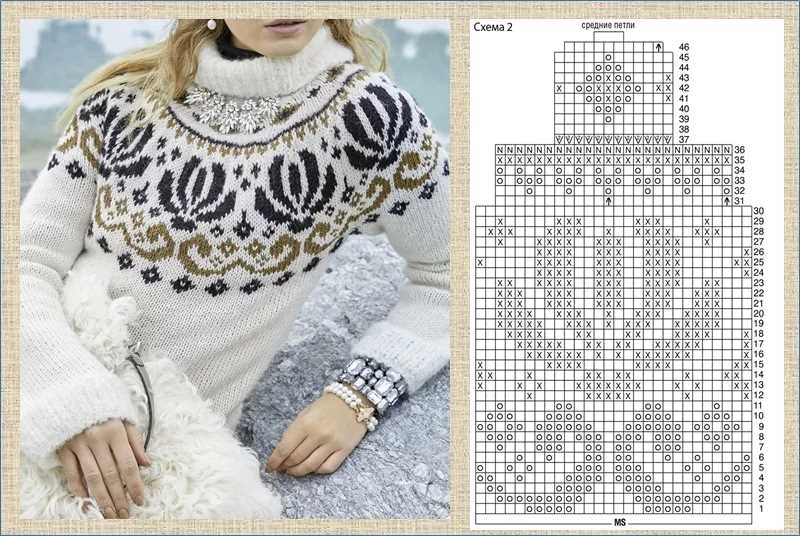
Choose a yarn that is suitable for knitting a warm and cozy sweater. Traditionally, Icelandic wool, also known as Lopi, is used to make Lopapeysas. Lopi yarn is known for its lightweight yet insulating properties, making it perfect for winter garments. You will need several skeins of yarn in different colors to create the colorwork design in the yoke.
2. Knitting Needles

Make sure you have the appropriate size of knitting needles for your chosen yarn. Lopi yarn typically requires larger needle sizes to achieve the desired gauge. Circular needles are often recommended for knitting in the round, as Lopapeysas are usually knit seamlessly from the top down.
3. Stitch Markers
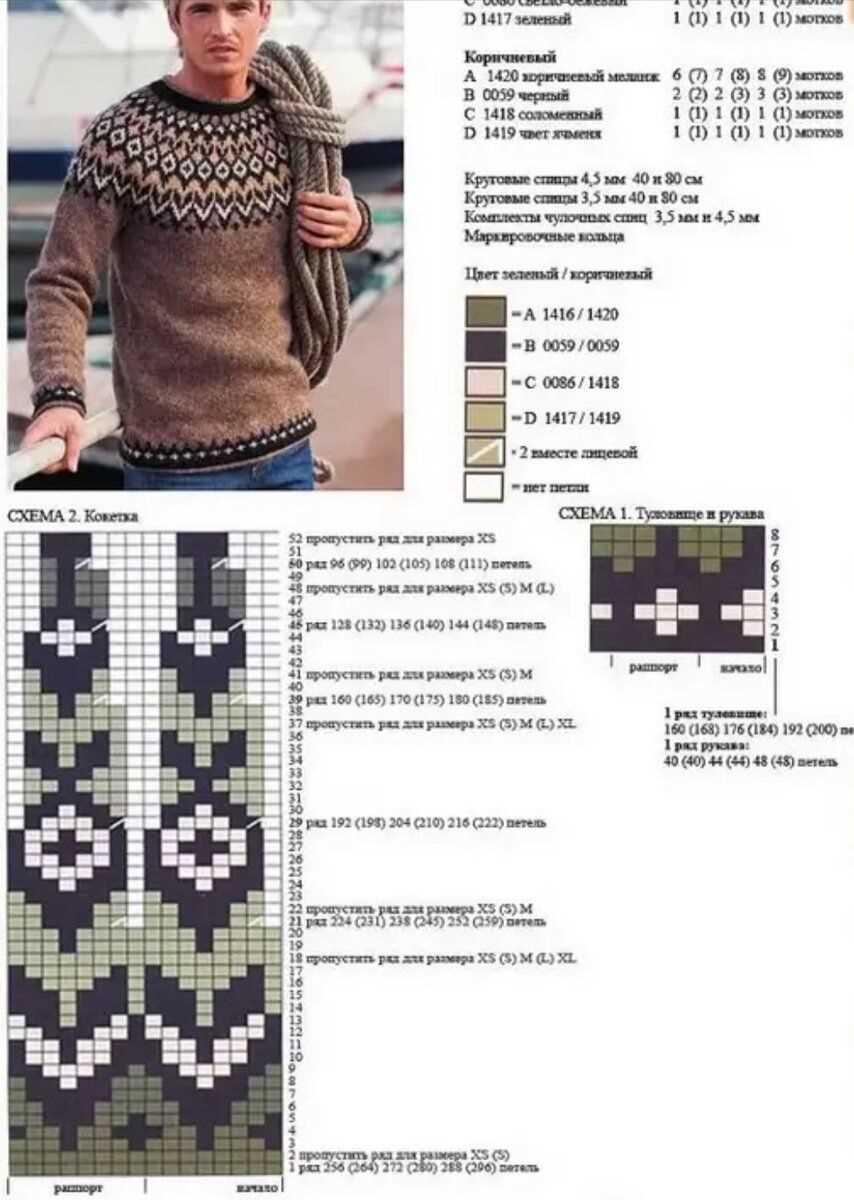
Stitch markers are essential for marking the beginning of rounds and separating different sections of the sweater, such as the body and sleeves. They help ensure that you don’t lose your place in the pattern and make it easier to keep track of your progress.
4. Tapestry Needle
A tapestry needle, also known as a yarn needle or darning needle, is used for weaving in loose ends and seaming the sweater. Choose a needle with a large eye that can easily accommodate your yarn and a blunt tip to prevent snagging the stitches.
5. Scissors
You will need a pair of scissors to cut the yarn when necessary, such as when changing colors or finishing the sweater. Choose a pair of sharp scissors that are easy to handle and have a fine tip for precise cutting.
Once you have gathered these materials, you will be ready to start knitting your own Lopapeysa. Follow a pattern or create your own unique design to make a sweater that reflects your personal style and showcases the beauty of Icelandic knitting traditions.
Choosing the Right Yarn for Your Lopapeysa

When it comes to knitting your own Lopapeysa, choosing the right yarn is essential. The traditional Icelandic sweater is known for its warmth and durability, so selecting a high-quality yarn is crucial to achieving the desired results. Here are some important factors to consider when picking the perfect yarn for your Lopapeysa.
1. Wool Content
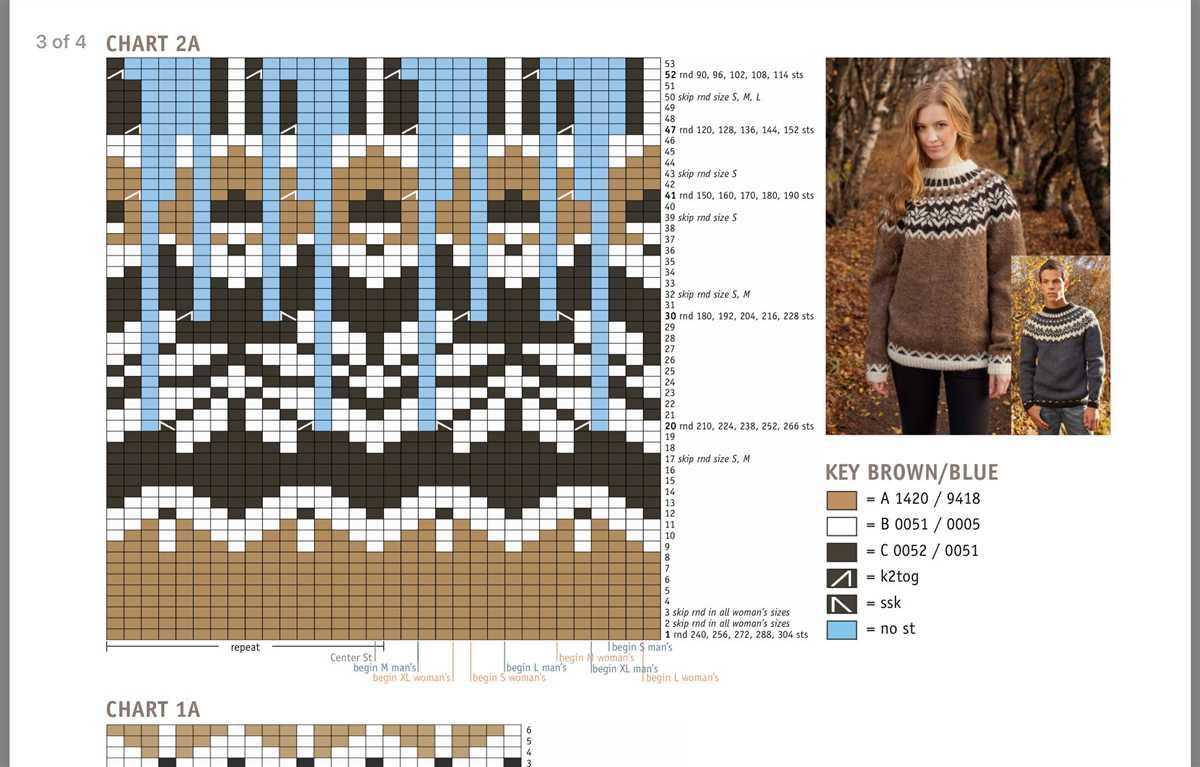
One of the key features of a Lopapeysa is its use of pure Icelandic wool. This natural fiber has excellent insulating properties, making it perfect for keeping you warm during cold winters. Look for yarn that contains a high percentage of wool to ensure the authentic feel and performance of your sweater.
2. Weight and Gauge
The weight of the yarn and the gauge it produces are important considerations for your Lopapeysa. Traditionally, Lopapeysa sweaters are knit using a worsted or aran weight yarn. This weight allows for a cozy yet accessible texture. Additionally, pay attention to the recommended gauge for your chosen yarn and adjust your needle size accordingly to ensure proper fit and stitch definition.
3. Color Selection
The color selection for your Lopapeysa is an opportunity to showcase your personal style and creativity. Traditional Lopapeysa designs often feature a combination of natural earthy tones and vibrant contrasting colors. Consider the overall aesthetic you want to achieve and pick a yarn with a wide range of shades that complement each other well.
4. Durability and Care
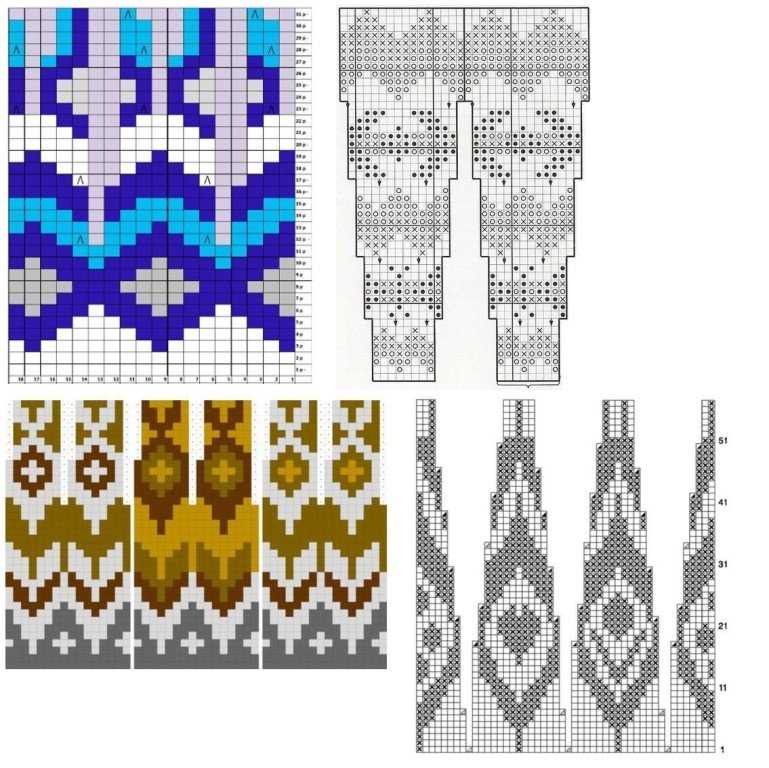
A well-made Lopapeysa is meant to last for years, so it’s important to choose a yarn with excellent durability. Look for yarn that is tightly spun to resist pilling and wear. Additionally, consider the care instructions of the yarn to ensure that it can withstand regular wear and washing without losing its shape and color.
By taking the time to carefully select the right yarn for your Lopapeysa, you can create a beautiful and functional sweater that will keep you warm and stylish for years to come.
Knitting Techniques for Lopapeysa
Lopapeysa, also known as the Icelandic sweater, is a traditional garment that features distinctive colorwork patterns and a unique construction. To create your own Lopapeysa, you will need to familiarize yourself with a few key knitting techniques.
1. Knitting in the Round
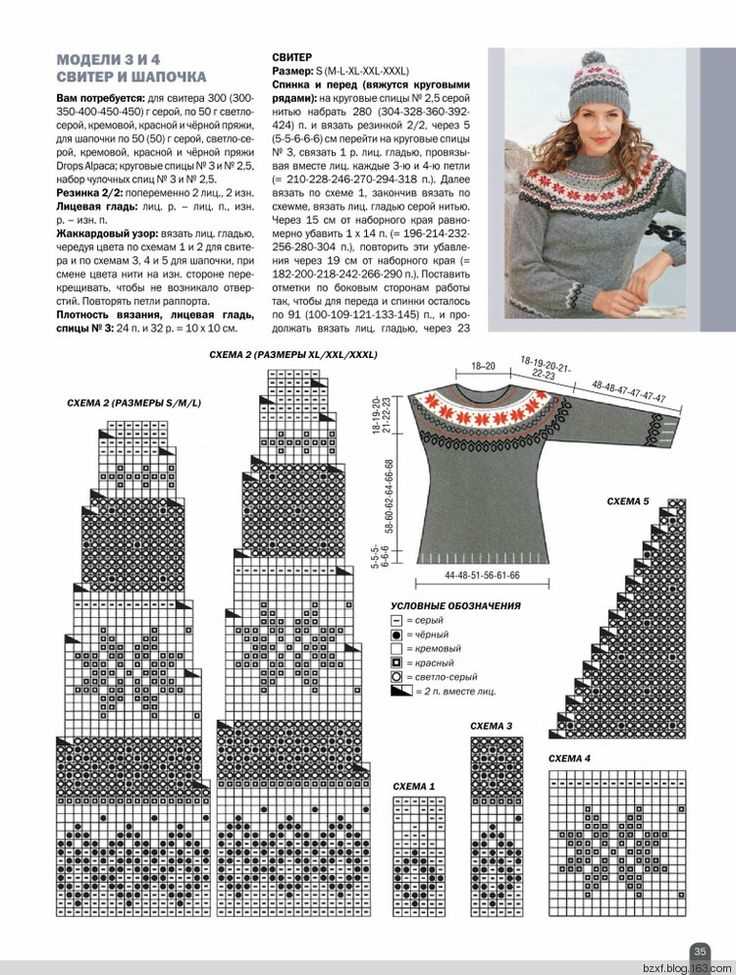
The Lopapeysa is typically knit in the round, which means that you will be working in a continuous spiral rather than knitting rows back and forth. To do this, you will need a set of double-pointed needles or a circular needle, depending on your preferred method. Knitting in the round allows you to create a seamless garment and makes it easier to work the colorwork pattern.
2. Stranded Colorwork
The most iconic aspect of the Lopapeysa is its intricate colorwork pattern. This technique, also known as stranded knitting or Fair Isle knitting, involves working with multiple colors in each row. You will need to carry the unused color along the back of your work, creating floats on the inside of the sweater. It’s important to maintain an even tension while knitting with multiple colors to ensure that the pattern is clear and the fabric is not too tight.
3. Steeking
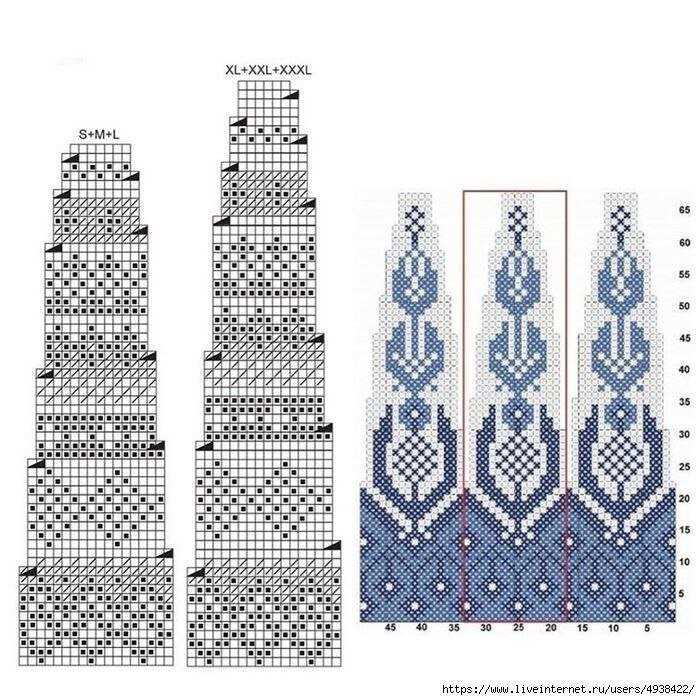
In order to create the neckline and armholes of the Lopapeysa, you will need to incorporate steeks, which are thin columns of extra stitches. These steeks will be cut open later to create the desired openings. To secure the steek stitches, you will need to reinforce them with a sewing machine or by hand before cutting into the fabric. This technique may seem intimidating at first, but it allows for greater flexibility in the design and construction of the sweater.
4. Icelandic Bind Off
To finish the Lopapeysa, you will use the Icelandic bind off, also known as the sewn bind off or the JSSBO (Jeny’s Surprisingly Stretchy Bind Off). This bind off method creates a flexible edge that matches the stretchiness of the knitted fabric. It is especially important when working with colorwork, as it helps to maintain an even tension and prevent the edge from being too tight.
In conclusion, knitting a Lopapeysa requires the use of several specialized techniques, including knitting in the round, stranded colorwork, steeking, and the Icelandic bind off. While these techniques may be challenging for beginners, they can be learned with practice and patience, resulting in a beautiful and unique garment that showcases the rich tradition of Icelandic knitting.
Creating the Body of the Lopapeysa
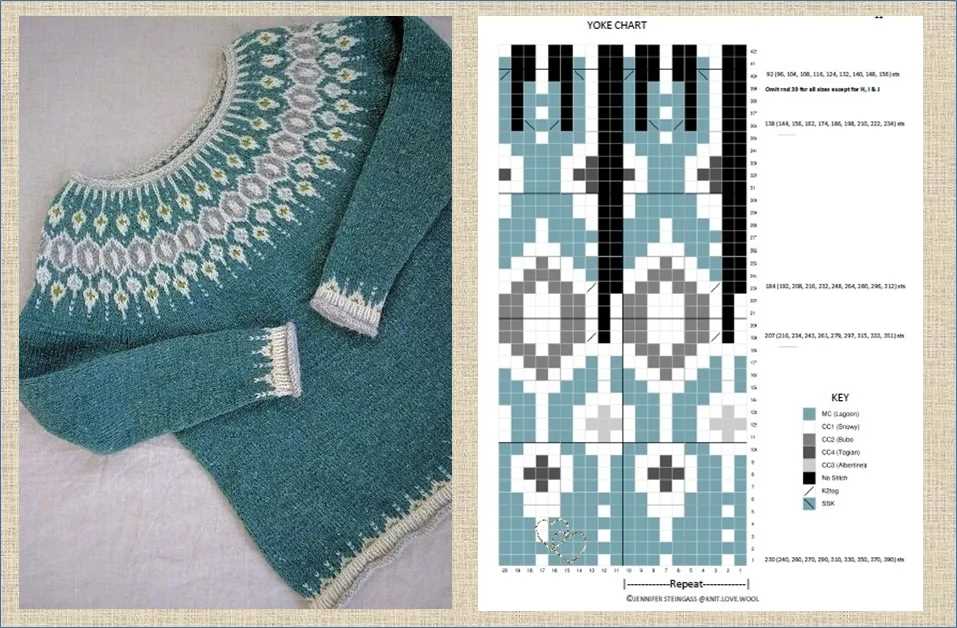
Once you have finished knitting the yoke of the Lopapeysa, it’s time to move on to creating the body of the sweater. This is where the main body of the pattern comes into play, and you’ll start to see the sweater really take shape.
To begin, you will need to continue working in the round, using the main color of your yarn. You will also need to make sure that you have enough stitches to accommodate the desired width of your sweater. This can usually be determined by the pattern, which will provide instructions on the number of stitches to cast on.
Once you have the correct number of stitches on your needle, you will begin by knitting in the round, working in your chosen stitch pattern. This typically involves alternating rounds of knitting and purling to create a textured design or a traditional Icelandic pattern. The pattern will guide you on the specific stitch pattern to use.
As you work your way down the sweater, you will also need to make any necessary decreases or increases to shape the body. This is typically done by decreasing or increasing a certain number of stitches evenly across the round. The pattern will specify when and how to make these adjustments.
Continue working the body of the sweater until you have reached the desired length, as specified in the pattern. This will usually involve knitting a certain number of rounds or measuring the length from a specific point, such as the underarm. Once you have reached the desired length, you can then move on to creating the ribbing for the bottom hem of the sweater.
Creating the body of the Lopapeysa is an important step in the knitting process. It’s where you’ll see your hard work start to pay off as the sweater begins to take shape. With the right pattern and careful attention to detail, you’ll soon have a beautiful, cozy Lopapeysa to wear and enjoy.
Adding the Sleeves to Your Lopapeysa
Once you have completed the body of your Lopapeysa sweater, it’s time to add the sleeves. Adding the sleeves is an important step to complete your sweater and give it a finished look. Follow these instructions to seamlessly incorporate the sleeves into your Lopapeysa knitting pattern.
1. Preparing the Sleeves
Before attaching the sleeves, make sure you have knitted them according to the pattern instructions. The sleeves will typically be knitted separately from the body. Make sure to measure and adjust the length of the sleeves to your desired length before attaching them.
- Place the body of the sweater on a flat surface, with the right side facing up. The underarm stitches of the body should be facing towards you.
- Take one of the sleeves and position it so that the right side is facing down. The underarm stitches of the sleeve should be aligned with the underarm stitches of the body.
- Using a tapestry needle and the same yarn you used to knit the sweater, begin to sew the sleeve to the body. Start from the underarm and work your way towards the cuff of the sleeve.
- Make sure to sew the sleeve securely to the body, but avoid making the stitches too tight, as this can restrict movement and create an uncomfortable fit.
- Repeat this process with the second sleeve, making sure to align the underarm stitches and sew it securely to the body.
2. Finishing Touches
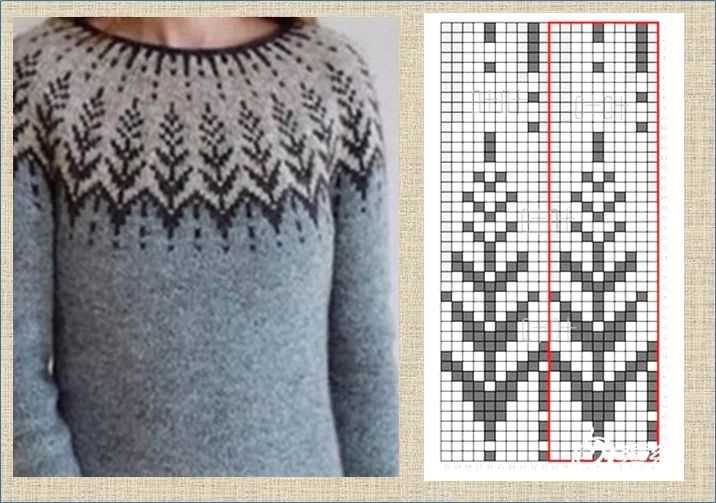
Once you have attached both sleeves, double-check the seams to ensure they are secure and properly aligned. You can use a blocking method to flatten any uneven areas and improve the overall appearance of the finished sweater. Finally, weave in any loose ends or yarn tails to give your Lopapeysa a clean and professional finish. Congratulations, you have successfully added the sleeves to your Lopapeysa knitting pattern!
Finishing Touches: Neckline and Ribbing
When it comes to completing a lopapeysa knitting project, the neckline and ribbing are the final touches that bring the whole design together. These elements not only add a polished look to the sweater, but also provide structure and functionality.
The neckline of a lopapeysa can be customized to suit your preference and style. One common technique is to create a simple crew neck by binding off a certain number of stitches at the center front and back, and then joining the shoulders with a three-needle bind off. This creates a clean and seamless neckline that sits comfortably on the wearer’s shoulders.
For added visual interest, you can choose to incorporate a decorative neckband or collar. This can be achieved by picking up stitches along the neckline and working a ribbing pattern, such as a traditional k1, p1 rib or a more intricate cable design. By using a contrasting color or yarn texture, this embellishment can make the neckline a focal point of the sweater.
Once the neckline is complete, the next step is to add ribbing to the cuffs, hem, and possibly the bottom edge of the sweater. Ribbing provides elasticity and structure to these areas, ensuring a snug fit that retains its shape over time. The most common ribbing pattern is the k1, p1 rib, which alternates between knit and purl stitches, creating a stretchy and textured fabric.
You can experiment with different ribbing patterns, such as a twisted rib or a seed stitch rib, to add variety and interest to your lopapeysa. These variations can create different textures and visual effects, while still maintaining the functional benefits of ribbing. Remember to choose a ribbing pattern that complements the overall design of the sweater and enhances its aesthetic appeal.
Lopapeysa Patterns for Beginners
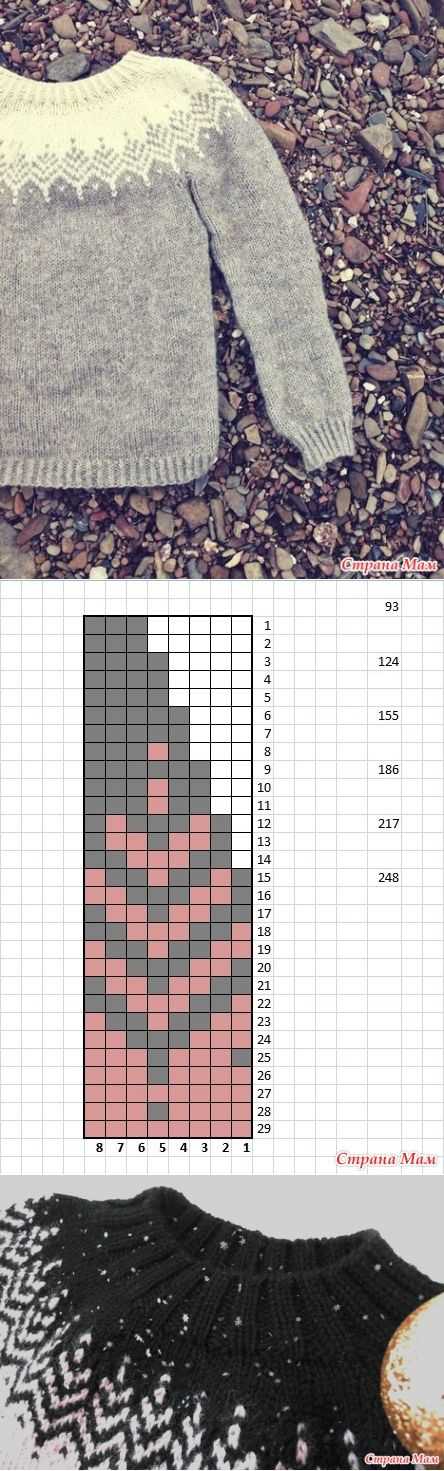
If you are new to knitting and want to try your hand at creating a traditional Icelandic sweater, known as a lopapeysa, there are plenty of patterns available that are perfect for beginners. Lopapeysa patterns feature a unique style of colorwork and are typically knit in the round, making them a great project for those looking to expand their knitting skills.
One popular lopapeysa pattern for beginners is the “Simple Lopapeysa Pattern.” This pattern features a straightforward design with a basic colorwork yoke and a simple geometric pattern. The pattern is easy to follow, making it a great choice for those who are new to colorwork knitting.
Another beginner-friendly lopapeysa pattern is the “Striped Lopapeysa Pattern.” This pattern uses alternating stripes of two or more colors to create a bold and eye-catching design. The simplicity of the pattern makes it easy to memorize and perfect for knitters who are new to colorwork.
For those who prefer a more minimalist style, the “Solid Lopapeysa Pattern” is a great option. This pattern features a single color throughout, with a classic round yoke and a simple stitch pattern. The solid color allows for a clean and timeless look, making it an ideal choice for beginners.
When choosing a lopapeysa pattern for beginners, it’s important to select one that uses basic stitches and has clear instructions. Many patterns also include charts to help with colorwork, making them easier to follow for those who are new to this technique. With a little practice and patience, beginners can create beautiful lopapeysa sweaters that showcase their knitting skills.
Tips and Tricks for a Successful Lopapeysa
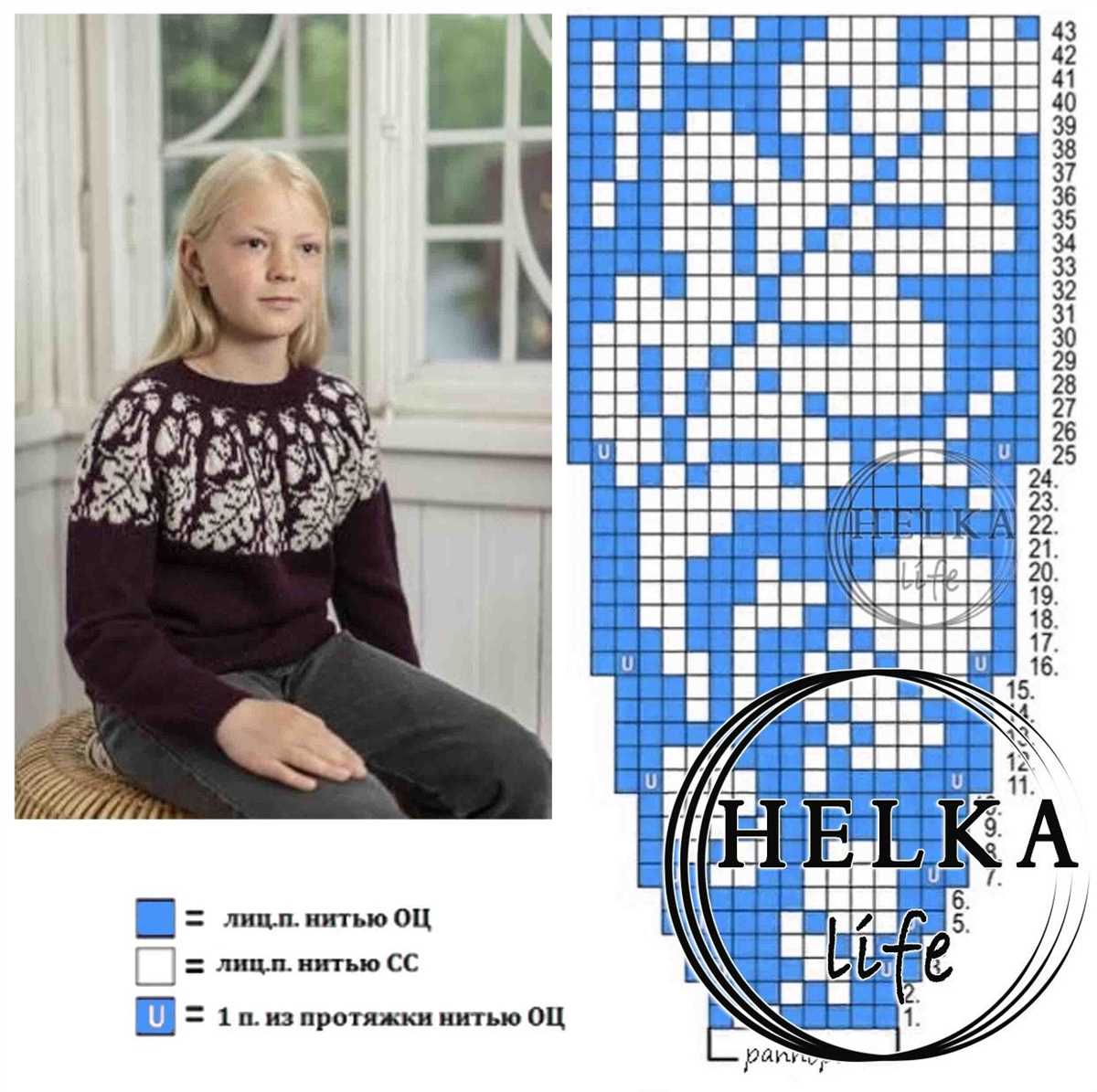
Knitting a Lopapeysa can be a fun and rewarding project, but it can also present some challenges. Here are some tips and tricks to help you successfully complete your Lopapeysa:
1. Choose the Right Yarn: When choosing yarn for your Lopapeysa, it’s important to select a yarn that is suitable for colorwork and has good stitch definition. Icelandic wool is a popular choice for Lopapeysa, as it is lightweight, warm, and comes in a wide range of colors. Make sure to check the gauge and fiber content of the yarn before starting your project.
2. Swatch for Gauge: Swatching is crucial when knitting a Lopapeysa, as it will help ensure that your finished garment fits properly. Take the time to knit a swatch in the round using the recommended needle size and check your gauge. If your gauge doesn’t match the pattern, adjust your needle size accordingly. Remember, the gauge for colorwork may differ from the gauge for plain knitting.
3. Practice Colorwork Techniques: Lopapeysa typically features stranded colorwork, where two or more colors are used in each row. If you’re new to colorwork, it’s a good idea to practice the technique before diving into your Lopapeysa. You can start with small swatches or try knitting a smaller colorwork project first. This will help you get comfortable with carrying the yarn and working with multiple colors.
4. Use Stitch Markers: Stitch markers can be incredibly helpful when working on a Lopapeysa, especially when it comes to keeping track of pattern repeats and decreases. Place stitch markers between pattern repeats, or at specific points where decreases need to be made. This will help you easily identify where to make the necessary stitches.
5. Block Your Lopapeysa: Blocking is an important step in finishing your Lopapeysa. It will help even out the stitches, improve the drape of the fabric, and ensure that the garment holds its shape. Follow the blocking instructions provided in the pattern, which may include wet blocking or steam blocking. Take care to measure the dimensions of your Lopapeysa after blocking to ensure it meets the desired size.
6. Enjoy the Process: Knitting a Lopapeysa can be a time-consuming project, but it’s important to enjoy the process. Embrace the meditative nature of knitting, and take pride in creating a unique, handmade garment. Remember that mistakes happen, and they can often be fixed or incorporated into the design. Don’t be afraid to experiment and make the Lopapeysa your own.
By following these tips and tricks, you’ll be well-equipped to tackle your Lopapeysa project with confidence. Happy knitting!