Knitting is a beloved pastime for many, with countless patterns and techniques to explore. One such technique is the ruffle knitting pattern. Ruffle knitting involves creating a fabric with alternating sections of gathers and smooth stitches, resulting in a beautiful rippling effect. This technique can be used to add a touch of elegance and femininity to a variety of projects, from scarves and shawls to skirts and dresses.
The ruffle knitting pattern is achieved by increasing and decreasing stitches in a specific pattern to create the gathers. This can be done in a variety of ways, such as working multiple yarn overs or knitting into the front and back of a stitch. The gathers are then accentuated by working a section of smooth stitches in between, which helps to highlight the ruffles.
Ruffle knitting can be a bit challenging for beginners, as it requires some knowledge of basic knitting techniques. However, with practice and patience, anyone can master this beautiful technique. There are numerous resources available, such as online tutorials and knitting books, that provide step-by-step instructions and helpful tips for getting started with ruffle knitting.
What is a ruffle knitting pattern?

A ruffle knitting pattern is a type of knitting technique that creates a frilly or wavy edge on a knitted garment or accessory. It is achieved by increasing the number of stitches in a specific section of the pattern, causing the fabric to gather and form ruffles. Ruffles can be applied to various parts of a knitted project, such as the hemline, cuffs, or neckline, to add feminine and playful details.
The ruffle knitting pattern often involves using specific stitch patterns and techniques, such as increasing stitches, using lace stitches, or incorporating decorative elements like picots or eyelets. These techniques create the desired ruffle effect and add texture and dimension to the knitted piece.
There are different variations of ruffle knitting patterns:
- Cascading ruffles: These are long, flowing ruffles that create an elegant and dramatic effect. They can be used on shawls, scarves, or dresses to add a touch of glamour.
- Petite ruffles: These are smaller and more delicate ruffles that provide a subtle and feminine touch to the knitting project. They are often used on baby clothes, socks, or accessories.
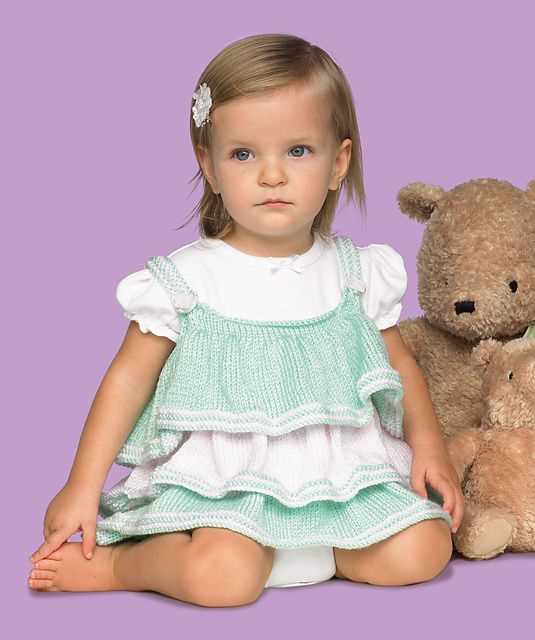
- Layered ruffles: These involve creating multiple layers of ruffles to create a voluminous and extravagant look. They can be used on skirts, dresses, or sweaters to make a statement.
Ruffle knitting patterns offer versatility and creativity to knitters, as they can be incorporated into various projects and customized to suit individual preferences. They can add visual interest, texture, and a touch of whimsy to any knitted item, making them a popular choice for those who want to experiment with different knitting techniques.
Why choose a ruffle knitting pattern?
Knitting is a beloved hobby for many, offering a creative outlet and a way to make unique, handmade items. One popular knitting technique that can add interest and texture to projects is ruffle knitting. Ruffle knitting patterns are a great choice for those who want to add an extra touch of flair to their projects. Whether you’re knitting a scarf, a hat, or even a sweater, incorporating ruffles can take your project to the next level.
One of the main reasons to choose a ruffle knitting pattern is the versatility it offers. Ruffles can be added to almost any project, allowing you to customize your knitting to your own unique style and preferences. Whether you prefer delicate, subtle ruffles or bold, dramatic ones, there is a ruffle pattern out there for you. Ruffles can also be used to create different effects, such as adding volume and dimension to a garment or creating a feminine and whimsical touch.
Another benefit of choosing a ruffle knitting pattern is that it can be a great way to learn new knitting techniques. Ruffles often involve techniques such as increasing and decreasing stitches, gathering and ruffling fabric, and working with different stitch patterns. By following a ruffle knitting pattern, you can practice and master these techniques, expanding your knitting skills and repertoire. Additionally, ruffles can be a fun and satisfying way to challenge yourself and keep your knitting projects interesting and engaging.
Whether you’re looking to add some extra flair to your knitting projects, expand your knitting skills, or simply have some fun experimenting with different textures and techniques, choosing a ruffle knitting pattern can be a great option. With its versatility and ability to add interest and dimension to your projects, ruffle knitting is sure to keep you inspired and excited about your knitting journey.
Tips for selecting the right yarn for your ruffle knitting pattern
When choosing yarn for your ruffle knitting pattern, there are several factors to consider to ensure the best results. The type and weight of the yarn will greatly impact the overall look and feel of the finished project, so it’s important to choose wisely.
1. Consider the pattern: Start by carefully reading the instructions for your ruffle knitting pattern. Look for any specific yarn recommendations or guidelines provided by the designer. This will help you understand the desired outcome and narrow down your yarn options.
2. Look for a lightweight yarn: Ruffles are meant to be dainty and delicate, so it’s best to choose a lightweight yarn that will create soft and flowing folds. Lace weight or fingering weight yarns are often ideal for ruffle patterns.
3. Select a yarn with good drape: The drape of the yarn refers to how it hangs and falls when knitted up. For ruffles, you’ll want a yarn with good drape to enhance the fluidity of the ruffled edges. Yarns with silk or bamboo fibers are known for their excellent drape.
4. Consider the fiber content: Different fibers have different properties, so consider what qualities you want your ruffles to have. Natural fibers like wool and alpaca will provide warmth and elasticity, while synthetic fibers like acrylic may offer more durability and affordability.
5. Experiment with texture: Ruffles can be even more interesting with texture, so consider yarns that have interesting characteristics like boucle, eyelash, or ribbon yarns. These will add an extra dimension to your ruffle knitting pattern.
6. Pay attention to color: The color of the yarn can greatly impact the overall look of your ruffles. Bright, vibrant colors can make a statement, while neutral shades can create a more subtle and elegant effect. Consider the overall aesthetic you want to achieve and choose a yarn color that complements it.
By considering these tips, you’ll be well on your way to selecting the perfect yarn for your ruffle knitting pattern. Remember to swatch your chosen yarn first to ensure the gauge and appearance are to your liking before starting your project.
Essential supplies and tools for ruffle knitting
When it comes to ruffle knitting, having the right supplies and tools is essential to achieve the desired results. Here are some key items that every ruffle knitter should have in their toolbox:
1. Yarn:
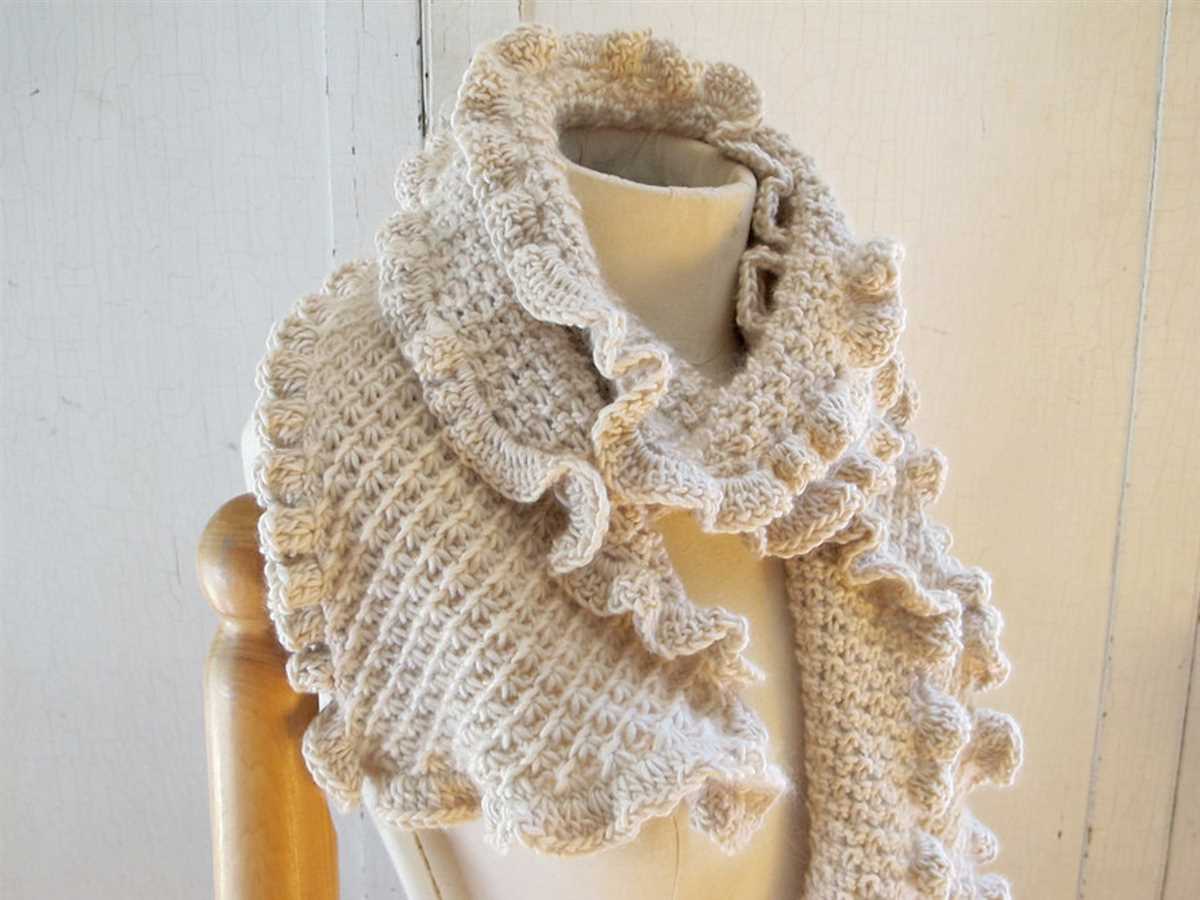
Choosing the right yarn is crucial for creating beautiful ruffles. Opt for lightweight and soft yarns like silk, bamboo, or mohair, as they drape nicely and create a delicate appearance. Variegated or self-striping yarns can add visual interest to your ruffles.
2. Knitting needles:
Using the correct needle size is important in ruffle knitting. For most ruffle patterns, you’ll need a pair of circular knitting needles in a size appropriate for your chosen yarn. Circular needles allow for the larger number of stitches required in ruffle knitting and make it easier to handle the excess fabric.
3. Stitch markers:

Stitch markers are useful for keeping track of where specific increases or decreases need to be made in your ruffle pattern. They help you maintain an even and consistent shape throughout your project.
4. Ruffle pattern guide:

A ruffle pattern guide is essential for following the instructions and creating the desired ruffle effect. It outlines the specific stitches and techniques needed to achieve the desired ruffling effect, such as increasing or decreasing stitches at specific intervals.
5. Yarn needle:
A yarn needle is necessary for weaving in loose ends of yarn and finishing off your ruffle knitting project. It allows for neat and secure finishes, preventing any unravelling or fraying.
6. Blocking tools:
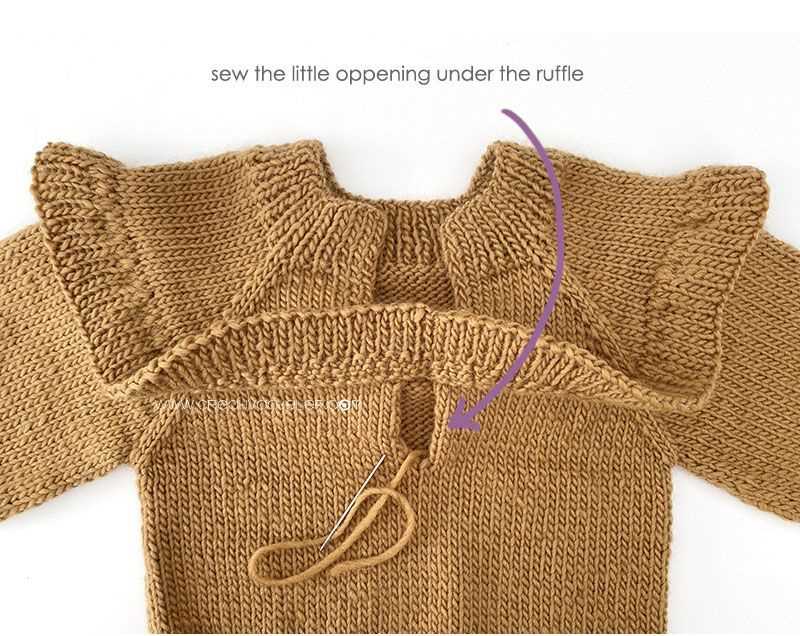
Blocking tools, such as blocking mats and pins, are essential for shaping and setting your ruffles. Blocking helps to even out the stitches, enhance the drape, and create a professional-looking finish.
7. Scissors:

A good pair of scissors is necessary for cutting yarn and trimming any excess or uneven edges. Make sure you have a sharp and precise pair of scissors to achieve neat and clean cuts.
By having these essential supplies and tools on hand, you’ll be well-equipped to start your ruffle knitting projects and create stunning ruffled garments and accessories. Happy knitting!
Basic Ruffle Knitting Techniques
When it comes to knitting ruffles, there are several basic techniques that can be used to create beautiful and unique designs. Whether you are a beginner or an experienced knitter, these techniques can help you add a stylish and feminine touch to your projects.
Gathering Stitches
One of the most common techniques for creating ruffles is gathering stitches. This involves adding extra stitches to your knitting project and then reducing them to create a gathered effect. To create gathering stitches, you can use a technique called “increase” to add stitches or “decrease” to reduce stitches. This will create ruffles along the edge of your project.
You can also create gathering stitches by using a specific stitch pattern, such as the ruffle stitch or the eyelet stitch. These stitch patterns incorporate yarn overs and decreases to create a ruffled effect. By alternating between these types of stitches, you can create sections of ruffles in your knitting project.
Elastic Thread

Another technique for creating ruffles is by incorporating elastic thread into your knitting. Elastic thread is a thin and stretchy thread that can be knit along with your regular yarn to create a ruffled effect. By knitting with both the yarn and the elastic thread together, the resulting fabric will have a stretchy quality that allows it to gather and form ruffles.
To add elastic thread to your knitting, you can insert it into your knitting needle along with your regular yarn. As you knit, the elastic thread will be incorporated into the stitches, creating a ruffled effect. You can control the amount of ruffle by adjusting the tension of the elastic thread.
Fringe Ruffles

Lastly, you can add ruffles to your knitting by attaching fringes to the edge of your project. Fringe ruffles are created by cutting strands of yarn and attaching them to your knitting using a technique called “looping”. To create fringe ruffles, you can cut several strands of yarn to the desired length and then attach them to the edge of your knitting by looping them through the stitches.
When attaching the fringe, you can space the strands evenly or create a cascade effect by increasing the length of the strands towards the center of your project. This will create a beautiful and flowing ruffled edge.
In conclusion, these basic ruffle knitting techniques can help you add a feminine and decorative touch to your knitting projects. Whether you choose to use gathering stitches, elastic thread, or fringe ruffles, experimenting with these techniques can result in unique and stylish designs.
Popular ruffle knitting patterns for beginners
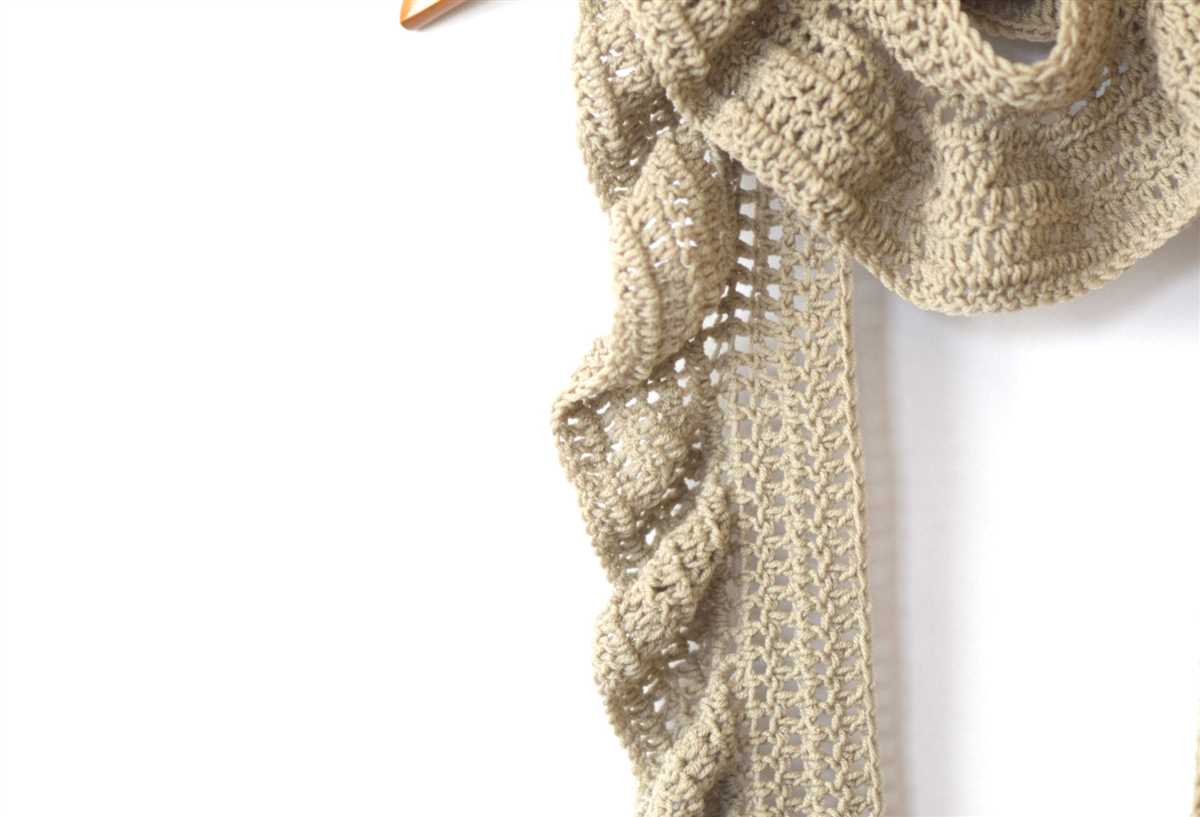
Learning to knit ruffles is a great way for beginners to add a fun and stylish touch to their knitting projects. Ruffles can be created by using simple techniques such as increasing stitches or adding yarn overs to create extra volume and texture. Here are some popular ruffle knitting patterns that are perfect for beginners:
1. Ruffled Scarf:
One of the easiest and most popular ruffle knitting patterns for beginners is a ruffled scarf. This pattern typically involves using a lightweight, soft yarn and knitting in simple garter or stockinette stitch. The ruffles are created by increasing stitches at certain intervals, resulting in a beautiful cascading effect. This pattern is versatile and can be customized with different yarn colors and lengths to suit individual preferences.
2. Ruffled Baby Blanket:
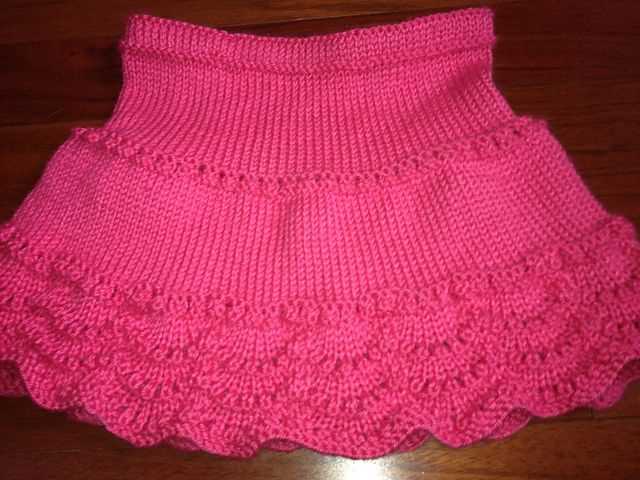
A ruffled baby blanket is a wonderful project for beginners who want to create something special for a little one. This pattern usually involves knitting a simple blanket base and then adding ruffles along the edges. The ruffles can be made using either a contrasting or coordinating yarn color, and the blanket can be knitted in a variety of sizes to accommodate different needs.
3. Ruffled Hat:
A ruffled hat is a cute and trendy accessory that beginners can easily knit. This pattern usually involves knitting a basic hat shape and then adding ruffles around the brim. The ruffles can be created using techniques such as yarn overs or increasing stitches, and they add a playful and feminine touch to the hat. This pattern allows for creativity by choosing different yarn colors and textures.
4. Ruffled Headband:
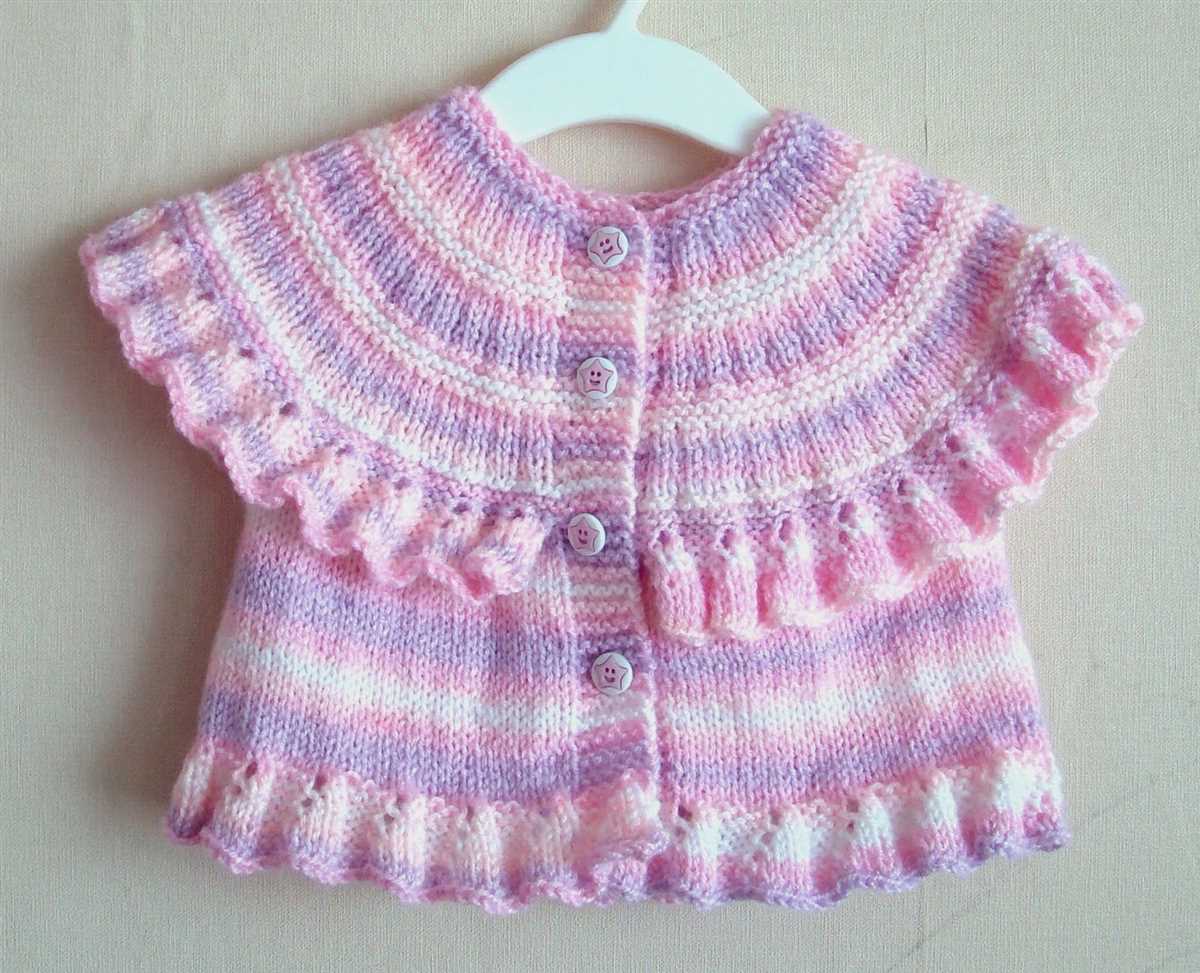
A ruffled headband is a quick and fashionable project that beginners can knit in no time. This pattern typically involves knitting a simple headband shape and then adding ruffles along the top or sides. The ruffles can be made using techniques such as increasing stitches or creating eyelets, and they add a stylish and feminine touch to any outfit. This pattern is great for using up leftover yarn and experimenting with different colors and textures.
- Ruffled Scarf
- Ruffled Baby Blanket
- Ruffled Hat
- Ruffled Headband
These popular ruffle knitting patterns for beginners are a great way to start incorporating ruffles into your knitting projects. With some basic knitting skills and a little practice, you can create beautiful and unique garments and accessories that showcase your creativity and personal style.
Intermediate Ruffle Knitting Patterns for the Adventurous
If you’re an experienced knitter looking to take your skills to the next level, intermediate ruffle knitting patterns offer an exciting challenge. These patterns incorporate ruffles, which add dimension and flair to your knitting projects. With careful attention to detail and a willingness to try new techniques, you can create stunning garments and accessories that are sure to turn heads.
One intermediate ruffle knitting pattern to try is the ruffle scarf. This pattern combines basic knitting stitches with ruffling techniques to create a scarf that is both stylish and cozy. Using a lightweight yarn, you’ll work short rows and increase stitches to create ruffles along the length of the scarf. Whether you choose a subtle ruffle or a more dramatic effect, this pattern allows for customization and experimentation.
Another intermediate ruffle knitting pattern that pushes the boundaries is the ruffle cardigan. This pattern challenges your knitting skills by incorporating ruffles into the design of a garment. Knitted in sections, the ruffles are created by increasing or decreasing stitches at specific intervals. The end result is a cardigan that is feminine and elegant, perfect for dressing up any outfit.
For the more adventurous knitter, the ruffle lace shawl is a stunning project to tackle. This pattern combines lace knitting techniques with ruffles to create a delicate and intricate shawl. The ruffles are created by working yarn overs and decreases in specific sequences, resulting in an eye-catching and unique piece. This pattern requires patience and attention to detail, but the end result is worth the effort.
Whatever intermediate ruffle knitting pattern you choose, don’t be afraid to push yourself and try new techniques. Ruffles can add a touch of whimsy and drama to your knitwear, allowing you to showcase your creativity and skills. So grab your needles and yarn, and embark on an adventurous ruffle knitting journey!
Advanced Ruffle Knitting Patterns for Expert Knitters
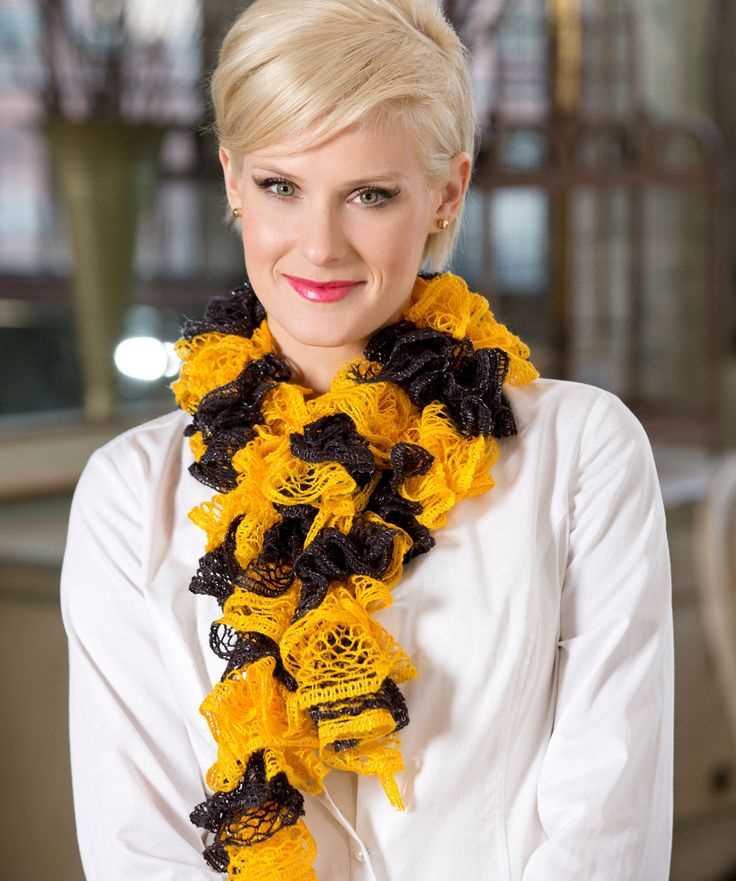
For knitters looking to take their skills to the next level, advanced ruffle knitting patterns provide a challenging and rewarding project. These patterns take the basic concept of ruffles and transform them into intricate designs that showcase the knitter’s expertise. The end result is a stunning garment or accessory that is sure to turn heads.
1. Lace Ruffle Shawl: This pattern combines the delicate beauty of lace knitting with the dramatic flair of ruffles. Knitted in a fine yarn, the shawl features a lacy body adorned with cascading ruffles along the edges. Achieving the perfect balance between the intricate lace pattern and the voluminous ruffles requires precision and skill, making this pattern ideal for advanced knitters looking for a challenge.
2. Ruffled Cardigan: This pattern takes the classic cardigan to new heights with its innovative use of ruffles. Knitted in a chunky yarn, the cardigan features strategically placed ruffles that create texture and dimension. The intricate shaping and construction of the ruffles require advanced knitting techniques and attention to detail. The end result is a stylish and modern cardigan that showcases the knitter’s expertise.
3. Ruffle Cowl: This pattern offers a unique twist on the traditional cowl by incorporating ruffles for added flair. Knitted in a soft and cozy yarn, the cowl features alternating sections of ruffles and simple stockinette stitch. The challenge lies in maintaining tension and achieving even ruffles throughout the project. The ruffle cowl is a versatile accessory that can be worn with both casual and formal outfits, making it a must-have for any advanced knitter.
4. Ruffled Skirt: This pattern transforms the concept of ruffles into a wearable garment. Knitted in a lightweight yarn, the skirt features tiers of ruffles that create a stunning silhouette. The construction of the skirt requires advanced knitting techniques such as increases, decreases, and short rows. The end result is a feminine and elegant skirt that is perfect for special occasions or everyday wear.
5. Ruffle Socks: For knitters looking for a smaller project, ruffle socks offer a fun and challenging option. Knitted in a sock-weight yarn, the socks feature ruffles at the cuffs for a touch of whimsy. The fine gauge and intricate shaping required to create the ruffles make this pattern ideal for advanced knitters. The ruffle socks are a statement accessory that can add a playful touch to any outfit.
These advanced ruffle knitting patterns offer a unique opportunity for expert knitters to showcase their skills and creativity. Whether creating a lace ruffle shawl, a ruffled cardigan, a ruffle cowl, a ruffled skirt, or ruffle socks, the intricate designs and techniques required for these patterns will challenge and inspire knitters to push their boundaries and create stunning works of art.
Creative variations on the traditional ruffle knitting pattern
The traditional ruffle knitting pattern is a popular choice among knitters for its elegant and feminine look. However, there are many creative variations that can be explored to add a unique twist to this classic design. Whether you’re an experienced knitter looking to challenge yourself or a beginner looking for a fun project, these creative variations are sure to inspire you.
One creative variation on the traditional ruffle knitting pattern is to experiment with different yarn textures and weights. Instead of using a standard lightweight yarn, try using a chunky or textured yarn to create a more voluminous and dramatic ruffle effect. This can add a modern and edgy touch to an otherwise traditional design. Additionally, you can mix different yarns together to create interesting color and texture combinations for a truly one-of-a-kind ruffle.
Another creative variation is to play with the size and shape of the ruffle. Instead of knitting a traditional circular ruffle, try knitting a triangular or rectangular ruffle. This can create a more geometric and structured look, perfect for contemporary designs. You can also experiment with the depth and spacing of the ruffles, creating a cascading effect or a more layered look. The possibilities are endless when it comes to customizing the size and shape of your ruffle.
If you’re feeling adventurous, you can even incorporate embellishments into your ruffle knitting pattern. Adding beads, sequins, or even feathers can create a glamorous and eye-catching ruffle. Just make sure to choose embellishments that won’t weigh down the knitted fabric, as the ruffle should still have movement and fluidity. This is a great way to personalize your knitted piece and make it truly unique.
In conclusion, the traditional ruffle knitting pattern can serve as a great starting point for exploring creative variations. By experimenting with different yarns, sizes, shapes, and even embellishments, you can give your ruffle a fresh and unique look. So go ahead and unleash your creativity with these exciting variations on the classic ruffle pattern. Happy knitting!
How to modify a ruffle knitting pattern to fit different sizes
When working with a ruffle knitting pattern, it’s important to ensure that the finished project will fit the intended wearer. However, many patterns are designed for specific sizes, which can be a challenge if you need to adjust the pattern to fit a different size. Fortunately, with a few modifications, you can easily adapt a ruffle knitting pattern to fit various sizes.
1. Adjusting the stitch count
One of the first steps in modifying a ruffle knitting pattern is to adjust the number of stitches. Start by determining the stitch gauge of the pattern, which can usually be found in the pattern instructions. Then, measure the recipient’s bust, waist, or any other relevant measurement. Divide the desired measurement by the stitch gauge to determine the number of stitches needed. If the number does not divide evenly, you may need to adjust the stitch count slightly to ensure an even distribution of ruffles.
2. Changing the length

Ruffle knitting patterns often include instructions for specific lengths, but if you need to modify the pattern for a different size, you may need to adjust the length as well. To do this, measure the intended wearer and compare it to the pattern’s length. If the recipient is shorter, you can simply stop knitting the ruffles earlier or remove a few rounds of ruffles. If the recipient is taller, you may need to add extra rounds of ruffles or adjust the overall length of the project.
3. Adapting the ruffle placement
Ruffles can add volume and dimension to a knitting project, but their placement can also affect the overall fit. If you need to modify the pattern for a different size, consider adjusting the placement of the ruffles. For example, if the pattern calls for ruffles at the bustline, you can move them higher or lower on the project to better suit the recipient’s proportions. By making small adjustments to the ruffle placement, you can ensure that the finished project fits the intended wearer comfortably and flatteringly.
4. Checking the fit

Once you have made the necessary modifications to the ruffle knitting pattern, it’s important to check the fit as you go. Try the project on the intended wearer periodically to ensure that it is shaping up as desired. This will allow you to make any necessary adjustments before finishing the project. It’s also a good idea to compare the project to a well-fitting garment in a similar style to ensure that the proportions are accurate. By regularly checking the fit, you can avoid any surprises or disappointments when the project is complete.
Overall, modifying a ruffle knitting pattern to fit different sizes requires careful consideration of stitch count, length, ruffle placement, and fit. By making adjustments to these key elements, you can create a customized project that fits the intended wearer perfectly.
Common Mistakes to Avoid When Knitting Ruffles
Knitting ruffles can be a fun and rewarding project, but it’s important to be aware of some common mistakes that can easily happen. By avoiding these mistakes, you can ensure that your ruffles turn out beautiful and well-executed.
1. Incorrect tension:
One of the most common mistakes when knitting ruffles is not maintaining the correct tension. Ruffles require a loose tension to create the desired effect, so it’s crucial to avoid knitting too tightly. Pay attention to your tension throughout the project and make any necessary adjustments to ensure your ruffles are loose and flowy.
2. Skipping or adding stitches:

Skipping or adding stitches can greatly affect the outcome of your ruffles. It’s important to carefully follow the pattern and count stitches to ensure you are maintaining the correct stitch count. Skipping a stitch can result in a flatter ruffle, while adding stitches can cause the ruffle to become too full and overpowering. Double-check your work frequently to catch any mistakes early on.
3. Not blocking the ruffles:
An often overlooked step when knitting ruffles is blocking them. Blocking helps to even out the stitches and enhances the overall shape and drape of the ruffles. It’s important to take the time to block your completed ruffles according to the instructions provided in the pattern. This will ensure that your ruffles look their best and have a professional finish.
4. Choosing the wrong yarn:
The type of yarn you choose for your ruffles can make a big difference in the final outcome. It’s important to select a yarn that has good drape and elasticity, as these qualities are needed to create the desired ruffle effect. Avoid using yarns that are too stiff or heavy, as they may result in stiff and unflattering ruffles. Take the time to carefully consider the yarn recommendations provided in the pattern, or consult with experienced knitters for advice.
Avoiding these common mistakes when knitting ruffles will help you achieve beautiful and well-formed ruffles every time. By maintaining the correct tension, following the pattern accurately, blocking your work, and selecting the appropriate yarn, you’ll be able to create stunning ruffled knits that will stand out in any project.
Caring for and maintaining your ruffle knitted items

Proper care and maintenance are essential for keeping your ruffle knitted items in their best condition. Follow these tips to ensure your knits stay beautiful and last for a long time:
1. Hand-washing
Most ruffle knitted items are delicate and require hand-washing. Fill a basin or sink with lukewarm water and add a small amount of gentle wool wash. Gently agitate the water to create suds, then submerge the item and let it soak for a few minutes. Rinse with clean water and gently squeeze out excess water, being careful not to wring or twist the fabric. Dry flat on a clean towel, reshaping if necessary.
2. Avoiding harsh chemicals
Avoid using bleach or harsh detergents, as they can damage the fibers and affect the ruffle texture of your knitted items. Instead, opt for mild wool washes or baby detergents that are specifically designed for delicate fabrics.
3. Storage
When storing your ruffle knitted items, fold them gently and store them in a cool, dry place away from direct sunlight. Avoid hanging them, as the weight can cause the ruffles to stretch and lose their shape. Consider using acid-free tissue paper or cotton bags to protect your knits from dust and moths.
4. Dealing with wrinkles
If your ruffle knitted item becomes wrinkled, you can gently steam it to remove the wrinkles. Use a handheld steamer or hang it in a steamy bathroom for a few minutes. Be cautious not to place the steamer too close to the item or hold the steam in one place for too long, as this can cause the ruffles to lose their shape.
In summary,

- Hand-wash your ruffle knitted items to ensure their delicate fibers are properly cared for.
- Avoid harsh chemicals that can damage the ruffles.
- Store your knits in a cool, dry place away from direct sunlight.
- Gently steam wrinkles to maintain the shape of the ruffles.
By following these tips, you can enjoy your ruffle knitted items for years to come.
Q&A:
What is ruffle knitting pattern?
Ruffle knitting pattern is a technique used in knitting to create a ruffled or frilly appearance in a garment or accessory. It involves increasing the number of stitches at certain intervals to create waves or ruffles in the fabric.
How do you knit a ruffle scarf?
To knit a ruffle scarf, you can use a ruffle yarn or create your own ruffles by increasing the number of stitches in a particular row. The exact method will depend on the specific pattern you are following, but generally, you would knit a certain number of stitches, then increase the number of stitches in the next row, and repeat this pattern until you achieve the desired ruffled effect.
What type of yarn is best for ruffle knitting pattern?
Ruffle knitting patterns generally work best with yarns that have a lot of texture or are specifically designed for ruffling. Examples include ruffle yarns that have pre-ruffled sections built into the yarn, or yarns with a boucle or eyelash texture. These types of yarns will help to enhance the ruffle effect and make it easier to achieve the desired look.
Are there any tips for knitting a ruffle pattern?
When knitting a ruffle pattern, it can be helpful to use larger needles to create a looser fabric and enhance the drape of the ruffles. Additionally, paying attention to your tension and ensuring your increases are evenly spaced will help to create a more balanced ruffle. It can also be beneficial to block your finished piece to help set the ruffles and give them a more defined shape.
Can ruffle knitting patterns be used for other types of projects?
While ruffle knitting patterns are often used for scarves and accessories, they can also be incorporated into other types of projects. Ruffled edges can be added to sweaters, cardigans, shawls, or even blankets to add a feminine touch and create a unique design element. The possibilities are endless and depend on your creativity and imagination.
What is a ruffle knitting pattern?
A ruffle knitting pattern is a design or technique used in knitting to create fabric with a frilly or wavy texture. It involves incorporating additional stitches or increases and decreases to create a gathered or ruffled effect in the finished fabric.